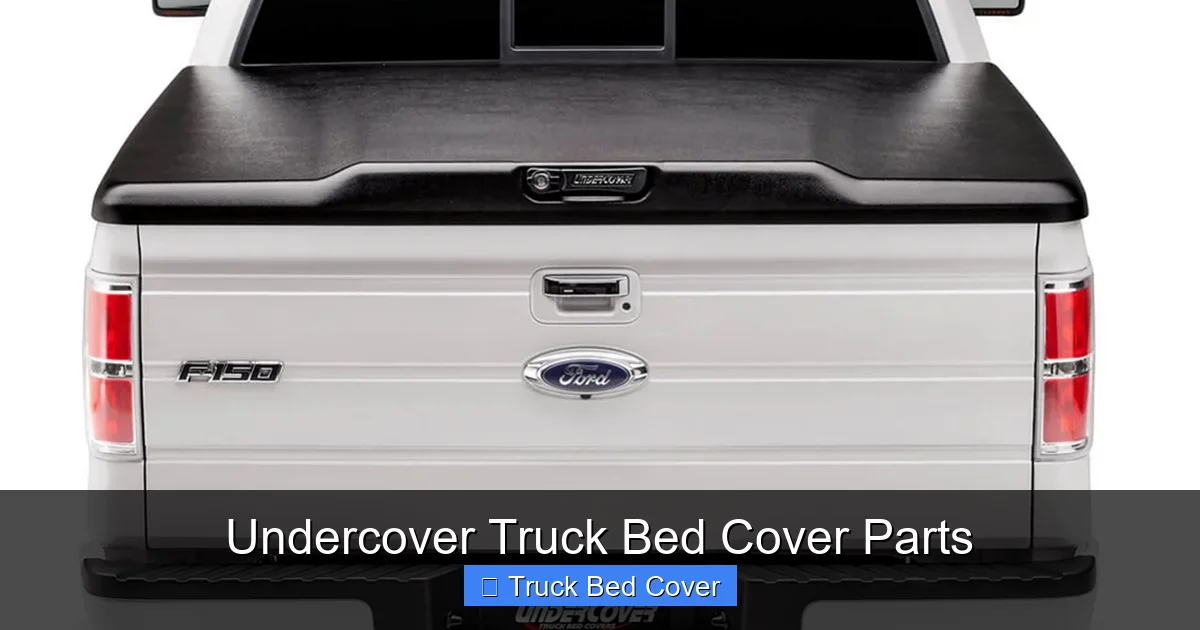
Undercover Truck Bed Cover Parts
Undercover truck bed cover parts are the hidden heroes keeping your truck bed secure and weatherproof. From latches and hinges to seals and mounting brackets, these components ensure a tight seal, easy access, and long-lasting performance. Whether you’re upgrading or replacing, understanding each part helps you maintain peak functionality and protect your gear.
If you own a truck with an Undercover bed cover—whether it’s a soft tri-fold, hard rolling, or top-mounted style—you know how much convenience and protection these covers offer. But behind that sleek exterior? A whole ecosystem of small but mighty parts working together to keep everything secure, dry, and functioning smoothly. These aren’t just accessories; they’re the backbone of your cover system. And when one piece starts acting up, it can throw off the entire operation. That’s why understanding undercover truck bed cover parts is so important.
From the moment you unroll or lift your cover to the final click of the latch, dozens of components come into play. Many drivers never think twice about them—until something goes wrong. A sticking latch, a misaligned hinge, or a worn-out seal can ruin your day. But with a little knowledge about what makes these parts tick, you can keep your cover performing like new for years. In this guide, we’ll walk you through everything you need to know about undercover truck bed cover parts: their functions, common issues, how to choose the right replacements, and even DIY maintenance tips to keep things running smoothly.
Whether you’re troubleshooting a loose hinge, planning a full upgrade, or simply curious about how your cover works under the hood (or rather, under the tarp), this article will give you the inside scoop. Let’s dive in.
Key Takeaways
- Latches and locks are critical for security and ease of use—look for durable, weather-resistant models with smooth operation.
- Hinges and supports allow the cover to open and close smoothly; inspect for wear and alignment issues regularly.
- Weather seals and gaskets prevent water, dust, and debris from entering the bed—replace them if they crack or compress over time.
- Mounting hardware must be compatible with your truck’s make, model, and year—mismatched bolts or rails can lead to leaks or damage.
- Replacement parts are widely available through OEM suppliers and aftermarket retailers, but always verify fitment before purchasing.
- Regular maintenance of undercover components extends the life of your entire truck bed cover system.
- Upgrading to premium parts like stainless steel hardware or reinforced hinges improves durability in harsh conditions.
Quick Answers to Common Questions
What are the most common signs that my Undercover bed cover needs part replacements?
Watch for sticking latches, misaligned hinges, visible cracks in seals, loose mounting bolts, or water intrusion during rain. These indicate it’s time to inspect and possibly replace affected components.
Can I replace individual parts on my Undercover bed cover myself?
Yes, many undercover truck bed cover parts—such as latches, seals, and bolts—are designed for DIY replacement. However, hinge or internal latch work may require removal of the entire cover and careful handling.
How often should I inspect my bed cover parts?
We recommend checking key components monthly during regular use and biannually during seasonal transitions. Pay special attention after long trips or harsh weather exposure.
Are aftermarket parts safe to use on my Undercover cover?
While some aftermarket parts work well, always verify compatibility and quality. OEM or manufacturer-approved replacements ensure proper fit, function, and warranty compliance.
Will upgrading to stainless steel hardware void my warranty?
Generally, using non-OEM parts won’t void the cover’s warranty unless they cause damage. However, always check your specific warranty terms before making modifications.
📑 Table of Contents
Understanding the Anatomy of an Undercover Bed Cover
Before we start talking about specific parts, let’s take a quick look at the overall structure. Most Undercover bed covers consist of several main sections:
– The **main panel(s)** – These are the flat or curved pieces that form the top surface.
– The **frame or support rails** – Hidden beneath the cover, these provide structural integrity.
– The **hinge assemblies** – Allow the cover to fold or roll open.
– The **latch and lock mechanisms** – Secure the cover when closed.
– The **weather stripping** – Seals gaps between the cover and truck bed.
– The **mounting brackets and bolts** – Attach the system to your truck bed.
Each of these areas relies on smaller components—often overlooked—but absolutely vital. For example, even the most expensive cover will fail prematurely if the mounting bolts loosen due to vibration. Similarly, a single cracked gasket can let in moisture and ruin your cargo.
The Role of Latches and Locks
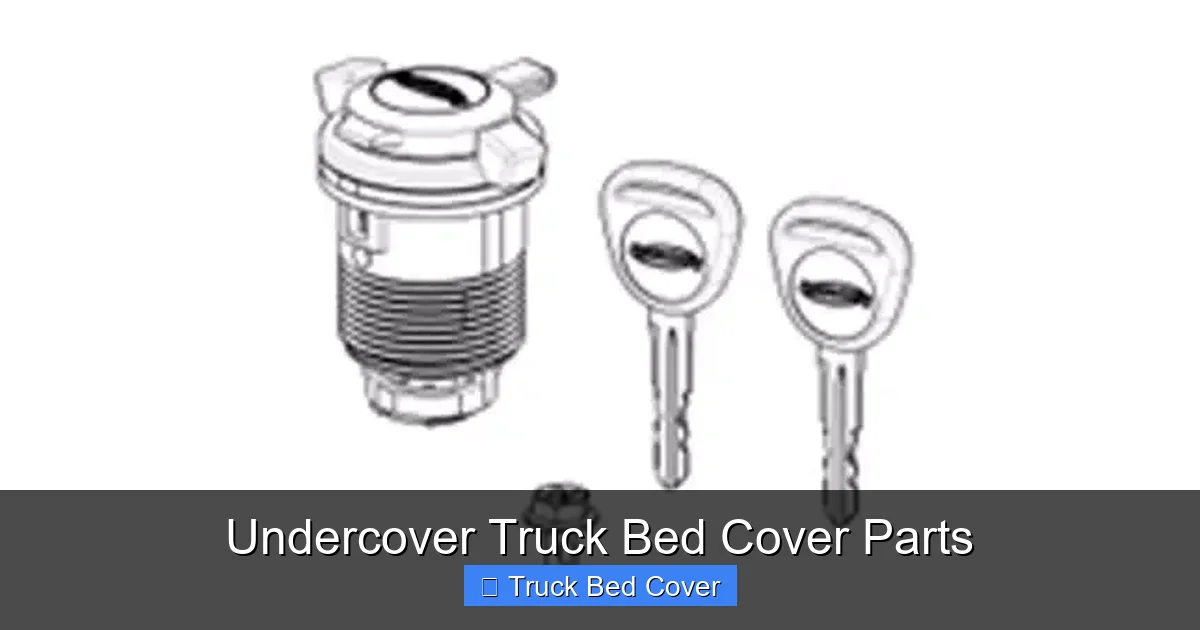
One of the most visible and frequently used undercover truck bed cover parts is the latch. Depending on your model, you might have side-mounted latches, rear pull straps, or integrated handles. These not only secure the cover but also make it easy to open and close.
Modern Undercover covers often feature **dual-action latches**—meaning you can engage one side while leaving the other accessible for quick access. Some even include **keyed locks** for added security. When shopping for replacement latches, look for ones made from **die-cast aluminum or hardened steel**. Plastic versions may seem lighter, but they tend to crack or warp under sun exposure or heavy loads.
Pro tip: If your latch feels stiff or doesn’t align properly, check the mounting bracket first. Misalignment can put extra stress on the latch mechanism and cause it to wear out faster.
Hinges That Hold It All Together
Behind every smooth-folding or rolling cover are **precision-engineered hinges**. These allow the cover to bend without cracking the panels while supporting the weight of the material itself.
Undercover uses high-quality **polypropylene or fiberglass-reinforced hinges** in many of their models. Over time, hinges can develop play due to wear, temperature changes, or improper installation. Signs of hinge trouble include rattling when driving over bumps, uneven folding, or difficulty lifting the cover.
Replacing hinges isn’t always straightforward. Because they’re integrated into the frame, you’ll usually need to remove the entire cover to access them. But if you’re comfortable with basic tools, this is a doable DIY project. Just make sure to get OEM-spec replacements—aftermarket hinges may not match the exact angle or torque specs.
Sealing Out the Elements
Visual guide about Undercover Truck Bed Cover Parts
Image source: realtruck.com
No matter how sturdy your cover looks, it won’t do much good if water sneaks in. That’s where **weather seals and gaskets** come in. These flexible strips run along the edges of the cover and press against the truck bed rails when closed, creating a watertight barrier.
Common materials include **EPDM rubber**, which resists UV rays and extreme temperatures, and **foam-backed PVC**. Both types degrade over time, especially in hot climates where prolonged sun exposure causes cracking.
Check your seals annually—especially if you live near the coast or in areas with frequent rain. Replacing a worn gasket is relatively simple: peel off the old one, clean the rail surface, and apply the new strip firmly. Use a hairdryer to soften the adhesive if it’s cold outside.
For extra protection, consider applying a **silicone-based sealant** around high-moisture areas like tailgate corners. This adds another layer without interfering with the original seal.
Mounting Hardware: The Unsung Heroes
You’d be surprised how often problems stem from the **mounting hardware**. Bolts, clips, and rail adapters all play a role in anchoring your cover securely. Loose bolts are a leading cause of premature wear and potential safety hazards—imagine your cover flying open during highway driving!
Always use the **exact hardware specified by the manufacturer**. Mixing brands or sizes can lead to poor alignment, increased vibration, and even damage to your truck bed’s paint or rails.
Tighten mounting bolts periodically—especially after long trips or off-road adventures—to ensure they stay snug. A quick visual inspection every few months can save you from bigger headaches down the road.
Choosing the Right Replacement Parts
So you’ve identified a faulty component—now what? Shopping for undercover truck bed cover parts can feel overwhelming. There are countless online stores, third-party sellers, and generic kits. How do you pick the best?
Start with **compatibility**. Your truck’s year, make, and model matter more than you think. Even two trucks from the same brand might have different bed widths or rail styles. Always double-check fitment guides before buying.
Next, prioritize **quality over price**. Cheap knockoffs might look similar, but they often use inferior plastics, weak adhesives, or substandard metals. Stick with reputable brands like Undercover themselves, Tonno Pro, or Retrax for trusted reliability.
Finally, read reviews. Other owners have likely tested these parts in real-world conditions. Look for comments about longevity, ease of installation, and whether they solved the original problem.
DIY vs. Professional Repair
Some repairs are simple enough for weekend warriors. Replacing a gasket? Go for it. Tightening loose bolts? No sweat. But others—like hinge replacement or internal latch adjustments—may require specialized tools or experience.
If you’re unsure, consult a professional. Many local truck accessory shops offer diagnostic services and carry genuine OEM parts. Plus, they can spot issues you might miss, like hidden corrosion or warped frames.
That said, learning basic maintenance skills pays off in confidence and cost savings. A few hours spent watching tutorial videos or reading manuals can turn a $500 repair bill into a $20 fix.
Maintenance Tips to Extend Lifespan
Prevention beats cure every time. Regular care keeps your undercover truck bed cover parts working like new. Here’s how to maintain yours:
– **Clean monthly**: Use mild soap and water to wash away dirt, salt, and grime. Avoid harsh chemicals that can degrade rubber or plastic.
– **Lubricate moving parts**: Apply silicone spray to latches and hinges once every 6–12 months. Never use WD-40—it attracts dirt and washes away easily.
– **Inspect seals**: Feel along the edges for cracks or gaps. Replace immediately if you notice any.
– **Check alignment**: Open and close the cover several times to ensure smooth operation. Address any sticking or misalignment early.
– **Store properly**: If removing the cover for winter, clean it thoroughly and store in a shaded area to prevent UV damage.
By treating your cover like the asset it is, you’ll avoid costly replacements and enjoy peace of mind knowing your cargo stays safe and dry.
Upgrading Your System
Not all upgrades are necessary, but some really enhance performance. Consider these popular enhancements:
– **Stainless steel latches**: Resist rust and last longer than standard zinc-plated versions.
– **Enhanced locking systems**: Add keyed locks or remote-actuated options for convenience and security.
– **Upgraded hinges**: Reinforced designs reduce flex and improve longevity.
– **Additional drainage channels**: Help direct water away from sensitive electronics or tools.
Before investing, assess your needs honestly. Do you haul valuable equipment? Live in a rainy climate? Tow heavy loads? These factors help determine which upgrades deliver real value.
When to Call It Quits
Even the best-maintained covers eventually reach their limit. If you notice persistent leaks, structural cracks, or repeated mechanical failures despite proper maintenance, it might be time for a full replacement. Continuing to patch and replace individual parts becomes inefficient and expensive over time.
Signs it’s time:
– Multiple components failing within a short period
– Visible frame damage or warping
– Leaks that persist even after seal replacement
– The cover no longer fits securely
Newer models often come with improved features—like easier installation, better aerodynamics, or enhanced security—so upgrading could be worth considering.
Frequently Asked Questions
How do I know if my bed cover latch is worn out?
If the latch doesn’t click securely into place, feels loose, or requires excessive force to operate, it’s likely worn. Inspect for cracks, bent arms, or misalignment—common signs of fatigue or impact damage.
Can I use any type of lubricant on my bed cover latches?
Avoid petroleum-based products like WD-40, which attract dirt and break down over time. Instead, use a silicone-based spray or dry graphite powder for smooth, long-lasting operation.
Why does my bed cover leak even though the seal looks fine?
Leaks can stem from loose mounting bolts, warped bed rails, or internal condensation. Check all fasteners and ensure the cover sits flush across the entire bed surface.
Is it worth repairing old parts or should I replace the whole cover?
If only a few components are damaged and the main frame is solid, targeted repairs save money. But if multiple parts fail or the cover is aging beyond 7–10 years, replacement offers better long-term value.
Where can I find official Undercover replacement parts?
Visit the official Undercover website or authorized dealers. They provide detailed fitment guides and genuine OEM parts, ensuring compatibility and reliability.
Do I need special tools to install replacement parts?
Most basic replacements—like latches, seals, or bolts—require only common hand tools such as screwdrivers, wrenches, and pliers. Hinge or internal repairs may need additional support or professional assistance.