How to Cover the Bed of a Pickup Truck
Want to protect your truck bed from weather, theft, and wear? Covering your pickup truck bed is one of the best upgrades you can make. Whether you need a soft roll-up, a hard folding, or a retractable option, this guide walks you through everything. We’ll help you pick the right cover, install it like a pro, and keep it in great shape for years.
Have you ever loaded up your pickup truck with gear, tools, or supplies, only to find everything soaked after a sudden rainstorm? Or worse—come back to find someone had taken something from the back? If that sounds familiar, you’re not alone. Truck owners everywhere face the same challenges: protecting cargo from the elements, deterring theft, and keeping their beds looking clean and organized. The good news? Covering the bed of a pickup truck is one of the most effective solutions.
Whether you’re hauling lumber, camping equipment, groceries, or just want a cleaner look, a quality bed cover can make a huge difference. But with so many options out there—soft roll-ups, hard folding panels, retractable systems, and more—it’s easy to feel overwhelmed. That’s where this guide comes in.
In this article, we’ll walk you through everything you need to know about how to cover the bed of a pickup truck. From understanding the different types of covers to measuring your truck bed correctly and installing your choice like a pro, we’ve got you covered. Plus, we’ll share practical tips on maintenance, security, and choosing the best cover for your lifestyle and budget. Let’s get started!
Key Takeaways
- Choose the right type: Soft, hard, retractable, and tonneau covers each offer different benefits for security, weather protection, and style.
- Measure accurately: Always double-check your truck’s bed length, width, and rail type before buying a cover to ensure a perfect fit.
- Install carefully: Follow manufacturer instructions step by step—proper installation prevents leaks, sagging, and damage to your bed.
- Maintain regularly: Clean the cover and hardware every few months to extend its life and keep it looking new.
- Know your needs: Consider cargo size, climate, frequency of use, and budget when selecting a cover.
- Secure loose items: Even with a cover, always tie down heavy or bulky cargo to prevent shifting during travel.
- Check local laws: Some areas have rules about how much of the bed must be visible; make sure your setup complies.
Quick Answers to Common Questions
Can I install a truck bed cover myself?
Yes! Most covers are designed for DIY installation and come with detailed instructions. With basic tools and patience, you can install a soft roll-up or hard folding cover in under an hour.
Do truck bed covers improve gas mileage?
Absolutely. Closed covers reduce drag at the rear of the truck, improving aerodynamics. Many owners report up to 10% better fuel economy, especially on highways.
Are soft or hard covers more secure?
Hard covers generally offer better security because they’re harder to cut or pry open. Lockable models add another layer of protection against theft.
Will a bed cover damage my truck?
No, if installed correctly. Poor installation or cheap hardware might scratch the bed, but reputable covers use non-abrasive materials and proper mounting techniques.
Can I drive with a closed bed cover in the rain?
Yes, as long as the cover is sealed properly. Waterproof designs with rubber gaskets and tight fittings will keep rain out effectively.
📑 Table of Contents
Why Cover Your Pickup Truck Bed?
Before diving into types and installation, it’s worth asking: why bother covering your truck bed at all? The answer is simple—protection, convenience, and peace of mind.
First and foremost, a bed cover shields your cargo from rain, snow, dirt, dust, and UV rays. This is especially important if you carry sensitive items like electronics, documents, or outdoor gear. Without a cover, moisture can ruin materials, and prolonged sun exposure can fade fabrics and plastics.
Second, a cover adds security. A locked bed cover makes it much harder for thieves to access your belongings. Studies show that trucks with covers are less likely to be targeted for break-ins because the cover signals that the cargo is protected—and harder to reach.
Third, a good cover improves fuel efficiency. When you close a soft or hard cover, it reduces wind resistance at the rear of the truck. This aerodynamic benefit can improve gas mileage by up to 10%, depending on driving conditions and cover design.
Finally, a well-chosen cover enhances your truck’s appearance. A sleek, custom-fit tonneau cover gives your vehicle a polished, professional look that turns heads and reflects pride of ownership.
Types of Truck Bed Covers Explained
Visual guide about How to Cover the Bed of a Pickup Truck
Image source: realtruck.com
Not all bed covers are created equal. The type you choose depends on your needs, budget, and driving habits. Here are the most popular options:
Soft Roll-Up Covers
These are the most affordable and widely used covers. Made from durable vinyl or canvas, they roll up toward the cab and secure with Velcro or buckles. They’re lightweight, easy to install, and require minimal maintenance. However, they offer limited security and may not hold up as well in extreme weather.
Hard Folding Covers
Also known as tri-fold covers, these feature three sturdy panels that fold back over the cab. They’re made of aluminum or fiberglass-reinforced plastic and provide excellent security and weather protection. Hard folding covers are heavier than soft ones but still easy to operate and store.
Hard Tri-Fold vs. Hard Roll-Up vs. Retractable
– **Tri-fold**: Best balance of strength, affordability, and ease of use.
– **Roll-up (hard)**: Similar to soft roll-ups but made of rigid panels; offers better durability.
– **Retractable**: Slides open from under the bed rails; ideal for full-width access without folding. More expensive but highly functional.
Retractable Covers
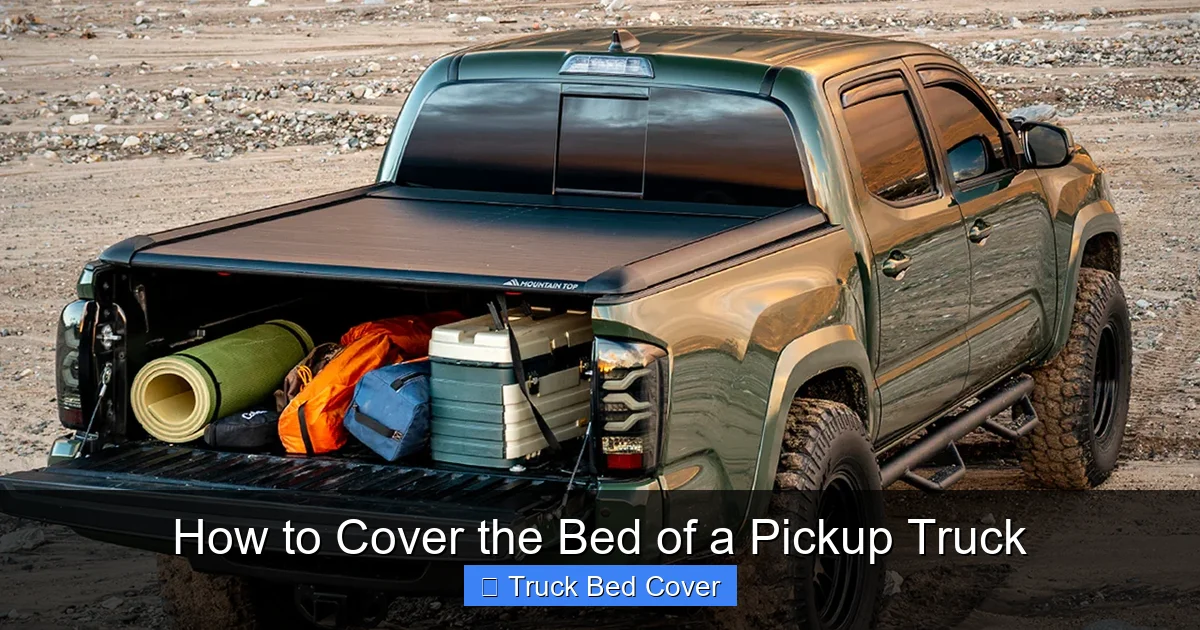
These are motorized or manual systems that slide open like a garage door. They’re perfect if you frequently access large items or need full bed coverage without obstruction. While pricier, retractables offer unmatched convenience and a premium look.
Toolbox-Compatible Covers
If you have an installed toolbox in your bed, this type sits flush over it. It keeps your tools dry and accessible while maintaining a low profile. Installation requires precise alignment but offers seamless integration.
Custom-Fit vs. Universal Fit
Always opt for a custom-fit cover if available. These are designed specifically for your truck model, year, and bed configuration, ensuring a snug, leak-proof seal. Universal fits are cheaper but often result in gaps and reduced performance.
How to Measure Your Truck Bed Correctly
Getting the right fit is critical. An ill-fitting cover will leak, sag, or interfere with tailgate operation. Follow these steps to measure accurately:
1. **Check your truck specs**: Look up your exact make, model, and year. Some trucks have short beds, long beds, standard cabs, or crew cabs—all affect compatibility.
2. **Measure the interior length**: Use a tape measure from the inside edge of the front bulkhead (behind the cab) to the inside edge of the tailgate latch. Subtract about 1 inch to account for mounting hardware.
3. **Note the width**: Most standard beds are 5.5 to 6.5 feet wide. Double-check if you have extended width or side rails.
4. **Identify rail type**: Determine if you have side-mounted rails, no rails, or bedliner grooves. This affects which cover types work best.
5. **Consider clearance**: Measure height from the bed floor to the top of the side rails. Some covers require extra space above the rails.
Pro tip: Take photos of your bed from multiple angles and compare them to manufacturer diagrams online. This helps avoid costly mistakes.
Step-by-Step Installation Guide
Once you’ve chosen and ordered the right cover, installation is usually straightforward—but doing it wrong can lead to leaks or damage. Here’s a general process (always follow your cover’s manual):
Gather Tools and Supplies
You’ll typically need:
– Socket wrench or Allen keys
– Screwdriver set
– Measuring tape
– Cleaning supplies (soap, water, microfiber cloth)
– Lubricant (for sliding mechanisms)
Prepare the Bed
– Remove any debris, dirt, or old hardware.
– Clean the bed surface thoroughly.
– If installing over an existing bedliner, ensure it’s smooth and free of cracks.
Position the Cover
– Lay the cover flat in the bed, aligning it with the edges.
– For rolling covers, position the roller tube securely near the cab.
Attach Mounting Hardware
– Secure brackets using bolts and washers.
– Tighten gradually in a crisscross pattern to avoid warping.
– Leave slight slack initially—you’ll adjust tension later.
Test Operation
– Open and close the cover several times to check for binding or misalignment.
– Adjust clamps or straps as needed.
Final Touches
– Apply weatherproofing sealant around edges if recommended.
– Reinstall any removed components (e.g., license plate bracket).
Remember: patience pays off. Rushing can cause scratches or improper sealing. If unsure, consult a professional installer—many dealerships and auto shops offer this service.
Maintenance Tips for Longevity
Even the best cover won’t last forever if neglected. Regular care ensures it stays functional and attractive:
– **Wipe down weekly**: Use mild soap and water to remove dirt and salt buildup.
– **Inspect monthly**: Check for tears, loose bolts, or worn seals.
– **Lubricate moving parts**: Apply silicone spray to hinges and rollers annually.
– **Avoid sharp objects**: Keep tools away from the underside to prevent punctures.
– **Store properly**: Roll up soft covers fully and secure them tightly during winter.
– **Clean with care**: Never use abrasive cleaners or high-pressure washes directly on seams.
For hard covers, focus on keeping latches clean and dry. For soft covers, consider a fabric protector spray to repel water and stains.
Choosing the Best Cover for Your Needs
No single cover works for everyone. Consider these factors:
– **Climate**: In rainy regions, prioritize waterproof designs. In dusty areas, dust-proof seals matter more.
– **Cargo size**: Large items may require a retractable or tri-fold for full access.
– **Budget**: Soft covers start around $150; hard and retractable models can exceed $1,000.
– **Security needs**: High-theft areas call for lockable, reinforced covers.
– **Aesthetics**: Match color and finish to your truck’s exterior.
– **Frequency of use**: Daily drivers benefit from easy-open designs; occasional users might prefer simplicity.
Popular brands include TonnoPro, UnderCover, BakFlip, and DiamondBack. Read verified reviews and watch installation videos before deciding.
Common Mistakes to Avoid
Even experienced truck owners make errors. Watch out for these pitfalls:
– **Buying the wrong size**: Always verify measurements twice.
– **Skipping the manual**: Each cover has unique requirements.
– **Over-tightening hardware**: This can warp panels or damage the bed.
– **Ignoring weatherproofing**: Gaps invite moisture.
– **Using the cover as storage**: Don’t pile heavy items on top—it strains the system.
– **Neglecting regular checks**: Small issues grow into big problems.
When in doubt, reach out to customer support or a local installer. Many manufacturers offer warranties and troubleshooting guides.
Frequently Asked Questions
What’s the difference between a tonneau cover and a bed cover?
A tonneau cover is actually a type of bed cover—specifically, a soft or hard panel system that spans the truck bed. “Bed cover” is a broader term that includes all protective systems.
Do I need a bed cover if I have a camper shell?
If your camper shell already seals tightly and protects cargo, you may not need an additional cover. But if it’s open-topped or poorly fitted, a bed cover adds extra protection.
Can I wash my truck with the bed cover closed?
Yes, but avoid high-pressure sprayers aimed at seams or latches. Use gentle streams and dry thoroughly afterward to prevent rust.
How long do truck bed covers last?
Soft covers typically last 3–7 years; hard and retractable covers can last 8–15 years with proper care. Weather, usage, and material quality play major roles.
Are bed covers legal in all states?
Most states allow fully covered beds, but some require the tailgate to be visible or limit how much of the bed can be obscured. Check your local DMV guidelines.
Should I buy a cover before or after installing a bed liner?
It’s usually easier to install the cover first, then reinstall any removable liner pieces. Some covers are designed to work with liners, so check compatibility beforehand.