How to Cover Truck Bed
Covering your truck bed protects cargo, improves fuel efficiency, and boosts resale value. Whether you choose a tonneau cover, soft roll-up, or retractable model, the right cover fits your lifestyle and budget. This guide walks you through everything—types, installation, and care—so your truck stays secure and stylish.
Key Takeaways
- Choose the right type: Soft covers are affordable and easy to install; hard covers offer better security and durability.
- Consider climate: Weather-resistant materials like vinyl and aluminum protect against rain, snow, and UV rays.
- Installation matters: Proper sealing prevents leaks and ensures smooth operation of your truck bed cover.
- Maintenance is simple: Regular cleaning and lubrication extend the life of most covers by years.
- Boost fuel economy: A well-fitted cover reduces wind drag, improving gas mileage by up to 10%.
- Increase resale value: A clean, covered truck bed makes your vehicle more attractive to buyers.
- Match to your use: Daily drivers benefit from convenience; off-roaders may prefer rugged, removable options.
Quick Answers to Common Questions
Can I install a truck bed cover myself?
Yes! Many soft and folding covers can be installed in under an hour with basic tools. Just follow the manufacturer’s instructions and take your time.
Will a truck bed cover improve gas mileage?
Absolutely. A properly fitted cover reduces wind resistance, which can improve fuel efficiency by up to 10% depending on driving conditions.
Are soft covers waterproof?
They offer good water resistance but aren’t fully waterproof. Heavy rain may seep through seams over time. Hard covers provide better sealing.
How do I clean my truck bed cover?
Use mild soap and water for soft covers. For hard covers, wipe with a damp cloth and dry immediately. Avoid abrasive cleaners or pressure washers.
Do I need to remove the cover in winter?
No—most modern covers are designed to handle snow and ice. Just clear off accumulation gently before opening or closing.
📑 Table of Contents
- How to Cover Truck Bed: Your Complete Guide to Protection, Style, and Performance
- Why You Should Cover Your Truck Bed
- Types of Truck Bed Covers Explained
- How to Install a Truck Bed Cover Yourself
- Maintenance Tips to Extend Your Cover’s Life
- Choosing the Right Cover for Your Needs
- Top Brands to Consider
- Common Mistakes to Avoid
- Final Thoughts: Is a Truck Bed Cover Worth It?
How to Cover Truck Bed: Your Complete Guide to Protection, Style, and Performance
You’ve just loaded up your truck bed with lumber, camping gear, or that new sofa you picked up at the thrift store. You hit the road—only to realize your cargo is exposed, vulnerable to weather, theft, and road debris. Sound familiar? If so, it’s time to think about covering your truck bed. Not only does a quality cover protect what you’re hauling, but it also enhances your truck’s look, improves fuel efficiency, and can even boost its resale value. In this guide, we’ll walk you through everything you need to know about how to cover truck bed—whether you’re a weekend warrior, daily commuter, or off-road enthusiast.
From choosing the right type of cover to installing it yourself in under an hour, we’ll break down the process step by step. We’ll compare soft vs. hard covers, discuss maintenance routines, and share pro tips for sealing and securing your setup. By the end, you’ll have all the knowledge you need to make an informed decision and protect your investment—rain or shine.
Why You Should Cover Your Truck Bed
At first glance, covering your truck bed might seem like an unnecessary expense. But the benefits go far beyond just keeping things dry. Let’s explore why every truck owner should consider a bed cover.
Protection Against the Elements
Rain, snow, sleet, and sun can wreak havoc on your cargo. A high-quality truck bed cover acts as a shield, preventing water from soaking into your belongings. For example, imagine loading your car with expensive electronics before a long road trip. Without a cover, a sudden downpour could ruin your devices. With a proper cover, you stay dry and worry-free.
Even UV exposure can degrade materials over time—think cracked plastic, faded paint, or warped wooden items. A cover blocks harmful rays, preserving both your gear and your truck bed itself.
Security and Theft Prevention
An uncovered truck bed is an open invitation to thieves. Tools, laptops, or even a cooler full of food can disappear in minutes. A locked tonneau cover makes it much harder for opportunistic criminals to access your stuff. Hard covers, especially those with reinforced locks, provide peace of mind when parked in public lots or campsites.
Improved Aerodynamics and Fuel Efficiency
Did you know that a poorly covered truck bed can hurt your gas mileage? When air flows over an open tailgate, it creates turbulence—like a parachute dragging behind your vehicle. A snug-fitting cover smooths airflow, reducing drag and improving fuel economy by up to 10%. That might not sound like much, but over thousands of miles, it adds up.
Aesthetic Appeal and Resale Value
A sleek, professionally installed cover gives your truck a polished, custom look. It says, “I take pride in my vehicle.” When it comes time to sell, a well-maintained truck with a quality bed cover often commands higher prices. Buyers appreciate the added protection and style—it shows the vehicle has been cared for.
Types of Truck Bed Covers Explained
There are several types of truck bed covers, each with its own advantages. Choosing the right one depends on your budget, driving habits, and how you plan to use your truck.
Soft Roll-Up Covers
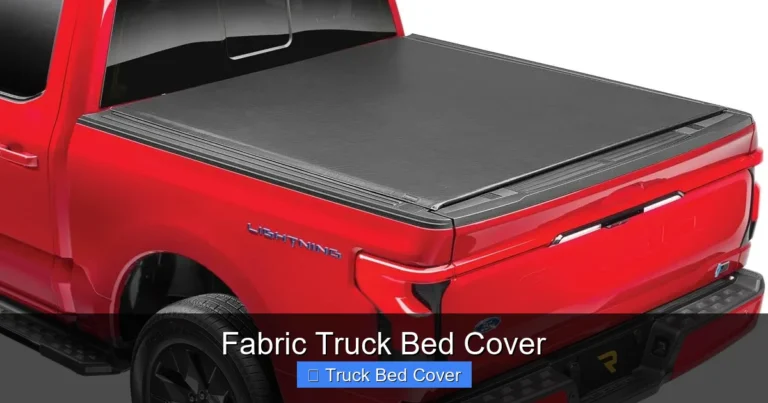
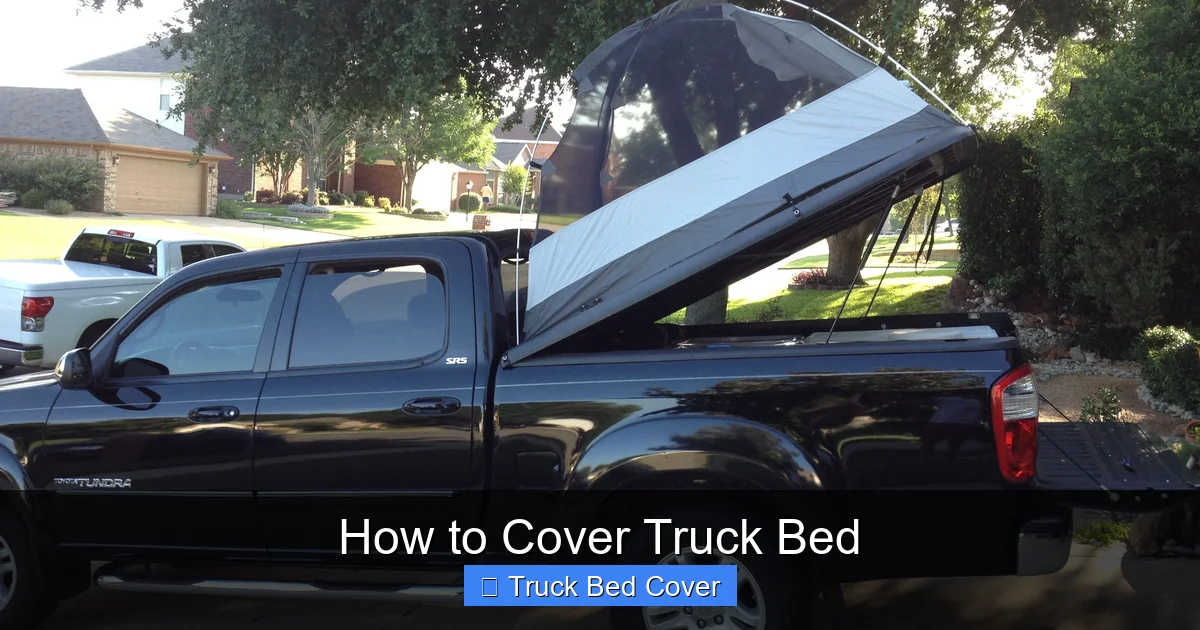
These are the most common and affordable option. Made from heavy-duty vinyl stretched over a lightweight frame, soft roll-ups unroll and roll back manually. They’re great for occasional use and offer decent water resistance.
Pros: Inexpensive (starting around $150), easy to install, removable quickly.
Cons: Less secure than hard covers, can wear out faster in harsh climates, may flap in strong winds.
Best for: City drivers who want quick access and don’t need maximum security.
Hard Folding Covers
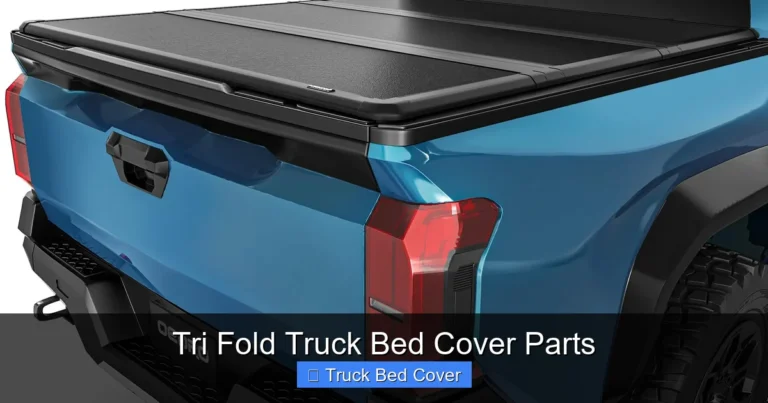
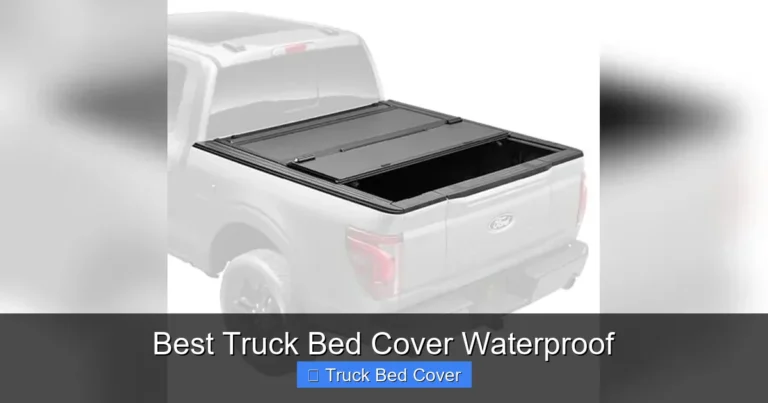
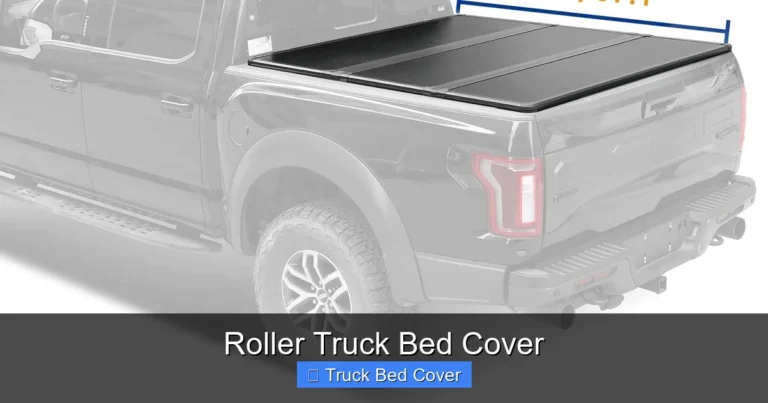
Also called tri-fold or dual-fold covers, these feature rigid panels connected by hinges. They fold up in sections for partial access to the bed while staying securely latched.
Pros: Excellent security, weatherproof, durable, and maintain a low profile.
Cons: More expensive (typically $500–$1,200), heavier, and slightly bulkier when folded.
Best for: Families, contractors, and anyone needing reliable protection without full removal.
Retractable (Rolling) Hard Covers
These slide open like a garage door, allowing full bed access. Popular brands include TruXedo and BAK, known for smooth operation and long lifespans.
Pros: Full bed access, sleek design, highly durable, excellent sealing.
Cons: Higher price point ($800–$1,800), complex installation, heavier than folding models.
Best for: Truck owners who drive long distances or frequently transport large items.
One-Piece Fiberglass or Aluminum Covers
These sit flush over the entire bed and attach directly to the rails. They’re extremely rigid and offer maximum security.
Pros: Flawless appearance, superior protection, minimal gaps for water intrusion.
Cons: Very expensive ($1,200+), permanent installation, difficult to remove.
Best for: Luxury trucks or commercial vehicles where aesthetics and security are top priorities.
Drop-Step or Accessory Panels
Not true “covers,” but add-ons that let you step onto the truck bed safely. Often paired with other cover types for added functionality.
Best for: People who need frequent bed access without climbing over a tailgate.
How to Install a Truck Bed Cover Yourself
While professional installation is recommended for complex systems like retractables, many soft and folding covers can be installed in under an hour with basic tools. Here’s how to do it yourself.
Gather Your Tools and Materials
Before starting, make sure you have:
- Your new truck bed cover kit
- Socket wrench or drill (depending on rail type)
- Screwdriver set
- Lubricant (silicone-based is best)
- Tape measure
- Clean cloth and mild soap
Prepare the Truck Bed
Start by removing any existing accessories—toolboxes, tie-downs, or lights—that might interfere. Clean the bed rails thoroughly to ensure no dirt or rust compromises the seal. Dry everything completely before proceeding.
Attach the Rail System (if included)
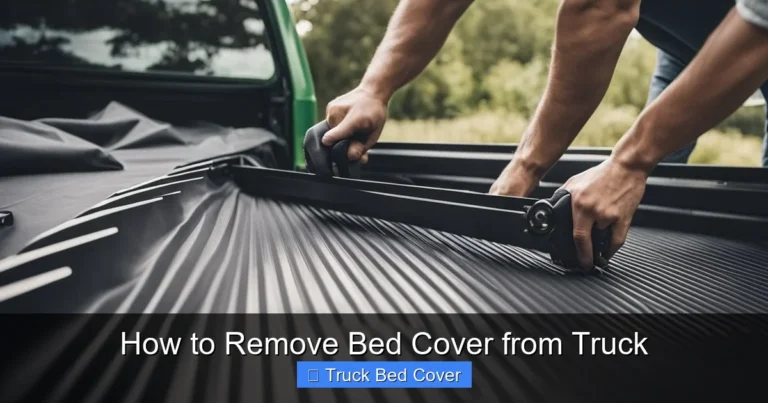
Most modern covers require mounting rails along the inside edges of the bed. Follow the manufacturer’s instructions carefully. Use provided bolts and tighten them evenly to avoid warping the rails. Double-check alignment using a level if possible.
Install the Cover
For roll-up covers:
- Unroll the fabric panel and position it over the bed.
- Secure the front latch first, then roll the cover toward the cab.
- Attach the rear clamps to the tailgate or bed cap.
- Test the roll-up mechanism to ensure smooth operation.
For folding covers:
- Mount the side rails securely.
- Place the center panel on top and connect hinge arms.
- Align all folds and fasten latches on each segment.
- Adjust tension so the cover sits flat without sagging.
Seal and Test
Apply weatherstripping or foam tape along contact points to prevent leaks. Run a hose test (carefully!) to check for water intrusion. Make sure the cover opens and closes smoothly and locks securely.
Maintenance Tips to Extend Your Cover’s Life
Like any investment, your truck bed cover needs regular care to perform well and last years. Here’s how to keep it in top shape.
Clean Regularly
Dirt, bird droppings, and salt buildup can damage fabric and seals over time. Wash soft covers monthly with mild soap and water. Avoid harsh chemicals that strip protective coatings. For hard covers, wipe down aluminum or fiberglass surfaces with a damp cloth and dry immediately.
Lubricate Moving Parts
Every few months, apply silicone spray to hinges, latches, and roller mechanisms. Never use oil-based lubricants—they attract dust and cause premature wear.
Inspect for Damage
Check for tears, loose bolts, or worn gaskets during routine maintenance. Catching small issues early prevents bigger problems down the road. Replace damaged parts promptly using OEM or compatible aftermarket components.
Store Properly When Not in Use
If you remove your cover seasonally (e.g., for summer off-roading), store it in a cool, dry place away from direct sunlight. Fold it neatly or hang it vertically to prevent creasing or stretching.
Winter Care
In snowy regions, clear off ice and snow before opening or closing the cover. Avoid prying frozen panels apart—use warm water sparingly if needed. Consider using a winter-specific lubricant to prevent stiffening.
Choosing the Right Cover for Your Needs
With so many options available, picking the perfect cover can feel overwhelming. Ask yourself these questions to narrow it down:
- How often do I use my truck? Daily drivers benefit from convenience; occasional users may prioritize cost.
- What’s my typical cargo? Sharp tools call for secure hard covers; soft items work fine with lighter options.
- Do I live in a harsh climate? Extreme heat or cold demands durable materials and proper sealing.
- Am I handy with tools? DIY installs save money but require patience and attention to detail.
- What’s my budget? Entry-level covers start around $100; premium models exceed $2,000.
Also consider compatibility—not all covers fit every truck model. Always verify fitment using your VIN or truck specifications before ordering.
Top Brands to Consider
While there are countless manufacturers, a few stand out for quality, reliability, and customer support:
- BAK Industries: Known for high-end fiberglass and aluminum covers with lifetime warranties.
- TruXedo: Leading brand in retractable systems praised for smooth operation.
- UnderCover: Offers both folding and rolling hard covers with competitive pricing.
- DeWalt: Popular among contractors for rugged, tool-friendly designs.
- Ozark Trail: Budget-friendly option ideal for casual users.
Read reviews, watch installation videos, and compare warranties before committing. A little research saves headaches later.
Common Mistakes to Avoid
Even experienced DIYers make errors when installing or maintaining their truck bed cover. Steer clear of these pitfalls:
- Skipping the manual: Every cover comes with specific instructions—follow them exactly.
- Over-tightening bolts: This can warp rails or crack panels. Finger-tighten first, then snug with a wrench.
- Ignoring weatherstripping: Poor seals lead to leaks—don’t cut corners here.
- Using the wrong cleaner: Harsh solvents ruin vinyl and adhesives.
- Storing wet: Mold and mildew thrive in damp conditions—always dry before stowing.
Final Thoughts: Is a Truck Bed Cover Worth It?
Absolutely. Whether you’re protecting a $500 generator or simply want a cleaner, more efficient ride, covering your truck bed delivers real value. It’s one of the most cost-effective upgrades you can make—adding security, style, and performance without breaking the bank. Plus, with easy DIY installation and simple maintenance, it’s a project almost anyone can tackle.
So next time you load up your truck, take a moment to consider how a quality cover could save you time, money, and stress. From roll-ups to retractables, there’s a solution out there that fits your life. Invest wisely, install carefully, and enjoy the peace of mind that comes with knowing your cargo—and your truck—are protected.
Frequently Asked Questions
What is the best material for a truck bed cover?
The best material depends on your needs. Vinyl is common for soft covers, offering affordability and flexibility. Aluminum or fiberglass is ideal for hard covers, providing durability and weather resistance.
How long does a truck bed cover last?
With proper care, most covers last 5–10 years. High-quality brands with strong warranties often exceed this lifespan, especially if maintained regularly.
Can I wash my truck bed cover with a pressure washer?
It’s not recommended. High-pressure water can force moisture into seams or damage moving parts. Stick to gentle hand washing or spot cleaning.
Are retractable covers worth the extra cost?
If you frequently need full bed access and drive long distances, yes. Retractables offer convenience, sleek looks, and superior sealing compared to folding models.
Will a bed cover fit my truck?
Always check compatibility using your truck’s year, make, and model—or VIN—before purchasing. Some covers are universal, but others require specific rail systems.
Do I need special tools to install a cover?
Basic tools like a socket wrench, screwdriver, and measuring tape usually suffice. Professional-grade retractables may require additional equipment, but many DIY kits are tool-free or minimal.