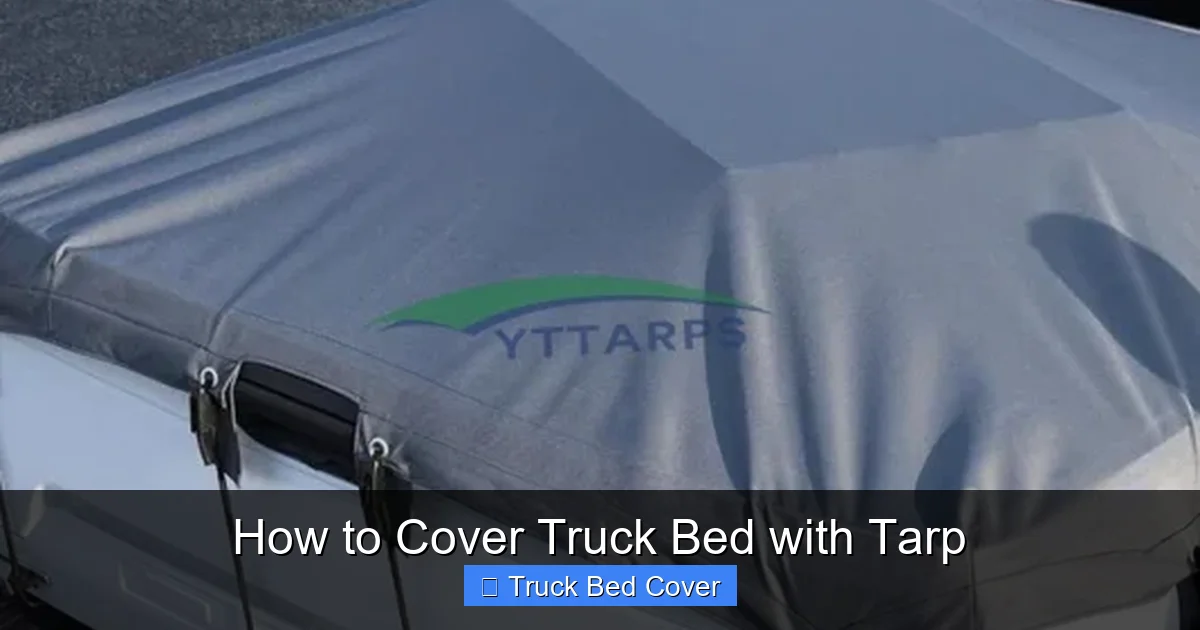
How to Cover Truck Bed with Tarp
Covering your truck bed with a tarp is essential for protecting cargo from rain, snow, and sun. Whether you’re hauling tools, furniture, or groceries, a properly secured tarp keeps everything safe and dry. This guide walks you through the best materials, setup methods, and maintenance tips so your tarp stays tight and secure—no matter where the road takes you.
Covering your truck bed with a tarp is one of the most practical ways to protect your belongings during transport or storage. Whether you’re moving, camping, or just running errands, a good tarp shields your cargo from rain, dust, wind, and sun exposure. It’s an affordable, versatile solution that works for almost any pickup truck—whether it’s a full-size, mid-size, or compact model.
But here’s the thing: not all tarps are created equal, and not all ways of tying one down will keep your stuff safe. A loose tarp flapping in the wind can tear, slide off, or even become a dangerous projectile. A poorly secured load can shift and damage your truck bed or other vehicles on the road. That’s why this guide isn’t just about slinging a sheet over your bed and calling it a day. We’re going deep into how to do it right—every time.
From picking the best type of tarp to mastering the art of tension and anchoring, we’ll walk you through every step. You’ll learn how to handle different weather conditions, what tools make the job easier, and how to maintain your tarp so it lasts for years. Let’s get started.
Key Takeaways
- Choose the right tarp size: Always select a tarp that extends beyond your truck bed by at least 12–18 inches on all sides to ensure full coverage.
- Use high-quality materials: Heavy-duty polyethylene tarps with reinforced grommets and UV protection last longer and resist tearing.
- Secure with proper tie-downs: Use bungee cords, ratchet straps, or cam buckle straps anchored to the truck’s tie-down loops or D-rings.
- Fold and store correctly: Roll the tarp tightly after use and store it in a dry place to prevent mold and mildew.
- Inspect regularly: Check for wear, holes, or loose straps before each trip to avoid sudden failures.
- Consider alternatives: For frequent use, invest in a hard or soft tonneau cover for better security and aesthetics.
- Work smart in wind: Lay the tarp slightly loose when driving fast to reduce flapping and strain.
Quick Answers to Common Questions
Can I use a regular plastic tarp for my truck bed?
Yes, but only if it’s thick (at least 6 mil) and has reinforced grommets. Regular thin tarps tear easily and won’t hold up under wind or weather.
Do I need to secure the tarp with straps or bungee cords?
Absolutely. Without proper anchoring, the tarp will blow off or flap dangerously. Use at least four straps—one on each corner—and add more if needed.
How do I keep the tarp from flapping in the wind?
Allow slight looseness, especially at high speeds. Use multiple anchor points, add a middle support strap, and fold the sides tightly to reduce air pockets.
Can I drive with the tarp on?
Yes, as long as it’s secured properly. Just remember to leave it a little looser when driving fast to prevent strain. Never drive with a loose or partially attached tarp.
How often should I replace my truck bed tarp?
Every 3 to 5 years, depending on use and weather exposure. Inspect it regularly for wear, holes, or faded material. Don’t wait until it fails mid-trip.
📑 Table of Contents
Choosing the Right Tarp for Your Truck Bed
Not every tarp is built for heavy-duty use. The wrong choice can lead to tears, poor water resistance, or weak anchor points. To cover your truck bed with tarp effectively, start by selecting the right material and size.
Material Matters: Polyethylene vs. Canvas
Most truck bed tarps are made from polyethylene (PE), a waterproof, lightweight plastic sheeting. These are ideal because they’re affordable, float in water (great for emergencies), and resist mildew. Look for thickness ratings like 6 mil or 10 mil—thicker means more durability.
Canvas tarps offer breathability and strength but absorb moisture if not treated. They’re heavier and less common for truck beds unless you need airflow (like for live plants). For general use, stick with PE tarps unless you have specific needs.
Sizing Your Tarp Correctly
Measure your truck bed carefully. Add at least 12 to 18 inches to each side so the tarp hangs over the edges and can be folded down securely. If your bed is 6 feet long and 5 feet wide, get a tarp that’s at least 78 inches by 66 inches.
Some trucks have tailgates that fold down—make sure your tarp can stretch across the open section without gaps. Also consider whether you want a tarp that covers the tailgate or leaves it open for access.
Features to Look For
– Reinforced Grommets: Metal or plastic rings at the corners and along the edges prevent ripping when tied.
– UV Resistance: Prevents fading and degradation from sunlight.
– Double-Layered Edges: Stronger than single-layer fabric.
– Color Options: Black tarps block light; white reflects heat.
Avoid cheap tarps sold in bulk—they often lack grommets or have weak seams. Invest in a quality tarp from a reputable brand like ULINE, Mastercraft, or Amazon Basics.
Tools and Supplies You’ll Need
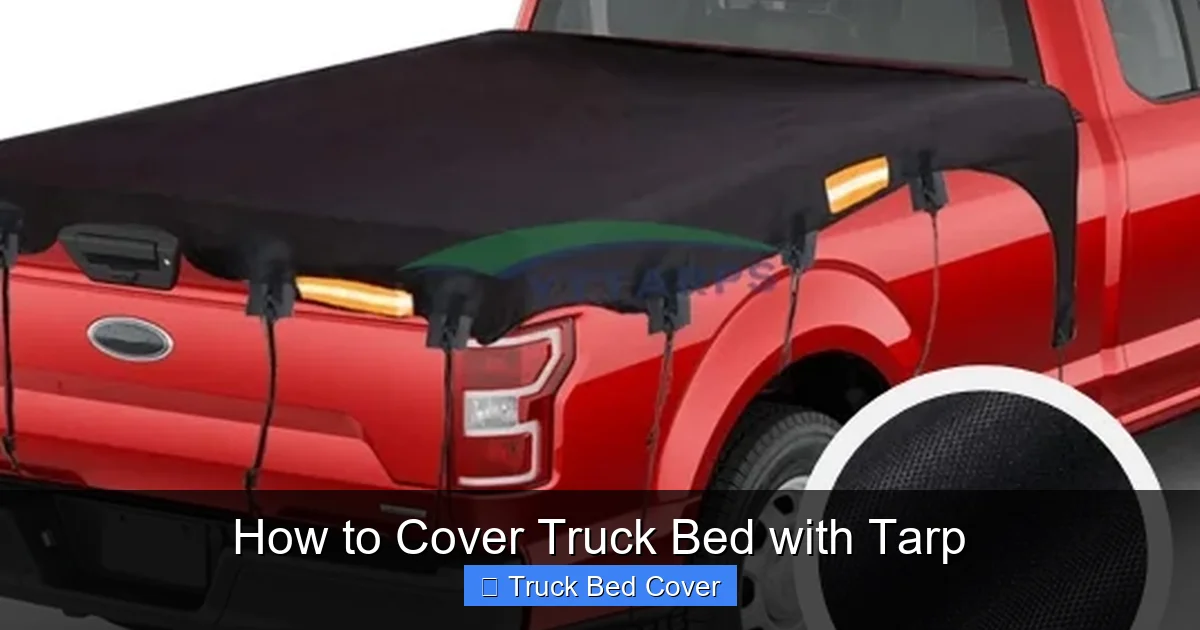
Visual guide about How to Cover Truck Bed with Tarp
Image source: yttarps.com
Before you head out, gather these items. Having the right tools makes the process faster, safer, and more secure.
Essential Items
- Tarp: As discussed, choose the right size and material.
- Bungee Cords or Ratchet Straps: Bungees are flexible and easy to adjust; ratchets provide tighter tension.
- Cam Buckle Straps: Great for securing corners without damaging paint.
- Duct Tape or Tarp Repair Tape: For quick fixes on the go.
- Gloves: Protect your hands from sharp edges and dirt.
Optional but Helpful
– Tarp Clips: Plastic hooks that snap onto grommets and prevent slipping.
– Truck Bed Extender: Helps stabilize tall loads under the tarp.
– Wind Deflector: A small panel that reduces air pressure buildup behind the tarp.
Having a tarp repair kit on hand is smart—especially if you’re traveling long distances. A small hole can turn into a big leak fast.
Step-by-Step Guide: How to Cover Truck Bed with Tarp
Now comes the fun part—actually covering your truck bed. Follow these steps for a snug, secure fit.
Step 1: Prepare Your Truck Bed
Clear out any debris, tools, or loose items. Wet surfaces can cause the tarp to slip. If it’s dusty, wipe down the rails and tailgate area.
For trucks with spray-in bed liners, make sure the edges are clean so straps don’t slide off. If you have a drop-in liner, note where the corners are—this helps align the tarp properly.
Step 2: Drape the Tarp Over the Bed
Lay the tarp over the open bed so it hangs evenly on all sides. Center it front to back and side to side. If your truck has a tailgate that folds up, let the tarp drape over it—but don’t stretch too tight yet.
Tip: Do this with a friend. One person holds the center while the other secures corners. It’s harder to manage alone.
Step 3: Secure the Front Corners
Fold the front corners down over the front edge of the bed. Pull them tight and attach to the front tie-down loops using bungee cords or straps. Make sure there’s no slack—this is where the tarp tends to flap first.
Use cam buckles if you want to avoid scratching the paint on the truck frame.
Step 4: Fold and Tuck the Sides
Take the excess fabric on the left and right sides and fold it inward toward the center. Then tuck the fabric under the edge of the bed liner or over the wheel wells. This creates a smooth, aerodynamic shape.
If your truck has side rails, run straps diagonally from the top corner to the opposite tie-down loop. This adds stability.
Step 5: Secure the Back
The back is often the trickiest part—especially if your truck doesn’t have a tailgate. Fold the rear corners down and secure them to the rear bumper or tie-down points.
If you have a tailgate, roll it up partway and secure the tarp over it with a strap looped through the gate. This prevents water from pooling on top.
Step 6: Add Final Tension
Once all corners are tied, walk around and pull any loose sections taut. The goal is a smooth, wrinkle-free surface with no sagging.
Pro Tip: When driving at high speeds, leave the tarp slightly loose. Wind can create lift, and too much tension may tear the fabric or damage the truck bed.
Advanced Techniques for Better Security
Once you’ve mastered the basics, try these upgrades to make your tarp cover even more reliable.
Use a Tarp with Side Flaps
Some tarps come with extended side flaps that wrap under the truck bed. These act like a skirt and prevent wind from getting underneath. Fold them down and secure with extra straps.
Add a Middle Support Strap
Run a strap from one side rail to the other, just above the cargo area. This keeps the tarp from billowing in crosswinds.
Install a Tailgate Seal
If your tailgate doesn’t seal tightly, water can seep in. Add a rubber or foam gasket to create a watertight barrier between the tailgate and bed rails.
Use a Weighted Edge
Attach sandbags, bricks, or even water jugs along the bottom edge of the tarp. This keeps it flat and prevents wind from lifting it.
Try a Two-Tarp System
For extra protection, lay a second tarp inside the first, overlapping at the seams. This doubles waterproofing—ideal for long trips or rainy climates.
Weather-Specific Tips
How you cover your truck bed changes depending on the weather.
Rainy Conditions
Ensure all seams are sealed with duct tape or tarp sealant. Water tends to pool in the center, so slope the tarp slightly downward from the middle to the sides.
Snow and Ice
Use a thicker tarp (10 mil or more) to withstand weight. Avoid leaving snow piled on top—it can crack the tarp or make it heavy. Remove snow regularly.
High Winds
As mentioned earlier, allow some give in the tarp. Use multiple anchor points and avoid letting fabric flutter. A loose tarp is better than a torn one.
Hot Weather
White or reflective tarps reduce heat absorption. If storing items sensitive to temperature (like electronics), consider ventilation gaps.
Foggy or Humid Climates
Mold can grow on damp tarps. Dry it thoroughly after use and store in a ventilated space.
Maintenance and Storage Tips
A well-maintained tarp lasts longer and performs better.
Clean After Each Use
Wipe down the tarp with soapy water to remove dirt, salt, or chemicals. Rinse thoroughly and let it air dry completely before rolling.
Inspect Regularly
Check for:
– Cracks or thinning spots
– Loose or missing grommets
– Mildew or odors
– Stretch marks indicating wear
Replace the tarp if it’s more than 3–5 years old, even if it looks fine.
Store Properly
Never store a wet tarp. Roll it tightly with a piece of cardboard inside to keep it round. Place it in a breathable bag or tarp bag with silica gel packs to absorb moisture.
Avoid direct sunlight during storage—UV rays break down the material over time.
When to Upgrade to a Permanent Cover
If you cover your truck bed with tarp frequently, you might want to consider a permanent solution.
Soft Tonneau Covers
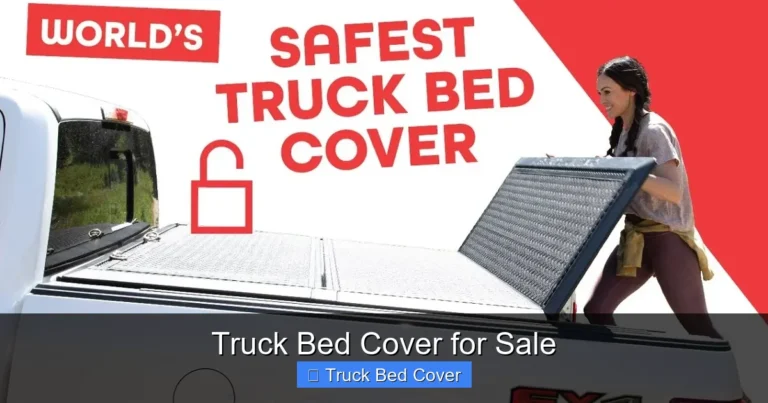
These roll up like a tarp but are mounted permanently. They offer better security, aerodynamics, and weather resistance. Brands like TruXedo, BAK, and Undercover make high-quality options.
Hard Tri-Fold or Retractable Covers
More expensive but extremely durable. They lock in place and protect against theft and extreme weather.
Hybrid Systems
Some systems combine a soft cover with a tarp overlay for added protection.
While tarps are great for occasional use, permanent covers save time and improve safety for daily drivers.
Frequently Asked Questions
What size tarp do I need for my truck bed?
Measure your truck bed and add 12 to 18 inches to each side. For example, a 6-foot-long bed needs a tarp at least 78 inches long. Always check both length and width to ensure full coverage.
Should I use bungee cords or ratchet straps?
It depends. Bungee cords are flexible and easy to adjust, while ratchet straps offer stronger tension. Use ratchets for heavy loads or strong winds, and bungees for lighter, quick jobs.
Can I reuse a tarp that had a hole?
You can patch it temporarily with duct tape or tarp repair tape, but it’s not ideal for long-term use. Replace the tarp if the damage is large or affects structural integrity.
Is it okay to leave the tarp on during winter?
Yes, but remove any snow or ice buildup. Excess weight can crack the tarp or damage the truck bed. Also, ensure the tarp isn’t trapping moisture, which can lead to mold.
Do I need special tools to install a tarp?
No. Bungee cords, cam buckles, and basic gloves are enough. But tools like a tarp clip or wind deflector can make installation faster and more secure.
How do I prevent the tarp from blowing off?
Secure all four corners, use diagonal straps, and avoid over-tightening. In high winds, allow slight give and consider adding weights or a middle support strap.