How to Cover Pickup Truck Bed with Tarp
Covering your pickup truck bed with a tarp is essential for protecting cargo from rain, dirt, and sun damage. Whether you’re hauling gear for a camping trip or moving furniture, using the right tarp and securing method makes all the difference. This guide walks you through everything—from choosing the best tarp to tying it down tight, so your belongings stay safe and dry every time.
Key Takeaways
- Choose the Right Tarp: Select a heavy-duty, waterproof tarp made of polyethylene or vinyl-coated polyester that fits your truck bed dimensions.
- Use Proper Securing Tools: Invest in ratchet straps, bungee cords, or cargo nets to keep the tarp tight and prevent flapping in the wind.
- Overlap and Secure Corners: Fold the tarp over the truck bed edges and use grommets at corners to tie down securely and prevent water pooling.
- Consider a Tailgate Cover: For better protection, combine a bed tarp with a tailgate cover or roll-up tonneau cover.
- Check Weather Conditions: Always inspect the tarp before driving, especially after rain or high winds, to ensure it’s still secure.
- Maintain and Store Properly: Clean and dry the tarp regularly, then store it in a cool, dry place to extend its lifespan.
- Safety First: Never overload your truck bed beyond capacity, as this can make tarps ineffective and dangerous during transport.
Quick Answers to Common Questions
Can I use any old tarp to cover my truck bed?
No, not all tarps are suitable. Use a heavy-duty, waterproof tarp made of polyethylene or vinyl-coated polyester with grommets for secure tying. Thin or damaged tarps may tear easily or fail in bad weather.
Do I need special tools to secure a tarp?
Basic tools like ratchet straps, bungee cords, and cargo nets are recommended. While you can use rope in emergencies, straps provide stronger, more reliable hold-down power.
How often should I check my tarp while driving?
At least once every hour on long trips. High winds or rough roads can loosen straps or shift the tarp. Pull over safely if you notice movement or looseness.
Can a tarp replace a tonneau cover?
Not entirely. A tarp offers temporary, flexible protection, but a tonneau cover provides permanent, secure coverage. Use a tarp for occasional needs and a tonneau for daily use.
What’s the best way to prevent water from pooling on the tarp?
Ensure the front edge of the tarp is higher than the back. Fold the sides down to create a slight slope, directing rainwater away from your cargo instead of letting it collect on top.
📑 Table of Contents
- How to Cover Pickup Truck Bed with Tarp: A Complete Guide
- Why You Should Cover Your Truck Bed with a Tarp
- Choosing the Best Tarp for Your Truck Bed
- Tools and Accessories You’ll Need
- Step-by-Step: How to Cover Pickup Truck Bed with Tarp
- Advanced Tips for Better Tarp Performance
- Troubleshooting Common Tarp Problems
- Maintenance and Storage Tips
- Eco-Friendly and Budget-Friendly Options
- Conclusion: Master the Art of Tarp Protection
How to Cover Pickup Truck Bed with Tarp: A Complete Guide
If you’re anything like most pickup truck owners, you rely on your vehicle for work, play, or everyday errands. But when it comes to protecting what’s inside the bed—whether it’s lumber, furniture, tools, or camping gear—exposure to rain, wind, and sun can ruin your load. That’s where covering your truck bed with a tarp becomes a game-changer. It’s simple, affordable, and surprisingly effective when done right.
In this comprehensive guide, we’ll walk you through every step of how to cover pickup truck bed with tarp—from selecting the right material to securing it tightly in all weather conditions. No matter if you’re a weekend warrior or a professional contractor, mastering this skill will save you time, money, and frustration. Let’s get started.
Why You Should Cover Your Truck Bed with a Tarp
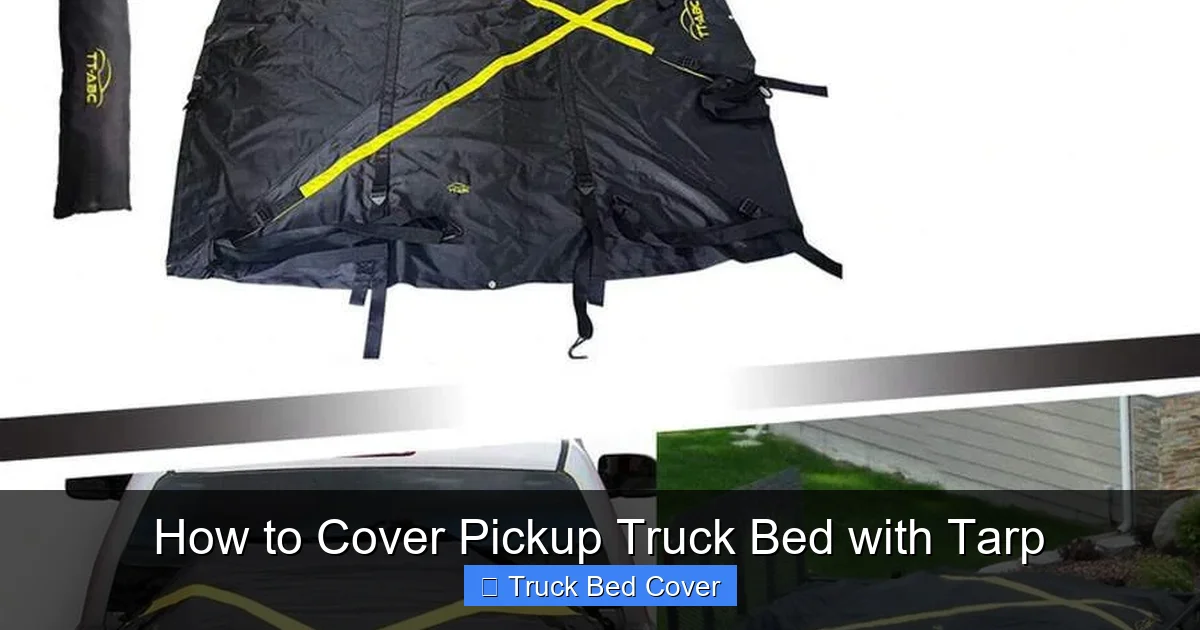
Many people assume that as long as their items are inside the truck bed, they’re safe. But truck beds are open to the elements—rain can soak through cardboard boxes, dust can scratch surfaces, and UV rays can fade fabrics. A tarp acts as a protective barrier, shielding your cargo from moisture, debris, and temperature extremes.
Visual guide about How to Cover Pickup Truck Bed with Tarp
Image source: img.ltwebstatic.com
Beyond protection, a well-fitted tarp also improves safety. A loose tarp flapping in the wind can obscure your rearview mirror, distract drivers behind you, or even become a projectile in high winds. On the other hand, a securely fastened tarp keeps your load contained and reduces drag, improving fuel efficiency.
Common Scenarios Where Tarps Are Essential
- Moving Day: Protect fragile items like dishes or electronics from rain during transit.
- Construction Sites: Keep tools and materials dry while working outdoors.
- Camping Trips: Shield sleeping bags, coolers, and gear from morning dew or unexpected showers.
- Farming & Landscaping: Prevent soil or mulch from blowing away in windy conditions.
Choosing the Best Tarp for Your Truck Bed
Not all tarps are created equal. The effectiveness of your setup depends heavily on the type of tarp you choose. Here’s what to look for:
Material Matters: What Type of Tarp to Use
- Polyethylene (PE) Tarps: Lightweight, affordable, and waterproof. Ideal for light to medium-duty use. Look for at least 10-ounce fabric thickness for durability.
- Vinyl-Coated Polyester: More expensive but extremely durable and resistant to tearing, UV rays, and moisture. Great for heavy-duty jobs or frequent use.
- Canvas Tarps: Reusable and breathable, but not fully waterproof unless treated. Best for dry climates or temporary covers.
Size and Fit Are Crucial
Measure your truck bed carefully—length, width, and height—to ensure the tarp covers everything without being too tight or too loose. A common mistake is buying a tarp that’s slightly smaller than needed, which leads to gaps and leaks. Some tarps come in standard sizes (e.g., 8×10 feet), but custom-fit options are available for popular truck models.
Pro Tip: If you can’t find a pre-cut size, buy a tarp that’s 1–2 feet longer and wider than your bed. This gives you enough overlap to tuck under the sides and secure it properly.
Additional Features to Consider
- Grommets: Metal or plastic rings sewn into the corners and edges for easy tying.
- Reinforced Edges: Prevent fraying and increase lifespan.
- UV Resistance: Extends the life of the tarp by preventing sun degradation.
- Weighted Hem: Helps the tarp lie flat and resist wind lift.
Tools and Accessories You’ll Need
Even the best tarp won’t stay secure without the right tools. Before you begin, gather these essentials:
- Ratchet Straps or Cargo Straps: Heavy-duty straps with hooks for anchoring the tarp to bed rails or tow hooks.
- Bungee Cords: Flexible and great for quick, temporary fixes. Best used in combination with straps.
- Cargo Net: Keeps items from shifting under the tarp and adds extra security.
- Duct Tape or Tarp Repair Tape: Useful for patching small tears on the go.
- Clamps or Clip Hooks: Helpful for attaching straps to sharp edges without damaging the tarp.
- Measuring Tape and Marker: For marking fold lines or adjusting fit.
Optional Upgrades
For frequent users, consider investing in:
– A tailgate cover to seal the back end.
– A tonneau cover for permanent protection.
– A tarp with built-in buckles for faster installation.
Step-by-Step: How to Cover Pickup Truck Bed with Tarp
Now that you have the right tarp and tools, let’s walk through the process. Follow these steps carefully for a snug, watertight seal.
Step 1: Clear and Prepare the Truck Bed
Remove any loose items, debris, or sharp objects that could puncture the tarp. Wipe down the bed rails and tailgate to ensure a clean surface. If your truck has a bed liner, make sure it’s intact—damaged liners can create weak points in the tarp system.
Step 2: Lay the Tarp Over the Bed
Unroll the tarp and drape it evenly over the truck bed. Make sure it extends at least 6–12 inches beyond each side and front edge. Center it so there’s symmetry, which helps with balance and securing.
Step 3: Fold and Tuck the Sides
Fold the excess material over the sides of the bed, creating a flap. Tuck this flap under the edge of the truck bed or secure it with clips or tape. This prevents water from running down the sides and seeping in.
Step 4: Secure the Front Edge
Use ratchet straps to fasten the front of the tarp to the front bumper or tow hooks. Pull it taut but not so tight that it wrinkles or damages the tarp. A slight sag helps prevent water from pooling on top.
Step 5: Anchor the Corners and Back
Attach straps or bungee cords to the grommets at each corner and pull them down to the bed rails or tailgate. For the back, tuck the flap under the tailgate and secure it with straps or clips. Make sure the tailgate is closed firmly—this is critical for waterproofing.
Step 6: Add Extra Layers if Needed
For maximum protection, place a second layer of tarp or a drop cloth over the first. Alternatively, use a cargo net to hold smaller items in place, preventing them from shifting and creating gaps.
Step 7: Double-Check Everything
Walk around the truck and tug on each strap to ensure the tarp is tight and secure. Look for sagging areas or loose flaps. Adjust as needed before loading your cargo.
Advanced Tips for Better Tarp Performance
Once you’ve mastered the basics, here are some pro tips to take your tarp game to the next level.
Use a Two-Tarp System
Layer a smaller, fitted tarp over a larger one. The bottom tarp catches runoff, while the top one provides extra protection against splashes and wind-driven rain. This is especially useful for long trips or heavy storms.
Lubricate Zippers (If Applicable)
If you’re using a tarp with zippers or Velcro closures, apply silicone spray to keep them flexible and prevent cracking in cold weather.
Install a Tarp with Side Rails
Some tarps come with built-in side rails or channels that slide into the bed rails. These stay in place better than loose tarps and reduce the need for constant readjustment.
Use Wind Deflectors
Attach lightweight plastic sheets or foam boards along the sides to redirect wind and reduce fluttering. This improves aerodynamics and safety.
Keep a Spare Tarp in the Cab
Accidents happen—a torn tarp or sudden storm can leave you exposed. Always carry a backup, preferably stored in an airtight bag to protect it from dirt and moisture.
Troubleshooting Common Tarp Problems
Even with the best setup, issues can arise. Here’s how to fix them quickly.
Tarp Slips Off While Driving
This usually happens due to loose straps or an undersized tarp. Check all connections and add more tension. Consider using heavier-duty straps or adding side clamps.
Water Pools on Top of the Tarp
Poor slope or insufficient overlap causes pooling. Ensure the front is higher than the back, and fold the edges downward to create a gutter effect that directs water away from the cargo.
Tarp Tears or Holes
Use tarp repair tape immediately. For larger damage, sew a patch or replace the tarp. Avoid dragging sharp objects over the tarp when loading.
Tarp Attracts Static and Dust
Rubbing against metal creates static, which pulls in dirt. Use a damp cloth to wipe the underside occasionally, or apply a fabric softener spray designed for outdoor gear.
Maintenance and Storage Tips
A well-maintained tarp lasts years longer. Here’s how to care for yours:
- Clean After Each Use: Rinse off mud, salt, or chemicals with fresh water.
- Dry Completely: Store only when 100% dry to prevent mold and mildew.
- Avoid Sharp Surfaces: Don’t store near tools or abrasive materials.
- Roll, Don’t Fold: Rolling reduces creases and extends lifespan.
- Store in a Cool, Dry Place: Avoid direct sunlight or damp garages.
Seasonal Care
In winter, remove snow buildup to prevent weight-related stress. In summer, check for UV damage monthly. Replace the tarp every 3–5 years, depending on usage and exposure.
Eco-Friendly and Budget-Friendly Options
You don’t need to spend a fortune for quality. Here are cost-effective and sustainable choices:
- Repurpose Old Bedsheets: Waterproofed cotton sheets can work in a pinch—just seal seams with duct tape.
- DIY Tarp with Plastic Sheeting: Cut large rolls of heavy-duty plastic and reinforce with rope and grommets.
- Buy Recycled Tarps: Many outdoor stores sell eco-friendly tarps made from recycled materials.
- Rent Equipment: For occasional use, rent a tarp or tonneau cover instead of buying.
Safety Reminder
Always follow your truck manufacturer’s load limits. Overloading reduces control and increases the risk of the tarp failing during sudden stops or turns.
Conclusion: Master the Art of Tarp Protection
Covering your pickup truck bed with a tarp isn’t just about convenience—it’s about protection, safety, and peace of mind. With the right tarp, proper technique, and regular maintenance, you can keep your cargo dry, secure, and ready for whatever comes your way.
Whether you’re hauling equipment across town or heading off-road for a weekend adventure, knowing how to cover pickup truck bed with tarp gives you control over your load and your confidence behind the wheel. Start with the basics, experiment with advanced methods, and soon you’ll be doing it effortlessly—rain or shine.
Frequently Asked Questions
How do I measure my truck bed for the right tarp size?
Measure the length from the cab to the tailgate, the width across the bed, and the height from the bed floor to the rail. Add 6–12 inches to each dimension for proper overlap and securing.
Can I drive with a tarp on my truck bed?
Yes, as long as the tarp is securely fastened and doesn’t obstruct your view or become a hazard. Loose tarps can flap dangerously and should never be left unattended while driving.
What’s the difference between a canvas and plastic tarp?
Canvas is breathable and reusable but not waterproof unless treated. Plastic (polyethylene or vinyl) is fully waterproof, lightweight, and ideal for wet conditions and heavy loads.
How do I fix a torn tarp quickly?
Use tarp repair tape or duct tape to cover the hole temporarily. For longer-term fixes, sew a patch or replace the damaged section. Carry a repair kit for emergencies.
Should I cover my truck bed even in sunny weather?
Yes, especially for sensitive items. UV rays can fade fabrics, crack plastics, and degrade materials over time. A tarp also reduces interior heat buildup and protects against bird droppings or dust.
Is it okay to leave a tarp on my truck overnight?
Only if it’s securely tied and weather conditions are calm. Strong winds or heavy rain can damage the tarp or cause it to detach. Remove it if storms are forecasted.