How to Cover Luggage in Truck Bed
Covering luggage in your truck bed is essential for protecting your gear from rain, wind, dirt, and theft. Whether you’re heading to the beach, moving across town, or loading up for a road trip, using the right cover and securing method makes all the difference. This guide walks you through step-by-step techniques, top cover types, and smart storage tricks to keep your items safe and organized.
Protecting your luggage in the truck bed isn’t just about convenience—it’s about safety, security, and peace of mind. Whether you’re hauling camping gear for a weekend getaway, transporting furniture, or carrying sports equipment, your belongings are vulnerable to weather, theft, and shifting during travel. A poorly covered load can lead to damaged items, dangerous driving conditions due to loose cargo, or even fines in certain states.
The good news? With the right tools and techniques, covering luggage in your truck bed is simple, affordable, and highly effective. In this comprehensive guide, we’ll walk you through every step—from selecting the best type of truck bed cover to organizing your gear and securing it like a pro. You’ll learn why some covers work better than others, how to pack efficiently, and what common mistakes to avoid. By the end, you’ll be ready to hit the road confident that your belongings are safe, dry, and secure.
Key Takeaways
- Choose the right cover: Roll-up tonneau covers offer easy access, while hardtop covers provide maximum security and weather protection.
- Secure luggage tightly: Use ratchet straps, bungee cords, or cargo nets to prevent shifting during transit.
- Position items wisely: Place heavier items low and centered to maintain truck balance and stability.
- Use moisture barriers: Plastic tarps or waterproof bags help shield sensitive gear from rain and snow.
- Lock it down: Always lock your tailgate and use additional locks if available on your truck bed cover.
- Check local laws: Some areas require uncovered loads to be secured with specific types of straps or tarps.
- Practice before you go: Test your setup with a trial run to ensure everything stays put on rough roads.
Quick Answers to Common Questions
Can I use a regular tarp instead of a tonneau cover?
Yes, but only as a temporary solution. Regular tarps aren’t designed to stay in place long-term and may tear or blow off in wind. For everyday use, a proper tonneau cover offers better security and weather resistance.
How tight should I secure my luggage?
Secure straps until there’s no slack—but not so tight that you crack or crush items. You want zero movement, but gentle pressure is enough to keep things stable during normal driving.
Do I need special straps for different types of luggage?
Not necessarily. Ratchet straps work for most rigid items, while bungees suit soft bags. The key is matching the strap strength to your load weight and choosing anchor points that won’t pull out.
Is it legal to leave luggage uncovered in my state?
It depends on local laws. Many states require loads over 4 feet high or wider than the truck bed to be covered and secured. Always check your state’s Department of Motor Vehicles website for specific rules.
Can I install a tonneau cover myself?
Most roll-up and folding covers are DIY-friendly with basic tools and instructions. Hard top and drop-in covers may require professional installation due to complexity and alignment needs.
📑 Table of Contents
- Why Covering Luggage in Your Truck Bed Matters
- Choosing the Right Truck Bed Cover
- How to Pack Your Luggage Efficiently
- Securing Your Load Like a Pro
- Using Tarps and Extra Protection Layers
- Common Mistakes to Avoid
- Maintenance and Care for Longevity
- Special Considerations for Different Climates
- Final Thoughts: Be Prepared, Stay Safe
Why Covering Luggage in Your Truck Bed Matters
Leaving your truck bed uncovered might seem harmless on short trips, but over time, exposure to sun, rain, snow, and wind can ruin everything inside. UV rays fade colors and weaken materials, while moisture can warp wood, rust metal, or ruin electronics. Even a light drizzle can soak through fabric bags or cardboard boxes.
Beyond weather protection, an uncovered bed invites theft. Thieves can spot unattended gear from a distance and strike quickly. And let’s not forget safety: loose items can become projectiles in sudden stops or collisions, putting you and others at risk.
A proper cover does more than hide your stuff—it transforms your truck bed into a protected cargo zone. It improves aerodynamics, which can save fuel on long drives, and keeps your interior clean by preventing dirt and debris from being tracked inside when you unload.
Choosing the Right Truck Bed Cover
Visual guide about How to Cover Luggage in Truck Bed
Image source: i.pinimg.com
Not all truck bed covers are created equal. The best one depends on how often you use your truck, what you’re carrying, and your budget. Let’s break down the most popular options so you can pick the ideal solution for your needs.
Roll-Up Tonneau Covers
These are among the most popular choices because they’re easy to use and affordable. Made from durable vinyl or canvas, roll-up covers unfold like a carpet and roll back for full bed access. They attach via clamps along the truck bed rails and can be locked in place.
Pros:
– Quick access to the entire bed
– Lightweight and easy to remove
– Good water resistance
Cons:
– Less rigid than hard covers
– Can flap in high winds if not secured well
Ideal for: Daily drivers who need occasional access to the bed without compromising security.
Hard Top Tonneau Covers
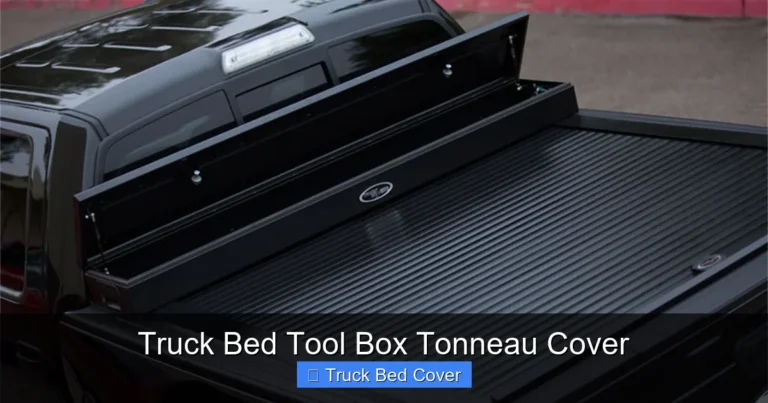
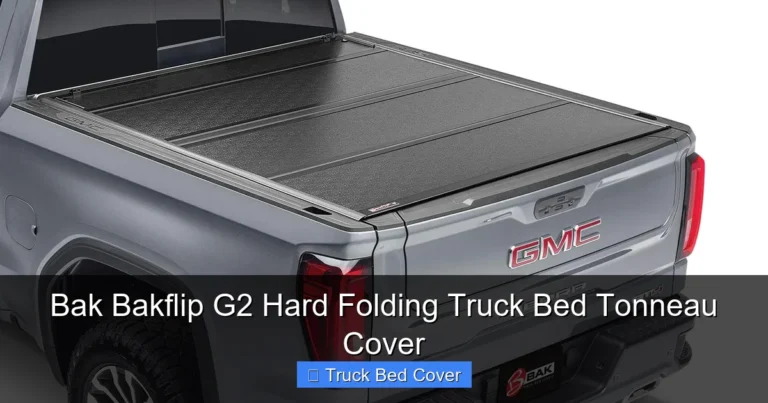
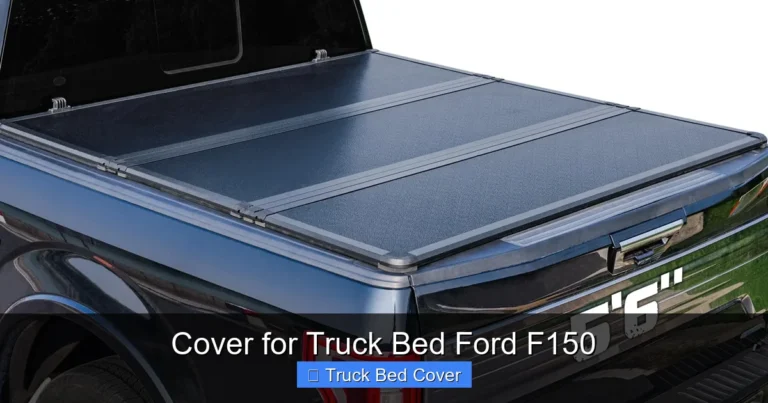
Hard covers come in two main styles: tri-fold and retractable. Tri-folds fold into thirds for partial access, while retractables unroll smoothly from the front. Both are made of aluminum or fiberglass-reinforced panels, offering excellent durability and weather sealing.
Pros:
– Maximum security and theft deterrence
– Excellent wind and water resistance
– Sleek, factory-like appearance
Cons:
– More expensive
– Heavier than soft covers
Ideal for: Truck owners who prioritize security and frequently carry valuable or sensitive items.
Drop-In Bed Caps
These are pre-shaped plastic or aluminum covers that fit directly into the truck bed without needing rails. They sit flush with the bed and usually have latches or screws for installation.
Pros:
– Very secure and weatherproof
– No rail attachment needed
Cons:
– Difficult to remove completely
– Limited access to the bed
Ideal for: Those who rarely need bed access but want full coverage year-round.
Soft Folding Covers
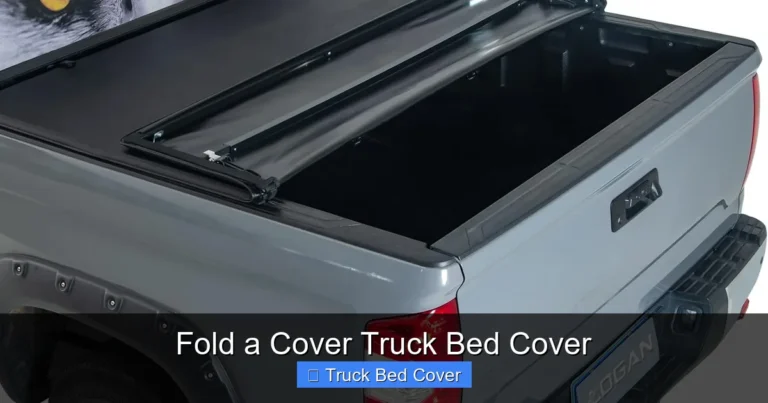
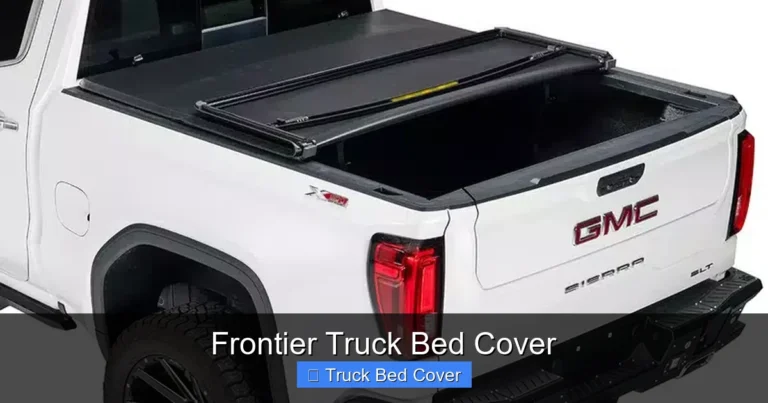
Made of multiple vinyl or canvas panels connected by hinges, these unfold like an accordion. They’re lighter than hard covers but still offer decent protection.
Pros:
– Affordable
– Easy to install and remove
Cons:
– Bulkier when folded
– May not seal as tightly as hard covers
Ideal for: Budget-conscious buyers who want basic coverage with minimal hassle.
How to Pack Your Luggage Efficiently
Even the best cover won’t protect your gear if it’s packed poorly. Smart packing ensures your items stay dry, don’t shift, and are easy to access when needed.
Organize by Weight and Accessibility
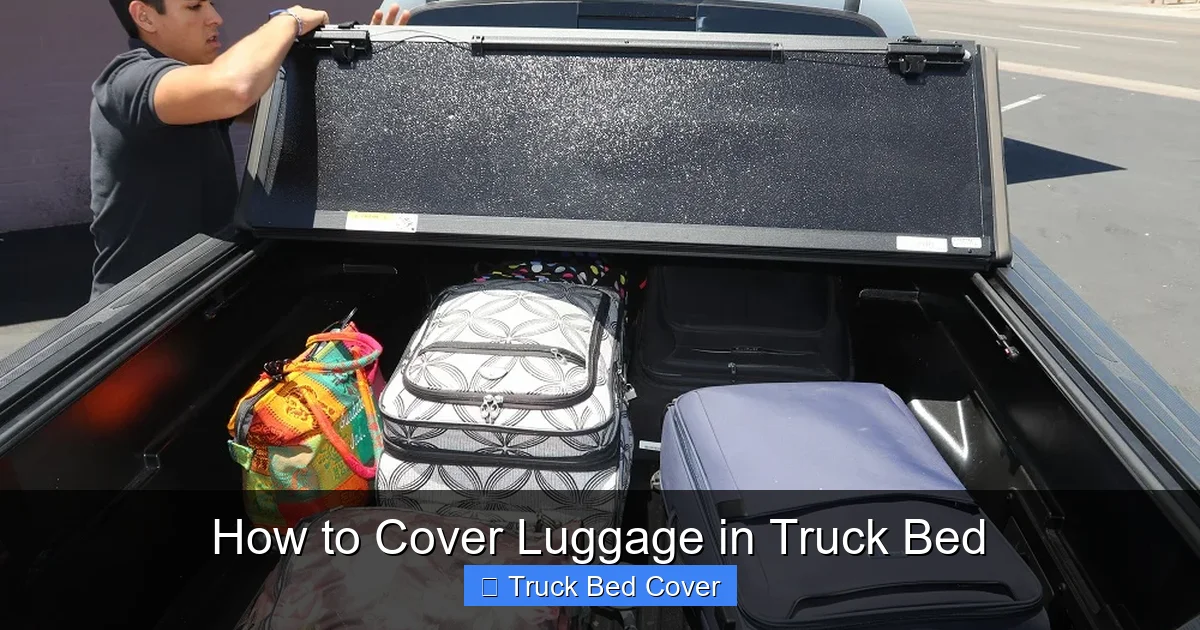
Start by sorting your luggage into three categories: heavy, medium, and light. Place the heaviest items—like suitcases, coolers, or toolboxes—at the bottom and toward the center of the bed. This lowers the truck’s center of gravity, improving handling and reducing sway.
Next, position frequently used items near the front (closest to where you reach in). Less-used gear can go toward the rear. Avoid stacking fragile items on top of anything rigid unless cushioned properly.
Use Waterproof Bags or Dry Bags
For clothes, electronics, or documents, invest in waterproof dry bags or roll-top duffel bags. These are sealed, float in water, and resist punctures. You can even submerge them briefly if caught in unexpected rain.
Pro Tip: Place these bags inside larger containers first—like a hard plastic bin—to add an extra layer of protection against punctures or compression.
Leave Air Gaps for Ventilation
While sealing everything tight sounds ideal, trapped moisture can create condensation inside closed spaces. If possible, leave small gaps between bags or use breathable mesh liners. Just make sure the cover itself is watertight above.
Securing Your Load Like a Pro
No matter how well you pack, loose luggage is a hazard. Here’s how to secure your cargo so it stays put—even on bumpy backroads.
Use Ratchet Straps for Maximum Tension
Ratchet straps are your best friend for heavy loads. Attach one end to an anchor point on your truck (like tie-down loops or D-rings) and thread the other through a loop around your luggage. Crank the ratchet until the strap is taut—but don’t overtighten, or you risk crushing delicate items.
Place straps diagonally across the bed for added stability. For example, run one from front-left to back-right and another from front-right to back-left. This creates a crisscross pattern that resists sliding.
Bungee Cords for Flexible Items
For softer items like backpacks or clothing bags, bungee cords work great. Hook them to eye bolts or cargo hooks on the sides of your truck bed. They allow slight movement but keep things from bouncing around.
Avoid using bungees alone for heavy loads—they’re not designed for high tension and can snap under stress.
Cargo Nets Offer Full Coverage
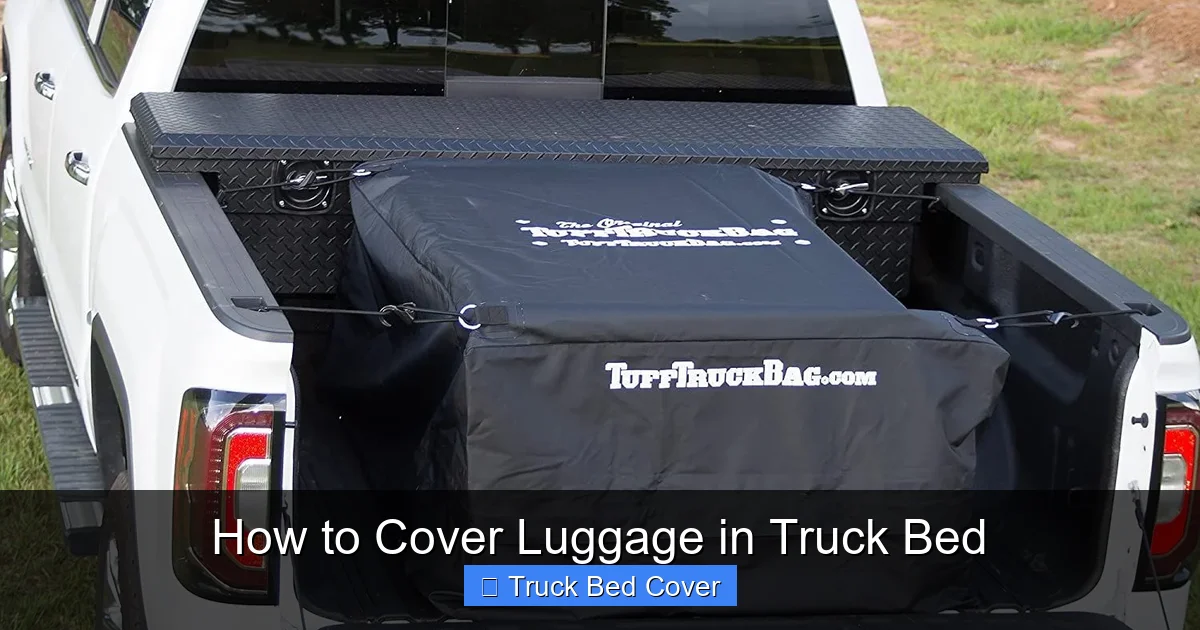
Cargo nets stretch over the top of your load and clip into corner anchors. They’re perfect when you have tall or oddly shaped items that wouldn’t fit under a tarp easily. Just remember to compress the net tightly over your luggage before clipping it down.
Using Tarps and Extra Protection Layers
Sometimes, your truck bed cover isn’t enough—especially in extreme weather. That’s when a good tarp comes in handy.
When to Use a Supplemental Tarp
If you’re expecting rain, snow, or strong winds, lay a heavy-duty polyethylene tarp over your luggage first. Then secure it with rope or bungees before putting on your tonneau cover. This double-layer approach gives you peace of mind.
Choose a tarp slightly larger than your bed so it drapes over the edges. Use corner ropes to pull it taut, then tie it off securely.
DIY Waterproofing Tips
Even with a cover, seams and zippers can let in moisture. Apply silicone-based waterproof spray to any exposed edges or seams on bags or tarps. Reapply after washing or if you notice water seepage.
For extra credit, line the bottom of your truck bed with a rubber mat or non-slip surface. This prevents bags from sliding and protects the bed liner from scratches.
Common Mistakes to Avoid
Even experienced truck owners make errors when covering their beds. Watch out for these pitfalls:
– Overloading the bed: Most trucks have weight limits. Check your owner’s manual to avoid damaging the suspension or frame.
– Ignoring local regulations: Many states require loads over a certain height or size to be covered and secured with specific gear.
– Skipping tie-down points: Never rely only on the cover to hold your load. Always use straps anchored to solid points.
– Neglecting maintenance: Clean and inspect your cover regularly. Mold, mildew, or torn seams compromise protection.
– Assuming all covers are waterproof: Some vinyl covers absorb moisture over time. Pair them with a tarp for true waterproofing.
Maintenance and Care for Longevity
A well-maintained cover lasts years longer than one left to degrade. After each use, wipe down your cover with a damp cloth to remove dirt and salt. Store it rolled up in a dry place if not installed for long periods.
For vinyl covers, use a dedicated cleaner like Meguiar’s Vinyl Conditioner. It restores flexibility and prevents cracking. Avoid petroleum-based products—they eat away at the material.
If you see fraying, tears, or loose stitching, repair them immediately. Small fixes now prevent big problems later.
Special Considerations for Different Climates
Your approach should change depending on where you live.
In Rainy or Snowy Regions
Prioritize full waterproofing. Use a heavy-duty tarp rated for outdoor use, and consider adding a dehumidifier bag inside the bed to absorb moisture. In winter, clear snow from the cover regularly to prevent ice buildup.
In Hot, Sunny Areas
UV rays degrade both covers and contents. Choose a cover with UV inhibitors, and park in the shade when possible. Use reflective window shades if storing electronics.
In Windy Environments
Flapping covers reduce fuel efficiency and increase noise. Secure roll-up covers with side rails or add sandbags on the corners of a tarp to weigh it down.
In Desert Climates
Dust and heat can damage sensitive gear. Seal electronics in anti-static bags and use a cover that reflects sunlight to keep the bed cooler.
Final Thoughts: Be Prepared, Stay Safe
Covering luggage in your truck bed isn’t rocket science—but doing it right takes planning. The investment in a quality cover, straps, and packing supplies pays off every time you drive. You’ll protect your belongings, improve your truck’s performance, and feel confident knowing your load is secure.
Remember: preparation beats panic. Test your setup before long trips, especially if you’re new to truck bed covers. Watch how your gear behaves on different terrains, and adjust accordingly.
With these tips, you’re not just covering luggage—you’re building a smarter, safer, more efficient way to transport whatever life throws in your truck bed. Now go load up, cover up, and enjoy the ride.
Frequently Asked Questions
What’s the best material for a truck bed tarp?
Heavy-duty polyethylene is ideal—it’s waterproof, tear-resistant, and affordable. Look for at least 6-mil thickness for durability. Avoid cheap plastic sheets that shred easily.
Should I cover my truck bed even in good weather?
Yes. Even sunny days bring dust, insects, and debris. A cover protects your bed liner, prevents scratches, and keeps your interior cleaner when unloading.
How do I prevent condensation inside my covered truck bed?
Use moisture-absorbing packs like silica gel or desiccant bags. Ensure airflow by leaving small gaps or using breathable inner bags. Never seal wet items completely under a cover.
Can I wash my tonneau cover?
Yes, but use mild soap and water. Never pressure-wash vinyl covers—the force can push water into seams and damage the material. Dry thoroughly after cleaning.
Are there covers compatible with all truck bed sizes?
Most covers are made for standard bed lengths (5.5′, 6.5′, 8′), but always measure your bed and confirm compatibility before purchasing. Custom-fit options exist for rare configurations.
What if my truck bed doesn’t have tie-down hooks?
Install aftermarket D-rings or eye bolts rated for heavy loads. These provide secure anchor points for straps. Never wrap straps around thin parts of the truck frame—it can cause damage.