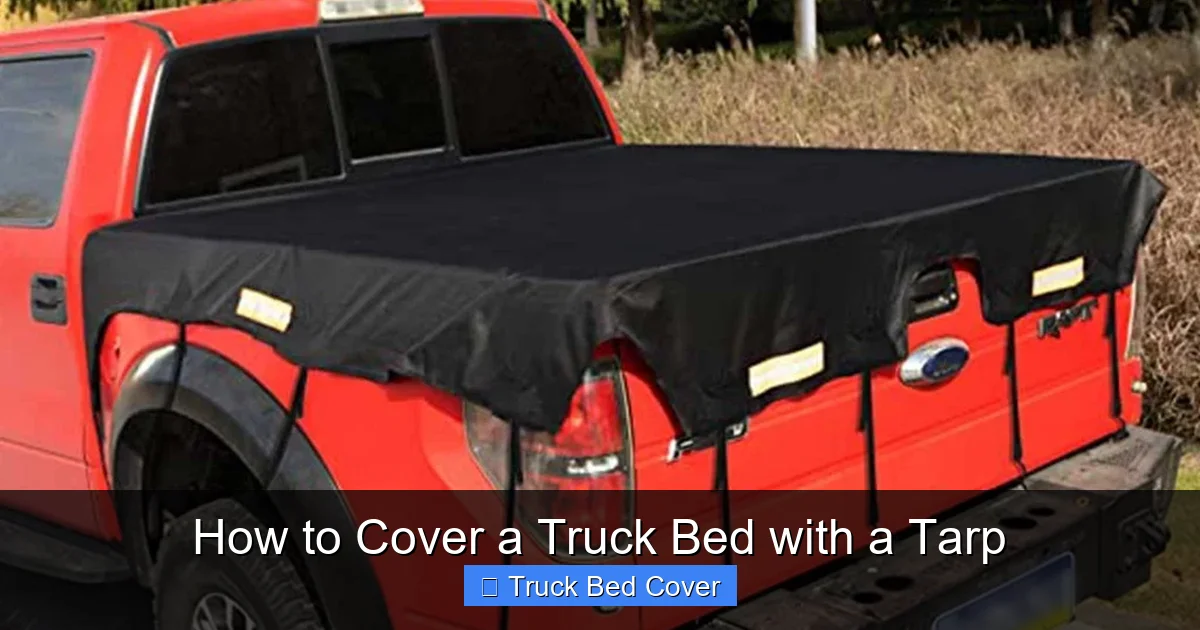
How to Cover a Truck Bed with a Tarp
Covering your truck bed with a tarp is one of the easiest and most effective ways to protect your belongings from weather damage. Whether you’re hauling furniture, equipment, or just want to keep dust off, a properly secured tarp can make all the difference. With the right materials and a few simple steps, you’ll have a secure, waterproof cover in under 15 minutes.
Covering a truck bed with a tarp might sound simple, but doing it wrong can lead to blown-away loads, water damage, or even accidents on the road. Whether you’re a weekend camper, a contractor hauling tools, or a homeowner moving furniture, knowing how to properly cover your truck bed is essential. A well-secured tarp keeps your cargo safe from rain, snow, wind, and dirt—without requiring expensive accessories or complicated setups.
In this complete guide, we’ll walk you through every step of covering a truck bed with a tarp, from choosing the right size to securing it like a pro. You’ll learn tips for different truck types, how to handle tricky weather conditions, and why some methods are better than others. By the end, you’ll feel confident protecting your truck bed no matter where the road takes you.
Key Takeaways
- Choose the right tarp size: Measure your truck bed to ensure full coverage. A tarp that’s too small won’t protect your load, while one that’s too large may flap in the wind.
- Use bungee cords or ratchet straps: Secure the tarp tightly to prevent it from blowing away. Bungee cords work for quick jobs; ratchet straps offer more tension.
- Anchor at all four corners: Always secure each corner to the truck bed using hooks, clips, or straps. This prevents shifting during transit.
- Consider a fitted tarp: Tailgate tents or roll-up tarps offer convenience and better fit than standard tarps.
- Check weather conditions: Avoid covering your load if rain is expected shortly after—water can get trapped and weigh down your cargo.
- Inspect regularly: Check the tarp after long drives or storms to ensure it’s still secure and undamaged.
- Store tarps properly: Keep them clean and dry when not in use to extend their lifespan.
Quick Answers to Common Questions
How do I keep a tarp from flapping in the wind?
Use ratchet straps or bungee cords to secure all four corners tightly. Create a crisscross tension system and anchor to truck bed rails. Avoid loose folds that catch wind.
Can I use any type of rope to secure a tarp?
No. Use strong, weather-resistant materials like ratchet straps, bungee cords, or cargo nets. Nylon rope can stretch or rot over time.
Do I need special tools to cover a truck bed?
Basic tools include hooks, straps, and possibly a ladder. No power tools required. Just make sure you have something to reach all corners.
What if my truck bed has a bedliner?
That’s fine. Most tarps work over bedliners. Just ensure straps aren’t rubbing against rough surfaces. Use rubber-coated hooks to prevent scratches.
How often should I check my tarp during a long trip?
At least once every hour for the first few hours. Stop every few miles to visually inspect for loose areas or shifting.
📑 Table of Contents
Why Covering Your Truck Bed Matters
Leaving your truck bed exposed isn’t just inconvenient—it can be risky. Rain can soak your belongings, turning dry wood into waterlogged messes or ruining electronics. Wind can whip a loose tarp around, creating dangerous flying debris. Even sunlight can fade fabrics and warp plastics over time. Covering your truck bed isn’t just about protection; it’s about safety, efficiency, and peace of mind.
For example, imagine driving home after picking up a new couch. Without a tarp, a sudden downpour soaks the cushions, and by the time you get home, you’ve wasted time and money on dry cleaning. Or worse—you lose valuable tools because they rusted in the rain. On the other hand, a securely covered truck bed keeps everything dry, organized, and ready to unload.
Choosing the Right Tarp for Your Truck Bed
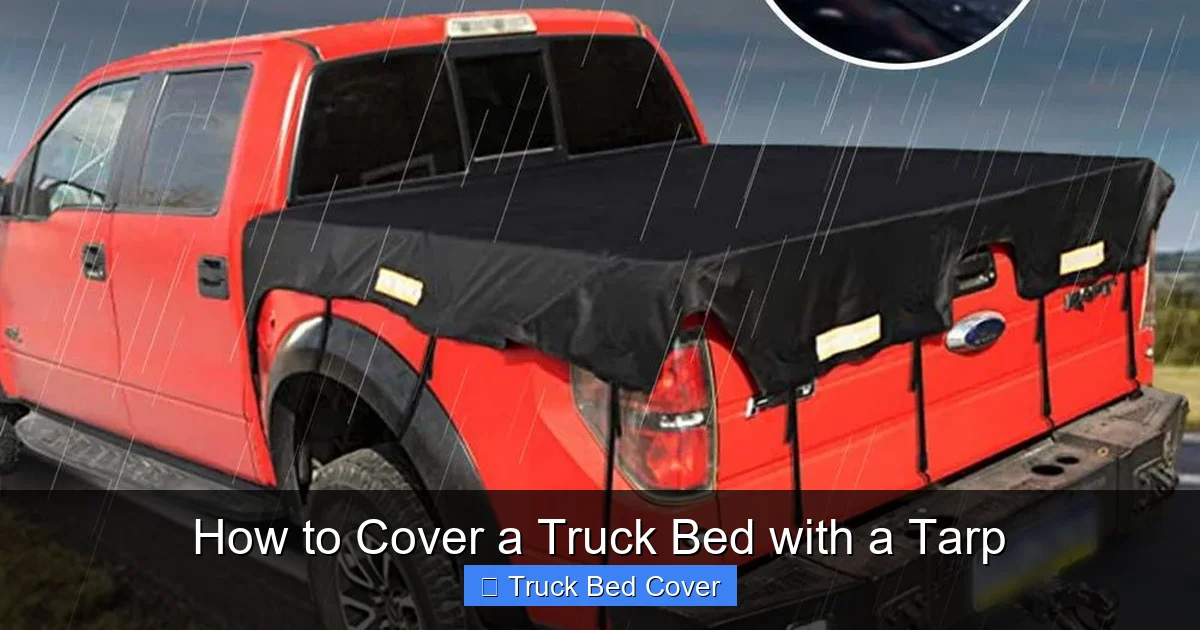
Visual guide about How to Cover a Truck Bed with a Tarp
Image source: images.nexusapp.co
Not all tarps are created equal. The first step in covering your truck bed is selecting a tarp that fits well and offers reliable protection.
Measure Your Truck Bed
Start by measuring the length, width, and height of your truck bed. Most trucks have standard dimensions, but even within the same model year, variations exist. For example:
– A full-size pickup bed is usually 6.5 to 8 feet long.
– Mid-size beds range from 5.5 to 6.5 feet.
– Compact trucks may be as short as 4.5 feet.
Write down these measurements so you can find a tarp that covers the entire area without being too tight or too loose.
Material Matters
Tarps come in several materials:
– Polyethylene (PE): Durable, affordable, and water-resistant. Great for general use.
– Polyvinyl Chloride (PVC): Thicker, more tear-resistant, and often UV-treated. Ideal for long-term outdoor storage.
– Canvas: Heavy-duty and reusable, but more expensive. Best for frequent use and heavy loads.
For most people, a heavy-duty polyethylene tarp with reinforced edges works perfectly. Look for ones labeled “UV resistant” and “ripstop” for added durability.
Size Considerations
A tarp should extend beyond the edges of your truck bed by at least 12 inches on each side. This extra fabric helps anchor the tarp securely and ensures full coverage when the tailgate is down. Some tarps come in custom sizes, but many are sold in standard rolls—so you may need to cut one to fit.
If you frequently carry tall items like ladders or pipes, consider a tarp with a higher clearance. Otherwise, a standard flat tarp will do.
Preparing Your Truck Bed and Cargo
Before draping the tarp over your truck bed, take a few minutes to prepare. This step makes the whole process smoother and prevents shifting during transport.
Clear the Bed
Remove any debris, old tarps, or leftover packaging. A clean surface ensures the new tarp lays flat and doesn’t snag on sharp edges.
Arrange Your Load Neatly
Stack or arrange your cargo so it’s stable and centered. If possible, place heavier items lower and toward the front. This improves balance and reduces the risk of the tarp sliding forward.
Secure Loose Items
Even if you’re using a tarp, tie down any lightweight items that could blow off. Use ropes, bungees, or ratchet straps to lock everything in place. Remember: a tarp protects against the elements, but it doesn’t replace proper cargo restraints.
Step-by-Step: How to Cover a Truck Bed with a Tarp
Now for the main event—how to actually cover your truck bed. Follow these steps carefully for a secure, weatherproof setup.
Step 1: Unroll the Tarp
Lay the tarp on the ground behind the truck, ensuring it’s longer than your bed by at least 2 feet on each end. Make sure the printed side (usually shiny) faces up if it’s a double-sided tarp—this side sheds water better.
Step 2: Drape It Over the Truck
Lift the tarp and drape it evenly over the truck bed. Center the fabric so it hangs equally over both sides. Smooth out wrinkles to avoid pockets where water can collect.
Step 3: Secure the Front Edge
Fold the front edge of the tarp down over the front rail of the truck bed. Attach it using bungee cords, ratchet straps, or cargo nets. Make sure it’s tight enough to resist wind but not so tight that it tears.
Step 4: Anchor the Corners
This is crucial. Use corner weights, bungee hooks, or S-hooks to fasten each corner to the truck bed rails or tailgate. If your truck has built-in tie-down points, use those. Otherwise, attach hooks to the tarp’s reinforced grommets and loop them around the bed rails.
Step 5: Tuck the Sides
Pull the sides of the tarp down and tuck them under the truck bed edges. This creates a snug fit and prevents wind from lifting the fabric. Use cargo nets or additional straps to hold the sides in place if needed.
Step 6: Seal the Back
When the tailgate is closed, fold the back flap of the tarp over the top of the tailgate and secure it with straps or clips. This keeps water from seeping in from behind.
Step 7: Double-Check Everything
Give the tarp a gentle tug to test its security. Walk around the truck to look for loose spots, bulges, or exposed areas. Adjust straps as needed.
Securing the Tarp Like a Pro
How you secure the tarp makes all the difference. Loose tarps flap in the wind, damage your paint, and fail to protect your cargo. Here’s how to secure it like a professional.
Use the Right Straps
– Bungee cords: Quick, easy, and great for temporary setups. They stretch to absorb minor movements but don’t provide strong tension.
– Ratchet straps:Cargo nets: Flexible and wide, they distribute weight evenly across the tarp.
Always use rubber-coated hooks to prevent scratching your truck’s finish.
Create a Tension System
Instead of just clipping one strap here and there, create a system. For example:
1. Attach two straps to the front corners.
2. Add two more to the rear corners.
3. Use cross-straps between opposite corners for added stability.
This creates a crisscross pattern that resists wind better than isolated anchors.
Use Corner Weights or Sandbags
If you’re driving in high winds or on rough terrain, add weight to the corners. Small sandbags or metal weights tied to the tarp’s grommets help keep it grounded.
Special Tips for Different Scenarios
Every job is different. Here’s how to adapt your tarp strategy based on your needs.
For Long-Haul Trips
Use a fitted tailgate tent or roll-up tarp. These attach directly to the tailgate and unroll over the bed, offering a cleaner look and better wind resistance. They’re also quicker to deploy.
For Off-Road Adventures
Choose a thicker, ripstop tarp and add extra straps. Off-roading creates more vibration and movement, so you need maximum security.
For Winter Weather
Avoid covering wet cargo before driving. If snow or ice forms under the tarp, it can melt and refreeze, damaging your truck bed. Instead, cover dry loads and check the tarp periodically during long trips.
For Frequent Use
Invest in a quality tailgate tent or soft top. While more expensive upfront, they save time and reduce wear on your tarps.
Common Mistakes to Avoid
Even experienced truck owners make these errors. Don’t let them ruin your day.
Mistake 1: Using a Tarp That’s Too Small
A tarp that doesn’t fully cover the bed leaves your cargo exposed. Always choose one that extends past the edges.
Mistake 2: Skipping Corner Anchors
Without corner anchors, the tarp shifts and flaps. This leads to loose straps and potential hazards.
Mistake 3: Not Securing the Tailgate Area
Water can enter from behind the tailgate if it’s not sealed. Always fold and secure the back flap.
Mistake 4: Using Weak Straps
Cheap bungees snap easily. Invest in high-quality straps rated for your truck’s weight capacity.
Mistake 5: Ignoring Weather Forecasts
Don’t cover your load right before a storm. Wait until conditions improve to avoid trapping moisture.
Maintaining Your Tarp
A good tarp lasts years—if you take care of it.
Clean After Use
Rinse off dirt and salt with fresh water, especially after winter trips. Let it air dry completely before storing.
Inspect for Damage
Look for holes, frayed edges, or weak grommets. Repair small holes with duct tape or a tarp patch kit.
Store Properly
Roll the tarp loosely and store it in a cool, dry place. Avoid plastic bags—they trap moisture and cause mildew.
Rotate Usage
If you own multiple tarps, rotate them to spread wear evenly. One tarp shouldn’t be used every single time.
Conclusion
Covering a truck bed with a tarp is a simple skill that delivers big results. With the right tarp, proper preparation, and secure anchoring, you can protect your cargo from rain, wind, and sun—no matter where your journey takes you. Whether you’re hauling lumber, camping gear, or fragile antiques, a well-covered truck bed saves time, money, and stress.
Remember: the goal isn’t just to throw a tarp over your stuff—it’s to do it right. Take the time to measure, secure, and inspect. And don’t forget to maintain your tarp so it stays effective year after year. With these tips, you’ll never worry about your truck bed again.
Frequently Asked Questions
How tight should a truck bed tarp be?
A tarp should be snug enough to resist wind but not so tight that it wrinkles or strains the material. It should lay flat with minimal slack.
Can I leave a tarp on my truck bed long term?
Yes, but only if the tarp is UV-resistant and made of durable material like PVC. Regular polyethylene tarps degrade quickly in sunlight.
Should I use a single large tarp or multiple smaller ones?
A single tarp is usually best—it provides full coverage and fewer seams. Multiple tarps increase the chance of gaps and require more straps.
Is it okay to cover a wet load?
Not ideal. Moisture trapped under a tarp can cause mold or rust. Dry your cargo first, or wait for dry weather before covering.
What’s the best way to store a tarp when not in use?
Roll it loosely and store in a dry, ventilated space. Avoid sealed plastic bags—use breathable canvas covers if available.
Can I drive safely with a tarp on my truck bed?
Yes, as long as it’s securely fastened. An improperly secured tarp can become a projectile hazard. Always double-check before driving.