Aluminum Truck Bed Cover
An aluminum truck bed cover combines rugged strength with modern design, offering a lightweight alternative to traditional steel or fiberglass covers. It protects your cargo from rain, snow, sun damage, and potential theft while adding a polished look to your truck. Easy to install and low-maintenance, these covers are perfect for daily drivers and work trucks alike.
If you’ve ever struggled with a flimsy plastic tarp that flapped in the wind or watched a fiberglass cover crack under the sun, you know how frustrating a bad truck bed cover can be. Enter the aluminum truck bed cover—a smart upgrade for anyone who wants reliability, style, and peace of mind. Whether you’re hauling tools across town or heading off-road for a weekend adventure, this type of cover delivers performance where it counts.
Unlike cheap vinyl tarps or outdated tonneau covers, an aluminum bed cover stands out for its balance of strength, lightness, and longevity. It’s not just about looks—though that matters too. The real magic lies in how well it protects your gear, saves you money on fuel, and holds up through seasons of abuse. In this guide, we’ll walk you through everything you need to know about choosing, installing, and maintaining the best aluminum truck bed cover for your rig.
Key Takeaways
- Durable & Lightweight: Aluminum is stronger than many plastics and lighter than steel, making it ideal for long-term use without added strain on your truck.
- Weather-Resistant: Naturally corrosion-resistant, aluminum covers withstand rain, snow, salt, and UV rays without rusting or fading.
- Enhanced Security: A solid aluminum cover adds a layer of protection against theft by covering valuable cargo and discouraging break-ins.
- Fuel Efficiency: Smooth, aerodynamic designs reduce drag, improving gas mileage compared to open or poorly fitted covers.
- Aesthetic Appeal: Sleek, modern look complements any truck color and enhances overall vehicle appearance.
- Low Maintenance: Requires minimal upkeep—just occasional cleaning—to keep it looking new for years.
- Easy Installation: Most models bolt directly into existing bed rails, requiring no drilling or permanent modifications.
Quick Answers to Common Questions
Is an aluminum bed cover worth the investment?
Absolutely. While pricier upfront than plastic tarps, aluminum covers last decades with minimal maintenance, protect cargo better, and improve fuel efficiency. They pay for themselves over time.
Can I install it myself?
Yes, most aluminum covers come with step-by-step instructions and basic tools. Clamp-on models take under an hour; bolt-in systems may require 2–3 hours. Watch video tutorials for confidence.
Will it fit my truck?
Check your make, model, and bed size (e.g., Ford F-150 short bed). Reputable brands list compatible years and trim levels. Universal kits rarely provide perfect fit.
How do I clean it without scratching?
Use warm water, mild dish soap, and a microfiber cloth. For stubborn grime, a soft-bristle brush works. Always rinse first—scrubbing dry dirt scratches.
Does it affect truck warranty?
Generally no—if installed correctly using manufacturer hardware. But always consult your dealer before modifying bed rails or mounting points.
📑 Table of Contents
Why Choose an Aluminum Truck Bed Cover?
When it comes to truck accessories, not all materials are created equal. Fiberglass might look cool, but it can crack in cold weather. Plastic degrades under UV exposure. Steel is heavy and prone to rust. Aluminum, on the other hand, brings a winning combination: it’s tough enough to resist dents, light enough to avoid overloading your suspension, and naturally resistant to corrosion.
Let’s break down why aluminum stands apart:
The Strength Without the Weight
Aluminum may not be as hard as steel, but it’s incredibly strong relative to its weight. Think of it like carbon fiber—light but durable. This means your truck doesn’t have to carry unnecessary mass, which helps maintain better handling and fuel economy. Plus, modern aluminum covers are engineered with reinforced ribs or channels to handle heavy loads without bending.
Built to Last Through Every Season
One of the biggest headaches with truck bed covers is dealing with moisture. Water pooling under a poorly sealed cover leads to mold, rot, or worse—rust inside your bed. Aluminum resists oxidation naturally, especially when coated with protective finishes like powder coating or anodizing. That means even if you drive through a puddle or live in a coastal area with salty air, your cover won’t degrade.
Aerodynamics Matter
Have you noticed how open-bed trucks create more wind resistance? It’s not just annoying—it costs you gas. Many aluminum covers feature flush-mounted designs or smooth contours that reduce drag. Some even include built-in airflow channels to minimize wind noise and lift at highway speeds. For long road trips or daily commutes, that little bit of aerodynamics adds up.
Security That Doesn’t Break the Bank
Thieves love easy targets. An open bed full of valuables invites opportunistic crime. A solid aluminum cover acts as a deterrent by hiding what’s underneath. While no cover is 100% theft-proof, pairing your cover with quality locks and maybe even a backup alarm system significantly raises the stakes for would-be vandals.
Types of Aluminum Truck Bed Covers
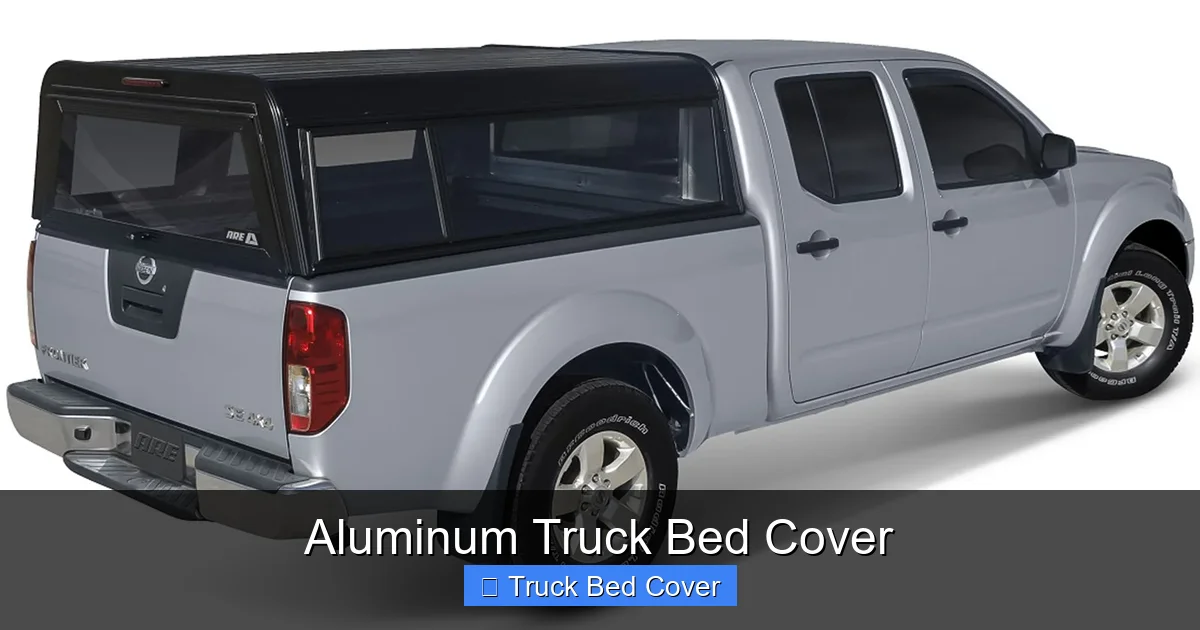
Visual guide about Aluminum Truck Bed Cover
Image source: realtruck.com
Not all aluminum covers are the same. They come in different styles, each suited to specific needs and budgets. Let’s explore the most popular options:
Hard Tri-Fold Covers
These are among the most common types. Made with aluminum panels hinged together, they fold forward like a tri-fold blanket. Ideal for quick access to the entire bed—perfect when you need to load large items without removing the whole cover. Brands like UnderCover and Extang offer reliable models that stay secure during driving.
Roll-Up Designs
Instead of folding, roll-up covers unroll from a drum mounted near the cab. They’re great for wide-open access and often include straps or latches to keep them rolled tight. Look for ones with UV-resistant fabric overlays if you want extra protection against sun fade.
Retractable Systems
For luxury and convenience, retractable aluminum covers slide back into a compact housing. These are pricier but offer seamless operation and a premium feel. Companies like TruXedo and BAK Industries make high-end versions that blend into your truck’s profile.
Custom-Fit Panels
Some owners opt for full-bed panel systems—aluminum sheets cut precisely to fit their truck model. These give a factory-installed look and maximum structural support. However, they require professional installation and aren’t always removable without tools.
BakFlip Aluminum Series
A standout brand in the market, BakFlip makes hybrid designs combining aluminum frames with waterproof fabric tops. Their HD models, for example, use dual-layer aluminum with rubber seals for weatherproofing—ideal for extreme climates.
Each style has trade-offs. Tri-folds are affordable and versatile; retractables are sleek but costly; roll-ups offer speed; custom panels deliver perfection at a premium. Consider your usage: Do you need frequent partial access? Will you face harsh winters or dusty trails?
Installation Tips & Best Practices
You don’t need a mechanic to install most aluminum truck bed covers—but preparation pays off. Here’s how to do it right:
Start With a Clean Bed
Remove debris, old bolts, or leftover hardware. Wipe down the surface so clamps and brackets sit flat. Any unevenness will cause stress points later.
Read the Manual First
Even simple steps vary between brands. Skipping instructions can lead to misalignment or weak seals. Take time now—save headaches later.
Use Provided Hardware Only
Don’t substitute screws or clips. Over-tightening can warp aluminum panels; under-tightening lets wind lift the cover. Follow torque specs if available.
Check Alignment Before Final Tightening
Slide the cover into place and test the fold/roll mechanism. Make sure there’s no binding or sagging. Adjust brackets as needed before locking everything down.
Seal Gaps With Weather Stripping
Most kits include rubber seals along edges. Press them firmly to prevent water ingress. Extra tape or silicone isn’t usually necessary but can help in severe conditions.
Pro Tip: If you’re unsure, watch brand-specific YouTube tutorials. Visual guides make abstract instructions concrete.
Maintenance Made Simple
One reason aluminum covers win praise is their ease of care. Unlike painted steel (which chips) or porous composites (which stain), clean aluminum responds well to basic routines:
Weekly Rinse
After muddy drives or salt-heavy winters, hose off the top and sides. Dirt buildup attracts moisture and accelerates wear.
Monthly Wash
Use mild soap and a soft cloth. Avoid abrasive pads that scratch the finish. Never use acidic cleaners—they eat away at protective coatings.
Inspect Seals Annually
Check rubber gaskets for cracks or compression loss. Replace if they no longer form a tight seal around the bed rails.
Lubricate Hinges Sparingly
If your cover has moving parts, apply a thin coat of silicone spray once a year. Don’t overdo it—too much attracts dust.
Avoid parking under trees if possible. Falling sap or bird droppings can etch aluminum if left untreated. When in doubt, rinse immediately.
Real-World Benefits You’ll Notice
Beyond specs and features, how does an aluminum bed cover actually improve your life?
Cargo Protection That Lasts
Ever opened your bed to find tools rusted from overnight rain? With a proper aluminum cover, your belongings stay dry—even in storms. Tools, electronics, and equipment remain functional longer.
Reduced Wind Noise
Open beds whip wind around, creating drone at highway speeds. A flush-mounted aluminum cover smooths airflow, cutting cabin noise by several decibels. Quiet = less fatigue on long drives.
Better Resale Value
Buyers notice quality touches. A well-maintained aluminum cover signals care for the vehicle. It’s one less thing they worry about inspecting during a test drive.
Versatility for Work & Play
Whether you’re a contractor transporting ladders or a camper storing gear, the cover adapts. Swap out cargo—keep the cover. No need to buy multiple storage solutions.
Eco-Friendly Choice
Longer-lasting products mean fewer replacements. Aluminum is also recyclable, so end-of-life disposal is cleaner than plastic alternatives.
Imagine loading up your truck after work, knowing your laptop, power tools, and groceries are safe from thieves and weather. That’s the everyday advantage of a trusted aluminum bed cover.
Choosing the Right Model for Your Truck
With dozens of options, narrowing down starts with compatibility. Measure your bed length (short, standard, long) and width. Check if you have rail systems or need clamp-on mounts. Budget matters too—entry-level tri-folds start around $400, while premium retractables run over $2,000.
Ask yourself:
– How often will I access the bed?
– What’s my typical cargo?
– Am I in a rainy or dusty region?
– Do I tow frequently? (Wind resistance affects trailer sway)
Top Picks by Use Case:
– **Daily Commuter**: BakFlip HD (durable, affordable)
– **Off-Road Enthusiast**: Tonno Pro (heavy-duty, easy removal)
– **Commercial Driver**: Extang Solid Fold (secure, tool-free access)
– **Luxury Owner**: Retrax PRO XR (motorized, stealthy)
Always read customer reviews. Pay attention to complaints about alignment issues or weak seals—these recur across brands.
Frequently Asked Questions
Do aluminum truck bed covers rust?
No, aluminum naturally resists oxidation. However, exposed fasteners or poor-quality finishes can corrode. Choose powder-coated or anodized models for best results.
Are they heavier than fiberglass?
Not necessarily. High-quality aluminum covers are lighter than many fiberglass models due to hollow-core construction and thinner gauge material.
Can I leave it on in winter?
Yes! Aluminum handles freezing temperatures well. Just ensure seals are intact to keep snow and ice out. Avoid prying frozen latches—use gentle force.
Will it block GPS signals?
Modern GPS and cell signals pass through aluminum easily. Antennas placed near the cab or tailgate remain effective. No noticeable interference reported.
How do I secure it against theft?
Use included locks, add a cable lock through the cover rails, or pair with a backup alarm. Visibility alone deters most thieves—make access difficult.
Can I paint my aluminum cover?
Only if it has a bare metal surface. Powder-coated covers shouldn’t be repainted—the finish protects against chipping and corrosion. Contact the manufacturer before altering.