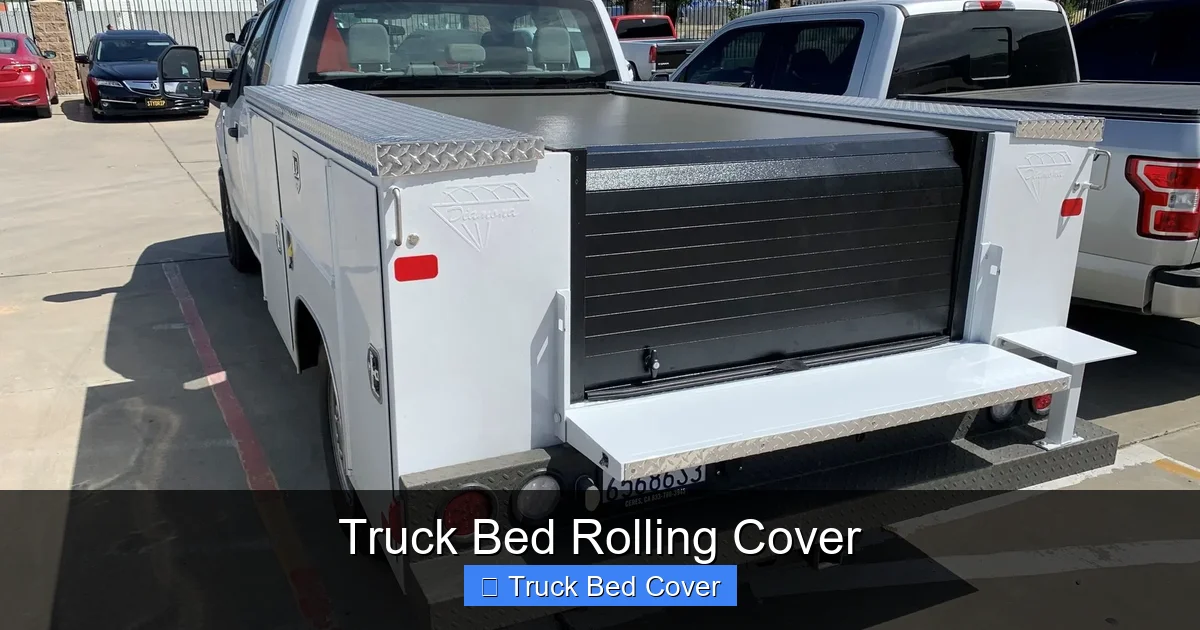
Truck Bed Rolling Cover
A truck bed rolling cover is a practical solution for securing and protecting cargo in your pickup truck bed. It combines convenience with durability, offering quick access while shielding items from rain, sun, and theft. Whether you’re hauling gear, tools, or groceries, this type of cover delivers unmatched versatility and peace of mind.
If you’ve ever struggled with loading gear into your truck bed only to watch it get soaked in a sudden downpour or damaged by shifting items, you know how frustrating it can be. A truck bed rolling cover might just be the upgrade your pickup needs. Also known as roll-up tonneau covers, these sleek accessories unfold like a carpet to cover your entire bed, then roll back effortlessly when you need full access. They strike the perfect balance between function and convenience—offering protection without sacrificing usability.
In recent years, truck owners have embraced rolling covers because they solve multiple problems in one neat package. Whether you’re a weekend warrior transporting camping equipment, a tradesperson hauling tools, or a parent running errands with kids’ sports gear, this cover keeps everything secure and dry. Plus, its modern look complements the style of most trucks today. In this article, we’ll explore everything you need to know about truck bed rolling covers: how they work, what makes them different from other covers, how to choose the right one, and why so many drivers swear by them.
Key Takeaways
- Easy Access: Unlike hard covers, a rolling cover unfolds quickly to load and unload cargo without lifting or removing a panel.
- Weather Protection: Keeps your belongings dry during rain and shields them from UV rays, preventing fading and damage.
- Security Features: Many models include lockable mechanisms and reinforced materials to deter theft and tampering.
- Space Efficiency: Rolls up into a compact tube at the front of the bed, preserving full bed space when not in use.
- Cost-Effective: Generally more affordable than hard tonneau covers while still offering strong performance and longevity.
- Custom Fit Options: Available in various widths and lengths to match nearly every truck model and bed size.
- Low Maintenance: Requires minimal upkeep—just occasional cleaning and lubrication of moving parts for smooth operation.
Quick Answers to Common Questions
Can I install a rolling cover myself?
Yes! Most rolling covers come with detailed instructions and require only basic tools. Installation typically takes 30–60 minutes.
Will a rolling cover fit my truck?
Almost always—yes. Major brands offer custom-fit options for virtually every pickup model and bed length manufactured since 2000.
Are rolling covers secure enough for tools?
Absolutely. With lockable latches and heavy-duty materials, they provide strong protection against casual theft and weather damage.
Do I need to remove the cover to use my tailgate?
No. The free end lifts easily, allowing full tailgate access without unmounting anything.
How do I clean my rolling cover?
Simply wipe it down with warm, soapy water and a soft cloth. Avoid harsh chemicals or abrasive scrubbers that could degrade the material.
📑 Table of Contents
What Is a Truck Bed Rolling Cover?
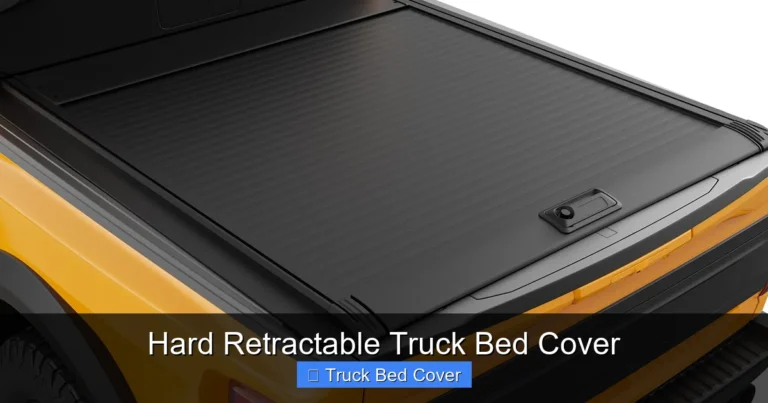
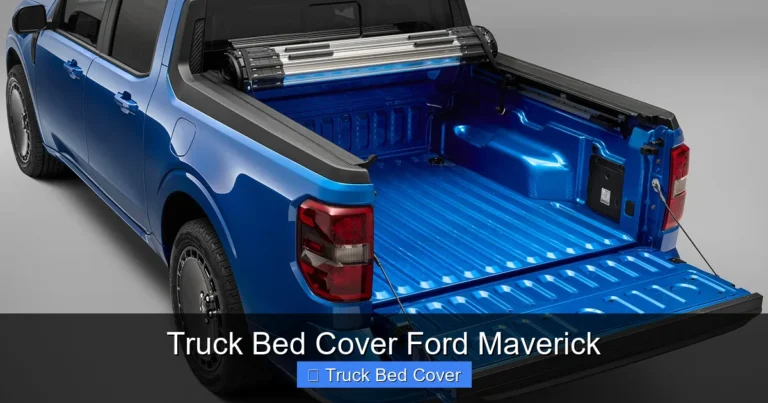
At its core, a truck bed rolling cover is a flexible fabric or vinyl tarp that spans the width of your truck bed and rolls up along the front wall. When extended, it lies flat over the cargo area, secured by side rails and often anchored at the rear. To open it, you simply lift the free end, pull it across the bed, and let it roll tightly into a cylindrical housing mounted near the cab. When you’re ready to close it again, you unroll it and latch it into place using a built-in locking mechanism.
Unlike fixed hard covers—like fiberglass caps or aluminum lids—rolling covers don’t require removal to access your cargo. And unlike soft tri-folds or retractable systems, they offer a clean, streamlined appearance when closed. Most models use marine-grade vinyl or heavy-duty canvas stretched over an aluminum frame, ensuring durability against wind, snow, and UV exposure.
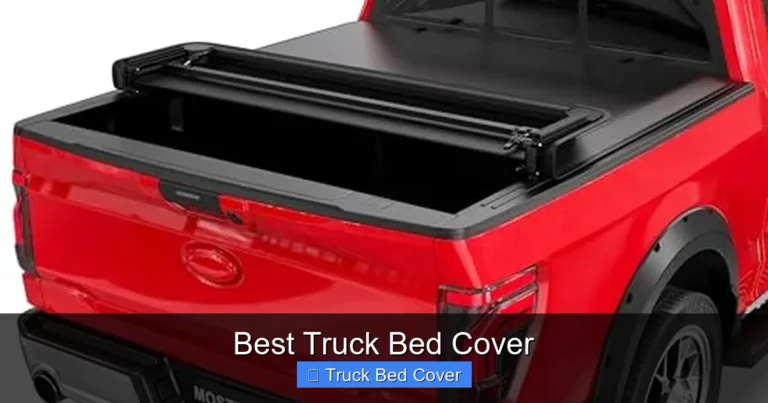
One of the biggest advantages is their adaptability. Whether you drive a short-bed or long-bed truck, a crew cab or standard cab, there’s likely a rolling cover designed specifically for your vehicle. They also come in various styles—such as tri-fold hybrid designs that combine rolling ease with partial fold-out access—giving you flexibility based on your daily needs.
How Does a Rolling Cover Work?
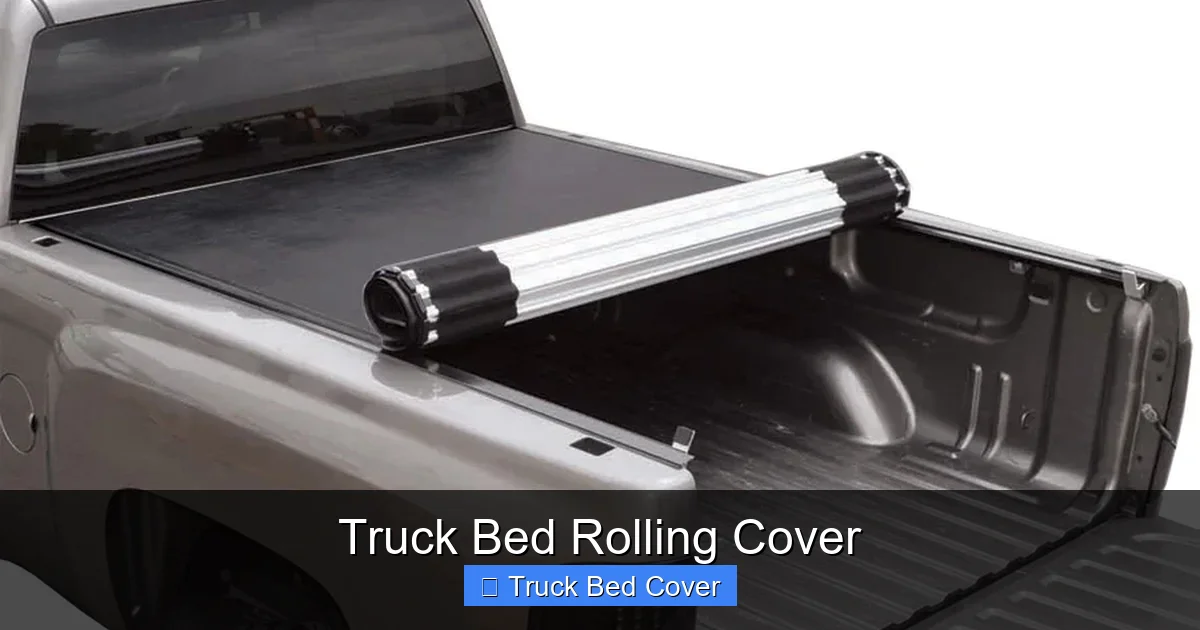
Visual guide about Truck Bed Rolling Cover
Image source: autoaccessoriesgarage.com
Understanding the mechanics behind a rolling cover helps explain why it’s such a popular choice. The system typically consists of four main components:
The Fabric Material
The cover itself is made from tough, tear-resistant material. Popular options include:
– Vinyl-coated polyester: Waterproof, UV-resistant, and resistant to mold.
– Canvas: Breathable and less prone to cracking in cold weather.
– Multi-layered composites: Offer enhanced strength and insulation properties.
This material is sewn into a continuous sheet that stretches across the bed.
The Side Rails
Sturdy aluminum or steel rails run along both sides of the bed. These hold the cover in place and guide it smoothly as it rolls or unfolds. Some high-end models feature rubberized inserts to reduce noise and prevent wear.
The Front Housing Unit
This is where the magic happens. When the cover isn’t in use, it coils tightly inside this watertight cylinder, usually bolted near the front of the bed. It contains a spring-loaded spool that automatically tightens the cover when you unroll it—no manual pulling needed!
The Rear Clamp or Latch
At the back of the bed, there’s a clamp or latch that holds the rolled-up cover securely in place. Many include key locks for added security. Some newer models even feature automatic tensioners that adjust tightness based on temperature changes (important in extreme climates).
When you want to access your cargo, you lift the free end, pull it forward, and watch it roll neatly into the housing. It takes seconds, and you don’t need tools or extra help. Closing it involves reversing the process—unrolling the cover until it reaches the latch, then letting gravity and the internal spring do the rest.
Types of Truck Bed Rolling Covers
Not all rolling covers are created equal. While the basic concept is similar, manufacturers offer several variations to suit different preferences and budgets. Here are the most common types:
Standard Roll-Up Covers
These are the classic design: a single piece of fabric that rolls straight back into a front-mounted tube. They’re lightweight, affordable, and great for light to moderate use. Ideal if you mainly need basic weather protection and occasional access.
Tri-Fold Hybrid Models
Some brands combine the roll-up feature with a tri-fold mechanism. You can either fully roll the cover back or partially fold it forward in thirds for easier access to specific areas of the bed. This is excellent if you frequently carry long items like pipes or lumber but still want full coverage when parked.
Extender or Dual-Panel Systems
For trucks with deep beds, some rolling covers come with extension panels that add extra length. Others use two separate roll-ups that overlap slightly for complete coverage. These are perfect for contractors who need maximum space without compromising on security.
Electric-Assist Models
High-end versions include remote-controlled motors that open and close the cover with the push of a button—great for tall drivers or those with limited mobility. These tend to cost more but offer unmatched convenience, especially in bad weather.
Custom-Fit vs. Universal
Most reputable brands offer custom-fit rolling covers tailored to specific truck makes and models (e.g., Ford F-150, Toyota Tacoma, Ram 1500). Custom fits ensure precise alignment, better sealing, and easier installation. Universal models may work with multiple vehicles but often require additional brackets or adjustments.
Benefits of Installing a Rolling Cover
Why do so many truck owners invest in a rolling cover? Let’s break down the real-world advantages:
Superior Weather Protection
Rain, snow, and sleet? No problem. A quality rolling cover keeps moisture out completely. The tight seal prevents water from seeping under the edges, which is especially important during storms. UV protection also means your cargo won’t fade or degrade from prolonged sun exposure.
Enhanced Security
Cargo theft is a growing concern, especially at job sites or public lots. Rolling covers with lockable latches make it much harder for thieves to access your goods. Even if someone tries to cut through the fabric, most use reinforced straps or anti-cut layers that resist slicing tools.
Improved Fuel Efficiency
Studies show that uncovered truck beds increase drag and wind resistance, lowering gas mileage by up to 10%. A rolling cover smooths airflow over the bed, helping you save fuel—especially on highway drives where aerodynamics matter most.
Better Cargo Organization
With everything covered and secured, loose items won’t slide around during transit. This reduces wear on your gear and prevents potential hazards like flying objects. It’s also easier to keep your truck bed tidy and clutter-free.
Aesthetic Appeal
Modern rolling covers look sleek and professional. Gone are the bulky, outdated tarps of the past. Today’s designs blend seamlessly with the truck’s lines, giving it a polished, purposeful appearance.
Increased Resale Value
Trucks with factory-installed or well-maintained aftermarket accessories often sell faster and for higher prices. A rolling cover signals care and attention to detail—qualities buyers appreciate.
How to Choose the Right Rolling Cover
Picking the best cover for your truck doesn’t have to be overwhelming. Just follow these simple steps:
Measure Your Bed Carefully
Use a tape measure to note the exact length and width of your truck bed. Don’t forget to account for tailgate height and whether you use a camper shell or ladder rack. Accurate measurements prevent ill-fitting covers that sag or leave gaps.
Consider Your Climate
If you live in a rainy region, prioritize waterproof materials and overlapping seams. In hot, sunny areas, look for UV-resistant fabrics with breathability to prevent condensation buildup. Cold climates benefit from flexible materials that don’t crack in freezing temperatures.
Think About Frequency of Use
Do you open and close the cover multiple times a day? Then durability and ease-of-use become top priorities. For seasonal use only, a lighter model may suffice.
Check Compatibility with Accessories
If you have a bed liner, toolbox, or hitch receiver, make sure the cover won’t interfere. Some brands offer cutouts or offset mounting hardware for compatibility.
Read Customer Reviews
Real-world feedback reveals how a cover performs over time. Pay attention to mentions of zipper failures, rail corrosion, or difficulty rolling after months of use.
Budget Wisely
Entry-level covers start around $150, while premium electric models can exceed $800. Balance cost with expected lifespan and features. Cheaper options may save money upfront but could fail prematurely.
Look for Warranties
Reputable brands offer at least a 1-year warranty—ideally 2–5 years—on materials and craftsmanship. This shows confidence in their product.
Installation Tips and Maintenance
Good news: most rolling covers install in under an hour with basic hand tools. Here’s how to do it right:
Step-by-Step Installation
1. Clean the bed rails thoroughly to remove dirt and debris.
2. Attach the side rails using provided clamps or bolts—don’t overtighten.
3. Mount the front housing unit near the cab end; ensure it’s level.
4. Thread the cover through the rails and into the housing.
5. Secure the rear latch and test the roll/unroll action.
Pro tip: Lubricate the rails with silicone spray once a year to keep things sliding smoothly.
Maintenance Made Simple
– Wipe down the cover monthly with mild soap and water.
– Inspect seals and latches regularly for wear.
– Avoid dragging sharp objects across the surface.
– Store it fully rolled when not in use to prevent creasing.
With proper care, a rolling cover can last 5+ years without significant issues.
Common Myths About Rolling Covers Debunked
Let’s clear up some misconceptions:
Myth: Rolling covers leak in heavy rain.
Reality: Quality models use triple-seamed stitching and rubber gaskets to create a watertight seal. Leaks usually stem from poor installation or low-grade materials—not the design itself.
Myth: They’re too heavy to handle.
Reality: Most weigh under 40 pounds. That’s lighter than a spare tire! Many users find them surprisingly easy to manage.
Myth: They scratch the bed paint.
Reality: Reputable brands use padded rails and non-marring fasteners. Always follow the manufacturer’s instructions to avoid damage.
Myth: They’re only for trucks used off-road.
Reality: Rolling covers benefit everyday drivers too—especially those carrying valuables or living in unpredictable weather.
Myth: You can’t tow with a rolling cover installed.
Reality: Unless you have a fifth-wheel trailer or gooseneck setup, most rolling covers don’t interfere with towing. Just ensure the hitch isn’t blocked.
Myth: All covers are the same.
Reality: Build quality, materials, and features vary widely. Spending a bit more often means fewer headaches down the road.
Top Brands and Models to Consider
While we can’t endorse specific products, here are some well-regarded names among truck enthusiasts:
– BakFlip Series: Known for rugged construction and reliable seals.
– UnderCover Ultra Flex: Offers smooth rolling and excellent value.
– DeWalt Hard Fold: Combines rolling ease with partial hard-shell protection.
– TruXedo TruRamper: Budget-friendly with solid performance.
– Tonno Pro Lo Pro: Low-profile design that sits flush with the bed rails.
Always verify compatibility before purchasing.
Frequently Asked Questions
Is a rolling cover worth the investment?
For most truck owners, yes. It protects cargo, improves fuel economy, enhances security, and adds value to your vehicle—making it a smart long-term upgrade.
Can I wash my truck with the cover on?
Yes, but avoid high-pressure washes directly onto the cover. Gentle rinsing is fine, and drying it fully afterward prevents mold.
Do rolling covers work in winter?
Yes. Modern materials resist cracking in cold temperatures. However, heavy snow loads may require manual adjustment to maintain tension.
Will the cover blow off in strong winds?
Unlikely if properly installed and tightened. Look for models with reinforced side rails and secure latches to minimize flapping.
Can I add a bedliner after installing a rolling cover?
It’s possible, but check compatibility first. Some bedliners require modifications or special mounting kits to avoid interference.
How long does a rolling cover last?
With regular maintenance, expect 5–10 years of service. High-quality brands with warranties often exceed this lifespan under normal conditions.