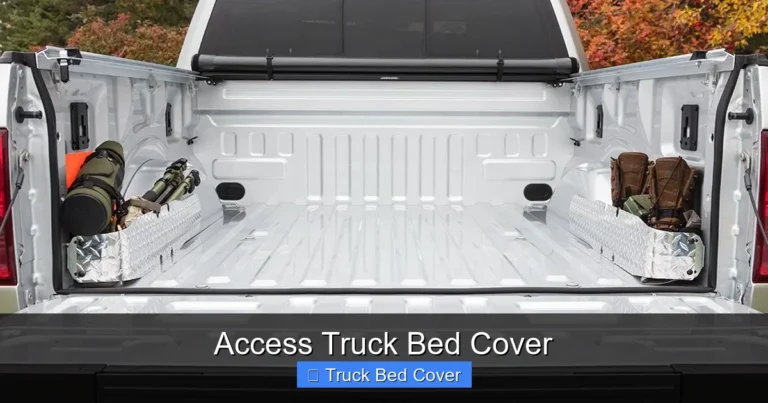
How to Remove Hard Truck Bed Cover
Removing a hard truck bed cover is simpler than you might think—when done the right way. Whether you’re upgrading to a new model, cleaning underneath, or preparing your truck for storage, this process requires the right tools and a bit of patience. With clear steps and expert tips, you can detach your hard tonneau cover without damaging your truck bed or risking injury.
Key Takeaways
- Tools You’ll Need: Gather common tools like a socket wrench, screwdrivers, and a flashlight before starting. Having everything ready prevents delays and frustration.
- Check the Manual First: Always consult your vehicle’s owner manual for specific instructions related to your make and model. Some covers have unique removal procedures.
- Work in a Well-Ventilated Area: Hard covers often have adhesives or lubricants that emit fumes. Removing them outside or in a garage with open windows reduces exposure.
- Label Components During Disassembly: Keep track of screws, clips, and brackets by labeling them. This makes reinstallation much easier later.
- Inspect for Damage: While removing the cover, check the truck bed and mounting hardware for rust, cracks, or wear. Address issues now to avoid future problems.
- Store Cover Properly: Clean and dry the hard truck bed cover before storing it in a cool, dry place. This extends its lifespan and prevents mold or warping.
Quick Answers to Common Questions
Can I remove my hard truck bed cover myself?
Yes, most hard tonneau covers are designed for DIY removal. With basic tools and clear steps, you can safely detach and reinstall the cover without professional help.
Will removing the cover void my truck’s warranty?
In most cases, no—but it depends on the manufacturer and whether the cover is aftermarket or factory-installed. Check your warranty terms or consult your dealer before making changes.
How much does it cost to remove a hard tonneau cover professionally?
Professional removal typically costs between $50 and $150, depending on the complexity and location. It’s usually worth it for tricky installations or when you’re unsure about handling heavy parts.
Do I need special tools to remove a hard truck bed cover?
Not really—most standard tools like screwdrivers, wrenches, and a flashlight are sufficient. Some models may require specialty bits, but these are easy to source online or at auto stores.
Is it safe to drive with a partially removed hard cover?
No. Driving with a half-off cover risks damaging the truck bed, injuring someone nearby, or getting pulled over for unsafe equipment. Only remove the cover completely when parked.
📑 Table of Contents
- How to Remove Hard Truck Bed Cover: A Step-by-Step Guide
- Understanding Different Types of Hard Tonneau Covers
- Gathering the Right Tools and Supplies
- Preparing Your Truck and Workspace
- Step-by-Step Process: How to Remove Hard Truck Bed Cover
- Common Challenges and How to Overcome Them
- Reinstalling Your Hard Tonneau Cover
- When to Call a Professional
- Maintaining Your Truck Bed After Removal
- Final Thoughts
How to Remove Hard Truck Bed Cover: A Step-by-Step Guide
If you own a pickup truck with a hard tonneau cover, you know how convenient they are for protecting your cargo from weather, theft, and dirt. But what happens when you need to remove the hard truck bed cover? Maybe you’re upgrading to a newer model, doing maintenance on the truck bed, or simply need access to the full bed space for hauling large items. Whatever your reason, removing a hard truck bed cover doesn’t have to be a daunting task.
In this comprehensive guide, we’ll walk you through everything you need to know about how to remove hard truck bed cover safely and efficiently. From identifying your cover type to handling stubborn bolts and avoiding common mistakes, we’ve got you covered. Whether you’re a seasoned DIYer or a first-time truck owner, these tips will help you get the job done with confidence.
Understanding Different Types of Hard Tonneau Covers
Before diving into removal, it’s important to understand the different types of hard truck bed covers available. Not all hard covers are built the same, and some require slightly different approaches when being removed. The most common types include:
1. Hard Tri-Fold Covers
These are hinged covers made of three sections that fold up individually. They’re popular because they’re easy to access and offer decent security. Removing them typically involves unlatching each section and lifting them off, but some models may require bolt removal.
2. Hard Roll-Up Covers
Made of durable vinyl stretched over a metal frame, roll-up covers roll toward the cab. These usually don’t require full disassembly unless you’re replacing the mechanism or accessing the underside.
3. Hard Folding Covers (Dual-Lock or Extendable)
These are larger, full-bed-length covers that fold forward. They often use clamps and latches at the front and back. Removal usually means releasing latches and sliding or lifting the entire unit.
4. Hard One-Piece Lids (Like Fiberglass or Aluminum Caps)
Some trucks come with factory-installed fiberglass or aluminum lids. These are permanently mounted but can sometimes be removed using special tools or techniques, depending on the manufacturer.
Knowing your cover type helps you anticipate what steps you’ll need to take and which tools might be necessary. Most aftermarket hard tonneau covers are designed for easy removal, but factory ones may require more caution.
Gathering the Right Tools and Supplies
One of the biggest mistakes people make is starting the removal process without having the right tools on hand. Being unprepared can lead to dropped screws, stripped bolts, or even accidental damage to your truck bed. Here’s what you should gather before beginning:
- Screwdriver Set: Both flathead and Phillips heads. Some covers use Torx or Allen keys instead.
- Socket Wrench or Ratchet Set: For removing bolts under the bed rails or near the tailgate.
- Flashlight or Work Light: Good lighting helps you see tight spaces where screws hide.
- Shop Towels or Rags: To wipe away grease, dirt, or moisture during the process.
- Label Maker or Masking Tape: To mark components as you remove them.
- Soft Cloths or Foam Pads: To protect painted surfaces while working.
- Penetrating Oil (Optional): If bolts are rusted or stuck, spray a little WD-40 or PB Blaster before attempting removal.
Having these tools ready ensures a smooth process. You don’t want to stop halfway because you can’t find a specific screwdriver. Organizing them in a toolbox or rolling cart keeps everything accessible.
Preparing Your Truck and Workspace
Before you start unscrewing anything, take a few minutes to prepare your workspace and truck. This reduces stress and minimizes the chance of accidents.
Clear the Truck Bed
Remove any items stored in the bed—tools, equipment, or personal belongings. This gives you room to work and prevents things from falling out when you lift the cover.
Park on Level Ground
Ideally, park your truck on a flat surface. If not, use wheel chocks to prevent rolling. Stability is key when lifting heavy objects.
Open the Tailgate
Most hard covers attach to or interact with the tailgate. Make sure it’s fully open and secure before proceeding.
Wear Protective Gear
Even if you’re careful, small metal shavings or debris can fly during removal. Wear safety glasses and gloves to protect your eyes and hands.
Work in a Well-Ventilated Area
If your cover has been exposed to chemicals, adhesives, or lubricants, removing it in a garage or outdoors prevents inhaling fumes.
Preparation might seem like overkill, but it pays off in the long run. It saves time, protects your truck, and makes the whole experience less stressful.
Step-by-Step Process: How to Remove Hard Truck Bed Cover
Now that you’re prepared, let’s get into the actual removal process. While exact steps vary by cover type, here’s a general guide that applies to most hard tonneau covers:
Step 1: Release Latches and Clamps
Start at the front of the truck bed. Look for latches, straps, or clamps that secure the cover to the bed rails. These are usually located near the cab side. Unlatch them carefully—don’t yank! Some models have dual locks; release both sides for balance.
Step 2: Lift the Front Section (Tri-Fold Models)
If you have a tri-fold cover, lift the front panel first. It should pivot upward and rest against the windshield or fold down. Support it gently to avoid scratching the cab.
Step 3: Detach Middle and Rear Panels
Next, fold or lift the middle and rear panels. Again, support them as you move them aside. Keep them upright so they don’t fall backward and damage the tailgate.
Step 4: Remove Bolts or Clips (If Applicable)
For some covers, especially those attached at the tailgate end, you may need to remove bolts hidden behind rubber gaskets or plastic caps. Use a flashlight to locate them, then unscrew carefully. Be patient—rusted bolts can be tricky.
Step 5: Slide or Lift Off Full-Bed Covers
On full-length hard covers (like fiberglass lids), you’ll likely need to slide the entire unit backward or lift it straight up. Enlist a helper if possible—these can weigh up to 100 pounds. Use foam padding on the edges to prevent scratches.
Step 6: Inspect Mounting Points
Once the cover is off, inspect the mounting brackets, rails, and bed surface. Look for rust, dents, or stripped screw holes. Cleaning and treating minor rust now prevents bigger issues later.
Throughout the process, keep components organized. Place screws in labeled bags and stack panels on a soft surface like a blanket or foam board.
Common Challenges and How to Overcome Them
Even experienced truck owners run into snags when removing hard tonneau covers. Here are some frequent issues and practical solutions:
Stuck or Rusted Bolts
If bolts won’t budge, don’t force them. Apply penetrating oil and wait 15–30 minutes. Tap lightly with a hammer to break corrosion, then try again. Never use excessive force—it can strip threads or crack the bed rail.
Cover Sticks to the Bed
Old adhesive or condensation can cause the cover to stick. Use a plastic scraper or putty knife to gently pry it loose. Avoid metal tools that could scratch the paint.
Misaligned Rails or Warped Panels
If the cover sits unevenly, the problem might be bent rails. Check for gaps between the cover and bed. Minor bends can often be corrected with a rubber mallet, but severe warping may require professional repair.
Losing Small Parts
Screws, washers, and clips are tiny but crucial. Place them in a magnetic tray or labeled container immediately after removal. Missing parts can delay reinstallation.
Scratched Paint or Damage
Always use soft materials when handling the cover. If scratches occur, touch them up with matching paint as soon as possible to prevent rust.
Remember: patience is your best friend. Rushing increases the risk of mistakes. If something feels off—like a strange noise or resistance—pause and reassess.
Reinstalling Your Hard Tonneau Cover
After removal, you might decide to reinstall the same cover or install a new one. Either way, proper reinstallation is just as important as removal. Follow these tips:
- Align the cover carefully before tightening any fasteners.
- Tighten bolts gradually and evenly—don’t over-torque, which can warp the lid.
- Ensure latches engage smoothly and securely.
- Test the cover by opening and closing it several times.
- Apply silicone lubricant to rubber seals to prevent sticking.
If you’re installing a new cover, compare it with the old one to ensure compatibility. Measure the bed length and width, and confirm clamp positions match your existing setup.
When to Call a Professional
While most hard tonneau cover removals are DIY-friendly, there are situations where calling a pro makes sense:
- The cover is factory-installed (common on luxury trucks).
- You notice significant structural damage during inspection.
- Bolts appear seized beyond simple oil treatment.
- You lack confidence in lifting or handling the weight.
A professional mechanic or auto body shop can assess the situation and perform the job safely. Plus, they’ll often warranty their work, giving you peace of mind.
Maintaining Your Truck Bed After Removal
Once your hard truck bed cover is off, take advantage of the extra access to clean and maintain your truck bed. Here’s what to do:
- Wash the bed thoroughly with soap and water.
- Inspect for rust spots and treat them with anti-rust spray.
- Lubricate hinges and moving parts with white lithium grease.
- Check tailgate seals for wear and replace if needed.
- Consider applying bed liner paint or coating for added protection.
This maintenance not only keeps your truck looking great but also prepares it for whichever cover you plan to use next.
Final Thoughts
Removing a hard truck bed cover is a manageable task with the right preparation and mindset. By understanding your cover type, gathering the correct tools, and following a systematic approach, you can complete the job quickly and safely. Remember to work methodically, stay patient with stubborn parts, and always prioritize safety.
Whether you’re doing this once or multiple times throughout your ownership, knowing how to remove hard truck bed cover empowers you to maintain your truck like a pro. And when you’re done, you’ll appreciate the flexibility—and the clean look—of an uncovered bed.
Frequently Asked Questions
How long does it take to remove a hard truck bed cover?
Most people can remove a hard tonneau cover in 15 to 30 minutes, depending on the model and experience level. Tri-fold covers are generally faster than full-bed lids.
Can I reuse the same screws when reinstalling?
Yes, but inspect them first. Replace any rusted, stripped, or damaged screws. Using old fasteners can compromise the cover’s stability and sealing ability.
What if my hard cover won’t lift off easily?
Check for hidden latches, frozen mechanisms, or debris in the tracks. Apply lubricant if needed, and ensure all clamps are fully released before lifting.
Should I clean my truck bed before removing the cover?
It’s helpful to clean the bed first to reduce dust and grime buildup. This makes the removal process cleaner and protects your hands during handling.
Can I store my hard tonneau cover inside my garage?
Absolutely. Store it on a flat surface with a soft cloth underneath. Avoid stacking heavy items on top to prevent warping or denting.
What’s the best way to transport a hard truck bed cover?
Use a flatbed trailer or truck bed with foam padding. Secure it tightly with ratchet straps to prevent shifting during transport. Never carry it by hand over long distances.