Canopy Truck Bed Cover
A canopy truck bed cover is more than just a roof—it’s a versatile accessory that protects your cargo from rain, sun, and theft while boosting your truck’s functionality and curb appeal. Whether you’re hauling tools, gear, or groceries, a quality canopy adds storage space, improves aerodynamics, and keeps your items secure. With options ranging from basic soft covers to advanced retractable systems, finding the right fit for your truck and needs has never been easier.
Key Takeaways
- Type Variety: Canopy truck bed covers come in several styles—soft roll-up, hard tri-fold, retractable, and full-shell—each offering unique benefits for different use cases.
- Weather Protection: A canopy shields your cargo from rain, snow, UV rays, and dust, making it ideal for outdoor work or long-distance travel.
- Security & Privacy: Hard covers provide better security than soft ones, deterring theft and preventing prying eyes from seeing inside the bed.
- Aerodynamic Efficiency: Many canopies improve fuel efficiency by reducing wind resistance compared to open or poorly covered truck beds.
- Easy Installation: Most canopies bolt directly into existing bed rails or tie-down points, requiring minimal tools and no drilling for most models.
- Custom Fit: Look for models designed specifically for your truck make, model, and year to ensure proper fitment and performance.
- Value Addition: Beyond function, canopies increase resale value and enhance your truck’s appearance with a sleek, finished look.
Quick Answers to Common Questions
What is the difference between a canopy and a tonneau cover?
A canopy rises above the truck bed to create enclosed storage space, while a tonneau cover sits flat on top. Canopies offer more vertical clearance and often include doors, whereas tonneaus provide a sleeker, lower profile.
Can I install a canopy myself?
Yes! Most canopies are designed for DIY installation using basic tools. Follow the manufacturer’s instructions carefully, and consider watching a tutorial video for your specific model.
Will a canopy reduce my truck’s gas mileage?
Actually, a properly fitted canopy can improve fuel efficiency by reducing wind drag compared to an open bed. Studies show up to 15% improvement in highway mileage.
Are canopy covers waterproof?
High-quality canopies are highly water-resistant, but no cover is 100% leak-proof. Look for models with rubber seals and overlapping panels for best results.
Can I add accessories to a canopy?
Absolutely! Common additions include LED light bars, side-mounted racks, toolboxes, and even satellite antennas. Just ensure the canopy’s load rating supports the extra weight.
📑 Table of Contents
- What Is a Canopy Truck Bed Cover?
- Why Choose a Canopy Over Other Types of Covers?
- Types of Canopy Truck Bed Covers
- Benefits of Installing a Canopy Truck Bed Cover
- How to Choose the Right Canopy for Your Truck
- Installation Tips and Best Practices
- Maintenance and Care
- Top Brands and Models to Consider
- Real-Life Applications: Who Needs a Canopy?
- Common Myths About Canopy Truck Bed Covers
- Final Thoughts: Is a Canopy Right for You?
What Is a Canopy Truck Bed Cover?
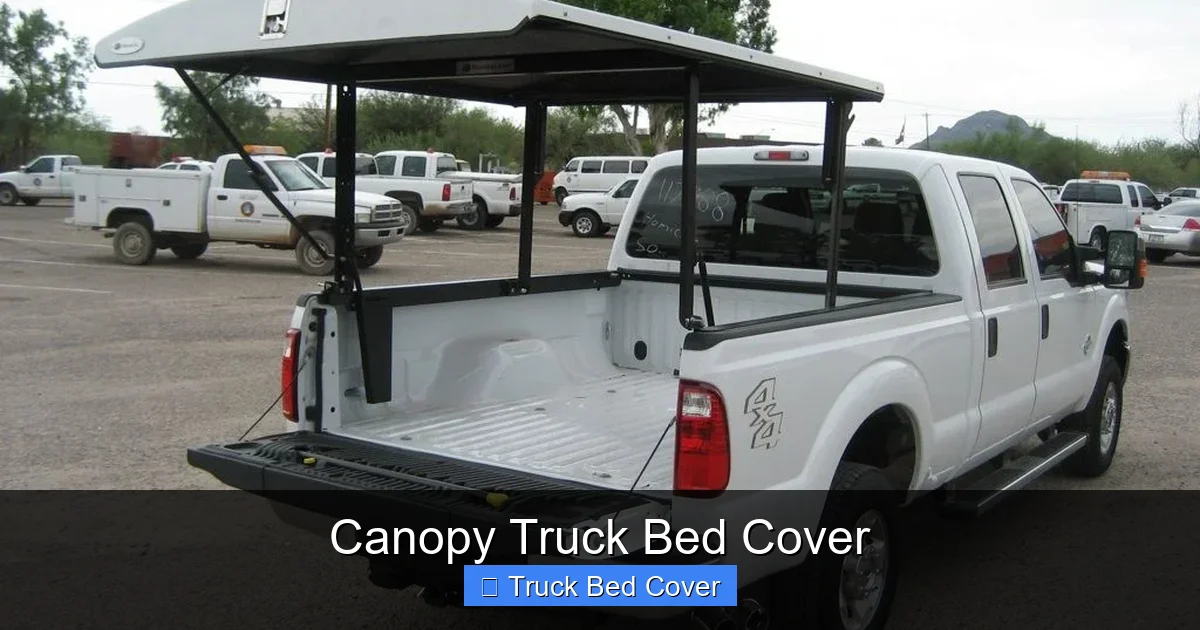
Imagine loading up your truck bed with camping gear, construction materials, or even a cooler for a tailgate party—only to have everything soaked by sudden rain or ruined by flying debris on the highway. That’s where a canopy truck bed cover comes in. At its core, a canopy is a rigid or semi-rigid structure installed over the open area of a pickup truck bed. It sits above the bed rails and extends beyond them slightly, creating a small enclosed space that acts like a mini-roof.
Unlike simple tonneau covers that sit flat on the bed, canopies rise above the truck bed, forming a box-like structure. This design not only provides extra vertical space but also allows for mounting accessories like lights, speakers, or storage bins. Think of it as adding a tiny garage or shed directly behind your cab—perfect for keeping valuables dry, out of sight, and safe.
Why Choose a Canopy Over Other Types of Covers?
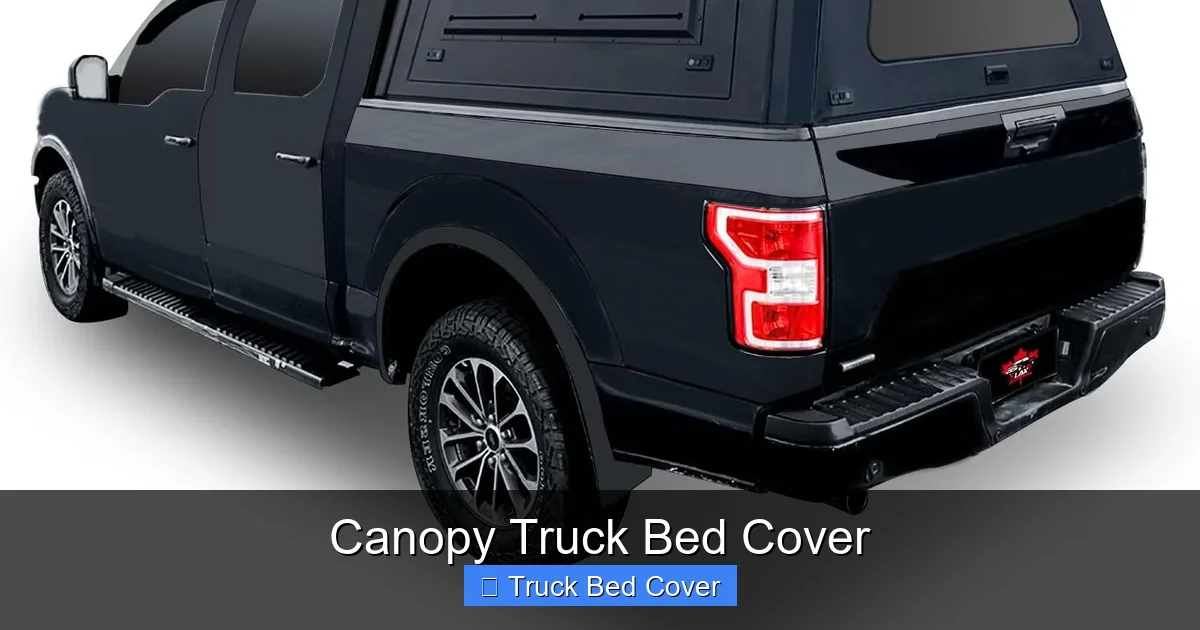
Visual guide about Canopy Truck Bed Cover
Image source: m.media-amazon.com
You might wonder: why choose a canopy when there are so many other truck bed covers available? The answer lies in versatility and functionality. While roll-up canvas tonneaus offer lightweight convenience, they don’t protect against extreme weather or provide much privacy. Hard tri-folds are sturdy but limited in height. Retractables save space but can be expensive and complex.
A canopy strikes the perfect balance. It gives you the security of a solid roof, the accessibility of an open bed (when needed), and the ability to customize with racks, toolboxes, or even solar panels. Plus, it looks great—modern designs blend seamlessly with your truck’s exterior, giving it a rugged yet polished appearance.
Types of Canopy Truck Bed Covers
Not all canopies are created equal. Depending on your needs—whether you prioritize security, aesthetics, or storage capacity—you’ll want to explore different canopy styles.
Soft Canopy Covers
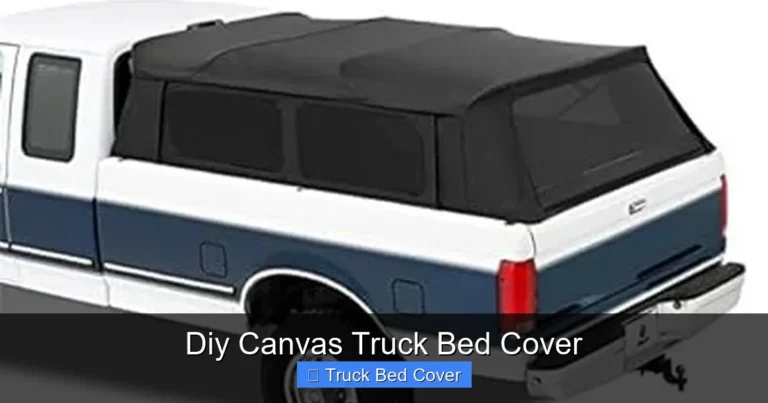
Soft canopies resemble large tarps or canvas tents mounted on metal frames. They’re lightweight, affordable, and easy to install. Made from durable vinyl or polyester fabric stretched over aluminum or steel bows, these covers fold down like a tent when you need access to the bed.
Pros:
– Inexpensive upfront cost
– Quick setup and removal
– Lightweight and portable
Cons:
– Less secure than hard shells
– Can sag in strong winds
– Limited customization options
Ideal for occasional use or those who want a temporary solution.
Hard Shell Canopy Covers
These are the premium choice. Hard canopies feature a fully enclosed, rigid structure made from fiberglass, ABS plastic, or aluminum. They attach securely to the bed rails and often include windows, locks, and latches.
Pros:
– Maximum security and weather resistance
– Clean, aerodynamic lines
– Can support additional weight (e.g., bikes, kayaks)
Cons:
– Higher price point
– Heavier than soft options
– May require professional installation
Best for daily drivers, contractors, or anyone needing reliable protection.
Retractable Canopy Systems
Think of these as sliding roofs for your truck bed. Retractable canopies unfold smoothly along tracks built into the bed rails. When closed, they form a tight seal; when open, they retract completely out of sight.
Pros:
– No permanent obstruction when not in use
– Excellent weather sealing
– Modern, tech-forward design
Cons:
– Expensive (often $1,000+)
– Complex mechanism may require maintenance
– Limited compatibility with certain truck models
Great for luxury trucks or frequent travelers who want both form and function.
Hybrid and Custom Canopies
Some brands offer hybrid designs—combining elements of soft and hard covers. Others allow full customization: add-on side panels, integrated LED lighting, or even climate control vents. These are popular among off-road enthusiasts and fleet managers.
Benefits of Installing a Canopy Truck Bed Cover
Beyond the obvious “it keeps things dry,” there are plenty of hidden perks to owning a canopy.
Enhanced Security
One of the biggest advantages is peace of mind. With a closed canopy, thieves can’t easily spot what’s inside. Even better, many models come with lockable doors and reinforced corners, making unauthorized entry much harder. For contractors carrying expensive tools or homeowners storing outdoor equipment, this is invaluable.
Improved Fuel Economy
Did you know that an uncovered truck bed creates significant drag? According to studies, a full canopy reduces wind resistance by up to 15% compared to an open bed. That translates to fewer stops at the pump—especially noticeable on long highway drives.
Extra Storage Space
The raised design means you can stack items higher without worrying about them falling out. Want to carry a cooler, spare tires, or emergency kits? A canopy gives you room to spare—literally. Some owners even install overhead racks or ladder systems inside.
Protection from the Elements
Rain, snow, hail, and scorching sun all take a toll on stored goods. A quality canopy creates a sheltered environment that preserves paint, prevents mold, and stops fading. It’s especially helpful if you frequently transport sensitive electronics or furniture.
Aesthetic Appeal
Let’s be honest—a well-designed canopy makes your truck look intentional. Gone are the days of mismatched caps or flimsy tarps. Today’s canopies come in matte black, silver, carbon fiber textures, and even custom colors. They complement modern truck designs and boost overall resale value.
How to Choose the Right Canopy for Your Truck
Picking the perfect canopy isn’t just about picking the fanciest one. You need to consider your truck’s dimensions, your typical usage, and your budget.
Measure Your Truck Bed
Start by measuring the length, width, and depth of your bed. Note whether it’s short, standard, or long. Also check if your bed has side steps, spray-in liners, or built-in tie-downs—these affect compatibility.
Consider Climate and Environment
If you live in a rainy or snowy region, prioritize waterproof seals and strong frame materials. In hot climates, look for UV-resistant fabrics and ventilation features to prevent heat buildup.
Think About Accessibility
Do you need quick access to the bed? If yes, a retractable or roll-up canopy might work best. If security is your top concern, go with a fixed hard shell.
Budget Wisely
Soft canopies start around $200–$400. Hard shells range from $600–$1,500+. Retractables can exceed $2,000. Factor in installation costs too—some require drilling, others snap on in minutes.
Check Compatibility
Always verify that the canopy fits your exact truck make, model, and year. Universal models exist but rarely offer optimal performance.
Installation Tips and Best Practices
Even though most canopies are DIY-friendly, a few smart moves will ensure longevity and safety.
Gather the Right Tools
You’ll likely need a socket wrench set, screwdrivers, measuring tape, and possibly a drill. Keep a level handy to ensure even mounting.
Read the Manual First
Every brand has specific instructions. Skipping this step could lead to misalignment or damage.
Prep the Bed Rails
Clean and dry the bed rails thoroughly. Remove any debris or rust that could interfere with the seal.
Test Fit Before Finalizing
Position the canopy without tightening bolts first. Make sure it aligns properly and doesn’t rub against the cab or tailgate.
Use Anti-Seize Compound
Apply a thin layer to metal-to-metal contact points. This prevents corrosion and makes future removal easier.
Torque Bolts to Spec
Over-tightening can crack frames; under-tightening leads to rattling. Follow torque specs in the manual.
Add Weather Stripping
For extra water resistance, install foam or rubber gaskets along the edges.
Maintenance and Care
Like any vehicle accessory, your canopy needs regular TLC to last years.
Wash Regularly
Use mild soap and water to remove dirt, bird droppings, and road grime. Avoid harsh chemicals that degrade fabric or seals.
Inspect Seals Annually
Check for cracks, wear, or loose fittings. Replace damaged parts immediately to maintain watertight integrity.
Lubricate Moving Parts
On retractables or folding mechanisms, apply silicone-based lubricant every 6 months.
Store Properly When Not in Use
If you remove it seasonally, keep it in a cool, dry place away from direct sunlight.
Address Rust Promptly
Scrub small spots early with a wire brush and touch-up paint to prevent spreading.
Top Brands and Models to Consider
With so many options, narrowing it down helps. Here are some trusted names:
– Leer: Known for high-quality hard shells with excellent build standards. Their Elite series offers customizable interiors.
– A.R.E.: Offers durable, stylish canopies with optional LED lighting and ventilation.
– Ozark Trailers: Budget-friendly soft canopies with decent durability for light use.
– BakFlip MX4: Hybrid design combining a hard tri-fold with canopy-like coverage.
– RetraxPRO: Premium retractable system favored by off-roaders and professionals.
Reading customer reviews and watching installation videos on YouTube can also guide your decision.
Real-Life Applications: Who Needs a Canopy?
Canopies aren’t just for truck lovers—they serve real-world purposes across industries and lifestyles.
Contractors and Tradespeople
Electricians, plumbers, and landscapers rely on secure, weatherproof storage. A canopy keeps tools dry during storms and deters opportunistic thieves.
Campers and Outdoor Enthusiasts
Need to transport kayaks, ATVs, or camping chairs? The extra height prevents damage and saves space.
Delivery Drivers
Food delivery services benefit from protected cargo areas that stay fresh longer and look professional.
Everyday Commuters
Even casual drivers enjoy the convenience of having a covered bed for groceries, sports gear, or pet supplies.
Common Myths About Canopy Truck Bed Covers
There are a few misconceptions floating around. Let’s clear them up.
Myth #1: “Canopies block all airflow.”
Truth: Many modern designs include vented windows or mesh panels to promote circulation while keeping rain out.
Myth #2: “They’re too heavy for my truck.”
Truth: Even heavy-duty canopies weigh far less than a full trailer. Most trucks handle them effortlessly.
Myth #3: “I’ll never get insurance discounts.”
Truth: Some insurers offer reduced premiums for vehicles with anti-theft devices—including secure canopies.
Myth #4: “They’re only for show.”
Truth: Functionality is a primary reason people buy them. Security, weather protection, and storage matter.
Myth #5: “All canopies require drilling.”
Truth: Clamp-style and bolt-on models exist that don’t alter your truck’s structure.
Final Thoughts: Is a Canopy Right for You?
At the end of the day, a canopy truck bed cover is an investment in convenience, safety, and style. Whether you’re hauling lumber across state lines or heading to the beach with friends, it adapts to your lifestyle. It’s not just a piece of equipment—it’s part of your truck’s identity.
Before buying, assess your priorities: Do you value speed and ease of access? Or do you need maximum security and weather resistance? Once you answer those questions, choosing the right canopy becomes straightforward. And remember—many brands offer warranties covering defects and wear, so you’re protected long after installation.
With proper selection and care, your canopy will serve faithfully for years, turning every trip into a smoother, safer, and smarter experience.
Frequently Asked Questions
How much does a canopy truck bed cover cost?
Prices range from $200 for basic soft canopies to over $2,000 for premium retractable systems. Hard shell canopies typically fall between $600 and $1,500, depending on material and features.
Do I need to modify my truck to install a canopy?
Most canopies bolt onto existing bed rails without drilling. However, some heavy-duty or custom models may require minor modifications. Check compatibility before purchasing.
Can a canopy hold weight on top?
Yes, but always check the manufacturer’s weight limit—usually between 100 and 300 pounds. Never exceed this, as it can compromise structural integrity and safety.
Will a canopy fit any truck?
No. Canopies are truck-specific. You must match the make, model, year, and bed size (short, standard, or long). Universal models exist but may not fit perfectly.
How do I clean and maintain my canopy?
Wash with mild soap and water monthly. Inspect seals annually, lubricate moving parts biannually, and store indoors during winter if possible to extend lifespan.
Is it worth installing a canopy for everyday use?
Yes. Even for casual drivers, a canopy protects cargo, improves aerodynamics, enhances security, and boosts resale value. It’s a practical upgrade with lasting benefits.