Can You Go Through Car Wash with Truck Bed Cover
Yes, most truck bed covers can handle car washes—but not all. The key is knowing what type of cover you have and how it’s installed. Soft tonneau covers are usually fine, but hard or specialized covers may need extra care. Always check manufacturer guidelines, remove loose items, and avoid high-pressure settings to prevent damage. With the right prep and precautions, you can safely wash your truck and keep your bed cover protected.
Going through a car wash with your truck bed cover on might seem like a hassle, but it’s often totally doable—if you know what you’re doing. Whether you’re trying to save time, avoid re-installing a cover after every trip, or just prefer the convenience of leaving it on, understanding how different types of truck bed covers react to car wash conditions is essential. This guide walks you through everything you need to know: from identifying safe cover types to preparing your rig for the wash and avoiding common pitfalls.
Let’s face it—car washes are convenient. They clean your truck without you lifting a finger, and they’re especially helpful when your truck is loaded with dirt, mud, or salt after a long off-road adventure. But when you throw a truck bed cover into the mix, things get tricky. Some covers are built tough enough to handle the spray and spin cycles, while others are more delicate and could end up damaged or warped.
The good news? With the right knowledge and a few smart precautions, you can protect both your truck and your investment. In this article, we’ll break down the pros and cons of each cover type, share real-world tips from truck owners who’ve done it safely, and give you a step-by-step checklist to follow every time you hit the car wash with a cover on.
—
Key Takeaways
- Type matters: Soft roll-up and tri-fold covers are generally car-wash safe, while retractable, fiberglass, or aluminum covers may require special handling.
- Check installation: Loose clamps, poorly sealed edges, or misaligned rails can trap water and cause leaks or damage during washing.
- Remove accessories: Anything mounted on the cover—like bike racks, toolboxes, or cargo nets—should be taken off before washing.
- Avoid high pressure: High-speed jets from automatic car washes can force water under or into the cover, leading to mold, mildew, or electrical issues in electronics.
- Prep is essential: Shake out debris, secure loose parts, and ensure the cover is fully closed and latched before entering the wash.
- Post-wash inspection: After washing, check for water intrusion, loose seals, or shifted components to catch problems early.
- Know the risks: Some covers void warranties if exposed to car washes, so always verify with the manufacturer first.
Quick Answers to Common Questions
Can I use a car wash with a soft roll-up cover?
Yes, most soft roll-up covers are car-wash safe when fully closed and latched. Just ensure the tailgate is sealed tightly and remove any loose accessories.
Are retractable hard covers okay for automatic car washes?
Many modern retractable covers are designed for car washes, but check your manual. Older models may not be rated for high-pressure spray and brushes.
Should I remove my cover after every wash?
No—unless it’s heavily soiled or shows damage. Leaving it on regularly protects your cargo and saves time. Just follow prep tips to avoid issues.
Is a touchless car wash better than a brush wash?
Yes. Touchless washes use only water jets, eliminating brush contact—ideal for covers, especially hard or delicate ones.
Can water get under my cover during a car wash?
Possibly, if seals are loose or the cover isn’t fully secured. Proper installation and latching significantly reduce this risk.
📑 Table of Contents
- Understanding Truck Bed Covers
- Can You Go Through a Car Wash with Any Cover?
- Which Types of Covers Are Safe for Car Washes?
- How to Prepare Your Truck for a Car Wash with a Cover On
- What Happens During the Car Wash?
- Post-Wash Care and Maintenance
- Real-Life Examples and User Experiences
- Alternatives to Automatic Car Washes
- When to Remove the Cover Before Washing
- Final Thoughts
Understanding Truck Bed Covers
Before diving into whether you can go through a car wash with a truck bed cover, it helps to understand what these covers are and how they work. A truck bed cover is a protective lid installed over the open bed of a pickup truck. Its main purposes include securing cargo, shielding contents from weather, improving aerodynamics (and thus fuel efficiency), and enhancing the truck’s appearance.
There are several types of truck bed covers, and each behaves differently in a car wash environment. Here’s a quick rundown:
– **Soft Roll-Up Covers**: Made of vinyl or canvas, these fold and roll into a compact tube at the front of the bed. They’re lightweight, affordable, and generally car-wash friendly.
– **Tri-Fold Covers**: Typically made of durable fabric over a hard base, these fold into three sections. Most are safe for car washes if properly secured.
– **Fiberglass Hard Covers**: Rigid and sleek, these are often bolted directly to the truck bed. While strong, their fixed nature makes them less forgiving in harsh wash conditions.
– **Aluminum Panel Covers**: Similar to fiberglass but lighter, these can warp under excessive heat or pressure if not designed for car washes.
– **Retractable (Rolling) Hard Covers**: These slide open like a garage door. Many modern models are car-wash approved, but older or lower-quality versions may have seals that fail under high pressure.
– **Snap-On Covers**: Easy to install but often lack tight sealing. Water can seep in around the edges during washing, potentially damaging stored items.
Each type has its strengths and weaknesses when it comes to durability, aesthetics, and—most importantly here—car wash compatibility.
—
Can You Go Through a Car Wash with Any Cover?
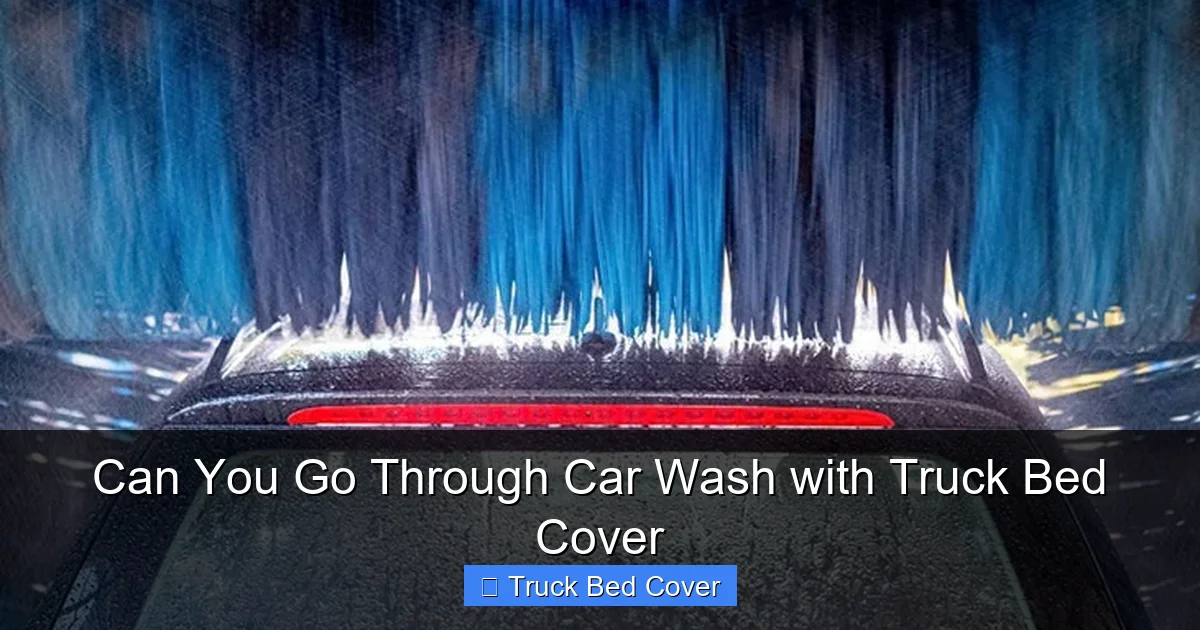
Visual guide about Can You Go Through Car Wash with Truck Bed Cover
Image source: bryansgarage.com
Not all covers are created equal when it comes to car washes. The short answer is: **it depends**. While many soft and mid-range hard covers can handle standard automatic car washes, others—especially those with complex mechanisms or poor sealing—are better left off until after the wash.
Here’s why:
**Automatic car washes use rotating brushes, high-pressure sprayers, and fast-moving conveyors.** These elements can exert significant force and friction on any object mounted to your truck. If your cover isn’t designed to withstand that, you risk:
– Water being forced under the cover
– Damage to latches or hinges
– Warping of panels due to heat or moisture
– Electrical malfunctions in covers with built-in lighting or sensors
That said, many manufacturers now design their covers with car washes in mind. Look for labels like “Car Wash Safe” or “Approved for Automatic Washers.” If you see that, you’re likely in the clear.
But even then, caution is still advised. For example, a retractable hard cover might say it’s car-wash friendly, but if it’s been improperly installed or the seals are worn, water could still sneak in.
—
Which Types of Covers Are Safe for Car Washes?
Let’s get specific. Based on widespread user feedback and manufacturer recommendations, here’s which cover types typically pass the car wash test:
Soft Roll-Up and Tri-Fold Covers
These are among the safest options. Their flexible materials absorb some impact, and they don’t have rigid components that can crack. As long as they’re fully closed and latched, they usually come through unscathed. Just make sure the tailgate seal is tight—loose gaps let water trickle in.
Retractable Hard Covers (Modern Models)
Many newer retractable covers are engineered for car washes. They often feature rubberized gaskets and reinforced tracks. However, always double-check with the manufacturer. Some older models or budget versions may not be rated for high-pressure jets.
Snap-On Covers (Use with Caution)
While convenient, snap-on covers aren’t ideal for car washes. Their loose fit means water can pool or leak in. If you must use one, try to minimize exposure by opting for hand washes instead.
Fiberglass and Aluminum Hard Covers
These are generally NOT recommended for automatic car washes unless explicitly labeled otherwise. Their fixed mounting points and lack of flexibility make them vulnerable to stress. Hand washing or touchless washes are safer alternatives.
—
How to Prepare Your Truck for a Car Wash with a Cover On
Even the safest cover can be ruined if you skip prep steps. Follow this simple checklist before heading to the car wash:
1. Inspect the Cover
Look for cracks, frayed edges, loose bolts, or damaged latches. Address any issues before washing. A compromised seal today could lead to rust tomorrow.
2. Remove Accessories
Take off anything attached to the cover: bike racks, toolboxes, cargo nets, or even spare tires mounted on carriers. These can get knocked around or snag on brushes.
3. Secure the Tailgate
Make sure the tailgate is fully closed and locked. Even a small gap can let water flood the bed.
4. Close and Latch Everything
Ensure every panel, buckle, or clamp is securely fastened. Loose ends mean loose problems.
5. Shake Out Debris
Clear out leaves, dirt, or rocks from inside the bed. These can get kicked up and scratch paint or damage the cover during spinning.
6. Check Manufacturer Guidelines
When in doubt, look it up. Brands like Tonno Pro, UnderCover, and Extang publish detailed care instructions—including car wash approval.
—
What Happens During the Car Wash?
Now that you’re prepped, let’s walk through what actually happens inside the car wash bay. Most automatic washes follow this sequence:
1. **Entry and Inspection**: The truck rolls onto the conveyor belt. Sensors detect your vehicle.
2. **Pre-Wash Spray**: Low-pressure jets rinse off loose dirt.
3. **Soap Application**: Brushes or foam applicators coat the truck with soap.
4. **High-Pressure Rinse**: Rotating nozzles blast away grime—this is where problems can arise.
5. **Wax or Sealant**: Optional treatment applied via spray.
6. **Final Rinse and Dry**: Air dryers or blowers remove excess water.
For covered trucks, stages 2 and 4 are the biggest concerns. The high-pressure spray can push water under poorly sealed covers. The spinning brushes might also brush against the cover if it’s not perfectly aligned.
To reduce risk:
– Choose a “soft-touch” or “touchless” car wash. These use high-pressure water only and no brushes—ideal for covered trucks.
– Avoid washes with aggressive brush systems unless your cover is rated for them.
– Consider hand washing if you have a fragile or older cover.
—
Post-Wash Care and Maintenance
After the wash, don’t assume everything’s fine. Take a few minutes to inspect:
– **Look for water stains** inside the bed—they indicate leaks.
– **Check latches and seals** for wear or misalignment.
– **Dry the cover** thoroughly if possible. Moisture trapped under the cover promotes mold and mildew.
– **Reapply lubricant** to moving parts if needed.
If you notice any issues, address them immediately. A small leak today can become a big rust problem tomorrow.
—
Real-Life Examples and User Experiences
Truck owners across the country have shared their experiences online. Here are a few real stories:
– **John D., Colorado**: “I’ve used my soft roll-up cover through dozens of car washes. No issues—just make sure the tailgate is tight and shake out gravel before washing.”
– **Maria T., Texas**: “My retractable cover came with a ‘car wash safe’ sticker. I’ve used it through automatic washes twice a month for two years. Still works perfectly.”
– **Dave R., Ohio**: “I tried washing my old fiberglass cover through an automatic wash. The high-pressure jet bent the rear panel slightly. Now I only use touchless washes.”
These anecdotes highlight that success varies—but with proper care, many owners enjoy hassle-free car washes year-round.
—
Alternatives to Automatic Car Washes
If you’re still unsure about going through an automatic wash with your cover, consider these safer options:
– **Hand Washing**: Use buckets, sponges, and microfiber towels. It takes longer but gives you full control.
– **Touchless Automated Washes**: These use only high-pressure water—no brushes—making them ideal for covered trucks.
– **Self-Serve Washes with Adjustable Settings**: Some stations let you turn off brushes or reduce pressure. Look for “soft-touch” or “brushless” options.
Each method has trade-offs in cost, time, and effectiveness—but they all prioritize cover safety.
—
When to Remove the Cover Before Washing
Despite all our tips, there are times when removing the cover is the smarter move:
– **After muddy or heavily soiled trips**: Dirt buildup can grind into the cover and damage it over time.
– **If the cover shows signs of wear**: Cracks, fading, or loose hardware mean it’s time for maintenance—or replacement.
– **During extreme weather**: Freezing temperatures can stiffen seals; hot sun can warp certain plastics.
– **If you’re traveling to a remote area with no car wash access**: Removing the cover lets you air-dry naturally.
Remember: prevention beats repair. Regular cleaning and storage habits extend your cover’s life far beyond what a single car wash can affect.
—
Final Thoughts
Going through a car wash with a truck bed cover doesn’t have to be a stressful decision. With the right cover type, proper preparation, and smart choices about wash types, you can keep both your truck and your cover looking great—without extra effort.
The bottom line? **Most modern soft and retractable covers are car-wash ready**, but always verify with your manufacturer and never skip prep steps. When in doubt, opt for touchless washes or hand washing. And remember: a little care goes a long way in preserving your investment.
Your truck bed cover isn’t just about looks or cargo security—it’s part of your vehicle’s protection system. Treat it right, and it’ll serve you faithfully for years.
—
Frequently Asked Questions
Can you go through a car wash with a truck bed cover?
Yes, but only if the cover is properly installed and compatible with car wash conditions. Soft and retractable covers are generally safe when following manufacturer guidelines.
Will a car wash damage my truck bed cover?
It can, depending on the cover type and wash intensity. High-pressure sprays or brushes may force water in or warp panels if the cover isn’t designed for such environments.
Do I need to remove accessories from my truck bed cover before washing?
Yes. Items like bike racks, toolboxes, or cargo nets should be removed to prevent snagging or shifting during the wash.
Are all hard tonneau covers safe for car washes?
Not necessarily. Fiberglass and aluminum covers are often too rigid for automatic washes unless specifically labeled as “car wash safe.”
What’s the best type of car wash for covered trucks?
Touchless or soft-touch washes are ideal. They use high-pressure water without brushes, minimizing contact with your cover.
How often should I inspect my truck bed cover?
At least once a month. Look for cracks, loose seals, or wear—especially after extreme weather or heavy use.