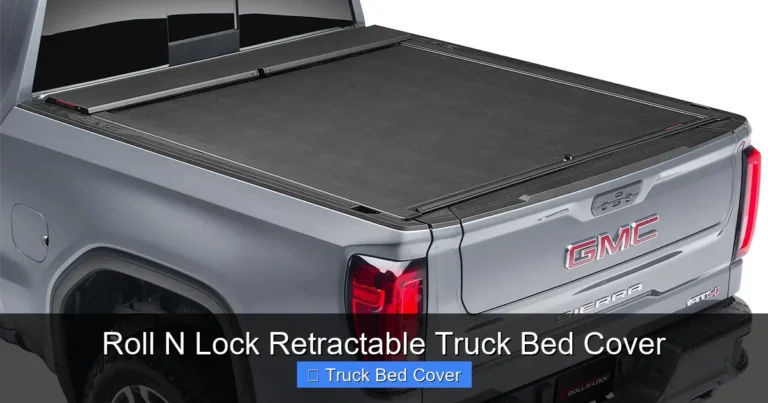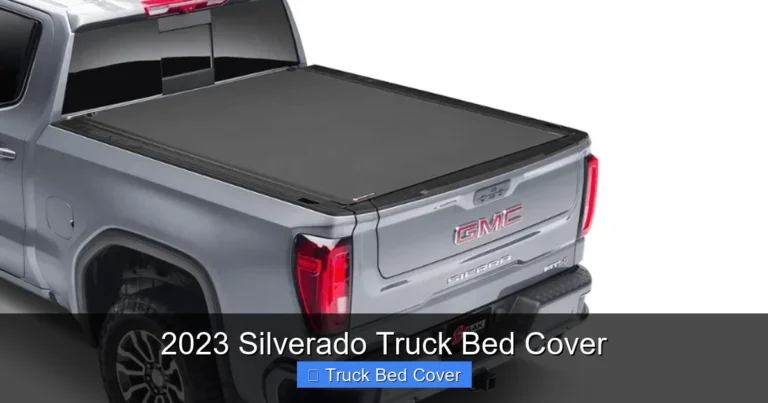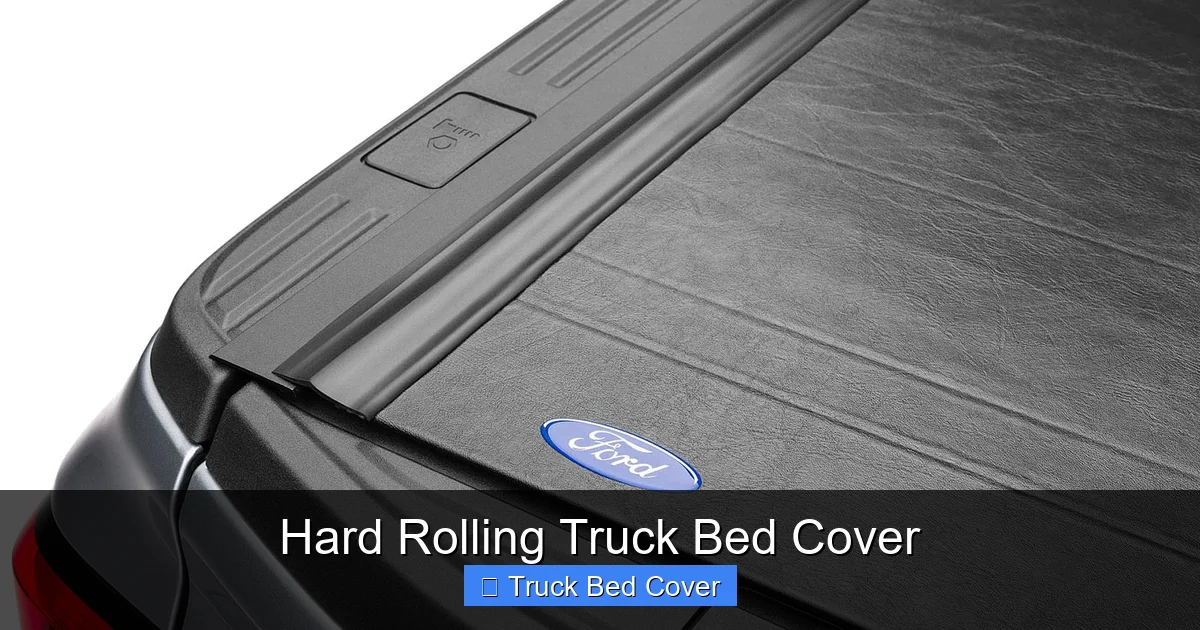
Hard Rolling Truck Bed Cover
A hard rolling truck bed cover offers the perfect blend of durability, convenience, and security for truck owners who want to protect their cargo from weather, theft, and wear. Unlike traditional fixed covers, these roll-up models provide easy access while maintaining a low-profile, aerodynamic design that enhances fuel efficiency and vehicle aesthetics.
Key Takeaways
- Easy Access & Portability: Hard rolling truck bed covers unroll smoothly from either side of the truck bed, giving you quick access to your cargo without removing the entire cover.
- Durable Construction: Made from high-quality materials like aluminum or reinforced fiberglass, these covers resist dents, scratches, and harsh weather conditions better than soft covers.
- Weather & Theft Protection: Sealed edges and lockable latches keep rain, snow, dust, and intruders out—keeping your gear dry and secure.
- Aerodynamic Design: Low-profile rolling systems reduce wind resistance, improving fuel economy and reducing noise during highway driving.
- Custom Fit Options: Available in universal and custom-fit styles, most hard rolling covers are compatible with various truck models and bed lengths.
- Installation Made Simple: Most models use clamp-on or bolt-on systems that don’t require drilling or permanent modifications to your truck.
- Style Meets Function: Sleek, modern designs complement your truck’s look while offering practical utility for daily use and long-term protection.
Quick Answers to Common Questions
What makes a hard rolling cover different from a soft roll-up?
A hard rolling cover uses rigid panels instead of fabric, offering greater strength, weather sealing, and theft resistance. It also retracts into a compact canister rather than lying flat on top of the bed.
Can I install a hard rolling cover myself?
Yes! Most models use clamp-on or bolt-on systems that take under an hour to install with basic tools. No drilling or welding required for standard setups.
Will a hard rolling cover fit my truck?
Most are designed for popular truck models (Ford, Chevrolet, Toyota, Ram, etc.). Measure your bed length and check compatibility before purchasing. Universal kits exist for custom applications.
Are these covers waterproof?
High-quality models feature gasketed seals along the rails and tailgate that prevent most water intrusion. While no cover is 100% leak-proof in torrential rain, premium versions perform exceptionally well in normal conditions.
Do they improve fuel economy?
Yes—their low-profile, aerodynamic shape reduces drag compared to uncovered beds or bulky tri-fold covers. Users often report slight improvements in mpg, especially at highway speeds.
📑 Table of Contents
- What Is a Hard Rolling Truck Bed Cover?
- Why Choose a Hard Rolling Cover Over Other Types?
- Top Features to Look For in a Hard Rolling Truck Bed Cover
- How to Install Your Hard Rolling Truck Bed Cover
- Maintenance Tips for Long-Lasting Performance
- Best Uses for Your Hard Rolling Truck Bed Cover
- Real User Experiences & Reviews
- Cost Considerations: Is It Worth the Investment?
- Final Thoughts: Should You Get One?
What Is a Hard Rolling Truck Bed Cover?
If you’re tired of hauling gear in an open truck bed only to watch it get soaked in rain, pelted by dirt, or stolen under cover of darkness, a hard rolling truck bed cover might be the upgrade you’ve been waiting for. Unlike bulky tonneau covers that sit flat and require full removal to access your cargo, a hard rolling cover rolls up neatly along the inside of the truck bed rails. This gives you instant access when needed—without sacrificing protection when closed.
These covers typically feature a rigid construction—either made of aluminum panels or a composite material—over a rolling mechanism that allows the cover to retract into a compact canister at the cab end of the bed. When rolled up, they stay out of sight and maintain a clean, streamlined appearance. When you need to load something large or bulky, just pull the release handle, roll the cover back, and you’re ready to go—all in under 30 seconds.
Whether you’re using your truck for work, weekend adventures, or daily errands, a hard rolling cover combines practicality with durability. It’s not just about keeping things dry; it’s about making life easier and your truck more versatile.
Why Choose a Hard Rolling Cover Over Other Types?
Truck bed covers come in three main varieties: soft roll-up, tri-fold, and retractable (also known as hard folding). Each has its pros and cons, but hard rolling covers stand out for their balance of strength, accessibility, and aesthetics.
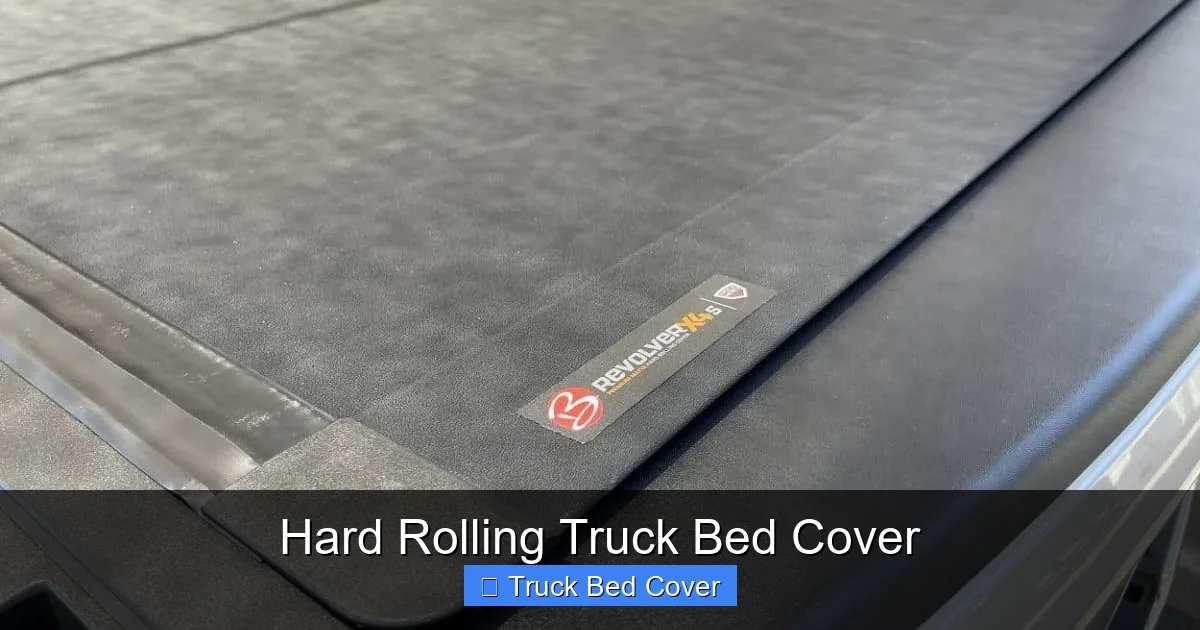
Visual guide about Hard Rolling Truck Bed Cover
Image source: truckaccessplus.com
Soft Roll-Up vs. Hard Rolling
Soft roll-up covers are lightweight, affordable, and easy to install—but they lack rigidity. Over time, the fabric can stretch, fade, or tear, especially in extreme temperatures. They also don’t offer much theft deterrence since they lie flat on top of the bed.
In contrast, hard rolling covers use solid panels that stay securely in place. Even when rolled up, they’re less likely to flap in the wind or attract attention from opportunistic thieves. Plus, their sealed design prevents water from seeping underneath—something soft covers struggle with.
Tri-Fold vs. Hard Rolling
Tri-fold covers fold into three sections, making them great for occasional access. But every time you open or close them, you expose the underside to the elements and risk wear on the hinges. With a hard rolling cover, there are no moving parts exposed to the outside, so maintenance is minimal.
Retractable (Hard Folding) vs. Hard Rolling
Retractables slide back into a metal or plastic box mounted near the cab. While sleek and fully enclosed, they often require professional installation and can be pricey. Hard rolling covers, meanwhile, usually install in under an hour with basic tools and fit most standard pickup trucks without modification.
In short, if you value convenience, durability, and ease of use, a hard rolling cover strikes the right chord between performance and practicality.
Top Features to Look For in a Hard Rolling Truck Bed Cover
Not all hard rolling covers are created equal. To get the best value and longest lifespan, pay attention to these key features:
1. Material Quality
The core material determines how well your cover holds up over time. High-end models use aluminum extrusions with powder-coated finishes to prevent rust and chipping. Cheaper versions may use thin steel or plastic composites that dent easily.
For example, brands like BakFlip, Tonno Pro, and UnderCover use aircraft-grade aluminum that resists corrosion and maintains structural integrity even in salty coastal environments.
2. Locking Mechanism
A good lock system adds peace of mind. Look for models with dual-locking latches—one at each side of the bed—that secure the cover when rolled up. Some even include a central locking bar that runs the length of the bed for added security.
Pro tip: Choose covers with keyed locks instead of simple clips, which can be picked or broken off.
3. Weather Sealing
Even the sturdiest cover won’t help if water leaks in through the sides or tailgate gap. Premium models feature gasketed seals along the bed rails and tailgate that create a watertight barrier when closed.
Check reviews for real-world performance in heavy rain or snowstorms. Many users report zero leakage after months of use—even with poorly sealed competitors.
4. Rolling Canister Design
The canister where the cover stores when rolled up should be compact yet spacious enough to hold the entire cover without distortion. Look for models with UV-resistant coatings on the canister to prevent cracking or discoloration from sun exposure.
Some advanced designs even include internal springs that make unrolling smoother and quieter.
5. Installation Ease
How to Install Your Hard Rolling Truck Bed Cover
One of the biggest selling points of hard rolling covers is their simplicity. Most can be installed in under an hour—no professional help required. Here’s a step-by-step guide:
- Gather Tools: You’ll typically need a socket wrench, screwdriver, and measuring tape. No power tools needed!
- Position the Cover: Lay the cover flat across the bed, ensuring it sits centered over the rails.
- Attach Side Brackets: Clamp or bolt the side brackets to the bed rails using the provided hardware. Tighten evenly to avoid warping.
- Install the Canister: Secure the rear canister near the cab wall. Make sure it’s level and doesn’t obstruct the tailgate.
- Test the Roll: Open and close the cover several times to check for smooth operation and alignment.
- Adjust as Needed: Loosen brackets slightly if the cover drags or binds during movement.
After installation, give it a test drive in light rain to confirm there are no leaks. Most manufacturers recommend checking bolts every few months, especially after long trips or off-road use.
Maintenance Tips for Long-Lasting Performance
With proper care, your hard rolling cover can last 10 years or more. Follow these simple tips to keep it looking and functioning like new:
- Clean Regularly: Wash with mild soap and water every few months. Avoid abrasive cleaners that can scratch the finish.
- Lubricate Moving Parts: Apply silicone spray to the roller tracks once a year to prevent stiffness.
- Inspect Seals: Check rubber gaskets for cracks or compression loss. Replace if they become brittle.
- Store Properly: If you remove the cover seasonally, store it in a cool, dry place away from direct sunlight.
- Avoid Heavy Loads: Don’t stack heavy items directly on the cover—use a bed liner first.
Remember: even small maintenance habits add up to big savings down the road.
Best Uses for Your Hard Rolling Truck Bed Cover
This isn’t just a “one-size-fits-all” accessory. Hard rolling covers shine in specific scenarios:
Daily Commuting & Errands
Protect groceries, tools, or gym bags from morning dew or afternoon showers. The quick-access design means you don’t have to wait until you get home to unload essentials.
Construction & Trade Work
Keep nails, screws, or paint cans dry and secure on job sites. The lockable design deters theft—a common concern among contractors.
Outdoor Adventures
Whether you’re heading to the lake, mountain trail, or campground, your gear stays protected from dirt, rain, and wildlife. No more muddy tents or wet camping chairs!
Farming & Ranch Life
Hay, feed, or equipment stored overnight stays safe from rain and rodents. The rugged build handles rough terrain and frequent loading/unloading.
Everyday Style Statement
Let’s be honest—your truck is an extension of your personality. A sleek, black hard rolling cover looks sharp against any paint color and elevates your ride’s curb appeal.
Real User Experiences & Reviews
Don’t take our word for it—here’s what actual truck owners say:
“I bought the BakFlip HD for my Ford F-150. After two winters and countless trips to the hardware store, it still looks brand new. Water never gets in, and I love how easy it is to open with one hand.” – Mike R., Colorado
“As a landscaper, I need quick access to my tools. This cover rolls back fast and locks tight. Thieves tried once—didn’t bother again.” – Lisa T., Oregon
“Worried about UV damage? Not an issue. Mine’s been parked outside for 8 months straight, and the finish hasn’t faded a bit.” – Derek K., Florida
Common praises include reliability, ease of use, and excellent customer service from brands like UnderCover and Truxedo.
Cost Considerations: Is It Worth the Investment?
Hard rolling covers range from $300 to over $1,000 depending on size, material, and brand. While pricier than soft covers, they offer far superior protection and longevity.
Think of it this way: a cheap soft cover might cost $150 but lasts 2–3 years. A quality hard rolling cover starts around $600 and can last 8–10 years with minimal upkeep. That’s roughly the same cost per year—but with way better performance.
Plus, many reputable brands offer limited lifetime warranties, covering defects in material and workmanship. That kind of assurance speaks volumes about product confidence.
Final Thoughts: Should You Get One?
If you value security, convenience, and durability in a truck bed cover, a hard rolling model is arguably the best choice available today. It delivers on all fronts: weather resistance, theft prevention, easy access, and a polished look that turns heads.
Whether you drive a crew cab diesel, a compact pickup, or anything in between, there’s a hard rolling cover built for your needs. And with DIY installation, you’ll save hundreds compared to professional setup fees.
Ready to upgrade? Do your research, read verified reviews, and pick a trusted brand. Your future self—and your truck bed—will thank you.
Frequently Asked Questions
How do I clean my hard rolling truck bed cover?
Wash with mild soap and water every few months. Avoid harsh chemicals or pressure washers, which can damage seals or finishes. Dry thoroughly to prevent moisture buildup.
Can I leave my cover rolled up all the time?
It’s fine to leave it rolled up indefinitely—most modern canisters are UV-stabilized and weatherproof. Just ensure the latches are engaged to prevent accidental unrolling.
Will the cover work with a bed liner?
Yes, most hard rolling covers are compatible with both spray-in and drop-in liners. However, check manufacturer guidelines—some require minor adjustments during installation.
Are hard rolling covers noisy on the highway?
No—their sealed, low-profile design minimizes wind noise. Many users report quieter rides compared to open beds or older tri-fold models.
Can I tow with the cover installed?
Yes, but only if the cover is fully rolled back and secured. Never tow with the cover partially extended, as it can catch wind and cause instability.
How long do they typically last?
With proper care, high-quality hard rolling covers last 8–12 years. Factors like climate, usage frequency, and material quality influence lifespan, but they outperform soft covers significantly.