Canvas Cover for Truck Bed
A canvas cover for truck bed is the perfect blend of durability, style, and functionality for truck owners who need reliable cargo protection without the bulk of hard covers. Made from heavy-duty materials, these covers shield your belongings from weather while allowing airflow to prevent condensation. Whether you’re transporting tools, camping gear, or everyday items, a well-designed canvas cover keeps everything safe, dry, and secure.
If you’ve ever struggled with soggy gear after a rainy drive or seen your truck bed scratched by shifting cargo, you know how frustrating it can be to protect your truck bed. Enter the humble yet powerful canvas cover for truck bed—a simple solution that combines strength, breathability, and ease of use. Whether you’re a weekend warrior hauling camping equipment, a tradesperson carrying tools, or just someone who values clean, organized storage in their pickup, a quality canvas cover delivers reliable performance without breaking the bank.
Unlike flimsy plastic tarps that tear easily or heavy-duty hard covers that add significant weight and cost, canvas truck bed covers strike a sweet spot. They’re tough enough to handle rough handling and unpredictable weather but lightweight enough to roll up and stow away when not in use. Plus, their fabric nature allows airflow, which means no more damp, moldy gear trapped inside. In this comprehensive guide, we’ll walk through everything you need to know about choosing, installing, and maintaining a canvas cover for your truck bed—so you can make the smartest investment for your vehicle and lifestyle.
Key Takeaways
- Weather Protection: A canvas cover shields your truck bed from rain, snow, dust, and UV rays, keeping cargo dry and undamaged.
- Breathability: Unlike plastic tarps, canvas allows air circulation, reducing moisture buildup and mildew risk inside the bed.
- Easy Installation: Most canvas covers use simple straps, buckles, or snap systems—no tools required for quick setup and removal.
- Lightweight & Portable: Easier to carry and store than hard tonneau covers, making them ideal for occasional or flexible use.
- Affordable Option: Generally more budget-friendly than premium hard covers while offering solid performance for light to moderate loads.
- Custom Fit Available: Many brands offer models tailored to specific truck makes and models for a snug, secure fit.
Quick Answers to Common Questions
Can a canvas cover really keep my cargo completely dry?
Yes, if it’s a high-quality, waterproof model with sealed seams. While no cover is 100% leak-proof in extreme conditions, most canvas covers excel at blocking light to moderate rain and snow.
Will a canvas cover blow off in strong wind?
Not if properly secured with heavy-duty straps and tension bars. Loose covers flap and shift; tight, well-installed ones stay put even in 40 mph gusts.
Is canvas better than plastic for truck bed covers?
Absolutely. Plastic tarps trap moisture and crack in cold weather, while canvas breathes, flexes, and lasts longer under varied conditions.
How do I clean my canvas cover without damaging it?
Use lukewarm water, mild soap, and a soft brush. Rinse thoroughly and air dry completely. Never machine wash or dry—this can ruin the material.
Can I install a canvas cover myself?
Yes! Most come with clear instructions and require only basic hand tools. Installation usually takes 15–30 minutes without professional help.
📑 Table of Contents
- What Is a Canvas Cover for Truck Bed?
- Benefits of Using a Canvas Cover for Your Truck Bed
- Types of Canvas Truck Bed Covers
- How to Choose the Right Canvas Cover for Your Truck
- Installation Tips for Maximum Performance
- Maintenance and Care Guide
- Real-World Applications: Who Uses Canvas Covers?
- Common Myths About Canvas Covers Debunked
What Is a Canvas Cover for Truck Bed?
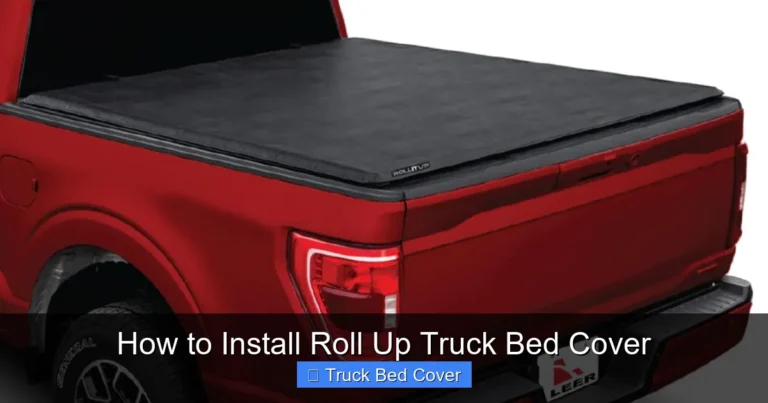
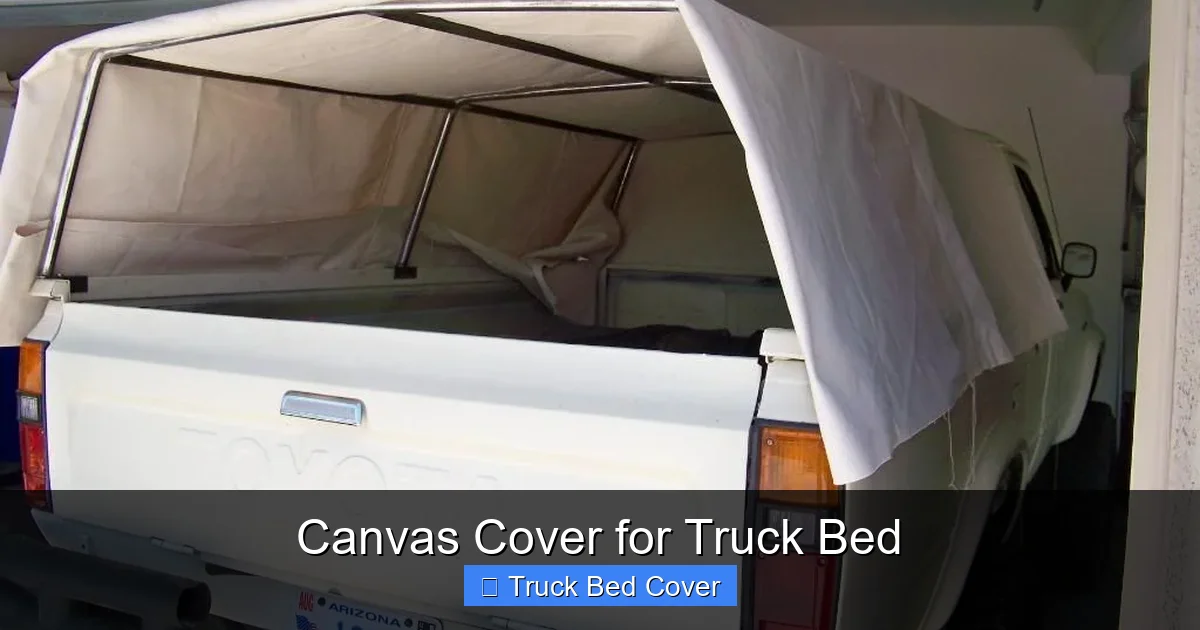
At its core, a canvas cover for truck bed is a flexible, fabric-based tarp designed to fit over the open area of a pickup truck’s cargo bed. It’s typically made from tightly woven polyester or coated cotton canvas, treated to resist water, UV rays, and abrasion. These covers come in two main styles: roll-up (also called tri-fold or tri-pleat) and folding (like a traditional bed sheet). Some even feature reinforced edges, grommets, and heavy-duty buckles for added security.
The beauty of canvas lies in its balance of protection and practicality. It won’t crack in cold weather like plastic, won’t rust like metal, and won’t trap heat like some synthetic covers. Instead, it breathes—allowing moisture to escape while still blocking rain and debris. This makes it especially popular among truck owners who want protection without sacrificing access to their cargo.
How Does It Compare to Other Truck Bed Covers?
When shopping for a truck bed cover, you’ll likely encounter several options: soft roll-up covers (often canvas), hard tri-folds, retractable covers, and tonneau-style panels. Here’s how canvas stacks up:
– Soft Roll-Up Covers: Most canvas covers are roll-up types, meaning you pull the fabric across the bed and secure it at the cab end. They’re quick to deploy and offer full bed access.
– Hard Covers: Metal or fiberglass panels that lock into place. While they provide maximum security and weather resistance, they’re heavier, more expensive, and limit rear visibility.
– Retractable Covers: Operate on rails and slide open like a garage door. Great for full access but pricier and complex to install.
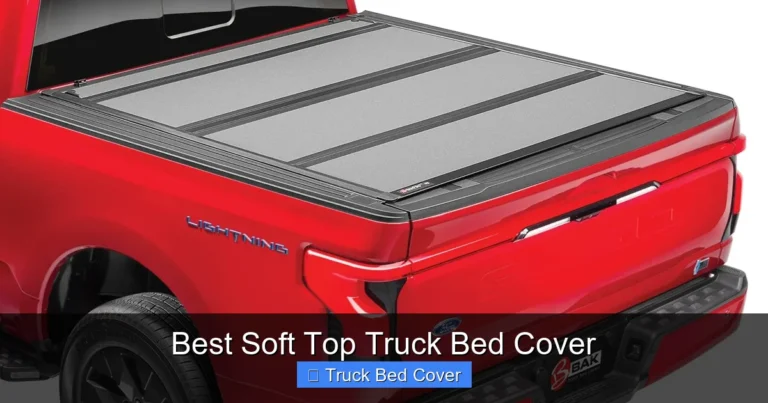
– Tonneau Panels: Usually made of aluminum or composite materials, these fold flat over the bed. They’re sturdy but don’t breathe as well as canvas.
Canvas covers win in affordability, ease of use, and versatility—especially if you don’t need constant full-bed coverage.
Benefits of Using a Canvas Cover for Your Truck Bed
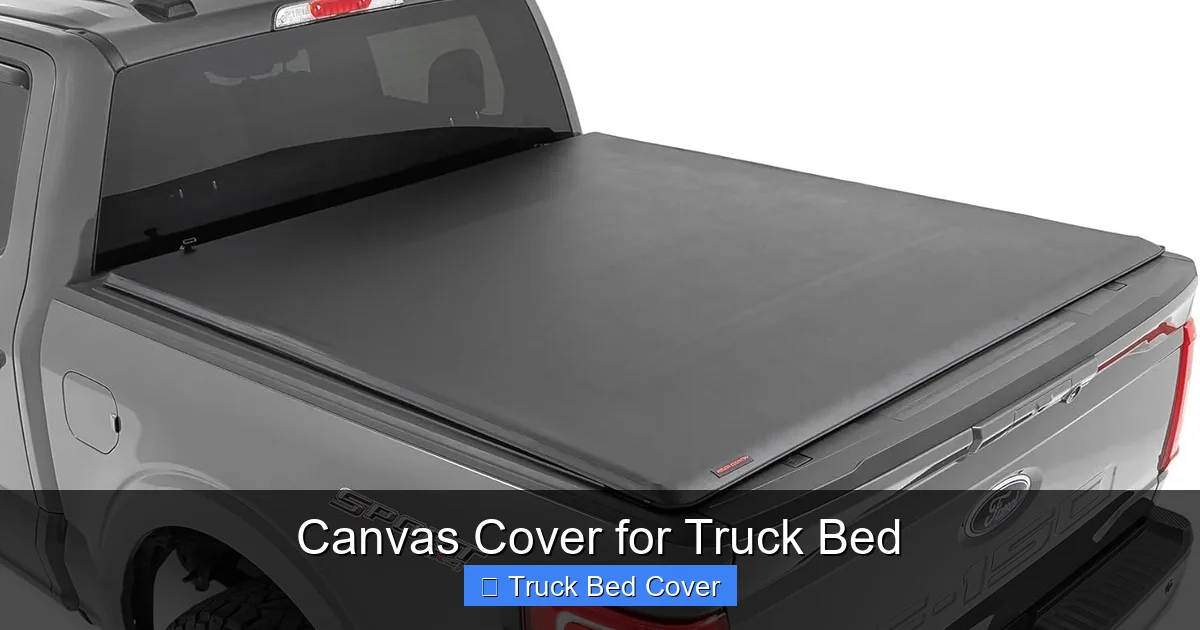
Visual guide about Canvas Cover for Truck Bed
Image source: m.media-amazon.com
Choosing a canvas cover isn’t just about throwing a blanket over your truck. There are real, tangible advantages that make this option stand out:
1. Superior Weather Resistance
Rain, sleet, snow, and even hail can wreak havoc on exposed cargo. A quality canvas cover creates a waterproof barrier thanks to its dense weave and often-sealed seams. Even in heavy downpours, your stuff stays dry. And because canvas repels rather than absorbs water, it dries quickly when removed.
2. Breathability Prevents Condensation
This is one of the biggest perks of canvas over plastic tarps. When warm, moist air gets trapped under an impermeable cover, it condenses into water droplets—leading to mold, rust, and musty smells. Canvas allows vapor to pass through, minimizing condensation buildup. That’s why canvas is a favorite among boaters, farmers, and anyone storing sensitive items like electronics or leather goods.
3. Lightweight and Easy to Store
Unlike bulky hard covers, a canvas roll-up fits neatly behind your cab or in a corner of your garage. At under 20 pounds, it’s easy to lift and maneuver—even for one person. Need to switch to a tarp for a quick job? No problem. Just roll it up and stash it.
4. Cost-Effective Protection
For under $150, you can get a durable canvas cover that outperforms cheaper plastic alternatives. Compared to hard covers ($600–$1,200+), canvas is a fraction of the price while still offering excellent protection. It’s ideal for those who want security without overspending.
5. Customizable and Adjustable Fit
Many modern canvas covers come with adjustable side rails or tension straps that conform to your truck bed’s shape. This ensures a snug fit regardless of whether you have a standard bed, short bed, or extended cab setup. Some even include Velcro closures or zipper entry points for extra convenience.
Types of Canvas Truck Bed Covers
Not all canvas covers are created equal. Understanding the different designs helps you pick the right one for your needs.
Roll-Up Canvas Covers
The most common type, roll-up covers are pulled across the bed and secured with buckles or straps at the front. They’re quick to open and close, making them perfect for frequent access. Brands like TruXedo, TonnoPro, and UnderCover offer high-quality roll-ups with reinforced stitching and anti-scratch surfaces.
Tri-Fold Canvas Covers
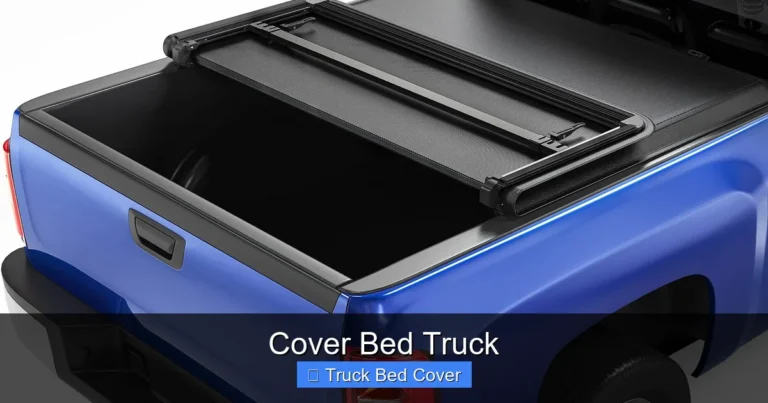
These fold into thirds and sit flush against the truck bed rails. They’re less obtrusive than roll-ups but require more effort to remove. Ideal if you want partial coverage most of the time but full access occasionally.
Folding Canvas Covers
Also known as “bed sheets,” these lie flat over the bed and fold back like a blanket. They’re great for quick coverage but may shift during driving if not properly weighted down.
Hybrid Models
Some newer designs combine canvas with vinyl or mesh layers for enhanced durability and weatherproofing. These are heavier but offer superior protection for extreme climates.
How to Choose the Right Canvas Cover for Your Truck
With so many options on the market, selecting the best canvas cover requires careful consideration. Here’s what to look for:
Measure Your Truck Bed
Accuracy is key. Measure the length, width, and height of your truck bed. Add a few inches on each side for overlap. Most manufacturers list compatible truck models, but double-checking ensures a proper fit.
Check Material Quality
Look for 600D or higher polyester canvas with PVC coating. This resists tearing, fading, and moisture penetration. Avoid thin, flimsy fabrics that pill or degrade quickly.
Evaluate Security Features
Secure buckles, heavy-duty straps, and reinforced grommets prevent the cover from flapping in wind or being lifted by thieves. Some models include locking mechanisms or zipper flaps for added peace of mind.
Consider Climate and Usage
In humid or rainy regions, prioritize waterproofing and breathability. For desert climates, UV-resistant coatings help prevent sun damage. If you frequently transport fragile items, look for soft-top designs that reduce shifting during transit.
Read Reviews and Ratings
Customer feedback reveals real-world performance. Pay attention to complaints about poor fit, weak fasteners, or rapid wear—even if the product has high initial ratings.
Installation Tips for Maximum Performance
Even the best canvas cover won’t perform well if installed incorrectly. Follow these steps for a secure, long-lasting setup:
Clean the Truck Bed First
Remove dirt, gravel, and sharp objects that could puncture the canvas. A clean surface also ensures better adhesion and reduces friction during rolling/rolling.
Center the Cover Properly
Align the cover evenly across the bed so it drapes smoothly without bunching. Overhanging fabric should be trimmed to avoid dragging on the ground.
Tighten Straps Gradually
Avoid over-tightening, which can stretch the material. Instead, snug the straps incrementally until the cover lies flat and taut. Leave slight give for expansion due to temperature changes.
Use Side Rails or Tension Bars
If your cover includes side rails, attach them first to create a stable frame. This prevents flapping and improves aerodynamics.
Test Drive After Installation
Take your truck for a short drive to check for loose areas or noise. Adjust straps or re-tension as needed.
Maintenance and Care Guide
Like any outdoor gear, your canvas cover benefits from regular care:
Wash Occasionally
Use mild soap and water to remove dirt and grime. Avoid harsh detergents or bleach, which can weaken fibers.
Dry Completely
Always let the cover air dry before storing. Moisture trapped in folds invites mold and mildew.
Store Flat or Rolled
Never crumple or stack heavy items on top of a stored cover. Keep it in a cool, dry place away from direct sunlight.
Inspect Before Each Use
Check for tears, frayed edges, or loose stitching. Repair small issues immediately to prevent bigger problems later.
Real-World Applications: Who Uses Canvas Covers?
Canvas covers aren’t just for truck enthusiasts—they serve a wide range of professionals and hobbyists:
– Construction Workers: Protect tools and materials from rain without sacrificing quick access.
– Campers and RV Owners: Secure gear during road trips while allowing airflow to prevent mustiness.
– Farmers and Ranchers: Transport hay, feed, or livestock supplies without spoilage.
– Delivery Drivers: Keep packages dry during last-mile deliveries.
– Outdoor Enthusiasts: Safely carry bikes, kayaks, or hunting equipment without roof racks.
In each case, the canvas cover offers a practical, affordable solution tailored to specific needs.
Common Myths About Canvas Covers Debunked
Despite their popularity, canvas covers face misconceptions:
Myth 1: “Canvas isn’t truly waterproof.”
Truth: High-quality canvas with proper sealing is highly water-resistant. It may not withstand a fire hose, but it’s more than sufficient for typical rainstorms.
Myth 2: “It traps heat and melts in summer.”
Truth: While canvas does absorb some heat, modern treatments minimize this effect. Breathability keeps internal temps manageable.
Myth 3: “It wears out too fast.”
Truth: With proper care, canvas covers last 3–5 years or more. Cheaper versions fail early—not the material itself.
Myth 4: “You can’t lock it up securely.”
Truth: Many models include integrated locks or require removal for full access, deterring theft.
Frequently Asked Questions
Are canvas truck bed covers worth buying?
Yes, especially if you value affordability, flexibility, and breathability. They offer excellent protection for light to moderate loads without the cost or bulk of hard covers.
How long does a good canvas cover last?
With proper care, a high-quality canvas cover typically lasts 3 to 5 years. Exposure to extreme sun, neglect, or rough handling can shorten its lifespan.
Do I need special tools to install a canvas cover?
No. Most installations use simple straps, buckles, and maybe a screwdriver. Everything you need is included in the kit.
Can I leave a canvas cover on year-round?
Yes, but inspect it regularly for wear. In freezing climates, remove it occasionally to prevent stiffness and cracking. In hot areas, ensure it’s UV-protected.
Will a canvas cover fit any truck?
Most are made for specific truck models and bed sizes. Always check compatibility before purchasing to avoid fit issues.
Is it safe to drive with a canvas cover partially rolled back?
Generally yes, but secure loose ends to prevent flapping. Flapping fabric can damage the cover or become tangled in wheels.