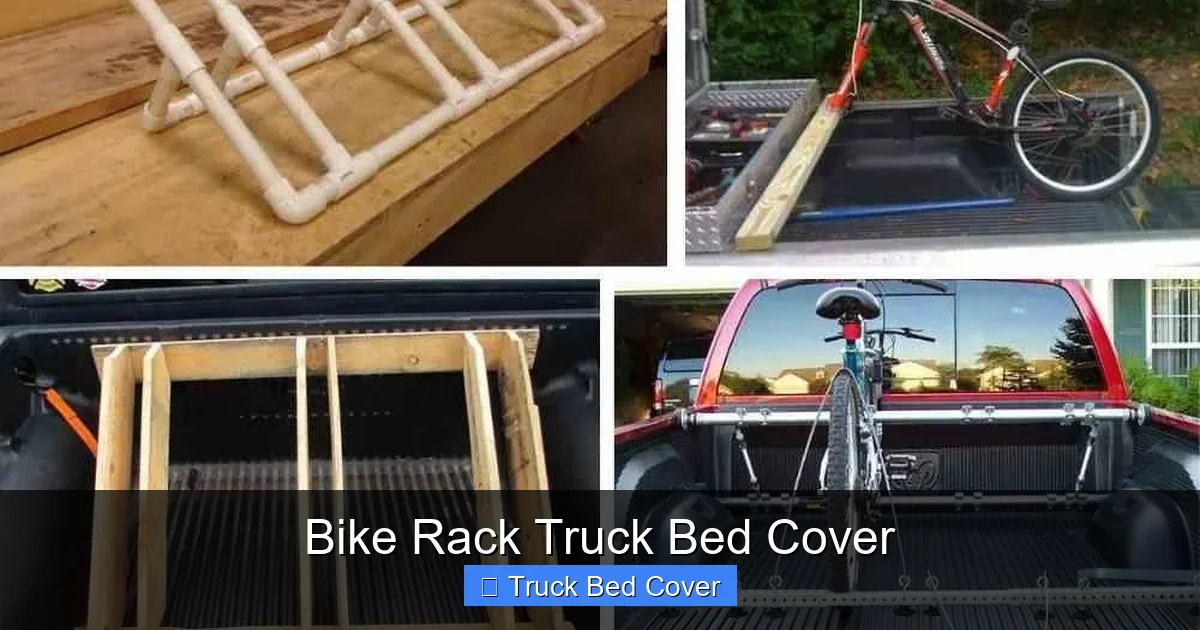
Bike Rack Truck Bed Cover
Want a bike rack truck bed cover combo that works smarter, not harder? This guide walks you through everything you need to know about pairing a truck bed cover with a bike rack, from compatibility tips to installation secrets. You’ll learn how to protect your cargo while still hauling two or four wheels—without sacrificing access or safety. Whether you’re biking trails or commuting to work, the right setup makes all the difference.
Key Takeaways
- Compatibility is key: Not all truck bed covers work with bike racks. Look for models with side-opening designs or removable panels.
- Safety first: Secure your bikes properly to prevent damage to both the cover and your ride. Use straps, cradles, and bungee cords wisely.
- Weather protection: A quality bed cover keeps rain, snow, and dirt off your bikes, extending their life and keeping them ready to ride.
- Access matters: Choose a cover that allows easy rear access so you can load gear without removing the entire rack.
- Weight limits apply: Check your truck’s payload capacity before adding a cover and rack combo—don’t overload your vehicle.
- Style meets function: Modern covers come in soft, hard, retractable, and tri-fold options—pick one that fits your lifestyle and budget.
- Maintenance saves money: Regular cleaning and inspection of both cover and rack prevent rust, wear, and costly replacements.
Quick Answers to Common Questions
Can I install a bike rack on any truck bed cover?
No, compatibility varies greatly. Hard tri-fold and retractable covers typically work best with standard racks due to their flat, rigid surfaces. Soft roll-ups often require custom brackets or adapters. Always check manufacturer specifications before purchasing.
How much does a bike rack truck bed cover combo cost?
Expect to spend $800–$2,000 depending on quality and features. Soft covers start around $200, while premium retractables exceed $1,500. Mid-range racks run $300–$600. Professional installation adds $100–$250.
Will a bed cover affect my truck’s gas mileage?
Yes, but minimally. Aerodynamic covers reduce drag by 5–10%, improving fuel economy by 1–2 mpg. Retractables offer the best efficiency gains. The trade-off is worth it for most drivers—especially with a bike rack added.
Can I still access my tailgate with a bike rack installed?
It depends on the rack type. Hitch-mounted racks usually allow full tailgate access. Overhead clamp racks may require removal to open the gate. Side-mount racks often block access unless designed for quick-release handles.
How do I secure bikes to prevent damage during transport?
Use high-quality ratchet straps anchored to frame mounts (not wheels), position bikes close together, and add foam padding at contact points. Never tie down wheels directly—this causes frame stress and paint damage.
📑 Table of Contents
- Bike Rack Truck Bed Cover: The Ultimate Guide to Smart Storage
- Why Combine a Bike Rack With a Truck Bed Cover?
- Types of Truck Bed Covers That Work Best With Bike Racks
- Choosing the Right Bike Rack for Your Setup
- Installation Tips That Save Time & Headaches
- Real-World Examples: What Works (And What Doesn’t)
- Maintenance & Care: Keep Your Combo Running Smoothly
- Cost Breakdown: Is It Worth the Investment?
- Common Mistakes to Avoid
- Future Trends in Bike Rack & Bed Cover Tech
- Final Thoughts: Your Adventure Awaits
Bike Rack Truck Bed Cover: The Ultimate Guide to Smart Storage
If you love hitting the trails, commuting by bike, or just enjoy weekend adventures, chances are you’ve considered how to safely transport your bicycle in your truck. But what if you also need to carry gear, tools, or other equipment in your truck bed? Enter the powerful duo: a bike rack truck bed cover. This combination isn’t just convenient—it’s a game-changer for outdoor enthusiasts, commuters, and anyone who values both security and versatility.
In this comprehensive guide, we’ll explore everything you need to know about pairing a truck bed cover with a bike rack system. From understanding compatibility issues to choosing the right materials and installation techniques, you’ll walk away with practical knowledge that saves time, money, and frustration. We’ll also share real-world examples, pro tips, and answers to common questions so you can make confident decisions for your truck setup.
Why Combine a Bike Rack With a Truck Bed Cover?
At first glance, adding a bike rack to your truck bed might seem redundant—after all, isn’t the whole point of a bed cover to keep things out of sight and protected? But when you think about it, a bike rack truck bed cover combo offers something neither component does alone: maximum utility with minimal compromise.
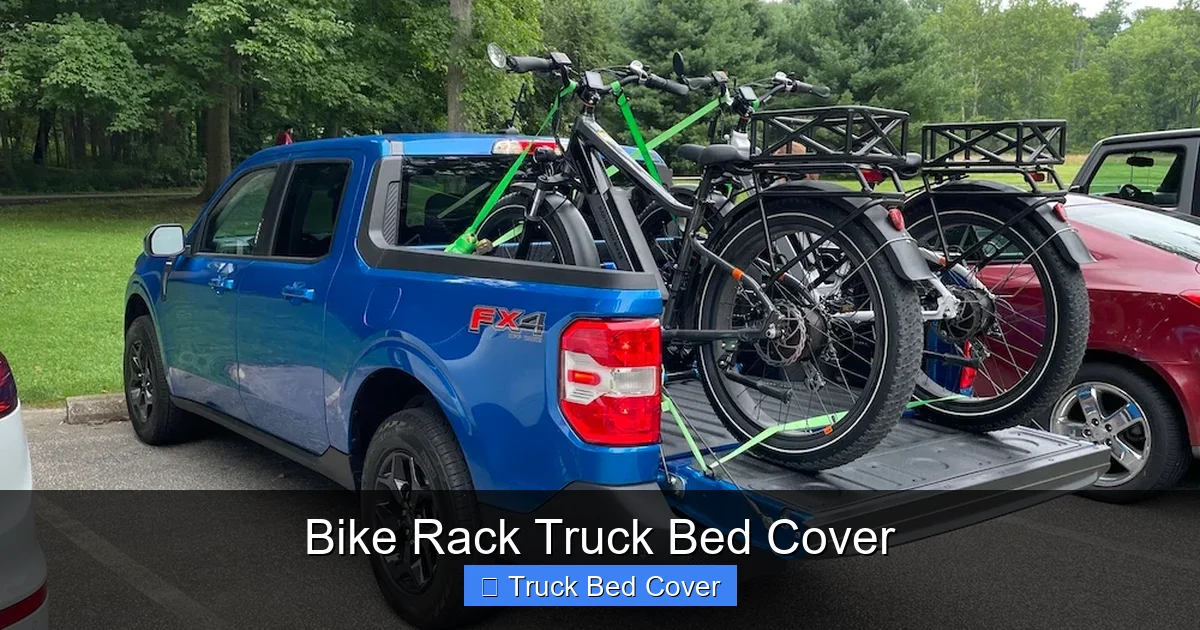
Visual guide about Bike Rack Truck Bed Cover
Image source: cdn.shopify.com
Imagine this: It’s Saturday morning. You’re heading to a mountain trail with your trusty mountain bike. You’ve got camping gear, extra water, a cooler, and maybe even a kayak mount. Without a bed cover, your gear gets soaked in rain, your bike collects mud, and your truck looks like a disaster zone. With a cover, everything stays dry and tidy. But wait—how do you get your bike out? That’s where the smart design of modern bed covers comes in.
The Dual Benefits You Can’t Ignore
- Protection: Your bike stays clean, dry, and scratch-free—even in harsh weather.
- Security: Thieves are less likely to target your rig when gear is hidden and locked down.
- Versatility: Carry bikes, tools, coolers, and more—all in one trip.
- Aerodynamics: A sleek cover reduces wind resistance, improving fuel efficiency.
- Aesthetics: Your truck looks polished and professional, whether parked at home or on the trail.
But here’s the catch: not all bed covers play nice with bike racks. Some are too low-profile, others block rear visibility, and many don’t allow enough clearance for bike frames. That’s why choosing the right combination is critical.
Types of Truck Bed Covers That Work Best With Bike Racks
Not every bed cover is created equal when it comes to bike rack compatibility. Let’s break down the main types and see which ones give you the best shot at a seamless setup.
Soft Roll-Up Covers
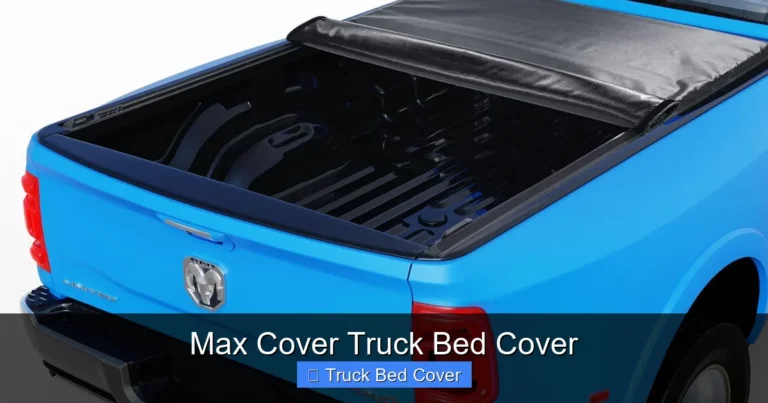
These are the most affordable and lightweight options. Made from vinyl or polyester, they roll up along the inside of the cab and latch into place. While great for basic weather protection, soft covers often lack the rigidity needed for bike rack mounting. Most require aftermarket brackets or custom modifications to attach a rack securely.
However, some brands now offer reinforced versions with pre-drilled mounting points and integrated tie-down loops. If you go this route, look for models labeled “rack-compatible” or “bike-ready.”
Hard Tri-Fold Covers
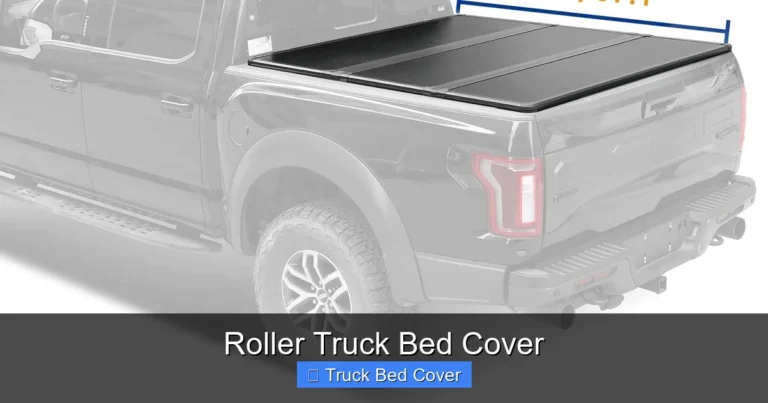
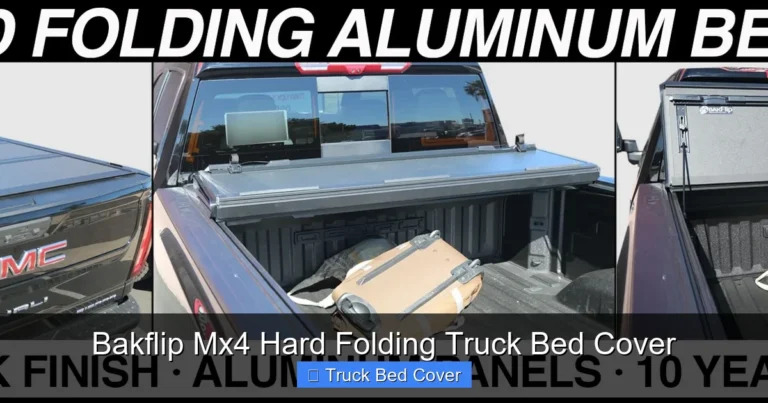
Popular among pickup owners who want durability and security, tri-fold covers fold into three sections and sit flush with the bed rails. Their flat surface provides an ideal base for mounting most standard bike racks. Most tri-folds include pre-installed bolt holes for accessory mounting, making them a top choice for bike-friendly setups.
Brands like Tonno Pro, UnderCover, and Extang offer models specifically designed to work with Yakima, Thule, and other leading rack systems. Just double-check dimensions—some are too short for full-size beds.
Retractable Hard Covers
The Rolls-Royce of bed covers, retractables unfold like garage doors and store in a small space behind the cab. They offer excellent security and aerodynamics but tend to be expensive ($800–$2,000+). Their smooth, continuous surface makes them ideal for custom bike mounts, though installation often requires professional help.
For serious cyclists and frequent travelers, retractables are worth the investment. Just remember: the higher upfront cost may offset fuel savings over time.
Pallet-Style (Hard) Covers
These feature individual panels mounted on hinges, similar to a barn door. They’re sturdy and provide full bed access, but the uneven surface can complicate rack installation. Unless you’re using a universal adapter plate, pallet-style covers rarely integrate smoothly with standard bike racks.
Choosing the Right Bike Rack for Your Setup
Once you’ve picked a compatible bed cover, the next step is selecting a bike rack that won’t interfere with its operation—or vice versa. Here’s how to match the two like a pro.
Overhead vs. Side-Mount Racks
Most bike racks fall into two categories: overhead (clamp-on) and side-mounted (tailgate or hitch-based). For bed cover users, overhead racks usually win because they don’t require opening the tailgate repeatedly.
Side-mount racks—especially those attached to the tailgate—can interfere with rolling or folding a cover. If you must use one, consider a quick-release tailgate handle that doesn’t obstruct the cover mechanism.
Material Matters
Aluminum racks resist corrosion and stay light, perfect for frequent use. Steel offers strength but adds weight and rust risk. Carbon fiber is premium but pricey—ideal if you’re carrying multiple bikes or heavy e-bikes.
When pairing with a bed cover, opt for racks with powder-coated finishes to prevent scratches on the cover’s surface during loading/unloading.
Capacity & Bike Types
Standard racks hold 1–4 bikes. Mountain bikes need wider tire clearance; road bikes benefit from frame cradles. Always check the rack’s max weight limit—including your own gear—to avoid overloading your truck’s payload.
Pro tip: Measure your longest bike (handlebars + wheel) plus any accessories before buying. Add 6–8 inches for safe clearance above the bed cover.
Installation Tips That Save Time & Headaches
Even the best bike rack truck bed cover combo can fail if installed poorly. Follow these steps to avoid common pitfalls.
Step 1: Dry Fit First
Before drilling anything, lay the rack on the cover and trace where bolts will go. Ensure it doesn’t block the cover’s moving parts or obstruct rear visibility. Use painter’s tape to mark positions temporarily—you can always adjust later.
Step 2: Use Proper Hardware
Never reuse factory bolts meant for the bed rails. Install stainless steel or coated hex bolts with lock washers to prevent loosening from vibrations. Tighten to manufacturer specs—usually 15–25 ft-lbs.
Step 3: Balance Weight Distribution
Mount the rack centered on the bed. If carrying multiple bikes, alternate front-to-back placement to balance the truck. A loaded truck handles better and wears tires more evenly.
Step 4: Test the Cover Operation
After installing, fully open and close the bed cover 5–10 times to check for interference. Listen for unusual noises or resistance. Adjust bracket height if the cover binds.
Real-World Examples: What Works (And What Doesn’t)
Let’s look at actual setups used by real riders to see what combinations deliver results.
Example 1: The Weekend Warrior
Truck: Ford F-150
Cover: Extang Solid Fold 2.0
Rack: Yakima FullSize
Result: Perfect fit. The tri-fold cover has pre-drilled holes that align with Yakima’s mounting system. Bikes load easily through the rear gate, and the cover locks securely. No modifications needed.
Example 2: The E-Bike Enthusiast
Truck: Toyota Tacoma
Cover: UnderCover Elite
Rack: Kuat NV 2.0 (hitch-mounted)
Result: Works great! Because it’s hitch-mounted, the rack clears the cover entirely. The NV 2.0’s swing-away design lets the tailgate open fully for cover access. Ideal for heavy e-bikes under 60 lbs each.
Example 3: The DIYer Who Got It Wrong
Truck: Chevy Silverado
Cover: Soft roll-up (generic brand)
Rack: Custom welded brackets
Result: Cover tore at stress points within 3 months. Brackets scratched the bed liner. Lesson learned: never force compatibility—invest in purpose-built solutions.
Maintenance & Care: Keep Your Combo Running Smoothly
A bike rack truck bed cover combo is only as good as its upkeep. Neglect it, and you’ll face premature wear, safety hazards, and costly repairs.
Weekly Checks
- Inspect rack bolts for tightness (vibration loosens them over time)
- Clean cover surface with mild soap and water—avoid harsh chemicals
- Check bike straps and cradles for fraying or cracks
Seasonal Deep Cleans
Every spring and fall:
– Remove cover and wash inside/outside
– Lubricate rack hinges and moving parts
– Apply silicone spray to rubber seals to prevent cracking
Winter Prep
In snowy climates:
– Use a soft brush to remove ice buildup
– Avoid sharp tools that could gouge the cover
– Park in a garage if possible—UV rays degrade materials faster outdoors
Cost Breakdown: Is It Worth the Investment?
Let’s be honest—combining a bike rack with a bed cover isn’t cheap. But is it worth it? Here’s the math.
| Item | Avg. Cost | Lifespan |
|---|---|---|
| Soft Bed Cover | $200–$400 | 3–5 years |
| Hard Tri-Fold Cover | $500–$900 | 7–10 years |
| Mid-Grade Bike Rack | $300–$600 | 5–8 years |
| Professional Installation | $100–$250 | One-time |
Total investment: $1,100–$2,150
Compare that to buying a new truck every 10 years ($35,000+), and you’re spending less than 6% of replacement value. Plus, you gain unmatched convenience and resale appeal.
For frequent riders, the ROI is clear: no more renting storage units, no more worrying about bike theft, no more muddy gear soaking your cab. That peace of mind? Priceless.
Common Mistakes to Avoid
Even experienced truck owners stumble when setting up a bike rack truck bed cover. Don’t let these errors derail your plans.
Mistake #1: Ignoring Weight Limits
Your truck has a GVWR (Gross Vehicle Weight Rating) and payload capacity. Exceeding either risks suspension damage, brake failure, or rollover danger. Weigh everything—including you, the cover, rack, and bikes—before driving.
Mistake #2: Choosing Style Over Function
A glossy black cover looks slick, but if it blocks your backup camera or interferes with the rack, it’s useless. Prioritize usability first. Read reviews for real-world feedback, not just marketing fluff.
Mistake #3: Skipping Test Drives
Load your heaviest bike and drive around the block. Check for sway, noise, or handling issues. If the truck feels unstable, redistribute weight or upgrade components.
Mistake #4: Forgetting Key Access
If your cover hides the spare tire or fuel filler, you’ll waste time unbolting panels in emergencies. Ensure quick access to essentials—even with the cover installed.
Future Trends in Bike Rack & Bed Cover Tech
The world of truck accessories is evolving fast. Here’s what’s coming next.
Smart Integration
Some new covers now include built-in cameras, sensors, and app connectivity. Imagine getting a notification when someone touches your rack—or automatically locking the cover when you leave.
Modular Designs
Companies are developing snap-together panels that let you customize your cover layout. Want a side-opening panel for bike access? Soon, you’ll be able to add it yourself.
Sustainable Materials
Eco-conscious brands are experimenting with recycled plastics and bio-based composites. Expect greener covers that perform just as well—maybe even better.
Final Thoughts: Your Adventure Awaits
Pairing a bike rack with a truck bed cover isn’t just about storage—it’s about freedom. It means showing up at the trailhead with confidence, knowing your gear is protected and secure. It means never missing a ride because of bad weather or a broken lock.
Yes, the upfront cost and installation effort are real. But so is the joy of turning your truck into the ultimate mobile adventure hub. With the right research, planning, and care, your bike rack truck bed cover combo will serve you faithfully for years to come.
So go ahead—measure your bed, compare models, and choose the setup that matches your lifestyle. Your future self (and your bike) will thank you.
Frequently Asked Questions
What’s the best bike rack truck bed cover for mountain bikes?
Look for a hard tri-fold cover with pre-drilled mounting points and a rack that accommodates wide tires. Brands like Yakima BaseLine and Extang Solid Fold 2.0 paired with a Kuat NV work exceptionally well for rugged terrain bikes.
Can I leave my bike in the truck bed year-round?
Yes, but with caveats. Modern covers block UV rays and moisture, protecting your bike. However, extreme temperatures can affect tire pressure and battery life (for e-bikes). Store indoors during winter months for optimal longevity.
Do I need special tools to install the combo?
Basic socket wrenches and screwdrivers suffice for most setups. Some retractable covers require professional installation due to complex mechanisms. Always follow manufacturer instructions and torque specs to avoid warranty voidance.
Will a bed cover prevent bike theft?
Indirectly, yes. Visible bikes attract thieves, but a locked cover hides your gear. Pair it with a cable lock through the frame and a GPS tracker for maximum security. Remember: determined thieves can cut through vinyl—use hard covers for better protection.
How often should I replace my bed cover or rack?
Covers last 5–10 years with proper care. Racks typically need replacement after 5–8 years due to wear. Signs of fatigue include cracked seals, loose bolts, or bending under normal loads. Inspect annually and replace components showing stress.
Are there weight restrictions for bike racks on bed covers?
Absolutely. Your truck has a payload limit (check owner’s manual—usually 1,000–2,000 lbs). Add the cover’s weight (15–50 lbs), rack weight (20–60 lbs), bikes (typically 30–50 lbs each), and passengers/gear. Never exceed manufacturer ratings.