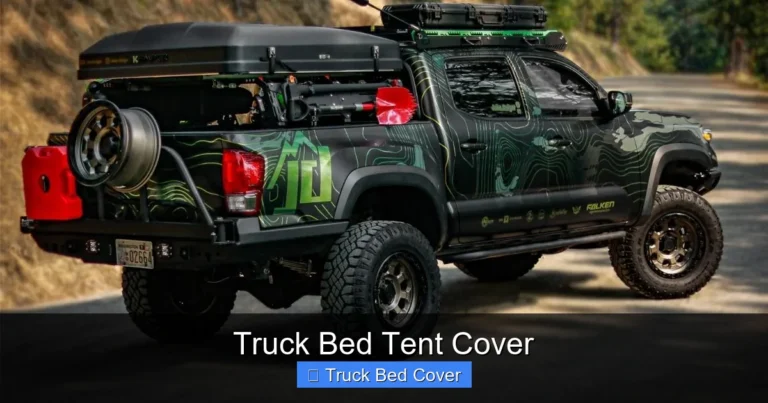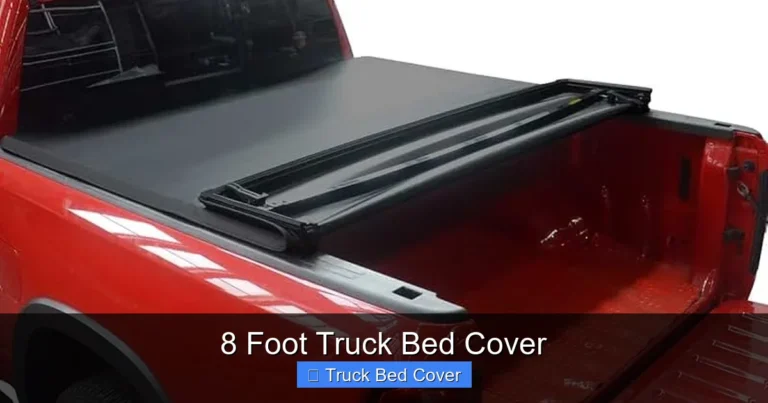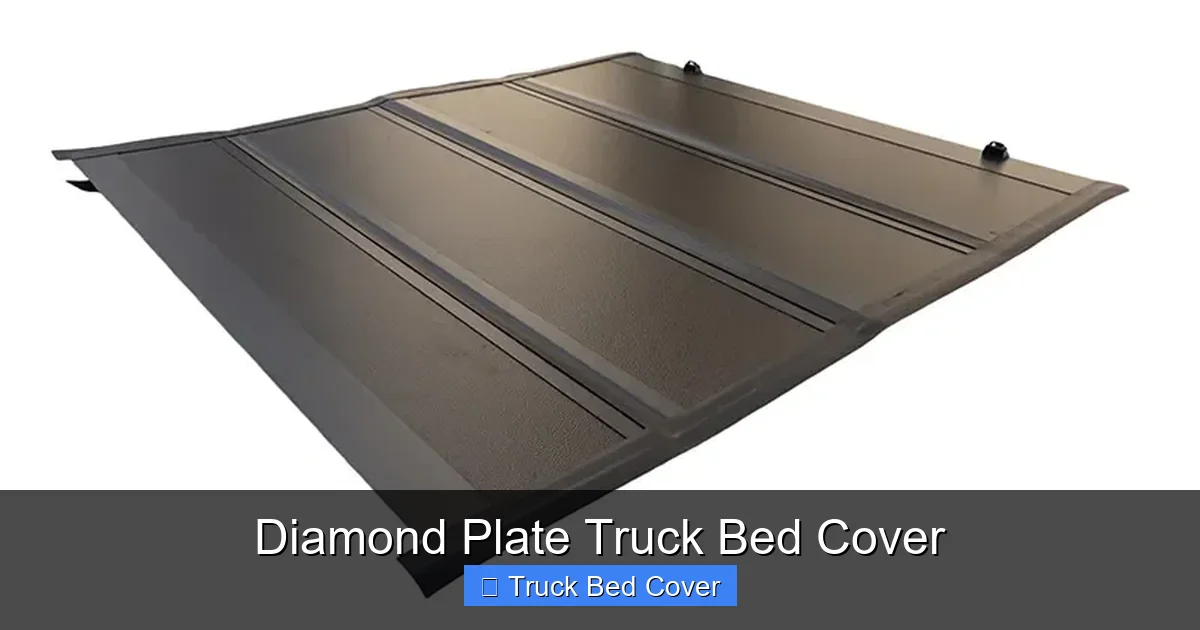
Diamond Plate Truck Bed Cover
Diamond plate truck bed covers offer unmatched durability and rugged appeal for truck owners who need both function and flair. Made from textured diamond-patterned steel or aluminum, these covers protect cargo while standing up to harsh conditions. Whether you’re hauling tools, equipment, or just want a stylish upgrade, a diamond plate bed cover delivers security, weather resistance, and a bold industrial look.
Key Takeaways
- Durability: Built with heavy-duty materials like 11-gauge steel or aluminum, diamond plate covers resist dents, rust, and corrosion better than standard options.
- Weather Protection: Keeps rain, snow, and UV rays off your cargo, reducing moisture buildup and fading over time.
- Security: Lockable designs and reinforced frames deter theft, making them ideal for tools, electronics, or sensitive gear.
- Style & Aesthetics: The signature diamond tread pattern adds a tough, industrial look that complements most truck bed styles.
- Easy Access: Many models feature dual-locking tailgates or removable panels for quick loading and unloading.
- Custom Fit: Designed for specific truck models (e.g., Ford F-150, Chevrolet Silverado), ensuring a snug, professional installation.
- Maintenance: Requires minimal upkeep—just occasional cleaning and lubrication of hinges to keep it functioning smoothly.
Quick Answers to Common Questions
Can a diamond plate truck bed cover hold weight?
Yes! Most models can support up to 500 pounds evenly distributed across the surface. Always check the manufacturer’s rating for your specific model.
Are diamond plate covers waterproof?
They provide excellent water resistance, but no cover is 100% waterproof. Proper sealing around edges and a tight tailgate help minimize leaks.
Do they fit all truck models?
No—they’re made for specific makes and models. Always verify fitment before purchasing.
How do I clean my diamond plate cover?
Use mild soap, water, and a soft cloth. Avoid abrasive cleaners. Rinse thoroughly and dry to prevent streaking.
Can I install it myself?
Yes, most covers are designed for DIY installation with basic tools. Follow the included instructions carefully.
📑 Table of Contents
- What Is a Diamond Plate Truck Bed Cover?
- Why Choose a Diamond Plate Truck Bed Cover?
- Types of Diamond Plate Truck Bed Covers
- Materials Used in Diamond Plate Truck Bed Covers
- Installation and Maintenance Tips
- Top Brands and Models of Diamond Plate Truck Bed Covers
- Common Misconceptions About Diamond Plate Truck Bed Covers
What Is a Diamond Plate Truck Bed Cover?
Imagine driving down a dusty trail with a load of gear in your truck bed—only to return and find it soaked from rain or damaged by rocks kicked up by other vehicles. Frustrating, right? That’s where a diamond plate truck bed cover comes in. These covers aren’t just about looks—they’re built tough to protect your cargo while giving your truck a bold, industrial edge.
A diamond plate truck bed cover is a type of tonneau cover made from metal sheets featuring a raised diamond-shaped tread pattern. This design isn’t just for show—it provides extra grip, resists wear, and enhances structural strength. Typically constructed from 11-gauge steel or lightweight aluminum, these covers are heavier and more robust than traditional soft covers but offer superior protection against impacts and weather.
Unlike fiberglass or plastic tonneau covers, which can crack under pressure, diamond plate truck bed covers bend slightly without breaking. They’re often used in construction, farming, and utility work where durability is non-negotiable. Think of them as the “armor” of the truck bed cover world—built to last and ready for whatever you throw at it.
Why Choose a Diamond Plate Truck Bed Cover?
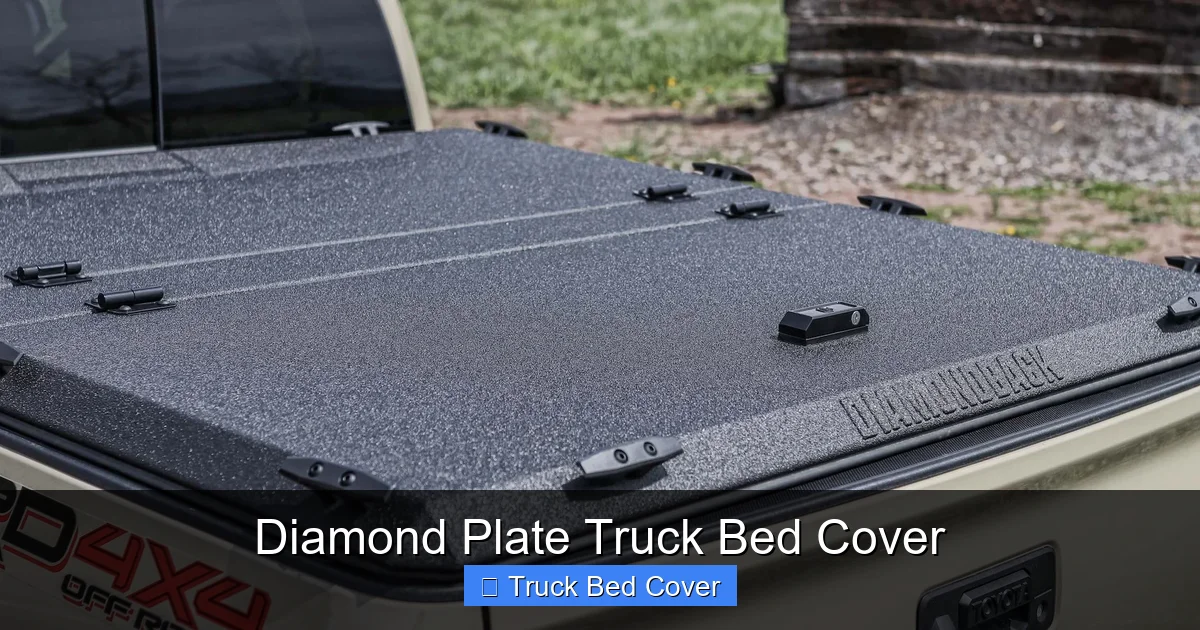
Visual guide about Diamond Plate Truck Bed Cover
Image source: cdn.shopify.com
You might be wondering: “Why go with something so heavy and bold when lighter, sleek options exist?” The answer lies in performance, protection, and personality.
First, let’s talk protection. Rain, snow, and dirt can ruin everything from expensive equipment to camping gear. A solid diamond plate truck bed cover seals tightly over the bed, creating a watertight barrier. The raised diamond pattern helps shed water quickly, preventing pooling and leaks.
Next, consider security. With lockable lids and sturdy frames, these covers make it harder for thieves to access your cargo. No more worrying about someone popping open your tailgate overnight—especially useful if you store tools, laptops, or outdoor gear.
Now, the style factor. Let’s be honest: trucks are an expression of identity. A diamond plate truck bed cover screams “I mean business.” Whether you’ve got a lifted Ford F-150 or a rugged Chevy Colorado, this cover adds instant visual impact. It’s not flashy—it’s functional and fierce.
And let’s not forget resale value. A well-maintained diamond plate truck bed cover can actually increase your truck’s resale price. Potential buyers see a high-quality upgrade that’s already paid for itself in protection and aesthetics.
Types of Diamond Plate Truck Bed Covers
Not all diamond plate truck bed covers are created equal. They come in several styles, each with its own strengths. Here’s a breakdown of the most common types:
1. Solid One-Piece Covers
These are the classic, full-bed diamond plate truck bed covers. Made from a single sheet of metal, they span the entire width and length of the bed. Ideal for maximum protection and a seamless look.
2. Paneled or Multi-Segment Covers
Instead of one solid piece, these covers are divided into multiple sections connected by hinges. This allows for easier folding or removal. Great if you need full bed access occasionally.
3. Retractable Diamond Plate Covers
Think of this as a sliding mechanism with diamond-patterned panels. You pull back the cover to access the bed and slide it forward to close. Offers smooth operation and consistent coverage.
4. Roll-Up Diamond Plate Covers
Similar to soft roll-up tonneau covers, but with a metal exterior. The cover rolls up toward the cab, exposing the bed underneath. Lightweight yet durable—a middle ground between soft and hard.
5. Custom-Fitted Models
Some manufacturers offer diamond plate truck bed covers tailored specifically to your truck’s year, model, and bed size. These ensure a perfect fit and easy installation.
Each type has pros and cons. For example, one-piece covers offer the best seal but limit access. Roll-up models are easier to use but may not be as secure. Consider how you use your truck before deciding.
Materials Used in Diamond Plate Truck Bed Covers
The material determines how long your cover lasts, how heavy it is, and how much protection it offers. Most diamond plate truck bed covers are made from either steel or aluminum.
Steel Covers
Made from 11-gauge or thicker steel, these are the heaviest and toughest. They resist dents, scratches, and even bullet impacts in extreme cases. Steel covers are ideal for off-roaders, contractors, or anyone needing maximum durability.
But there’s a downside: steel rusts. If you live in a humid or coastal area, you’ll need to apply anti-rust coatings regularly. Also, steel covers add significant weight—up to 100 pounds—which affects fuel economy and payload capacity.
Aluminum Covers
Aluminum is lighter—usually 30–50% less than steel—while still being strong. It resists rust naturally, making it perfect for wet climates. The diamond tread pattern also adds grip, which is great for stepping on during maintenance.
However, aluminum isn’t indestructible. While it won’t dent easily, it can bend under extreme force. It’s also more expensive than steel.
Composite Materials (Rare)
Some newer models use fiberglass-reinforced composites with a diamond texture. These are lighter and rust-proof but less common and more costly.
When choosing, ask yourself:
– Do I need maximum strength or just good protection?
– Will I be driving in salty or rainy areas?
– How much weight can my truck handle?
For most users, aluminum offers the best balance of durability, weight, and resistance.
Installation and Maintenance Tips
Installing a diamond plate truck bed cover doesn’t require a mechanic—but it does take some patience. Most models come with detailed instructions and hardware kits.
Step-by-Step Installation Guide
- Prepare the Bed: Clean the truck bed thoroughly. Remove any debris or old hardware.
- Attach Side Rails: Secure mounting brackets along the bed rails using bolts. Make sure they’re level.
- Position the Cover: Slide the cover into place. Some models snap in; others need screws.
- Secure the Tailgate: Install a locking tailgate or reinforce the existing one with a dual-locking kit.
- Test the Latch: Open and close the cover several times to ensure smooth operation.
Pro Tip: Use thread-locking compound on bolts to prevent loosening from vibrations.
Maintenance is simple. Every few months:
– Wipe down the cover with mild soap and water.
– Check hinges and latches for wear.
– Lubricate moving parts with silicone spray.
– Inspect for rust or loose bolts.
Avoid using harsh chemicals or abrasive brushes—they can damage the finish.
Top Brands and Models of Diamond Plate Truck Bed Covers
With so many options, choosing a brand can feel overwhelming. Here are some of the top-rated diamond plate truck bed covers trusted by professionals and enthusiasts alike:
1. Extang Solid Fold
Known for its rugged one-piece design, Extang offers a diamond plate truck bed cover that’s both strong and stylish. Made from aircraft-grade aluminum, it resists corrosion and weighs only 75 pounds.
2. BakFlip G2
While primarily a hard-fold cover, the BakFlip G2 features a matte black diamond-textured surface. It’s compact, secure, and works great for daily drivers and tradespeople.
3. Tonno Pro Diamond Series
This budget-friendly option uses powder-coated steel with a diamond tread. It’s affordable, durable, and available for most truck beds.
4. UnderCover Mont Blanc
High-end and sleek, this cover blends a diamond-patterned aluminum shell with advanced locking mechanisms. Perfect if you want luxury meets utility.
5. DiamondBack DB100
One of the most popular one-piece covers, the DB100 is made from 1/8-inch thick steel. It’s nearly indestructible and comes with a lifetime warranty.
Always check compatibility with your truck model. Brands usually list fitment details online.
Common Misconceptions About Diamond Plate Truck Bed Covers
Let’s clear up some myths.
Myth 1: They’re Too Heavy
Yes, they’re heavier than soft covers—but modern designs use lightweight aluminum. Unless you’re towing heavy loads, the added weight is negligible.
Myth 2: They Rust Easily
Steel covers *can* rust, but powder-coated finishes and regular maintenance prevent most issues. Aluminum versions don’t rust at all.
Myth 3: They Block Airflow Completely
Actually, many models allow controlled airflow through vents or seams. This prevents condensation inside the bed.
Myth 4: They’re Only for Trucks
While designed for trucks, similar covers exist for SUVs, vans, and even trailers.
Myth 5: They’re Hard to Install
Most DIYers can install a diamond plate truck bed cover in under two hours with basic tools.
Understanding the facts helps you make an informed choice.
Frequently Asked Questions
Is a diamond plate truck bed cover worth the investment?
Absolutely. For frequent haulers, contractors, or outdoor enthusiasts, the protection, security, and style justify the cost. Plus, it increases your truck’s longevity.
How long do diamond plate covers last?
With proper care, steel covers can last 10+ years. Aluminum versions often outlast them due to natural corrosion resistance.
Will it damage my truck bed?
No—most covers include padding or rubber seals to protect the bed rails and paint. Installation should never leave permanent marks.
Can I remove the cover easily?
Many models allow partial or full removal. One-piece covers may require disassembly, but paneled or roll-up types offer quick access.
Do they affect gas mileage?
Minimal impact—typically less than 1 mile per gallon due to added wind resistance. The trade-off is worth it for protection.
Are there any legal restrictions?
In most states, as long as the cover extends beyond the tailgate and doesn’t obstruct license plates or lights, it’s legal. Always check local regulations.