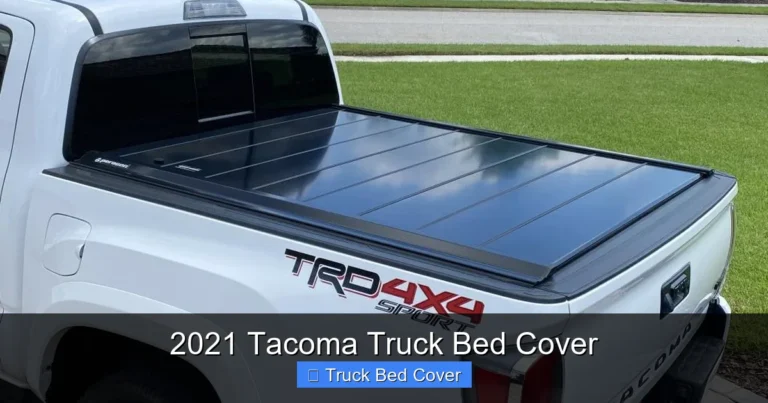
Easy Truck Bed Cover
An easy truck bed cover offers a hassle-free way to protect your cargo from rain, sun, theft, and dirt—without complicated installation or maintenance. Whether you drive a crew cab, short bed, or long bed, there’s a simple solution that fits your needs and budget.
Key Takeaways
- Easy Installation: Most easy truck bed covers can be installed in under an hour with no drilling or permanent modifications.
- Weather Protection: These covers shield your cargo from rain, snow, UV rays, and dust, keeping items dry and secure.
- Theft Deterrence: A locked bed cover makes it harder for thieves to access your tools, equipment, or gear.
- Fuel Efficiency: Streamlined designs reduce drag, potentially improving your truck’s fuel economy by up to 10%.
- Versatility: Many models work on different truck bed sizes and styles, including fleets, work trucks, and personal pickups.
- Low Maintenance: Easy-to-clean materials like vinyl or aluminum resist rust, fade, and mildew.
- Affordable Options: From basic roll-up covers to high-end retractable systems, easy truck bed covers fit most budgets.
Quick Answers to Common Questions
What’s the easiest truck bed cover to install?
Roll-up covers are typically the easiest to install—often requiring no tools and taking less than 30 minutes. They use simple rail systems and strap anchors that attach to existing bed bolts.
Can I install a bed cover myself?
Yes! Most easy truck bed covers are designed for DIY installation. Just follow the manual, gather basic tools, and take your time. Online videos can walk you through each step.
Do bed covers affect my truck’s warranty?
In most cases, no—as long as you don’t drill holes or modify the bed structure. Bolt-on or clamp-style covers are considered removable accessories and don’t void warranties.
Are soft covers better than hard ones?
It depends on your needs. Soft covers are lighter and cheaper but less durable. Hard covers offer better security and weather resistance but cost more and weigh more. Choose based on climate, budget, and security priorities.
How do I know which cover fits my truck?
Check your truck’s make, model, year, and bed length (e.g., 5.5 ft, 6.5 ft, 8 ft). Reputable brands list fitment guides online or via customer service. Some even offer free shipping returns if it doesn’t fit.
📑 Table of Contents
- Why Every Truck Owner Needs an Easy Truck Bed Cover
- Types of Easy Truck Bed Covers
- How to Choose the Right Easy Truck Bed Cover
- Top Benefits of Installing an Easy Truck Bed Cover
- Installation Tips for Easy Truck Bed Covers
- Maintenance & Longevity Tips
- Real-World Examples: Who Uses Easy Truck Bed Covers?
- Common Myths About Truck Bed Covers
Why Every Truck Owner Needs an Easy Truck Bed Cover
Let’s face it—your truck bed is more than just a space to haul stuff. It’s where you keep your tools, camping gear, groceries, or even your pet during road trips. But without proper protection, that cargo is exposed to everything the weather throws at it: rain that turns your tools into rusted messes, scorching sun that warps plastic containers, and curious eyes looking for an easy target. That’s where an easy truck bed cover comes in.
An easy truck bed cover isn’t just about convenience—it’s about peace of mind. With modern designs that prioritize simplicity and durability, these covers let you secure your load quickly, without wrestling with complicated parts or spending hours on installation. Whether you’re a contractor who needs to lock up expensive equipment or a weekend warrior who wants to keep their kayak dry, the right bed cover makes life easier. And the best part? You don’t need a mechanic or special tools to install one.
Types of Easy Truck Bed Covers
Not all truck bed covers are created equal—but many are designed with ease in mind. Let’s break down the most popular types so you can find the one that fits your lifestyle.
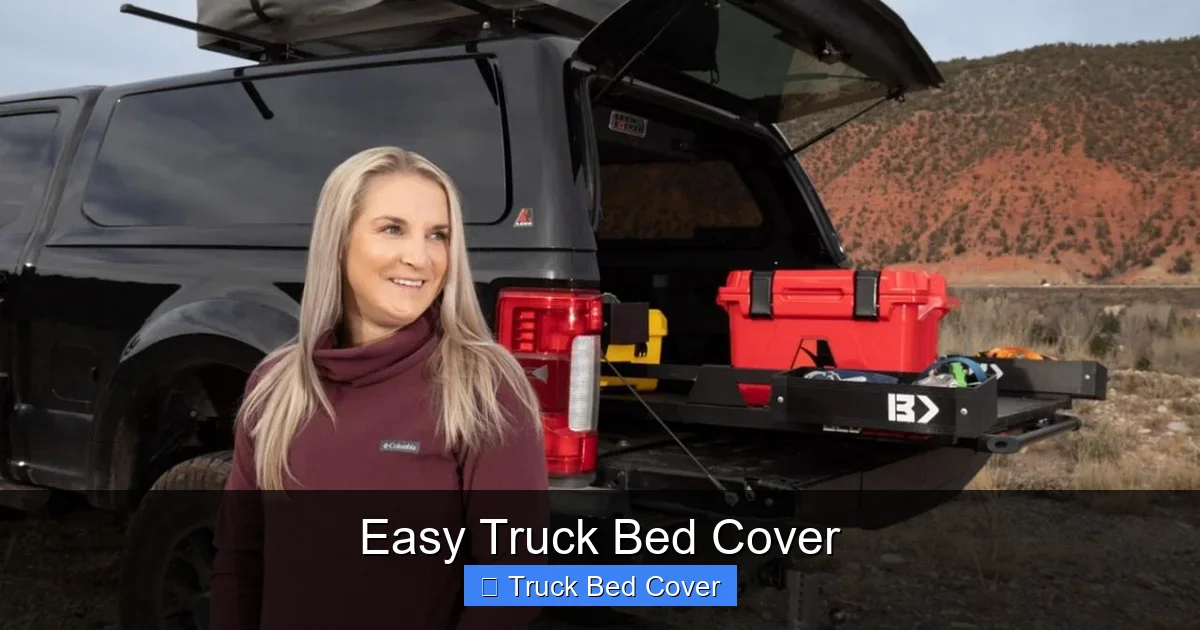
Visual guide about Easy Truck Bed Cover
Image source: bedslide.com
Roll-Up Covers
If you want something simple and affordable, a roll-up cover might be your best bet. These are usually made of heavy-duty vinyl stretched over an aluminum frame and roll up toward the cab when not in use. They’re lightweight, don’t require drilling, and can be secured with side straps or buckles.
Pros:
- Quick to open and close
- No permanent installation needed
- Protects against light rain and sun
- Affordable (typically $150–$400)
Cons:
- Limited protection in heavy storms
- Can wear out over time if exposed to harsh conditions
- May require re-tensioning after a few months
- Entry-level: $100–$250 (roll-up or tri-fold)
- Midsize: $250–$700 (higher-quality tri-folds or entry-level retractor)
- Premium: $700+ (retractable or hard folding with advanced features)
These are ideal for daily drivers who need occasional coverage but don’t want to invest in a premium system.
Tri-Fold Covers
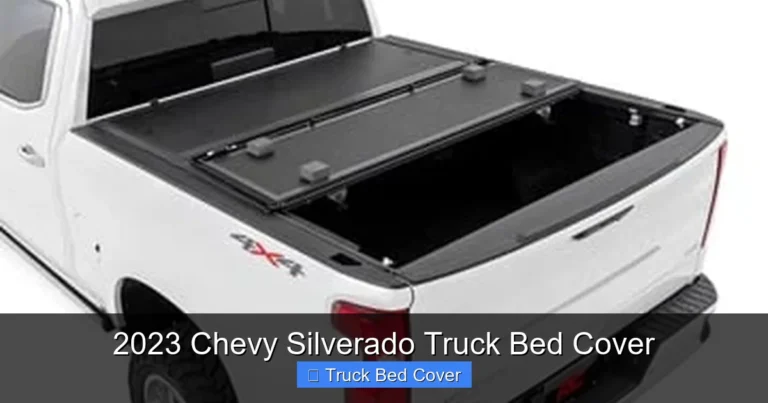
A step up from roll-ups, tri-fold covers unfold into three sections that lie flat across the bed. They’re supported by hinges at the front and fold forward for full bed access. Many models include pre-installed mounting rails, making setup straightforward.
Because they’re rigid, tri-folds offer better wind resistance and a sleeker look. Some versions even come with built-in locks for added security.
Retractable (Rolling) Covers
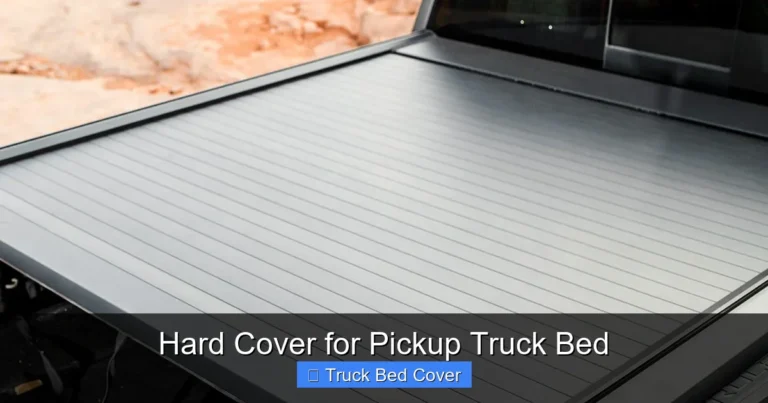
For those who want maximum protection with minimal effort, retractable covers are hard to beat. These slide open from the cab area using a spring-loaded mechanism or manual crank. When closed, they lie flush against the bed rails—creating a smooth, aerodynamic surface.
They’re often made of reinforced fiberglass or aluminum panels, which means they resist dents, scratches, and UV damage. While pricier ($600–$1,500), their durability and functionality make them worth the investment for serious truck owners.
Hard Folding Covers
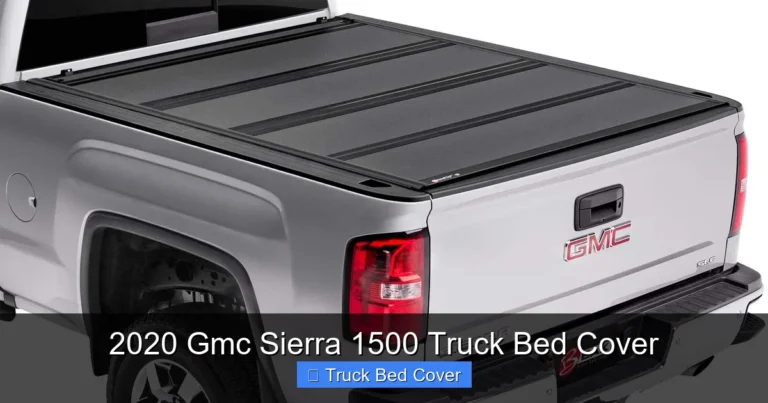
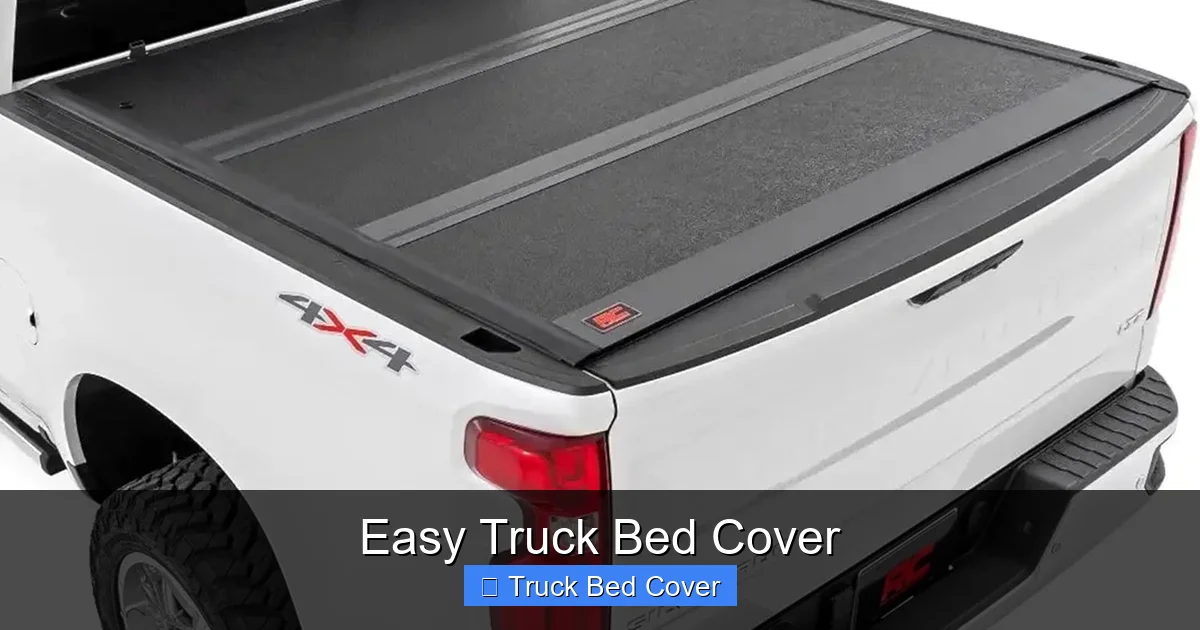
Also known as bi-fold or multi-panel covers, these consist of two or more hinged panels that fold together in the center. They provide excellent security since they lock into place and offer full bed access when opened.
Unlike soft covers, hard folding models are less affected by wind and snow loads. They’re heavier than other options but offer superior protection and aesthetics.
Soft Top Covers
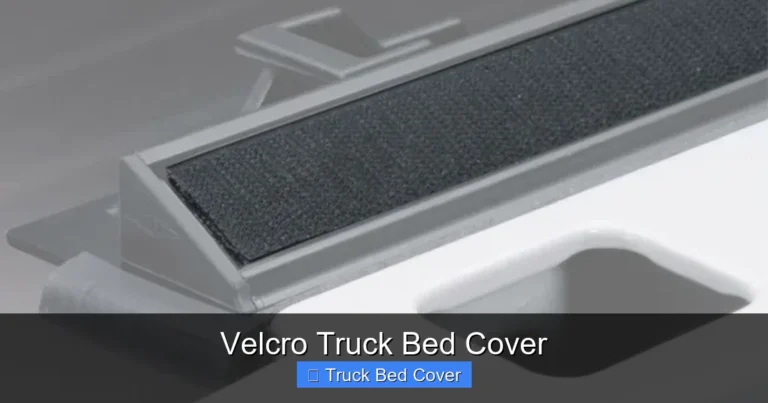
Similar to car convertible tops, soft covers are fabric-based and attach directly to the bed rails using clamps or Velcro. They’re great for open-air enthusiasts who still want some shelter from the elements.
However, they tend to be less durable than hard covers and may require seasonal removal depending on climate.
How to Choose the Right Easy Truck Bed Cover
With so many choices available, picking the right cover can feel overwhelming. Here’s what to consider before making your purchase.
Your Truck Bed Size Matters
Truck beds come in various lengths—short (5.5 feet), standard (6.5 feet), and long (8 feet). Always measure your bed before shopping. Also check whether you have a truck bed liner already installed—some covers won’t work well with rubber liners due to clearance issues.
Climate Considerations
If you live somewhere with extreme weather—think blizzards, hurricanes, or scorching summers—you’ll want a cover rated for those conditions. For example, if heavy snow is common, choose a rigid cover that won’t sag or trap moisture underneath.
Security Needs
Are you storing valuable tools or equipment overnight? Look for features like:
– Lockable latches
– Keyed handles
– Reinforced corners
– Hidden strap anchors
These details matter more than you think—they’re the difference between deterring a casual thief and preventing a break-in.
Budget Range
Here’s a quick price breakdown:
Remember: cheaper doesn’t always mean worse—just make sure the material and hardware match your expected usage.
Ease of Use Features
Look for these user-friendly elements:
– Tool-free installation
– Smooth rolling or folding action
– Quick-release handles
– Weather-resistant seals around edges
The whole point of an “easy” cover is that it shouldn’t feel like a chore to use.
Top Benefits of Installing an Easy Truck Bed Cover
Beyond basic protection, there are plenty of hidden advantages to adding a bed cover to your rig.
Improved Fuel Economy
Aerodynamics play a big role in how much gas your truck burns. According to studies by the U.S. Department of Energy, a properly fitted bed cover can improve highway fuel efficiency by up to 10%. That’s because wind resistance decreases significantly when the open bed is sealed.
This benefit stacks especially well if you do a lot of highway driving—like commuters or delivery drivers.
Enhanced Cargo Security
Thieves love unattended trucks with visible contents. A locked cover raises the bar considerably. Even if someone tries to pry underneath, they’ll hit solid material instead of empty air.
Plus, many modern covers include alarm systems or GPS tracking compatibility—adding another layer of protection.
Privacy and Cleanliness
Nobody wants their belongings visible to passersby. An easy truck bed cover keeps your stuff private while also preventing dirt, leaves, and bird droppings from landing in your bed.
This is particularly useful for families with kids or pets who track in mud and debris.
Better Resale Value
Cars and trucks with well-maintained accessories sell faster and for more money. A clean, covered bed shows buyers you take pride in your vehicle. It also protects the paint and bed liner underneath—preserving both appearance and structural integrity.
Year-Round Versatility
Whether it’s summer heat, winter ice, or spring showers, a good bed cover adapts to any season. Some models even allow partial opening—so you can carry long items like lumber or pipes without removing the entire cover.
Installation Tips for Easy Truck Bed Covers
Even though these covers are designed to be user-friendly, a few smart steps will ensure lasting performance and safety.
Read the Manual First
Every brand has specific instructions. Skipping this step could lead to improper tension, misaligned tracks, or even damage to your truck bed.
Take notes during reading—mark key steps or snap photos of your current setup if you’re replacing an old cover.
Gather Tools Ahead of Time
Most installations require only basic tools:
– Socket wrench set
– Screwdrivers (Phillips and flathead)
– Measuring tape
– Rubber mallet (optional)
Having everything ready saves time and frustration.
Check Alignment Before Securing
Slide the cover back and forth a few times before tightening bolts. This lets you adjust for minor gaps caused by uneven bed surfaces or worn-out hardware.
Pro tip: Use shims under bracket feet if your bed isn’t perfectly level.
Tighten Gradually
Don’t torque down all fasteners at once. Instead, tighten them in a crisscross pattern (like wheel lug nuts) to distribute pressure evenly and prevent warping.
Test Under Load
After installation, load the bed with sandbags or similar weight to simulate real-world conditions. Watch for sagging, shifting, or loose connections. Make adjustments as needed.
Maintain Regularly
Clean the cover monthly with mild soap and water. Inspect seals and latches quarterly for wear. Lubricate moving parts (if applicable) with silicone spray to prevent sticking.
Maintenance & Longevity Tips
An easy truck bed cover is only as good as its upkeep. Follow these guidelines to extend its lifespan by years.
Clean After Heavy Use
If you haul salt, chemicals, or abrasive materials, rinse the cover immediately afterward. Salt accelerates corrosion, while sticky residues can degrade fabric over time.
Store Properly When Not In Use
For soft covers removed seasonally, store them in a cool, dry place away from direct sunlight. Avoid folding them tightly—use cardboard tubes or foam rollers to preserve shape.
Inspect Hardware Annually
Loose bolts, cracked plastic clips, or frayed straps are signs of wear. Replace damaged components promptly—even small issues can compromise security and function.
Avoid Sharp Objects Near Edges
Scratches along the sealing edge can let water seep in. Be careful when loading long items through the tailgate to avoid nicking the cover.
Winter Care in Snowy Regions
Remove accumulated snow gently—don’t scrape aggressively. Moisture trapped under the cover can freeze and warp panels. If you must leave snow on, ensure it’s light and fluffy rather than packed ice.
Real-World Examples: Who Uses Easy Truck Bed Covers?
These aren’t just for truck enthusiasts—they serve everyday people doing everyday jobs.
The Contractor
John runs a small remodeling business. He uses his truck to transport nails, hammers, ladders, and drywall sheets. With a tri-fold cover and built-in lock, he secures his tools overnight without worrying about break-ins. The cover also keeps rain off wet paint buckets during site visits.
The Rancher
Maria lives on a ranch 30 miles from town. She carries feed, hay bales, and medical supplies in her pickup. Her retractable cover withstands strong winds and protects sensitive items from dust storms common in her region. Plus, it helps her comply with local regulations requiring covered loads during transport.
The Adventure Seeker
Tom loves weekend camping trips with his dog. His roll-up cover shields sleeping bags and coolers from morning dew and afternoon sun. When he’s done hiking, he rolls it back to enjoy the breeze—then zips it tight before heading home.
The Delivery Driver
Lisa works for a local grocery chain. Her company requires all drivers to protect perishables during transit. She chose a low-profile tri-fold cover that meets fleet standards and allows fast unloading at stores. It’s saved her job twice by preventing spoiled deliveries due to rain exposure.
Common Myths About Truck Bed Covers
Let’s clear up some misconceptions that might stop you from getting one.
Myth #1: “They Block All Airflow”
False! Modern designs feature vented panels or mesh inserts that allow airflow while maintaining protection. Some even include adjustable vents for temperature control inside the bed.
Myth #2: “Only Big Trucks Need Them”
Any pickup benefits—even compact models. Smaller beds are often used for personal errands, sports gear, or weekend projects where protection matters just as much.
Myth #3: “They’re Too Expensive”
While premium models cost more, entry-level options start under $150. Compare that to replacing stolen tools or repairing water-damaged cargo—the ROI is clear.
Myth #4: “Installation Requires Professional Help”
Most “easy” covers are DIY-friendly. Brands like Tonno Pro, TruXedo, and UnderCover publish video tutorials showing installation in under 45 minutes.
Myth #5: “They Don’t Work With Bed Liners”
Many covers are compatible with drop-in liners, spray-on coatings, and spray-in liners—as long as they meet height requirements. Check manufacturer specs before buying.
Frequently Asked Questions
What is the best type of truck bed cover for heavy rain?
A hard folding or retractable cover is ideal for heavy rain because they provide watertight seals and rigid construction that won’t sag or flap in strong winds. Materials like aluminum or fiberglass resist water infiltration.
Can I leave my truck bed cover on in the winter?
Yes, but remove heavy snow buildup to prevent sagging or ice formation underneath. Ensure the cover isn’t trapping moisture—ventilated models work best in snowy climates. Avoid sharp scraping motions that could damage the surface.
Will a bed cover scratch my truck bed?
No—if installed correctly. Quality covers sit above the bed rails without contact. However, dragging tools or equipment over the cover itself could cause minor scratches. Always lift heavy items instead of sliding them.
Do I need special tools to install a bed cover?
Usually not! Most easy truck bed covers use pre-drilled factory mounting points or clamp systems that require only a socket wrench or screwdriver. Premium models may need additional brackets, but these come included.
How long does it take to install an easy truck bed cover?
Typically 30–60 minutes for roll-up or tri-fold covers. Retractable systems may take 1–2 hours due to track alignment. Always allow extra time for first-time installers unfamiliar with the process.
Can I wash my truck bed cover with a pressure washer?
Use caution—high-pressure settings can force water into seams and damage adhesives. Opt for a gentle spray instead. For stubborn stains, use mild soap and a soft brush. Always refer to the manufacturer’s care instructions.