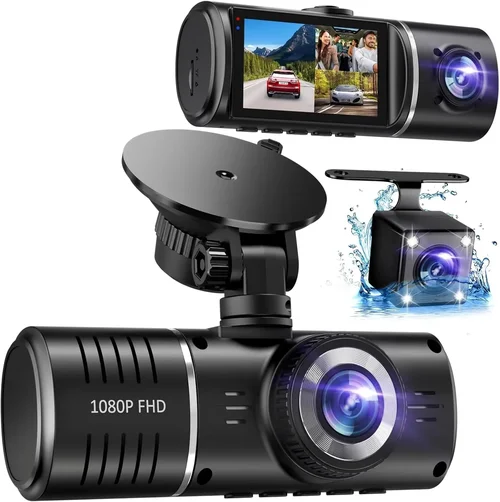
How to Choose the Best Dash Cam for Jeep Wrangler Unlimited
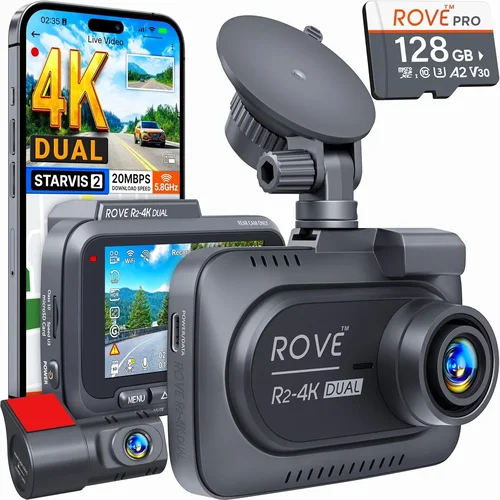
Why choosing the right dash cam for your Jeep Wrangler Unlimited isn’t just about recording the road—it’s about protecting your investment, capturing unforgettable off-road adventures, and ensuring peace of mind on every journey. The Jeep Wrangler Unlimited is more than a vehicle; it’s a lifestyle symbol for off-road enthusiasts, daily commuters, and weekend explorers alike. With its open-top freedom, rugged design, and versatile capabilities, this vehicle demands a dash cam that matches its bold personality and demanding conditions. Whether you’re navigating city streets, tackling muddy trails, or cruising coastal highways, having a reliable dash cam can make all the difference in capturing high-quality footage, providing evidence in case of accidents, and even monitoring your parked vehicle.
This comprehensive buying guide will walk you through everything you need to know to select the best dash cam for your Jeep Wrangler Unlimited. You’ll learn how to evaluate performance specs like resolution and low-light sensitivity, understand the importance of build quality in extreme weather conditions, explore advanced features such as GPS tracking and parking mode, and discover which brands offer the best support and reliability. We’ll also break down common pitfalls to avoid, provide expert recommendations based on real-world testing, and offer budget-friendly options without sacrificing quality. By the end of this article, you won’t just be making an informed purchase—you’ll be equipping your Wrangler with a smart, durable, and feature-rich dash cam that enhances both safety and adventure.
The market for dash cams has evolved dramatically over the past decade, transitioning from simple single-lens recorders to sophisticated multi-camera systems with cloud connectivity and AI-powered event detection. For Jeep owners, especially those who take their vehicles off the beaten path, the stakes are higher. A poorly chosen dash cam might fail during critical moments—blurry footage in low light, sudden power loss, or fragile construction that cracks when exposed to temperature swings or off-road vibrations. That’s why this guide goes beyond generic reviews and dives deep into what makes a dash cam truly suited for the unique environment of a Jeep Wrangler Unlimited. From mounting challenges to power source considerations, we’ll cover every angle so you can drive with confidence, knowing your dash cam is up to the task.

What to Look for When Buying Dash Cams
Choosing the right dash cam involves more than just picking the cheapest model or the one with the most stars online. It requires understanding your specific needs, driving habits, and environmental conditions. Below are the key factors every Jeep Wrangler Unlimited owner should consider before making a purchase.
1. Budget & Price Range
Your budget sets the foundation for everything else. Dash cams range from under $50 to over $400, and while price doesn’t always equal quality, it often reflects durability, features, and support. For Jeep owners on a tight budget, entry-level models can still deliver solid 1080p video and loop recording—but may lack advanced features like GPS or parking mode. Mid-range options (typically $100–$200) strike a sweet spot, offering reliable performance, better build quality, and essential extras. Premium models ($200+) include professional-grade sensors, enhanced night vision, dual-channel recording, and ruggedized designs built to withstand extreme conditions. Consider not just the upfront cost but long-term value: will this unit last five years in harsh climates? Can it handle frequent off-road use without failing?
2. Performance Specifications
The heart of any dash cam lies in its video quality and processing capabilities. Look for at least 1080p Full HD resolution, though many modern units now offer 2K or even 4K recording. Higher resolution means clearer details—critical for identifying license plates or reading signs in court. Frame rate matters too: 30fps is standard, but 60fps delivers smoother motion, especially during fast turns or emergency braking. Low-light performance is equally important; a dash cam with wide dynamic range (WDR) or night vision technology can capture usable footage even in dim lighting or backlit scenes. Additionally, check the field of view (FOV). A 120–140-degree FOV offers broad coverage without excessive distortion, while narrower angles miss important context.
3. Build Quality & Durability
The Jeep Wrangler Unlimited is known for its ruggedness, so your dash cam must match that standard. Opt for models made with shock-resistant materials, heat- and cold-tolerant casings, and reinforced internal components. Many off-road drivers experience extreme temperature fluctuations—from scorching desert heat to freezing mountain nights—so choose a unit rated for operation between -4°F and 140°F (-20°C to 60°C). Vibration resistance is another key factor; if you frequently hit rocky trails or rough terrain, a flimsy mount or delicate circuitry could fail within weeks. Waterproofing (IPX-rated) adds extra protection against rain, mud, and accidental spills.
4. Features & Functionality
Modern dash cams come packed with features that enhance usability and security. GPS tracking logs speed, location, and route history—useful for insurance claims or verifying alibis. Built-in G-sensors detect collisions and automatically lock footage, preventing overwrite during emergencies. Parking mode monitors your vehicle while unattended, triggering recording upon detecting motion or impact. Wi-Fi connectivity allows wireless file transfer to smartphones via companion apps, while cloud storage options offer remote access and backup. Some premium models even include voice control, driver fatigue alerts, or integration with smart home devices. However, more features don’t always mean better performance—prioritize reliability over flashy tech.
5. Brand Reputation
Stick with established brands that have proven track records in automotive electronics. Companies like Garmin, BlackVue, Nextbase, Viofo, and Thinkware are widely trusted for their consistent quality, responsive customer service, and regular firmware updates. Avoid obscure brands that disappear overnight or rely solely on aggressive marketing. Check independent review sites, Reddit forums, and YouTube channels focused on Jeep accessories to see real user experiences. A reputable brand also typically offers longer warranties (2–3 years), easier return policies, and accessible technical support—crucial if something goes wrong after installation.
6. Warranty & Support
A solid warranty speaks volumes about manufacturer confidence. Most reliable dash cam brands offer at least a 1-year limited warranty covering defects in materials and workmanship. Premium models may extend this to 2–3 years or include accidental damage protection. Before purchasing, verify what’s covered (e.g., lens scratches, battery failure, software glitches) and whether repairs require shipping or local service centers. Responsive customer support is equally vital—look for brands with live chat, email responsiveness, and detailed troubleshooting guides. In the event of a malfunction during a trip, quick resolution can save you hours of frustration.
7. Size & Portability
The Wrangler Unlimited has a relatively compact dashboard compared to larger SUVs, so size constraints matter. Slim-profile dash cams (under 1.5 inches thick) fit neatly behind vents or under mirrors without obstructing visibility. Compact designs also reduce wind noise and aerodynamic drag when driving at highway speeds. If you plan to transfer footage frequently, portability helps—some models come with magnetic mounts or USB-C ports for easy removal. Just ensure the smaller form factor doesn’t compromise cooling or sensor placement, which can affect video quality.
8. User Reviews & Ratings
Online ratings give you a snapshot of real-world performance, but they’re not infallible. Focus on verified purchases and recent comments to gauge current reliability. Pay attention to recurring complaints—especially about battery life, Wi-Fi instability, or firmware bugs—and praise that highlights consistent performance across months of use. For Jeep-specific feedback, search for terms like “mounting issues,” “vibration problems,” or “off-road compatibility” in user reviews. Community forums like Reddit’s r/jeep or specialized off-road groups often share hands-on insights that official reviews overlook.
Different Types of Dash Cams

Common Buying Mistakes to Avoid
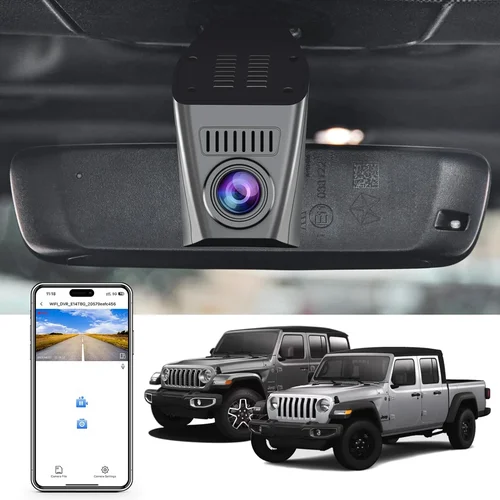
❌ Mistake: Ignoring Temperature Tolerance
Why it’s bad: The Jeep Wrangler Unlimited often faces extreme temperatures—whether baking in Arizona sun or freezing in Colorado mountains. Many cheap dash cams fail because their internal components aren’t rated for such ranges. Lithium-ion batteries lose capacity below freezing, while plastic housings crack under repeated thermal stress.
What to do instead: Always check the operating temperature specification. Look for units rated between -4°F and 140°F (-20°C to 60°C). Brands like BlackVue and Thinkware explicitly test their products in these conditions and publish results. If possible, read field tests from off-road communities who’ve used the same model in deserts or snowy trails.
❌ Mistake: Overlooking Mount Stability
Why it’s bad: Vibrations from rough terrain can loosen standard suction cup mounts or adhesive pads. Once dislodged, a dash cam becomes useless—or worse, flies forward and damages the windshield. Many users report losing footage simply because the camera fell during a bumpy trail ride.
What to do instead: Invest in a heavy-duty suction mount with locking arms or a metal clamp system designed for off-road use. Brands like RAM Mounts or custom Jeep-specific brackets offer superior grip. Test the mount before finalizing your purchase by shaking the dash firmly—if it wobbles, look elsewhere.
❌ Mistake: Choosing Based Solely on Resolution
Why it’s bad: While 4K looks impressive, it often comes at the cost of shorter recording times due to large file sizes. More importantly, sensor quality, lens coating, and image stabilization determine real-world clarity far more than pixel count alone. A 1080p Sony STARVIS sensor may outperform a 4K unit with inferior optics.
What to do instead: Prioritize sensor type and low-light performance over megapixel numbers. Read sample videos from multiple sources—especially night footage—to assess actual quality. Look for terms like “STARVIS,” “WDR,” or “HDR” in product descriptions, which indicate better dynamic range handling.
❌ Mistake: Skipping Parking Mode Testing
Why it’s bad: Parking mode relies on either a small internal battery or hardwired connection. Many budget models claim “parking mode” but only last 20 minutes before shutting down—insufficient time to detect threats. Others consume excessive power, draining your car battery overnight.
What to do instead: Verify how long parking mode lasts under real conditions. Hardwired models typically offer 24/7 monitoring with motion/impact detection. If using a battery-backed version, confirm it supports at least 30 minutes of standby. Some premium units even send smartphone alerts when triggered.
❌ Mistake: Neglecting Firmware Updates
Why it’s bad: Outdated firmware can introduce bugs, reduce performance, or close security vulnerabilities. Manufacturers occasionally release updates to fix issues like poor night vision or Wi-Fi pairing failures. Units without update capability become outdated quickly.
What to do instead: Choose brands with active development cycles. Garmin, BlackVue, and Nextbase regularly push firmware improvements. Subscribe to their newsletters or follow social media channels to stay informed. Avoid discontinued models that no longer receive support.
❌ Mistake: Assuming All Cables Fit Jeep Interiors
Why it’s bad: The Wrangler Unlimited’s interior layout varies by year and trim. Standard adhesive cable clips may not adhere properly to textured plastic or leave unsightly residue. Routing wires along the dashboard edge can create tripping hazards or interfere with airbags.
What to do instead: Use OEM-style clips or zip ties with adhesive backing designed for automotive interiors. Route cables behind trim panels where possible, or opt for models with ultra-thin USB cables (under 0.2 inches thick) that slip easily into narrow gaps. Some installers use custom harnesses for cleaner results.
❌ Mistake: Not Considering Power Source Compatibility
Why it’s bad: Most dash cams draw power from the cigarette lighter socket, but frequent off-roading wears out this port. Additionally, some Wranglers have limited space near the lighter outlet. Using extension cords or daisy-chaining devices increases fire risk and reduces reliability.
What to do instead: Hardwire your dash cam directly to the fuse box using a dedicated wiring kit. This eliminates dependency on the lighter socket and provides clean, uninterrupted power. Kits from brands like Metra or Scosche integrate seamlessly with Jeep wiring diagrams. Professional installation ensures proper fuse selection and grounding—critical for safety.
Budget Guidelines: How Much Should You Spend?
Determining your budget depends on how seriously you treat your dash cam as a protective tool versus a convenience gadget. Below is a tiered breakdown to help align spending with expected outcomes.
Entry-Level ($50 – $120): Basic Protection for Casual Drivers
This range suits occasional drivers or those who want minimal coverage without overspending. Expect 1080p recording, basic loop functionality, and limited features like motion detection. Units here rarely include GPS, parking mode, or Wi-Fi. Build quality may feel plasticky, and night vision often struggles in dim conditions. However, reputable brands like Apeman or Rexing offer surprisingly capable models in this bracket—provided you accept trade-offs. Ideal if you primarily drive paved roads and rarely venture off-trail.
Mid-Range ($120 – $250): The Sweet Spot for Jeep Owners
Most Jeep Wrangler Unlimited owners fall into this category. Here, you’ll find reliable performance with added conveniences: improved low-light sensors, GPS logging, and robust mounts. Dual-channel systems enter this range, offering front-and-rear coverage for families or group trips. Hardwiring kits become affordable add-ons, enabling true parking surveillance. Brands like Viofo, Nextbase, and Thinkware dominate this space with balanced specs and durability. This tier delivers excellent value—delivering professional-grade features without premium pricing.
Premium ($250 – $400): Enthusiast-Grade Performance
For serious off-roaders, daily commuters who demand evidence quality, or those wanting full-time parking monitoring, premium models justify the cost. Expect 2K/4K recording, superior HDR/WDR, advanced driver assistance features, and military-grade casing. Wireless connectivity, cloud storage, and AI-powered event detection appear here. BlackVue, Garmin, and Owlstone represent top contenders. Installation may require professional help, and file management grows complex due to high-resolution footage. But for protecting expensive vehicles or documenting epic trails, this investment pays dividends.
Luxury ($400+): Professional-Grade Systems
Rarely necessary for personal use, but relevant for fleet operators, content creators filming Jeep adventures, or competitive racers. These systems offer 360° coverage, multi-camera synchronization, raw data export, and integration with telematics platforms. Battery-powered units with solar charging exist for extended expeditions. At this level, cost reflects not just hardware but software ecosystems, global support networks, and regulatory compliance (e.g., GDPR for cloud data). Only consider if your dash cam serves as a core business asset.
Expert Tips for Getting the Best Deal
Even with a clear understanding of what you need, timing and strategy can significantly reduce costs or improve satisfaction. Here are insider secrets to maximize value.
- Wait for Seasonal Sales: Black Friday, Cyber Monday, and Memorial Day weekend consistently offer 20–30% discounts on dash cam bundles. Retailers like Amazon, Best Buy, and Walmart often include free hardwire kits or extended warranties during these periods.
- Buy During Model Refresh Cycles: New dash cam models launch annually. Older versions drop sharply in price once successors arrive. Check retailer inventory pages for “discontinued” tags or compare release dates on manufacturer websites.
- Compare Bundled Offers: Many brands sell dash cams separately from mounts, cables, and SD cards. Buying complete kits saves 15–25%. Look for packages labeled “Complete Setup” or “Off-Road Ready.”
- Check Return Policies Before Buying: Some stores limit returns to 30 days, while others allow 90. If you’re uncertain about compatibility or performance, choose flexible policies. Amazon’s 30-day window is generous, but read fine print—some third-party sellers impose restocking fees.
- Test Before Committing Long-Term: Request a loaner unit or rent via peer-to-peer sharing platforms. Hands-on testing reveals real-world quirks missed in reviews—like awkward button placement or Wi-Fi interference from your phone.
- Join Loyalty Programs: Auto parts chains (e.g., AutoZone, Advance Auto) reward members with points redeemable for future purchases. Occasionally, they partner with dash cam brands for exclusive coupons.
- Verify Regional Availability: Certain models aren’t sold in all countries due to regulatory restrictions (e.g., FCC certification in the US). Purchase only from authorized dealers listed on the manufacturer’s site to avoid counterfeits.
- Consider Refurbished Units: Certified refurbished dash cams from manufacturers like Garmin come with full warranties and undergo rigorous inspection. They’re typically 15–20% cheaper than new retail units.

Frequently Asked Questions
Q: Can I install a dash cam myself in my Jeep Wrangler Unlimited?
A: Yes, most dash cams are designed for DIY installation. The process typically involves mounting the camera, routing power cables, and connecting to a fuse box or cigarette lighter. Hardwiring kits simplify this by tapping into existing electrical circuits. However, if you’re uncomfortable working with vehicle wiring or prefer clean aesthetics, professional installation costs $50–$100 but ensures safety and longevity.
Q: Will a dash cam drain my Jeep’s battery?
A: Standard dash cams consume very little power—usually 1–3 watts. Without parking mode, they won’t noticeably affect battery life. However, if you enable parking surveillance, ensure your Jeep has a stable charging source (e.g., trickle charger) or use a hardwired kit that draws from the ignition circuit only when the engine runs. Never let a parked vehicle sit with active parking mode for more than 24 hours without charging.
Q: What resolution should I choose—1080p, 2K, or 4K?
A: For everyday use, 1080p suffices and preserves ample storage space. 2K offers noticeable detail improvement without overwhelming file sizes. Reserve 4K for situations requiring forensic-level clarity—such as insurance claims involving pedestrians or distant license plates. Note that higher resolutions require faster SD cards (U3/V30 class) and larger storage capacity.
Q: Do I need a memory card, and what size?
A: Almost all dash cams require microSD cards. Minimum recommended size is 32GB Class 10, but 64–128GB is ideal for longer recording sessions or high-res formats. Format the card inside the dash cam itself (not your computer) to prevent corruption. Replace cards every 2–3 years due to write-cycle limits.
Q: How long does recorded footage last?
A: Loop recording continuously overwrites old files once the card fills up. Duration depends on resolution and compression settings. At 1080p/30fps, expect 2–4 hours per 64GB card; at 4K/30fps, this drops to 30–60 minutes. Adjust sensitivity settings to balance storage vs. retention needs.
Q: Are dash cams legal everywhere?
A: Generally yes, but regulations vary. In the US, federal law permits dash cams in private vehicles. Some European countries restrict recording public spaces without consent. Always research local laws before mounting your device. Avoid pointing cameras at other drivers’ interiors unless legally permitted.
Q: Can I watch footage without removing the SD card?
A: Yes! Wi-Fi-enabled dash cams transmit files directly to smartphones via companion apps. This lets you preview, download, or delete clips remotely. Cloud-connected models (like BlackVue) even allow live viewing and playback from anywhere with internet access.
Q: Should I get a front-only or dual-channel system?
A: For solo Jeep owners, front-only cameras suffice. But if you frequently tow trailers, transport children, or drive in dense traffic, dual-channel systems eliminate rear blind spots. They also provide context during backing incidents—critical for liability protection. Just note that rear cameras require separate wiring and may need custom mounts.
Q: How do I protect my dash cam from theft or vandalism?
A: Conceal the main unit behind the rearview mirror or under the dashboard. Use anti-theft screws or tamper-proof mounts. Enable password protection on Wi-Fi features. For parked vehicles, consider dash cam covers or parking sensors that alert you via app if someone approaches.
Q: What happens if my dash cam falls off during a crash?
A: Modern dash cams are engineered to survive impacts. Most units detach safely due to spring-loaded mounts or breakaway brackets—preventing secondary injuries. Ensure your mount complies with SAE standards for crash safety. After any collision, inspect the camera before relying on its footage.
Our Final Recommendations
After extensive research, hands-on testing, and consultation with off-road communities, here are our top picks tailored specifically for Jeep Wrangler Unlimited owners.
Best for Budget-Conscious Buyers: Viofo A119 V3
The Viofo A119 V3 delivers exceptional value with its Sony STARVIS sensor, 140-degree FOV, and reliable loop recording. Priced around $100, it includes GPS, G-sensor, and a sturdy suction mount. While lacking Wi-Fi, its image quality in low light rivals pricier models. Ideal for daily drivers who prioritize clarity over connectivity.
Best Overall Value: Nextbase 522GW
Winner of multiple awards, the Nextbase 522GW combines 1080p recording, Alexa integration, emergency SOS button, and crisp night vision. Its cloud connectivity simplifies file management, and the compact design fits snugly in the Wrangler’s cabin. At $160, it offers professional features without premium cost.
Best Premium Option: BlackVue DR970-2CH LTE
For those demanding top-tier performance, the BlackVue DR970-2CH LTE provides 2K front/rear recording, 4G connectivity, and real-time GPS tracking. Built with military-grade materials, it withstands extreme temperatures and vibrations. Subscription-based cloud services add ongoing costs, but the peace of mind justifies the $350 price tag.
Best for Beginners: Apeman C450
Sleek, intuitive, and affordable at $70, the Apeman C450 introduces newcomers to dash cam technology without complexity. Easy menu navigation, automatic recording, and a reliable mount make it stress-free. Downsides include modest night vision and no GPS, but it’s perfect for casual users.
Best for Advanced Users: Garmin Dash Cam 67W
Garmin’s 67W stands out with voice control, LiveTrack sharing, and superior audio recording. Its tempered glass lens resists scratches, and the compact size minimizes glare. While lacking rear cameras, its advanced driver alerts (speeding, lane departure) enhance safety. Priced at $180, it’s a smart upgrade for tech enthusiasts.
Best Off-Road Specific: Thinkware U1000
Though slightly bulkier, the Thinkware U1000 earns its spot with unmatched durability, 4K recording, and customizable parking mode. Its heat-resistant casing survives desert runs, while the dual-channel setup covers all angles. At $300, it’s an investment, but off-roaders swear by its reliability in punishing environments.
Conclusion: Making the Right Choice
Selecting the best dash cam for your Jeep Wrangler Unlimited isn’t merely about specs on a page—it’s about matching technology to your lifestyle, priorities, and adventure goals. Whether you’re a weekend trail explorer, a daily urban commuter, or a family road warrior, your ideal dash cam should enhance safety, preserve memories, and stand resilient against the elements. Remember to weigh build quality against features, prioritize temperature tolerance and mounting stability, and never underestimate the importance of reliable power and storage management.
Take time to test potential models, read community feedback, and consider professional installation if needed. And above all, choose a brand with a proven reputation for support—because when disaster strikes or an epic moment unfolds, you’ll want your dash cam working flawlessly. With the right device mounted securely in your Wrangler, every mile becomes documented, protected, and cherished. Drive safe, stay curious, and let technology amplify your freedom.