Best Jeep Dash Cam Buying Guide
Why a dash cam matters for Jeep owners
Jeep enthusiasts understand that their vehicles are more than just transportation—they’re built for adventure, capable of taking you off-road through rugged terrain and urban streets alike. With this capability comes unique challenges when it comes to vehicle safety and security. A dash cam isn’t just an optional accessory; for Jeep owners, it’s becoming increasingly essential equipment that can protect your investment, document your adventures, and provide crucial evidence in case of incidents.
This comprehensive buying guide will walk you through everything you need to know about selecting the best dash cam for your Jeep. Whether you drive a classic Wrangler, a Trailhawk, or any other Jeep model, understanding the specific requirements and considerations will help you make an informed decision. We’ll cover performance specifications that matter most for Jeep driving conditions, mounting options that work with your dashboard configuration, and features that enhance usability during long off-road excursions.
The dash cam market has evolved significantly over the past decade, with modern devices offering capabilities far beyond basic recording. Today’s models include GPS tracking, emergency event detection, parking surveillance, and even dual-lens systems that capture both front and rear views. However, not all dash cams are created equal, especially when it comes to fitting the unique needs of Jeep owners who may face extreme temperature variations, dust exposure, vibration from rough trails, and the need for reliable operation in challenging environments.
What to Look for When Buying Dash Cams
Performance Specifications
When evaluating dash cam performance, several technical specifications directly impact recording quality and reliability. The resolution of your dash cam determines how clearly events are captured, with 1080p Full HD being the standard minimum for most users, while 2K and 4K ultra-high-definition cameras offer exceptional detail for license plate recognition and facial identification. Higher resolutions require more storage space and processing power, so consider your usage patterns carefully.
Frame rate is another critical specification that affects video smoothness and file size. Most dash cams operate at 30 frames per second (fps), but some premium models offer 60fps recording for smoother motion capture during high-speed situations or complex driving maneuvers. For Jeep owners who frequently tow trailers or navigate winding mountain roads, higher frame rates can be particularly valuable for capturing detailed footage of vehicle dynamics.
The field of view (FOV) determines how much area your dash cam can capture. A wider angle provides more coverage but may introduce some distortion at the edges, while narrower angles offer less coverage but sharper image quality in the center. For Jeeps with limited dashboard space or angled windshields, choosing the right FOV becomes even more important to ensure you’re capturing the road ahead without obstruction.
Storage capacity and format compatibility are equally crucial considerations. Most dash cams use microSD cards ranging from 32GB to 256GB, with larger capacities allowing longer recording times between file management cycles. Ensure your chosen dash cam supports the latest UHS speed classes for optimal performance, especially if you plan to record at higher resolutions or frame rates.
Build Quality & Durability
Jeep owners often subject their vehicles to extreme conditions—from desert heat exceeding 120°F to sub-zero winter temperatures, from dusty trail rides to heavy rainstorms. Your dash cam must withstand these environmental challenges without compromising performance. Look for models specifically designed with automotive-grade components that meet rigorous temperature testing standards, typically ranging from -4°F to 158°F (-20°C to 70°C).
Vibration resistance is another critical factor for off-road enthusiasts. The constant jolts and bumps encountered on rough trails can cause mechanical stress on internal components. High-quality dash cams feature shock-absorbing mounts, reinforced housing materials, and vibration-resistant internal circuitry to maintain stable operation even under demanding conditions.
Water and dust resistance ratings, typically expressed as IP (Ingress Protection) codes, indicate how well the device protects against moisture and particulate intrusion. For Jeep owners who regularly encounter muddy trails or wet conditions, an IP67 rating or higher ensures reliable operation when other electronics might fail. Additionally, consider dash cams with anti-fog technology or heated elements to prevent condensation buildup during rapid temperature changes.
Features & Functionality
Beyond basic recording capabilities, modern dash cams offer numerous features that enhance their usefulness for Jeep owners. Emergency event detection automatically saves footage when sudden deceleration, collisions, or impacts occur, ensuring critical moments aren’t lost during routine file management. This feature is particularly valuable for documenting accidents or incidents that might otherwise be missed due to automatic loop recording cycles.
GPS integration provides timestamped location data that can be invaluable for reconstructing events or verifying alibis. For Jeep owners who frequently explore remote areas or participate in group expeditions, GPS data helps establish precise locations and routes traveled, adding credibility to recorded footage in legal situations.
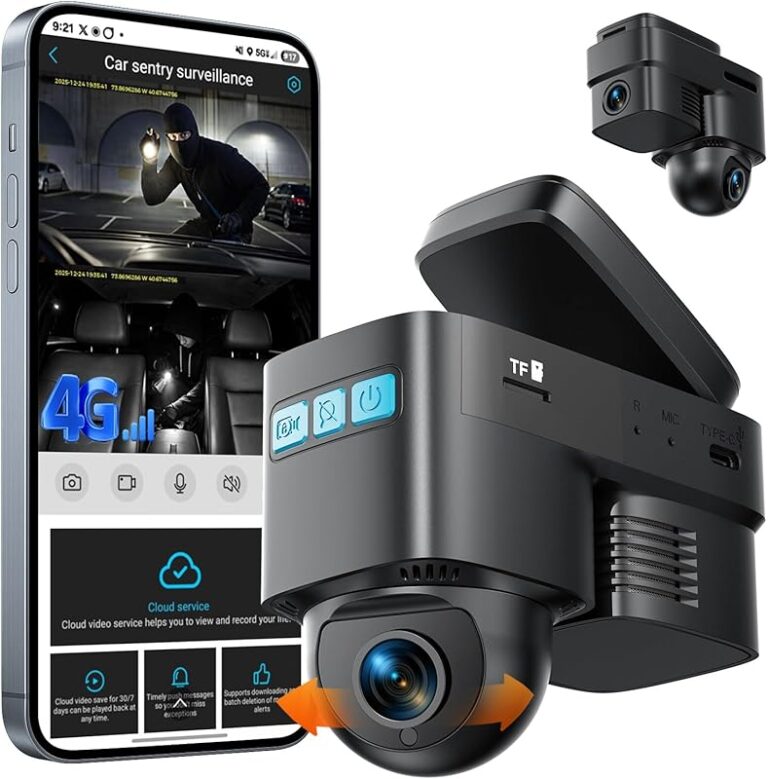
Parking surveillance modes extend your dash cam’s protection beyond active driving. Time-lapse recording captures activity around your parked vehicle over extended periods, while motion-activated recording triggers recording only when movement is detected. Some advanced models even support battery backup systems that allow continued monitoring even after the engine shuts off, providing peace of mind when leaving your Jeep unattended in potentially risky locations.
Voice control and smartphone connectivity represent the cutting edge of dash cam technology. Voice commands enable hands-free operation while driving, reducing distractions and maintaining focus on the road. Smartphone apps provide convenient access to settings, real-time viewing, and easy file transfer, making it simple to review footage or share clips with insurance companies or law enforcement when needed.
Brand Reputation
Choosing a reputable brand significantly impacts your dash cam experience. Established manufacturers invest heavily in research and development, quality control, and customer support infrastructure. Brands like Garmin, Blackvue, Thinkware, and Nextbase have built strong reputations through consistent product excellence and responsive customer service.
Research brand history and market presence before making your purchase. Companies with decades of experience in automotive electronics typically have refined manufacturing processes and comprehensive testing protocols that result in more reliable products. Customer reviews and professional testing reports can provide additional insights into real-world performance and potential issues.
Warranty & Support
Comprehensive warranty coverage reflects manufacturer confidence in their product quality and provides valuable protection against defects or premature failures. Most reputable dash cam brands offer at least a two-year warranty, with some extending coverage to three or four years for certain components. Extended warranty options are available for purchase and can provide additional peace of mind, especially for expensive premium models.
Customer support accessibility is equally important, particularly when dealing with technical issues or installation questions. Brands with dedicated support teams, multiple contact channels (phone, email, live chat), and extensive online resources typically resolve issues more quickly and effectively than those with minimal support infrastructure.
Online forums and user communities can also serve as valuable resources for troubleshooting and advice. Active user bases indicate engaged customers who frequently share experiences, modifications, and solutions, creating a self-sustaining ecosystem of support that complements official manufacturer assistance.
Size & Portability
While functionality remains paramount, physical characteristics like size and weight can influence your dash cam choice based on your specific needs. Compact designs with low profiles integrate seamlessly into your dashboard without obstructing views or creating glare issues. Slim-profile models are particularly advantageous for Jeeps with limited dashboard space or those who prefer minimal visual impact.
Weight considerations matter most for users who frequently remove their dash cams for security purposes or travel with them across different vehicles. Lightweight construction reduces the strain on mounting hardware and makes removal easier without damaging interior surfaces. Some dash cams even feature quick-release mechanisms that allow effortless detachment and reattachment.
Portability features extend beyond physical dimensions to include power management and connectivity options. USB-C charging ports offer faster charging and universal compatibility, while wireless charging pads eliminate the need for cable clutter. Dual-power systems that support both cigarette lighter adapters and hardwired installations provide flexibility depending on your Jeep’s electrical system and usage scenarios.
User Reviews & Ratings
Real-world user experiences provide invaluable insights that specifications alone cannot convey. Pay particular attention to reviews from fellow Jeep owners who face similar driving conditions and usage patterns. Their feedback regarding durability in off-road environments, performance in extreme temperatures, and compatibility with Jeep-specific accessories offers practical perspectives that manufacturer claims may overlook.
Look for consistent themes across multiple reviews rather than isolated positive or negative comments. Patterns of praise for specific features or concerns about particular limitations help identify which models deliver reliable performance for Jeep applications. Be cautious of overly generic reviews that don’t address your specific use case or vehicle type.
Professional testing and expert reviews complement user feedback by providing objective assessments using standardized testing methodologies. These evaluations often include laboratory measurements of image quality, durability testing under controlled conditions, and comparative analyses that highlight relative strengths and weaknesses across different models and price points.
Different Types of Dash Cams
Single-Lens vs. Dual-Lens Systems
Single-lens dash cams feature one camera positioned to capture the forward view from inside the vehicle. These systems are ideal for most drivers who primarily need documentation of traffic incidents, road conditions, and evidence collection for insurance claims. Single-lens models typically offer simpler installation, lower cost, and adequate coverage for everyday driving scenarios.
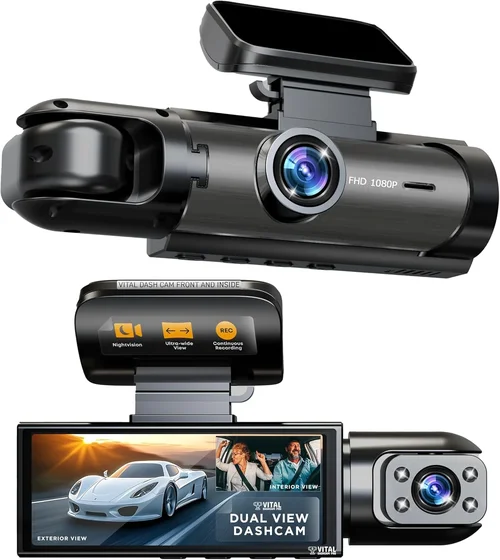
Dual-lens dash cams include both a front-facing camera and a rear-facing camera, providing complete situational awareness inside and outside your vehicle. This setup is particularly beneficial for Jeep owners who frequently transport passengers, tow trailers, or navigate tight parking situations where rear visibility matters. The rear camera can capture activities behind your vehicle that might otherwise go unnoticed, adding an extra layer of security and documentation.
Three-Lens Systems
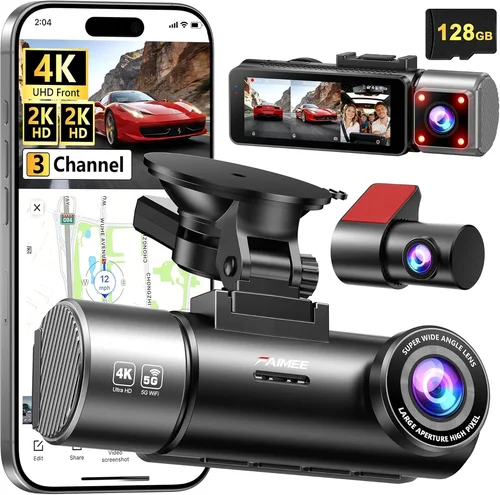
Three-lens dash cams represent the highest level of coverage, featuring front, rear, and interior cameras. While these systems offer comprehensive monitoring capabilities, they come with increased complexity, higher costs, and greater storage requirements. For Jeep owners who prioritize maximum protection and have the budget to accommodate additional hardware and storage needs, three-lens systems provide unparalleled documentation coverage.
Loop Recording Capabilities
Loop recording automatically overwrites older footage when storage reaches capacity, ensuring continuous recording without manual intervention. This fundamental feature works by dividing recordings into manageable segments that replace each other in a circular buffer pattern. Most modern dash cams implement intelligent loop recording that prioritizes saving recent footage and protecting files marked as important through manual locking or emergency detection.
Event-Triggered Recording
Event-triggered recording enhances loop recording by automatically saving footage when specific conditions are met. Sudden deceleration, collision impact, or external motion detection can trigger immediate file locking, preserving critical moments that might otherwise be overwritten during routine loop cycles. This feature is particularly valuable for documenting accidents, near-misses, or suspicious activities around your parked vehicle.
Night Vision Performance
Night vision capabilities determine how effectively your dash cam captures details in low-light conditions. Advanced models incorporate specialized sensors, enhanced image processing algorithms, and infrared illumination to maintain clarity during nighttime driving. For Jeep owners who frequently drive during early morning hours, late-night commutes, or nighttime trail adventures, superior night vision ensures reliable performance regardless of lighting conditions.
Common Buying Mistakes to Avoid
❌ Mistake: Choosing Based Solely on Price
Selecting a dash cam primarily based on low cost often leads to disappointment when the device fails to perform adequately in real-world conditions. While budget constraints are understandable, compromising too heavily on quality can result in poor image quality, unreliable operation, or premature failure—especially problematic for Jeep owners facing harsh environmental conditions.
Instead of focusing exclusively on price, create a balanced evaluation that considers total value rather than lowest cost alone. Compare features, build quality, and warranty coverage across multiple price points to identify models that offer the best combination of affordability and performance for your specific needs.
❌ Mistake: Ignoring Storage Requirements
Underestimating storage needs frequently causes frustration when dash cam recordings fill up unexpectedly or important footage gets overwritten prematurely. Many users assume that default storage allocations will suffice, only to discover later that their devices require frequent manual intervention to manage file storage.
Calculate your anticipated storage consumption based on recording duration, resolution settings, and frequency of use. Consider purchasing dash cams that support expandable storage options or offer cloud backup capabilities to ensure you never lose critical footage due to insufficient local storage capacity.
❌ Mistake: Overlooking Installation Complexity
Complex installation procedures can deter even enthusiastic buyers from properly securing their dash cam where it functions optimally. Some users attempt DIY installations without adequate preparation, resulting in suboptimal positioning, unstable mounting, or electrical complications that compromise performance.
Before purchasing, research installation requirements and assess whether you have the necessary tools, technical knowledge, and patience to complete the process successfully. Consider investing in professional installation services if you’re uncertain about handling wiring, mounting hardware, or electrical connections safely and effectively.
❌ Mistake: Neglecting Temperature Tolerance
Failing to verify temperature tolerance specifications can lead to device failure in extreme conditions common among Jeep owners. Devices rated for indoor office environments may malfunction or suffer permanent damage when exposed to desert heat, winter cold, or rapid temperature fluctuations encountered during off-road adventures.
Always check temperature operating ranges and choose models specifically engineered for automotive environments. Look for certifications indicating compliance with automotive industry standards for thermal performance and reliability under extreme conditions.
❌ Mistake: Disregarding Power Management Features
Insufficient power management can drain your vehicle’s battery or cause unexpected shutdowns during extended drives or overnight parking surveillance. Users who neglect power consumption considerations may find themselves stranded with dead batteries or incomplete recordings due to premature device shutdown.
Evaluate power requirements carefully and select dash cams with efficient power management systems, low standby consumption, and compatible power sources for your Jeep’s electrical system. Consider models with adjustable power-saving modes that balance functionality with energy conservation.
❌ Mistake: Assuming All Mounting Solutions Work Equally Well
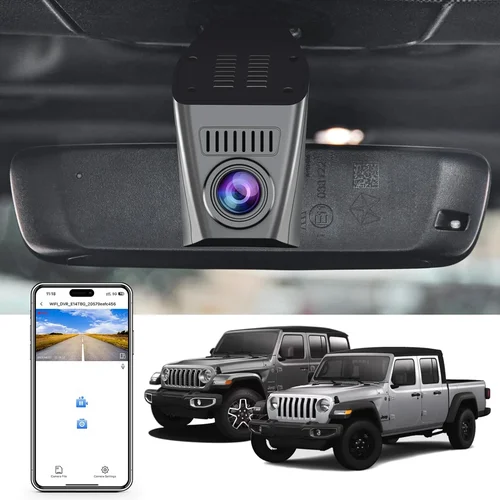
Not all mounting solutions provide equal stability or viewing angles, particularly in vehicles like Jeeps where dashboard configurations vary significantly between models and years. Generic mounting hardware might fit loosely, shift position, or create visual obstructions that compromise both safety and functionality.
Test different mounting approaches during your research phase and read reviews from owners of similar Jeep models to identify proven mounting strategies. Consider custom mounting brackets or adapter kits designed specifically for your vehicle make and model to ensure secure, stable installation without compromising interior aesthetics or driver visibility.
Budget Guidelines: How Much Should You Spend?
Entry-Level ($75 – $150)
Dash cams in this price range offer essential recording capabilities at accessible prices. While these models typically lack advanced features like GPS tracking or emergency event detection, they provide reliable performance for basic documentation needs. Entry-level devices usually feature 1080p resolution, loop recording, and straightforward installation procedures.
For casual drivers or those new to dash cam technology, entry-level options represent an excellent starting point that delivers core functionality without overwhelming complexity. These models work well for urban commuting, moderate highway driving, and general peace-of-mind protection during everyday transportation.
Mid-Range ($150 – $300)
The sweet spot for most Jeep owners, mid-range dash cams balance affordability with enhanced features and improved build quality. This category includes models with 2K or higher resolution, GPS integration, emergency event detection, and better durability ratings suitable for off-road conditions. Mid-range devices often offer expanded storage options and more sophisticated user interfaces.
For Jeep enthusiasts who drive both on-road and off-road regularly, mid-range dash cams provide the best combination of performance, features, and value. These models typically include weather-resistant construction, vibration resistance, and sufficient processing power to handle demanding recording scenarios without compromising reliability.
Premium ($300 – $600)
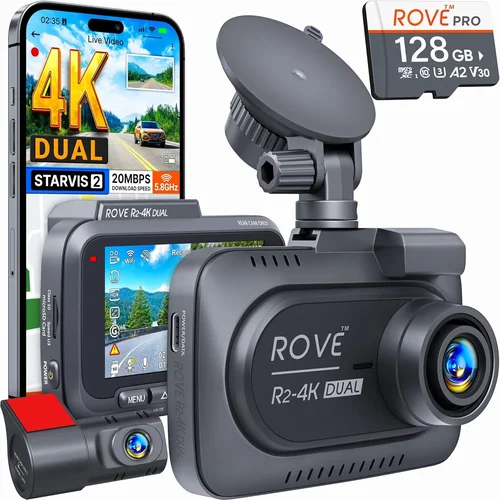
Premium dash cams deliver professional-grade performance with advanced features and exceptional build quality. These devices often include dual-lens systems, 4K resolution, superior night vision, cloud connectivity, and comprehensive parking surveillance capabilities. Premium models undergo rigorous testing for durability and performance under extreme conditions.
For serious Jeep owners who demand the absolute best performance and maximum protection, premium dash cams justify their higher price through superior image quality, enhanced reliability, and advanced functionality. These systems often include professional installation support, extended warranties, and dedicated customer service tailored to demanding applications.
Luxury ($600+)
Luxury dash cams represent the pinnacle of automotive recording technology, featuring cutting-edge sensors, AI-powered processing, and comprehensive multi-camera systems. These devices typically include three-lens configurations, advanced driver assistance features, real-time streaming capabilities, and sophisticated analytics software.
While luxury dash cams command significant investments, they offer unparalleled performance for professional drivers, fleet operators, or enthusiasts who require the absolute highest quality documentation and analysis capabilities. These systems often integrate with broader vehicle management platforms and provide enterprise-level support and maintenance services.
Expert Tips for Getting the Best Deal
Time Your Purchase Strategically
Timing your dash cam purchase can yield substantial savings without compromising quality. Major shopping holidays like Black Friday, Cyber Monday, and Memorial Day weekend typically feature significant discounts across the electronics category. Retailers often release new models in spring and fall, making previous generations eligible for clearance pricing during these transitions.
Consider purchasing during off-season periods when demand naturally decreases, such as late summer for dash cams since winter driving season hasn’t begun yet. Signing up for retailer newsletters and price alert services can notify you immediately when your desired models drop below target prices, allowing you to act quickly before stock runs out.
Compare Prices Across Multiple Retailers
Never settle for the first price you see—research extensively across different sales channels to identify the best deals. Online marketplaces like Amazon, Best Buy, B&H Photo Video, and manufacturer direct websites often feature competitive pricing with varying shipping terms and return policies. Local electronics retailers may offer bundle deals or installation services that online-only retailers cannot match.
Use price comparison tools and browser extensions that automatically track historical pricing trends, helping you distinguish legitimate discounts from temporary promotions. Reading customer reviews across multiple platforms provides additional insights into real-world performance and reliability that might influence your final decision.
Verify Warranty Coverage Terms
Carefully examine warranty terms before completing your purchase, paying particular attention to coverage limitations, claim procedures, and exclusions. Some warranties only cover manufacturing defects while excluding damage from normal wear and tear or improper installation. Understanding these distinctions prevents unpleasant surprises when seeking repairs or replacements.
Extended warranty programs offered at checkout often seem appealing but may duplicate existing coverage or include unnecessary protections. Evaluate whether extended warranties represent genuine value based on your usage patterns and the manufacturer’s reputation for reliability. Remember that many credit cards offer purchase protection that can supplement manufacturer warranties for added security.
Prioritize Return Policies
Flexible return policies provide essential protection when testing dash cam compatibility with your Jeep or evaluating performance under real-world conditions. Look for retailers offering generous return windows (typically 30-90 days) and hassle-free return procedures that don’t require original packaging or restocking fees.
Testing dash cams in your actual vehicle environment before committing long-term helps identify potential issues related to mounting compatibility, electrical interference, or performance limitations that might not appear during brief demonstration periods. If possible, arrange to test-drive with your dash cam installed to assess visibility, operation ease, and overall integration with your driving experience.
Consider Bundle Deals and Accessories
Many retailers offer bundle packages that include essential accessories like high-quality memory cards, additional mounting hardware, or professional installation services at discounted rates. These bundles can save money compared to purchasing items separately while ensuring you have everything needed for proper setup and operation.
When evaluating bundles, verify that included accessories meet your requirements rather than accepting inferior alternatives just to qualify for package pricing. Sometimes purchasing individual components separately results in better overall value despite appearing more expensive initially.
Frequently Asked Questions
Q: How do I choose the right memory card for my dash cam?
A: Selecting the appropriate memory card requires considering several factors including capacity, speed class, and compatibility. Look for cards with minimum write speeds of 20MB/s for 1080p recording and 30MB/s for 2K or higher resolutions. Class 10 or UHS-I/UHS-II ratings ensure sufficient performance for continuous recording without dropped frames or interrupted footage.
Always purchase memory cards from reputable manufacturers known for quality consistency and reliability. Third-party cards may offer lower prices but sometimes exhibit unpredictable performance that compromises recording integrity during critical moments.
Q: Can I install a dash cam myself, or should I hire a professional?
A: Many dash cams feature straightforward DIY installation processes requiring only basic tools and following provided instructions. Simple models with adhesive mounts and cigarette lighter power connections can typically be installed within 30 minutes by most users.
However, hardwired installations involving permanent electrical connections benefit from professional expertise to ensure proper wiring techniques, fuse placement, and compliance with electrical safety standards. Professional installation also provides peace of mind regarding warranty validity and long-term reliability.
Q: What resolution should I choose for my dash cam?
A: Resolution selection depends on your primary use cases and storage considerations. For general driving documentation and insurance claims, 1080p Full HD provides excellent image quality while minimizing storage requirements. If license plate clarity or facial identification is important, consider 2K or 4K resolution models that offer significantly improved detail capture.
Higher resolutions consume substantially more storage space, requiring larger memory cards or more frequent file management. Balance your resolution choice against anticipated usage patterns and available storage capacity to avoid compromising recording continuity.
Q: How long do dash cam batteries last during parking mode?
A: Parking mode battery life varies significantly based on device efficiency, power settings, and ambient temperatures. Most dash cams consume between 0.5 to 2 watts during parking surveillance, with battery depletion occurring anywhere from 8 hours to several days depending on your Jeep’s electrical system capacity and battery condition.
Using battery backup modules specifically designed for dash cam applications extends parking mode operation while protecting your vehicle’s main battery from excessive drain. These systems typically include voltage monitoring and automatic cutoff features to prevent complete battery discharge.
Q: Will a dash cam affect my Jeep’s resale value?
A: Properly installed dash cams generally enhance rather than detract from vehicle resale value by demonstrating responsible ownership and providing documented proof of maintenance and care. Potential buyers often appreciate having factory-installed or professionally mounted safety equipment already in place.
Avoid poorly installed units that create visible modifications, electrical hazards, or interior damage that could negatively impact perceived value. Professional installation with clean wiring and discreet mounting preserves interior aesthetics while maximizing functional benefits for future owners.
Q: Can I use multiple dash cams in my Jeep?
A: Installing multiple dash cams in a single vehicle is technically feasible but requires careful planning regarding power distribution, storage management, and legal compliance. Most jurisdictions prohibit obstructing driver visibility with additional cameras, limiting secondary units to non-viewing applications like interior monitoring or rear observation.
Power requirements multiply with additional devices, necessitating robust electrical systems or separate battery backup solutions to prevent draining your primary vehicle battery. Storage demands increase proportionally, requiring expanded memory capacity or cloud-based file management to accommodate extended recording volumes.
Q: How do I protect my dash cam from theft when parked?
A: Theft prevention involves both physical security measures and operational strategies tailored to your parking environments. Concealing your dash cam with dashboard covers or strategically positioning it away from obvious viewing angles reduces attractiveness to potential thieves. Using anti-theft mounting hardware or removable units allows quick detachment for enhanced security.
Operating in time-lapse mode during extended parking sessions conserves power while providing periodic documentation that discourages opportunistic theft attempts. Always park in well-lit, monitored areas whenever possible and consider additional security devices like steering wheel locks or tire clamps for comprehensive protection.
Q: What maintenance does my dash cam require?
A: Routine dash cam maintenance primarily involves keeping the lens clear of debris and ensuring proper storage management. Wipe the camera lens gently with a soft microfiber cloth during regular cleaning to prevent scratches or smudges that degrade image quality. Avoid harsh chemicals or abrasive materials that could damage protective coatings.
Regularly review and organize stored footage to prevent storage capacity overload and maintain access to critical recordings. Update firmware when manufacturers release improvements or bug fixes that enhance performance or add new features relevant to your usage patterns.
Our Final Recommendations
Best for Budget-Conscious Buyers
For Jeep owners seeking essential dash cam functionality without breaking the bank, the Garmin Dash Cam Mini represents an outstanding value proposition. Priced under $100, this compact device delivers reliable 1080p recording with automatic incident detection and seamless smartphone connectivity. Its ultra-compact design integrates virtually invisibly into any dashboard, while the simple installation process requires no professional assistance.
The Mini’s automatic upload feature to the Garmin Drive app provides convenient cloud storage without manual intervention, eliminating concerns about storage management. Despite its affordable price point, this model meets all essential requirements for reliable documentation during both daily commuting and weekend adventures, making it ideal for cost-conscious Jeep enthusiasts who refuse to compromise on safety and security.
Best Overall Value
The Thinkware U1000 emerges as the undisputed champion for Jeep owners seeking the perfect blend of performance, features, and reliability. Priced in the mid-range bracket, this dual-lens system delivers stunning 2K resolution with exceptional image stabilization that maintains clarity during rough trail rides and sudden maneuvers. The built-in GPS and Wi-Fi connectivity provide comprehensive tracking capabilities and effortless file sharing directly from your mobile device.
What truly distinguishes the U1000 is its robust build quality designed specifically for automotive environments, including superior temperature tolerance and vibration resistance that withstands extreme off-road conditions. Advanced parking surveillance modes with impact detection ensure round-the-clock protection, while the intuitive interface makes operation simple even for first-time dash cam users. This model consistently receives top ratings for both image quality and durability, representing the ultimate value proposition for serious Jeep adventurers.
Best Premium Option
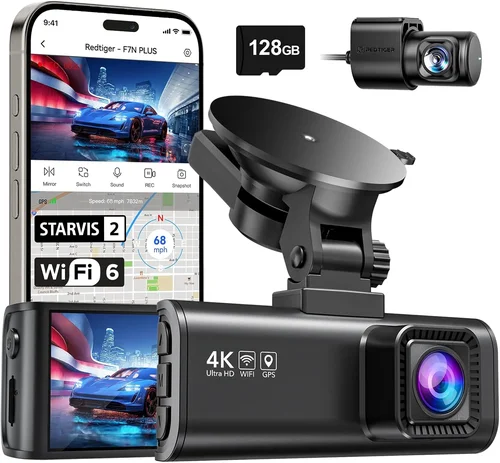
For discerning Jeep owners demanding professional-grade performance, the Blackvue DR970X-2CH stands unchallenged as the premium benchmark in dash cam technology. This dual-channel system features Sony STARVIS sensors that deliver breathtaking 2K resolution with unparalleled low-light sensitivity, ensuring crystal-clear footage during nighttime driving and challenging weather conditions.
The DR970X-2CH incorporates advanced features including built-in LTE connectivity for real-time monitoring, cloud storage integration, and sophisticated AI-powered detection algorithms that identify pedestrians, vehicles, and traffic signs with remarkable accuracy. Military-grade shock and vibration resistance, combined with IP65 water and dust protection, guarantee reliable operation in the harshest environments encountered by off-road enthusiasts. While commanding a premium price, this system’s comprehensive feature set and unmatched reliability justify its position as the ultimate investment for Jeep owners who demand nothing but the absolute best.
Best for Beginners
New to dash cam technology? The Viofo A119 V3 provides an excellent introduction to automotive recording without overwhelming complexity. With a user-friendly interface, straightforward installation process, and reliable 2K recording quality, this model strikes the perfect balance between capability and simplicity. The built-in G-sensor automatically detects and saves critical events while loop recording ensures continuous coverage without manual intervention.
What beginners particularly appreciate is the Viofo’s responsive customer support and extensive online documentation that guides users through every aspect of setup and operation. The affordable price point removes financial barriers to entry while delivering sufficient performance for most driving scenarios encountered by average Jeep owners. As your comfort and confidence grow, you can easily upgrade to more advanced systems knowing your foundation is solid and dependable.
Best for Advanced Users
Experienced Jeep owners who require maximum functionality and customization options will find the Ewent EW2900 to be the ultimate solution. This professional-grade dash cam features a modular design that supports multiple camera configurations, advanced video analytics, and comprehensive fleet management capabilities. The 4G LTE connectivity enables real-time remote monitoring and instant alert notifications, while the powerful processing engine handles complex recording scenarios without performance degradation.
For advanced users who frequently tow trailers, participate in organized trail rides, or require detailed documentation for insurance or legal purposes, the EW2900’s extensive feature set and customizable parameters provide unprecedented control over recording quality and data management. The ruggedized construction and professional-grade components ensure reliable operation in even the most demanding conditions, making this system the preferred choice for serious off-road enthusiasts who demand absolute reliability and comprehensive functionality.
Conclusion: Making the Right Choice
Selecting the best dash cam for your Jeep ultimately depends on balancing your specific needs, budget constraints, and usage patterns against available features and performance capabilities. No single model represents the perfect solution for every Jeep owner, but by understanding the key considerations outlined throughout this comprehensive guide, you can make an informed decision that maximizes value while meeting your personal requirements.
Remember that a dash cam serves as your vehicle’s vigilant eye, documenting your journeys, protecting your investment, and providing peace of mind whether you’re navigating city streets or conquering mountain trails. Prioritize features that align with your driving habits—whether that means enhanced night vision for nighttime trail adventures, robust build quality for extreme off-road conditions, or advanced parking surveillance for urban environments.
Take advantage of the expert tips provided throughout this guide, particularly regarding timing your purchase, comparing retailer offerings, and thoroughly testing installation options before committing to a specific model. Don’t hesitate to leverage professional installation services when dealing with complex wiring requirements or seeking optimal mounting positions that maintain both functionality and aesthetic appeal.
As you embark on your dash cam journey, remember that this technology continues to evolve rapidly, with new innovations emerging regularly that enhance safety, convenience, and documentation capabilities. Stay informed about technological advancements while remaining grounded in your specific needs and realistic expectations about what constitutes “the best” solution for your unique situation.
Your Jeep deserves the protection and documentation capabilities that a quality dash cam provides, transforming it from merely transportation into a comprehensive safety and security system that travels with you wherever your adventures take you. Make your choice wisely, install it properly, and enjoy the peace of mind that comes with knowing your vehicle is always watching over you and your loved ones.