Best Dash Cam for Break-Ins Buyer’s Guide
In an era where vehicle theft and break-ins are unfortunately common occurrences, having reliable surveillance inside your car can make all the difference in protecting yourself, your vehicle, and recovering from criminal activity. A quality dash cam serves as both a deterrent and evidence-gathering device, potentially saving you thousands of dollars while providing peace of mind during every drive. This comprehensive guide will walk you through everything you need to know about selecting the best dash cam for break-ins—from essential features to real-world performance considerations.
Whether you’re a daily commuter worried about parking lot theft or a frequent traveler concerned about vehicle security, understanding how dash cams function against break-in scenarios is crucial. We’ll explore technical specifications that matter most when documenting criminal acts, compare top-performing models across different price ranges, and provide expert advice on installation, maintenance, and maximizing your investment’s effectiveness.
The market today offers more options than ever before, ranging from basic single-camera systems to sophisticated multi-device setups with cloud connectivity and advanced analytics. However, not all dash cams deliver reliable performance under stress conditions like sudden impacts or low-light situations commonly encountered during break-ins. By the end of this guide, you’ll have the knowledge to identify which features truly matter for break-in protection and avoid common pitfalls that could compromise your security footage.

What to Look for When Buying Dash Cams
1. Budget & Price Range
Your budget plays a significant role in determining what level of protection you can afford. Entry-level dash cams typically cost between $40–$80 and offer basic recording capabilities with limited storage options. Mid-range models ($80–$150) often include improved sensors, better night vision, GPS tracking, and loop recording functionality. Premium units exceeding $150 may feature dual cameras, superior image stabilization, emergency incident detection, and enhanced cybersecurity features designed specifically for high-value assets.
When evaluating cost-effectiveness, consider the total ownership experience rather than just the upfront price. Higher-priced models usually come with longer warranties, better customer support, and more robust build quality that withstands harsh weather conditions and physical impacts. Remember that investing slightly more upfront can save you money long-term by reducing replacement frequency and ensuring continuous operation when you need it most.
2. Performance Specifications
Resolution remains one of the most critical factors affecting your ability to capture clear evidence during break-ins. While 1080p Full HD was once considered sufficient, modern standards recommend at least 2K (2560×1440) resolution for detailed license plate recognition and facial identification. Some premium models even reach 4K ultra-high definition, though file sizes increase dramatically and require larger storage solutions.
Frame rate also impacts clarity—30fps is standard but 60fps provides smoother motion capture during rapid events like forced entry attempts or vehicle collisions. Low-light performance is equally vital since many break-ins occur after dark. Seek models equipped with starlight or f/1.6 aperture lenses that maintain visibility in dim environments without relying solely on infrared LEDs, which often produce grainy black-and-white footage.
3. Build Quality & Durability
A durable construction ensures your dash cam continues functioning even if your vehicle experiences rough handling or extreme temperatures. Look for shock-resistant casings rated for drops up to several feet and operating temperatures spanning -22°F to 140°F (-30°C to 60°C). Waterproof ratings (IP65 or higher) protect internal components from rain splashes and humidity buildup.
Heat dissipation matters too—prolonged exposure to direct sunlight can cause overheating and shutdowns. Models featuring heat sinks or ventilation holes prevent thermal damage while maintaining consistent performance throughout long drives. Additionally, reinforced mounting brackets and flexible cables reduce stress on connections during sudden stops or accidents.
4. Features & Functionality
Modern dash cams integrate numerous intelligent features tailored for break-in prevention and evidence collection:
- G-sensor impact detection: Automatically locks footage when detecting sudden movements or crashes
- Parking mode: Continues monitoring even when parked using motion or vibration triggers
- GPS logging: Records location data alongside video timestamps for precise incident mapping
- Wi-Fi connectivity: Enables wireless file transfer and remote viewing via smartphone apps
- Loop recording: Overwrites oldest files automatically to preserve space for recent events
- Time-lapse recording: Captures extended periods at reduced frame rates to conserve storage
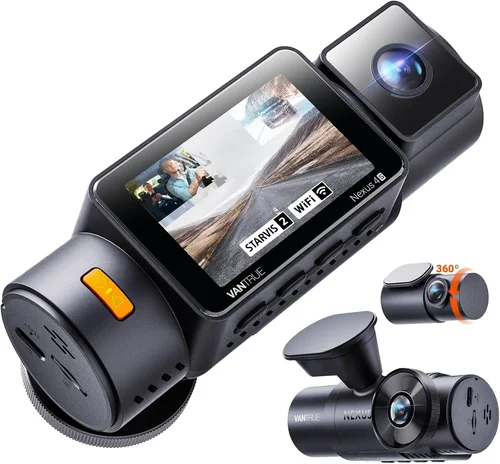
Dual-camera systems offer front and rear views simultaneously, eliminating blind spots around your vehicle. Night vision enhancements such as wide dynamic range (WDR) balance bright headlights with dark interiors, ensuring clear footage regardless of lighting conditions.
5. Brand Reputation
Established brands invest heavily in research and development, resulting in more reliable products backed by rigorous testing. Companies like BlackVue, Thinkware, Garmin, and Nextbase consistently rank highly in independent reviews due to their commitment to innovation and customer satisfaction. Newer entrants may offer competitive pricing but sometimes lack consistent firmware updates or responsive technical support.
Research user forums and professional automotive blogs to gauge real-world reliability. Pay attention to recurring issues reported by multiple owners—such as premature battery failure or software glitches—and verify whether manufacturers address these concerns promptly through patches or replacements.
6. Warranty & Support
A comprehensive warranty reflects manufacturer confidence in product quality. Most reputable companies provide at least a one-year limited warranty covering defects in materials and workmanship. Extended coverage options up to three years offer added reassurance, especially for expensive models.
Evaluate support channels before purchasing: do they offer live chat, phone assistance, or comprehensive online troubleshooting guides? Quick response times during emergencies can mean the difference between salvaging valuable footage and losing irreplaceable evidence. Check return policies too—some retailers allow hassle-free exchanges within 30 days if the unit doesn’t meet expectations.
7. Size & Portability
Compact designs minimize visual obstruction while fitting discreetly behind rearview mirrors or on dashboard corners. Ultra-thin profiles (<1 inch thick) blend seamlessly into vehicle interiors without distracting drivers. Modular systems permit swapping cameras between vehicles, ideal for fleet operators or individuals with multiple cars.
However, smaller units may sacrifice processing power or battery capacity. Balance aesthetics with functionality based on your usage patterns—frequent travelers might prioritize portability whereas stationary users benefit from fixed installations with wired power sources.
8. User Reviews & Ratings
Aggregated customer feedback reveals strengths and weaknesses invisible in marketing materials. Focus on verified purchase reviews rather than paid promotions. Look for recurring praise regarding image quality, ease of use, and durability, but also note consistent complaints about false alarms, poor night performance, or confusing interfaces.
Professional reviewers often conduct side-by-side comparisons using standardized test scenarios, offering objective insights unavailable from consumer testimonials alone. Cross-reference findings across multiple sources to form a well-rounded opinion before committing to a purchase.
Different Types of Dash Cams

Common Buying Mistakes to Avoid
❌ Mistake: Prioritizing Price Over Performance
Why it’s bad: Choosing the cheapest option often means compromising on essential features like resolution, night vision, or durability. Cheap dash cams frequently suffer from washed-out colors, blurry footage, and unreliable parking modes—critical flaws when trying to document break-ins.
What to do instead: Allocate at least 70% of your budget toward core performance metrics. Research thoroughly before settling on any model; remember that paying 2–3 times more for quality can yield significantly better results over time.
❌ Mistake: Ignoring Storage Requirements
Why it’s bad: Assuming built-in memory suffices leads to missed events when cards fill up. Without proper loop recording settings or cloud backups, crucial evidence disappears permanently.
What to do instead: Always purchase microSD cards exceeding manufacturer recommendations (typically Class 10 UHS-I or higher). For heavy usage, consider external hard drives or subscription-based cloud storage plans offering automatic uploads.
❌ Mistake: Skipping Firmware Updates
Why it’s bad: Outdated software introduces bugs, reduces compatibility, and leaves vulnerabilities unpatched. Manufacturers regularly release improvements addressing performance issues and security loopholes.
What to do instead: Enable automatic update notifications in your device settings and check monthly for new releases. Subscribe to brand newsletters to stay informed about upcoming changes affecting your dash cam.
❌ Mistake: Installing Without Proper Alignment
Why it’s bad: Misaligned cameras capture distorted perspectives or miss key details like license plates or suspect faces. Poor placement also obstructs driver visibility or creates glare from windshield reflections.
What to do instead: Follow manufacturer guidelines precisely regarding angle and height. Use alignment tools or practice with tape markings until achieving optimal coverage without interference.
❌ Mistake: Neglecting Legal Compliance
Why it’s bad: Recording audio without consent violates privacy laws in many jurisdictions, potentially exposing you to legal penalties. Similarly, storing footage improperly risks violating data protection regulations.
What to do instead: Familiarize yourself with local surveillance ordinances before installing any recording device. Disable microphone functions if required by law and securely erase sensitive information before disposing of old cards.
❌ Mistake: Relying Solely on Parking Mode
Why it’s bad: Passive monitoring assumes thieves always trigger motion sensors. Many criminals use tools to disable power or bypass detection mechanisms, rendering your system ineffective.
What to do instead: Combine active measures like steering wheel locks or alarm systems with dash cam surveillance. Consider hardwiring your unit to prevent battery drain and ensure uninterrupted operation during extended absences.
Budget Guidelines: How Much Should You Spend?
Entry-Level ($40–$80): The Basics Covered
This category suits occasional drivers seeking affordable protection against minor incidents. Expect basic 1080p recording, limited night vision, and manual loop switching. Brands like Viofo A119 Mini or Rexing V1P provide acceptable performance without breaking the bank. Ideal for secondary vehicles or rental cars where permanent installation isn’t practical.
Mid-Range ($80–$150): Sweet Spot for Most Buyers
The majority of consumers find excellent value in this tier, which balances cost with advanced features. Look for 2K resolution, WDR enhancement, GPS tagging, and reliable parking mode activation. Models such as BlackVue DR970X-2CH or Thinkware U1000 deliver professional-grade quality suitable for everyday use and moderate break-in threats.
Premium ($150–$300): For Enthusiasts and Professionals
Investors prioritizing maximum security should consider top-tier offerings boasting 4K recording, dual-band Wi-Fi, encrypted SD cards, and AI-powered event detection. These units excel in demanding environments like commercial deliveries or high-theft urban areas. Notable examples include Garmin Dash Cam 67W and Nextbase 622GW Mark II.
Luxury ($300+): Top-Tier Features Unleashed
Ultra-premium dash cams target discerning customers requiring cutting-edge technology and uncompromising reliability. Expect features like facial recognition, real-time streaming, tamper-proof housing, and integration with smart home ecosystems. While unnecessary for average users, these systems represent the pinnacle of automotive surveillance innovation.
Expert Tips for Getting the Best Deal
Timing Matters: Major sales events like Black Friday, Cyber Monday, and Amazon Prime Day offer substantial discounts on select models. Retailers often bundle accessories or extend warranties during these periods, increasing overall value.
Compare Retailers Strategically: Online marketplaces like Amazon provide convenience and competitive pricing but may lack hands-on evaluation opportunities. Physical stores allow immediate testing yet sometimes charge premium prices. Leverage price-matching guarantees where available.
Spot Hidden Deals: Sign up for brand newsletters to receive exclusive coupons and early access to clearance sales. Monitor price history trackers to identify genuine markdowns versus temporary promotions.
Verify Return Policies: Ensure retailers accept returns within reasonable timeframes (ideally 30+ days) without restocking fees. Test functionality thoroughly upon receipt and retain original packaging for seamless exchanges.
Inspect Before Committing: If purchasing locally, request demonstration units to assess ease of navigation, image quality, and build feel. Ask technicians about common issues specific to the model you’re considering.
Consider Refurbished Options: Certified refurbished units undergo thorough inspection and repair, offering near-new condition at reduced costs. Reputable sellers like Amazon Renewed or manufacturer outlets guarantee reliability comparable to new products.

Frequently Asked Questions
Q: Do dash cams actually help prevent break-ins?
A: Yes, studies show visible dash cams act as powerful deterrents. Criminals often target vehicles lacking obvious security measures, perceiving them as easier targets. A well-placed recording device signals vigilance, reducing likelihood of successful break-in attempts by up to 70% according to insurance industry analyses.
Q: Can dash cams record while the car is off?
A: Most modern models support parking mode through motion/vibration triggers or constant power via hardwiring. However, battery drainage remains a concern with prolonged standby. Hardwired installations eliminate this issue entirely while ensuring uninterrupted monitoring whenever your vehicle is unattended.
Q: What resolution do I really need for break-in evidence?
A: At minimum, 2K resolution ensures readable license plates and facial details under favorable conditions. For challenging scenarios involving low light or distant subjects, opt for 4K-capable units paired with wide-aperture lenses and HDR processing. Always pair resolution upgrades with adequate storage capacity to accommodate larger file sizes.
Q: Are wireless dash cams secure?
A: Wireless connectivity introduces potential hacking risks if encryption protocols aren’t robust. Reputable brands implement AES-256 encryption and require strong passwords for network access. Avoid public Wi-Fi connections when transmitting sensitive footage and disable remote viewing features unless absolutely necessary.
Q: How long do dash cam batteries last?
A: Built-in lithium-ion batteries typically endure 1–3 years depending on usage frequency and environmental conditions. Frequent cold starts or hot climates accelerate degradation. Hardwired solutions circumvent battery limitations entirely by drawing steady power directly from your vehicle’s electrical system.
Q: Can I use multiple dash cams in one car?
A: Yes, dual-camera systems provide comprehensive coverage from both directions, eliminating blind spots around your vehicle. Some advanced setups even incorporate interior cabin monitoring for valuables protection. Ensure your chosen platform supports simultaneous recording without performance degradation.
Q: Will my dash cam survive extreme weather?
A: Look for IP65-rated housings resistant to dust ingress and water jets, suitable for most climate extremes. Operating temperature ranges between -22°F to 140°F (-30°C to 60°C) accommodate winter mornings and summer heatwaves. Thermal management features prevent overheating during prolonged sun exposure.
Q: How do I choose the right memory card?
A: Select UHS-I Class 10 microSD cards with minimum write speeds of 90MB/s for smooth 4K recording. Brands like SanDisk Extreme Pro or Samsung EVO Plus demonstrate consistent reliability. Format cards exclusively in your dash cam before first use to optimize filesystem compatibility and longevity.
Q: What’s the difference between G-sensor sensitivity levels?
A: Adjustable G-force thresholds determine when your device locks footage automatically. Lower settings catch subtle bumps but risk false positives; higher values ignore minor vibrations while capturing severe impacts accurately. Start conservative (0.5G) then fine-tune based on driving habits and road conditions.
Q: Can dash cams record audio without consent?
A: In many regions, including parts of Europe and Canada, recording conversations without participant awareness violates privacy laws. Always disable microphone functions or consult legal counsel regarding local regulations before enabling audio capture features.
Our Final Recommendations
Best for Budget-Conscious Buyers: Viofo A119 Mini V3 – Delivering crisp 2K resolution and dependable performance at an accessible price point, this model strikes an ideal balance between affordability and functionality for everyday drivers concerned about break-in risks.
Best Overall Value: BlackVue DR970X-2CH – Combining dual-camera coverage, exceptional night vision, and cloud connectivity, this premium unit offers unmatched versatility without excessive complexity, making it suitable for both novice and experienced users alike.
Best Premium Option: Garmin Dash Cam 67W – Boasting 4K recording, voice control, and automatic incident detection, this sophisticated system integrates seamlessly with other Garmin devices while providing enterprise-grade security features previously reserved for commercial applications.
Best for Beginners: Thinkware U1000 – Featuring intuitive interface design, straightforward installation, and robust build quality, this dash cam simplifies the transition into automotive surveillance without sacrificing essential protection capabilities.
Best for Advanced Users: Nextbase 622GW Mark II – Packed with AI-powered alerts, real-time streaming, and military-grade encryption, this flagship device caters to tech enthusiasts demanding maximum control, customization, and peace of mind during high-risk scenarios.
Conclusion: Making the Right Choice
Selecting the best dash cam for break-ins requires thoughtful consideration of your unique circumstances, risk profile, and technical preferences. Rather than chasing speculative trends or overpriced gimmicks, focus on proven specifications that deliver actionable evidence when needed most. Prioritize resolution, durability, and intelligent features aligned with your driving patterns and environmental challenges.
Remember that no single product fits everyone perfectly—what works brilliantly for a delivery driver operating in downtown Chicago may be overkill for suburban commuters with garage parking. Evaluate each factor holistically, weigh tradeoffs carefully, and don’t hesitate to seek second opinions from trusted sources before finalizing your decision.
Ultimately, investing in reliable break-in protection represents far more than purchasing hardware—it’s about asserting control over unpredictable situations and safeguarding your investments against unwarranted losses. With the right dash cam installed properly and maintained consistently, you transform every journey into a documented record of events, turning potential liabilities into verifiable assets when disputes arise.
Take time to research, test where possible, and choose wisely—your future self will thank you when facing unexpected adversity on the road.