Smart Dash Cam Buying Guide for Break-Ins
When it comes to protecting your vehicle from theft and break-ins, a dash cam isn’t just about capturing road footage — it’s about creating a powerful deterrent and providing undeniable evidence when incidents occur. In today’s world, where vehicle break-ins are alarmingly common, having a reliable recording system inside your car can mean the difference between frustration and justice. This comprehensive buying guide will walk you through everything you need to know about selecting the best dash cam for break-ins, helping you make an informed decision that fits both your security needs and your budget.
By the end of this article, you’ll understand how dash cams work as crime deterrents, what technical specifications matter most for break-in protection, and which features actually deliver real value versus marketing hype. You’ll learn why certain brands stand out in the market, how to avoid common purchasing mistakes, and get expert recommendations tailored to different user types and budgets. Whether you’re a daily commuter concerned about parking lot theft, a rideshare driver protecting your livelihood, or someone who wants peace of mind knowing their vehicle is monitored 24/7, this guide has you covered.
The dash cam market has exploded over the past decade, with dozens of models ranging from basic $50 recorders to sophisticated AI-powered systems costing over $500. While many consumers focus solely on video quality and price, the reality is that break-in prevention requires considering multiple factors including storage capacity, night vision capabilities, GPS tracking, parking mode functionality, and cloud connectivity. Understanding these elements will help you choose equipment that not only records potential criminal activity but also provides actionable intelligence when you need it most.

What to Look for When Buying Dash Cams
1. Video Quality & Resolution
The foundation of any effective break-in prevention system starts with clear, high-quality video footage. For break-in scenarios specifically, you need resolution that captures license plates, facial features, and detailed actions clearly enough to be admissible in court if needed. Most modern dash cams offer at least 1080p resolution, but 2K and 4K models provide significantly better detail for identifying suspects and documenting damage.
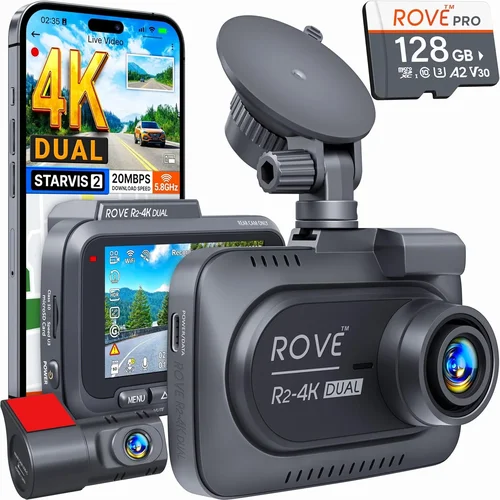
However, resolution alone isn’t everything. Look for cameras with good low-light performance using larger image sensors (like Sony STARVIS) and wide dynamic range (WDR) technology. These features ensure that both well-lit and shadowy areas of your vehicle remain visible during nighttime break-ins. The camera should maintain color accuracy even in challenging lighting conditions — grayscale or overly processed footage can make identification difficult later.
Frame rate matters too; 60fps recording provides smoother motion capture than standard 30fps, making it easier to track fast movements during break-in attempts. Some premium models even offer variable frame rates that adjust based on driving conditions, ensuring optimal file sizes without sacrificing critical detail.
2. Storage Capacity & Loop Recording
Continuous recording is essential for break-in protection since thieves often strike when you’re away from your vehicle. Most dash cams use microSD cards for storage, typically ranging from 32GB to 256GB or more. For break-in scenarios, aim for at least 64GB minimum, with 128GB being ideal for extended recording sessions.
Loop recording automatically overwrites the oldest files when storage fills up, ensuring continuous coverage without manual intervention. However, some models feature “event-triggered” loop recording where important clips are protected from being overwritten. This is crucial for break-in prevention since you never know exactly when suspicious activity might occur.
Consider how long you want recording retention: 32GB typically holds 2-4 hours of 1080p footage, while 128GB can store 8-16 hours depending on compression settings. Higher resolutions require more space — a 2K dash cam will fill a 64GB card faster than a 1080p model. Also factor in whether your camera supports exFAT formatted cards (required for capacities above 32GB).
3. Night Vision Capabilities
Break-ins happen most frequently during nighttime hours when visibility is poor and surveillance is minimal. Your dash cam must perform exceptionally well in low-light conditions to capture meaningful evidence. Modern dash cams use several technologies to enhance night vision:
- Sony STARVIS sensors: Provide superior sensitivity to light, capturing clearer images in darkness compared to older CMOS sensors
- Infrared LEDs: Some models include built-in IR illuminators for true night vision, though these may create red glow visible in recordings
- Wide Dynamic Range (WDR): Balances exposure between bright headlights and dark interiors
- Noise reduction algorithms: Clean up grainy footage while preserving important details
Look for cameras rated for specific lux levels (lower numbers indicate better low-light performance). Professional-grade models typically handle 0.1 lux or lower, meaning they can record meaningful footage in near-total darkness. Test footage from user reviews will give you the best indication of actual night vision performance.
4. Parking Mode Functionality
This is arguably the most important feature for break-in prevention since most vehicle crimes occur when you’re not present. Parking mode activates when your car is turned off and plugged into power, continuing to monitor and record any movement around your vehicle.
There are several types of parking mode operation:
- Motion detection: Records only when movement is detected near your car
- Time-lapse recording: Captures periodic still frames at reduced resolution to conserve storage
- G-sensor triggered: Activates full recording when sudden impacts suggest break-in attempts
- Hardwired installation: Provides continuous power without draining your battery
For maximum protection, choose a dash cam with multiple parking mode options. Motion detection saves storage by ignoring false triggers like passing animals or debris, while impact detection ensures you capture break-in attempts even if there’s no visible movement. Hardwiring eliminates battery drain concerns and ensures uninterrupted monitoring.
5. Field of View & Lens Quality
A wider field of view helps capture more of your surroundings, increasing the chances of catching suspicious activity around your vehicle. Most dash cams offer between 120° to 170° viewing angles, with 150° being a sweet spot for balancing coverage and distortion control.
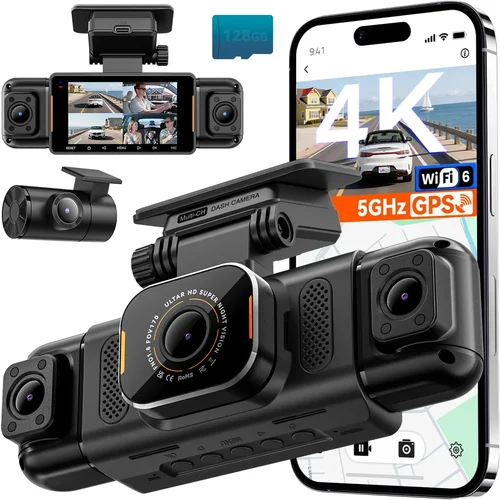
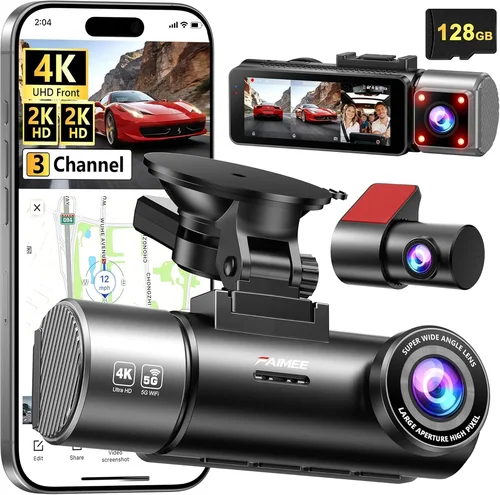
Ultra-wide lenses (170°+) can create fish-eye effects that distort distant objects, making license plate identification difficult. Look for cameras with advanced lens correction software that minimizes distortion while maintaining wide coverage. Some models use multiple lenses (dual-channel setups) to provide overlapping fields of view for complete vehicle coverage.
Lens quality also affects image clarity and color reproduction. Glass lenses generally outperform plastic alternatives in terms of optical performance and durability. Check reviews for edge-to-edge sharpness and chromatic aberration (color fringing around objects), which can compromise evidence quality.
6. GPS Tracking & Location Services
GPS functionality adds valuable context to your recordings by embedding location data directly into video files. This information becomes crucial when reporting break-ins to authorities or insurance companies, providing exact coordinates of where incidents occurred.
Some dash cams go beyond basic GPS by offering:
- Speed logging: Documents vehicle speed for accident reconstruction or traffic violation evidence
- Route tracking: Creates maps showing your driving patterns over time
- Geo-fencing: Alerts you when your vehicle enters or leaves designated areas
While GPS doesn’t directly prevent break-ins, it enhances the evidentiary value of your recordings. Ensure your chosen model includes free GPS data access without subscription fees — many manufacturers charge monthly for this service after the initial period.
7. Cloud Connectivity & Remote Monitoring
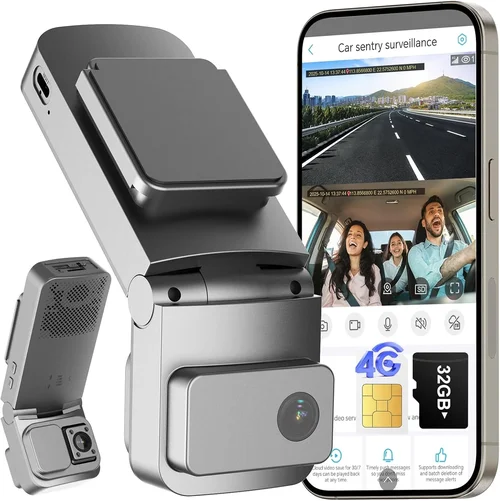
Modern dash cams increasingly offer cloud-based features that significantly improve break-in response capabilities. These include real-time alerts sent to your smartphone when motion or impact is detected, live streaming of current footage, and secure cloud storage accessible from anywhere.
Cloud-connected dash cams typically require:
- Wi-Fi connectivity: For initial app setup and firmware updates
- Mobile app integration: iOS and Android apps for remote viewing and management
- Subscription services: Often required for advanced features like cloud storage or real-time alerts
While convenient, consider the privacy implications of always-on internet connectivity. Some users prefer local-only storage for sensitive situations where data security is paramount. Evaluate whether the added convenience outweighs potential privacy concerns based on your specific needs.
8. Build Quality & Durability
Your dash cam will face harsh conditions — extreme temperatures, humidity, dust, and physical shocks. Poor build quality can lead to premature failure when you need your device most. Look for cameras with:
- Weather sealing: IP ratings indicating resistance to dust and water
- Temperature tolerance: Operating ranges from -4°F to 140°F (-20°C to 60°C)
- Shock resistance: Ability to withstand drops or impacts during installation
- Heat dissipation: Proper ventilation to prevent overheating in hot climates
Professional-grade dash cams often feature metal housings instead of plastic, providing better heat management and physical protection. Check customer reviews for reports of failure under normal operating conditions — many cheap models develop issues within months of purchase.
9. Ease of Installation & Use
Complex installations increase the likelihood of errors that could compromise your dash cam’s effectiveness. Consider how easily the unit mounts to your windshield and whether it obstructs your view while driving. Most dash cams use suction cup or adhesive mounts, with adhesive providing more secure attachment but requiring careful application.
User interface simplicity is equally important. Look for intuitive menus, clear button layouts, and helpful indicators for recording status. Some models feature voice commands or smartphone app controls that reduce distraction while driving. Quick-access buttons for emergency recording (manual lock) are valuable for capturing unexpected events.
Installation difficulty varies significantly between models. Basic units can be installed in minutes, while advanced systems with dual cameras or hardwiring may require professional assistance. Factor in whether you’re comfortable with DIY electronics projects or need to budget for installation services.
10. Warranty & Customer Support
Dash cams are electronic devices subject to wear and occasional failure. A strong warranty provides peace of mind and financial protection against defects. Most reputable brands offer at least a one-year warranty, with premium models providing two years or more.
Beyond warranty length, evaluate the quality of customer support. Look for companies with:
- Responsive phone/email support: Quick response times for troubleshooting
- Comprehensive online resources: User manuals, FAQs, and video tutorials
- Replacement programs: Free repairs or replacements for defective units
- Software update availability: Regular firmware improvements for new features
Check independent review sites for reported experiences with customer service — some brands advertise generous warranties but make claims processing difficult. Read the fine print regarding what’s covered (labor costs, shipping fees) and what’s excluded (water damage, accidental drops).
Different Types of Dash Cams

Common Buying Mistakes to Avoid
❌ Mistake: Prioritizing Price Over Features
Why it’s bad: Choosing the cheapest option often means sacrificing critical break-in prevention features like adequate night vision, reliable parking mode, or sufficient storage capacity. Low-cost dash cams frequently use inferior sensors that produce grainy, unusable footage in low light — precisely when break-ins are most likely to occur.
What to do instead: Set a realistic budget based on your security needs rather than simply going for the lowest price. Invest in features that directly address break-in risks: look for cameras with proven night vision performance, robust parking mode functionality, and reliable build quality. Remember that a $150 dash cam that reliably captures usable evidence is far more valuable than a $50 model that fails when you need it most.
❌ Mistake: Ignoring Parking Mode Requirements
Why it’s bad: Many buyers assume dash cams automatically protect their vehicles when parked, but this isn’t universally true. Some budget models either lack parking mode entirely or require expensive accessories to enable it. Without proper parking protection, you lose the primary benefit of break-in prevention.
What to do instead: Verify that your chosen dash cam includes genuine parking mode functionality before purchasing. Ensure it works with your vehicle’s power system (either through cigarette lighter or hardwiring) and uses a capacitor-based power source rather than a battery. Test the parking mode during your research phase by watching user videos showing motion detection and impact alerts.
❌ Mistake: Overlooking Storage Management
Why it’s bad: Assuming any microSD card will work often leads to storage issues. Many users discover too late that their dash cam doesn’t support high-capacity cards or requires specific formatting (exFAT vs FAT32). Additionally, failing to set appropriate recording intervals can either waste storage space or miss critical events due to rapid overwriting.
What to do instead: Calculate your storage needs based on expected usage patterns. For break-in protection, allocate enough space for 2-4 hours of continuous parking mode recording plus regular driving footage. Purchase a reputable brand’s recommended microSD card (often sold separately) and verify compatibility before installation. Consider models with built-in storage management that automatically handles file rotation and protection of important clips.
❌ Mistake: Neglecting Real-World Performance Testing
Why it’s bad: Manufacturer specifications often exaggerate capabilities. Relying solely on advertised features like “4K recording” or “superior night vision” without seeing actual performance can lead to disappointment. Many cameras look impressive on paper but struggle with practical issues like excessive glare, poor color reproduction, or unreliable motion detection.
What to do instead: Watch multiple user-generated videos showing real-world performance, especially in low-light conditions relevant to break-in scenarios. Pay attention to how well the camera handles direct sunlight, night scenes, and edge-to-edge clarity. Read independent reviews from trusted sources that test features objectively rather than relying on manufacturer claims. Visit local stores to see demo units if possible.
❌ Mistake: Focusing Only on Video Quality
Why it’s bad: While clear video is essential, other factors like GPS accuracy, microphone quality, and alert systems contribute significantly to break-in prevention effectiveness. A camera with stunning 4K video but inaccurate GPS timestamps provides less useful evidence when reporting incidents. Similarly, poor audio quality may miss crucial verbal threats or breaking sounds.
What to do instead: Evaluate all components holistically rather than focusing exclusively on video resolution. Check GPS accuracy by comparing recorded locations to actual routes. Test audio recording quality in various environments to ensure it captures conversations and environmental sounds clearly. Assess the overall system reliability including startup times, menu navigation, and notification alerts.
❌ Mistake: Underestimating Installation Complexity
Why it’s bad: Assuming simple plug-and-play installation leads to improper mounting, cable routing issues, or power problems. Complex installations can result in poor visibility obstruction, loose connections, or incorrect wiring that compromises functionality. Some advanced features like hardwiring or dual-camera setups require technical knowledge beyond typical DIY skills.
What to do instead: Research installation requirements thoroughly before purchasing. Watch detailed installation videos for your specific model to understand cable management challenges. Budget extra time and potentially professional installation services for complex setups. Choose mounting systems that allow easy adjustment and removal without damaging your windshield. Plan cable routing paths carefully to avoid blocking airbags or obstructing driver visibility.
❌ Mistake: Overlooking Software and App Limitations
Why it’s bad: Many smart dash cams require companion apps for full functionality, but these apps often have bugs, limited features, or require subscriptions for advanced capabilities. Users discover that cloud storage, real-time alerts, or route mapping require ongoing payments after initial purchase, turning what seemed like an affordable solution into a recurring expense.
What to do instead: Review the complete feature list including any subscription requirements before buying. Check app store ratings and recent update history to assess stability and developer support. Verify that essential break-in prevention features like motion alerts and cloud access don’t require paid subscriptions. Consider whether the app ecosystem matches your technical comfort level and smartphone platform preferences.
Budget Guidelines: How Much Should You Spend?
Entry-Level ($50 – $100): The Foundation of Protection
This price range offers basic dash cam functionality suitable for occasional use and fundamental break-in monitoring. While these models won’t match premium features, they provide essential recording capabilities for budget-conscious buyers. Expect 1080p resolution, basic motion detection, and straightforward installation. Brands like Viofo, Rexing, and Z-Edge offer reliable entry-level options with decent build quality and acceptable performance.
At this tier, prioritize reliable parking mode functionality, adequate low-light performance, and compatibility with standard microSD cards. Avoid ultra-cheap models below $50 that often use outdated sensors and lack necessary features. Even within this range, significant variation exists — research thoroughly to find the best balance of price and capability. These dash cams work well for secondary vehicles or drivers who primarily need basic documentation rather than comprehensive break-in protection.
Mid-Range ($100 – $200): The Sweet Spot for Most Buyers
This category represents the optimal value proposition for most drivers seeking comprehensive break-in protection without overspending. Mid-range dash cams typically deliver 2K or higher resolution, superior night vision using advanced sensors, robust parking mode options, and additional features like GPS tracking and Wi-Fi connectivity. Brands such as BlackVue, Thinkware, and Garmin lead this segment with proven reliability and excellent customer support.
The mid-range sweet spot includes cameras with Sony STARVIS sensors, wide dynamic range technology, and reliable loop recording management. You’ll find models offering both capacitor-based and lithium battery parking modes, multiple mounting options, and user-friendly interfaces. This price range covers the majority of legitimate break-in prevention needs for everyday drivers, commuters, and rideshare operators who want professional-grade features at consumer pricing.
Premium ($200 – $400): For Enthusiasts and Professionals
Premium dash cams deliver top-tier performance with cutting-edge features designed for serious users and demanding applications. These systems often include 4K recording, advanced AI capabilities, sophisticated parking mode options, and enterprise-grade build quality. Expect premium materials, excellent low-light performance, and comprehensive accessory ecosystems including rear-view cameras and mobile apps with extensive functionality.
This category excels in specialized use cases like professional driving, fleet management, or high-value vehicle protection. Features like cloud connectivity, real-time alerts, and sophisticated event detection make these systems ideal for users who need maximum protection and flexibility. While overkill for basic commuting, premium dash cams provide unmatched peace of mind for expensive vehicles, commercial operations, or users in high-theft areas requiring maximum evidence quality.
Luxury ($400+): Top-Tier Features and Performance
Luxury dash cams represent the pinnacle of automotive recording technology, offering unparalleled features and performance for discerning users. These systems often include multi-sensor arrays, artificial intelligence integration, professional-grade video processing, and sophisticated management platforms. Luxury models typically feature military-grade construction, exceptional low-light capabilities, and comprehensive accessory support including dedicated rear cameras, external microphones, and advanced analytics.
This segment serves specialized markets including professional racing, law enforcement applications, and ultra-high-end vehicle protection where absolute reliability and maximum evidence quality justify the investment. Luxury dash cams often include proprietary technologies like advanced HDR processing, machine learning-based object recognition, and integrated security systems that extend beyond basic recording to active threat detection and response coordination.
Expert Tips for Getting the Best Deal
Shop During Seasonal Sales Events
Timing your purchase around major shopping holidays can yield significant savings on dash cam purchases. Black Friday and Cyber Monday consistently offer the deepest discounts across all categories, while back-to-school seasons and early spring often feature clearance sales on last year’s models. Subscribe to retailer newsletters to receive exclusive promo codes and early access to deals.
Consider waiting for new model releases — manufacturers often discount previous generations when introducing updated versions. Major announcements typically occur at automotive shows like CES or Consumer Electronics Show in January, followed by widespread availability by spring. This timing allows you to purchase current-generation hardware at reduced prices before next year’s models arrive.
Compare Prices Across Multiple Retailers
Avoid limiting your search to a single retailer. Compare prices across Amazon, Best Buy, Walmart, Target, and specialty automotive electronics stores. Online marketplaces like Newegg and B&H Photo often offer competitive pricing with professional-grade products. Don’t forget to factor in shipping costs, return policies, and warranty coverage when evaluating total value.
Use price comparison tools and browser extensions that automatically scan multiple retailers for the best deals. Set up price alerts for your target model so you’ll be notified immediately when prices drop. Remember that authorized resellers often provide better support and warranty service than third-party sellers, even if their base prices are slightly higher.
Bundle Accessories for Better Value
Many retailers offer package deals that include essential accessories like premium microSD cards, mounting kits, or hardwiring cables. These bundles often save 15-30% compared to purchasing items individually. Look for comprehensive starter kits that include everything needed for installation and operation, eliminating the need for separate purchases later.
Consider buying extended warranties or protection plans when available — while optional, these can provide valuable coverage for expensive premium models. Evaluate whether the added cost represents good value relative to your usage frequency and vehicle value. Some retailers offer free installation services with bundle purchases, further enhancing overall value.
Read Recent Customer Reviews Thoroughly
Focus on reviews published within the last 6-12 months rather than relying on older feedback. Technology evolves quickly in the dash cam industry, and performance characteristics can change significantly with firmware updates or manufacturing modifications. Look for detailed reviews that test specific break-in-related features like night vision quality, parking mode reliability, and storage management.
Prioritize verified purchaser reviews that describe real-world usage scenarios similar to your own. Pay attention to comments about customer service experiences, warranty claims, and long-term reliability rather than just initial impressions. Independent review sites and YouTube channels often provide more objective assessments than manufacturer-sponsored content.
Verify Return Policies Before Purchasing
Ensure your chosen retailer offers hassle-free returns in case the dash cam doesn’t meet expectations or develops issues after installation. Most reputable electronics retailers provide 30-day return windows, but policy details vary significantly. Confirm restocking fees, return shipping responsibilities, and whether original packaging is required for returns.
For online purchases, verify that return shipping labels are prepaid and that refund processing times match advertised timelines. If testing the unit in-store, understand the store’s exchange policy for online orders and whether you can return online purchases at physical locations. Keep all original receipts and packaging until you’re completely satisfied with your purchase.
Test Installation and Setup Before Finalizing
If possible, visit a physical store to see demo units and test installation procedures hands-on. This allows you to assess mounting options, cable routing challenges, and interface usability before committing to purchase. Ask knowledgeable staff about compatibility with your specific vehicle model and any common installation pitfalls to avoid.
For online purchases, watch comprehensive installation videos for your target model and compare them to your planned setup approach. Consider whether you’ll need professional installation assistance and budget accordingly. Some retailers offer free installation consultations or discounted service packages that can save money and prevent installation errors.
Negotiate with Local Retailers
Independent automotive electronics specialists often have more flexibility to offer discounts than large chain stores. Don’t hesitate to ask about price matching, special promotions, or bundle deals when purchasing locally. Mention competing quotes from online retailers to leverage better pricing while supporting local businesses.
Establish rapport with sales representatives by expressing genuine interest in their products and asking thoughtful questions about features and compatibility. Building a relationship increases the likelihood of receiving personalized assistance and potential discounts, especially for repeat customers or volume purchases. Remember that polite negotiation rarely results in price reductions for first-time buyers but pays dividends with established relationships.
Consider Refurbished or Open-Box Options
Certified refurbished dash cams from authorized dealers offer substantial savings while maintaining warranty coverage and quality standards. These units undergo thorough inspection and repair processes, often coming with extended warranties comparable to new products. Open-box items from major retailers represent another cost-effective alternative, typically sold at discounted prices due to minor cosmetic imperfections or brief return periods.
When considering refurbished or open-box options, verify certification status from authorized refurbishers and confirm included warranty terms. Compare prices against new equivalents to ensure meaningful savings, and read detailed descriptions of condition issues before purchasing. These options work particularly well for premium models where the price difference justifies the risk reduction.

Frequently Asked Questions
Q: Do dash cams actually prevent break-ins, or just document them?
A: While dash cams don’t physically stop thieves, they serve as highly effective deterrents and provide invaluable evidence for prosecution. Visible dash cams significantly reduce break-in likelihood because criminals prefer easy targets with minimal risk of detection and identification. When incidents do occur, clear video evidence dramatically improves police response effectiveness and increases conviction rates. Insurance companies often recognize dash cam ownership as responsible behavior that may affect claim processing and premium calculations.
Q: What resolution do I really need for break-in evidence?
A: For break-in documentation, 1080p resolution provides adequate detail for most situations, while 2K offers improved clarity for suspect identification. However, resolution alone isn’t sufficient — prioritize cameras with excellent low-light performance, wide dynamic range, and minimal distortion. License plate recognition requires at least 1080p, but facial identification benefits from 2K+ resolution. Most importantly, ensure your chosen model produces consistently usable footage in actual break-in lighting conditions rather than just meeting resolution specifications.
Q: How much storage do I need for effective break-in protection?
A: Aim for at least 64GB minimum, with 128GB being ideal for comprehensive coverage. Calculate based on expected usage: 64GB typically holds 4-8 hours of 1080p footage depending on compression settings, while 128GB extends this to 8-16 hours. For break-in scenarios, allocate sufficient space for 2-4 hours of parking mode recording plus regular driving footage. Choose models with intelligent storage management that protects important clips from automatic overwriting and supports high-capacity microSD cards for extended retention.
Q: Can dash cams work without constant driving?
A: Yes, but only with proper parking mode functionality. Reliable dash cams include motion detection, impact sensors, or time-lapse recording specifically designed for unattended vehicle monitoring. These features activate when your car is powered down, allowing continued protection without draining your battery. Capacitor-based power systems provide more reliable performance than batteries for frequent parking mode cycling, and hardwiring ensures uninterrupted operation regardless of weather conditions or extended parking durations.
Q: Will my dash cam work in cold weather?
A: Most modern dash cams operate reliably in temperatures ranging from -4°F to 140°F (-20°C to 60°C). However, performance varies significantly between models and extreme conditions. Look for cameras with military-grade construction and tested temperature tolerances in product specifications. Cold weather affects battery life and LCD responsiveness, while freezing temperatures can cause condensation issues upon warming. Choose models with proven winter performance and consider interior placement to minimize direct sun exposure during hot summer months.
Q: Are cloud-connected dash cams secure?
A: Security depends on implementation quality and your comfort level with always-on connectivity. Reputable manufacturers use encryption protocols and secure authentication methods to protect your data. Consider whether the convenience of real-time alerts and cloud storage outweighs potential privacy concerns for your specific situation. Local-only storage models eliminate internet connectivity risks while providing offline protection. Evaluate each manufacturer’s privacy policies and data handling practices before committing to cloud-dependent features.
Q: How do I choose between single-lens and dual-lens systems?
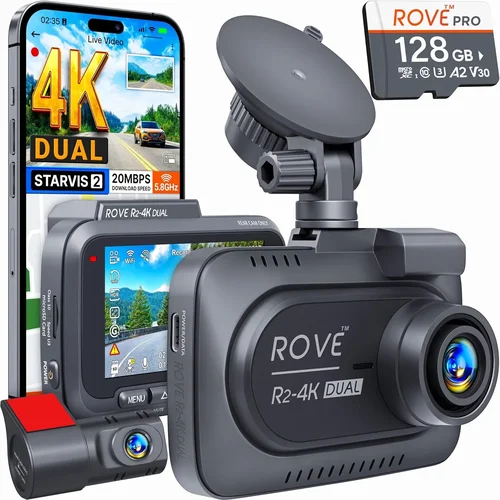
A: Single-lens dash cams capture exterior views and provide basic interior monitoring through the same lens, sufficient for most break-in scenarios. Dual-lens systems include separate exterior and interior cameras, offering complete coverage for rideshare drivers, valet parking situations, or vehicles with valuable interior items. Choose single-lens for simplicity and cost savings, dual-lens for comprehensive protection requiring both perspectives. Consider whether your vehicle’s interior design creates blind spots that necessitate dual-camera coverage.
Q: What’s the difference between capacitor and battery parking modes?
A: Capacitor-based systems use energy storage cells that handle frequent charge/discharge cycles more reliably than lithium batteries. They provide consistent performance in extreme temperatures and have longer lifespans for regular parking mode activation. Battery-powered systems offer longer continuous recording times but may degrade faster with frequent use and perform poorly in cold weather. Most modern dash cams use capacitors for parking mode due to their reliability advantages, with some models offering both options depending on power source configuration.
Q: Can I install my dash cam myself, or do I need professional help?
A: Most single-lens dash cams feature straightforward DIY installation requiring only basic tools and following provided instructions. Complex dual-camera or hardwiring installations may benefit from professional assistance, especially if you’re uncomfortable with electrical work or routing cables through your dashboard. Consider your technical comfort level, vehicle complexity, and willingness to learn installation techniques before deciding. Many manufacturers provide detailed video tutorials, and online communities offer additional support for specific models and vehicle makes.
Q: How long should I keep dash cam recordings?
A: Retention policies vary by jurisdiction, but generally recommend keeping recordings for at least 30 days for potential evidence reference. Some areas require longer retention for insurance claims or legal proceedings. Most dash cams automatically overwrite old files when storage fills, but manually saving important clips ensures preservation beyond the automatic cycle. Cloud storage solutions offer indefinite retention but require ongoing subscription costs. Balance storage limitations against your specific needs for evidence retention and peace of mind.
Final Recommendations
Best for Budget-Conscious Buyers
The Viofo A11 Pro represents outstanding value for drivers seeking reliable break-in protection without overspending. Priced around $120, this single-lens dash cam delivers 2K recording quality, excellent night vision using a Sony STARVIS sensor, and robust parking mode functionality. Its compact design minimizes visual obstruction while providing comprehensive coverage of your vehicle’s exterior. The A11 Pro includes GPS tracking, Wi-Fi connectivity, and intelligent parking mode with motion detection and impact alerts — all essential features for effective break-in prevention at an accessible price point.
Alternative budget option: The Rexing V1P offers similar core functionality at slightly lower pricing, featuring 2K recording and reliable performance validated by thousands of positive user reviews. Both models provide excellent bang-for-your-buck value while delivering the essential features needed for credible break-in documentation and deterrence.
Best Overall Value
The Thinkware Q800 stands as the gold standard for mid-range dash cams, combining professional-grade features with exceptional reliability. Priced around $180, this model delivers 2K recording with advanced HDR processing, superior low-light performance, and comprehensive parking mode options including time-lapse and impact detection. Its sophisticated loop recording management prevents accidental overwriting of important clips, while the built-in GPS provides accurate location data for incident reporting.
Additional premium value: The BlackVue DR970X-2CH offers dual-lens coverage with 2K front and 1080p rear recording, making it ideal for rideshare drivers and fleet operators needing complete vehicle documentation. While priced higher at $350, its enterprise-level build quality, cloud connectivity options, and proven track record justify the investment for serious users requiring maximum protection.
Best Premium Option
The Garmin Dash Cam 67W represents the pinnacle of consumer dash cam technology, featuring 1440p recording, advanced driver awareness alerts, and seamless smartphone integration. Priced around $250, this model combines exceptional image quality with innovative safety features that go beyond break-in prevention to include collision warnings and lane departure alerts. Its compact form factor, intuitive interface, and reliable performance make it ideal for drivers who demand both security and convenience.
For ultimate protection: The BlackVue DR970X-2CH Cloud delivers professional-grade dual-camera coverage with cloud connectivity, real-time alerts, and comprehensive event detection. At $450, this system provides enterprise-level features including GPS tracking, Wi-Fi sharing, and remote parking monitoring — perfect for high-value vehicles or users in high-theft areas requiring maximum security assurance.
Best for Beginners
The Campark T25 offers beginner-friendly features with straightforward operation and reliable performance. Priced under $100, this dash cam includes 1080p recording, basic parking mode, and simple installation procedures suitable for first-time users. Its user-friendly interface, automatic loop recording, and included accessories make it an excellent entry point for drivers new to dash cam technology who want dependable break-in protection without complexity.
Alternative beginner choice: The Z-Edge Z7 provides slightly enhanced features including 2K recording and improved night vision while maintaining beginner-friendly operation. Both models offer reliable performance with minimal learning curve, ensuring new users can quickly establish effective break-in protection without technical complications.
Best for Advanced Users
The Thinkware U1000 caters to experienced users requiring maximum performance and flexibility. With 4K recording, advanced HDR processing, and sophisticated parking mode options, this premium model delivers exceptional image quality and comprehensive protection features. Its customizable settings, professional-grade build quality, and extensive accessory ecosystem make it ideal for tech-savvy drivers who demand the highest level of break-in prevention and evidence quality.
For professional applications: The BlackVue DR970X-2CH Cloud represents the ultimate advanced solution, offering dual-camera coverage, cloud connectivity, and enterprise-level management features. This system provides complete vehicle documentation with real-time monitoring capabilities, making it perfect for professional drivers, fleet operators, or users requiring maximum security assurance regardless of cost considerations.
Conclusion: Making the Right Choice
Selecting the best dash cam for break-in protection requires balancing multiple factors including video quality, parking mode functionality, storage capacity, and budget constraints. Rather than chasing every technological advancement, focus on features that directly address your specific security needs and usage patterns. Remember that effective break-in prevention centers on providing credible deterrence through visible monitoring combined with reliable evidence collection when incidents occur.
Take time to research thoroughly, compare real-world performance across different models, and prioritize proven reliability over marketing claims. Consider your actual break-in risk level, vehicle type, and daily driving habits when evaluating which features matter most for your situation. Whether you choose a budget-friendly option like the Viofo A11 Pro or invest in a premium system like the Thinkware U1000, the key is selecting equipment that provides consistent, usable protection without unnecessary complexity or expense.
Ultimately, the most important consideration is establishing a routine of proper installation, regular maintenance, and understanding how to retrieve and preserve evidence when needed. No dash cam can replace basic vehicle security measures like steering wheel locks or alarm systems, but when properly selected and maintained, they represent one of the most effective tools for preventing and documenting break-ins. Make an informed decision today that gives you confidence in your vehicle’s security, knowing you’ve taken proactive steps to protect your property and peace of mind.