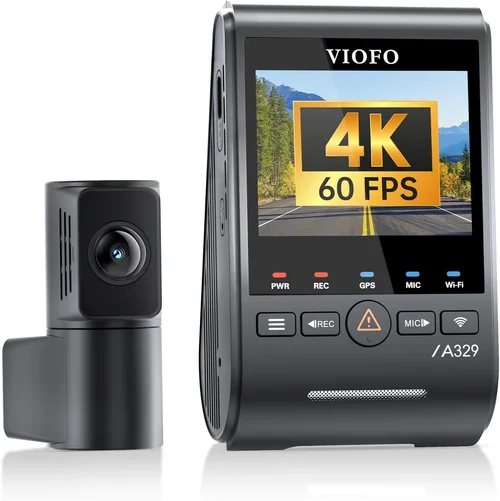
Best Dash Cam for Box Truck Purchase Guide

## Introduction
For commercial vehicle operators, especially those managing box trucks, dash cams have evolved from optional accessories into essential safety and security tools. The unique challenges of operating large commercial vehicles—including limited visibility, complex blind spots, and increased liability risks—demand specialized equipment that goes beyond what standard passenger car dash cams can provide. This comprehensive guide will walk you through everything you need to know about selecting the best dash cam for your box truck, helping you make an informed decision that protects your investment and enhances operational safety.
Whether you’re a fleet manager overseeing multiple vehicles or a single owner-operator looking to safeguard your livelihood, understanding the specific requirements of box truck dash cam installations is crucial. We’ll explore how factors like mounting options, power requirements, video quality specifications, and regulatory compliance all play critical roles in determining the right solution for your needs.
The market today offers an overwhelming array of dash cam options, ranging from basic single-camera systems to sophisticated multi-sensor setups with advanced features like GPS tracking, parking monitoring, and cloud connectivity. However, not every feature-rich model is suitable for box truck applications. Many consumer-grade dash cams lack the durability, mounting flexibility, and performance characteristics needed for commercial use.
In this guide, we’ll cut through the marketing noise and focus on practical considerations that matter most for box truck operators. You’ll learn about technical specifications that impact recording quality in challenging conditions, understand the importance of proper installation techniques, and discover how different brands stack up when it comes to reliability and customer support. By the end of this article, you’ll have a clear framework for evaluating dash cam options and making a choice that aligns with both your budget and operational requirements.
## What to Look for When Buying Dash Cams
1. Mounting Flexibility and Vehicle Compatibility
One of the most critical considerations for box trucks is the mounting system’s versatility. Unlike smaller vehicles where dash cams typically mount directly to the windshield, box trucks present unique challenges due to their size, shape, and operational environment. Look for models specifically designed for commercial vehicle use, which often feature adjustable mounting brackets, suction cups rated for heavy-duty applications, and flexible positioning options.
The ideal dash cam for a box truck should offer multiple mounting solutions to accommodate various installation scenarios. Some trucks may require side mirror mounts to avoid obstructing driver visibility, while others might benefit from roof-mounted cameras to capture wider angles. Consider whether the unit includes universal mounting hardware or requires additional purchase of commercial-grade brackets. Additionally, check if the manufacturer provides installation guides specifically for larger commercial vehicles, as improper mounting can lead to poor image quality, vibration issues, or even safety hazards during operation.
2. Video Quality and Recording Resolution
Video resolution forms the foundation of any effective dash cam system, particularly for box trucks where legal disputes or insurance claims often hinge on clear visual evidence. For commercial applications, aim for at least 1080p Full HD resolution, though many professionals now prefer 4K-capable cameras for superior detail retention. Higher resolution provides more precise identification of license plates, vehicle details, and accident dynamics.
Beyond raw resolution, pay attention to several related specifications: frame rate (60fps is ideal for capturing fast-moving traffic), dynamic range (HDR capability helps maintain detail in both bright sunlight and deep shadows), and low-light performance. Box trucks often operate during early morning hours, late evenings, or through tunnel lighting conditions where these capabilities become crucial. Also consider the field of view—wider angles (150-170 degrees) help capture more of the road environment but may introduce distortion at the edges; narrower angles provide less coverage but sharper central detail.
3. Storage Capacity and Loop Recording
Storage management represents one of the most overlooked aspects of dash cam selection for commercial fleets. Box trucks generate substantial amounts of video data, especially when equipped with multiple cameras or advanced features like parking mode. Most dash cams use microSD cards, so ensure compatibility with high-capacity cards (typically 128GB or higher) and verify write speeds sufficient for continuous recording without dropped frames.
Loop recording automatically overwrites older footage when storage fills up, ensuring constant recording without manual intervention. However, some models offer intelligent loop recording that prioritizes recent events or marks important footage for protection. For box trucks, look for units with G-sensor technology that automatically saves impact-detected recordings to a protected section of storage. Cloud storage integration has become increasingly valuable for fleet managers seeking remote access to footage without physical retrieval.
4. Power Requirements and Installation Complexity
Power source selection significantly impacts both installation complexity and operational reliability. Hardwiring dash cams to the vehicle’s electrical system provides continuous operation but requires professional installation skills and potential modification of factory wiring. Alternatives include battery-powered units that plug into cigarette lighters (though these have limited lifespan and require regular recharging) or capacitor-based systems that don’t drain the vehicle battery.
For box trucks frequently parked away from charging facilities, consider dual-voltage capable units that can operate from both 12V and 24V systems common in commercial vehicles. Always verify maximum current draw to avoid overloading circuits or triggering warning lights. Professional installers recommend dedicated circuits for dash cam systems to prevent interference with other vehicle electronics and ensure stable power delivery regardless of alternator output fluctuations.
5. Durability and Environmental Resistance
Commercial vehicles subject dash cams to harsher conditions than passenger cars—greater temperature extremes, increased vibrations, exposure to road debris, and longer operational hours. Look for models with IP rating certifications indicating resistance to dust and water ingress (ideally IP67 or higher). Shock-resistant construction using metal housings rather than plastic enclosures better withstands the rigors of daily truck operation.
Temperature tolerance matters significantly—especially for refrigerated or heated cargo compartments where internal temperatures can reach extreme ranges. Check manufacturer specifications for operating temperature limits and consider additional protective measures like sunshades or interior shielding if your truck experiences prolonged direct sunlight exposure. Vibration dampening mounts help maintain image stability during rough road conditions common on commercial routes.
6. Advanced Features and Fleet Management Integration
Modern dash cams increasingly offer fleet management capabilities that justify their higher price point for commercial operators. GPS tracking provides timestamped location data crucial for route verification and incident documentation. WiFi connectivity enables wireless firmware updates and quick file transfers without removing memory cards. Built-in cellular modems allow remote viewing and real-time alerts for geofencing violations or unauthorized vehicle movement.
AI-enhanced features such as driver behavior monitoring, lane departure warnings, and collision prediction algorithms contribute to proactive safety management. Cloud-based fleet platforms centralize video storage and analysis across multiple vehicles, reducing administrative overhead while improving incident response times. Consider whether your chosen model integrates with existing fleet management software or requires separate subscription services for full functionality.
7. Warranty and Customer Support
Given the critical nature of dash cam evidence in commercial operations, reliable warranty coverage and responsive customer service represent non-negotiable requirements. Premium brands typically offer 1-3 year warranties covering both hardware defects and accidental damage. Verify what constitutes “accidental damage” under policy terms—some exclude water damage even with IP ratings while others cover it completely.
Technical support availability varies widely between manufacturers. Look for companies offering phone support during business hours, online troubleshooting resources, and regional service centers for hardware repairs. For fleet operators, consider extended warranty options that cover multiple units simultaneously and provide priority technical assistance. User review forums and professional installer recommendations offer additional insights into long-term reliability beyond manufacturer claims.
## Different Types of Dash Cams
## Common Buying Mistakes to Avoid
❌ Mistake: Choosing Based Solely on Price
Why it’s bad: Selecting the cheapest available option often leads to purchasing inadequate equipment that fails during critical moments. Low-cost dash cams frequently suffer from poor image quality, unreliable storage management, and fragile construction unsuitable for commercial environments. In commercial settings where evidence quality directly impacts legal outcomes and insurance claims, investing in proven, durable solutions proves far more cost-effective than replacing cheap units repeatedly.
What to do instead: Establish clear performance requirements first, then evaluate options within your budget range. Consider total cost of ownership including installation, maintenance, and potential replacement costs rather than focusing exclusively on initial purchase price. Read professional reviews and seek recommendations from experienced fleet operators before making decisions.
❌ Mistake: Ignoring Installation Requirements
Why it’s bad: Improper installation compromises both functionality and safety. Poorly mounted cameras may detach during operation, obstruct driver visibility, or produce distorted footage due to vibration or misalignment. Attempting DIY installations without proper knowledge often results in incorrect wiring, circuit overloads, or voided warranties. For box trucks specifically, overlooking clearance issues around mirrors, wipers, or other protruding components creates hazardous situations.
What to do instead: Hire certified automotive electronics installers familiar with commercial vehicle modifications. Request proof of experience with similar installations and verify they follow manufacturer guidelines precisely. Ensure all wiring harnesses meet local regulations and don’t interfere with airbag deployment zones or critical vehicle systems.
❌ Mistake: Overlooking Storage Management Needs
Why it’s bad: Insufficient storage capacity forces premature deletion of potentially critical footage or requires frequent manual intervention. Without adequate loop recording implementation, important events may be overwritten before review. Memory cards with insufficient write speeds cause dropped frames and corrupted files during high-speed driving scenarios. Neglecting cloud backup strategies leaves all footage vulnerable to physical loss or theft.
What to do instead: Calculate required storage based on expected daily mileage, recording duration, and retention policies. Choose cards with proven reliability and appropriate speed class ratings (U3 or higher recommended). Implement automated cloud backup solutions where feasible and establish clear protocols for footage retrieval and archiving.
❌ Mistake: Skipping Environmental Testing
Why it’s bad: Assuming consumer-grade durability meets commercial requirements leads to premature failures. Box trucks encounter extreme temperature variations, moisture exposure, road salt corrosion, and significant vibration levels absent in personal vehicles. Units failing within months due to inadequate sealing or material weakness create false security and operational disruptions.
What to do instead: Verify IP ratings and temperature specifications against your operational environment. Request samples for field testing when possible and consult installer networks about real-world performance. Consider additional protective measures like weatherproof housings or secondary enclosures for harsh operating conditions.
❌ Mistake: Underestimating Power Consumption
Why it’s bad: High-draw dash cams strain vehicle electrical systems, potentially causing battery drain, alternator stress, or warning light activation. Poor power management leads to unexpected shutdowns during critical moments or prevents proper startup in cold weather conditions. Incorrect fuse sizing creates fire hazards or damages sensitive electronics.
What to do instead: Consult vehicle electrical schematics before installation and select power supplies matching your truck’s voltage and amperage specifications exactly. Use inline fuses rated appropriately and consider dedicated circuits to isolate dash cam systems from other electrical loads.
❌ Mistake: Disregarding Compliance Requirements
Why it’s bad: Using unapproved equipment violates commercial vehicle regulations and insurance requirements. Some jurisdictions mandate specific recording durations, privacy protections, or data handling procedures for commercial dash cams. Non-compliant systems may render footage inadmissible in court or expose operators to regulatory penalties.
What to do instead: Research applicable laws and industry standards before purchasing. Choose manufacturers providing compliance documentation and consider consulting legal professionals specializing in transportation law when establishing usage policies.
❌ Mistake: Neglecting Ongoing Maintenance
Why it’s bad: Treating dash cams as “set-and-forget” devices leads to degraded performance over time. Dust accumulation obscures lenses, dirty screens impair user interface navigation, and outdated firmware introduces vulnerabilities or compatibility issues. Failure to update software regularly prevents access to new features and security patches.
What to do instead: Develop routine maintenance schedules including monthly lens cleaning and quarterly software updates. Train drivers on basic troubleshooting procedures and establish reporting protocols for malfunctions. Keep spare parts inventory for common replacements like memory cards or cables.
## Budget Guidelines: How Much Should You Spend?

Budget Guidelines: How Much Should You Spend?
Entry-Level Dash Cams ($50 – $150): The Minimum Viable Solution
For operators with strict budget constraints or minimal compliance requirements, entry-level dash cams provide basic functionality at affordable prices. These units typically offer 720p or 1080p recording, simple loop recording, and straightforward installation using suction cup mounts or adhesive pads. While adequate for occasional use or short-haul operations, they lack many features essential for commercial environments.
Within this category, prioritize models featuring reliable brands known for durability rather than chasing ultra-low prices. Look for units with proven track records in commercial applications and read professional reviews focusing on real-world performance. Even at entry-level pricing, invest in quality memory cards and consider hardwiring options to extend battery life. Remember that cheap dash cams rarely deliver the reliability needed for serious commercial use—they often fail during critical moments when evidence matters most.
Mid-Range Dash Cams ($150 – $300): The Sweet Spot for Most Operators
This price range represents the optimal balance between functionality and affordability for most box truck operators. Mid-range units typically include enhanced video quality (1080p or 4K), improved low-light performance, better build materials, and expanded feature sets like GPS logging, motion detection, and parking mode. Many offer dual-camera configurations or multi-sensor capabilities within this budget.
Features commonly found in mid-range dash cams that benefit box truck operations include: wider field of view lenses (140-170 degrees), HDR technology for challenging lighting conditions, shock-resistant designs, and reliable loop recording with G-sensor event marking. Some models incorporate WiFi connectivity for easy file transfer and smartphone app integration. This tier also includes several professional-grade options with commercial certifications and robust warranty coverage.
Premium Dash Cams ($300 – $600): For Enhanced Safety and Evidence Quality
Premium dash cams justify their higher price point through advanced technologies specifically beneficial for commercial operations. These systems often feature multiple camera angles, superior image processing, professional installation support, and integrated fleet management capabilities. They’re ideal for operators who prioritize evidence quality, comprehensive coverage, or advanced analytics.
At this level, expect features like: 4K front-facing recording with 1080p rear capability, advanced driver assistance systems (ADAS), thermal imaging options, cloud storage integration, and real-time alerts. Many premium models offer customizable mounting solutions optimized for commercial vehicles and come with dedicated customer support lines. Some include AI-powered features like facial recognition, fatigue detection, and predictive collision avoidance that contribute significantly to fleet safety management.
Luxury Dash Cams ($600+): Enterprise-Grade Solutions
Luxury dash cam systems represent the pinnacle of commercial vehicle surveillance technology, combining cutting-edge hardware with comprehensive software ecosystems. These solutions target enterprise fleets requiring maximum reliability, extensive coverage, and advanced analytics capabilities. While expensive, they provide measurable ROI through reduced incident rates, improved driver behavior, and enhanced evidence collection quality.
Ultra-premium features include: 360-degree surround-view systems, 8K recording capabilities, built-in cellular connectivity for live streaming, sophisticated AI analytics, and integration with existing fleet management platforms. Luxury systems often come with white-glove installation services, dedicated account management, and customized reporting dashboards. Some offer predictive maintenance alerts and automatic firmware updates to ensure optimal performance across entire fleets.
## Expert Tips for Getting the Best Deal
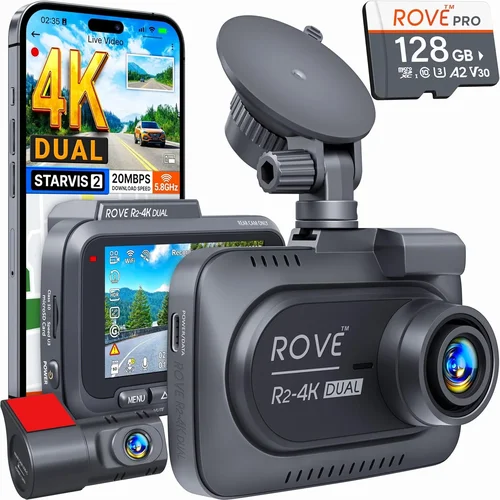
Expert Tips for Getting the Best Deal
Timing Your Purchase for Maximum Savings
Strategic timing significantly impacts dash cam pricing throughout the year. Major sales events like Black Friday, Cyber Monday, and back-to-school periods typically offer substantial discounts on electronic equipment. Additionally, end-of-quarter promotions from manufacturers incentivize dealers to clear inventory, often resulting in deeper discounts. Avoid purchasing immediately after new model releases, as retailers frequently discount previous-generation units to make room for updated versions.
For commercial buyers, consider aligning purchases with fleet replacement cycles rather than waiting for seasonal sales. This approach spreads costs evenly while maintaining consistent equipment quality across your vehicle portfolio. Monitor industry trade shows and conferences where vendors often announce special pricing or bundle deals for early adopters.
Choosing Between Retailers and Direct Manufacturer Purchases
Retailers like Amazon, Best Buy, and specialty automotive stores provide convenience and immediate availability but may carry higher markups. Direct manufacturer purchases often offer better pricing, exclusive bundles, and simplified return processes. Online marketplaces present a middle ground with competitive pricing and extensive product selection but require careful vetting of seller credibility.
For box trucks specifically, prioritize suppliers with demonstrated expertise in commercial vehicle installations. Local automotive electronics shops familiar with fleet requirements can offer personalized service and installation support unavailable through mass retailers. Consider joining industry associations or networking groups where members share supplier recommendations based on actual field performance.
Identifying Hidden Costs and Value-Added Services
Beyond the sticker price, evaluate total ownership costs including installation fees, extended warranties, and ongoing maintenance expenses. Some manufacturers include free professional installation with bulk purchases, while others charge separately. Subscription fees for cloud storage, mobile apps, or advanced analytics features can accumulate quickly for large fleets.
Look for bundled packages that combine hardware, installation, and software subscriptions at discounted rates. Negotiate volume discounts when purchasing multiple units and inquire about trade-in programs for upgrading existing equipment. Always clarify what’s included in warranty coverage—some exclude accidental damage or require annual service fees.
Negotiating Volume Discounts for Fleet Purchases
Fleet operators purchasing multiple dash cams can leverage bulk buying power to secure significant savings. Start by contacting manufacturers directly rather than working exclusively through distributors, as manufacturers retain greater control over pricing structures. Prepare detailed specifications and quantities upfront to demonstrate serious intent and facilitate faster negotiations.
Request customized quotes including installation labor, extended warranties, and training sessions for driver education. Ask about loyalty programs for repeat customers or referral bonuses for bringing in new clients. Document all agreements in writing to ensure consistent application across your entire fleet.
Evaluating Return Policies and Trial Periods
Reliable return policies protect against compatibility issues or performance disappointments. Most reputable manufacturers offer 30-day money-back guarantees, while retailers typically provide 15-90 day return windows depending on store policy. Extended trial periods specifically designed for commercial evaluation can provide peace of mind when committing to expensive systems.
Verify restocking fees and condition requirements before purchasing. For complex installations, request demonstration units or rental options to test real-world performance before finalizing orders. Maintain original packaging and accessories until fully satisfied to preserve resale value should returns prove necessary.
Assessing Long-Term Support and Upgrade Paths
Consider how easily future upgrades integrate with existing systems when selecting dash cam models. Modular designs allowing incremental improvements reduce total cost of ownership over time. Evaluate manufacturer roadmaps to ensure continued development and support for chosen platforms.
Join user communities and professional forums to stay informed about software updates, new features, and compatibility changes. Subscribe to manufacturer newsletters for advance notice of product improvements and special offers. Build relationships with technical support teams to receive priority assistance during critical situations.
Comparing Financing Options for Large Purchases
For substantial fleet investments, explore financing alternatives beyond traditional credit cards. Equipment leasing programs designed for commercial electronics often feature lower interest rates and tax advantages. Some manufacturers offer in-house financing with deferred payment plans aligned with cash flow cycles.
Compare financing terms carefully, paying attention to balloon payments, prepayment penalties, and default consequences. Consult accounting professionals about depreciation schedules and potential tax deductions associated with commercial equipment purchases. Consider the impact of financing decisions on overall fleet budgeting and capital allocation.
## FAQs Section

Frequently Asked Questions
Q: What resolution should I choose for my box truck dash cam?
A: For commercial applications, we recommend at minimum 1080p Full HD resolution, though 4K-capable cameras provide superior detail for evidence preservation and license plate identification. Higher resolutions become increasingly important as legal proceedings place greater emphasis on forensic-quality footage. When selecting resolution, also consider frame rate (60fps recommended for smooth motion capture) and dynamic range capabilities for challenging lighting conditions encountered during early morning or evening deliveries.
Q: Can I install multiple cameras on a single box truck?
A: Absolutely—many commercial dash cam systems support multi-camera configurations tailored to specific operational needs. Common setups include front-facing primary camera plus side mirror or roof-mounted auxiliary cameras to address blind spots characteristic of box trucks. Some advanced systems incorporate cabin-facing cameras for driver monitoring or rear-facing units for backing maneuvers. Ensure your chosen platform supports simultaneous recording from multiple sources and provides adequate storage bandwidth for combined streams.
Q: How much storage space do I actually need?
A: Storage requirements depend heavily on recording duration, compression efficiency, and retention policies. As a rule of thumb, expect approximately 1GB per hour of 1080p recording under normal conditions. For daily 8-hour shifts with 30-day retention, plan for at least 240GB capacity plus 25% buffer for event-triggered recordings. Cloud storage offers scalable alternatives but requires reliable internet connectivity and ongoing subscription costs. Always factor in peak usage scenarios like highway driving with frequent lane changes or urban deliveries involving complex maneuvering.
Q: Is hardwiring necessary for box truck dash cams?
A: Hardwiring provides significant advantages for commercial vehicles including continuous operation without battery dependency, reduced fire risk compared to loose connections, and cleaner aesthetic appearance. However, it requires professional installation skills and potential modification of factory wiring—consult your vehicle’s service manual before proceeding. Capacitor-based systems offer compromise solutions avoiding deep wiring while still preventing battery drain. Ultimately, hardwiring becomes increasingly justified as fleet size grows and operational reliability demands exceed basic functionality.
Q: What environmental protections should I expect?
A: Commercial-grade dash cams must withstand temperature extremes ranging from sub-zero winter conditions to hot summer interiors exceeding 150°F (65°C). Look for IP67 or higher waterproof ratings protecting against dust ingress and temporary immersion, plus operating temperature specifications covering your climate zone. Shock resistance rated for automotive vibration standards ensures stable footage despite rough road conditions. Additional considerations include anti-glare coatings for dashboard reflections and scratch-resistant lenses for frequent cleaning.
Q: How do I ensure compliance with privacy regulations?
A: Privacy compliance involves several interconnected considerations: obtaining employee consent where required by law, implementing data retention policies aligned with legal requirements, securing storage locations against unauthorized access, and establishing protocols for evidence sharing with authorities or insurers. Choose dash cam systems with user-selectable recording modes allowing temporary suspension during private conversations or sensitive areas. Consult transportation attorneys specializing in commercial vehicle regulations when establishing company-wide usage policies.
Q: What maintenance schedule should I follow?
A: Routine maintenance prevents performance degradation and extends equipment lifespan. Daily checks should include verifying power connections and confirming recording status indicators. Weekly tasks involve cleaning lenses and screens using approved microfiber cloths without chemical cleaners that damage coatings. Monthly procedures include inspecting mounting hardware tightness and testing emergency save functions. Quarterly activities encompass firmware updates, memory card health checks, and reviewing event logs for anomalies. Document all maintenance activities for warranty purposes and regulatory audits.
Q: How do I handle firmware updates safely?
A: Firmware updates require careful planning to avoid disrupting critical operations. Schedule updates during scheduled downtime rather than random intervals. Download official updates exclusively from manufacturer websites to prevent malware infections. Backup existing settings before updating as some changes reset user preferences. Verify checksums match published values to confirm file integrity. Test updated systems thoroughly before returning vehicles to service, paying particular attention to recording quality and feature availability. Maintain records of all updates performed for troubleshooting reference.
Q: What happens if my dash cam stops recording?
A: Immediate troubleshooting begins with checking power connections and LED status indicators. If the device powers on but doesn’t record, examine memory card insertion and formatting status—cards must be formatted in-camera rather than externally. Verify sufficient storage remains available and that loop recording hasn’t been disabled accidentally. For hardwired systems, test alternative power sources to isolate electrical issues. Persistent problems warrant contacting manufacturer support with detailed error descriptions and recent activity logs. Always report malfunctions promptly to maintain evidence chain integrity.
Q: How do I select between different mounting options?
A: Mounting selection depends on multiple factors including driver comfort, obstruction concerns, and desired field of view. Windshield mounts provide widest coverage but may interfere with wiper blades or HUD displays. Side mirror mounts offer good peripheral vision while maintaining driver visibility but require compatible mirror types. Roof mounts deliver panoramic perspectives ideal for intersection monitoring but demand careful positioning to avoid structural interference. Interior mounts suit cabin monitoring applications but limit external scene capture. Consider combining multiple mounting styles for comprehensive coverage tailored to your specific route patterns and cargo configurations.
## Final Recommendations
Our Final Recommendations
Best for Budget-Conscious Buyers: Viofo A119 Mini V3
The Viofo A119 Mini V3 strikes an excellent balance between affordability and essential commercial features. Priced competitively in the mid-range category, this dash cam delivers reliable 1080p recording with impressive low-light performance thanks to its Sony Starvis sensor. Its compact form factor makes installation discreet yet effective, while the built-in GPS provides accurate timestamped location data crucial for route verification. The included parking mode uses capacitor technology rather than draining your vehicle battery, making it ideal for overnight stops common in box truck operations.
What sets this model apart for commercial use is its robust build quality and proven track record among fleet operators. The included suction mount withstands heavy vibrations better than cheaper alternatives, and the loop recording system intelligently manages storage without requiring constant manual intervention. While lacking advanced fleet management features, the A119 Mini V3 provides everything needed for basic compliance and incident documentation at a fraction of premium system costs. Combined with Viofo’s responsive customer support and generous warranty coverage, this dash cam represents exceptional value for small to medium-sized fleets operating on tighter budgets.
Best Overall Value: Garmin Dash Cam 67W
Garmin’s Dash Cam 67W earns our top value recommendation through its seamless integration of professional-grade features with user-friendly operation. This model stands out with its crystal-clear 1080p recording enhanced by advanced image stabilization technology that maintains clarity during sudden braking or acceleration typical in commercial driving scenarios. The built-in GPS not only timestamps recordings but also tracks vehicle speed and direction, creating comprehensive digital trip logs invaluable for fleet management.
For box truck operators, the 67W’s compact design allows flexible mounting options without obstructing driver visibility, while its automatic incident detection using G-sensors ensures critical moments aren’t missed. Wireless connectivity simplifies firmware updates and file transfers, and the included lifetime map updates reflect Garmin’s commitment to long-term usability. Though slightly pricier than entry-level options, the 67W justifies its position through superior build quality, reliable performance under demanding conditions, and seamless integration with existing Garmin ecosystem products many commercial operators already utilize.
Best Premium Option: BlackVue DR970X-2CH Cloud
When budget permits, the BlackVue DR970X-2CH Cloud represents the gold standard for commercial dash cam systems. This dual-channel setup combines 4K front recording with Full HD rear monitoring, delivering unprecedented detail for both forward progress and reverse maneuvers essential in box truck operations. The built-in LTE connectivity enables true cloud recording—footage uploads automatically regardless of parking location—while the advanced driver assistance systems provide real-time alerts for lane departures, forward collisions, and blind spot detection.
What truly distinguishes the DR970X-2CH for commercial applications is BlackVue’s robust fleet management platform accessible through web browsers or mobile apps. Fleet managers gain centralized control over multiple vehicles, receiving instant notifications of incidents, monitoring driver behavior patterns, and retrieving footage remotely without dispatching staff. The ruggedized housing withstands extreme temperatures and vibrations better than competing systems, while the dual SD card slots ensure continuous recording through automatic failover. Though expensive initially, the comprehensive feature set and enterprise-grade reliability make this investment worthwhile for serious commercial operators prioritizing safety, compliance, and operational efficiency.
Best for Beginners: Nextbase 522GW
New to dash cam technology? The Nextbase 522GW provides an ideal introduction to commercial-grade surveillance without overwhelming complexity. This user-friendly system offers straightforward installation, intuitive controls, and automatic updates that keep software current without technical expertise. The 1440p recording quality exceeds expectations for its price point, while the three-channel capability (front, rear, and cabin) delivers versatile coverage perfect for learning different monitoring scenarios.
For box truck beginners, the 522GW’s built-in Wi-Fi enables smartphone app connectivity that simplifies file management and system configuration—ideal when starting with unfamiliar technology. The impressive 150-degree field of view captures ample roadway context while minimizing distortion, and the parking mode activates safely without battery drain concerns. Nextbase’s responsive customer service and extensive online tutorials provide additional support during initial setup phases. While lacking some advanced features of premium systems, the 522GW establishes solid foundations for growing commercial operations with room to expand capabilities as confidence and requirements evolve.
Best for Advanced Users: Thinkware U1000 Dual Channel
Seasoned professionals seeking maximum performance will appreciate the Thinkware U1000 Dual Channel’s combination of cutting-edge hardware and sophisticated software features. This system pushes boundaries with 4K Ultra HD front recording paired with Full HD rear monitoring, delivering forensic-quality detail that excels in legal proceedings. The WDR (Wide Dynamic Range) technology handles challenging lighting conditions exceptionally well, preserving critical details in both bright highlights and dark shadows encountered during dawn/dusk deliveries or tunnel crossings.
Advanced users benefit from Thinkware’s proprietary Super Night Vision II technology that dramatically improves low-light recording clarity, while the built-in GPS and accelerometer create precise event markers for post-incident analysis. The dual SD card architecture ensures continuous recording through automatic switching when primary cards fill, and the customizable recording modes adapt to different driving scenarios. Thinkware’s commitment to innovation extends to regular firmware updates introducing new features and improvements, ensuring your investment remains current throughout its lifecycle. Though demanding higher initial investment, the U1000 delivers unmatched performance for operators handling complex routes or requiring maximum evidence reliability.
## Conclusion: Making the Right Choice
Conclusion: Making the Right Choice
Selecting the best dash cam for your box truck involves balancing numerous interrelated factors—from fundamental recording quality to advanced fleet management capabilities—while remaining mindful of your specific operational requirements and financial constraints. No single “perfect” solution exists for every operator; instead, successful implementation depends on thoughtful alignment between equipment features and daily driving realities.
Begin by honestly assessing your primary objectives: Are you primarily seeking liability protection, regulatory compliance, driver behavior improvement, or comprehensive fleet oversight? Different priorities naturally lead toward distinct feature combinations and price points. Don’t overlook the importance of proper installation and ongoing maintenance—these often determine long-term success more than initial specification choices.
Remember that technology evolves rapidly, and today’s cutting-edge system may become tomorrow’s obsolete relic. Focus instead on establishing adaptable frameworks that accommodate future upgrades rather than locking yourself into rigid specifications. Engage with other fleet operators, consult professional installers, and test equipment whenever possible before committing to large purchases.
Ultimately, the most effective dash cam systems serve as force multipliers enhancing both safety and efficiency rather than standalone surveillance devices. They provide objective evidence during disputes, encourage responsible driving habits, and generate actionable insights that improve operational performance. By approaching your selection process systematically and prioritizing reliability alongside features, you’ll establish a foundation that protects your investment while supporting sustainable business growth.
Take time to research thoroughly, ask probing questions, and remember that quality equipment represents sound investment—not expense—when viewed through the lens of risk mitigation and operational excellence. With careful consideration of your unique circumstances and diligent implementation, your chosen dash cam system will deliver lasting value long after the initial purchase decision.