Complete Best Dash Cam for Biking Buying Guide
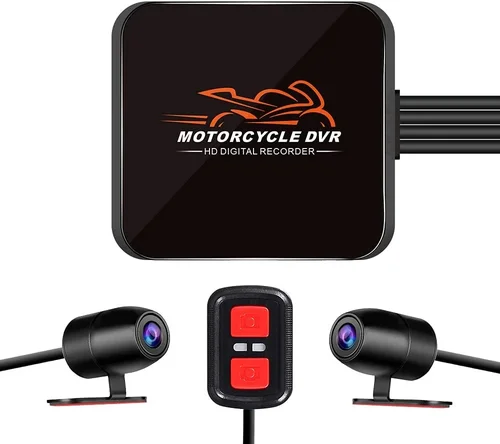
Why investing in a quality dash cam for biking matters extends far beyond simple video recording. In the world of cycling, where accidents can happen in an instant and liability disputes are common, having reliable footage can make all the difference. Whether you’re commuting through busy city streets, exploring scenic mountain trails, or participating in competitive road cycling, a dependable action camera serves as your digital witness, capturing every critical moment that could impact your safety, insurance claims, or legal protection.
This comprehensive buying guide will walk you through everything you need to know about selecting the best dash cam for biking. You’ll learn about the essential features that matter most for cyclists, understand how different types of cameras compare, discover common pitfalls to avoid, and gain expert insights into getting the best value for your investment. By the end of this article, you’ll have all the knowledge needed to make an informed decision that matches your specific cycling needs, budget, and riding style.
The market for bike cameras has expanded significantly in recent years, offering everything from basic entry-level models to advanced professional-grade systems. This growth means both excellent options and potential confusion for buyers. Understanding the nuances between different technologies, storage solutions, mounting options, and performance specifications will help you cut through the marketing noise and find a camera that truly enhances your cycling experience while providing peace of mind.

What to Look for When Buying Dash Cams
1. Video Quality & Resolution
The foundation of any good dash cam is its ability to capture clear, detailed footage under various lighting conditions. For biking, where you need to see license plates, road markings, and potential hazards clearly, resolution becomes even more crucial. Most modern bike cameras offer at least 1080p Full HD resolution, but many premium models now provide 4K Ultra HD capability.
Look for cameras with high frame rates—ideally 60fps or higher—to ensure smooth video playback, especially when capturing fast-moving scenes like traffic intersections or technical descents. The sensor size also matters; larger sensors generally perform better in low light conditions, which is important during early morning rides or evening commutes.
Additionally, consider cameras with wide dynamic range (WDR) technology, which helps balance exposure when moving between bright sunlight and shaded areas. This feature prevents overexposed skies or underexposed shadows, giving you clearer evidence if you ever need it for insurance or legal purposes.
2. Field of View (FOV)
The field of view determines how much area your camera can capture at once. For biking dash cams, a wider FOV is typically better since you want to document not just what’s directly ahead of you but also adjacent lanes and potential blind spots. A 150-degree horizontal FOV is considered standard, while some models offer up to 170 degrees.
However, there’s a trade-off to consider: extremely wide angles can cause distortion at the edges of the frame, making distant objects appear smaller than they actually are. This can be problematic if you’re trying to identify license plates or read signs clearly. Most experienced cyclists recommend aiming for a balance—around 150-160 degrees—that provides good coverage without excessive distortion.
3. Storage Capacity & Recording Options
Bike cameras typically use microSD cards for storage, with capacities ranging from 32GB to 256GB or more. Consider how long you want continuous recording sessions to last before the card fills up. Most cameras automatically overwrite old footage once the card is full, but having adequate storage ensures you don’t miss critical incidents.
Loop recording is a must-have feature, allowing the camera to continuously record and save only the most recent footage when triggered by motion or impact detection. Some advanced models also offer cloud backup capabilities, automatically uploading important clips to secure online servers—a valuable feature for commuters who want off-site evidence preservation.
Also check whether your chosen camera supports high-speed UHS-I or UHS-II microSD cards, as these offer faster write speeds that prevent dropped frames during high-resolution recording.
4. Battery Life & Power Options
Battery life varies dramatically between models, from under an hour on some budget devices to over four hours on premium systems. If you plan to use your dash cam for extended commutes or long-distance touring, battery capacity becomes a critical factor.
Many cyclists opt for cameras that support external power sources like USB-C charging or dedicated power banks. Some models also offer solar panel accessories or integration with bike lights for dual power sources. Consider how you’ll charge your device—will you need to remove the camera from your handlebars frequently, or can you leave it mounted while charging?
5. Mounting System & Compatibility
A secure, vibration-resistant mount is essential for reliable operation on rough terrain or during high-speed descents. Look for cameras with robust mounting systems that can withstand impacts and maintain stability throughout your ride.
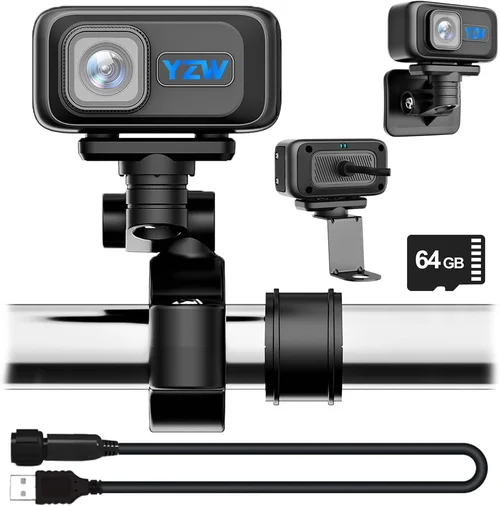
Most bike dash cams use either bar mounts or stem mounts, each with advantages depending on your bike setup. Bar mounts attach directly to handlebar clamps and are generally easier to position, while stem mounts offer more stability on bikes with thinner bars. Ensure your chosen mount system is compatible with your specific bike model and won’t interfere with controls or cables.
6. Weather Resistance & Durability
Cycling exposes your equipment to rain, dust, temperature extremes, and physical impacts. A weather-sealed housing rated IPX4 or higher protects against splashes and moisture, while reinforced construction handles drops and vibrations.
Check the operating temperature range—most quality dash cams work from -4°F to 140°F (-20°C to 60°C)—but verify this specification before purchasing. Also consider whether the lens cover is scratch-resistant and whether the camera includes protective features like automatic lens cleaning or hydrophobic coatings.
7. Additional Features & Smart Capabilities
Beyond basic recording, modern bike dash cams offer numerous useful features:
- G-sensor/Impact Detection: Automatically saves footage when sudden movement or collision is detected
- GPS Tracking: Records speed, location, and route information overlaid on video
- Wi-Fi/App Connectivity: Allows wireless viewing, downloading, and live streaming via smartphone app
- Voice Control: Hands-free operation while riding
- Night Vision Enhancement: Improved low-light performance through software algorithms
- Dashcam Mode vs. Action Camera Mode: Some models switch between different recording profiles based on activity
Different Types of Dash Cams

Common Buying Mistakes to Avoid
❌ Mistake: Prioritizing Price Over Performance
Why it’s bad: Choosing the cheapest available option often leads to disappointment when the camera fails during critical situations. Budget models may lack essential features like proper stabilization, sufficient battery life, or reliable impact detection, leaving you without crucial evidence when you need it most.
What to do instead: Set a realistic budget based on your cycling needs rather than simply going for the lowest price. Consider how often you ride, the environments you encounter, and the potential consequences of missing evidence. Often, spending slightly more upfront saves money in the long run by avoiding replacement costs and providing better peace of mind.
❌ Mistake: Ignoring Compatibility Issues
Why it’s bad: Many cyclists assume all dash cams will work with their existing gear, but compatibility problems can arise with handlebar sizes, brake levers, cable routing, or even specific bike models. An incompatible mount might block controls, create unsafe clearance issues, or fail to secure properly during rough riding.
What to do instead: Before purchasing, measure your handlebars or consult your bike manufacturer’s specifications. Check whether the mounting system interferes with any existing components. Read detailed product descriptions and customer reviews specifically mentioning compatibility with similar bike models.
❌ Mistake: Overlooking Storage Requirements
Why it’s bad: Assuming that built-in storage or small microSD cards will suffice can result in losing important footage. Without adequate storage management, your camera might overwrite critical evidence before you have time to review it, or you could find yourself constantly managing files during multi-day trips.
What to do instead: Calculate your storage needs based on typical ride duration, video quality settings, and whether you’ll have access to charging or file transfer opportunities. Choose cameras with expandable storage and consider models featuring cloud backup or automatic file management systems.
❌ Mistake: Neglecting Environmental Protection
Why it’s bad: Riding in various weather conditions demands equipment that can withstand moisture, dust, temperature changes, and physical impacts. Cameras lacking proper sealing or durability ratings may fail prematurely, leaving you without protection when caught in unexpected storms or rough terrain.
What to do instead: Look for IP ratings (like IPX4 or higher) indicating water resistance, check operating temperature ranges, and read about real-world testing conditions. Invest in cameras with reinforced housings and consider additional protective accessories like waterproof cases for extreme weather riding.
❌ Mistake: Focusing Only on Video Quality
Why it’s bad: While resolution matters, treating it as the sole priority leads to overlooking equally important factors like audio quality, GPS accuracy, impact detection sensitivity, and user interface design. A high-resolution camera with poor audio recording or unreliable motion detection defeats the purpose of having evidence.
What to do instead: Evaluate the complete feature set holistically. Consider how easy it is to operate while riding, whether voice commands or simple buttons suffice, and how well the companion app works for reviewing footage. Balance technical specifications with practical usability for your specific needs.
❌ Mistake: Not Considering Future Needs
Why it’s bad: Purchasing a camera based solely on current requirements limits your ability to adapt as your cycling habits evolve. You might outgrow the device’s capabilities or find that new features become valuable as your skills improve or your riding circumstances change.
What to do instead: Think about your cycling journey ahead—will you move to longer routes, explore different terrains, or participate in events requiring specific documentation? Choose a camera with upgrade paths, modular accessories, or firmware update support that can grow with your needs.
Budget Guidelines: How Much Should You Spend?
Entry-Level ($50 – $120): Essential Protection for Casual Riders
This price range offers basic functionality suitable for occasional commuters or recreational riders who want simple evidence protection without complexity. Models in this category typically provide 1080p recording, decent stabilization, and reliable loop recording. While they may lack advanced features like GPS or Wi-Fi connectivity, they deliver core protection at an affordable price point.
Expect limitations such as shorter battery life (usually 1.5-2 hours), smaller storage capacity (32-64GB), and simpler mounting systems. However, many entry-level models now include impact detection and weather resistance, making them surprisingly capable for their price. These cameras work well for urban commuting, short errands, or weekend rides where you primarily need front-facing coverage.
Mid-Range ($120 – $250): The Sweet Spot for Regular Cyclists
Representing the majority of serious cyclists’ purchases, this tier balances cost with performance. Mid-range dash cams typically offer 2.7K or 4K recording, improved low-light performance, better battery life (2-3 hours), and enhanced build quality. You’ll find features like GPS tracking, Wi-Fi connectivity, and more robust mounting systems at this level.
This category includes many top-rated models that provide excellent value, combining reliable evidence capture with user-friendly operation. The increased investment pays dividends through longer recording sessions, clearer footage quality, and more durable construction that survives daily use. Most commuters and fitness riders find this range ideal for their needs.
Premium ($250 – $400): Professional-Grade Protection
For cyclists who demand maximum reliability and advanced functionality, premium dash cams offer superior components and cutting-edge features. This segment includes models with 4K/6K recording, superior stabilization, extended battery life (3-4+ hours), and sophisticated impact detection systems. You’ll also find enhanced audio recording, better weather sealing, and premium materials in this range.
These cameras often serve multiple purposes beyond evidence collection—some integrate with training apps, offer live streaming capabilities, or include dual-lens systems for comprehensive coverage. The higher price reflects improved performance, longer lifespan, and added convenience features that justify the investment for serious riders.
Luxury ($400+): Maximum Coverage and Evidence Integrity
At the top of the market, luxury dash cams represent the pinnacle of cycling documentation technology. These systems typically feature multiple lenses (front, rear, and sometimes side cameras), 6K+ resolution, professional-grade stabilization, and advanced AI features like object recognition and automated incident tagging.
Additional luxury features include redundant power systems, satellite connectivity, cloud-based evidence management, and specialized mounts designed for competitive racing or expedition-style riding. While expensive, these systems provide unparalleled coverage and evidence preservation for cyclists facing complex liability scenarios or seeking comprehensive ride documentation.
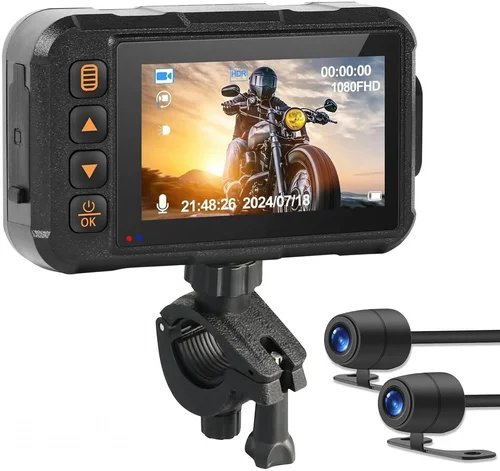
Expert Tips for Getting the Best Deal
Time Your Purchase Strategically
Avoid buying immediately after major holidays when retailers often mark prices up. Instead, wait for seasonal sales events like Black Friday, Cyber Monday, or post-summer clearance periods when manufacturers and retailers discount inventory. Bike-specific retailers often have end-of-season sales in late spring and fall, while general electronics stores offer deals around back-to-school and holiday seasons.
Consider timing your purchase around new model releases, as companies frequently discount previous generation devices. Sign up for email newsletters from reputable dash cam brands to receive exclusive promotions and early access to sales events.
Compare Retailers Carefully
While online marketplaces offer convenience, local bike shops provide valuable expertise and immediate support. Visit both types of retailers before deciding. Online options typically offer better pricing but may require shipping and handling fees. Local shops provide hands-on testing, professional installation advice, and same-day service if problems arise.
Check return policies carefully—some online sellers impose restocking fees or limit return windows. Physical stores usually offer more flexible return options and can help troubleshoot issues on-site.
Look Beyond Flash Sales
Manufacturer rebates, bundle deals, and loyalty program discounts often provide better savings than advertised flash sales. Subscribe to brand newsletters for exclusive promo codes, join retailer loyalty programs for member-only pricing, and check student or military discount programs if eligible.
Consider purchasing certified refurbished models from authorized dealers, which often come with warranty coverage and significant savings compared to new units.
Verify Warranty Coverage Thoroughly
Read the fine print regarding what’s covered and for how long. Premium dash cams should include at least 1-2 years of comprehensive warranty coverage. Check whether the warranty covers accidental damage or just manufacturing defects. International warranty coverage matters if you travel extensively by bike.
Keep all receipts, packaging, and registration information to streamline warranty claims. Some manufacturers require online registration within 30 days of purchase for full warranty activation.
Test Before Committing
If possible, test the camera in-store or borrow from friends before purchasing. Pay attention to button placement, menu navigation, and mounting stability during movement. Try adjusting settings while simulating actual riding conditions to ensure usability while mounted on handlebars.
Check video quality by reviewing sample footage on the display, and verify that audio recording works clearly. Test the companion app functionality if applicable, ensuring it pairs reliably and transfers files smoothly.
Consider Multi-Buy Discounts
If you need multiple cameras (for family members, different bikes, or backup systems), ask about volume discounts. Some retailers offer reduced pricing for purchasing two or more units simultaneously. This approach makes sense if you plan to outfit multiple bikes or share the device among family members.
Evaluate Total Value, Not Just Price
Compare features, build quality, and long-term reliability rather than focusing solely on sticker price. A slightly more expensive camera that lasts three years may prove cheaper than multiple budget replacements over the same period. Consider resale value and brand reputation when assessing overall value proposition.

Frequently Asked Questions
Q: Do I really need a dash cam for biking?
A: While not absolutely required, a bike dash cam provides valuable protection and peace of mind. It can document accidents, help resolve liability disputes, deter theft, and even assist with insurance claims. For regular commuters or those riding in high-traffic areas, the investment often proves worthwhile for the security it offers.
Q: Can I use my phone as a dash cam instead?
A: While smartphones can record video, they’re generally not ideal as dedicated dash cams for several reasons. Phone mounts are less stable and secure than purpose-built systems, battery drain is significant during extended recording, and most phones lack the ruggedness needed for outdoor cycling conditions. Specialized dash cams offer superior performance, longer recording times, and better evidence quality.
Q: How much battery life do I actually need?
A: For most commuting scenarios (30-60 minute rides), 2-3 hours of battery life suffices. For longer journeys or multi-day tours, look for models with 4+ hour battery capacity or external power options. Consider your typical ride length, charging opportunities during the day, and whether you can conveniently remove and charge the camera during breaks.
Q: What’s the difference between 1080p and 4K recording?
A: 4K provides approximately 4x the pixel count of 1080p, resulting in significantly clearer detail and better zoom capability without quality loss. This makes 4K ideal for identifying license plates, reading signs, or examining fine details in accident footage. However, 4K files are larger, consuming more storage space and battery power than 1080p recordings.
Q: Are cloud-connected dash cams worth the subscription fees?
A: Cloud features add value for specific use cases. Automatic uploads provide off-site evidence preservation, which is crucial if your camera gets stolen or damaged. Live streaming enables real-time monitoring, useful for parents watching children commute. However, subscription costs can add up annually, so weigh these benefits against your specific needs and budget constraints.
Q: How do I choose the right field of view?
A: For most cyclists, 150-160 degrees provides optimal coverage without excessive distortion. Wider angles (170+) capture more peripheral vision but increase edge distortion, potentially making distant objects harder to identify. Narrower angles (130-140 degrees) reduce distortion but may miss important context. Consider your primary riding environment—city streets benefit from wider views, while mountain trails may prefer slightly narrower coverage.
Q: Can dash cams record audio?
A: Yes, most modern dash cams include microphone input for audio recording, which can be valuable for documenting conversations, traffic sounds, or environmental context. However, privacy laws vary by region regarding audio recording, so research local regulations before enabling this feature. Some models allow you to disable audio recording entirely if privacy concerns exist.
Q: What maintenance does a bike dash cam require?
A: Basic maintenance includes keeping the lens clean using microfiber cloths or lens wipes, checking mount security before rides, and occasionally updating firmware for performance improvements. More thorough cleaning may be needed in dusty or muddy conditions. Replace memory cards every 6-12 months depending on usage frequency and storage capacity.
Q: Will a dash cam affect my bike’s aerodynamics or handling?
A: High-quality dash cams are designed to minimize aerodynamic impact, typically adding only 100-300 grams of weight and minimal frontal area. Modern mounts secure firmly without interfering with controls or creating dangerous clearance issues. The slight drag and weight increase are negligible compared to the safety benefits of having documented evidence.
Q: How do I choose between front-only and dual-camera systems?
A: Front-only systems suffice for most riders needing evidence of what happens ahead. Dual systems (front and rear) provide comprehensive coverage ideal for group rides, competitive racing, or situations where rear-end collisions are common. Consider your riding patterns, whether you often ride with others, and how important complete scene documentation is for your needs.
Our Final Recommendations
Best for Budget-Conscious Buyers
For cyclists looking to protect themselves without breaking the bank, the Viofo A119 Mini offers exceptional value at around $80. This compact dash cam delivers 1080p recording with reliable stabilization, impact detection, and weather resistance. Its simple operation and decent battery life make it perfect for everyday commuters who need basic evidence protection without complexity or expense.
Best Overall Value
The Garmin VIRB X30 stands out as the sweet spot for most cyclists, priced around $250. It combines 4K recording, superior stabilization, 2-hour battery life, and robust GPS tracking with intuitive operation. The included mounting hardware secures firmly to handlebars, while the companion app provides seamless file management and ride analysis features that enhance both safety and performance tracking.
Best Premium Option
For serious cyclists demanding professional-grade protection, the GoPro HERO11 Black offers unmatched versatility at approximately $400. With 5.3K recording, HyperSmooth stabilization, waterproof housing, and extensive accessory ecosystem, this action camera excels in every aspect. Its modular design allows custom mounting configurations, while cloud connectivity provides automatic backup for critical evidence preservation.
Best for Beginners
New cyclists should start with the Campark ACT74, available for about $70. This user-friendly dash cam features 1080p recording, easy one-button operation, and straightforward mounting system. Despite its affordable price, it includes essential features like loop recording, G-sensor protection, and weather sealing, providing confidence-building protection for those new to cycling documentation.
Best for Advanced Users
Experienced cyclists seeking maximum coverage and evidence integrity will appreciate the Insta360 ONE RS Dual-Lens Edition, priced around $500. This innovative system combines a front-facing camera with a rear module for complete scene documentation. Advanced features like AI-powered editing, voice control, and professional-grade stabilization make it ideal for competitive riders, tour guides, or anyone needing comprehensive ride analysis capabilities.
Conclusion: Making the Right Choice
Selecting the best dash cam for biking ultimately comes down to understanding your specific needs, riding patterns, and priorities. Rather than chasing the latest technology or focusing solely on price points, consider how the camera fits into your overall cycling routine and safety objectives. The ideal choice balances essential features with practical usability, ensuring reliable performance when you need it most.
Remember that no single dash cam suits everyone—what works perfectly for a daily commuter may be overkill for casual weekend riders, while professional-grade systems might frustrate beginners with their complexity. Take time to evaluate your actual usage scenarios: How often do you ride? What environments do you typically encounter? How important is evidence preservation versus convenience?
Don’t hesitate to invest in quality when it matters most to you. A reliable dash cam isn’t just about recording videos—it’s about peace of mind, accountability, and the ability to focus on enjoying your ride rather than worrying about potential incidents. By following the guidance in this comprehensive guide and prioritizing features that align with your cycling lifestyle, you’ll find a solution that enhances both your safety and your riding experience.
The market continues evolving rapidly, so stay informed about new developments and don’t rush into purchases during promotional periods unless you’ve thoroughly evaluated your needs. With the right dash cam protecting your rides, you’ll have greater confidence navigating roads, sharing trails, and pursuing your cycling goals—knowing that every moment can be documented and protected.