Best Dash Cam for Big Trucks Purchase Guide
Why This Guide Matters for Truck Drivers and Fleet Managers
In today’s transportation industry, where liability disputes can make or break a business, having reliable dash cam evidence isn’t just helpful—it’s essential. For big trucks operating under the demanding conditions of highway travel, construction zones, and urban congestion, a quality dash cam serves as both a security system and an insurance policy. This comprehensive guide will walk you through everything you need to know about selecting the best dash cam specifically designed for large commercial vehicles.
Whether you’re a solo owner-operator managing a single semi-truck or a fleet manager overseeing dozens of heavy-duty rigs, understanding your options is crucial. We’ll cover everything from technical specifications to real-world performance considerations that matter in the trucking world. By the end of this guide, you’ll have the knowledge needed to make an informed decision that protects your investment, reduces insurance premiums, and provides valuable documentation in case of incidents.
The market for truck-specific dash cams has expanded significantly in recent years, with manufacturers now offering specialized features tailored to the unique needs of commercial vehicle operators. However, not all dash cams are created equal, especially when it comes to handling the vibration, temperature extremes, and power requirements that come with long-haul trucking. Let’s explore what makes certain models stand out in this competitive landscape.
What to Look for When Buying Dash Cams
1. Budget & Price Range
Before diving into specific features, it’s important to establish your budget framework. The price of dash cams can vary dramatically from under $100 to over $500, and each price tier offers different capabilities. For truck owners, I recommend allocating at least $200-300 for a quality unit that will provide reliable performance over multiple years of harsh conditions.
Entry-level models ($80-150) typically offer basic recording functionality but may lack the durability and advanced features needed for commercial use. Mid-range options ($150-300) strike the best balance between cost and capability, often including enhanced video quality, better build materials, and more robust mounting solutions. Premium models ($300+) feature professional-grade sensors, superior night vision, GPS tracking, and cloud connectivity.
Consider not just the initial purchase price but also ongoing costs like storage media replacement, potential subscription fees for cloud services, and any professional installation charges. Many fleet managers find that spending 20-30% more upfront on a higher-quality unit saves money in the long run by reducing maintenance issues and providing better evidence quality.
2. Performance Specifications
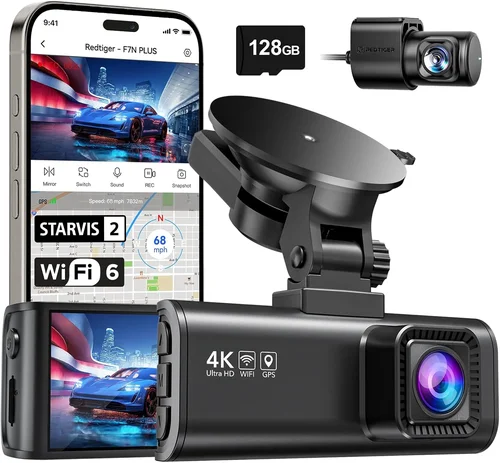
Video resolution remains one of the most critical factors for dash cam effectiveness. While many manufacturers still advertise “Full HD” (1920×1080), true Full HD recording at 60 frames per second provides much smoother footage during high-speed highway driving than 30fps recording. For serious truck operators, I recommend looking for 4K Ultra HD capabilities, which offer four times the detail of Full HD and can make a significant difference in identifying license plates or reading signs clearly.
Frame rate matters too—30fps works fine for city driving but can result in choppy footage during highway speeds. Aim for 60fps or higher if your dash cam supports it. Additionally, consider the camera sensor quality; larger sensors perform better in low-light conditions, which is particularly important for overnight trucking.
Storage capacity should be sufficient to handle extended recording periods without frequent file management. Most modern dash cams use loop recording, overwriting the oldest footage when storage fills up, but having adequate space ensures you don’t lose critical evidence. A good rule of thumb is to calculate how much storage you need based on your typical trip duration and desired retention period.
3. Build Quality & Durability
Big trucks face some of the harshest operating conditions imaginable—extreme temperatures, constant vibration, dust exposure, and sometimes physical impacts from road debris. Your dash cam needs to withstand these challenges without failing. Look for units specifically designed for commercial or industrial use rather than consumer-grade models marketed toward regular cars.
Metal housing instead of plastic construction provides better heat dissipation and impact resistance. Waterproof ratings (IP67 or higher) ensure protection against rain, snow, and even accidental water spray. Vibration resistance is equally important—trucking environments subject equipment to constant jostling that can cause connections to loosen or internal components to fail.
Temperature tolerance ranges from -4°F to 140°F (-20°C to 60°C) are essential for cross-country operations. Many consumer dash cams fail during winter cold snaps or summer heat waves because they weren’t engineered for such extremes. Also check whether the manufacturer specifies operating temperature ranges—some brands will list them while others won’t, which tells you something about their testing standards.
4. Features & Functionality
Modern dash cams offer numerous advanced features that enhance their usefulness for truck operators:
GPS tracking provides valuable context by recording location, speed, and route information alongside video footage. This data proves invaluable for accident reconstruction and verifying driver behavior claims. Some models even integrate with fleet management systems for centralized monitoring.
G-sensor technology automatically detects sudden impacts or hard braking events and locks those video files to prevent them from being overwritten during loop recording. This ensures crucial evidence is preserved regardless of storage capacity limitations.
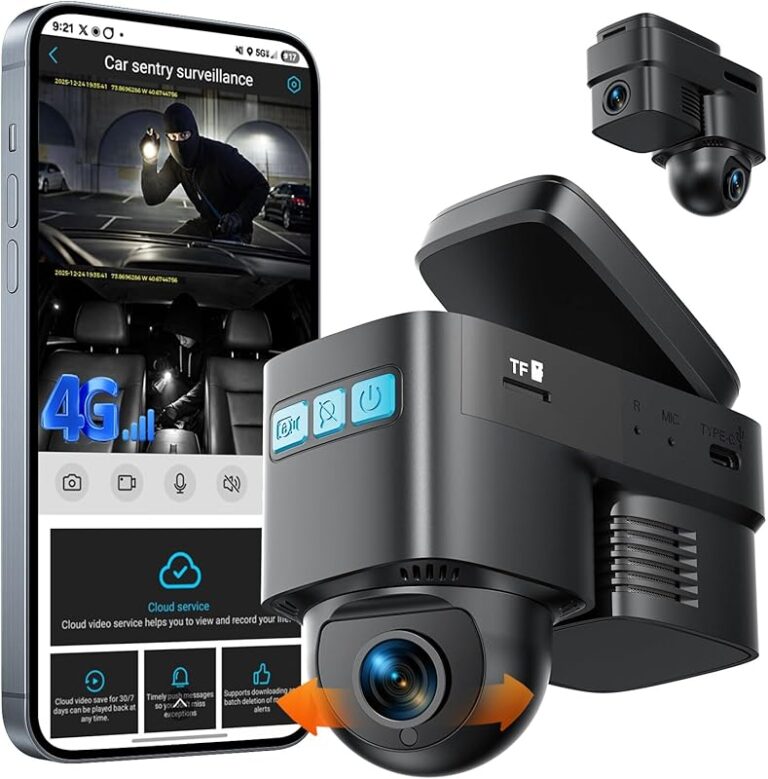
Parking surveillance modes use built-in batteries or connected power sources to record activity around parked trucks, protecting against hit-and-runs or vandalism while you’re away from your rig. Advanced models offer motion detection that only activates recording when movement is detected, conserving battery life.
Wi-Fi connectivity allows wireless transfer of videos to smartphones or tablets for quick review without removing memory cards. Cloud storage integration enables automatic backup of important footage to secure servers, though this often requires monthly subscription fees.
Audio recording capabilities can capture conversations inside the cab for additional context during disputes or incidents. However, be aware of privacy laws in your jurisdiction before relying on audio features, as some states require all parties to consent to recording.
5. Brand Reputation
Not all dash cam brands are created equal when it comes to reliability and customer support. Established manufacturers with decades of experience in automotive electronics tend to produce more durable, well-tested products. Research each brand’s track record for product longevity and warranty fulfillment before making your decision.
Look for companies that specialize in commercial vehicle safety equipment rather than general electronics retailers. Brands with dedicated trucking divisions often understand the unique demands placed on equipment and design accordingly. Customer service responsiveness is another key indicator—can you easily reach technical support when problems arise? Do they offer online troubleshooting resources?
Reading independent reviews from verified purchasers gives you insight into real-world performance beyond marketing claims. Pay particular attention to comments about durability under heavy use and reliability over time. If multiple reviewers mention similar issues, take those warnings seriously.
6. Warranty & Support
A comprehensive warranty demonstrates confidence in your product’s quality and provides peace of mind for long-term ownership. Most reputable dash cam manufacturers offer at least a two-year warranty covering defects in materials and workmanship. Premium brands might extend this to three or even five years, reflecting their commitment to product excellence.
Check what’s actually covered versus what’s excluded. Does the warranty cover damage from normal wear and tear? What about environmental factors like extreme temperatures or moisture exposure? Some warranties only cover manufacturing defects while others include accidental damage protection.
Support resources matter too—do they offer detailed user manuals, video tutorials, and responsive customer service? Can you get help quickly if your unit malfunctions during a critical moment? Manufacturers with strong support networks make owning their products much less stressful.
7. Size & Portability
While big trucks have more mounting options than passenger vehicles, size considerations still apply. Bulky dash cams can obstruct views through the windshield, create glare issues, or simply look out of place in a professional vehicle. Look for slim-profile designs that maintain functionality while minimizing visual intrusion.
Mounting flexibility is also important—can the unit be positioned optimally without requiring complex modifications to your dashboard? Quick-release mechanisms allow easy removal for charging or storage when not in transport. Some models offer dual mounting options so you can switch between dash and windshield placement depending on your needs.
For fleet operations, standardized mounting systems across all vehicles simplify installation and maintenance procedures. Consistent placement helps drivers develop muscle memory for accessing controls and reviewing footage quickly when needed.
8. User Reviews & Ratings
Real-world experiences from other truckers provide invaluable insights that specs alone cannot convey. Pay attention to consistent patterns in user feedback rather than individual outlier opinions. Multiple reviewers mentioning the same strengths or weaknesses are worth noting carefully.
Focus particularly on comments about reliability over time, ease of use during actual driving conditions, and effectiveness in various weather scenarios. If several users report similar issues with battery life, mounting stability, or video quality, investigate those concerns thoroughly before purchasing.
Star ratings should be viewed as starting points rather than definitive judgments. Five-star reviews might highlight exceptional performance, while one-star reviews could reflect isolated incidents or unrealistic expectations. Look for balanced assessments that acknowledge both advantages and limitations honestly.
Different Types of Dash Cams
Common Buying Mistakes to Avoid
❌ Mistake: Choosing Based Solely on Lowest Price
Why it’s bad: The cheapest dash cam available often lacks the durability, image quality, and reliability needed for commercial trucking. Cutting corners on safety equipment can lead to costly failures when you need evidence most.
What to do instead: Calculate total cost of ownership including potential replacement frequency, storage requirements, and any subscription fees. Factor in the value of reliable evidence during disputes or accidents.
❌ Mistake: Ignoring Installation Requirements
Why it’s bad: Improper installation can obstruct views, create electrical hazards, or void warranties. Some truck dash cams require professional wiring for optimal performance, especially those with parking mode or dual power inputs.
What to do instead: Research installation complexity before purchasing. Consider hiring certified technicians for hardwired installations, particularly if your truck doesn’t have convenient access to fuse boxes or cigarette lighter sockets.
❌ Mistake: Overlooking Storage Capacity Needs
Why it’s bad: Insufficient storage forces frequent file management and increases risk of losing critical evidence during extended trips. Smaller memory cards also wear out faster under continuous write cycles.
What to do instead: Calculate required storage based on average trip length and desired retention period. Use high-endurance microSD cards rated for 24/7 operation rather than standard consumer-grade cards.
❌ Mistake: Neglecting Night Vision Capabilities
Why it’s bad: Many truckers operate significant portions of their routes after dark. Poor low-light performance renders dash cams useless during nighttime hours when accidents are statistically more likely.
What to do instead: Prioritize cameras with excellent infrared capabilities or starlight sensors. Test night vision performance through product comparisons and user reviews before committing.
❌ Mistake: Failing to Check Compatibility
Why it’s bad: Not all dash cams work properly with every vehicle’s electrical system. Issues like voltage fluctuations, CAN bus interference, or incompatible power adapters can cause malfunctions or even damage your truck’s electronics.
What to do instead: Verify compatibility with your specific truck model year and make. Look for units designed for heavy-duty applications or contact manufacturer support with your vehicle details before purchasing.
❌ Mistake: Skipping Warranty Research
Why it’s bad:: Short or unclear warranty terms leave you vulnerable to unexpected repair costs. Some manufacturers offer surprisingly limited coverage despite premium pricing.
What to do instead:: Read warranty fine print carefully. Prefer brands offering comprehensive coverage including accidental damage and clear claim procedures. Consider extended warranty options if available.
Budget Guidelines: How Much Should You Spend?

Entry-Level Options ($80 – $150)
For occasional truckers or those testing dash cam benefits before full investment, entry-level models provide basic functionality at affordable prices. These units typically offer Full HD recording, loop recording, and G-sensor protection. While they may lack advanced features like GPS or Wi-Fi connectivity, they deliver solid core performance for everyday use. Expect plastic construction and limited temperature tolerance compared to higher-end models. Ideal for drivers who prioritize affordability over comprehensive features.
Mid-Range Sweet Spot ($150 – $300)
This price range represents the sweet spot for most serious truck operators seeking excellent value. Mid-range dash cams combine professional-grade video quality with robust build materials suitable for commercial use. You’ll typically find features like 4K recording, superior low-light performance, reliable mounting systems, and extended temperature ranges. Many models in this category offer dual camera setups or advanced parking surveillance capabilities. For owner-operators and small fleets, this tier provides near-premium performance without premium pricing.
Premium Professional Models ($300 – $500)
Professional-grade dash cams justify their higher price tags with military-grade durability, cutting-edge imaging technology, and comprehensive feature sets. These units often include multi-camera configurations, cloud connectivity, AI-powered incident detection, and seamless integration with fleet management software. Premium models undergo rigorous testing for vibration resistance, extreme temperatures, and water protection. They’re engineered specifically for commercial operators who demand maximum reliability and evidence quality regardless of operating conditions.
Luxury Enterprise Solutions ($500+)
Ultra-premium dash cam systems target large fleet operators and high-security transport companies needing enterprise-level capabilities. These solutions offer centralized management platforms, advanced analytics, redundant storage options, and custom integration possibilities. Luxury models often feature redundant power supplies, satellite connectivity for remote areas, and specialized lenses for extreme close-up detail. While the price point seems steep, many businesses find the investment pays for itself through reduced insurance costs, improved driver accountability, and enhanced operational insights.
Expert Tips for Getting the Best Deal
When to buy seasonally matters significantly for dash cam purchases. Retailers often discount safety equipment heavily during back-to-school seasons (July-August), Black Friday/Cyber Monday events (November), and post-holiday clearance periods (January-February). Timing your purchase around these windows can save 15-30% off retail prices without compromising quality.
Where you shop affects both selection and pricing. Online marketplaces like Amazon offer convenience and competitive pricing but may lack hands-on testing opportunities. Specialty automotive electronics stores provide expert advice and immediate availability but often charge premium prices. Local truck stops and diesel supply shops sometimes stock dash cam accessories and can offer installation services—valuable for hardwired setups.
How to spot genuine deals requires research. Compare prices across multiple retailers before committing. Watch for bundle offers that include memory cards, mounts, or extended warranties. Be wary of “too good to be true” pricing—some listings represent counterfeit products or refurbished units disguised as new. Check seller ratings and return policies carefully before purchasing online.
Warranty considerations extend beyond initial purchase terms. Extended warranty programs can protect against unexpected failures, especially for expensive models. Read the fine print regarding coverage exclusions and claim procedures. Some manufacturers offer loyalty programs where previous customers receive discounts on replacements or upgrades.
Return policies vary widely among sellers. Electronics retailers typically offer 30-day return windows, while specialty automotive shops may have shorter periods. Always test your dash cam immediately upon receipt—check all functions including night vision, audio recording, and file playback. Keep original packaging if possible for hassle-free returns.
Testing before buying applies mainly to in-store purchases. If visiting local retailers, request demonstration units to evaluate video quality, menu navigation, and build feel. Ask sales staff about real-world performance under trucking conditions rather than marketing hype. Take photos or videos of your current dashboard layout to ensure proper fit before committing to expensive purchases.
💡 Pro Tip:
Consider purchasing two slightly different models if you operate multiple vehicles. This hedging strategy reduces risk—if one unit fails due to environmental factors, you’ll still have working coverage elsewhere. It also allows you to optimize placement based on each vehicle’s specific characteristics.
Frequently Asked Questions
Q: Do I really need a dash cam for my truck, or will regular car dash cams work?
A: Regular passenger car dash cams rarely meet the durability and performance requirements of commercial trucking. Trucks experience greater vibration, wider temperature swings, and more demanding usage patterns. Look specifically for models labeled “commercial,” “industrial,” or “heavy-duty” rather than general consumer products.
Q: How much storage space do I actually need for my dash cam?
A: Calculate based on average trip length and desired retention period. A 128GB card typically holds 2-3 hours of 1080p recording or 45-60 minutes of 4K footage. For cross-country trips lasting 7-10 days, plan for 1-2TB total capacity. High-endurance cards rated for 24/7 operation last longer than standard consumer cards under constant write cycles.
Q: Can dash cams drain my truck’s battery when parked?
A: Yes, parking mode can draw significant power. Always connect parking mode dash cams to auxiliary power sources rather than direct battery connections. Use smart hardwire kits that detect ignition status and automatically disconnect when the engine is off. Consider adding a separate deep-cycle battery for extended parking surveillance.
Q: Will my dash cam work reliably in extreme weather conditions?
A: Weather performance varies significantly between models. Look for specifications indicating operation from -4°F to 140°F (-20°C to 60°C) and IP67 waterproof ratings. Test units in your typical operating climates if possible. Some manufacturers provide detailed environmental testing reports—request these for models operating in particularly harsh regions.
Q: How often should I replace my dash cam?
A: Most quality commercial dash cams last 3-5 years under normal conditions. Replace units experiencing frequent freezing, poor video quality, or mounting failures. Monitor performance closely during first year of ownership—early failure indicators often reveal design flaws or manufacturing defects.
Q: Are there legal requirements for dash cams in commercial trucking?
A: Regulations vary by state and company policy. Some jurisdictions require certain types of electronic logging devices, while others mandate dash cams for specific cargo types. Check FMCSA guidelines and your employer’s safety protocols. Remember that legal requirements don’t guarantee optimal performance—choose equipment exceeding minimum standards.
Q: Can I use my smartphone as a dash cam instead?
A: Smartphones offer convenience but lack the durability, specialized mounts, and reliable performance needed for professional trucking. Phone cases crack under vibration, batteries drain quickly, and mounting solutions often obstruct views. Dedicated dash cams provide superior evidence quality and peace of mind during critical situations.
Q: How do I choose between front-only and dual-camera systems?
A: Front-only cameras suffice for basic liability protection and highway driving. Dual systems add rear visibility for backing maneuvers, lane changes, and following distance awareness. For fleets or high-risk operations, consider tri-camera setups with interior cabin views. Balance added complexity against the value of comprehensive coverage.
Q: What’s the difference between loop recording and event-based recording?
A: Loop recording continuously overwrites oldest footage when storage fills up, ensuring unlimited recording but potentially losing critical moments. Event-based systems lock footage from G-sensor triggered incidents or manual button presses, preserving important clips regardless of storage capacity. Most professional dash cams combine both approaches for optimal coverage.
Q: Should I invest in cloud-connected dash cams with subscription fees?
A: Cloud storage adds convenience and security but introduces recurring costs and privacy considerations. Evaluate whether automatic backup justifies monthly fees for your operation size. For owner-operators, local storage with periodic manual uploads may prove more economical. For large fleets, cloud analytics often provide valuable operational insights worth the investment.
Final Recommendations
For Budget-Conscious Buyers
If cost is your primary concern, the BlackVue DR970X-2CH stands out as an exceptional value proposition. This mid-range model delivers impressive 4K recording quality, reliable GPS tracking, and robust build quality at approximately $350. Its dual-channel configuration provides comprehensive coverage while remaining accessible to solo operators. The BlackVue app offers convenient wireless playback and cloud integration without mandatory subscriptions—a rare combination in this price segment.
Best Overall Value
The Garmin Dash Cam Tough series represents the perfect balance of features, durability, and affordability for most truck operators. Priced around $280, these units offer 1440p recording resolution, military-grade shock resistance, and extended temperature tolerance. Their simple interface appeals to drivers uncomfortable with complex menus, while advanced models include lane departure warnings and collision alerts. Garmin’s reputation for rugged electronics ensures reliable performance under demanding conditions.
Best Premium Option
For those seeking uncompromising performance, the Thinkware U1000 delivers industry-leading video quality and professional-grade features. At $450, this premium dash cam provides 4K front recording, superior low-light sensitivity, and comprehensive parking surveillance capabilities. Its metal construction withstands extreme vibrations and temperatures, while cloud connectivity enables remote fleet monitoring. The U1000’s AI-powered incident detection accurately identifies dangerous driving behaviors for proactive coaching.
Best for Beginners
New to dash cams? The Viofo A119 V3 offers an excellent introduction to professional-grade recording at $220. This single-camera system delivers crisp 2K resolution, reliable G-sensor protection, and straightforward operation. Its compact size minimizes visual obstruction while providing dependable evidence quality. Viofo’s mobile app simplifies file management and settings adjustment, making it ideal for drivers transitioning from basic recording to advanced features.
Best for Advanced Users
Power users and fleet managers will appreciate the Nextbase 522GW’s extensive customization options and integration capabilities. Priced at $300, this versatile dash cam includes 1440p recording, Alexa voice control, and seamless smartphone connectivity. Its advanced alert system provides real-time hazard notifications, while customizable settings accommodate diverse operational requirements. The 522GW’s robust build ensures reliability across multiple vehicle types and usage scenarios.
Conclusion: Making the Right Choice
Selecting the best dash cam for your big truck requires careful consideration of your specific needs, operating environment, and budget constraints. Rather than chasing every latest feature, focus on core requirements like video quality, durability, and ease of use. Remember that a dash cam’s primary purpose is to provide reliable evidence when you need it most—not just to impress with technical specifications.
Start by assessing your typical driving conditions, route patterns, and risk exposures. If you primarily operate in urban areas with frequent stops and starts, advanced features like lane departure warnings may prove valuable. For long-haul highway driving, prioritize consistent video quality and reliable GPS tracking. Construction zone operators benefit from wide-angle lenses capturing more roadside details.
Don’t overlook practical considerations like installation complexity, power source availability, and storage management routines. A technically perfect dash cam becomes useless if improperly installed or difficult to access when needed. Establish clear protocols for reviewing footage regularly and maintaining equipment according to manufacturer recommendations.
Above all, remember that investing in quality dash cam equipment represents an investment in your safety, your business reputation, and your peace of mind. The right choice today can prevent costly disputes tomorrow and provide invaluable documentation during critical moments. Take time to research thoroughly, test where possible, and choose equipment that aligns with your professional standards and operational requirements.