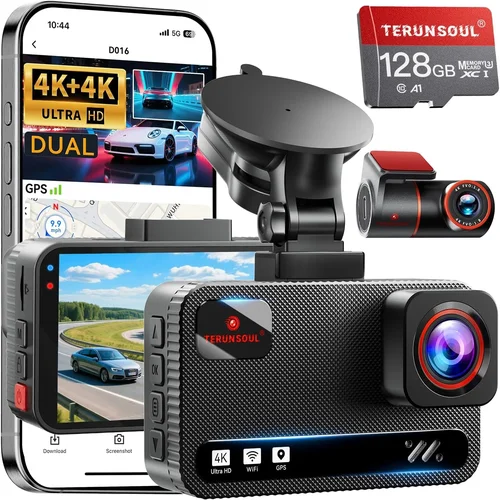
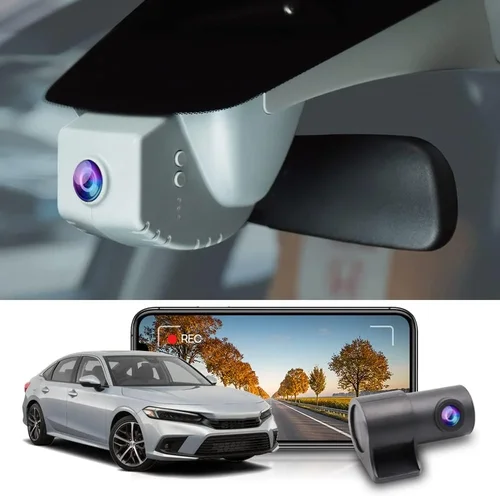
Best Dash Cam Cable Clips Purchase Guide
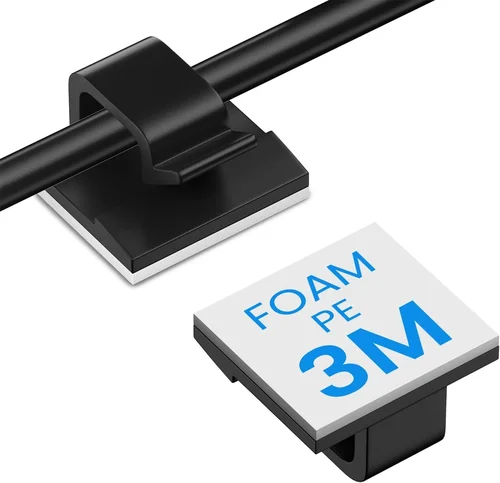
When it comes to setting up a dash cam, most drivers focus on the camera itself—resolution, field of view, night vision capabilities, and storage options. However, one critical yet often overlooked component can make or break your entire installation: the cable clip. These small but essential accessories are responsible for keeping your power and video cables organized, secure, and out of sight. A poorly chosen cable clip can lead to wires dangling from your windshield, interfering with your view, getting damaged over time, or even causing electrical issues. On the other hand, a high-quality dash cam cable clip ensures a clean, professional-looking setup that protects your investment and enhances safety.
This comprehensive buying guide is designed to help you navigate the often confusing world of cable clips specifically tailored for dash cam installations. Whether you’re installing your first dash cam or upgrading an existing system, understanding what to look for in a cable clip can save you time, frustration, and potentially costly mistakes. In this article, we’ll walk you through the key factors to consider, compare different types of clips, highlight common pitfalls, provide budget breakdowns, and offer expert tips to ensure you choose the best cable clip for your dash cam—without overspending or compromising on quality.
The market for dash cam accessories has expanded significantly in recent years, with manufacturers offering everything from basic plastic clips to advanced adhesive-backed solutions with built-in routing channels. While some drivers opt for generic cable ties or duct tape as quick fixes, these methods rarely provide long-term reliability or aesthetics. Dedicated dash cam cable clips, however, are engineered to withstand temperature fluctuations, UV exposure, and repeated flexing—ensuring your dash cam remains powered and functional mile after mile. With so many options available, making an informed decision requires more than just price comparisons; it demands a deeper understanding of materials, design features, vehicle compatibility, and installation practicality.

What to Look for When Buying Dash Cam Cable Clips
1. Material Quality & Durability
The material of your cable clip plays a pivotal role in its longevity and performance. Most reputable dash cam cable clips are made from either high-grade ABS plastic, polycarbonate, silicone, or a combination of both. ABS plastic offers excellent impact resistance and flexibility, making it ideal for automotive environments where vibrations and temperature shifts are common. Polycarbonate adds extra strength and heat resistance, which is crucial if your clip will be exposed to direct sunlight near the windshield.
Silicone-based clips are becoming increasingly popular due to their superior grip and ability to conform slightly to curved surfaces. They also resist cracking and degradation from UV rays better than many plastics. Avoid cheap, brittle clips made from low-quality PVC or thin ABS—they may snap under tension or warp over time, especially in hot climates. Always check product descriptions for terms like “UV-resistant,” “heat-resistant,” or “automotive-grade” to ensure durability.
2. Compatibility With Vehicle Surfaces
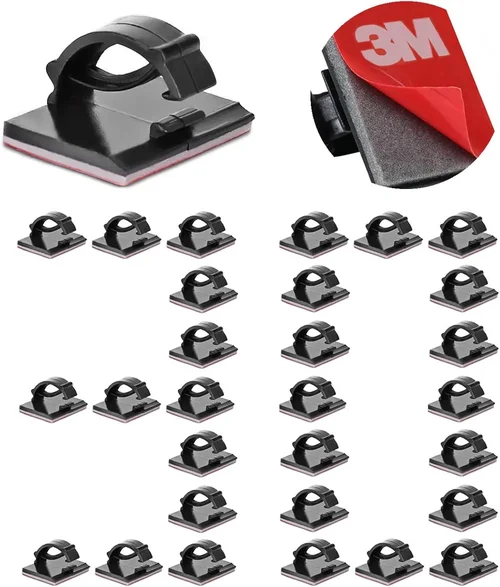
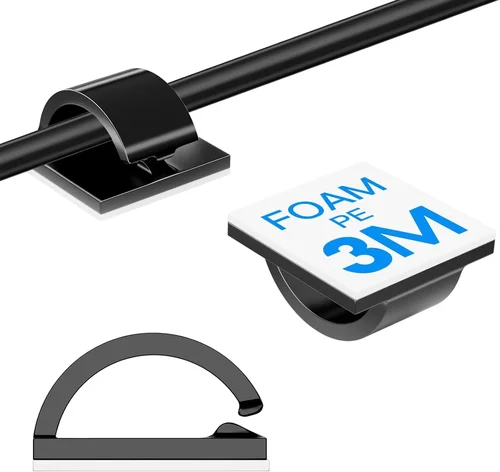
Not all dash cam cable clips are created equal when it comes to sticking power or surface type suitability. Some clips come with 3M VHB tape (Very High Bond), which provides strong adhesion on glass, metal, and painted surfaces. Others use standard double-sided foam tape that works well on smooth interiors but may fail on textured or porous materials.
If your vehicle has a tinted windshield, ceramic-coated paint, or anti-glare film, you’ll need a clip that won’t peel off or leave residue. Look for clips labeled “glass-safe” or “non-residue.” Additionally, some clips feature removable backing or repositionable adhesive, allowing you to adjust placement before finalizing installation. This is particularly useful if you’re unsure about the exact routing path or want to avoid permanent marks on your interior.
3. Cable Diameter & Routing Capacity
Dash cams typically require routing two main cables: the power cable (often USB or hardwired) and the video/data cable that connects to the camera unit. These cables vary in thickness depending on the model—some are thick and rigid, others slim and flexible. Your cable clip must accommodate both without compressing the wires or creating sharp bends.
Most clips are rated for a specific inner diameter range (e.g., 4–8mm). Measure your cables before purchasing and choose a clip that offers at least 20% extra clearance to prevent pinching or signal interference. Some premium clips include adjustable slots or modular inserts that let you customize the fit for different cable sizes. This versatility is especially valuable if you plan to upgrade your dash cam in the future.
4. Ease of Installation & Reusability
A good dash cam cable clip should simplify rather than complicate installation. Features like tool-free mounting, quick-release mechanisms, and pre-cut channels help streamline the process. Avoid clips that require drilling, cutting, or specialized tools—unless you’re doing a hardwired installation, which is beyond the scope of most cable clips.
Reusability matters too. Many drivers remove their dash cams seasonally (for winter driving or road trips) or switch vehicles. Clips with removable adhesive backs or magnetic bases allow for easy transfer between setups. Just be cautious: reusing adhesive multiple times can reduce its stickiness. If reusability isn’t a priority, single-use clips with strong initial adhesion are perfectly fine.
5. Aesthetic Integration & Visibility
While functionality is paramount, nobody wants their dash cam setup looking like a tangled mess of wires dangling from the dashboard. The best cable clips integrate seamlessly into your car’s interior, following natural contours and blending with trim colors. Translucent or black clips tend to disappear against dark dashboards, while metallic finishes may clash with certain materials.
Some advanced clips come with color-matching inserts or customizable sleeves that let you personalize the appearance. Others feature hidden routing paths that keep wires tucked behind pillars or along door frames. If discretion is important to you, invest in clips designed specifically for OEM-style integration—they cost a bit more but deliver a factory-installed look.
6. Brand Reputation & Customer Support
Purchasing from a trusted brand reduces the risk of counterfeit products or subpar quality. Established companies like 3M, Gorilla Glue, VELCRO, and specialized dash cam accessory brands (like Papago, Thinkware, or Blackvue) often back their products with warranties and responsive customer service. Check online reviews not just for star ratings but for recurring complaints—especially about adhesive failure, warping, or poor fit.
Additionally, reputable brands usually provide clear installation guides, FAQs, and support channels. If you encounter issues during setup, having access to troubleshooting resources can save hours of frustration. Free return policies are another plus—never underestimate the value of being able to send something back if it doesn’t work as expected.
7. Additional Features & Smart Add-Ons
Beyond basic cable containment, some clips offer bonus functionalities. For example, integrated fuse holders allow you to combine power distribution with cable management—ideal for hardwiring setups. Others include built-in grommets to protect wires from sharp edges or modular trays that expand to handle multiple devices (like GPS trackers or OBD-II adapters).
Wireless charging pads embedded in certain clips are gaining traction among tech-savvy drivers who want to power phones without cluttering the cabin. While these aren’t directly related to dash cam operation, they enhance overall convenience. Keep your needs in mind: if you only care about securing your dash cam wires, stick to purpose-built clips; if you want a holistic interior upgrade, explore multi-functional options.
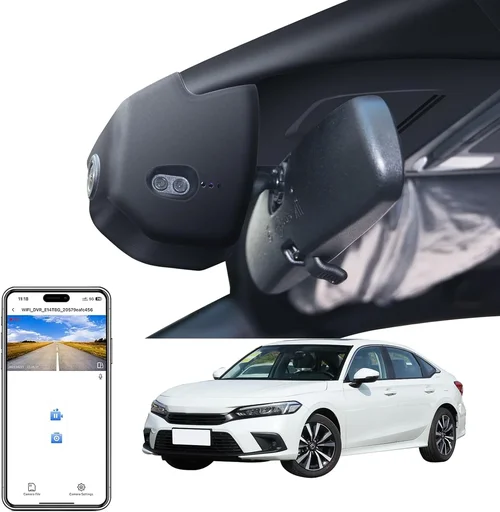
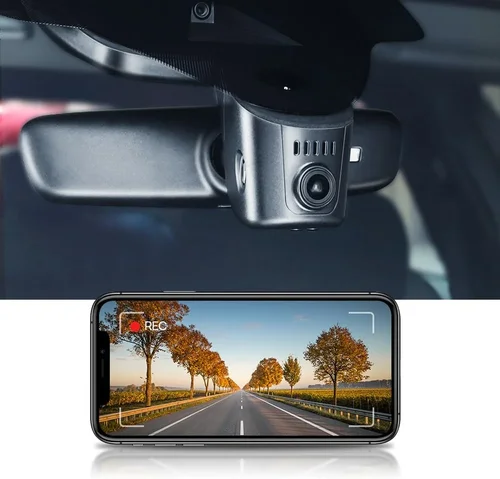
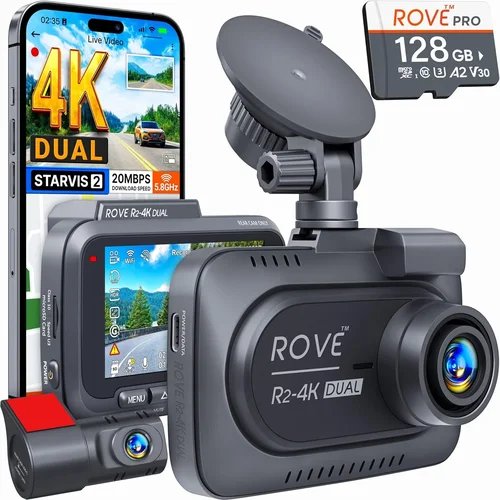
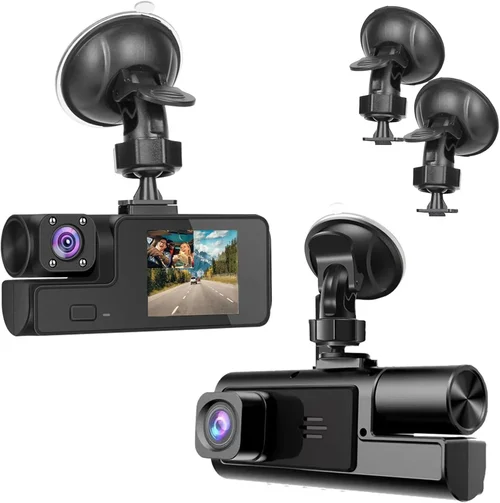
Different Types of Dash Cams

Common Buying Mistakes to Avoid
❌ Mistake: Choosing Based Solely on Price
Why it’s bad: The cheapest cable clips often use low-grade adhesives that lose stickiness within weeks, especially under heat or humidity. Thin plastic may crack when routing around corners, leaving wires exposed and vulnerable to wear.
What to do instead: Prioritize value over upfront cost. Spend 20-30% more for a clip with proven durability. Read verified buyer reviews focusing on long-term performance, not just initial satisfaction.
❌ Mistake: Ignoring Cable Clearance Requirements
Why it’s bad: Cramming thick cables into tight clips causes insulation damage, signal degradation, or even short circuits. Over time, compressed wires develop weak spots that can fray or break.
What to do instead: Measure your cables accurately and add buffer space. Opt for clips with adjustable sizing or modular components that adapt to your specific wire gauges.
❌ Mistake: Using Non-Automotive-Grade Adhesive
Why it’s bad: Household double-sided tape or generic foam strips don’t withstand engine bay heat or prolonged sun exposure. They peel off, leaving sticky residue or requiring constant reapplication.
What to do instead: Only trust clips with automotive-rated adhesives—specifically those using 3M VHB tape or equivalent. These bonds form molecular-level connections that resist environmental stress.
❌ Mistake: Overlooking Windshield Obstruction
Why it’s bad: Placing clips too close to the driver’s line of sight creates visual clutter or physical barriers. Even small protrusions can catch air or reflect glare, distracting you during critical moments.
What to do instead: Route cables along upper trim lines, behind A-pillars, or through factory gaps whenever possible. Use transparent clips that blend into the background and test visibility from the driver’s seat before finalizing placement.
❌ Mistake: Skipping Compatibility Checks
Why it’s bad: Assuming “universal fit” works for every vehicle is risky. Dashboard curvature, trim texture, and glass tint vary widely—even within the same brand/model year.
What to do instead: Verify compatibility using your vehicle’s make, model, and year. When in doubt, watch unboxing or installation videos from owners with similar setups.
❌ Mistake: Neglecting Future Upgrades
Why it’s bad: Installing a clip that only fits one cable size limits your options. Adding a second camera or auxiliary device later means buying new clips anyway—wasting money and effort.
What to do instead: Choose scalable solutions like modular systems or adjustable sleeves. This future-proofs your investment and simplifies upgrades down the road.
Budget Guidelines: How Much Should You Spend?
Entry-Level ($5 – $15)
This tier includes basic adhesive clips from generic brands or bundled with dash cams. Expect simple designs, limited cable capacity, and moderate durability. Ideal for occasional drivers or those testing dash cam functionality without long-term commitment. While functional for short-term use, these clips may degrade faster in harsh conditions or require replacement after 6–12 months.
Examples: Generic 3-pack plastic clips, economy silicone wraps. Best suited for compact sedans with flat dashboards and mild climate exposure.
Mid-Range ($15 – $30)
The sweet spot for most drivers. Mid-tier clips balance affordability with enhanced features: stronger adhesives, better materials (ABS or silicone), and improved cable management. Many include 3M backing, UV resistance, and compatibility with standard dash cam wire diameters. Brands like VELCRO, 3M, and Gorilla Glue dominate this segment with reliable performance and decent warranties.
Examples: VELCRO Brand ONE-WRAP Thick straps, 3M Scotchlok clips, Gorilla Heavy-Duty adhesive holders. Suitable for daily commuters, families, and moderate weather regions.
Premium ($30 – $60)
For serious users who demand professional results. Premium clips offer advanced engineering: modular designs, integrated fuses, hidden routing channels, and customizable aesthetics. Materials are top-tier—often aerospace-grade polymers or medical silicone. Installation is foolproof with tool-free mounting and repositionable adhesive.
Examples: OEM-style dashboard kits, magnetic cable organizers with charging ports, hardwiring-specific fuse blocks. Recommended for frequent travelers, fleet operators, or those combining dash cams with GPS/telematics systems.
Luxury ($60+)
Ultra-premium offerings target connoisseurs and commercial applications. These aren’t just clips—they’re complete interior management ecosystems. Features include wireless charging, ambient lighting, voice control integration, and app-based monitoring. Materials exceed automotive standards, with lifetime warranties and carbon-neutral manufacturing.
Examples: Smart dashboard modules with AI-powered wire detection, self-healing polymer housings, subscription-based remote diagnostics. Overkill for casual users but invaluable for luxury vehicle owners or security professionals.
Expert Tips for Getting the Best Deal
Timing Your Purchase: Black Friday, Prime Day, and end-of-season sales (late summer for dash cam accessories) offer steep discounts. Sign up for retailer newsletters to receive exclusive promo codes. Avoid peak holiday seasons when prices inflate due to demand surges.
Where to Buy: Online retailers like Amazon, Best Buy, and B&H Photo provide broad selection and user reviews. Specialty automotive stores (AutoZone, O’Reilly) carry trusted brands with in-person support. For hardwiring kits, consider local installers who bundle clips with professional services—often cheaper than DIY.
Spotting Deals: Watch for “buy one, get one free” bundles or multi-packs. These reduce per-unit cost and give extras for future use. Compare unit prices across listings—a $20 pack of 10 clips is better value than ten $3 singles.
Warranty Considerations: Reputable sellers offer at least a 90-day return window. Premium brands provide 1–2 year product warranties. Always verify coverage details before purchasing. Free shipping thresholds (usually $25+) can also tip the scales toward online deals.
Testing Before Committing: If buying in-store, inspect clips for sturdiness—flex them gently to check for cracks. Test adhesive on a small area of your dashboard first. Online buyers should prioritize sellers with “Amazon Basics Verified” or “Verified Purchase” badges to minimize return hassle.
Future-Proofing Your Investment: Buy extra clips during sales. You’ll likely need spares for maintenance, seasonal swaps, or new vehicles. Store them in a cool, dry place away from direct sunlight to preserve adhesive integrity.
Community Insights: Join dash cam forums (Reddit r/Dashcam, Whirlpool Automotive) to ask experienced users about real-world performance. Personal recommendations outweigh marketing claims every time.

Frequently Asked Questions
Q: Can I reuse cable clips if I remove my dash cam seasonally?
A: Yes, but with caveats. Clips with removable adhesive backs or magnetic bases are ideal for reuse. However, repeatedly peeling off adhesive reduces its effectiveness. Clean surfaces thoroughly before reapplying, and consider replacing clips every 2–3 years if used frequently.
Q: Do cable clips interfere with airbag deployment?
A: No, when installed correctly. Airbags deploy from designated zones above the dashboard. As long as your clips follow upper trim lines or route along non-critical areas, they pose no risk. Never attach anything directly over airbag vents or sensors.
Q: Are silicone clips safe for tinted windshields?
A: Generally yes, especially if they use 3M VHB tape. Silicone clips distribute weight evenly and resist lifting under UV exposure. Avoid clips with aggressive rubber compounds that might react with tint films. Test adhesion on a small corner first.
Q: What’s the difference between a cable clip and a cable tie?
A: Cable ties (zip ties) are disposable fasteners that permanently bind wires to surfaces. Clips are reusable, surface-mounted organizers that guide wires without crushing them. Clips preserve wire integrity and allow adjustments; ties can damage insulation over time.
Q: Can I use cable clips for hardwiring my dash cam?
A: Absolutely. Hardwiring requires routing thick power cables along the firewall and fuse box. Look for clips with integrated fuse holders or dedicated automotive wiring channels. These combine safety and organization in one step.
Q: Will cable clips affect dash cam video quality?
A: Indirectly, yes—but negatively only if misused. Tightly pinched cables can induce electromagnetic interference (EMI), causing static or glitches. Properly spaced clips eliminate this risk entirely. Always maintain recommended bend radii and avoid coiling excess wire.
Q: Are there universal clips that fit all vehicles?
A: While marketed as “universal,” true one-size-fits-all clips don’t exist. Vehicle dashboards vary in slope, texture, and available gaps. Opt for adjustable or modular clips instead, which adapt to diverse shapes without compromising fit.
Q: How do I clean residue left by old clips?
A: Apply rubbing alcohol or Goo Gone to a microfiber cloth. Gently rub the affected area until residue lifts. Avoid ammonia-based cleaners on tinted windows. Test on a hidden spot first to ensure no discoloration occurs.
Our Final Recommendations
Best for Budget-Conscious Buyers: VELCRO Brand ONE-WRAP Thick Straps – At under $10 for a 12-pack, these reusable straps offer excellent grip without damaging surfaces. Perfect for temporary setups or drivers who switch vehicles often.
Best Overall Value: 3M ScotchLoc Cable Clips (6-Pack) – Durable, UV-resistant, and backed by a trusted brand. Accommodates multiple cable sizes and blends seamlessly into dark dashboards. Priced at $12–$15, it delivers premium performance at mid-range cost.
Best Premium Option: Gorilla Heavy-Duty Mounting Tape + Clip Combo – Combines industrial-strength adhesive with reinforced plastic housing. Handles extreme temperatures and heavy cables. Ideal for SUVs and trucks with rugged interiors.
Best for Beginners: Dashcam Accessories Universal Dashboard Kit – Includes pre-sized clips, routing guides, and color-matched inserts. Eliminates guesswork and ensures professional results straight out of the box.
Best for Advanced Users: Hardwire Kit with Integrated Fuse Holder & Modular Clips – For those hardwiring dash cams or adding secondary devices. Combines safety certification (SAE J1128) with intelligent cable management. Worth the investment for complex builds.
Conclusion: Making the Right Choice
Choosing the best cable clip for your dash cam isn’t about finding the shiniest gadget or the lowest price—it’s about matching your specific needs with a solution that’s durable, discreet, and easy to install. By prioritizing material quality, compatibility, and long-term usability, you’ll protect both your dash cam and your vehicle’s interior while maintaining clear visibility and peace of mind on the road.
Remember, a well-organized cable system reflects thoughtful ownership. It shows respect for your investment and attention to detail—qualities that matter whether you’re documenting a scenic drive or protecting yourself in the event of an incident. Take the time to research, measure carefully, and consult real user experiences before deciding.
Ultimately, the ideal cable clip won’t just hold wires—it will enhance your driving experience. So go forth confidently, knowing you’ve armed yourself with expert knowledge to make a choice that lasts. And if today’s purchase feels like a small step, remember: every great setup starts with a single, well-placed clip.