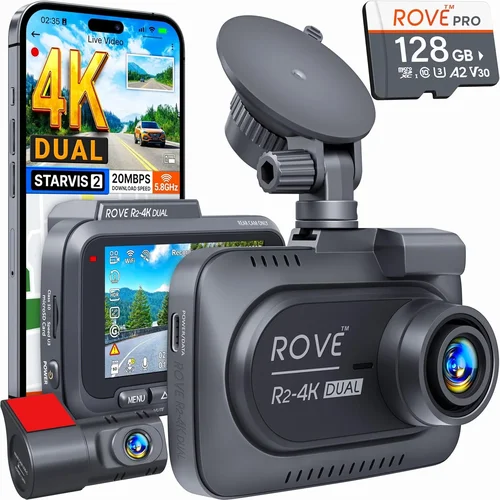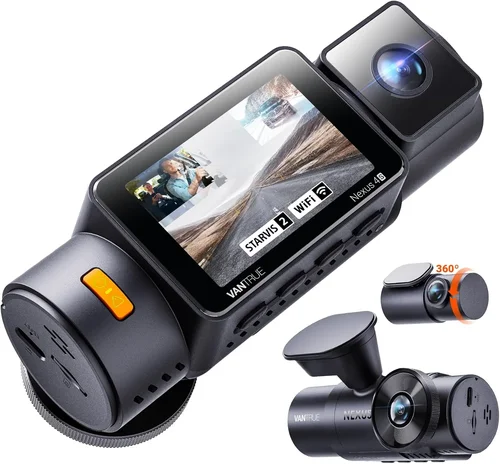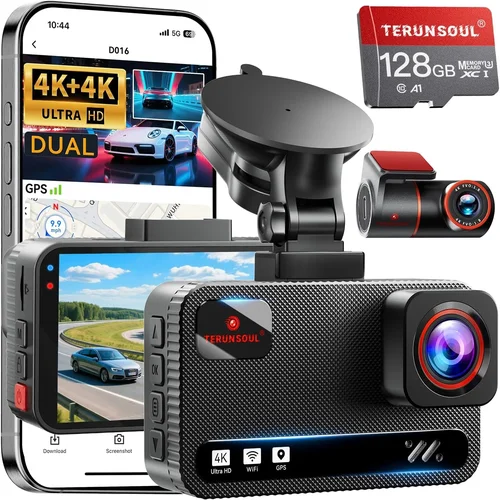
Best Dash Cam Camera Shopping Guide
When you’re behind the wheel, every second counts. A split-second distraction or unexpected event can lead to costly accidents, insurance disputes, or even legal trouble. That’s why having a reliable dash cam in your vehicle isn’t just smart—it’s essential for peace of mind and protection on the road. Whether you’re a daily commuter, a long-haul trucker, or someone who simply wants added security while driving, choosing the right dash cam can make all the difference.
This comprehensive guide will walk you through everything you need to know about selecting the best dash cam camera for your car. You’ll learn how to evaluate key features, understand different types available, avoid common pitfalls, and find the perfect balance between performance and price. By the end of this article, you’ll have the knowledge and confidence to make an informed decision that fits both your driving needs and budget.
The market for dash cams has exploded in recent years, with dozens of brands offering everything from basic single-camera setups to advanced multi-sensor systems with cloud connectivity. While this variety sounds exciting, it can also be overwhelming when trying to determine which features matter most and which are just marketing fluff. Our goal is to cut through the noise and help you focus on what truly matters: crystal-clear footage, robust recording capabilities, and reliable performance when you need it most.
What to Look for When Buying Dash Cams
Budget & Price Range
One of the first decisions you’ll face is determining how much to spend on a dash cam. Prices range dramatically from under $50 for basic models to over $500 for premium systems with multiple cameras and advanced intelligence. Before diving into specific features, consider your priorities: Are you looking for simple accident documentation, or do you want a comprehensive surveillance system? Most drivers find that spending between $100-$250 offers the best value, covering essential features without breaking the bank.
When evaluating cost-effectiveness, remember that the cheapest option might save money upfront but could prove expensive in the long run if it fails during critical moments or requires frequent replacements due to poor build quality or limited functionality. Conversely, overspending on features you won’t use wastes resources. Focus on getting the right combination of reliability, image quality, and necessary features within your comfort zone.
Performance Specifications
The heart of any dash cam lies in its technical specifications, particularly resolution, frame rate, and sensor quality. For most users, Full HD (1920×1080) at 30 frames per second provides excellent detail while maintaining reasonable file sizes. However, if you frequently drive in challenging lighting conditions or need maximum clarity for license plate recognition, consider models offering 4K resolution—though these typically require more storage space and may drain your car’s battery faster.
Another crucial specification is the field of view (FOV). A wider angle captures more of your surroundings but may introduce distortion near edges. Most reputable dash cams offer FOV between 130-170 degrees, striking a good balance between coverage and image clarity. Some advanced models feature adjustable FOV settings, allowing you to optimize based on weather conditions or road type.
Storage capacity directly impacts how long your dash cam can record before needing deletion or transfer. Most units come with built-in memory cards (usually microSD), but many also support external expansion up to 256GB or more. Consider your typical commute length and whether you want continuous loop recording (which overwrites oldest footage) or event-triggered saving. Cloud storage options are increasingly popular but often require monthly subscriptions.
Build Quality & Durability
Your dash cam will be exposed to extreme temperatures, vibrations, dust, and potential impacts—so build quality matters tremendously. Look for models with shock-resistant housing, wide operating temperature ranges (-4°F to 140°F/-20°C to 60°C), and protective coatings against moisture and glare. The mounting system should securely attach to your windshield without obstructing your view and allow for easy removal when needed.
Weather resistance is especially important if you live in areas with heavy rain, snow, or extreme heat. Waterproof or water-resistant ratings (IP65 or higher) help ensure reliable operation during downpours or car washes. Additionally, check whether the lens is protected by anti-scratch coating and whether the device includes thermal protection to prevent overheating in hot climates.
Features & Functionality
Beyond core recording capabilities, modern dash cams offer numerous smart features that enhance usability and protection. Emergency recording modes automatically lock footage when sudden deceleration (G-force detection) or impact occurs, preventing accidental overwriting. Built-in GPS tracks your speed and location, enabling time/location stamping on videos—valuable evidence in disputes. Wi-Fi connectivity allows wireless downloading of clips to your smartphone via companion apps.
Many premium models include additional sensors like rear cameras for 360-degree coverage, parking monitoring that activates when your car is parked, and voice control for hands-free operation. Advanced AI features such as lane departure warnings or collision alerts add another layer of safety. Consider which functions align with your driving habits and whether they justify the added cost.
Brand Reputation
Not all manufacturers are created equal. Established brands with decades of experience in electronics tend to offer better customer service, longer warranty periods, and more consistent firmware updates. Companies like Garmin, BlackVue, Nextbase, and Viofo have built strong reputations through reliability and innovation. Research user reviews across multiple platforms and check professional testing results before committing to lesser-known brands.
Warranty & Support
A solid warranty demonstrates manufacturer confidence in their product and provides recourse if issues arise. Most quality dash cams come with at least a one-year parts-and-labor warranty, while premium models may offer two or three years. Extended warranties are sometimes available for purchase, though weigh the cost against likelihood of needing repairs.
Customer support quality varies widely. Brands with responsive technical teams, detailed troubleshooting guides, and accessible online resources significantly reduce frustration when problems occur. Check whether support is available via phone, email, chat, or community forums, and read recent customer service experiences before buying.
Size & Portability
While functionality takes precedence, physical dimensions affect installation and visibility. Compact designs fit discreetly without blocking your view, but larger units may house superior sensors and cooling systems. Consider whether you want a single-front-camera setup or multi-camera configuration requiring more mounting points.
If you frequently switch vehicles or share the car with others, portability becomes important. Some models offer detachable batteries or USB-C charging for flexibility. Others include magnetic mounts for quick transfers between cars. Think about your usage patterns and whether you need a permanent installation or occasional mobility.
User Reviews & Ratings
Real-world feedback from other drivers reveals practical insights that specs alone cannot provide. Pay attention to recurring complaints about battery life, app connectivity issues, or false emergency triggers. Positive reviews highlighting reliability during actual incidents carry significant weight. Be wary of overly glowing reviews that seem scripted—authentic feedback usually mentions both strengths and weaknesses.
Different Types of Dash Cams
Common Buying Mistakes to Avoid
❌ Mistake: Ignoring Low-Light Performance
Why it’s bad: Many dash cams struggle significantly in dim conditions, producing grainy, unusable footage when headlights reflect off wet roads or during evening commutes. Without proper low-light sensitivity, critical details like license plates become unreadable, defeating the purpose of having evidence.
What to do instead: Prioritize cameras with large aperture lenses (f/1.8 or lower) and starlight-level CMOS sensors. Look for night mode enhancements, WDR (Wide Dynamic Range), and infrared LEDs in models designed for 24/7 recording. Test sample videos from the product page showing nighttime footage before purchasing.
❌ Mistake: Choosing Based Solely on Resolution
Why it’s bad: Higher megapixels don’t guarantee better quality if other components suffer. A 4K dash cam with poor sensor quality, slow write speeds, or inadequate compression may produce blurrier images than a well-engineered 1080p model. Overemphasis on resolution can lead to disappointment and unnecessary storage costs.
What to do instead: Balance resolution with frame rate, sensor size, and video compression technology. For most applications, 1080p@30fps or 2.7K@30fps provides optimal clarity without overwhelming storage demands. Focus on real-world performance metrics rather than theoretical specs.
❌ Mistake: Neglecting Storage Requirements
Why it’s bad: Insufficient storage leads to rapid depletion of recording time, forcing constant manual intervention or loss of critical events due to automatic overwrite. Without understanding bitrate requirements and card compatibility, you risk encountering errors, corruption, or failed recordings.
What to do instead: Calculate required storage based on your driving patterns. A 32GB card may suffice for short commutes, but frequent long-distance travel demands 128GB+. Ensure your chosen dash cam supports high-speed UHS-I/U3 cards and offers flexible recording modes (continuous vs. event-triggered).
❌ Mistake: Overlooking Power Management
Why it’s bad: Poor power handling causes shutdowns during drives, drains your car battery overnight, or fails to trigger parking mode when expected. Cheap cables or inadequate voltage regulation create unreliable operation exactly when you need dependability most.
What to do instead: Verify compatibility with your vehicle’s electrical system (12V/24V). Choose models with built-in capacitors for graceful shutdowns, parking mode power draw specifications, and surge protection. Professional hardwiring kits offer the most reliable solution for permanent installations.
❌ Mistake: Skipping Warranty & Support Research
Why it’s bad: Defective units or firmware bugs can render your investment useless overnight. Manufacturers with poor support may take weeks to respond or deny legitimate warranty claims due to technicalities, leaving you without recourse when evidence is crucial.
What to do instead: Select brands with clear warranty terms, responsive customer service (preferably local), and active user communities. Check independent review sites for reported support experiences and verify return policies before finalizing your purchase.
❌ Mistake: Installing Without Proper Mounting
Why it’s bad: Loose or misaligned mounts result in shaky footage, accidental detachment, or obstruction of critical sightlines. Improper placement also affects field of view and may violate local regulations regarding windshield obstructions.
What to do instead: Follow manufacturer instructions precisely. Use OEM-style suction cups rated for automotive glass, ensure unobstructed forward visibility (typically below dashboard line), and test stability before finalizing installation. Consider professional installers for complex multi-camera setups.
Budget Guidelines: How Much Should You Spend?
Entry-Level ($40 – $100)
These affordable options deliver basic front-facing recording with decent daytime clarity. Ideal for occasional drivers or those testing dash cam benefits before committing. Expect limited features like loop recording, motion detection, and basic G-sensor alerts. While sufficient for casual use, entry-level models often compromise on build quality, night performance, and reliability during extended operation.
Mid-Range ($100 – $250)
This sweet spot offers excellent value with Full HD recording, robust emergency features, and improved durability. Most mid-range dash cams include GPS, Wi-Fi, and reliable parking modes. Build quality approaches professional standards, and night performance typically exceeds entry-level alternatives. Perfect for daily commuters seeking comprehensive protection without premium pricing.
Premium ($250 – $500)
Top-tier models in this range deliver 4K resolution, advanced AI features, superior low-light capture, and enhanced durability. Dual-camera systems become common here, along with cloud connectivity, driver assistance alerts, and professional-grade mounting solutions. These devices rival standalone security cameras in capability while maintaining dash cam convenience.
Luxury ($500+)
Ultra-premium dash cams target professionals, fleet operators, and enthusiasts demanding absolute reliability and cutting-edge technology. Features include multi-sensor arrays, raw video recording, military-grade components, and enterprise-level management software. While exceeding typical consumer needs, luxury models offer unmatched peace of mind for high-risk driving scenarios or commercial applications.
Expert Tips for Getting the Best Deal
💡 Pro Tip: Time Your Purchase Strategically
Major shopping holidays like Black Friday, Cyber Monday, and Amazon Prime Day offer substantial discounts on electronics, including dash cams. Retailers like Best Buy, Walmart, and Costco frequently bundle accessories or extend warranties during these periods. Consider waiting for seasonal sales unless you need immediate protection.
💡 Pro Tip: Compare Retailers Carefully
Online marketplaces provide broad selection but may lack in-person support. Physical stores allow hands-on testing but sometimes charge premium prices. Evaluate total value including shipping costs, return policies, and local service availability. Some manufacturers sell direct at competitive prices with better warranty terms.
💡 Pro Tip: Leverage Bundle Deals
Many dash cam packages include essential accessories like extra batteries, hardwiring kits, or premium memory cards. While not always cheaper individually, bundles often provide better long-term value by reducing future upgrade costs. Watch for “complete setup” packages that address installation needs comprehensively.
💡 Pro Tip: Read Recent User Reviews
Product specifications remain static while real-world performance evolves. Check review sections updated within the last 6 months to identify emerging issues or firmware improvements. Pay attention to comments about customer service responsiveness and long-term reliability beyond initial impressions.
💡 Pro Tip: Test Before Committing
Whenever possible, visit physical retailers to compare build quality, interface intuitiveness, and mounting ease. Request demonstration videos showing actual recording quality under various lighting conditions. Understanding how controls work prevents frustration during installation and daily use.
💡 Pro Tip: Understand Return Policies
Even with thorough research, compatibility issues or personal preference mismatches happen. Verify return windows (minimum 30 days recommended), restocking fees, and condition requirements before purchasing. Online retailers typically offer more generous return policies than brick-and-mortar stores.
FAQs Section
Q: Do I really need a dash cam, or is insurance enough?
A: While comprehensive insurance covers financial loss from accidents, it doesn’t protect against liability disputes or false accusations. Dash cams provide objective evidence that can exonerate you in hit-and-run cases, insurance fraud investigations, or traffic stop conflicts. For most drivers, the modest investment pays dividends through enhanced security and legal protection.
Q: What’s the difference between loop recording and event recording?
A: Loop recording continuously saves video segments that automatically overwrite oldest files when storage fills. Event recording uses accelerometer data to detect sudden movements or impacts, locking those clips to prevent overwriting. Most modern dash cams combine both modes—continuous background recording with emergency-protected event footage.
Q: Can dash cams drain my car battery?
A: Yes, especially parking mode features that monitor your vehicle when powered off. However, quality models include intelligent power management that minimizes drain. Hardwired installations with fuse taps draw negligible current, while portable units typically include backup batteries for extended parking surveillance.
Q: How do I choose the right memory card?
A: Select UHS-I Class 3 (U3) microSD cards with minimum 64GB capacity for reliable performance. High-quality brands like SanDisk Extreme, Samsung EVO Select, or Lexar Professional consistently outperform budget options. Format cards using your dash cam before first use to ensure compatibility and optimal performance.
Q: Are dash cams legal everywhere?
A: Regulations vary by jurisdiction regarding mounting position, recording permissions, and audio capture. Generally, front-facing windshield-mounted dash cams are permitted in most US states and European countries, but restrictions exist in some areas. Always check local laws before installation to avoid fines or confiscation.
Q: Should I get a single or dual-camera system?
A: Single front-facing cameras suffice for most passenger vehicles focusing on forward collision protection. Dual systems add rear coverage ideal for backing maneuvers, parking lots, or trucks needing rear visibility. Consider your primary concerns—front-only incidents dominate statistics, but rear-end collisions cause significant property damage.
Q: How do I access recorded footage safely?
A: Most dash cams offer multiple methods: direct USB connection to computers, microSD card readers, or wireless downloads via companion apps. Cloud storage options enable remote access but require subscription fees and internet connectivity. Always secure footage immediately after capturing critical events to prevent accidental overwriting.
Q: What maintenance do dash cams require?
A: Minimal upkeep ensures longevity. Clean the exterior lens weekly with microfiber cloth, replace memory cards as needed, and update firmware when available. Avoid exposing units to extreme temperatures or direct sunlight when parked. Periodically verify parking mode functionality and battery health if using portable power sources.
Final Recommendations
Best for Budget-Conscious Buyers
The Ewent EW100 offers exceptional value with Full HD recording, reliable emergency features, and straightforward operation. Its compact design fits discreetly while delivering solid daytime clarity and adequate night performance. At under $70, it represents outstanding affordability without sacrificing essential functionality.
Best Overall Value
Garmin Dashcam Mini strikes the perfect balance between performance, reliability, and user-friendly design. With 1440p resolution, built-in GPS, and intuitive mobile app integration, it delivers professional-grade features at accessible pricing. The sleek profile and robust construction make it ideal for everyday drivers seeking comprehensive protection.
Best Premium Option
BlackVue DR970X-2CH provides top-tier performance with 4K front camera, Full HD rear sensor, and cloud connectivity. Its superior low-light capture, military-grade durability, and advanced parking modes justify the investment for serious drivers or commercial fleets requiring maximum reliability.
Best for Beginners
Nextbase 622GW stands out with crystal-clear 2K recording, Alexa voice control, and impressive night vision. The simple interface, automatic updates, and robust warranty make it exceptionally approachable for first-time buyers while delivering features typically reserved for advanced models.
Best for Advanced Users
Viofo A119 V3 Pro offers customizable settings, superior dynamic range, and reliable emergency recording. Tech-savvy drivers appreciate its granular control over recording parameters and consistent performance across diverse driving conditions, making it a favorite among enthusiasts who demand precision.
Conclusion: Making the Right Choice
Selecting the best dash cam camera for your car involves balancing multiple factors—budget constraints, feature requirements, and personal driving habits. Rather than chasing every technological advancement, focus on core capabilities that align with your specific needs: reliable emergency recording, clear evidence capture, and dependable operation when you need it most.
Remember that no single model satisfies all preferences perfectly. Prioritize based on your highest risks and most valuable possessions. If you primarily worry about urban driving with frequent stop-and-go traffic, excellent low-light performance outweighs ultra-high resolution. For highway commuters concerned about tailgating, wide-angle coverage and impact detection take precedence over parking mode features.
Take advantage of the research tools available today—compare real user experiences, test interfaces when possible, and leverage seasonal promotions to maximize value. Most importantly, install your chosen dash cam properly and maintain it routinely. A well-maintained unit provides years of dependable service, turning what could be a stressful expense into a valuable shield protecting you, your passengers, and your assets on every journey.