Anti-Theft Dash Cam Purchase Guide
In today’s world, vehicle theft and vandalism are growing concerns that can leave owners feeling vulnerable and financially strained. A dash cam isn’t just for recording road trips or documenting traffic incidents—it can serve as a powerful deterrent and evidence-gathering tool in the fight against theft. This comprehensive guide will walk you through everything you need to know about selecting the best anti-theft dash cam for your vehicle, whether you’re looking for a basic model to protect your parked car or a high-end system with advanced tracking features.
You’ll learn how to evaluate key performance metrics like night vision, storage capacity, and parking mode functionality, understand the differences between various types of dash cams, and discover which brands offer the most reliable protection features. We’ll also break down common pitfalls to avoid, provide budget-friendly recommendations across all price ranges, and share expert tips on maximizing your investment. By the end of this article, you’ll have the knowledge to choose a dash cam that not only captures high-quality footage but actively helps prevent theft and gives you peace of mind when you’re away from your vehicle.
The market for anti-theft dash cams has expanded significantly in recent years, with manufacturers incorporating increasingly sophisticated technologies like GPS tracking, cloud connectivity, and motion-activated alerts. However, with so many options available—from basic single-camera systems to multi-camera setups with built-in sirens—making an informed decision can be overwhelming. That’s why we’ve created this detailed buyer’s guide to cut through the confusion and help you find the perfect balance of features, reliability, and value for your specific needs.
What to Look for When Buying Dash Cams
1. Budget & Price Range
Before diving into specifications, establish your budget range. Anti-theft dash cams vary dramatically in price from under $50 to over $300, with the best protection features typically found in mid-to-premium models. Consider how much you’re willing to invest based on your vehicle’s value, how often it’s parked unattended, and your personal risk tolerance. Remember that spending more upfront often means fewer headaches later regarding reliability and feature completeness.
2. Performance Specifications
The heart of any effective anti-theft dash cam lies in its ability to capture clear, usable footage under various conditions. Look for cameras with at least 1080p resolution (preferably 2K or 4K for premium models), wide dynamic range (WDR) technology, and good low-light performance. These specifications ensure that even if your car is stolen at night or in challenging lighting conditions, the footage remains watchable and potentially useful for law enforcement.
3. Build Quality & Durability
A dash cam designed for anti-theft purposes must withstand harsh conditions. Seek models with robust housing materials, secure mounting systems, and components rated for temperature extremes. The camera should be able to operate in temperatures ranging from -4°F to 140°F (-20°C to 60°C) without malfunctioning. Additionally, consider how easily the device can be physically removed or tampered with—some premium models include anti-tamper screws or hidden mounting points.
4. Features & Functionality
Modern anti-theft dash cams offer numerous protective features beyond basic recording:
- Parking Mode: Continues recording when the engine is off, triggered by motion or impact sensors
- GPS Tracking: Records location data alongside video timestamps
- Cloud Connectivity: Enables remote viewing and alert notifications via smartphone app
- Two-Way Audio: Allows communication through the dash cam’s microphone and speaker
- Built-in Siren: Some models include audible alarms to deter thieves
- Impact Sensors: Detects sudden movements or vibrations indicating attempted theft
5. Brand Reputation
Stick with established brands known for quality and customer service. Companies like BlackVue, Thinkware, Garmin, and Nextbase have built solid reputations in the dash cam industry and offer better warranty support and firmware updates. Research user reviews and professional testing results before making your purchase, as lesser-known brands may cut corners on critical security features.
6. Warranty & Support
Since dash cams are electronic devices prone to failure, a comprehensive warranty is essential. Look for at least a 1-2 year manufacturer warranty covering both parts and labor. Additionally, check if the company offers responsive customer support, regular firmware updates, and easy access to replacement parts. Good warranties often indicate the manufacturer stands behind their product’s reliability.
7. Size & Portability
While some users prefer discreetly mounted cameras, others want larger models with better lenses and more features. Consider how visible your dash cam will be to potential thieves—too obvious might attract attention, while too small might lack necessary capabilities. Compact models are easier to conceal but may sacrifice image quality or additional features.
8. User Reviews & Ratings
Real-world feedback from other users provides invaluable insights beyond manufacturer claims. Pay attention to consistent complaints about battery life, software glitches, or mounting issues. Look for patterns in reviews rather than isolated negative experiences. Professional review sites and YouTube channels dedicated to automotive technology also offer objective evaluations of long-term performance.
Different Types of Dash Cams
Common Buying Mistakes to Avoid
❌ Mistake: Ignoring Parking Mode Functionality
Why it’s bad: Many buyers focus solely on driving performance specs while overlooking the most crucial anti-theft feature—the ability to record when your car is parked. Without proper parking mode, your dash cam won’t capture footage of attempted break-ins or thefts.
What to do instead: Prioritize models with reliable parking mode that uses either hardwired power connections or efficient battery backups. Test the parking mode during your purchase if possible, and ensure it activates immediately when motion or impact is detected.
❌ Mistake: Choosing Based Solely on Price
Why it’s bad: While budget considerations are important, the cheapest option often lacks essential features like GPS tracking, cloud connectivity, or durable construction. Cutting corners on anti-theft capabilities defeats the entire purpose of your purchase.
What to do instead: Create a checklist of must-have anti-theft features and compare prices among models that meet those requirements. Sometimes paying 20-30% more for a reliable mid-range model saves money long-term by avoiding replacement costs.
❌ Mistake: Overlooking Storage Requirements
Why it’s bad: Dash cams use circular recording—older footage gets overwritten as new files are saved. If your storage capacity is too small, you might miss critical footage from a theft incident because the system already deleted it.
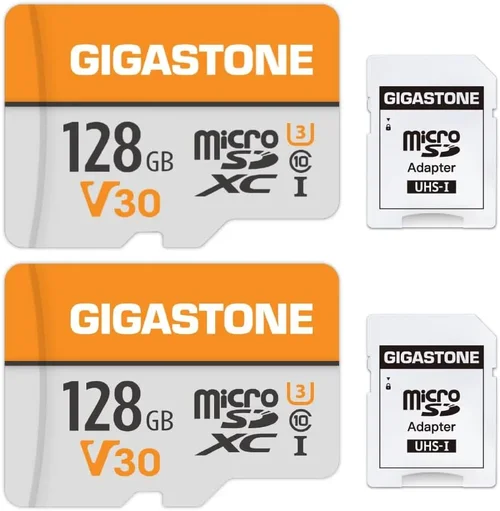
What to do instead: Calculate your storage needs based on recording length and frequency. For anti-theft purposes, aim for at least 64GB of storage or models with expandable microSD card slots. Consider dual-loop recording systems that prioritize saving footage from specific time periods.
❌ Mistake: Neglecting Installation Complexity
Why it’s bad: Complex installations require professional help or advanced DIY skills, adding significant cost and risk of improper setup. Poor installation can lead to loose mounts, exposed wiring, or damage to your vehicle’s interior.
What to do instead: Choose models designed for easy self-installation with clear instructions and included mounting hardware. Watch tutorial videos before purchasing and consider professional installation only if absolutely necessary for hardwired systems.
❌ Mistake: Forgetting About Night Vision Capabilities
Why it’s bad: Most theft attempts occur at night or in low-light conditions. A dash cam with poor night vision renders useless the very footage needed to identify suspects or vehicles involved in criminal activity.
What to do instead: Look for cameras specifically engineered for low-light performance, including infrared LEDs, large aperture lenses, and advanced noise reduction algorithms. Check sample night footage before buying whenever possible.
❌ Mistake: Not Considering Battery Life During Parking Mode
Why it’s bad: If your dash cam’s internal battery drains too quickly during parking mode, it stops recording before capturing relevant events. This leaves you vulnerable to theft attempts that occur after the battery dies.
What to do instead: Verify the manufacturer’s stated battery life during parking mode and read independent reviews about real-world performance. Opt for models with efficient power management or consider hardwiring solutions for continuous operation.
Budget Guidelines: How Much Should You Spend?
Entry-Level ($50 – $100)
This price range offers basic dash cams suitable for occasional anti-theft needs. You’ll find models with decent 1080p recording, loop recording, and simple motion detection, but they typically lack advanced features like GPS tracking or cloud connectivity. These are ideal for low-risk environments or as backup cameras for secondary vehicles. While functional for basic protection, entry-level models may struggle with extreme temperatures or prolonged parking mode usage without additional power solutions.
Mid-Range ($100 – $250)
The sweet spot for most buyers seeking reliable anti-theft protection. Mid-range dash cams deliver excellent value with features like 2K resolution, GPS tracking, Wi-Fi connectivity, and dependable parking mode functionality. Brands like Thinkware, Viofo, and BlackVue offer models in this category that balance performance, durability, and affordability. You’ll get professional-grade image quality and sufficient storage capacity without breaking the bank. This tier represents the best overall combination of features for everyday anti-theft protection.
Premium ($250 – $500)
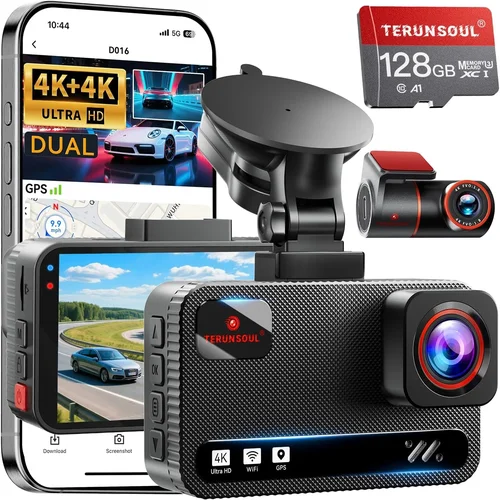
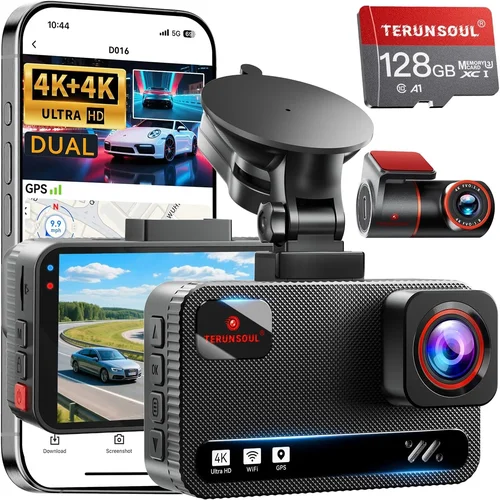
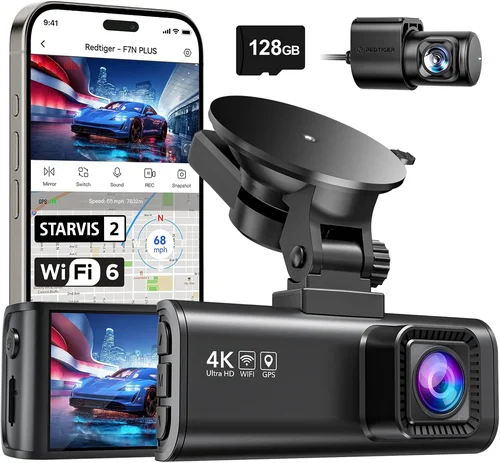
For serious anti-theft protection, premium dash cams offer top-tier performance and advanced security features. These include 4K recording, dual-channel systems, built-in sirens, advanced driver assistance features, and seamless cloud integration. Brands like BlackVue, Garmin, and Nextbase dominate this space with military-grade build quality and comprehensive protection suites. Premium models often come with extended warranties, professional installation services, and priority customer support. Ideal for high-value vehicles, commercial fleets, or users in high-theft areas.
Luxury ($500+)
Ultra-premium dash cams represent the cutting edge of automotive security technology. These systems feature multiple cameras with 4K recording, AI-powered analytics, real-time alerts, and sophisticated tracking capabilities. Some luxury models include physical security features like anti-tamper mechanisms, GPS trackers that communicate with police databases, and integration with home security systems. While overkill for most personal vehicles, these solutions are perfect for luxury car collections, ride-sharing companies, or security-conscious individuals requiring maximum protection.
Expert Tips for Getting the Best Deal
1. Time Your Purchase Strategically
The best deals on dash cams typically appear during major shopping holidays like Black Friday, Cyber Monday, or back-to-school season in August. Retailers often slash prices by 30-50% during these periods. Additionally, consider buying slightly out-of-season—spring and fall tend to see better discounts than summer months when demand is highest due to road trip season.
2. Compare Multiple Retailers
Amazon, Best Buy, Walmart, and specialized automotive stores each have different pricing structures and inventory levels. Amazon frequently offers competitive prices with Prime member benefits, while Best Buy provides in-store demonstrations and immediate availability. Online-only retailers sometimes offer exclusive bundles, and local auto shops may provide installation discounts with purchase.
3. Look for Bundle Deals
Many manufacturers offer starter kits that include essential accessories like extra batteries, suction cups, or hardwiring cables at discounted rates. These bundles save money compared to buying items separately and ensure you have everything needed for proper installation and operation. Check if the bundle includes professional installation services as well.
4. Consider Refurbished Models Carefully
Certified refurbished dash cams from reputable sellers can offer significant savings while maintaining warranty coverage. However, verify the refurbishment process and ensure all original accessories are included. Be wary of heavily discounted “open box” items that might have cosmetic damage affecting performance.
5. Leverage Loyalty Programs
Sign up for retailer loyalty programs to earn points redeemable toward future purchases. Many automotive specialty stores offer membership discounts and early access to sales. Credit card reward programs can also provide cashback or travel points on electronics purchases.
6. Check Return Policies Before Buying
Ensure the seller offers at least a 30-day return window so you can test the dash cam thoroughly after installation. Some manufacturers require returning the product directly to them rather than the retailer, which can complicate returns. Read the fine print about restocking fees and condition requirements.
7. Join Online Communities
Automotive forums, Reddit communities, and Facebook groups dedicated to dash cams regularly share exclusive discount codes and early access to sales. Members often post about unadvertised promotions or clearance sales at local stores. These insider tips can lead to substantial savings.
Frequently Asked Questions
Q: Do I need special wiring to make my dash cam work for anti-theft protection?
A: While not strictly required, hardwiring your dash cam provides the most reliable anti-theft functionality. Hardwired systems draw power directly from your vehicle’s electrical system, eliminating battery drain concerns and ensuring continuous operation. Most modern dash cams include detailed instructions for safe installation, but if you’re uncomfortable working with your car’s electrical system, professional installation is recommended.
Q: Can dash cams actually prevent theft, or are they just for catching criminals after the fact?
A: High-quality dash cams serve both preventive and evidentiary roles. The presence of a visible, well-designed dash cam can deter opportunistic thieves who prefer easy targets. Advanced models with built-in sirens, GPS tracking, and real-time alerts create active deterrents that can interrupt theft attempts. Even if footage isn’t immediately useful, having clear evidence significantly improves your chances of recovery and prosecution.
Q: How much storage space do I really need for anti-theft protection?
A: For dedicated anti-theft purposes, we recommend at least 64GB of storage, though 128GB is preferable. This allows approximately 2-3 hours of continuous recording at 1080p resolution. Larger capacities enable longer recording sessions and reduce the chance of overwriting important footage. Always use high-quality Class 10 or U3 microSD cards specifically designed for dash cams to prevent corruption and ensure optimal performance.
Q: Will my dash cam drain my car battery when parked?
A: Modern dash cams are designed to minimize battery drain during parking mode. Most models automatically enter low-power states and only activate recording when motion or impact is detected. However, continuous operation without proper hardwiring can eventually drain your battery. For true peace of mind, consider installing a capacitor-based parking mode solution or using a smart voltage-sensitive hardwiring kit that cuts power when the battery drops below safe levels.
Q: Can I access my dash cam footage remotely if my car is stolen?
A: Yes, many premium dash cams with cloud connectivity allow remote access to live and recorded footage via smartphone apps. This feature enables you to monitor your vehicle’s status in real-time and share critical evidence with law enforcement immediately. Cloud-based systems also automatically upload footage to secure servers, protecting your data even if the dash cam itself is damaged or destroyed during the theft attempt.
Q: Are there legal considerations I should be aware of regarding dash cam usage?
A: Laws governing dash cam usage vary by jurisdiction, particularly regarding audio recording. In most places, recording video inside your own vehicle is permitted, but recording conversations involving others may require consent depending on local wiretapping laws. Always consult your local regulations before installing audio-enabled dash cams, and avoid placing cameras where they could inadvertently record private activities in neighboring vehicles or buildings.
Q: How do I ensure my dash cam continues working properly in extreme weather conditions?
A: Choose models specifically rated for extreme temperature operation, typically between -4°F to 140°F (-20°C to 60°C). Install the dash cam away from direct sunlight exposure using sunshades or positioning it behind the windshield wipers. Use high-quality cables that won’t degrade in heat, and consider adding insulation around connections in cold climates. Regularly check your device’s performance during seasonal changes and replace aging components before winter or summer extremes arrive.
Q: What should I do if my dash cam records a theft attempt but the footage is unclear?
A: First, check your camera settings to ensure optimal recording parameters were selected. Higher bitrates produce clearer footage but require more storage. Contact your manufacturer’s support team with details about the incident—they may offer firmware updates that improve image processing. If the footage is still insufficient for legal action, combine it with other evidence like GPS logs, timestamp data, or witness statements. Always report theft incidents to law enforcement promptly, even if you don’t have perfect footage.
Our Final Recommendations
Best for Budget-Conscious Buyers
The Viofo A119 v3 offers exceptional value at under $100 while delivering reliable anti-theft capabilities. With 2K recording, GPS tracking, and dependable parking mode functionality, it outperforms many pricier competitors. Its compact design fits discreetly in most vehicles, and the included parking cable makes installation straightforward. While lacking cloud connectivity, the A119 v3 provides everything needed for basic theft protection without breaking the bank.
Best Overall Value
The BlackVue DR970X-2CH represents the perfect balance of features, reliability, and price point. Priced around $250, this dual-lens system delivers stunning 4K front recording and 2K rear footage with superior low-light performance. Its built-in Wi-Fi enables easy file downloads, and the impressive 64GB internal storage ensures ample recording time. The BlackVue app provides remote viewing capabilities, and the brand’s reputation for quality ensures long-term satisfaction and support.
Best Premium Option
For maximum protection, the Thinkware U1000 justifies its premium $350 price tag with professional-grade features. This single-lens 4K dash cam includes advanced driver assistance systems, superior WDR technology, and robust build quality. Its parking guard feature creates custom monitoring zones, and the built-in impact sensor triggers emergency recording upon detecting suspicious activity. The Thinkware mobile app offers comprehensive control and cloud backup options, making it ideal for high-value vehicles.
Best for Beginners
The Nextbase 522GW simplifies anti-theft protection with user-friendly features and intelligent technology. At approximately $180, it offers 1440p recording, Alexa voice control, and automatic emergency recording. The intuitive interface makes setup and operation straightforward, while the built-in GPS and GSM module enable theft recovery efforts. Its five-star safety rating and reliable performance make it perfect for first-time dash cam owners seeking dependable protection.
Best for Advanced Users
The Garmin Dashcam Mini caters to tech-savvy users wanting seamless smartphone integration and cloud capabilities. Priced around $150, it offers 1440p recording with advanced stabilization and automatic incident detection. Its compact size allows creative mounting options, and the Garmin Drive app provides real-time notifications and remote viewing. While lacking dual-channel recording, its smart features and reliable performance make it excellent for advanced users prioritizing connectivity over multiple camera angles.
Conclusion: Making the Right Choice
Selecting the right anti-theft dash cam requires balancing your specific needs, budget constraints, and desired level of protection. Rather than chasing every latest feature, focus on core capabilities that directly address theft prevention and evidence gathering. Prioritize reliable parking mode functionality, clear night vision, and sufficient storage capacity—these form the foundation of effective anti-theft protection.
Remember that no dash cam can guarantee complete theft prevention, but a well-chosen system dramatically increases your chances of deterring criminals and recovering your property. Consider your vehicle’s typical parking environment, how often it’s left unattended, and your personal risk factors when evaluating options. Don’t hesitate to invest more for proven reliability and comprehensive features if your circumstances warrant it.
As you move forward with your purchase, take time to research thoroughly, read multiple reviews, and verify compatibility with your vehicle. Proper installation and maintenance will ensure your dash cam performs optimally when you need it most. With the right anti-theft dash cam in place, you’ll gain valuable peace of mind knowing you’ve taken proactive steps to protect your investment and maintain control over your vehicle’s security.