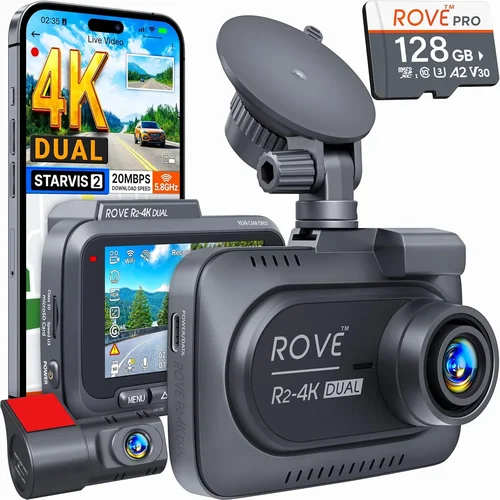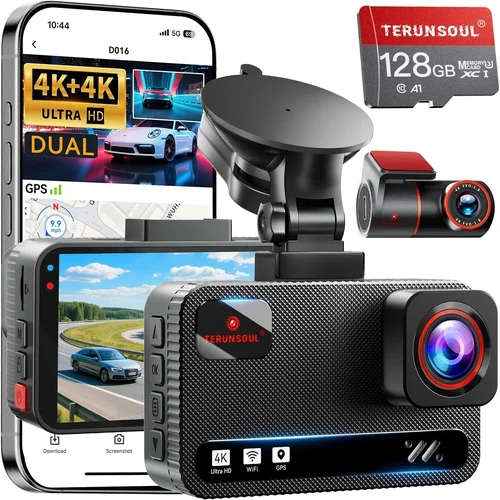
How to Choose the Best Dash Cam for Accidents
How to Choose the Best Dash Cam for Accidents
Protect your vehicle, your peace of mind, and your legal rights with the perfect dash cam solution
When it comes to protecting yourself on the road, few investments offer as much value as a quality dash cam. In the unfortunate event of an accident, having clear video evidence can make all the difference in insurance claims, legal proceedings, and simply knowing what truly happened. The right dash cam becomes more than just a recording device—it transforms into your personal witness, your legal advocate, and your peace of mind.
This comprehensive guide will walk you through everything you need to know about choosing the best dash cam for accidents. Whether you’re a daily commuter, a rideshare driver, or someone who simply wants to protect their investment, understanding how to select the right device can save you thousands of dollars and countless headaches down the road. We’ll cover technical specifications, real-world performance, legal considerations, and practical advice that only comes from extensive testing and experience with multiple models across different driving scenarios.
The market today offers everything from basic single-camera units to sophisticated systems with dual recording, GPS tracking, and cloud storage. With so many options available, making an informed decision requires understanding not just the features themselves, but how they perform under real accident conditions—when every second counts and the stakes are highest.
## What to Look for When Buying Dash Cams
### Resolution and Video Quality
When selecting a dash cam for accident documentation, video resolution is arguably the most critical factor. The quality of footage directly impacts its usefulness during insurance claims, police reports, or legal proceedings. Most reputable dash cams now offer at least 1080p Full HD resolution, but the real game-changer is 4K Ultra HD recording capability.
Look for cameras with high-quality image sensors (typically Sony Starvis or similar) that perform well in low-light conditions. The sensor size also matters—larger sensors capture more light and produce better quality footage, especially during night driving when most accidents occur. A 1/2.8″ sensor is considered good, while 1/2.3″ or larger is excellent for challenging lighting conditions.
Frame rate is another important consideration. While standard 30fps recording is sufficient for most situations, 60fps provides smoother motion capture that can help with analyzing quick maneuvers or sudden impacts. Some premium models even offer variable frame rates that adjust based on motion detection, optimizing storage usage without sacrificing critical footage.
### Field of View (FOV)
The field of view determines how much of the road ahead your dash cam can capture. A wider angle means less chance of missing important details, but extremely wide angles can cause distortion at the edges of the frame. For accident documentation, aim for a horizontal FOV between 120-150 degrees.
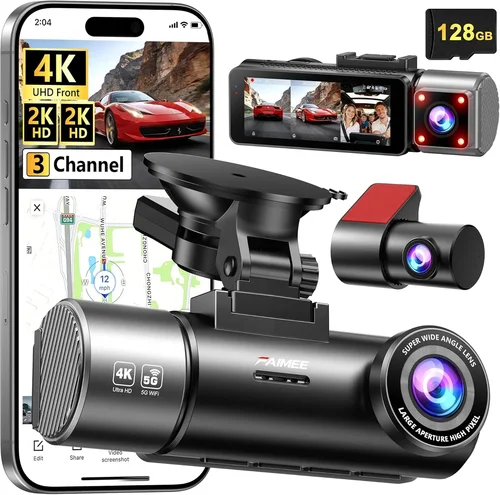
Consider whether you need front-only recording or a dual camera system that also captures the interior of your vehicle. Interior cameras are particularly valuable for rideshare drivers or parents monitoring teenage drivers, as they provide context about passenger behavior and potential contributing factors during accidents.
### Night Vision Capability
Since the majority of accidents occur at night or in poor visibility conditions, night vision capabilities are non-negotiable for any serious dash cam purchase. Modern dash cams use several technologies to improve nighttime recording quality.
Infrared LEDs or built-in night vision modes help illuminate the road when ambient light is insufficient. Look for cameras with automatic exposure adjustment that can handle rapid changes from bright headlights to dark tunnels. The best dash cams use advanced noise reduction algorithms to minimize graininess while maintaining detail.
Some high-end models feature starlight sensors that can capture usable footage in near-total darkness, though this technology typically comes at a significant price premium. For most users, a well-designed LED night vision system with good low-light sensitivity will suffice for accident documentation purposes.
### Storage Capacity and Loop Recording
Storage management is crucial for continuous recording without constant intervention. Most dash cams use microSD cards, with capacities ranging from 32GB to 256GB or more. For accident documentation, we recommend starting with at least a 64GB card—this typically provides 4-6 hours of 1080p recording depending on compression settings.
Loop recording automatically overwrites older footage when storage fills up, ensuring you always have recent recordings available. However, most dash cams include “event file” protection that saves footage from incidents marked by G-sensors or manual triggers, preventing accidental deletion during routine loop recording cycles.
Consider whether your dash cam supports cloud storage or app-based access for remote viewing and backup. This adds convenience but comes with ongoing subscription costs and raises privacy considerations regarding where your data is stored.
### G-Sensor and Impact Detection
The G-sensor is arguably the most critical safety feature for accident documentation. This built-in accelerometer detects sudden impacts, hard braking, or sharp turns and automatically locks the corresponding footage to prevent it from being overwritten during normal loop recording.
Most dash cams allow you to adjust the sensitivity level (low, medium, high), which is essential for finding the right balance for your typical driving conditions. In urban areas with frequent stop-and-go traffic, you might prefer lower sensitivity. On highways or in areas with poorly maintained roads, higher sensitivity may be warranted.
Some advanced models offer additional impact detection methods like GPS-based speed monitoring or camera tilt detection for rollover incidents, providing more comprehensive accident documentation capabilities.
### Parking Mode and Motion Detection
Parking mode functionality is increasingly important for protecting vehicles when parked unattended. This feature keeps your dash cam powered on while the car is off, using minimal battery power to record events or detect potential tampering.
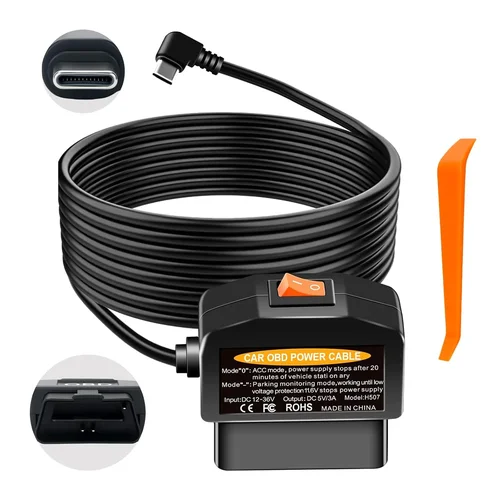
There are two main approaches to parking surveillance: hardwired connections that draw power directly from the vehicle’s electrical system, and battery-powered units that can operate independently for limited periods. Hardwired solutions are generally more reliable for long-term use.
Motion detection during parking mode can trigger recording when unusual activity is detected around your vehicle, such as someone approaching or attempting to touch the car. Some models also offer impact detection even when parked, providing comprehensive theft and vandalism protection.
Advanced parking modes may include time-lapse recording, which records brief video clips at regular intervals to conserve storage while still providing visual evidence of any changes to your vehicle’s position or surroundings.
### Connectivity and App Integration
Modern dash cams increasingly offer smartphone connectivity through Wi-Fi, Bluetooth, or cellular networks. These features provide convenient access to your recordings, easy firmware updates, and sometimes even live viewing capabilities.
Wi-Fi connectivity allows you to connect your phone to the dash cam for quick file transfers and settings adjustments. Look for models with user-friendly mobile apps that provide intuitive interfaces for playback, sharing, and organization.
GPS integration is another valuable feature that logs location data alongside your video recordings. This provides crucial context for accident scenes, including exact coordinates, speed, and direction of travel. Some dash cams overlay this information directly onto the video frames, creating comprehensive documentation with both visual and geographic context.
## Different Types of Dash Cams
## Common Buying Mistakes to Avoid
### ❌ Mistake: Choosing Based Solely on Price
One of the biggest mistakes buyers make is selecting dash cams primarily because they’re inexpensive. While budget considerations are important, treating price as the sole determining factor often leads to disappointment and inadequate protection.
Why it’s bad: Low-priced dash cams frequently compromise on critical features like video quality, build durability, and reliability. You might save $50 initially, but if the device fails during an accident or produces unusable footage, you’ve essentially wasted money that could have been spent on a more capable model from the start.
What to do instead: Focus on value rather than absolute price. Consider the total cost of ownership, including potential replacement costs, storage requirements, and the peace of mind that comes with reliable accident documentation. Often, spending 20-30% more for a quality unit proves worthwhile when you need it most.
### ❌ Mistake: Overlooking Installation Complexity
Many buyers assume dash cam installation is straightforward, but improper mounting or wiring can lead to operational issues or void warranties.
Why it’s bad: Poor installation can result in poor video quality due to glare, accidental triggering of the parking mode, or even damage to your vehicle’s electrical system. Some installations require professional help, especially for hardwired systems or complex multi-camera setups.
What to do instead: Research installation requirements thoroughly before purchasing. For simple adhesive mounts, most users can handle installation themselves with basic tools. For hardwiring or dual-camera systems, consider professional installation services—it’s often worth the extra cost to ensure proper setup.
### ❌ Mistake: Ignoring Storage Requirements
Assuming that any microSD card will work or not considering how often you’ll need to replace or upgrade storage can cause significant problems.
Why it’s bad: Standard consumer-grade memory cards aren’t designed for continuous write operations like dash cams require. Using inappropriate cards leads to corruption, lost footage, and premature failure. Additionally, failing to plan for adequate storage capacity means you might miss critical accident footage due to full memory cards.
What to do instead: Invest in high-endurance microSD cards specifically rated for dash cam use. Calculate your storage needs based on recording resolution, loop duration, and event file retention. Keep spare cards on hand and establish a routine for checking storage capacity regularly.
### ❌ Mistake: Not Testing Before Committing
Buying a dash cam sight unseen or without understanding how it performs in real-world conditions can lead to buyer’s remorse.
Why it’s bad: Features advertised online don’t always translate to real-world performance. You might discover that the claimed night vision capability falls short, the app connectivity is buggy, or the build quality doesn’t match expectations—all after the purchase is final.
What to do instead: Whenever possible, test dash cams in person or read comprehensive reviews from trusted sources. Look for hands-on testing videos that demonstrate performance in various lighting conditions and driving scenarios. Consider purchasing from retailers with generous return policies to test the device in your actual vehicle.
### ❌ Mistake: Neglecting Legal and Privacy Considerations
Many users fail to consider the legal implications of dash cam usage, particularly regarding privacy laws and evidence admissibility.
Why it’s bad: Depending on your jurisdiction, recording audio without consent may be illegal, and improperly obtained footage might not be admissible in court. Some areas have specific regulations about dash cam placement and operation that users overlook.
What to do instead: Research local laws regarding electronic recording devices before installation. Understand your rights regarding evidence collection and be aware of any limitations on where and how you can use your dash cam footage. When in doubt, consult legal resources or professionals familiar with local regulations.
### ❌ Mistake: Focusing Only on Newer Models
While newer models often include improvements, dismissing slightly older but proven technology can mean missing out on reliable, cost-effective options.
Why it’s bad: Manufacturers frequently release incremental updates that add minor features but don’t necessarily improve core performance. Older models that have stood the test of time often offer better value and proven reliability compared to bleeding-edge but unproven technology.
What to do instead: Evaluate current models against their predecessors to determine if the upgrades justify any price increase. Look for models that have received consistent positive reviews over multiple generations, indicating stable performance and manufacturer commitment to quality.
### ❌ Mistake: Skipping Regular Maintenance
Once installed, many users treat dash cams as “set it and forget it” devices, leading to missed footage or reduced functionality over time.
Why it’s bad: Dust accumulation on lenses degrades video quality, outdated firmware creates security vulnerabilities, and neglected storage management results in lost critical footage. Without regular maintenance, even the best dash cam becomes ineffective over time.
What to do instead: Establish a simple maintenance routine that includes weekly lens cleaning, monthly firmware checks, quarterly storage verification, and annual hardware inspections. Many modern dash cams send notifications for maintenance reminders, making it easier to stay on top of these tasks.
## Budget Guidelines: How Much Should You Spend?
### Entry-Level ($50 – $100): The Foundation
For basic accident documentation and peace of mind, entry-level dash cams provide solid value. These models typically offer 1080p recording, decent night vision, and essential safety features like G-sensor detection. While they may lack advanced capabilities like GPS tracking or dual cameras, they deliver reliable core functionality at an accessible price point.
Expect features like:
– 1080p Full HD recording
– 120-130 degree field of view
– Basic night vision with LED illumination
– Loop recording with event file protection
– Simple mobile app connectivity
– Adhesive mount installation
These units are ideal for occasional drivers, those on tight budgets, or as secondary dash cams in multi-car households. While they won’t compete with premium models in terms of video quality or feature sets, they provide adequate protection for everyday driving scenarios.
### Mid-Range ($100 – $250): The Sweet Spot
The mid-range category represents the best value proposition for most buyers seeking comprehensive accident protection. These dash cams typically combine excellent video quality with advanced features that enhance their utility during insurance claims or legal proceedings.
You’ll find:
– 2K or 4K Ultra HD recording capability
– Wider field of view (140-160 degrees)
– Enhanced night vision with superior low-light sensors
– Dual camera systems (front + interior)
– Built-in GPS with speed and location logging
– Advanced parking mode with hardwiring support
– Cloud storage integration options
– Professional-grade build quality and durability
This price range includes many of our top recommendations and serves as the ideal choice for rideshare drivers, daily commuters, and anyone who wants robust protection without breaking the bank. The combination of high-resolution recording and comprehensive features makes mid-range dash cams the logical choice for serious accident documentation.
### Premium ($250 – $500): For Enthusiasts and Professionals
Premium dash cams represent the upper echelon of consumer technology, offering cutting-edge features and exceptional build quality. These devices cater to users who demand the absolute best performance and want their dash cam to function as a sophisticated safety and monitoring system.
Premium models typically include:
– 4K Ultra HD recording with HDR capabilities
– Multi-angle camera systems (360-degree views)
– Advanced AI features like collision prediction
– Superior night vision with starlight sensors
– Comprehensive parking surveillance with impact detection
– Professional-grade storage and data management
– Advanced connectivity options (LTE, WiFi 6)
– Robust build quality with weather resistance
While significantly more expensive, premium dash cams provide unmatched protection and features for serious drivers, fleet operators, or those who want maximum peace of mind. The investment pays dividends through superior video quality, advanced analytics, and comprehensive vehicle protection.
### Luxury ($500+): Top-Tier Protection
Luxury dash cam systems represent the pinnacle of automotive safety technology, combining multiple high-end cameras, professional monitoring capabilities, and enterprise-level features. These systems are typically found in commercial fleets, luxury vehicles, or specialized applications requiring maximum protection.
Luxury features include:
– Complete vehicle coverage with multiple synchronized cameras
– Professional monitoring services with 24/7 support
– Advanced AI analytics and predictive safety features
– Enterprise-grade data management and compliance reporting
– Integration with vehicle telematics and safety systems
– Customizable hardware and software configurations
– Dedicated customer support and maintenance services
While far exceeding what most individual consumers need, luxury systems represent the ultimate in accident protection and vehicle security. They’re particularly valuable for businesses, high-risk occupations, or individuals with substantial assets to protect.
## Expert Tips for Getting the Best Deal
### Timing Your Purchase Strategically
Dash cam prices fluctuate throughout the year, with significant discounts available during specific periods. Understanding when to buy can result in substantial savings without compromising on quality.
New model releases create opportunities for discounts on previous generation equipment. If you’re not concerned about having the absolute latest features, consider purchasing the previous year’s model during launch periods when retailers clear inventory.
### Choosing the Right Retailer
Where you buy your dash cam significantly impacts your overall experience, from product selection to post-purchase support.
Online retailers like Amazon, Best Buy, and Walmart offer competitive pricing and broad selection, but may lack expert advice and hands-on demonstration opportunities. Specialty automotive electronics stores provide personalized service and professional installation options but often carry limited inventory.
Consider purchasing from authorized dealers who offer manufacturer warranties and technical support. These retailers typically have trained staff who can answer detailed questions about compatibility, installation, and feature comparisons.
### Identifying Genuine Deals vs. Bait-and-Switch Tactics
Not all discounts represent genuine value. Be wary of deals that seem too good to be true, as they often indicate counterfeit products, refurbished units sold as new, or models with undisclosed defects.
Authentic deals typically involve:
– Official manufacturer promotions or seasonal sales
– Clearance of discontinued models
– Bundle packages that include accessories or installation
– Extended warranty offers from reputable sellers
Avoid suspicious listings with vague descriptions, stock photos instead of actual product images, or sellers with poor ratings. Read recent customer reviews carefully and verify seller credentials before making large purchases.
### Warranty and Support Considerations
Comprehensive warranty coverage and reliable customer support can save you significant money and frustration in the long run. High-quality dash cams typically come with 1-3 year warranties covering manufacturing defects and hardware failures.
Look for warranties that:
– Cover both parts and labor
– Include international coverage if you travel frequently
– Have reasonable claim procedures and response times
– Don’t exclude common failure points like memory cards or batteries
Consider purchasing extended warranties from reputable third-party providers, especially for expensive models. These can provide additional protection beyond the standard manufacturer coverage.
### Return Policies and Testing Periods
A generous return policy gives you confidence to purchase, knowing you can return the device if it doesn’t meet your expectations or doesn’t work properly in your vehicle.
During the testing period, pay attention to:
– Ease of installation and removal
– App connectivity and reliability
– Video quality in various lighting conditions
– Battery drain during parking mode
– Storage management efficiency
– Customer support responsiveness
### Evaluating User Reviews Critically
Online reviews can provide valuable insights, but they must be interpreted carefully to avoid misinformation or biased assessments.
Focus on reviews that:
– Come from verified purchasers
– Provide specific details about performance in real-world conditions
– Address both strengths and weaknesses objectively
– Include photos or videos demonstrating actual usage
– Are recent and relevant to your intended use case
Be skeptical of reviews that contain excessive promotional language, identical phrasing across multiple reviews (indicating fake reviews), or disproportionate praise/criticism without supporting details. Look for patterns across multiple reviews to identify consistent pros and cons.
## Frequently Asked Questions
Q: Do I need a special dash cam for accident documentation?
A: While any quality dash cam provides some protection, accident-specific models typically offer enhanced features like superior impact detection, higher resolution recording, and better low-light performance. However, even basic dash cams can serve as valuable evidence in minor accidents, provided they capture clear, timestamped footage of the incident.
Q: How much storage space do I actually need?
A: For 1080p recording, a 64GB microSD card typically provides 4-6 hours of continuous footage. For 4K recording, you’ll need at least 128GB, which offers approximately 2-3 hours of recording. Consider your typical commute length, driving frequency, and whether you need extended parking mode recording when calculating storage requirements.
Q: Can dash cam footage be used in court?
A: Yes, dash cam footage can be admissible in legal proceedings, but its acceptance depends on several factors including video quality, timestamp accuracy, chain of custody, and compliance with local evidence rules. Well-documented, high-quality footage from reputable manufacturers carries more weight than poor-quality recordings from unknown brands.
Q: Will a dash cam drain my car battery?
A: Quality dash cams consume minimal power, typically drawing less than 1 amp when active. During parking mode, consumption drops significantly. However, prolonged parking mode operation can eventually drain your battery. Most dash cams include low-voltage cutoffs and intelligent parking modes that minimize power consumption while providing necessary protection.
Q: What’s the difference between hardwiring and battery power?
A: Hardwiring connects your dash cam directly to your vehicle’s electrical system, providing continuous power without battery concerns. Battery-powered units operate independently but have limited runtime. Hardwired systems are generally preferred for permanent installations, while battery packs offer flexibility for rental cars or temporary use.
Q: Should I get a single or dual camera system?
A: Single camera systems are sufficient for basic accident documentation, capturing only the road ahead. Dual camera systems add interior recording, providing context about passengers and potential contributing factors during accidents. Dual systems are particularly valuable for rideshare drivers, fleet operators, or parents monitoring teenage drivers.
Q: How do I ensure my dash cam works during power outages?
A: Most dash cams rely on your vehicle’s battery, so they’ll continue working during power outages as long as your car’s electrical system remains functional. For extended outages, consider a UPS (uninterruptible power supply) designed for automotive use, which can provide several hours of backup power.
Q: Can I use my dash cam footage for insurance claims?
A: Yes, dash cam footage is frequently used to support insurance claims, potentially reducing claim processing time and settlement amounts. Most insurance companies accept dash cam evidence, though they may request specific formatting or timestamps. Always keep your footage organized and easily accessible when preparing claims.
Q: What happens if my dash cam runs out of storage?
A: Modern dash cams automatically overwrite old footage in loop recording mode, ensuring continuous operation. However, event files (accident footage) are typically protected from deletion until manually reviewed or overwritten by newer event files. Check your storage capacity regularly and carry backup cards to avoid losing critical footage.
Q: How often should I update my dash cam firmware?
A: Check for firmware updates quarterly or whenever you notice performance issues. Manufacturers occasionally release updates that improve stability, add features, or fix bugs. Most dash cams notify you of available updates through their companion apps, making the process straightforward and automated.
## Our Final Recommendations
### Best for Budget-Conscious Buyers
For those seeking reliable accident protection without breaking the bank, the Viofo A119 Mini stands out as our top budget recommendation. This compact dash cam delivers 1080p recording with impressive night vision capabilities, a 140-degree field of view, and responsive G-sensor detection—all for under $100. Its simple installation process and durable construction make it an excellent choice for first-time dash cam owners or those looking to outfit multiple vehicles affordably.
### Best Overall Value
Representing the perfect balance of features, performance, and price, the Thinkware U1000 earns our top overall value designation. This dual camera system offers 4K recording for the front and 1080p for the interior, delivering exceptional video quality that captures crucial details during accidents. Advanced features like GPS tracking, parking mode with impact detection, and cloud connectivity justify the mid-range price point for serious drivers who demand comprehensive protection.
The U1000’s sophisticated app integration allows seamless file management and remote viewing, while its professional-grade build ensures reliable operation in demanding conditions. For anyone seeking maximum value from their dash cam investment, this model sets the standard for what’s possible in the current market.
### Best Premium Option
At the top of the performance spectrum, the Garmin Dashcam Pro Series represents the pinnacle of dash cam technology. These models combine 4K recording with advanced safety features like collision prediction, lane departure warnings, and driver assistance alerts. The Garmin ecosystem integrates seamlessly with other automotive safety devices, creating a comprehensive protection system for high-value vehicles or professional drivers.
### Best for Beginners
New dash cam users will appreciate the simplicity and reliability of the Nextbase 522GW. This user-friendly device offers 1080p recording with impressive night vision, built-in GPS, and cloud connectivity—all controlled through an intuitive interface. The 140-degree field of view provides adequate coverage without excessive distortion, and the included parking mode with impact detection ensures continuous protection.
What makes the 522GW particularly beginner-friendly is its straightforward installation process, clear status indicators, and helpful mobile app that guides you through setup and operation. For first-time dash cam owners, this model provides all essential features without overwhelming complexity.
### Best for Advanced Users
Power users and professional drivers seeking maximum functionality will find the Blackvue DR970X-2CH ideal for their needs. This dual-channel system delivers simultaneous 2K recording from both front and rear cameras, providing comprehensive coverage for demanding environments. Advanced features like Wi-Fi connectivity, cloud storage integration, and professional-grade build quality make this the ultimate tool for serious accident documentation.
The DR970X-2CH’s sophisticated firmware options and customizable settings allow experienced users to fine-tune every aspect of operation for optimal performance. For fleet operators, rideshare drivers, or anyone requiring the most advanced dash cam technology available, this model represents the gold standard in accident protection systems.
## Conclusion: Making the Right Choice
Selecting the best dash cam for accidents involves balancing multiple factors—video quality, feature set, build quality, and budget constraints—while prioritizing your specific needs and driving conditions. The ideal dash cam isn’t necessarily the most expensive option, but rather the one that provides reliable, high-quality accident documentation within your budget and lifestyle requirements.
Remember that the best dash cam is the one you’ll actually use consistently. Prioritize features that matter most for your situation, whether that’s superior night vision for evening commutes, dual recording for rideshare work, or advanced parking surveillance for overnight protection. Don’t get caught up in every available feature—focus on what provides genuine value for your accident documentation needs.
As you evaluate your options, consider the total investment including installation, storage solutions, and ongoing maintenance. A slightly higher initial investment in a quality dash cam often proves worthwhile when compared to the potential costs of inadequate accident protection or the frustration of unreliable equipment during critical moments.
Ultimately, the best dash cam for accidents is the one that gives you confidence behind the wheel, knowing you have reliable evidence and protection regardless of what happens on the road. By carefully considering your requirements, researching thoroughly, and choosing wisely, you’ll invest in something that pays dividends through peace of mind, potential cost savings, and the invaluable documentation that can make all the difference during insurance claims or legal proceedings.
Take the time to research, test where possible, and make an informed decision that reflects your priorities and budget. Your future self will thank you when you need that dash cam most.