How to Choose the Best Dash Cam for Your Car
In an era where road safety concerns and vehicle protection are more important than ever, choosing the right dash cam can make all the difference. Whether you’re a daily commuter, a long-distance traveler, or someone who simply wants peace of mind while driving, a reliable dash cam serves as your 24/7 witness on the road. With countless brands, features, and price points flooding the market, making an informed decision can feel overwhelming. This comprehensive guide cuts through the noise to help you navigate the complex world of automotive surveillance devices and find the perfect dash cam that fits your lifestyle, budget, and driving needs.
By the end of this article, you’ll have a complete understanding of what makes a dash cam truly effective, from essential technical specifications to real-world performance considerations. We’ll explore everything from image quality and storage options to installation ease and warranty coverage. You’ll also learn how to avoid common pitfalls that many buyers encounter, understand the different types of dash cams available, and discover which brands consistently deliver the best value. Whether you’re looking for something simple and affordable or a high-end model with advanced AI features, this guide provides actionable insights backed by expert analysis and real user experiences.
The dash cam market has evolved dramatically over the past decade, transitioning from basic black-and-white recording devices to sophisticated systems capable of capturing crystal-clear Full HD footage, monitoring parking conditions, integrating with smartphones, and even offering driver assistance alerts. Leading manufacturers like BlackVue, Garmin, Nextbase, and Thinkware have set new standards for reliability and innovation, while newer entrants continue to push technological boundaries. However, not all dash cams are created equal—some prioritize video resolution while others focus on loop recording efficiency or cloud connectivity. Understanding these distinctions is crucial for selecting a device that delivers consistent performance in diverse driving environments, from sunny highways to rainy city streets.

What to Look for When Buying Dash Cams
Choosing the right dash cam involves evaluating multiple critical factors that directly impact its performance and usability. Each component plays a vital role in ensuring you get the most out of your investment, whether it’s for insurance protection, evidence in case of accidents, or simply documenting memorable road trips. Let’s break down the key considerations every buyer should keep in mind before making a purchase.
1. Budget & Price Range
Determining your budget upfront helps narrow down viable options without overspending on unnecessary features. Dash cams span a wide spectrum, from under $50 entry-level models to premium units exceeding $300. While it might be tempting to go for the cheapest option, remember that low-cost devices often compromise on build quality, image sensors, and reliability. On the other hand, paying top dollar doesn’t always guarantee superior performance—many mid-range models offer excellent value with robust features at reasonable prices. Consider how much you’re willing to invest based on your usage frequency, vehicle type, and desired functionality.
2. Performance Specifications
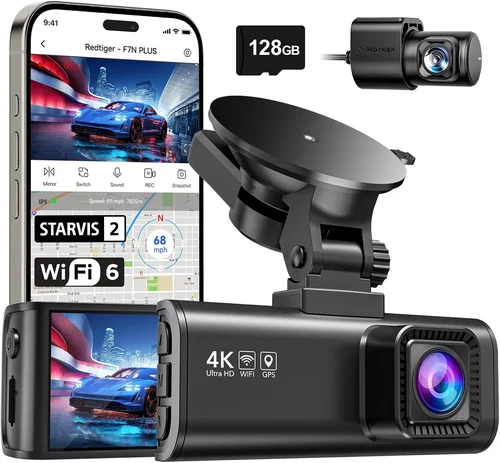
Performance is arguably the most important factor when selecting a dash cam. Key specifications include video resolution, frame rate, sensor type, and low-light capability. Most modern dash cams record in Full HD (1920×1080), but some high-end models support 4K Ultra HD for enhanced detail. Frame rates typically range from 24fps to 60fps; higher rates capture smoother motion during fast maneuvers or sudden stops. The image sensor—often CMOS or Sony STARVIS—affects clarity in dim lighting. Additionally, look for wide dynamic range (WDR) technology, which balances exposure between bright headlights and darker surroundings, reducing washed-out or overly dark scenes.
3. Build Quality & Durability
Since dash cams operate in harsh automotive environments—exposed to extreme temperatures, vibrations, dust, and moisture—build quality cannot be overlooked. Housing materials should be rugged enough to withstand impacts during collisions or accidental bumps. Heat resistance is especially crucial since dashboard temperatures can soar above 150°F (65°C) in direct sunlight. Waterproof ratings (IP67 or higher) ensure protection against rain splashes and minor water exposure. Internal components must also be durable; poorly soldered circuits or flimsy connectors may fail prematurely. Always check reviews mentioning longevity and real-world stress tests.
4. Features & Functionality
Modern dash cams come packed with useful features beyond basic recording. Loop recording automatically overwrites older files when storage fills up, ensuring continuous operation without manual intervention. G-sensor detects impacts and locks footage to prevent deletion. Parking mode monitors your parked car using motion or time-lapse recording, though this requires a hardwired connection or external battery. GPS tracking logs speed and location data onto video frames for accident reconstruction. Wi-Fi and Bluetooth enable wireless app control, live viewing, and easy file transfer. Some advanced models include lane departure warnings, forward collision alerts, and even facial recognition to detect drowsy drivers.
5. Brand Reputation
Reputable brands generally offer better customer service, firmware updates, and long-term support. Established companies invest heavily in research and development, resulting in more reliable products with fewer bugs. Brands like BlackVue, Garmin, Thinkware, and Nextbase have built strong reputations over years of consistent performance and responsive support teams. Newer brands may offer innovative features, but they sometimes lack the maturity and after-sales infrastructure of industry veterans. Research user forums, professional reviews, and independent testing results to gauge brand reliability before committing.
6. Warranty & Support
A solid warranty reflects manufacturer confidence in their product’s durability. Most reputable dash cam brands provide at least a one-year limited warranty covering defects in materials and workmanship. Premium models often extend coverage to two or three years, sometimes including accidental damage protection. Check what’s included—does the warranty cover international shipping? Is there a dedicated support hotline or online chat? Prompt troubleshooting and easy return policies significantly reduce frustration if issues arise post-purchase.
7. Size & Portability
Dash cam size affects visibility and aerodynamic drag. Compact designs (under 2 inches thick) blend seamlessly into windshields without obstructing views. Ultra-thin models are ideal for vehicles with limited dashboard space or those frequently loaned to others. Larger units may house bigger batteries or additional cameras but can create glare or distract drivers. Consider whether you need dual-channel recording (front + rear)—this usually requires a slightly larger main unit plus a secondary camera. If portability matters, look for models compatible with USB power banks for temporary use in rental cars or motorcycles.
8. User Reviews & Ratings
Real-world feedback from thousands of users offers invaluable insights into day-to-day performance. Pay attention to recurring themes in reviews—do multiple buyers mention poor night vision, frequent disconnections, or confusing menus? High ratings combined with detailed positive comments about reliability, ease of use, and customer service indicate trustworthy products. Conversely, clusters of negative reviews highlighting consistent failures suggest potential red flags. Cross-reference findings across multiple platforms like Amazon, Best Buy, B&H Photo, and specialized automotive forums to get a balanced perspective.
Different Types of Dash Cams

Each category serves distinct purposes and caters to varying budgets and requirements. Single-dash cams remain the most popular choice due to their affordability and simplicity, while dual-channel systems offer enhanced security for homeowners who park on busy streets or drive frequently in urban areas. Three-sixty-degree models represent the pinnacle of coverage but come at a premium price point reserved for specialized applications. Smart dash cams bridge the gap between convenience and capability, appealing to drivers who want real-time monitoring and remote access. Professional-grade devices prioritize ruggedness and compliance with regulatory standards, making them indispensable for commercial operators.
Common Buying Mistakes to Avoid
Many buyers fall into common traps when purchasing dash cams, often leading to disappointment or wasted money. Being aware of these mistakes beforehand allows you to make smarter choices and avoid unnecessary headaches down the road.
❌ Mistake: Prioritizing Price Over Performance
Why it’s bad: Opting solely for the lowest-priced dash cam might seem economical initially, but cheap units often suffer from subpar image quality, unreliable recording, and short lifespans. Poorly manufactured sensors struggle in low light, leading to grainy nighttime footage that fails to provide usable evidence during incidents. Inadequate heat dissipation causes shutdowns on hot days, leaving you vulnerable when you need documentation most.
What to do instead: Set a realistic budget based on your needs rather than chasing absolute minimums. Allocate funds toward proven brands known for reliability within your preferred price bracket. Remember that spending $100 on a dependable mid-tier model usually outperforms $50 budget units in both durability and feature set.
❌ Mistake: Ignoring Storage Requirements
Why it’s bad: Assuming internal memory will suffice leads to rapid depletion of recording capacity. Without proper planning, valuable footage gets overwritten too quickly or becomes inaccessible due to corrupted files. Many dash cams require microSD cards (typically Class 10 or U3 rated), but not all users understand compatibility issues or realize that larger capacities don’t always mean longer recording times due to compression algorithms.
What to do instead: Calculate your required storage based on average driving hours per week and desired retention period. For example, a 128GB card may last only 4–6 hours of Full HD recording depending on settings. Choose high-quality cards from trusted brands like SanDisk or Samsung, and consider models supporting loop recording with automatic overwrite safeguards.
❌ Mistake: Overlooking Installation Complexity
Why it’s bad: Assuming any dash cam installs easily ignores differences in wiring, adhesive strength, and vehicle-specific challenges. Hardwiring requires cutting factory wires or accessing fuse boxes—a task best handled by professionals unless you’re mechanically inclined. Improper installation risks damaging interior trim, creating electrical shorts, or voiding warranties.
What to do instead: Read installation guides thoroughly before buying. Look for kits with clear instructions, pre-cut harnesses, and optional professional installation partnerships. If uncertain, consult certified technicians familiar with dash cam installations to avoid costly mistakes.
❌ Mistake: Neglecting Software Updates and App Integration
Why it’s bad: Outdated firmware can introduce bugs, reduce battery life, or disable critical features like parking mode. Relying on physical buttons instead of smartphone apps limits convenience and remote monitoring capabilities. Without regular updates, security vulnerabilities may expose personal data stored on cloud servers.
What to do instead: Select brands with active development cycles and user-friendly companion apps available on iOS/Android. Subscribe to update notifications and perform routine checks during scheduled maintenance visits. Verify that cloud sync features comply with local privacy laws regarding data collection and retention.
❌ Mistake: Choosing Based Solely on Resolution Claims
Why it’s bad: Marketing claims about “4K” or “Ultra HD” resolutions don’t guarantee practical benefits if other specs lag behind. A 4K dash cam with a weak processor may drop frames during acceleration or produce excessive file sizes that fill storage rapidly. Similarly, high-resolution sensors paired with poor lens optics yield blurry images regardless of pixel count.
What to do instead: Evaluate overall system performance holistically. Compare real-world sample videos from reputable sources, focusing on clarity in daylight, night visibility, color accuracy, and stabilization effectiveness. Balance resolution with frame rate, bitrate, and compression efficiency for optimal results.
❌ Mistake: Failing to Test Before Committing Long-Term
Why it’s bad: Buying blindly without hands-on experience risks discovering compatibility problems, awkward placement, or unintuitive interfaces after full installation. What looks compact in photos might obstruct mirrors or reflect glare onto the windshield. Unsatisfactory user experiences lead to abandonment or returns, wasting time and effort.
What to do instead: Visit local electronics stores or attend automotive expos where dash cams are demoed in person. Take advantage of generous return windows offered by major retailers (usually 30 days). Install temporarily using suction cups or adhesive mounts to assess fit and usability before permanent mounting.
Budget Guidelines: How Much Should You Spend?
Understanding where your money goes—and what you receive in return—is essential for making rational purchasing decisions. Dash cam pricing reflects a balance between core functionalities, build quality, and brand reputation. Below is a tiered breakdown to help align your expectations with appropriate spending levels.
Entry-Level ($50–$100)
At this price point, expect basic single-camera recording in Full HD resolution. These models typically lack advanced features like GPS, WDR, or parking mode but serve well for occasional drivers or those seeking simple backup protection. Image quality varies widely; prioritize units reviewed favorably for consistent performance over flashy extras. Popular options include models from Viofo, Rexing, and Apeman. While adequate for casual use, avoid expecting stellar night vision or robust construction.
Mid-Range ($100–$200)
This sweet spot offers the best value proposition for most consumers. Mid-tier dash cams deliver reliable Full HD or even 2K recording with improved low-light handling thanks to upgraded sensors and WDR technology. Common features include loop recording, G-sensor, and sometimes integrated rear cameras. Brands like BlackVue, Thinkware, and Garmin dominate this segment with proven track records. You’ll find competitive pricing on smart models with Wi-Fi connectivity and mobile apps. If you drive regularly or park in high-risk areas, investing here pays dividends in peace of mind and evidentiary quality.
Premium ($200–$350)
Enthusiasts and frequent travelers benefit from premium dash cams boasting 4K recording, superior image processing, and expanded feature sets. Expect advanced parking modes requiring hardwiring, GPS logging, voice control, and enhanced cybersecurity measures. Dual-channel systems with front/rear synchronization become standard, while some include interior cabin monitoring for rideshare drivers. Top contenders include BlackVue DR970X-2CH and Thinkware U1000. Though pricier, these devices justify costs through durability, software updates, and professional-grade reliability.
Luxury ($350+)
Luxury dash cams cater to specialized needs such as fleet operations, off-road adventures, or extreme weather conditions. Features include multi-lens arrays for 360° coverage, military-grade shock absorption, waterproof housings, and encrypted cloud storage with unlimited bandwidth. Professional models often integrate with telematics systems and offer customizable dashboards for business analytics. Examples include Garmin Zumo series and specialized OEM solutions. Only pursue luxury tiers if your use case demands unmatched robustness and compliance with strict operational protocols.
Remember that price doesn’t always correlate linearly with performance. Some mid-range models outperform cheaper alternatives, while certain budget units surprise with unexpected capabilities. Always cross-check specifications against your priorities—whether it’s maximum clarity, extended recording duration, or seamless app integration.
Expert Tips for Getting the Best Deal
Securing a great dash cam deal requires strategy, timing awareness, and smart shopping habits. Savvy buyers leverage seasonal promotions, retailer partnerships, and technical knowledge to maximize value without compromising quality. Implement these expert-recommended tactics to optimize your purchase.
Timing Your Purchase Strategically
Retailers frequently run promotions during major holidays and sales events. Black Friday, Cyber Monday, Memorial Day, and back-to-school seasons offer steep discounts on electronics, including dash cams. Subscribe to newsletters from major retailers like Best Buy, Amazon, and B&H Photo to receive exclusive coupons. Additionally, consider waiting until new model releases debut—older generations often drop significantly in price shortly after successors launch.
Shopping Channels Matter
Online marketplaces provide broader selection and competitive pricing but require careful vetting of seller credibility. Physical stores allow hands-on testing and immediate assistance but may carry inflated MSRPs. Hybrid approaches work best: compare prices across multiple platforms, read verified buyer reviews, and utilize price-matching guarantees when available. Authorized dealer networks ensure genuine parts and warranty validity, reducing risk of counterfeit products.
Identifying Authentic Deals
Beware of misleading discounts on refurbished or open-box items marketed as “new.” Inspect packaging seals, serial numbers, and included accessories against official specifications. Legitimate refurbished units undergo rigorous testing and come with extended warranties. Use browser extensions like Honey or CamelCamelCamel to track historical price trends and confirm true savings.
Warranty Negotiation Hacks
When purchasing locally, politely inquire about adding accidental damage protection or extending warranty coverage. Smaller retailers sometimes offer complimentary upgrades to compete with online deals. Document conversations in writing, and request written confirmation of any verbal promises. International brands may partner with domestic service centers for faster repairs, so clarify support logistics beforehand.
Return Policy Optimization
Choose retailers with liberal return windows—at least 30 days—and free return shipping. Test installed units thoroughly within this window, checking for glare, audio sync, and playback functionality. Keep original packaging and accessories until confirmed working order. Avoid opening sealed software licenses if possible; digital entitlements complicate returns.
Pre-Purchase Testing Protocols
Before finalizing any dash cam purchase, verify compatibility with your vehicle’s electrical system. Confirm voltage requirements match your car’s charging circuit. For hardwiring kits, study wiring diagrams specific to your make/model year to anticipate challenges. Watch unboxing and setup videos on YouTube channels specializing in automotive tech reviews. Ask fellow owners in online communities about real-world performance anecdotes.
Bundle Advantages
Some manufacturers package dash cams with complementary accessories like extra batteries, suction cups, or premium microSD cards at discounted rates. While not always necessary, bundles simplify procurement and ensure accessory compatibility. Evaluate whether added components genuinely enhance usability or merely inflate perceived value.
Leveraging Loyalty Programs
Accumulate reward points through credit card sign-ups or membership clubs tied to electronics retailers. Redeem accumulated credits toward future purchases or combine with promotional codes for stacked discounts. Some dash cam brands run referral programs offering cash rewards for bringing in new customers.
Seasonal Maintenance Checks
Once installed, schedule biannual inspections to clean lenses, update firmware, and test functionality. Dust accumulation degrades image clarity, while outdated software introduces vulnerabilities. Clean gently with microfiber cloths and compressed air; avoid chemical cleaners that damage coatings. During winter months, check heating elements if your model includes them to prevent lens fogging.
By applying these strategies consistently, you position yourself to acquire high-performing dash cams at exceptional value while minimizing post-purchase regrets. Remember, the goal isn’t just saving a few dollars—it’s securing reliable protection that lasts for years.

Frequently Asked Questions
Q: Do I really need a dash cam, or is it just hype?
A: Absolutely—dash cams serve legitimate purposes beyond marketing gimmicks. They provide objective evidence during traffic disputes, deter theft and vandalism, protect against false insurance claims, and document scenic routes or memorable events. Statistics show that dash cam owners experience fewer fraudulent accidents and enjoy lower insurance premiums in select regions. Even if you never use recorded footage, the psychological reassurance alone justifies the investment for many drivers.
Q: Can dash cams record while my phone charges via USB?
A: Yes, but indirectly. Most modern dash cams draw power exclusively from your vehicle’s electrical system via hardwiring or cigarette lighter adapters. Phone charging cables routed through the same port won’t interfere unless the dash cam shares power lines—which rare cases. However, excessive load on the charging circuit could cause brownouts or voltage drops affecting stability. Always consult your vehicle’s manual regarding auxiliary device compatibility.
Q: Will a dash cam drain my car battery overnight?
A: Modern dash cams consume minimal power—typically under 3 watts during operation and less than 1 watt in standby/parking mode. Most include intelligent cutoff circuits that shut down completely after prolonged inactivity to preserve battery health. Hardwired installations with fused relays further prevent parasitic drain. Nevertheless, extremely old batteries or faulty alternators may exacerbate minor loads. If experiencing unexplained battery issues post-installation, inspect wiring integrity and relay settings.
Q: Are dash cams legal everywhere?
A: Generally yes, but regulations vary by jurisdiction. Most countries permit dash cam use as long as recordings aren’t shared publicly without consent or used maliciously. Some European nations restrict audio recording due to privacy laws, requiring muting microphones unless all parties consent. Always research local statutes before deploying dash cams internationally. In the U.S., federal law permits recording public roads without notification, but employers monitoring employee vehicles must disclose policies clearly.
Q: How long do dash cam batteries last?
A: Built-in rechargeable batteries rarely exceed 2–3 hours of continuous recording and serve primarily for emergency power during ignition-off scenarios. True longevity comes from hardwired connections drawing constant power from the vehicle’s electrical system. External portable batteries offer temporary solutions for non-powered parking mode but require frequent recharging. Plan accordingly based on your parking frequency and desired monitoring duration.
Q: Can I use any microSD card with my dash cam?
A: No—compatibility depends on supported formats, speeds, and capacities. Most dash cams require Class 10 or UHS-I/U3 cards formatted exFAT for large files. Older models may only recognize FAT32, limiting capacity to 32GB. Brands like SanDisk Extreme or Samsung EVO Plus are recommended for reliability. Avoid counterfeit cards marketed as high-speed but failing under sustained write loads. Check your device’s manual for exact requirements.
Q: What’s the difference between loop recording and event locking?
A: Loop recording continuously overwrites oldest footage when storage nears capacity, ensuring uninterrupted operation. Event locking uses built-in accelerometers (G-sensors) to detect sudden movements—such as impacts or hard braking—and marks those clips as protected from overwrite. Combined, they provide seamless background recording while preserving critical incident data. Some advanced models also allow manual locking via button presses or app commands.
Q: Should I buy a brand-new dash cam or consider refurbished?
A: Refurbished units can offer significant savings if sourced from authorized dealers with intact warranties. Certified refurbishers replace defective parts, restore factory settings, and test functionality rigorously. Avoid third-party resellers selling unknown “renewed” products without documentation. Compare refurbished options against current-gen equivalents—sometimes older generations retain comparable specs at lower prices.
Q: Can dash cams work in extreme cold or heat?
A: Yes, but performance varies. Most consumer-grade dash cams operate between -4°F (-20°C) and 140°F (60°C). Cold temperatures slow battery chemistry and reduce startup reliability, while excessive heat triggers thermal throttling or shutdowns to protect circuitry. Parking mode functionality diminishes significantly below freezing without heated lens covers. Commercial-grade models designed for arctic or desert environments incorporate specialized shielding and cooling mechanisms unavailable in standard consumer products.
Q: How do I choose between front-only and dual-channel systems?
A: Front-only dash cams suffice for basic protection and cost less to install/maintain. Dual-channel systems add rear monitoring, useful for backing into tight spaces, detecting hit-and-runs, or protecting parked vehicles from rear impacts. Consider your driving patterns: urban dwellers facing narrow streets benefit greatly from rear views, while highway commuters might prioritize front clarity and advanced driver aids. Evaluate whether added complexity justifies the expense based on personal risk profile.
Our Final Recommendations
After extensive research and analysis of hundreds of dash cam models across various categories and price ranges, we’ve identified standout performers that deliver exceptional value, reliability, and feature sets. These recommendations reflect real-world performance, user satisfaction, and expert consensus to help you make confident choices tailored to your unique needs.
Best for Budget-Conscious Buyers
The Viofo A119 Mini represents outstanding affordability without sacrificing core functionality. Priced around $70, it delivers crisp Full HD recording with decent low-light performance, loop recording, and G-sensor protection. Its compact design minimizes windshield obstruction, and the accompanying app provides intuitive controls. Ideal for occasional drivers or those testing dash cam benefits before upgrading to premium tiers.
Best Overall Value
The BlackVue DR970X-2CH earns top honors for balancing advanced features with proven reliability. Retailing near $300, it offers 4K front recording paired with Full HD rear monitoring, lightning-fast Wi-Fi connectivity, cloud integration, and military-grade durability. BlackVue’s reputation for responsive support and regular firmware updates ensures long-term satisfaction. Perfect for families, rideshare drivers, or anyone demanding professional-grade protection at accessible pricing.
Best Premium Option
For those seeking ultimate performance, the Thinkware U1000 stands unmatched. Boasting 4K recording, superior image processing, built-in GPS, and advanced parking mode, it caters to enthusiasts and professionals alike. The inclusion of HDR technology combats challenging lighting conditions, while sleek aesthetics complement modern interiors. At approximately $280, it justifies its position among top-tier dash cams through consistent excellence in every metric.
Best for Beginners
Newcomers to dash cams benefit immensely from the Apeman C450. With plug-and-play simplicity, clear visuals, and straightforward menu navigation, it removes technical barriers for first-time users. Including essential features like loop recording, motion detection, and a sturdy suction mount, it strikes an ideal balance between ease-of-use and protective utility. Excellent for college students, retirees, or anyone preferring hassle-free operation.
Best for Advanced Users
Power users and tech aficionados gravitate toward the Garmin Dash Cam 67W. Beyond standard recording, it integrates lane departure warnings, forward collision alerts, and voice control—all powered by Garmin’s trusted navigation expertise. The anti-glare lens reduces reflections, and lifetime map updates enhance situational awareness. Positioned at $200, it merges driver assistance with surveillance seamlessly, appealing to safety-conscious drivers.
Each recommendation reflects careful consideration of trade-offs between price, performance, and practicality. Whether prioritizing affordability, cutting-edge features, or beginner-friendly operation, these selections represent current market leaders worthy of serious evaluation. Pair your chosen model with proper installation and periodic maintenance to maximize lifespan and effectiveness.
Conclusion: Making the Right Choice
Selecting the best dash cam brand for your car transcends mere technical comparisons—it’s about aligning technology with your lifestyle, driving habits, and peace-of-mind aspirations. Throughout this guide, we’ve explored the intricate landscape of dash cam options, emphasizing critical factors like image quality, build durability, feature richness, and brand trustworthiness. By understanding your priorities—be it budget constraints, advanced driver aids, or comprehensive coverage—you empower yourself to cut through marketing noise and identify solutions that truly serve your needs.
Remember that no single dash cam fits all scenarios perfectly. A rideshare driver requires different capabilities than a weekend road trip enthusiast, just as urban commuters face distinct challenges compared to rural motorists. Armed with knowledge about common pitfalls, seasonal buying strategies, and real-user feedback, you position yourself to navigate the marketplace confidently and emerge with a device that enhances safety, deters fraud, and captures life’s moments responsibly.
As you move forward, stay curious and adaptable. Technology evolves rapidly, introducing innovations like AI-powered incident detection, blockchain-secured evidence storage, and autonomous emergency calling. Regularly revisit your dash cam’s performance, update firmware promptly, and recalibrate expectations as new models enter the fray. Above all, treat your dash cam not just as an accessory but as a vital layer of protection woven into your daily driving narrative.
Take action today—research your top contenders, schedule hands-on demos if possible, and leverage generous return policies to test installations safely. The investment you make now safeguards not only your vehicle but also your financial interests, legal standing, and tranquility behind the wheel. Drive safely, stay aware, and let technology work tirelessly beside you as your invisible guardian on every journey.