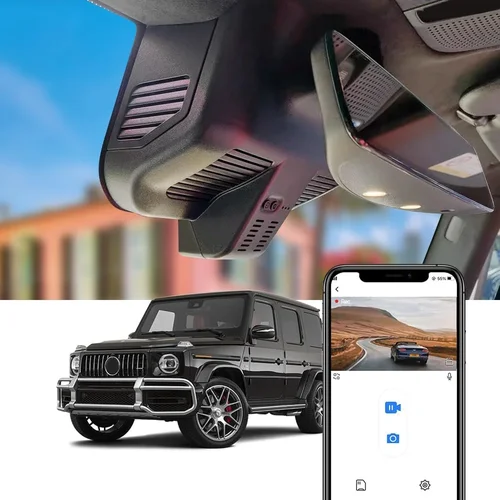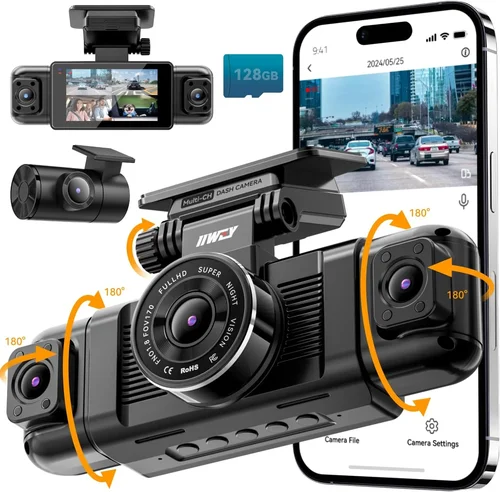
Best Car Dash Cam Buying Guide
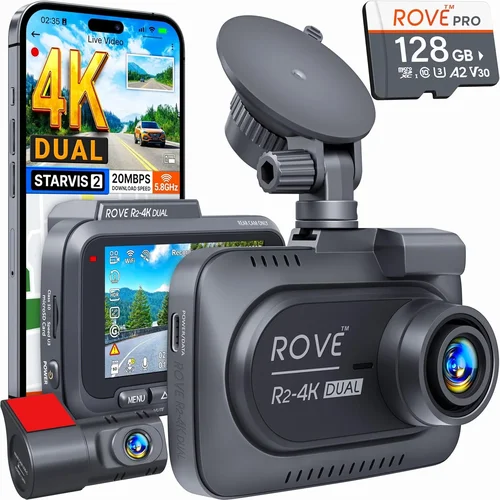
## Introduction: Why Every Driver Needs a Dash Cam
In today’s increasingly complex driving environment, having reliable evidence can make all the difference when accidents happen or disputes arise. A dash cam isn’t just for peace of mind—it’s becoming an essential safety tool that protects both your wallet and your freedom. Whether you’re dealing with insurance claims, parking lot incidents, or simply want to document your daily commute, the right dash cam provides invaluable protection.
This comprehensive buying guide will walk you through everything you need to know about selecting the best car dash cam for your specific needs and budget. We’ll cover performance specifications, build quality considerations, must-have features, and expert recommendations to ensure you make an informed decision that won’t break the bank.
The market offers everything from basic single-camera units to sophisticated dual-channel systems with advanced AI capabilities. Understanding which features matter most and how they impact real-world performance is crucial for finding the perfect balance between functionality and affordability. By the end of this guide, you’ll have all the knowledge needed to choose a dash cam that delivers excellent value without compromising on essential features.
## What to Look for When Buying Dash Cams
### Budget & Price Range
Your budget should be the starting point rather than the final consideration. Entry-level dash cams typically range from $40-80 and offer basic recording capabilities with lower resolution video. Mid-range options ($80-150) provide significantly better image quality, enhanced features, and improved reliability. Premium models ($150-300+) deliver professional-grade performance with advanced features like GPS tracking, cloud connectivity, and superior low-light handling.
Consider what features are truly essential versus those that would be nice to have. Most drivers find that mid-range options offer the best value proposition, providing excellent performance without excessive cost. Remember that investing in a slightly higher-quality unit upfront often saves money long-term by reducing failure rates and replacement costs.
### Performance Specifications
Resolution is perhaps the most critical specification affecting video quality. Look for at least 1080p Full HD resolution as anything lower becomes difficult to read license plates clearly. Many current models offer 2K or even 4K resolution, though these come with larger file sizes and may require more storage capacity.
Frame rate matters too—30fps is standard while 60fps provides smoother motion capture during fast-moving scenarios. Low-light performance is equally important since many incidents occur during dawn, dusk, or nighttime hours. Units with f/1.8 or lower aperture numbers perform better in dim conditions.
### Build Quality & Durability
A dash cam should withstand temperature extremes, humidity, and vibration. Look for models with metal housings rather than plastic construction, as these handle heat better and last longer. Water resistance ratings (IPX rating) indicate protection against moisture intrusion—essential for preventing damage during heavy rain or car washes.
Mounting hardware quality also affects longevity. Strong suction cups with reinforced arms maintain position through rough roads better than flimsy alternatives. Consider how easily the unit detaches for theft prevention or cleaning purposes.
### Features & Functionality
Loop recording automatically overwrites oldest footage when memory fills up—a must-have feature preventing unexpected data loss. G-sensor technology detects impacts and automatically locks relevant clips so they aren’t overwritten. Parking mode monitors your vehicle even when parked using battery backup power.
GPS tracking adds location data to videos useful for verifying routes taken or establishing timelines during incidents. Wi-Fi connectivity enables wireless app control and easy file transfer to smartphones. Some advanced models include voice commands, lane departure warnings, or collision alerts.
### Brand Reputation
Well-established brands typically offer better customer support, more reliable products, and longer warranty periods. Research manufacturer track records regarding product reliability and responsiveness to customer concerns. Online forums and review aggregation sites provide valuable insights into real-world performance beyond marketing claims.
### Warranty & Support
Look for minimum one-year warranties covering defects and failures. Extended warranty options available through third-party providers can add additional protection. Responsive customer service ensures quick resolution of technical issues or replacement requests when problems occur.
### Size & Portability
Compact designs fit discreetly on windshields without obstructing views. However, larger sensors sometimes correlate with better image quality despite increased size. Consider mounting flexibility—some models offer flexible arms allowing angle adjustment for optimal camera positioning.
### User Reviews & Ratings
Aggregate ratings across multiple platforms give a clearer picture of overall satisfaction levels. Pay attention to recent reviews focusing on current model years rather than older versions. Specific feedback about reliability issues, software bugs, or manufacturing defects helps identify potential red flags before purchasing.
## Different Types of Dash Cams
## Common Buying Mistakes to Avoid
### ❌ Mistake: Prioritizing Resolution Over Real-World Performance
Many buyers focus solely on advertised megapixel counts or resolution specs without considering actual image quality metrics. Higher resolution doesn’t automatically mean better footage if the sensor size is small or low-light performance suffers. Always check independent test results comparing real-world visibility, color accuracy, and detail retention under various lighting conditions before making decisions based purely on technical specifications.
### ❌ Mistake: Ignoring Storage Requirements
Assuming microSD cards will last indefinitely leads to unexpected data loss when recordings stop unexpectedly due to card failures or insufficient space. Most dash cams require high-endurance cards rated for continuous write cycles—regular consumer cards often fail prematurely under constant recording loads. Calculate required storage based on desired recording duration per day plus buffer time for incident clips.
### ❌ Mistake: Overlooking Power Management Issues
Poor power management causes battery drain during parking mode or fails to start reliably when ignition activates. Some units draw excessive current even when powered off, draining vehicle batteries overnight. Look for efficient standby modes and verify compatibility with your vehicle’s electrical system to avoid premature battery depletion.
### ❌ Mistake: Choosing Based Solely On Price Alone
The cheapest option often means compromised components leading to frequent failures, poor image quality, or inadequate feature sets. Conversely, extremely expensive models may include unnecessary bells and whistles not worth their premium cost for average drivers. Focus instead on value propositions—features that genuinely enhance safety or convenience at reasonable price points.
### ❌ Mistake: Neglecting Software Reliability
Firmware bugs can cause critical failures like sudden shutdowns during recording sessions or corrupted files preventing playback. Manufacturers releasing buggy initial versions then taking months to patch issues create significant risks for unsuspecting buyers. Check recent user reports about software stability before committing to any particular model.
### ❌ Mistake: Failing To Verify Mounting Compatibility
Windshield curvature varies greatly between vehicles—flat glass vs. curved surfaces require different mounting solutions. Suction cups may lose grip on textured or tinted glass types common in modern cars. Flexible arm attachments help adapt to various angles but may introduce shake during highway speeds. Always confirm mounting hardware works reliably with your specific windshield type before installation.
## Budget Guidelines: How Much Should You Spend?
### Entry-Level ($40 – $80)
These basic models provide essential recording capabilities at minimal cost. Expect 1080p resolution with limited advanced features like GPS or parking mode. Plastic construction may feel less durable compared to higher-end units. Ideal for budget-conscious drivers who primarily need basic documentation without expecting premium performance. While adequate for occasional use, entry-level options often sacrifice reliability and image quality under challenging conditions.
### Mid-Range ($80 – $150)
This sweet spot offers the best balance between cost and capability for most drivers. You’ll find reliable 1080p or 2K recording with decent low-light performance, loop recording, g-sensors, and sometimes parking mode functionality. Metal housings improve durability while maintaining reasonable prices. Dual-channel models become accessible here too, offering front and rear coverage within budget constraints. For the average commuter seeking comprehensive protection without overspending, mid-range selections deliver exceptional value.
### Premium ($150 – $300)
Professional-grade features appear in this tier including superior image processing, enhanced night vision capabilities, robust build quality, and advanced functionality like cloud connectivity or driver assistance alerts. Three-way recording systems offering interior monitoring join dual-channel units as popular options. These models handle extreme temperatures and vibrations exceptionally well thanks to military-grade components. If you drive frequently, own expensive equipment worth protecting, or require courtroom-ready evidence quality, premium dash cams justify their investment through reliability and forensic clarity.
### Luxury ($300+)
Top-tier manufacturers push technological boundaries with features like 4K recording, AI-powered object detection, satellite-linked emergency response systems, or integrated insurance partnerships. While these innovations represent cutting-edge automotive technology, they cater primarily to commercial fleets or security professionals rather than everyday consumers. Unless you have specific requirements demanding ultra-high definition footage or specialized monitoring capabilities, luxury pricing rarely translates directly into proportional benefits for personal vehicle owners.
## Expert Tips for Getting the Best Deal
When researching dash cams, timing your purchase around seasonal sales events can yield substantial savings without sacrificing quality. Black Friday, Cyber Monday, Amazon Prime Day, and back-to-school promotions frequently feature discounted electronics including dash cameras. Retailers like Best Buy, Costco, and Walmart regularly run special deals during these periods.
Comparing prices across multiple retailers helps identify genuine bargains versus temporary store-specific promotions. Online marketplaces like Amazon, Newegg, and B&H Photo Video often compete through price-matching policies or exclusive coupon codes unavailable elsewhere. Signing up for retailer newsletters ensures notification of upcoming sales before public announcements.
Reading return policies before purchasing provides peace of mind knowing faulty units can be exchanged promptly if discovered after testing. Most reputable sellers offer at least 30-day return windows for defective merchandise. Physical retail stores allow hands-on evaluation before buying—testing button placement, menu navigation, and mounting stability firsthand prevents buyer’s remorse.
Verifying warranty coverage details clarifies what repairs or replacements are covered under manufacturer guarantees. Extended warranty programs available through third parties like SquareTrade or TechShield can add two extra years of protection beyond standard manufacturer terms. Always keep original receipts and packaging materials for hassle-free claim processing later.
Testing video playback immediately after unboxing confirms proper functionality before leaving stores or completing online purchases. Requesting sample files from sales representatives or checking demonstration videos on brand websites validates recording quality expectations match reality. Taking photos of serial numbers during purchase establishes proof of ownership for future warranty claims.
Considering bundle packages that include extras like extra batteries, memory cards, or carrying cases increases value without requiring separate purchases. Some manufacturers offer complete starter kits containing everything needed for installation and operation. These consolidated solutions eliminate compatibility concerns between components sourced separately.
## Frequently Asked Questions
### Q: Do I really need a dash cam, or is it just for legal protection?
A: While dash cams provide valuable evidence during disputes, they serve multiple practical purposes beyond legal defense. They deter aggressive driving behaviors, help resolve insurance claims faster, prevent false accusations, and create memorable travel documentation. Many users report improved driving awareness knowing their actions are recorded, leading to safer habits behind the wheel.
### Q: How much storage do I actually need for daily recordings?
A: Assuming 1080p recording at 30fps with typical compression settings, expect approximately 1-2GB of storage usage per hour of footage. For a standard 8-hour workday, plan on consuming 8-16GB daily. High-resolution 2K or 4K recordings require significantly more space—potentially 4-8GB per hour. Choose microSD cards with capacities matching your recording frequency needs plus buffer space for incident-triggered locked clips.
### Q: Can dash cams drain my car battery when parked?
A: Yes, some units consume standby power even when powered off, potentially draining batteries over several days without engine running. Modern smart parking modes minimize consumption by activating only when motion detected or via scheduled timers. Verify parking mode efficiency ratings before purchasing if extended park times are expected regularly.
### Q: Are dash cam recordings admissible as evidence in court?
A: Generally yes, provided recordings remain unaltered and properly authenticated. Courts accept dash cam footage as supplementary evidence supporting witness testimony or police reports. However, chain-of-custody documentation proving integrity from recording to presentation strengthens evidentiary weight significantly during litigation proceedings.
### Q: What happens if my dash cam runs out of memory during an incident?
A: Loop recording automatically overwrites oldest files when storage fills up—unless triggered by impact sensors locking current footage first. G-sensors prioritize saving relevant incident clips ahead of routine overwriting routines ensuring critical evidence preservation even during memory exhaustion scenarios common during extended commutes.
### Q: How do I install my dash cam safely without obstructing my view?
A: Position cameras above rearview mirror height pointing downward toward road ahead avoiding glare sources like sun visors or dashboard displays. Use adjustable mounts allowing fine-tuning until straight-line perspective achieved without distortion artifacts caused by angled viewing positions. Regularly clean lenses using microfiber cloths prevents smudges reducing visibility during crucial moments.
### Q: Can I use any microSD card with my dash cam?
A: Not necessarily—many models require high-endurance cards specifically designed for continuous write operations demanded by constant recording cycles. Standard consumer-grade cards often fail prematurely under sustained usage patterns causing unexpected data loss during important events. Consult manufacturer specifications regarding recommended card types before purchasing replacement media.
### Q: Will my dash cam work reliably in extreme weather conditions?
A: Quality builds matter here—metal housings resist thermal expansion stresses better than plastic alternatives prone to warping under heat exposure common near engine compartments. Operating temperature ranges listed in product specs indicate guaranteed performance thresholds—typically -4°F to 140°F (-20°C to 60°C) for most models. Cold starts may temporarily reduce battery efficiency until internal components warm sufficiently for normal operation.
## Our Final Recommendations
For budget-conscious buyers seeking reliable basic protection without breaking the bank, the Viofo A119 V3 delivers exceptional value with its proven image quality, robust build, and affordable price point. This compact unit handles 1080p recording smoothly while maintaining consistent performance across varying light conditions thanks to its wide dynamic range capabilities.
Those desiring comprehensive coverage with front and rear monitoring should consider the Nextbase 522GW—a standout option combining dual-lens recording with impressive night vision, built-in Alexa voice control, and emergency SOS features. Its intuitive interface and reliable firmware make it ideal for drivers wanting advanced functionality without complexity.
Premium enthusiasts requiring professional-grade performance will appreciate the Garmin Dashcam Mini’s seamless smartphone integration, superior audio recording quality, and compact design that disappears onto any windshield. Though priced higher than average, its reputation for reliability and forensic clarity justifies the investment for serious users.
Beginners new to dash cam technology benefit most from straightforward setup and familiar operation principles offered by the Rexing V1P Pro. With automatic recording activation, simple menu navigation, and dependable loop recording functionality, this unit eliminates learning curves while delivering dependable everyday performance.
Advanced users needing three-way monitoring capabilities should explore the BlackVue DR970-2CH Cloud Key—combining dual external cameras with cloud-based event uploads and remote access features. While requiring subscription services for full functionality, its robust construction and intelligent alert systems provide unparalleled situational awareness during complex driving environments.
Regardless of chosen category or price point, prioritize models with verified reliability records, responsive customer support, and comprehensive feature sets matching your specific usage patterns. Remember that the best dash cam represents neither the absolute cheapest nor most expensive option—but rather the precise solution addressing your unique requirements within realistic budget parameters.