Complete Pickup Truck Dash Cam Buying Guide

As a pickup truck owner, you know that your vehicle is more than just transportation—it’s your workhorse, your adventure companion, and often your livelihood. With the increasing complexity of modern roads, unexpected weather conditions, and the valuable cargo you carry, having reliable protection is essential. A dash cam isn’t just about catching accidents or providing evidence in case of disputes; it’s about peace of mind, security, and professional documentation. Whether you’re a contractor hauling equipment, a tradesperson serving customers, or an outdoor enthusiast exploring remote areas, the right dash cam can make all the difference.
This comprehensive buying guide will walk you through everything you need to know about selecting the best dash cam for your pickup truck. You’ll learn about critical specifications, compare different types and features, understand common pitfalls to avoid, and discover expert recommendations tailored specifically to pickup truck drivers. By the end of this article, you’ll have all the knowledge necessary to make an informed decision that matches your budget, driving habits, and professional needs.
The pickup truck dash cam market has evolved significantly in recent years, with manufacturers now offering specialized models designed specifically for larger vehicles. These aren’t just regular car dash cams that you might slap on your windshield—they require different mounting solutions, power systems, and performance characteristics due to the unique challenges of truck operation. From extreme temperature variations to demanding road conditions, pickup trucks face special circumstances that standard dash cams aren’t built to handle.

What to Look for When Buying Dash Cams
1. Video Quality & Resolution
Video quality should be your top priority when selecting a dash cam for your pickup truck. The entire purpose of having a dash cam is to capture clear, detailed footage that can be used in insurance claims, legal proceedings, or simply to document important events. For pickup trucks, where you’re often traveling at highway speeds and covering long distances, you need high-resolution recording capabilities.
Look for dash cams with at least 1080p Full HD resolution, though many premium models now offer 2K or even 4K Ultra HD recording. Higher resolutions provide significantly clearer details, which is crucial when you need to identify license plates, read road signs, or capture fine details like product markings during commercial deliveries. The front camera should typically record at the highest resolution available, while many models offer lower resolution for the rear camera.
Frame rate matters too—most quality dash cams record at 30 frames per second (fps), but some premium models support 60fps for smoother video. This extra smoothness can help when reviewing footage quickly or capturing fast-moving objects. Additionally, consider the field of view (FOV)—a wider angle captures more of your surroundings, but extremely wide angles can distort the edges of the frame.
2. Night Vision & Low-Light Performance
Night driving is where many accidents occur, and as a pickup truck driver, you’re likely logging significant nighttime hours whether you’re making deliveries, running errands, or heading home from work. Your dash cam must perform exceptionally well in low-light conditions.
Modern dash cams use various technologies to enhance night vision, including enhanced sensors, wider aperture lenses, and intelligent exposure control. Look for models with f/1.8 or lower aperture values, as these allow more light to reach the sensor. Many premium dash cams also feature starlight sensors or low-light optimization algorithms that significantly improve visibility in dark conditions.
Additionally, consider dash cams with infrared LEDs or night vision capabilities if you frequently drive in poorly lit areas or rural regions with limited street lighting. Some models also include automatic exposure adjustment that optimizes settings based on current lighting conditions, ensuring consistent video quality throughout day and night.
3. Storage Capacity & Loop Recording
Storage management is crucial for any dash cam, especially when you’re dealing with continuous 24/7 recording. Pickup trucks often require extended driving sessions, and you don’t want your valuable footage being overwritten before you can review it.
Dash cams use microSD cards for storage, with capacities ranging from 32GB to 512GB or more. For most pickup truck owners, a 128GB to 256GB card provides sufficient storage for several days of continuous recording at high quality. However, if you plan to keep footage for insurance purposes or legal protection, consider using multiple high-capacity cards and implementing a rotation system.
Loop recording is an essential feature—it automatically overwrites the oldest footage when storage is full, ensuring you always have recent recordings available. Most dash cams support loop recording, but check the maximum recording time per clip. Some advanced models also offer event-based storage retention, where footage from impact detection or parking mode events is saved to a separate partition to prevent accidental deletion.
4. Parking Mode & Motion Detection
This is arguably one of the most important features for pickup truck owners, especially if you park in public lots or leave your vehicle unattended for extended periods. Parking mode allows your dash cam to monitor your truck while you’re away, providing crucial protection against hit-and-runs, vandalism, or theft attempts.
When parking mode is active, the dash cam continues recording or monitoring using minimal power, triggered by motion detection, vibration sensors, or G-force impacts. This feature is particularly valuable for truck owners who transport expensive equipment or valuable cargo. If someone attempts to break into your vehicle or cause damage while parked, the dash cam will capture the incident and preserve the evidence.
However, parking mode requires careful consideration of your power source. Many dash cams can draw power directly from your truck’s battery, but this can drain your vehicle’s charge over time. Some models include built-in capacitors or supercapacitors that provide temporary power for emergency recording, or they support hardwired installation with parking mode only when the engine is off. Always ensure your chosen model includes reliable parking mode functionality.
5. Build Quality & Weather Resistance
Pickup trucks operate in diverse environments—from scorching desert heat to freezing winter cold, from muddy off-road trails to salt-covered highways. Your dash cam must withstand these extreme conditions without failing or degrading over time.
Look for dash cams constructed with high-quality materials that resist UV degradation, temperature extremes, and moisture intrusion. Many premium models feature metal housings instead of plastic, providing better durability and heat dissipation. The lens should have anti-reflective coating to prevent glare and ensure clear visibility in bright sunlight.
Weather sealing is another critical factor—your dash cam should be able to operate reliably in temperatures ranging from -20°F to 140°F (-29°C to 60°C). Check the IP rating if available, with higher numbers indicating better water and dust resistance. For pickup truck owners who frequently drive in rain, snow, or dusty conditions, this becomes even more important.
6. Installation & Mounting Options
The installation process can make or break your dash cam experience, especially when working with a pickup truck’s larger windshield and unique interior layout. Consider how easily the device can be mounted, adjusted, and removed when needed.
Most dash cams use suction cup mounts or adhesive mounts, but pickup trucks often require specialized solutions due to larger windshields and different glass angles. Some models offer adjustable mounting arms or flexible gooseneck designs that provide better positioning flexibility. The mount should hold securely even when driving on rough terrain or encountering sudden stops.
Consider the overall size and shape of the dash cam itself—larger models may provide better cooling and larger screens but could obstruct your view or interfere with airbag deployment zones. Some pickup truck owners prefer smaller, less obtrusive models that blend seamlessly into the dashboard area while still providing excellent coverage.
7. Power Source & Wiring
Power management is crucial for reliable dash cam operation, particularly in pickup trucks where you might not always have access to convenient power outlets. Understanding your power options will help you choose a system that integrates smoothly with your vehicle.
Most dash cams plug into your truck’s cigarette lighter or 12V power outlet, but this can be problematic if you frequently remove the cigarette lighter for other accessories. Hardwiring is often the preferred solution for pickup truck owners—connecting directly to your vehicle’s fuse box or constant power source ensures continuous operation without relying on the ignition switch.
If you opt for hardwiring, consider models with professional installation kits or OBD-II port connections. The OBD-II option is particularly convenient as it draws power directly from the truck’s diagnostic port without requiring complex wiring. However, ensure your chosen model supports this connection method and doesn’t interfere with your vehicle’s onboard computer systems.
8. GPS & Speed Tracking
For pickup truck owners, especially those involved in commercial operations, GPS tracking can provide valuable data for fleet management, mileage tracking, or accident reconstruction. Built-in GPS allows your dash cam to record location data and vehicle speed alongside video footage.
This information can be incredibly useful for insurance purposes, helping establish exactly where and when an incident occurred. It’s also helpful for business owners tracking delivery routes, fuel efficiency, or driver behavior patterns. Some dash cams can upload this data to cloud servers, allowing you to review historical routes and generate detailed reports.
GPS functionality typically requires a dedicated GPS antenna, which may be included with the dash cam or sold separately. Check compatibility with your specific model and ensure the GPS signal remains strong even when mounted on the windshield—metal frames or tinted windows can sometimes interfere with signal reception.
9. Wi-Fi & Mobile App Integration
Modern dash cams increasingly feature Wi-Fi connectivity and companion mobile apps, offering convenient ways to manage your recordings and review footage on the go. This technology is particularly valuable for pickup truck owners who need quick access to footage while away from their vehicle.
Wi-Fi-enabled dash cams allow you to transfer files wirelessly to your smartphone or tablet, eliminating the need to physically remove SD cards. Many apps also offer live viewing capabilities, enabling you to see what your dash cam is recording in real-time. Some models support cloud storage integration, automatically backing up important footage to secure online servers.
Mobile app features vary by manufacturer but commonly include video playback, file management, settings adjustment, and firmware updates. Ensure your chosen app is compatible with your smartphone operating system and offers intuitive navigation. For pickup truck owners who frequently travel or work remotely, these connectivity features can save significant time and effort.
10. Brand Reputation & Customer Support
The importance of choosing a reputable brand cannot be overstated, especially when investing in equipment designed to protect your vehicle and potentially serve as legal evidence. Established brands typically offer better build quality, reliable customer service, and longer warranty periods.
Research customer reviews and ratings across multiple platforms, paying particular attention to long-term reliability reports rather than just initial impressions. Consider brands with dedicated support teams, comprehensive documentation, and responsive troubleshooting resources. Some manufacturers also offer extended warranty programs or replacement guarantees for defective units.
For pickup truck owners, brand reputation becomes even more crucial given the demanding conditions and extended usage patterns typical of truck operation. Choose brands with proven track records in automotive electronics and demonstrated commitment to customer satisfaction.
Different Types of Dash Cams

Common Buying Mistakes to Avoid
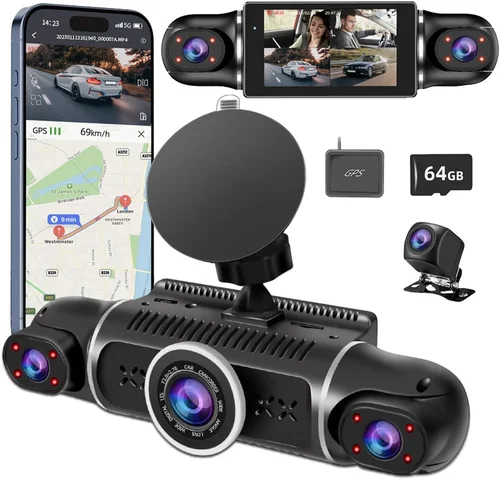
❌ Mistake: Ignoring Parking Mode Functionality
Why it’s bad: Many buyers focus solely on driving performance and overlook parking mode, which is crucial for protecting your pickup truck when parked. Without proper parking surveillance, you risk missing critical incidents like break-ins, vandalism, or hit-and-runs that could result in significant financial loss or equipment damage.
What to do instead: Prioritize dash cams with reliable parking mode capabilities. Test the motion detection sensitivity and ensure the system can operate continuously without draining your vehicle’s battery excessively. Consider models with built-in capacitors or smart power management that automatically adjusts based on your truck’s electrical system.
❌ Mistake: Overlooking Temperature Tolerance
Why it’s bad: Pickup trucks are exposed to extreme temperature variations—from desert heat to arctic cold—and many standard dash cams fail under these conditions. A unit that works perfectly in moderate climates may malfunction in summer when parked in direct sunlight or fail completely in winter temperatures.
What to do instead: Research the operating temperature range of potential dash cams and choose models rated for the climate conditions where you primarily drive. Look for units with military-grade durability certifications or industrial-grade components that can handle temperature extremes without compromising performance.
❌ Mistake: Choosing Based Solely on Price
Why it’s bad: While budget considerations are important, selecting the cheapest option often leads to disappointment. Low-priced dash cams frequently compromise on critical features like video quality, build materials, and reliability, resulting in poor performance when you need it most—such as during insurance claims or legal disputes.
What to do instead: Evaluate dash cams based on value proposition rather than absolute price. Consider the total cost of ownership, including potential replacement costs, warranty coverage, and the peace of mind that comes with reliable performance. Sometimes spending 20-30% more upfront results in significantly better long-term value.
❌ Mistake: Neglecting Installation Complexity
Why it’s bad: Assuming all dash cams install the same way can lead to frustration and improper mounting. Pickup trucks have larger windshields and different interior layouts compared to sedans, requiring specific mounting solutions and potentially professional installation expertise.
What to do instead: Read installation guides thoroughly and watch unboxing videos before purchasing. Consider the complexity of hardwiring versus simple plug-and-play setups. If you’re not confident in your installation skills, factor in the cost of professional installation, which can add $50-150 to your total investment.
❌ Mistake: Focusing Only on Front Coverage
Why it’s bad: Relying exclusively on front-facing cameras leaves your pickup truck vulnerable from multiple angles. As a truck owner, you’re particularly exposed from behind and sides—especially when loading/unloading cargo, changing lanes, or navigating tight spaces in urban environments.
What to do instead: Invest in dual or multi-channel systems that provide comprehensive coverage. Even if you start with a single front camera, consider adding a rear camera later for complete protection. Remember that pickup trucks have blind spots that extend far beyond what a front camera alone can monitor.
❌ Mistake: Not Considering Storage Management
Why it’s bad: Underestimating storage requirements leads to constant footage overwriting and loss of important evidence. Pickup trucks often require extended recording sessions, and inadequate storage planning means you’ll never have access to critical footage when needed for insurance or legal purposes.
What to do instead: Calculate your daily recording volume and plan storage capacity accordingly. Implement a systematic approach to managing SD cards—consider rotating multiple high-capacity cards or investing in cloud backup solutions. Set up automated alerts when storage reaches certain thresholds.
Budget Guidelines: How Much Should You Spend?
Entry-Level ($50 – $100): Essential Protection for Basic Needs
This budget range is suitable for pickup truck owners who want basic dash cam functionality without breaking the bank. These models typically offer solid 1080p recording, decent night vision, and reliable loop recording. While they may lack advanced features like GPS or Wi-Fi connectivity, entry-level dash cams provide adequate protection for personal use and general peace of mind.
At this price point, you’ll find single-front-camera systems with good build quality and straightforward installation. These units work well for drivers who primarily need documentation for insurance purposes or basic incident recording. However, be prepared to compromise on features like parking mode or dual-camera coverage—many entry-level models either omit these functions or implement them poorly.
For pickup truck owners on a tight budget, entry-level dash cams represent a reasonable starting point. Just remember that you get what you pay for, and investing a bit more often results in significantly better long-term value and reliability.
Mid-Range ($100 – $300): The Sweet Spot for Most Truck Owners
This is where most pickup truck owners should focus their search—the mid-range category offers exceptional value with a perfect balance of features, performance, and reliability. At this price point, you can expect dual-camera systems (front and rear), advanced night vision capabilities, robust parking mode functionality, and improved build quality.
Mid-range dash cams typically include GPS tracking, Wi-Fi connectivity, and mobile app integration, providing convenient access to your footage and detailed reporting features. Many models in this range also offer superior temperature tolerance and weather resistance, making them ideal for the diverse conditions pickup trucks encounter.
For the average pickup truck owner, the mid-range segment represents the optimal sweet spot. These systems provide professional-grade protection without the premium price tag, offering everything you need for comprehensive vehicle security and documentation.
Premium ($300 – $600): Enhanced Features for Demanding Users
Premium dash cams target serious pickup truck owners, fleet managers, and professionals who require top-tier performance and advanced functionality. This category includes three-channel systems (front, rear, and interior cameras), 4K recording capabilities, enhanced GPS accuracy, and sophisticated parking surveillance features.
At this level, you’ll find industrial-grade construction, superior low-light performance, and extensive customization options. Premium models often include cloud storage integration, advanced driver assistance features, and professional installation support. Some even offer specialized modes for different driving conditions or cargo types.
While the premium category represents a significant investment, it’s justified for truck owners with high-value cargo, commercial operations, or those who frequently encounter challenging driving conditions. The enhanced protection and advanced features can literally save thousands in potential losses or legal fees.
Luxury ($600+): Top-Tier Protection for Professionals
Luxury dash cam systems represent the pinnacle of automotive surveillance technology, designed for professional fleet operators, high-end commercial applications, and enthusiasts seeking ultimate protection. These systems often feature multiple ultra-high-definition cameras, AI-powered analytics, and enterprise-level management platforms.
Luxury dash cams typically include advanced features like facial recognition, behavior analysis, automatic incident tagging, and comprehensive fleet management integration. They’re built with military-grade materials and undergo rigorous testing for extreme conditions. Installation is usually handled by certified professionals with custom wiring solutions.
While luxury dash cams represent the ultimate investment, they’re appropriate for large commercial fleets, specialized transport operations, or individuals with exceptionally high-value assets requiring maximum protection. For most pickup truck owners, the premium category already provides excellent value and performance.
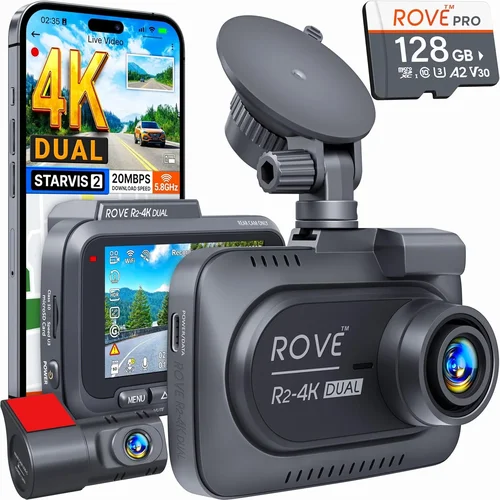
Expert Tips for Getting the Best Deal
Timing Your Purchase for Maximum Savings
Seasonal timing can significantly impact dash cam prices and availability. The best deals typically appear during major shopping holidays like Black Friday, Cyber Monday, and Prime Day, where retailers offer substantial discounts on electronics. Additionally, late summer and early fall often see price reductions as manufacturers prepare for new model releases.
Keep an eye out for back-to-school sales in August and September, as many retailers bundle dash cams with other automotive accessories. New Year’s resolutions period in January also sees promotional pricing as people focus on vehicle safety improvements. Signing up for retailer newsletters and price alert services can help you catch limited-time offers before they sell out.
Choosing Between Online and In-Store Shopping
Online shopping offers broader selection, competitive pricing, and convenience for dash cam purchases. Major retailers like Amazon, Best Buy, and Walmart provide detailed product comparisons, customer reviews, and easy return policies. Online stores often include exclusive bundles and free shipping promotions.
In-store shopping allows you to physically examine dash cams before purchasing, test features like screen quality and button placement, and receive immediate assistance from knowledgeable staff. Physical stores may also offer installation services or bundle deals with other automotive products you need.
Identifying Authentic Deals and Avoiding Scams
Be cautious of prices that seem too good to be true—authentic dash cams rarely sell for 50% or more below retail. Watch for suspiciously low prices on unfamiliar websites or unauthorized sellers. Stick to reputable retailers and official manufacturer websites to ensure genuine products and proper warranties.
Check for legitimate certification seals, read verified customer reviews, and verify seller ratings before completing any purchase. Beware of counterfeit products that mimic popular brands but offer inferior performance and no warranty protection. Price comparison tools and consumer watchdog sites can help identify fair market values.
Understanding Warranty Coverage and Support Options
Comprehensive warranty coverage is crucial for dash cam investments, especially given their exposure to harsh environmental conditions. Most reputable brands offer at least a two-year warranty, with premium models providing three to five years. Check what’s covered—some warranties exclude water damage or physical impacts.
Consider brands with established customer support networks, including phone assistance, online chat, and detailed troubleshooting resources. Some manufacturers offer extended warranty programs or replacement guarantees for defective units. Read the fine print carefully to understand claim procedures and response times.
Evaluating Return Policies and Testing Before Committing
Flexible return policies give you confidence in your purchase, especially when testing dash cam performance in real-world conditions. Most retailers offer 30-day return windows, but some extend this to 90 days for electronics. Check restocking fees and return shipping responsibilities.
If possible, test dash cams in your actual pickup truck before finalizing the purchase. Pay attention to mounting stability, screen visibility in different lighting conditions, and ease of operation while driving. Some retailers allow in-store demonstrations or offer trial periods for online purchases.
Taking Advantage of Bundle Deals and Accessories
Many retailers offer bundle packages that include essential accessories like high-quality SD cards, professional installation services, or additional mounting hardware. These bundles often provide significant savings compared to purchasing items individually and ensure you have everything needed for proper installation and operation.
Consider purchasing extra microSD cards, protective cases, or cleaning kits simultaneously. Some manufacturers include complementary accessories with their dash cams, such as enhanced mounts designed specifically for pickup truck windshields or universal power adapters for multiple vehicle types.
Negotiating Prices and Seeking Professional Advice
Don’t hesitate to negotiate prices, especially when purchasing multiple dash cams for fleet vehicles or when buying during slow periods. Local dealerships and specialty automotive shops may offer better pricing or trade-in options for existing dash cams.
Consult with professional installers or experienced truck owners before making final decisions. They can provide valuable insights into installation challenges specific to pickup trucks and recommend proven solutions for your particular vehicle model and usage patterns.

Frequently Asked Questions
Q: Can I install a dash cam myself, or do I need professional installation?
A: Most dash cams are designed for DIY installation and can be set up by anyone with basic mechanical skills. The process typically involves mounting the camera on the windshield, connecting power to the cigarette lighter or hardwiring to your vehicle’s fuse box, and inserting an SD card. However, pickup trucks present some unique challenges due to larger windshields and different interior layouts.
If you’re comfortable with basic wiring and don’t mind following detailed instructions, self-installation is feasible and saves installation costs. For complex hardwiring projects or if you prefer a cleaner, professional appearance, consider hiring a certified installer. Many retailers and local automotive shops offer installation services for a reasonable fee.
Q: How much does a dash cam typically cost for a pickup truck?
A: Dash cam prices vary significantly based on features and quality. For pickup truck owners, you can expect to spend between $50 for basic models and over $600 for premium systems. Entry-level options ($50-$100) provide essential functionality, while mid-range models ($100-$300) offer the best value with dual cameras, parking mode, and GPS tracking.
Premium systems ($300-$600) include advanced features like 4K recording, three-channel coverage, and professional-grade build quality. Luxury models ($600+) target commercial operators and include enterprise-level management features. Remember that additional costs may include professional installation, extra SD cards, and potential warranty extensions.
Q: Do dash cams drain my pickup truck’s battery?
A: Modern dash cams are designed to minimize battery drain, but continuous operation can still impact your vehicle’s electrical system. Most dash cams consume between 0.5 to 2 amps when recording, which is relatively modest compared to other accessories.
Parking mode functionality is particularly important—if activated without proper power management, it can drain your battery over time. Many premium models include smart power management that reduces consumption when the vehicle is idle or uses capacitors for emergency recording. For extended parking situations, consider using a battery cutoff device or connecting to a dedicated power source.
Q: What resolution should I look for in a pickup truck dash cam?
A: For pickup trucks, aim for at least 1080p Full HD resolution, though 2K or 4K Ultra HD provides significantly better detail for identifying license plates, reading road signs, and capturing fine details. Higher resolutions are particularly valuable when documenting commercial deliveries or working in professional environments where evidence quality matters.
The front camera should always record at the highest available resolution, while rear cameras can sometimes be slightly lower. Consider frame rate too—60fps provides smoother video for reviewing footage quickly, though 30fps is standard and sufficient for most purposes. Balance resolution with storage requirements, as higher quality video consumes more space faster.
Q: Is parking mode really necessary for pickup trucks?
A: Absolutely. Parking mode is one of the most valuable features for pickup truck owners, providing protection against hit-and-runs, vandalism, theft attempts, and cargo-related incidents. Given that trucks often contain valuable equipment, supplies, or merchandise, having 24/7 surveillance while parked can prevent significant financial losses.
Parking mode works by continuing to monitor your vehicle using motion detection, vibration sensors, or impact triggers. When properly configured, it can operate continuously without excessive battery drain. This feature is especially important for truck owners who leave their vehicles unattended in public lots, construction sites, or delivery locations.
Q: How long will my dash cam recordings last before being overwritten?
A: Recording duration depends on several factors including video quality, storage capacity, and file size. A 128GB microSD card typically holds 8-12 hours of 1080p footage, while a 256GB card can store 16-24 hours. Higher resolutions and frame rates reduce available recording time.
Loop recording automatically overwrites the oldest footage when storage is full, ensuring you always have recent recordings available. Most dash cams allow you to adjust the recording length per file—shorter clips (1-3 minutes) provide better incident isolation, while longer clips (5-10 minutes) maximize storage efficiency.
Q: Can I use multiple dash cams on my pickup truck?
A: Yes, many pickup truck owners install multiple dash cams for comprehensive coverage. Dual-camera systems (front and rear) are common, while some advanced setups include three channels (front, rear, and interior monitoring). Multi-camera systems require additional processing power and storage capacity.
Ensure your chosen dash cam model supports multiple cameras or purchase separate units that can operate independently. Each additional camera increases complexity, power consumption, and storage requirements. Professional installation is recommended for multi-camera systems to ensure proper synchronization and power management.
Q: Will a dash cam interfere with my pickup truck’s airbags?
A: No, properly installed dash cams do not interfere with airbag deployment. Airbags deploy based on impact force and specific crash patterns detected by your vehicle’s sensors, not based on objects mounted on the windshield.
However, it’s important to position your dash cam correctly and ensure it doesn’t obstruct your view or interfere with windshield-mounted sensors. Avoid placing the dash cam directly over airbag deployment zones or using adhesives that could damage the windshield. Most dash cams come with mounting instructions that specify safe placement areas.
Q: How do I choose the right microSD card for my dash cam?
A: Selecting the appropriate microSD card involves considering capacity, speed class, and reliability. For pickup trucks, start with 128GB to 256GB capacity—this provides 8-24 hours of recording depending on quality settings. Higher capacities are better if you need longer recording sessions or plan to keep footage for extended periods.
Choose UHS-I or V30 speed class cards for smooth recording and quick file transfers. Reliability is crucial—opt for reputable brands like SanDisk, Samsung, or Lexar rather than generic or counterfeit products. Format cards regularly and keep backups of important footage stored separately from your dash cam.
Q: What maintenance does a dash cam require?
A: Regular dash cam maintenance is minimal but important for reliable operation. Clean the lens weekly with a microfiber cloth to maintain clear video quality. Periodically format your microSD card to prevent file corruption and ensure smooth loop recording.
Check mounting stability monthly, especially after long trips or rough terrain driving. Update firmware when prompted to access new features and bug fixes. Store extra microSD cards in a cool, dry place and replace them every 2-3 years or when experiencing read/write errors. Professional cleaning services can deep-clean your system annually.
Our Final Recommendations
Best for Budget-Conscious Buyers: Viofo A119 v3
The Viofo A119 v3 represents exceptional value for pickup truck owners seeking reliable protection without breaking the bank. This dual-camera system delivers crisp 1080p recording from both front and rear perspectives, featuring impressive night vision capabilities that rival more expensive models. Its compact design fits seamlessly into any pickup truck dashboard while providing comprehensive coverage.
Key advantages include reliable parking mode functionality, GPS tracking for accurate incident documentation, and straightforward installation process. The A119 v3 handles temperature extremes well, making it suitable for pickup trucks operating in diverse climates. While it lacks some premium features like Wi-Fi connectivity, it provides everything needed for essential dash cam protection at an unbeatable price point.
Best Overall Value: Garmin Dash Cam 67W
The Garmin Dash Cam 67W stands out as the optimal choice for pickup truck owners seeking the perfect balance of features, reliability, and affordability. This single-front-camera system offers 1080p recording with advanced image stabilization that maintains clarity even on rough terrain—perfect for pickup trucks navigating bumpy roads or off-road conditions.
Garmin’s signature features include voice-activated recording, incident detection with automatic saving, and cloud backup capabilities. The 67W model excels in low-light performance and includes a built-in GPS for precise location tracking. Its compact size won’t obstruct your view, and the magnetic mount allows for easy repositioning. Garmin’s reputation for quality and excellent customer support adds significant value to this already compelling package.
Best Premium Option: Nextbase 522GW
The Nextbase 522GW represents the pinnacle of mid-range dash cam excellence, offering premium features typically found in luxury models at a more accessible price point. This dual-camera system delivers stunning 1440p recording from the front and 1080p from the rear, providing exceptional detail for insurance claims and legal documentation.
Advanced features include 4G LTE connectivity for live streaming and cloud backup, Alexa voice control integration, and sophisticated incident detection algorithms. The 522GW excels in parking mode functionality with intelligent motion detection and automatic emergency calling capabilities. Its rugged build quality withstands the demanding conditions pickup trucks encounter, while the intuitive interface makes operation simple even for less tech-savvy users.
Best for Beginners: Rexing V1P Pro
The Rexing V1P Pro is the ideal entry point for pickup truck owners new to dash cam technology. This user-friendly dual-camera system offers reliable 1080p recording with straightforward controls and clear menu navigation. Its compact design and simple installation process make it perfect for those intimidated by complex automotive electronics.
Despite its beginner-friendly nature, the V1P Pro doesn’t compromise on essential features—it includes robust parking mode, GPS tracking, and impressive night vision capabilities. The included mobile app provides convenient file management and playback options, while the included accessories ensure you have everything needed for immediate installation. Rexing’s responsive customer support and generous warranty further enhance the beginner experience.
Best for Advanced Users: BlackVue DR970X-2CH
The BlackVue DR970X-2CH targets serious pickup truck owners and professionals who demand maximum performance and advanced functionality. This premium dual-camera system offers stunning 2K recording quality with exceptional detail preservation, making it ideal for commercial operators, contractors, and enthusiasts who require top-tier documentation capabilities.
Advanced features include cloud connectivity for remote monitoring and management, intelligent parking mode with multiple trigger options, and comprehensive event logging. The DR970X-2CH excels in extreme conditions with its military-grade build quality and advanced thermal management. Professional installation support and enterprise-level management software make this system perfect for fleet operators or individuals with complex requirements.
Best Three-Channel System: Thinkware U1000
The Thinkware U1000 sets the standard for comprehensive pickup truck protection with its three-channel recording capability. This premium system captures crystal-clear 2K footage from the front, 1080p from the rear, and 720p from an interior camera—providing complete monitoring coverage for maximum security.
Advanced features include superior night vision with enhanced low-light sensors, sophisticated parking mode with multiple detection options, and professional-grade GPS accuracy. The U1000’s robust build quality withstands extreme temperatures and harsh conditions, while its intuitive interface simplifies operation. Thinkware’s reputation for reliability and excellent customer service makes this system the ultimate choice for pickup truck owners who demand nothing but the best.
Conclusion: Making the Right Choice
Selecting the perfect dash cam for your pickup truck requires careful consideration of multiple factors, but the investment pays dividends in peace of mind, security, and professional documentation. Remember that your dash cam serves as your vehicle’s eyes and ears, providing crucial protection in an unpredictable world where accidents, disputes, and incidents can happen unexpectedly.
Focus on finding the right balance between features, performance, and budget rather than chasing every latest technology trend. Prioritize essential capabilities like reliable video quality, robust parking mode functionality, and durable construction that can withstand the demanding conditions pickup trucks encounter daily. Your chosen dash cam should integrate seamlessly into your lifestyle and provide dependable protection whether you’re commuting, hauling cargo, or exploring remote areas.
Take time to research thoroughly, read verified customer reviews, and consider professional installation if needed. Don’t rush the decision—your dash cam will be with you for years, so choose wisely and enjoy the confidence that comes with knowing your vehicle is protected. With the comprehensive guidance provided in this buying guide, you’re now equipped with all the knowledge necessary to make an informed decision that will serve you well in protecting your pickup truck and everything it carries.