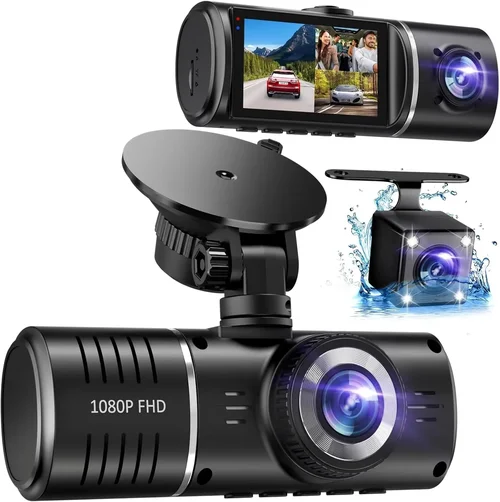
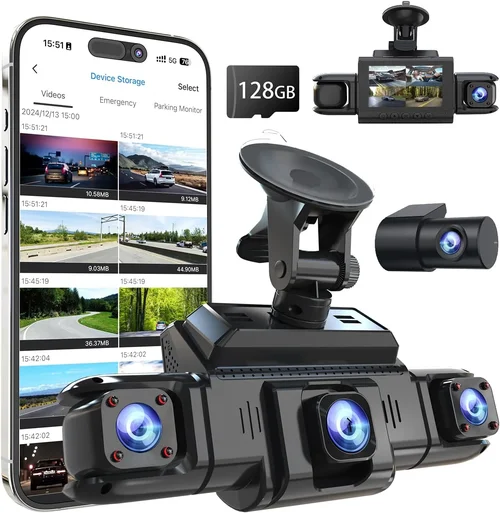
Smart Dash Cam Buying Guide
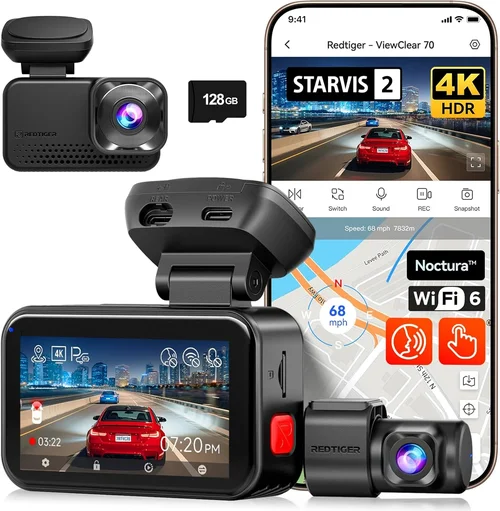
When it comes to protecting your vehicle from theft, vandalism, or false insurance claims, parking surveillance dash cams have become an essential automotive security tool. These intelligent recording devices go beyond simple driving documentation by offering continuous monitoring capabilities even when your car is parked and turned off. For drivers who want comprehensive protection without constantly worrying about their vehicle’s safety, a quality parking mode dash cam can provide peace of mind and crucial evidence when incidents occur.
This comprehensive buying guide will walk you through everything you need to know about selecting the best dash cam for parking surveillance. Whether you’re a daily commuter concerned about overnight parking security, a rideshare driver looking to protect your investment, or someone who frequently parks in high-risk areas, understanding the technical specifications, features, and practical considerations will help you make an informed decision. We’ll explore the latest technology trends, compare top-performing models across different price ranges, and provide expert recommendations based on real-world usage scenarios.
The parking surveillance market has evolved significantly over the past few years, with manufacturers introducing sophisticated features like motion detection, time-lapse recording, and cloud connectivity. However, this advancement also means that choosing the right device requires careful consideration of multiple factors. From battery life and storage capacity to build quality and software reliability, each aspect plays a crucial role in determining how effectively your dash cam will protect your vehicle during unattended periods.
In the following sections, we’ll break down the key factors to consider, explain different types of parking surveillance systems, identify common purchasing mistakes, and provide detailed guidance on finding the perfect dash cam that matches your specific needs and budget constraints. By the end of this guide, you’ll have all the knowledge necessary to select a reliable parking surveillance solution that offers maximum protection with minimal maintenance.
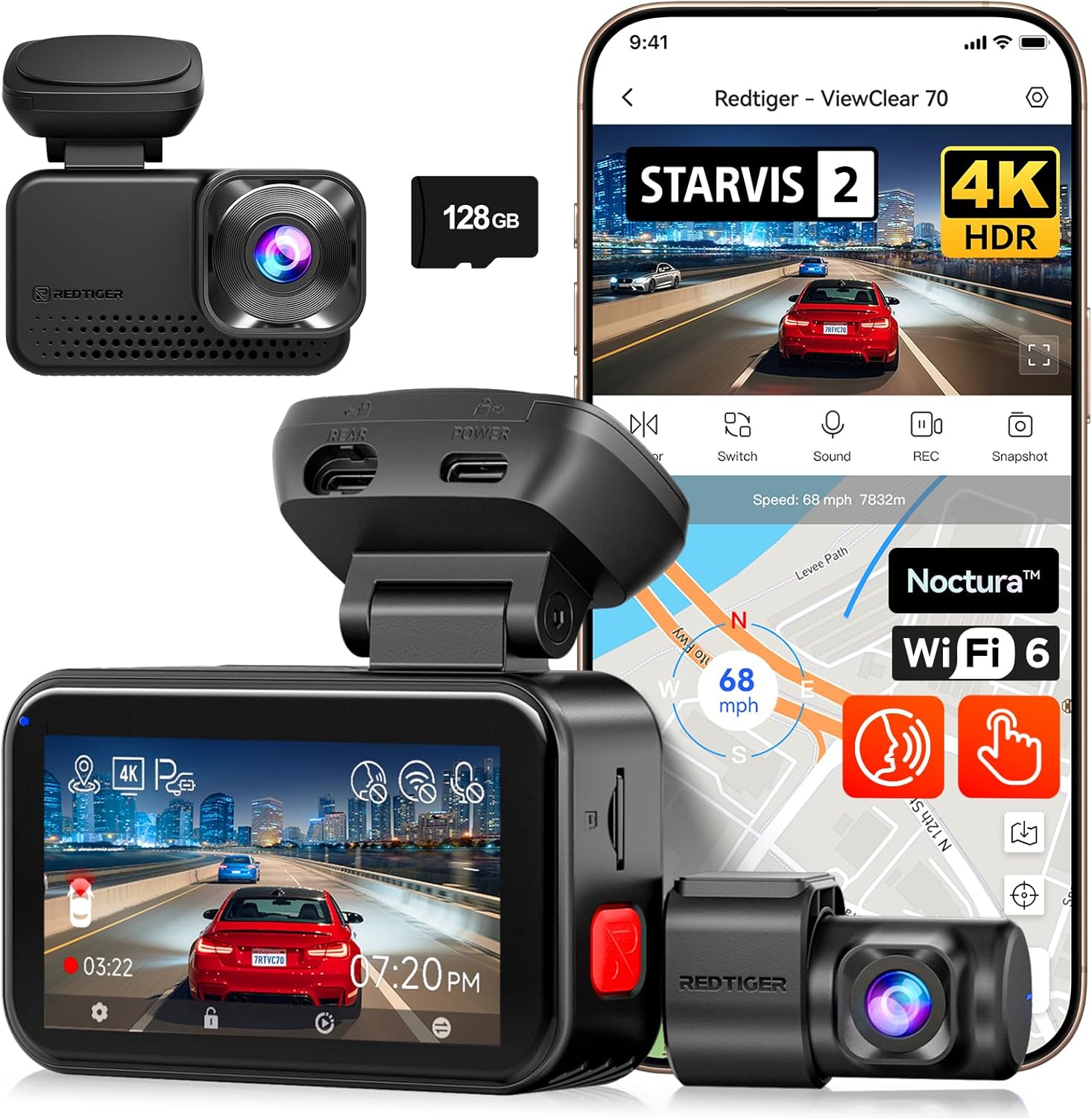
What to Look for When Buying Dash Cams
1. Parking Mode Functionality
The cornerstone of any parking surveillance dash cam is its ability to continue recording while your vehicle is powered off. This feature typically works through one of three methods: hardwiring to your car’s electrical system, utilizing an internal battery, or connecting to an external power source. Hardwired solutions are generally preferred as they provide continuous power without requiring battery recharging cycles. Look for models that offer both impact detection (recording when sudden movements are detected) and motion detection capabilities. The sensitivity settings should be adjustable to prevent false triggers from passing vehicles or environmental factors.
2. Video Quality & Resolution
While parking surveillance doesn’t require the same level of video quality as primary driving recording, higher resolution still provides better detail for identifying license plates and facial features. Most modern dash cams offer 1080p recording, but some premium models support 4K resolution. For parking mode specifically, 720p at 30fps often provides the best balance between file size and image clarity. Consider cameras with HDR (High Dynamic Range) capability, which helps maintain detail in both bright sunlight and dark shadows – crucial for capturing clear evidence during day and night parking situations.
3. Storage Capacity & Management
Parking mode creates continuous recording files that can quickly consume storage space. A 64GB microSD card typically provides 2-3 hours of parking surveillance footage, depending on compression settings. Many dash cams support up to 512GB cards, extending recording time significantly. Look for models with loop recording functionality that automatically overwrites older footage when storage is full. Some advanced systems also offer cloud backup options, though these usually require additional subscriptions and cellular data plans.
4. Power Management & Battery Life
For hardwired installations, power consumption during parking mode varies significantly between models. Most dash cams draw between 0.5W to 3W during standby, which translates to approximately 0.5% to 3% of your car’s battery drain per day. Premium models often include smart power management that reduces recording frequency or enters low-power modes when the battery level drops below a certain threshold. Internal backup batteries typically last 1-2 hours, providing a buffer during power interruptions or when the car won’t be used for extended periods.
5. Build Quality & Weather Resistance
Parking surveillance dash cams are exposed to extreme conditions including direct sunlight, heavy rain, snow, and temperature fluctuations ranging from sub-zero cold to scorching heat. Look for devices with IPX rating certifications, preferably IPX4 or higher, indicating protection against water splashes and dust. The housing should be made from durable materials like polycarbonate or aluminum alloy. Consider models with automatic lens cleaning systems or hydrophobic coatings to maintain clear recording quality during adverse weather conditions.
6. Smart Features & Connectivity
Modern parking surveillance dash cams offer increasingly sophisticated smart features. GPS tracking provides location history and speed data, which can be valuable for insurance claims or theft recovery. WiFi connectivity allows wireless access to footage via smartphone apps, making it easier to review recordings without removing memory cards. Some models include two-way audio capabilities, enabling communication with people near your vehicle. Advanced features like AI-powered object recognition can distinguish between relevant events (cars pulling up) and irrelevant movement (passing pedestrians), optimizing storage usage and alert notifications.
7. Installation Complexity
The difficulty of installing a parking surveillance dash cam can vary dramatically depending on your technical skills and the complexity of the chosen model. Basic hardwiring requires connecting to your car’s fuse box using a cigarette lighter adapter or direct wiring kit. Professional installation typically costs $50-150 but ensures proper placement and secure connections. Look for models with clear mounting instructions, included wiring kits, and customer support for installation assistance. Some brands offer plug-and-play solutions that minimize the need for electrical expertise.
8. Brand Reputation & Customer Support
Choosing a reputable brand with positive customer reviews significantly impacts your long-term experience with parking surveillance dash cams. Established manufacturers like BlackVue, Thinkware, Garmin, and Nextbase typically offer better build quality, more reliable firmware updates, and responsive customer service. Check independent review sites, consumer forums, and professional automotive blogs for unbiased evaluations. Pay attention to warranty terms – most quality dash cams come with 1-3 year manufacturer warranties covering defects and malfunctions.
Different Types of Dash Cams

Common Buying Mistakes to Avoid
❌ Mistake: Ignoring Battery Drain Concerns
Why it’s bad: Many buyers fail to research the actual power consumption of their chosen dash cam, leading to unexpected battery drain issues. A poorly designed parking mode can discharge a car’s battery within 3-5 days, especially in colder temperatures where batteries lose efficiency. This not only prevents starting your vehicle but can also damage the battery over time due to deep discharges.
What to do instead: Always check manufacturer specifications for standby power consumption and look for models with smart battery protection features. Consider investing in a battery cutoff switch or choosing a dash cam with ultra-low power consumption modes. For winter months, consider using a battery maintainer or parking in heated garages when possible.
❌ Mistake: Choosing Based Solely on Price
Why it’s bad: While budget considerations are important, selecting the cheapest available option often results in poor build quality, unreliable performance, and limited features. Cheap dash cams may lack proper weather sealing, have inconsistent recording quality, or fail to maintain reliable parking mode functionality. These devices typically require frequent replacements and may not provide adequate protection when it matters most.
What to do instead: Focus on value rather than minimum price. Compare features, build quality, and customer reviews across similar-priced models. Consider the total cost of ownership including potential replacement costs, installation fees, and subscription services. Often spending 20-30% more for a quality device results in better long-term value and peace of mind.
❌ Mistake: Overlooking Storage Requirements
Why it’s bad: Underestimating storage needs leads to constant “card full” errors and loss of critical footage. Parking surveillance creates continuous recordings that can fill memory cards rapidly, especially with motion-activated recording enabled. Without proper storage management, you might miss important events or have to manually delete old files regularly.
What to do instead: Calculate your expected storage needs based on your typical parking duration and location risk factors. For urban parking, you might need 1-2 hours of recording capacity, while long-term parking might require several hours. Choose cards with good write speeds and consider models with dual SD card slots for backup storage or seamless switching.
❌ Mistake: Neglecting Installation Quality
Why it’s bad: Poor installation compromises both the effectiveness and longevity of your dash cam system. Loose wiring connections can cause intermittent power loss, while improper mounting positions create blind spots or obstruct visibility. Inadequate cable management exposes wires to heat, vibration, and potential damage, increasing the risk of system failure.
What to do instead: Invest in professional installation if you’re not comfortable with DIY electrical work. If installing yourself, take time to plan cable routing carefully, use proper connectors and heat shrink tubing, and ensure all connections are secure. Test the system thoroughly after installation to verify proper functionality before relying on it for protection.
❌ Mistake: Focusing Only on Video Quality
Why it’s bad: While high-resolution video is important, focusing exclusively on megapixels overlooks other critical factors like image stabilization, low-light performance, and compression algorithms. A 4K camera with poor stabilization will produce shaky footage that’s difficult to analyze, while excellent 1080p footage with good stabilization provides clearer, more usable evidence.
What to do instead:: Evaluate video quality holistically by considering frame rate (30fps vs 60fps), bitrate consistency, and dynamic range performance. Look for features like electronic image stabilization (EIS), wide dynamic range (WDR), and night vision capabilities. Read professional reviews that test real-world performance rather than just spec comparisons.
❌ Mistake: Assuming All Parking Modes Are Equal
Why it’s bad: Different dash cams implement parking surveillance differently, with varying levels of sophistication and reliability. Some use basic motion detection that triggers on any movement, while others employ AI-powered event detection that distinguishes between relevant threats and irrelevant activity. Assuming all parking modes work the same way can result in either excessive false alarms or missed important events.
What to do instead: Research the specific parking mode implementation of your chosen model. Look for systems with adjustable sensitivity settings, time-lapse recording options, and impact detection capabilities. Check user reviews for reports of false positives or missed events, and consider models with multiple detection methods that can be combined for optimal performance.
Budget Guidelines: How Much Should You Spend?
Entry-Level ($80 – $150): Essential Protection
This price range offers basic parking surveillance capabilities suitable for casual drivers and those with moderate parking concerns. Models in this category typically provide 1080p recording, basic motion detection, and internal battery backup lasting 1-2 hours. While they may lack advanced features like GPS tracking or cloud connectivity, they offer reliable protection against common incidents like minor scratches or attempted break-ins. Brands like Viofo, Rexing, and KDL offer solid entry-level options that deliver good value for basic needs. These devices are ideal for renters, occasional drivers, or those testing dash cam functionality before committing to premium features.
Mid-Range ($150 – $300): Balanced Performance
The sweet spot for most buyers, mid-range dash cams combine reliable performance with thoughtful feature sets. At this price point, you’ll find models with 2K or 4K recording capabilities, sophisticated parking mode implementations, improved build quality, and better low-light performance. These devices often include GPS tracking, WiFi connectivity, and enhanced storage management features. Brands like Thinkware, Garmin, and Nextbase dominate this segment with products that offer professional-grade reliability at accessible prices. This range represents the best value proposition, providing comprehensive protection without the premium price tag of high-end systems.
Premium ($300 – $600): Professional-Grade Protection
Premium dash cams target serious drivers, rideshare operators, and those requiring maximum protection for expensive vehicles. These systems feature top-tier sensors, advanced AI processing, superior build quality, and comprehensive feature sets including dual-channel recording, parking assist cameras, and sophisticated event detection algorithms. Many premium models offer cloud connectivity with subscription-based storage services, real-time alerts, and professional installation support. BlackVue and some Thinkware models lead this category, offering military-grade durability and enterprise-level reliability. While the price point is significant, the added security features and peace of mind justify the investment for high-value vehicles or frequent parking in risky areas.
Luxury ($600+): Ultimate Security Solution
The luxury tier represents the pinnacle of dash cam technology, featuring cutting-edge innovations and uncompromising quality. These systems often include multiple cameras (front, rear, interior), advanced AI object recognition, satellite connectivity, and professional fleet management capabilities. Luxury dash cams may offer specialized features like thermal imaging, 360-degree coverage, and integration with smart home security systems. While primarily targeting commercial fleets and luxury vehicle owners, some enthusiast-grade models are available for discerning consumers. The investment in this category reflects not just the hardware cost but also ongoing subscription fees for cloud services, professional installation, and comprehensive insurance integration benefits.
Expert Tips for Getting the Best Deal
Understanding seasonal patterns can maximize your savings on parking surveillance dash cams. Retailers typically reduce prices in late summer and early fall as new models begin arriving for the next year’s lineup. Additionally, consider purchasing during holiday weekends when stores offer special promotions to boost sales volume. Signing up for retailer newsletters and following brand social media accounts can alert you to exclusive member-only deals and flash sales.
When comparing prices across different retailers, remember to factor in total costs including shipping charges, installation fees, and potential tax implications. Online marketplaces like Amazon often have competitive pricing but may charge separate shipping fees, while local automotive specialty stores might offer bundled installation packages that reduce overall costs. Always check return policies before finalizing your purchase, as some retailers offer better return windows than others for electronics purchases.
Consider buying refurbished or open-box items from authorized dealers when available. These products typically come with full manufacturer warranties and have been professionally inspected for quality assurance. Refurbished units can offer 20-40% savings over new models while maintaining the same performance standards. Just ensure the refurbishment process includes complete component replacement and thorough testing procedures.
Take advantage of manufacturer rebates and trade-in programs when offered. Some brands provide instant rebates at checkout or mail-in rebates that can reduce the effective price significantly. Trade-in programs allow you to exchange your current dash cam for credit toward a new purchase, making upgrades more affordable. These promotional offers often have limited availability, so act quickly when they become available.
Join automotive enthusiast communities and forums where members share deal alerts and group-buy opportunities. Members of groups like Reddit’s r/dashcam or specialized automotive Facebook groups often organize bulk purchases that qualify for additional volume discounts. These community-driven deals can provide access to exclusive pricing not available through standard retail channels.
Consider the total cost of ownership rather than just the initial purchase price. Factor in ongoing expenses like cloud storage subscriptions, memory card replacements, and potential professional installation fees. Some budget-friendly models may have expensive subscription requirements or require frequent accessory purchases that add up over time. Calculate the five-year total cost to determine true value for money.
Frequently Asked Questions
Q: How much battery drain should I expect from a parking surveillance dash cam?
A: Battery drain varies significantly based on the dash cam model and parking mode settings. Most hardwired parking surveillance dash cams consume between 0.5W to 3W during standby, which translates to approximately 0.5% to 3% of your car’s battery drain per day. Premium models with smart power management can reduce this to 0.2% or less. During colder temperatures, battery efficiency decreases, potentially doubling or tripling drain rates. To minimize impact, choose models with adjustable sensitivity settings and consider using parking mode only during high-risk periods rather than continuous monitoring.
Q: What’s the difference between motion detection and impact detection for parking mode?
A: Motion detection activates recording when the camera senses movement within its field of view, typically using PIR (Passive Infrared) sensors or video analysis algorithms. Impact detection uses accelerometer data to trigger recording when sudden movements or vibrations are detected, such as someone bumping into your vehicle or attempting to break a window. Many premium dash cams combine both systems with adjustable sensitivity settings, allowing you to customize detection parameters based on your parking environment and risk assessment. Impact detection is particularly useful for detecting attempted thefts or vandalism, while motion detection catches loitering or suspicious activity.
Q: How long can a dash cam record during parking mode?
A: Recording duration depends on multiple factors including storage capacity, video quality settings, compression algorithms, and whether time-lapse recording is used. A 64GB microSD card typically provides 1-3 hours of continuous recording at 1080p resolution, while a 512GB card can extend this to 8-16 hours. Time-lapse recording, which captures frames at reduced intervals, can dramatically extend recording time – some models offer 24-hour parking surveillance on a single card. However, time-lapse footage has lower resolution and may miss important details, so it’s best used as a supplementary feature rather than primary recording mode.
Q: Do I need to remove the memory card to access parking surveillance footage?
A: Many modern dash cams eliminate the need to physically remove memory cards through various convenient access methods. WiFi connectivity allows wireless downloading of footage directly to your smartphone or computer using companion apps. Some models feature USB ports or card reader functions built into the device itself. Cloud-connected systems store footage on remote servers accessible through web portals or mobile applications. For models without these features, most dash cams use loop recording that automatically overwrites older files when storage is full, though recent events are typically preserved until manually deleted or overwritten by new recordings.
Q: Can parking surveillance dash cams work during extreme weather conditions?
A: Quality parking surveillance dash cams are designed to operate reliably across a wide temperature range. Most models function effectively from -4°F to 140°F (-20°C to 60°C), with some premium versions capable of handling even more extreme conditions. However, performance can be affected by severe weather. Heavy snow, ice accumulation on lenses, or direct exposure to standing water may impair recording quality or temporarily disable the device. Look for models with IPX4 or higher water resistance ratings, hydrophobic lens coatings to repel water droplets, and automatic lens cleaning systems. In extremely harsh climates, consider using weather covers or parking in covered areas when possible.
Q: How do I know if my dash cam is actually recording during parking mode?
A: Most dash cams provide visual and auditory indicators when parking mode is active. LED status lights typically change color or blink pattern to indicate standby, recording, or error states. Some models display a small screen showing the current recording status. Audible confirmation through beeps or voice announcements can also verify operation. To test functionality, perform a manual parking mode activation by locking your car doors – many systems will immediately begin recording and provide confirmation signals. Regular testing every few weeks helps ensure the system remains operational, especially important given that parking mode only activates under specific conditions.
Q: Is professional installation worth the cost for parking surveillance dash cams?
A: Professional installation typically costs $50-150 but provides significant advantages for parking surveillance systems. Certified technicians ensure proper hardwiring to your car’s electrical system, secure mounting that doesn’t obstruct visibility, and clean cable routing that protects wires from heat and vibration damage. They also configure parking mode settings optimally for your specific vehicle and usage patterns. For complex installations involving multiple cameras or advanced features like GPS tracking, professional installation becomes essential. However, experienced DIY installers can handle basic setups for significantly lower costs, particularly with models that offer plug-and-play solutions.
Q: How do cloud-connected dash cams affect privacy and data security?
A: Cloud-connected dash cams introduce additional privacy considerations compared to locally-stored systems. These devices transmit video footage over internet connections to remote servers, raising concerns about data interception, unauthorized access, and compliance with privacy regulations. Reputable manufacturers implement encryption protocols, secure authentication methods, and transparent privacy policies to protect user data. However, you should understand what data is collected, how long it’s stored, and who has access to it. Review the manufacturer’s privacy policy carefully and consider whether the convenience of remote access justifies the potential privacy trade-offs for your situation.
Q: What happens to footage when the memory card reaches capacity during parking mode?
A: When a memory card reaches capacity, the dash cam’s behavior depends on its storage management system. Most devices use loop recording, which automatically overwrites the oldest footage to make room for new recordings. However, this process typically preserves recent events by keeping them on the card until they’re overwritten or manually saved elsewhere. Some advanced models implement intelligent storage management that prioritizes important events while automatically archiving older footage to secondary storage or cloud services. Understanding your specific model’s overwrite behavior is crucial to ensuring critical evidence isn’t lost unexpectedly during extended parking periods.
Q: Can parking surveillance dash cams detect and record events while the car is completely off?
A: Yes, parking surveillance dash cams are specifically designed to detect and record events while the vehicle is powered off and locked. This functionality relies on either hardwiring to the car’s electrical system (drawing minimal power) or using internal backup batteries. When properly installed, these systems can monitor your vehicle continuously, recording any suspicious activity or incidents that occur while you’re away. The detection methods typically include motion sensing, impact detection through accelerometers, or time-lapse recording at reduced frame rates. This capability provides crucial evidence for insurance claims, helps deter theft attempts, and offers peace of mind knowing your vehicle is being monitored even when you’re not present.
Our Final Recommendations
Best for Budget-Conscious Buyers
The Viofo A119 v3 represents exceptional value for drivers seeking reliable parking surveillance without breaking the bank. Priced around $120, this 2K-capable dash cam delivers impressive video quality, robust build construction, and surprisingly effective parking mode functionality. Its compact design fits discreetly on most dashboards, while the included parking mode cable enables easy hardwiring installation. The device features adjustable sensitivity settings that help minimize false triggers, and its intelligent parking mode automatically starts recording when motion or impact is detected. Users consistently praise its reliability and straightforward operation, making it an excellent choice for those prioritizing affordability without sacrificing core functionality.
Best Overall Value
The Thinkware Q800PRO strikes the perfect balance between features, performance, and price point for most drivers. Priced in the $250 range, this premium dash cam offers 2K recording capabilities, sophisticated parking surveillance with both motion and impact detection, and a comprehensive feature set that includes GPS tracking, WiFi connectivity, and dual-band WiFi for faster file transfers. Its advanced parking mode algorithms effectively distinguish between relevant events and background activity, reducing unnecessary recordings while ensuring critical incidents aren’t missed. The build quality is exceptional, with a sturdy metal housing that withstands harsh conditions, and the accompanying mobile app provides intuitive control and playback functionality that rivals more expensive competitors.
Best Premium Option
For those seeking the ultimate parking surveillance experience, the BlackVue DR970X-2CH LTE delivers industry-leading performance with professional-grade reliability. At approximately $450 for the dual-channel version, this system represents the gold standard in automotive security technology. It features 4K front and 2K rear recording, advanced AI-powered event detection that learns your driving patterns, and LTE connectivity for real-time alerts and cloud storage. The parking mode implementation is exceptionally sophisticated, combining multiple sensor inputs to create a comprehensive threat detection system. While the price point is substantial, the peace of mind provided by its enterprise-grade features makes it worth the investment for high-value vehicles, commercial fleets, or drivers who demand maximum protection.
Best for Beginners
The Nextbase 622GW stands out as the most user-friendly parking surveillance dash cam for newcomers to the automotive security space. With its intuitive interface, straightforward installation process, and comprehensive customer support, it removes much of the technical complexity associated with dash cam setup. The 1080p recording quality is more than adequate for parking surveillance purposes, while its built-in GPS provides accurate location data and speed tracking. The parking mode features are easy to configure, and the accompanying smartphone app offers guided setup and playback functions that make reviewing footage a breeze. New users appreciate the clear instructions, responsive customer service, and worry-free operation that comes with this well-designed entry-level system.
Best for Advanced Users
Power users and tech enthusiasts will find their perfect match in the Garmin VIRB X Ultra. This versatile action camera doubles as a sophisticated dash cam with exceptional flexibility for custom configurations. Its ruggedized design withstands extreme conditions, while the variable frame rates allow customization for different parking scenarios. Advanced users appreciate the extensive API access, customizable firmware options, and compatibility with third-party accessories that enable highly specialized setups. The device supports multiple recording formats and storage options, giving tech-savvy owners complete control over their parking surveillance system. While requiring more technical knowledge to fully utilize its capabilities, the VIRB X Ultra rewards advanced users with unparalleled customization options and performance tuning possibilities.
Conclusion: Making the Right Choice
Selecting the best dash cam for parking surveillance involves balancing multiple competing priorities including budget constraints, technical capabilities, and personal security needs. Rather than chasing the latest technological innovations or focusing exclusively on price points, successful buyers approach their decision-making process systematically by evaluating their specific requirements and usage patterns. Whether you’re a daily commuter concerned about overnight parking security, a rideshare driver protecting your investment, or someone who frequently parks in high-risk areas, understanding how different features impact real-world performance is crucial for making an informed purchase.
The parking surveillance market has matured significantly, with quality options available across every price spectrum. Entry-level models now offer surprisingly capable protection for budget-conscious buyers, while premium systems provide enterprise-grade security for those with the highest demands. The key is matching your chosen device’s capabilities with your actual usage scenarios rather than overpaying for features you’ll never use or settling for inadequate protection when better alternatives exist.
Remember that parking surveillance dash cams serve as your eyes when you’re not around, providing crucial evidence and deterrence against potential threats. The investment in a quality system pays dividends through peace of mind, reduced insurance premiums, and valuable documentation during disputes. Take time to research thoroughly, read independent reviews, and consider professional installation to ensure your system operates reliably when you need it most.
Ultimately, the best dash cam for parking surveillance is the one that meets your specific needs while fitting comfortably within your budget. By understanding the technical differences between models, considering your installation requirements, and planning for ongoing maintenance needs, you’ll be well-equipped to choose a system that provides comprehensive protection without unnecessary complications. Your vehicle deserves reliable security, and with careful consideration of these factors, you can find a parking surveillance solution that delivers exactly what you need.