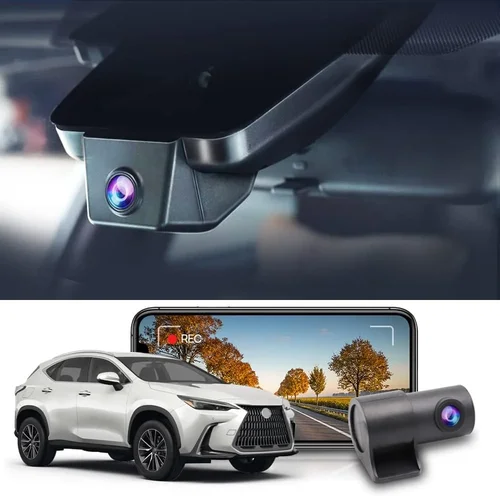
Best Dash Cam for Lexus NX 350 Buying Guide
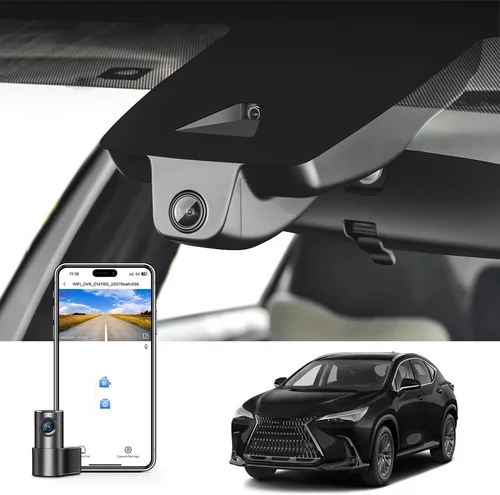
When shopping for the best dash cam for your Lexus NX 350, you’re not just looking for any camera—you’re investing in peace of mind, evidence protection, and enhanced driving safety. The Lexus NX 350 is a premium compact luxury SUV that deserves equally high-quality technology to match its performance and build quality. Whether you’re concerned about potential insurance claims, want to monitor your teen driver, or simply enjoy the added security of knowing exactly what happens on the road, choosing the right dash cam can make all the difference.
This comprehensive buying guide will walk you through everything you need to know about selecting the perfect dash cam specifically suited for the Lexus NX 350. We’ll cover critical factors like resolution quality, parking mode capabilities, installation methods, compatibility with your vehicle’s systems, and much more. By the end of this article, you’ll have a clear understanding of what features matter most for your specific needs and budget, allowing you to make an informed decision that fits both your lifestyle and your vehicle.
The market for dash cams has exploded in recent years, offering everything from basic single-camera units to sophisticated multi-channel systems with advanced AI detection. However, not all dash cams are created equal, and some may not be ideal for the unique dashboard layout, windshield angle, or electrical system of the Lexus NX 350. Understanding these nuances will help you avoid common pitfalls and select a device that integrates seamlessly with your vehicle while delivering reliable performance when it matters most.
What to Look for When Buying Dash Cams
Budget & Price Range
Before diving into technical specifications, it’s essential to establish your budget range. Dash cams span from under $50 entry-level models to over $400 premium units with professional-grade features. For most Lexus NX 350 owners seeking reliable protection without overspending, we recommend starting with a mid-range option between $100-$200. This price point typically offers excellent video quality, solid build materials, and dependable performance.
Entry-level dash cams (under $75) often sacrifice important features like loop recording efficiency, G-sensor sensitivity, or night vision capabilities. While they may seem tempting due to their low price, these units frequently fail to capture clear footage during critical incidents or struggle with power management in vehicles with complex electrical systems like the NX 350. If your primary concern is basic documentation rather than comprehensive protection, consider allocating at least $100 for a unit that balances affordability with reliability.
Performance Specifications
Video resolution remains one of the most critical performance indicators for any dash cam. Today’s standard is 1080p Full HD, but many modern units now offer superior 2K or even 4K resolution. For the Lexus NX 350, where the windshield angle and interior lighting create specific visual challenges, higher resolution becomes increasingly valuable. A 2K dash cam captures noticeably sharper details, especially useful for reading license plates or identifying facial features in traffic cameras.
Frame rate also affects performance—most quality dash cams operate at 30 frames per second (fps), but some premium models support 60fps for smoother motion capture during fast-moving scenarios. Additionally, look for wide dynamic range (WDR) technology, which helps balance exposure when driving through tunnels, bright sunlight, or shadowed areas. The NX 350’s panoramic windshield presents particular lighting challenges, making WDR particularly beneficial for maintaining visibility across varying conditions.
Storage capacity and recording modes are equally important considerations. Most dash cams use microSD cards ranging from 32GB to 256GB, with 64GB being the sweet spot for most users. Consider how long you want continuous recording before the oldest files get overwritten—typically 1 minute to 30 minutes depending on card size and compression settings. Loop recording should work seamlessly without skipping clips during emergency events, which requires reliable firmware and sufficient buffer memory.
Build Quality & Durability
Given that a dash cam will be mounted permanently on your Lexus NX 350’s windshield, build quality directly impacts both performance longevity and integration aesthetics. Look for devices constructed with high-grade plastic or metal housings resistant to heat buildup inside the vehicle cabin. Extreme temperatures in parked cars can cause cheaper plastics to warp or become brittle over time.
The mounting mechanism deserves special attention—it should securely attach to your NX 350’s curved windshield without obstructing your view of the road or dashboard controls. Many drivers report issues with suction cup mounts losing grip after prolonged sun exposure, especially on tinted glass common in luxury vehicles like the NX 350. Adhesive-based mounts offer better stability but require careful surface preparation to avoid residue during removal.
Water resistance ratings (IPX standards) indicate how well the device handles moisture intrusion. While most dash cams aren’t fully waterproof, IP54 or higher ratings provide adequate protection against rain splashes and humidity changes inside the car. This becomes crucial during seasonal weather shifts or automatic car washes where water might contact the device.
Features & Functionality
Advanced features significantly enhance usability and protection value beyond basic recording. Parking mode is arguably the most valuable feature for Lexus NX 350 owners who park in public garages or urban areas where theft or vandalism risks exist. This function activates motion detection or impact sensing when your vehicle is powered off, capturing events even when you’re not present.
However, parking mode requires constant power delivery, which creates compatibility considerations with your NX 350’s electrical system. Some models draw too much current for older accessory circuits, potentially draining your battery overnight. Modern solutions include built-in capacitors that store energy for short-term recording or hardwired installations using dedicated fuse taps. Always verify that your chosen dash cam includes proper low-voltage protection to prevent battery drain.
GPS functionality adds another layer of security by embedding precise location and speed data into each video file. This proves invaluable for accident reconstruction or verifying traffic law compliance. Some dash cams also integrate with cellular networks for live streaming or cloud storage, though these services often require monthly subscriptions and may not be worth the cost for most personal users.
Voice commands and mobile app connectivity represent newer advancements that simplify operation while parked. Being able to start recordings or review footage via smartphone eliminates the need to physically interact with the device while driving—a significant safety benefit for busy professionals who frequently check their NX 350’s status remotely.
Brand Reputation
Established brands with proven track records in automotive electronics tend to deliver more reliable products and responsive customer service. Companies like Blackvue, Thinkware, Garmin, and Viofo have built strong reputations through consistent software updates, robust warranties, and active user communities. These manufacturers typically conduct rigorous testing that accounts for real-world conditions similar to those experienced by Lexus NX 350 owners.
Conversely, lesser-known brands may offer flashy features at discounted prices but lack the infrastructure for timely repairs or firmware improvements. When considering budget options, prioritize companies with verifiable return policies and accessible technical support. Reading independent reviews from verified purchasers helps gauge actual reliability rather than marketing claims alone.
Warranty & Support
A solid warranty demonstrates manufacturer confidence in their product’s durability. Most reputable dash cam brands offer at least a two-year warranty covering defects in materials and workmanship. Some extend this to three or four years, particularly for core components like image sensors and internal circuitry. Extended warranty programs are available for purchase but rarely justify the additional cost given the relatively low failure rates of well-designed dash cams.
Customer support responsiveness varies widely between brands. Brands with dedicated dash cam forums, detailed FAQ sections, and multilingual support teams provide better assistance when issues arise. Before purchasing, test the company’s communication channels—email response times, phone availability, and knowledge base comprehensiveness all contribute to your overall satisfaction post-installation.
Size & Portability (if applicable)
While dash cams are typically fixed installations, size considerations still apply to secondary cameras or backup units. Compact designs minimize visual obstruction on the NX 350’s sloped windshield while maintaining wide-angle coverage. Ultra-thin profiles reduce glare reflections that could interfere with instrument cluster readability.
If you plan to transfer your dash cam between vehicles—perhaps sharing it with family members who also drive Lexus models—portability becomes important. Removable mounting brackets and interchangeable power cables accommodate different interior layouts and glove compartment configurations. Some owners prefer discreetly positioned cameras that blend with factory accessories, though this requires careful placement to maintain optimal field of view.
User Reviews & Ratings
Real-world experiences from other Lexus NX 350 owners provide invaluable insights beyond technical specifications. Search for forum discussions specifically mentioning your vehicle model to identify installation challenges, electrical compatibility issues, or software bugs that might affect your experience. Manufacturer websites often highlight positive testimonials while downplaying limitations, so cross-referencing multiple sources ensures balanced perspectives.
Pay attention to recurring complaints about battery drainage, poor night performance, or unreliable parking mode activation. Conversely, consistently praised features like intuitive menus, reliable loop recording, and easy firmware updates indicate strong long-term usability. Reviewers who mention successful integration with Lexus-specific accessories (like wireless charging pads) offer particularly relevant guidance for your situation.
Different Types of Dash Cams
Common Buying Mistakes to Avoid
❌ Mistake: Ignoring Electrical Compatibility
Why it’s bad: Installing a dash cam that draws excessive current from your Lexus NX 350’s electrical system can lead to battery drain, error messages, or even fuse failures. Many owners mistakenly assume all dash cams work universally with luxury vehicles’ sophisticated electrical architectures.
What to do instead: Verify that your chosen model includes low-voltage protection circuitry or supports hardwired installation using a dedicated fuse tap. Consult your owner’s manual for recommended fuse locations, and consider professional installation if you’re unsure about accessing the fuse box safely.
❌ Mistake: Overlooking Windshield Obstruction
Why it’s bad: Poor placement on the NX 350’s steep windshield can block critical instrument panel information or create distracting glare reflections. Some dash cams force awkward positioning that compromises either visibility or recording angles.
What to do instead: Measure your specific windshield curvature before purchasing. Test-fit models with removable mounts if possible, ensuring the camera captures both lane markers clearly while leaving enough space above the dashboard for speedometer and warning lights.
❌ Mistake: Choosing Based Solely on Resolution
Why it’s bad: While 4K resolution sounds impressive, many budget 4K dash cams suffer from poor sensor quality, limited dynamic range, or insufficient processing power that results in washed-out colors and soft edges—especially problematic during nighttime driving in the NX 350.
What to do instead: Prioritize sensor quality over raw megapixel counts. Look for models featuring Sony Starvis or Exmor sensors with good low-light performance. Check independent lab tests comparing real-world footage quality rather than marketing specifications alone.
❌ Mistake: Neglecting Storage Management
Why it’s bad: Using incompatible microSD cards or failing to format them regularly causes recording interruptions, corrupted files, or complete system failures during critical moments. The NX 350’s cabin temperature fluctuations accelerate SD card degradation if not properly maintained.
What to do instead: Purchase UHS-I Class 3 or higher cards from reputable brands like SanDisk Extreme or Samsung Pro Endurance. Format cards monthly using the dash cam’s built-in utility, and keep spare cards readily available for quick replacement during long trips.
❌ Mistake: Skipping Firmware Updates
Why it’s bad: Outdated firmware introduces bugs, reduces performance, and may disable important safety features like emergency locking during accidents. Manufacturers frequently release updates addressing compatibility issues with new operating systems or improving parking mode algorithms.
What to do instead: Subscribe to your dash cam brand’s newsletter for update notifications. Enable automatic firmware checks during startup if available, and manually download updates quarterly through the companion app or website as recommended by the manufacturer.
❌ Mistake: Assuming All Mounts Work Universally
Why it’s bad: Suction cups perform poorly on tinted glass common in luxury vehicles like the NX 350, while adhesive mounts leave sticky residues requiring expensive cleaners. Some camera designs don’t accommodate curved windshields without creating optical distortion.
What to do instead: Research mount types compatible with your specific windshield treatment. Consider hybrid mounts combining adhesive bases with adjustable arms for optimal positioning flexibility without compromising grip integrity.
Budget Guidelines: How Much Should You Spend?
Entry-Level ($50 – $100): At this price point, expect basic Full HD recording with limited feature sets. While adequate for occasional use, these models often lack reliable parking mode, sturdy construction, or responsive customer support. They’re suitable only if you primarily need documentation during regular driving and won’t rely heavily on advanced functions.
Mid-Range ($100 – $200): This represents the sweet spot for most Lexus NX 350 owners seeking balanced performance and value. You’ll find solid 1080p or 2K recording, dependable loop recording, decent night vision, and functional parking modes. Brands like Viofo, Z-Edge, and certain Blackvue models occupy this tier with strong reputations for reliability.
Premium ($200 – $400): For enthusiasts who demand top-tier performance, premium dash cams offer superior sensors, enhanced WDR, dual-band Wi-Fi, and professional-grade build quality. These units often include cloud connectivity, voice control, and sophisticated event detection algorithms that adapt to driving patterns automatically.
Luxury ($400+): High-end models targeting commercial operators or extreme hobbyists feature military-grade durability, multi-channel recording, thermal imaging capabilities, and advanced AI recognition. While exceeding typical consumer needs, these systems justify their cost through unmatched reliability and forensic-grade evidence preservation.
Expert Tips for Getting the Best Deal
Timing your purchase strategically maximizes savings without sacrificing quality. Major holidays like Black Friday, Cyber Monday, and Amazon Prime Day consistently feature dash cam discounts up to 40% off retail prices. Many manufacturers also run seasonal promotions during spring and fall when new model releases occur, clearing inventory from previous generations.
Consider buying refurbished units from authorized dealers if you’re comfortable with slightly reduced warranties. Reputable retailers like B&H Photo or Adorama often sell manufacturer-refurbished dash cams with full functionality guarantees at 20-30% below MSRP. These items undergo thorough inspection and come with extended return periods.
Read the fine print regarding return policies before finalizing your purchase. Most online retailers offer 30-day returns, but some impose restocking fees for opened electronics. Physical stores typically allow same-day returns if packaging remains unopened, giving you immediate access to exchanges if initial setup reveals compatibility issues.
Test critical features immediately upon unboxing. Verify that the included microSD card works flawlessly with continuous recording and formatting functions. Confirm parking mode activation responds correctly to motion triggers, and that all physical buttons operate without sticking or false inputs common in cheaply manufactured units.
Join online communities dedicated to Lexus owners and dash cam enthusiasts. Members frequently share exclusive coupon codes, early access to sales, and personalized recommendations based on real-world experience with specific vehicle integrations. Subreddits like r/Lexus or specialized dash cam forums provide invaluable peer advice that transcends generic review sites.
Finally, never compromise on warranty coverage for significant savings elsewhere. A $20 difference in upfront cost pales compared to the peace of mind provided by comprehensive protection against manufacturing defects. Choose brands offering at least two years of coverage with straightforward claim procedures.
Frequently Asked Questions
Q: Can I install a dash cam myself in my Lexus NX 350?
A: Yes, most modern dash cams designed for consumer vehicles include straightforward DIY installation instructions. The process typically involves attaching the camera to the windshield using included mounts, routing power cables to the fuse box or 12V outlet, and inserting a formatted microSD card. However, accessing the fuse box may require removing trim panels, which varies by model year. If you’re uncomfortable working with electrical connections or removing interior components, professional installation ensures proper wiring and avoids accidental damage to your vehicle’s electronics.
Q: Will a dash cam drain my Lexus NX 350’s battery?
A: Under normal circumstances, no—quality dash cams consume minimal power and include low-voltage protection to prevent battery depletion. However, if your vehicle sits unused for extended periods, parking mode activation combined with infrequent engine starts could theoretically contribute to battery drain. To mitigate this risk, ensure your dash cam supports hardwired installation with proper fuse tapping, or disconnect the negative terminal battery if parking for longer than two weeks. Many modern units also feature smart parking modes that activate only during detected movement or impacts.
Q: What resolution should I choose for my Lexus NX 350?
A: For optimal results matching your vehicle’s premium features, we recommend 2K resolution (2560×1440 pixels) as the ideal balance between detail capture and file size management. While 4K offers marginally better clarity, the increased storage demands and processing requirements often result in shorter recording times and reduced frame rates during high-speed scenarios. Your Lexus NX 350’s curved windshield benefits from wider fields of view rather than pixel-perfect close-ups, making 2K resolution perfectly adequate while preserving valuable storage space for extended recording sessions.
Q: Do I need GPS functionality in my dash cam?
A: GPS provides undeniable advantages for accident documentation by embedding precise location, speed, and direction data into each video file. This proves invaluable during disputes or insurance claims where establishing your exact position relative to traffic signals or intersections matters. However, GPS isn’t essential for basic protection purposes. Consider adding GPS later if your initial dash cam lacks this feature—some models support optional GPS modules that connect via USB or wireless pairing.
Q: How often should I replace my microSD card?
A: Replace your microSD card every 12-18 months regardless of visible wear. Flash memory deteriorates over time due to repeated write cycles and environmental factors like temperature fluctuations inside your NX 350. Even unused cards lose retention capability annually. Keep one spare card ready for emergencies, and always purchase cards rated for continuous video recording (V30 or higher) to prevent dropped frames during critical events.
Q: Are dual-camera systems worth the extra cost?
A: Dual-camera systems offering both front and interior monitoring provide significantly broader situational awareness compared to single-front units. Interior cameras deter theft attempts and document passenger behavior, while rear-facing cameras eliminate blind spots during backing maneuvers. For Lexus NX 350 owners who frequently park in secure garages or transport valuable cargo, the additional investment pays dividends through comprehensive coverage. However, if your primary concern is highway driving documentation, a single high-quality front camera suffices while saving money and reducing installation complexity.
Q: Can I view dash cam footage while driving?
A: Most dash cams display minimal preview screens showing current recording status, but actively watching footage while driving creates dangerous distractions. Instead, configure your device to automatically lock files containing G-sensor triggers or manual recordings, then review them during safe stops. Modern dash cams streamline this process through companion apps that allow quick playback on smartphones without requiring physical interaction with the unit itself.
Q: Will my dash cam work with my Lexus NX 350’s built-in navigation?
A: Dash cams operate independently from factory navigation systems and don’t integrate directly with them. However, some advanced models featuring GPS embed location data that syncs with mapping services for route verification. Your NX 350’s head unit won’t display dash cam content, but certain aftermarket systems combine factory displays with auxiliary inputs for dash cam video feeds—though this requires professional integration beyond basic plug-and-play functionality.
Q: What’s the difference between parking mode and motion detection?
A: Parking mode refers to the dash cam’s ability to record continuously when your vehicle is powered off, while motion detection is one method triggering recording during this state. True parking mode uses either impact sensors (G-sensors) or advanced video analysis to detect disturbances like door openings, tire kicks, or approaching objects. Some units combine both approaches for maximum reliability. Ensure your chosen model includes true parking mode rather than simple motion alerts that might miss subtle impacts or generate false positives from passing wildlife.
Q: How do I protect my dash cam from theft?
A: Concealment strategies vary by model, but common approaches include positioning cameras behind rearview mirrors or placing them within factory accessories like wireless charging pads. More secure options involve hardwiring installations that make removal obvious or installing secondary cameras facing inward to document attempted thefts. Some premium models include anti-tamper alarms that sound when dismounted unexpectedly. Remember that visible dash cams actually deter opportunistic thieves who prefer unmonitored targets.
Our Final Recommendations
Best for Budget-Conscious Buyers: Viofo A119 V3
This compact 2K dash cam delivers exceptional value with reliable performance at under $150. Its Sony IMX335 sensor captures crisp daytime footage while maintaining respectable night visibility. The magnetic mount simplifies repositioning during testing, and the included parking mode circuit prevents battery drain through intelligent power management. Users praise its straightforward interface and consistent loop recording behavior, making it ideal for first-time dash cam owners seeking dependable protection without overspending.
Best Overall Value: Thinkware Q800 3CH
Representing the perfect marriage of features and reliability, this three-channel system offers front, rear, and interior monitoring in a single package. The Q800’s 2K front camera pairs beautifully with 1080p rear and interior feeds, providing comprehensive coverage unmatched by single-camera alternatives. Advanced parking mode algorithms minimize false triggers while capturing genuine incidents, and the built-in GPS impresses with accurate location tagging. Though priced toward the higher end, its versatility and Thinkware’s renowned customer support justify the investment for discerning NX 350 owners.
Best Premium Option: BlackVue DR970X-2CH Cloud
For those demanding professional-grade performance, this dual-camera system stands apart with its cloud connectivity, superior image stabilization, and military-grade durability. The DR970X-2CH utilizes Sony STARVIS sensors that outperform competitors in low-light scenarios—particularly valuable for nighttime driving in urban environments. Automatic cloud uploads provide redundant evidence storage, while the optional external microphone captures crystal-clear audio for complete incident documentation. Installation requires professional hardwiring, but the seamless integration and advanced features make it worthwhile for serious protection seekers.
Best for Beginners: Z-Edge Z-200 Pro
With its intuitive touchscreen interface and automatic settings optimization, this dash cam removes technical barriers for new users. The Z-200 Pro’s 1440p recording strikes an excellent balance between detail and manageable file sizes, while the included parking mode cable simplifies installation in the NX 350’s fuse box. Multiple language support and helpful on-screen prompts guide users through setup, and the generous 3-year warranty reflects manufacturer confidence in its reliability. Casual drivers will appreciate how seamlessly it adapts to different lighting conditions without manual adjustments.
Best for Advanced Users: Garmin DriveLuxe Smart Dash Cam
Garmin’s ecosystem integration appeals to tech-savvy owners who already use their navigation systems. The DriveLuxe combines 1080p recording with built-in Wi-Fi for instant photo sharing and GPS tracking that syncs with Garmin Connect. Voice-activated controls allow hands-free operation, and the compact design minimizes visual obstruction on the NX 350’s panoramic windshield. Advanced users value the customizable alerts for speed cameras and red light enforcement, though these require subscription services beyond basic functionality.
Conclusion: Making the Right Choice
Selecting the best dash cam for your Lexus NX 350 ultimately depends on balancing your specific protection needs against budget constraints and desired convenience features. Rather than chasing the highest resolution or most expensive model, focus on finding a reliable unit that integrates seamlessly with your vehicle’s unique characteristics—from its curved windshield geometry to sophisticated electrical architecture.
Prioritize features that align with your actual usage patterns: frequent city driving demands superior night vision and anti-glare capabilities, while highway commuters benefit more from GPS tracking and wide-angle coverage. Remember that even basic dash cams provide meaningful protection against fraudulent claims or unexpected incidents, transforming what initially seems like an unnecessary expense into essential peace of mind.
Take advantage of trial periods and generous return policies offered by reputable retailers. Test your chosen model in various lighting conditions and parking scenarios before committing long-term. Joining online communities of fellow Lexus owners can reveal vehicle-specific tips you won’t find in generic reviews—such as optimal fuse box locations or trim panel removal techniques for your particular model year.
Ultimately, the perfect dash cam for your Lexus NX 350 is the one you’ll actually use consistently. Choose wisely, install carefully, and maintain your equipment diligently, and you’ll enjoy years of reliable protection that justifies every penny invested.