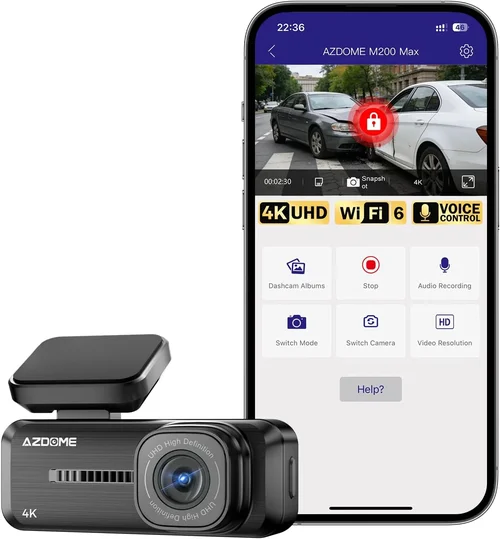
Best Honda Fit Dash Cam Buying Guide
Why this guide matters
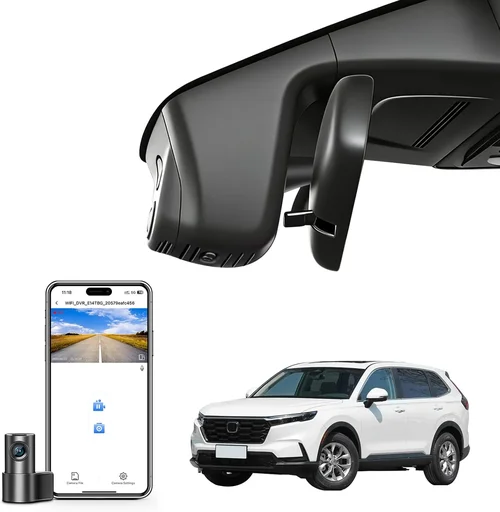
Choosing the right dash cam for your Honda Fit isn’t just about adding a security device to your vehicle—it’s about making a smart investment in your safety, peace of mind, and potential legal protection. The Honda Fit is known for its compact design, fuel efficiency, and versatility, but its smaller size can sometimes make it more vulnerable in traffic situations or parking scenarios. A quality dash cam serves as an objective witness that records what happens on the road, providing crucial evidence in accidents, disputes with other drivers, or insurance claims. With so many options flooding the market—from basic single-camera units to advanced multi-channel systems—navigating through technical specifications, mounting solutions, and feature comparisons can be overwhelming for any driver.
What readers will learn
This comprehensive buying guide is designed specifically for Honda Fit owners who want to understand which dash cam will work best with their vehicle’s unique characteristics. You’ll discover how to evaluate critical factors like video resolution, recording capabilities, storage options, and compatibility with your car’s electrical system. We’ll walk you through different types of dash cams, explain common pitfalls to avoid, break down budget considerations based on real-world use cases, and provide expert recommendations tailored to various driving needs. Whether you’re commuting daily in urban traffic, taking weekend road trips, or simply want added security while parked in tight city spaces, this guide will help you make an informed decision that enhances your driving experience without breaking the bank.
Brief overview of the market
The dash cam industry has evolved dramatically over the past decade. What started as simple black-and-white loop-recording devices has transformed into sophisticated digital surveillance tools equipped with GPS tracking, Wi-Fi connectivity, emergency incident detection, and cloud backup capabilities. Today’s market offers everything from ultra-affordable entry-level models under $50 to professional-grade multi-sensor systems costing several hundred dollars. For Honda Fit owners specifically, finding a dash cam that fits neatly within the dashboard space while maintaining clear visibility and secure power connections requires careful consideration. Many modern dash cams now come with adhesive mounts that conform well to curved surfaces typical of compact cars like the Fit, and wireless charging pads are becoming increasingly common. However, not all dash cams are created equal—some struggle with low-light performance, others have unreliable motion detection, and a few lack adequate customer support when issues arise. Understanding these nuances will ensure you select a model that delivers reliable performance day after day.

What to Look for When Buying Dash Cams
Budget & Price Range
Before diving into features and specifications, it’s essential to establish your budget early in the process. Dash cams range dramatically in price, from under $30 for basic models to over $300 for high-end systems with multiple cameras and advanced intelligence. While it might tempting to go for the cheapest option available, remember that a subpar dash cam may fail during critical moments or produce unusable footage. On the flip side, spending excessively on unnecessary features won’t necessarily improve your overall satisfaction if those extras don’t align with your actual driving habits. For most Honda Fit owners, we recommend focusing on the mid-range segment ($80–$150), where you’ll find reliable performance, decent build quality, and useful functionality without overspending. This sweet spot typically includes 1080p or 4K recording, G-sensor impact detection, loop recording, and smartphone app integration—all vital components for effective dash cam operation. If you drive frequently in challenging conditions (such as heavy rain, snow, or nighttime), consider allocating a bit more toward improved low-light sensitivity or enhanced night vision capabilities.
Performance Specifications
Video quality is arguably the most important specification when evaluating any dash cam. Most reputable manufacturers now offer at least 1080p Full HD resolution, but higher resolutions like 2K or even 4K provide significantly clearer details, especially when zooming in on license plates or facial expressions during incidents. However, keep in mind that higher resolution also means larger file sizes and shorter recording times per memory card capacity. A good rule of thumb is to aim for a minimum of 1080p with a wide dynamic range (HDR) if available, as this ensures balanced exposure between bright skies and dark interiors. Frame rate is another key factor—60 frames per second (fps) captures smoother motion than standard 30fps, making it easier to read license plates and catch sudden maneuvers. Additionally, look for optical image stabilization (OIS) or electronic image stabilization (EIS) to reduce blur caused by bumps or vibrations during highway travel. For Honda Fit drivers navigating tight city streets and frequent stop-and-go traffic, smooth footage retention becomes even more critical.
Build Quality & Durability
Since your dash cam will be exposed to extreme temperatures, direct sunlight, humidity, and potential impacts from debris or collisions, durability should never be overlooked. Cheaper plastic casings may crack under prolonged sun exposure or fail to withstand minor accidents, rendering the entire unit useless. Opt for models constructed from high-grade ABS or polycarbonate materials with IPX rating certifications indicating water resistance. Heat dissipation is particularly important in compact vehicles like the Honda Fit, where airflow is limited and interior temperatures can spike dramatically in summer months. Some premium dash cams include built-in cooling fans or heat-resistant coatings to prevent overheating. Also pay attention to lens quality—glass lenses generally outperform plastic ones in clarity and scratch resistance. Finally, consider how securely the device attaches to your windshield; suction cup mounts tend to lose grip in hot weather, whereas adhesive mounts bond permanently but require precise positioning.
Features & Functionality
Modern dash cams come packed with features that enhance usability beyond basic video capture. Emergency incident detection (also called G-sensor) automatically locks recordings when sudden deceleration or impact occurs, ensuring critical events aren’t overwritten during normal loop recording cycles. Parking mode is another invaluable addition, allowing continuous monitoring even when your car is turned off—though this drains the battery unless connected via hardwire kits. Smartphone integration enables remote viewing, live streaming, and instant sharing of clips directly from your phone via Wi-Fi or Bluetooth connectivity. GPS logging adds geotagging to your videos, showing exact speed and location data overlayed on playback—useful for verifying routes taken during disputes or insurance claims. Some advanced models even offer lane departure warnings, forward collision alerts, or blind spot monitoring through AI-powered software updates. While these extras increase cost, they may justify the expense depending on your usage patterns and risk tolerance.
Brand Reputation
Not all brands are created equal when it comes to reliability and customer service. Established names like Garmin, BlackVue, Nextbase, Thinkware, and Viofo have built strong reputations through consistent product quality, responsive technical support, and transparent warranty policies. Newer entrants or lesser-known manufacturers may offer lower prices but often skimp on firmware updates, spare parts availability, or troubleshooting assistance when problems occur. Before purchasing, check independent review sites, consumer forums, and verified purchase reviews on major retail platforms to gauge real-world performance and user satisfaction. Pay special attention to complaints about false positives in motion detection, inconsistent recording intervals, or difficulty accessing recorded files. Long-term brand reputation also reflects commitment to innovation—companies that regularly release software updates demonstrate ongoing investment in improving existing products rather than abandoning them after initial sales.
Warranty & Support
A solid warranty covers defects in materials and workmanship for a reasonable period—typically one to three years—and gives you recourse if something goes wrong. Be wary of extremely short warranties (under six months) or those requiring return shipping fees disproportionate to the product value. Customer support responsiveness is equally important; test their email or chat response times before buying, and ask about repair turnaround periods. Some brands offer extended warranty plans or accidental damage coverage for an extra fee, which might be worth considering if you drive in high-risk environments. Always verify whether replacement parts (like lenses or batteries) remain available long after the original purchase date—this indicates the manufacturer intends to maintain the product lifecycle.
Size & Portability
While dash cams are meant to stay mounted permanently, size still matters—especially in a small hatchback like the Honda Fit. Bulky units may obstruct rearview visibility or protrude awkwardly into passenger space. Compact designs with slim profiles slide seamlessly under mirrors or blend into the dashboard edge without drawing attention. Some models even rotate 180 degrees for flexible mounting angles, accommodating steeply angled windshields common in newer compact cars. Weight distribution is rarely an issue due to low profile placement, but ensure the mount doesn’t interfere with airbag deployment zones or windshield wiper mechanisms. If you plan to transfer the dash cam between vehicles occasionally, portability becomes a deciding factor—look for lightweight construction with quick-release brackets.
User Reviews & Ratings
Real user experiences reveal truths that marketing copy cannot. Focus on verified purchaser reviews that mention specific use cases similar to yours—urban commuters, long-haul truckers, or suburban families each have distinct requirements. Look for recurring praise about ease of installation, intuitive menu navigation, and consistent recording reliability. Conversely, note repeated criticisms regarding poor customer service, firmware bugs, or unexpected failure rates. Star ratings alone don’t tell the whole story—read through dozens of comments to identify patterns. Pay attention to how reviewers handle edge cases: does the dash cam perform well in freezing climates? Does it survive being jostled around in a crowded trunk during camping trips? These insights help predict real-world performance beyond lab-tested specs.
Different Types of Dash Cams

For Honda Fit owners specifically, single-lens models dominate the recommended category due to space constraints and cost-effectiveness. However, dual-lens units are gaining popularity among parents who want both forward-facing and cabin views for child safety monitoring. Multi-camera setups remain niche for everyday drivers but could benefit fleet managers or those with modified Fits used for delivery services. Wireless and hardwired variants cater to different installation preferences—wireless simplifies mounting while hardwiring ensures uninterrupted power supply without worrying about battery drain during extended parking sessions.
Common Buying Mistakes to Avoid
❌ Mistake: Ignoring Storage Requirements
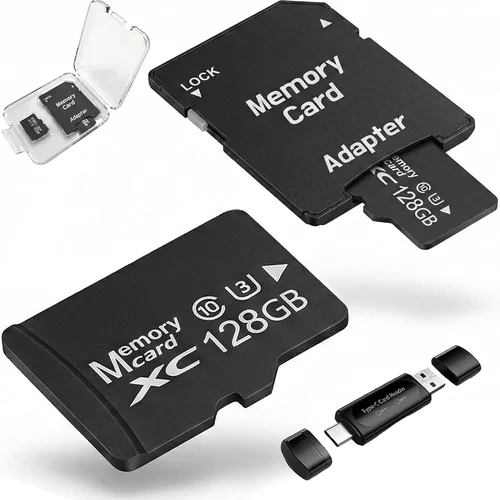
Many buyers assume that any microSD card will work with their dash cam, but compatibility varies widely between models. Using an incompatible card format (e.g., SDHC vs SDXC) or insufficient capacity leads to constant formatting errors or abrupt recording stops mid-incident. Always verify supported card types (usually UHS-I Class 10 or higher) and recommended capacities (minimum 64GB for 4K, 32GB for 1080p). Additionally, some older dash cams struggle with large files generated by high-resolution sensors, causing dropped frames or skipped segments. To avoid this, stick to well-reviewed cards from trusted brands like SanDisk Extreme or Samsung EVO Plus, and format them using the dash cam itself rather than your computer to ensure proper partitioning.
❌ Mistake: Overlooking Night Vision Capabilities
Low-light performance is often underestimated until it becomes relevant during evening commutes or poorly lit parking garages. Cheap dash cams rely solely on infrared LEDs, which create grainy, monochrome footage that obscures critical details. Modern HDR-enabled sensors balance ambient light intelligently, preserving color accuracy while boosting shadow areas. Look for models explicitly mentioning night vision enhancements, wide apertures (f/1.8 or lower), and starlight-level sensitivity. Testing sample clips from the manufacturer’s website or YouTube reviews helps assess real-world nighttime clarity before purchasing.
❌ Mistake: Choosing Based Solely on Resolution
While 4K sounds impressive, it’s not always practical for dash cam usage. Higher resolution increases file sizes exponentially, reducing usable recording time per card and demanding faster write speeds. In practice, 1080p offers sufficient detail for identifying vehicles and reading plates, especially with digital zoom during playback. Unless you need forensic-level clarity, prioritize other factors like stabilization, sensor quality, and software features over raw pixel count. Many experienced users actually prefer 2K resolution—a sweet spot between detail and efficiency—for daily driving scenarios.
❌ Mistake: Skipping Firmware Updates
Dash cams evolve through regular firmware updates that fix bugs, improve performance, and add new functionalities. Manufacturers rarely advertise this fact prominently, leading many owners to unknowingly operate outdated versions with unresolved issues. Always check the official website periodically for update notifications and follow installation instructions carefully. Some models even support automatic downloads via companion apps, streamlining maintenance. Neglecting updates risks missing out on critical improvements like better GPS accuracy, enhanced parking mode algorithms, or compatibility fixes for newer OS versions.
❌ Mistake: Assuming All Mounts Are Equal
Windshield adhesion depends heavily on surface cleanliness, temperature, and mount type. Suction cups degrade over time, especially under UV exposure, while adhesive pads may leave residue or fail to adhere properly on textured dashboards. For Honda Fit owners with factory-installed sun visors or complex dashboard contours, consider hybrid mounts that combine suction with mechanical clamps for added stability. Always clean the mounting area thoroughly with isopropyl alcohol before applying, and allow 24 hours curing time for adhesives. Test the mount’s firmness by gently pulling sideways after installation—any wobble compromises recording integrity.
❌ Mistake: Neglecting Power Source Planning
Running out of battery during parking mode defeats the purpose of having a dash cam. Most cars shut off accessory circuits when powered off, so relying solely on internal batteries limits monitoring duration to mere hours. Hardwiring through the fuse box or cigarette lighter provides continuous power but requires DIY skills or professional installation. Alternatively, OBD-II adapters tap into the diagnostic port for cleaner integration without cutting wires. Whichever method you choose, verify voltage compatibility and surge protection to prevent electrical damage to your vehicle or dash cam electronics.
❌ Mistake: Disregarding Legal Compliance
In some regions, recording audio without consent violates privacy laws, making audio-enabled dash cams illegal for private use. Even if technically capable, enabling microphone functionality could expose you to legal penalties or civil liability. Research local regulations before activating audio features, and disable them whenever traveling internationally where rules differ significantly. Some manufacturers offer region-specific firmware toggles to comply with varying legal frameworks—check documentation for compliance settings.
Budget Guidelines: How Much Should You Spend?
Entry-Level ($30 – $70): What to Expect
At this price point, you’ll find basic loop-recording dash cams with minimal extras. Expect 720p or early 1080p resolution, limited storage support, and basic G-sensor functionality. Brands like Vava, Rexing, and Jovision populate this tier with simple menus and straightforward operation. These models suit occasional drivers or those testing dash cam benefits before committing further investment. However, anticipate trade-offs: shorter recording intervals, poorer low-light performance, and limited warranty coverage. Entry-level units rarely support advanced features like GPS logging or smartphone connectivity. For Honda Fit owners primarily concerned with accident documentation rather than comprehensive monitoring, this range suffices for basic needs.
Mid-Range ($80 – $150): Sweet Spot for Most Buyers
This category represents the optimal balance between affordability and capability. You’ll encounter reliable 1080p or 2K recording, robust build quality, and essential features like emergency locking, loop recording, and decent night vision. Popular choices include Nextbase 522GW, Garmin DriveLUX, and Blackvue DR970X-2CH. These models often integrate Wi-Fi for easy clip transfer, include built-in microphones (where legally permissible), and offer generous warranty periods. Mid-range dash cams typically accommodate larger microSD cards (up to 256GB), extend parking mode functionality, and provide user-friendly mobile apps. For daily Fit commuters seeking dependable protection without overspending, this tier delivers maximum value per dollar spent.
Premium ($150 – $300): For Enthusiasts and Professionals
High-end dash cams deliver studio-quality footage with intelligent automation and enterprise-grade reliability. Expect 4K recording, superior HDR imaging, advanced AI-driven alerts (forward collision, lane departure), and dual-lens configurations. Thinkware U1000, Viofo A119 V3, and Garmin Dashcam Pro fall into this bracket. Premium units usually feature cloud connectivity, real-time GPS tracking, and encrypted data storage for enhanced security. Installation kits often include professional-grade harnesses, fuse taps, and detailed wiring diagrams. While costly upfront, these systems justify expenses through longevity, performance consistency, and resale value retention. Serious drivers, ride-share operators, or those requiring courtroom-ready evidence prioritize premium options.
Luxury ($300+): Top-Tier Features
Ultra-premium dash cams push technological boundaries with multi-sensor arrays, thermal imaging, drone-style stabilization, and AI-powered analytics. These rarely serve mainstream needs but appeal to commercial fleets, law enforcement agencies, or extreme hobbyists. Features like 360-degree surround view, automatic incident tagging, and predictive maintenance diagnostics exceed typical consumer expectations. Luxury pricing reflects specialized engineering, regulatory compliance certifications, and exclusive support channels. For individual Honda Fit owners, luxury dash cams represent overkill unless operating under unique circumstances requiring unprecedented situational awareness.
Expert Tips for Getting the Best Deal
When to Buy: Timing Your Purchase Strategically
Major holidays and seasonal transitions yield significant discounts. Black Friday, Cyber Monday, Amazon Prime Day, and Memorial Day Weekend consistently feature dash cam promotions up to 40% off MSRP. End-of-quarter sales (March, June, September, December) also incentivize retailers to clear inventory. Avoid peak summer months when demand spikes due to road trip season—prices tend to rise then. Sign up for brand newsletters to receive first access to flash sales or bundle deals (dash cam + memory card + accessories). Refurbished units from certified sellers can save 20–30% while retaining full warranty coverage.
Where to Buy: Retailer Selection Matters
Online marketplaces like Amazon, Best Buy, and Walmart dominate dash cam sales but vary in return flexibility and shipping speed. Amazon offers fast delivery and hassle-free returns but may stock less reputable third-party sellers. Physical stores allow hands-on inspection and immediate pickup, ideal for last-minute purchases. Specialty automotive retailers like AutoZone or Advance Auto Parts carry installation services and knowledgeable staff. Direct manufacturer websites guarantee authenticity and often include exclusive bundles or extended warranties unavailable elsewhere. Cross-reference prices across platforms before committing.
How to Spot Deals: Recognizing Hidden Savings
Watch for misleading “discounted” labels—some retailers inflate original prices artificially to exaggerate savings. Compare current prices with historical averages using price tracking tools like Honey or CamelCamelCamel. Look for free shipping thresholds, gift card bonuses, or loyalty program rewards redeemable toward future purchases. Subscription-based services offering dash cam rentals or trade-in programs present alternative cost-saving avenues. Beware of “limited-time” scams; genuine deals rarely expire within hours.
Warranty Considerations: Protecting Your Investment
Always read warranty fine print carefully. Lifetime warranties sound appealing but often exclude wear-and-tear items like lenses or batteries. Two-year warranties covering manufacturing defects strike a reasonable balance between protection and realism. Register your product immediately post-purchase to activate coverage. Keep receipts and serial numbers securely stored. Document any pre-existing damage upon delivery to prevent disputes later. Extended warranty plans rarely justify extra costs unless planning long-term ownership.
Return Policies: Ensuring Hassle-Free Exchanges
Opt for retailers with liberal return windows (90 days minimum) and prepaid return labels. Test dash cams thoroughly upon arrival—record sample clips, verify app connectivity, and simulate parking mode activation. Return defective units promptly before restocking fees accrue. Some manufacturers require original packaging for returns; retain all boxes and manuals until confirmed functional.
Testing Before Buying: Evaluating In Person
If possible, visit electronics stores or automotive expos to compare models side-by-side. Observe menu responsiveness, button placement, and screen visibility under sunlight. Ask sales associates about common failure points reported by customers. Request demo units showing sample footage quality, especially nighttime scenes. Note any lag during startup or recording initiation—real-time responsiveness affects incident capture accuracy.
Installation Guidance: DIY vs Professional Help
Simple suction-mount dash cams install in minutes with included instructions. Adhesive mounts require meticulous surface preparation but offer permanent placement. Hardwiring kits demand basic electrical knowledge—consult online tutorials or seek pro assistance if unsure. Avoid blocking airbags or windshield sensors during mounting. Use cable management clips to route wires neatly along doorframes. Confirm power source stability by checking voltage readings with a multimeter if installing OBD-II adapters.
Software Maintenance: Keeping Firmware Current
Enable automatic update notifications in companion apps. Manually check manufacturer websites monthly for new releases. Backup important clips before updating to prevent data loss during glitches. Reset factory settings after major updates to eliminate configuration conflicts. Join community forums to share tips and troubleshoot shared issues collectively.
Accessory Bundles: Maximizing Value
Look for packages including microSD cards, suction cups, adhesive mounts, and cleaning cloths. Extra cards expand storage capacity without repeat purchases. Premium bundles sometimes throw in portable chargers or dash cam covers. Evaluate included accessories against your installation environment—adhesive mounts suit permanent setups while suction cups benefit frequent transfers.
Insurance Integration: Leveraging Security Benefits
Inform your insurer about dash cam ownership—some companies offer premium discounts for policyholders using telematics devices. Share incident footage proactively during claims to expedite settlements. Ensure privacy settings restrict unauthorized access to sensitive recordings. Maintain organized folders by date/month for quick retrieval during disputes.
Frequently Asked Questions
Q: Can I install a dash cam myself in my Honda Fit?
A: Absolutely! Most single-lens dash cams mount easily using suction cups or adhesive pads within minutes. No tools required for basic models. Hardwired installations take longer but remain DIY-friendly with online guides. Ensure you position the camera where it won’t block your view or airbag deployment zones. Clean the mounting surface thoroughly before attaching.
Q: Will a dash cam drain my Honda Fit’s battery?
A: Yes, continuously—but manageable solutions exist. Internal batteries last 2–4 hours in parking mode. Connect via hardwire kit to draw power directly from the fuse box, eliminating battery concerns entirely. OBD-II adapters provide cleaner integration without wire modifications. Always disconnect during extended stationary periods (e.g., long vacations).
Q: Do dash cams record audio?
A: Technically yes, but legality varies globally. In the US, recording public conversations is generally permitted, but capturing private dialogues without consent may violate wiretap laws in certain states. Disable audio features if traveling abroad where restrictions apply strictly. Some manufacturers offer regional firmware toggles for compliance.
Q: How much storage do I need?
A: Minimum 32GB for 1080p recording (≈2 hours), 64GB for 2K (≈4 hours), 128GB+ for 4K (≈8 hours). Adjust based on recording frequency and event importance. Use high-endurance cards rated for dash cam usage to prevent corruption. Format cards inside the device monthly to maintain performance.
Q: What’s the difference between loop recording and event locking?
A: Loop recording overwrites oldest clips when storage fills up, ensuring continuous coverage. Event locking uses G-sensors to detect impacts or sudden movements, marking clips as protected from deletion. Both coexist—loop handles routine footage while locked files preserve critical incidents.
Q: Can I view recordings remotely?
A: Many modern dash cams support Wi-Fi connectivity, enabling live preview and instant clip sharing via smartphone apps. Cloud uploads require internet access and subscription plans for unlimited storage. Remote viewing works best in areas with strong cellular/Wi-Fi signals.
Q: Are dual-lens dash cams worth it for a Honda Fit?
A: Depends on priorities. Dual-lens models capture both exterior and cabin views, useful for monitoring passengers or valuables. However, they consume double the storage and processing power. For most Fit owners focused on road safety, single-lens suffices unless child supervision or ride-sharing income motivates extra coverage.
Q: How do I protect my dash cam from theft?
A: Position cameras discreetly near rearview mirror rather than center console where thieves target. Use anti-theft brackets or lockable mounts. Remove during overnight stays if possible. Register devices with serial numbers and photograph installations for insurance purposes.
Q: Can dash cams survive extreme temperatures?Q: What should I do if my dash cam stops working?
A: First, restart the device. Check power connections and memory card seating. Update firmware if available. Consult troubleshooting guides or contact customer support with error codes. Most issues resolve within 15 minutes; persistent failures warrant warranty claims.
Our Final Recommendations
Best for Budget-Conscious Buyers:
The VAVA Dash Cam VK120 delivers exceptional value at under $50. Featuring 1080p recording, 140° wide-angle lens, and reliable loop recording, it meets core requirements without frills. Its compact size fits seamlessly into the Honda Fit’s dashboard, and suction mount holds firmly even on curved glass. While lacking GPS or Wi-Fi, it excels at capturing clear daytime footage and includes emergency locking. Ideal for casual drivers prioritizing affordability over advanced features.
Best Overall Value:
The Nextbase 522GW strikes perfection between price and performance. Priced around $120, it offers 1080p recording with superior HDR imaging, built-in Alexa voice control, and intuitive mobile app integration. Automatic incident locking, parking mode, and free cloud backup distinguish it from competitors. Robust build quality and responsive customer service reinforce its reputation as a top-tier choice for Honda Fit owners seeking dependable protection without extravagance.
Best Premium Option:
For discerning users, the Garmin Dash Cam Pro justifies its $250 price tag with 4K recording, advanced driver alerts, and seamless Google Assistant compatibility. Its sleek design integrates naturally into modern interiors, while GPS logging and voice commands elevate convenience. Dual-band Wi-Fi ensures lightning-fast file transfers, and rugged construction withstands harsh conditions. Perfect for tech-savvy drivers demanding professional-grade reliability.
Best for Beginners:
Newcomers benefit from the Blackvue DR970X-1CH, renowned for plug-and-play simplicity and rock-solid stability. At approximately $130, it provides 2K recording, excellent night vision, and robust parking mode functionality. Clear menus and helpful prompts guide first-time users through setup and operation. Strong community support and frequent firmware updates ensure long-term satisfaction for novice dash cam adopters.
Best for Advanced Users:
Power users gravitate toward the Thinkware U1000, a dual-lens marvel offering 4K front and 1080p cabin views. Intelligent parking mode, cloud connectivity, and encrypted data vaults cater to professionals requiring forensic-grade evidence. Customizable alerts, remote monitoring, and extensive customization options empower experienced operators to tailor functionality precisely to their workflows.
Conclusion: Making the Right Choice
Selecting the best dash cam for your Honda Fit hinges on aligning product capabilities with personal driving habits, environmental challenges, and financial constraints. While technical specifications provide foundational guidance, real-world usability ultimately determines satisfaction. Prioritize resolution, stabilization, and night vision if nighttime visibility concerns you; emphasize parking mode and battery life if frequent stationary monitoring is essential; invest in dual-lens systems if passenger safety ranks highly. Remember that no single model satisfies every need—trade-offs exist between features, cost, and convenience. Conduct thorough research, leverage expert reviews, and test installations personally whenever feasible. Most importantly, choose confidence over perfection. A modest dash cam that performs reliably beats an expensive unit gathering dust in a drawer. By following this guide’s recommendations and tailoring selections to your unique circumstances, you’ll equip yourself with valuable peace of mind and tangible protection against life’s unpredictable road hazards.