How to Choose Best Dash Cam for Emergency Vehicles
For emergency service professionals—police officers, firefighters, paramedics, and EMTs—the stakes are incredibly high. Every second counts during a response to an incident, and the evidence captured on camera can mean the difference between life and death, justice being served, or liability falling squarely on your agency. A dash cam is no longer a luxury; it’s a critical piece of safety equipment and legal protection. This comprehensive guide will walk you through everything you need to know to choose the best dash cam for emergency vehicles, ensuring you make an informed decision that prioritizes reliability, durability, and performance.
This article is designed to be your one-stop resource. We’ll break down the essential factors you must consider, from budget and build quality to advanced features like GPS and night vision. You’ll learn about the different types of dash cams available, common pitfalls to avoid when shopping, and how to navigate the various price points to find the perfect fit for your fleet. By the end, you’ll have a clear understanding of what to look for and why, empowering you to select a system that provides crystal-clear footage, withstands the rigors of the job, and delivers the peace of mind that comes with knowing you’re protected.
The market for dash cams for emergency vehicles has evolved significantly. It’s no longer just about recording the road ahead. Today’s top models offer sophisticated technology tailored for the unique demands of first responders. From ruggedized housings that can survive impacts to advanced video management software (VMS) that allows for remote monitoring and data retrieval, the right dash cam is a powerful tool. Whether you’re outfitting a new ambulance, updating a police cruiser, or simply upgrading an existing system, this guide will equip you with the knowledge to identify the features that matter most and avoid costly mistakes.

What to Look for When Buying Dash Cams
Choosing the right dash cam isn’t just about picking the shiniest gadget off the shelf. For emergency vehicles, the technology must be robust, reliable, and specifically engineered to handle the extreme conditions of the job. Here are the key factors you must evaluate to ensure your investment pays off in safety and security.
1. Video Quality & Resolution
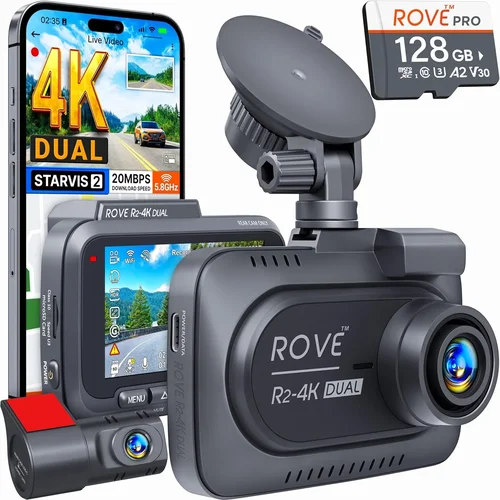
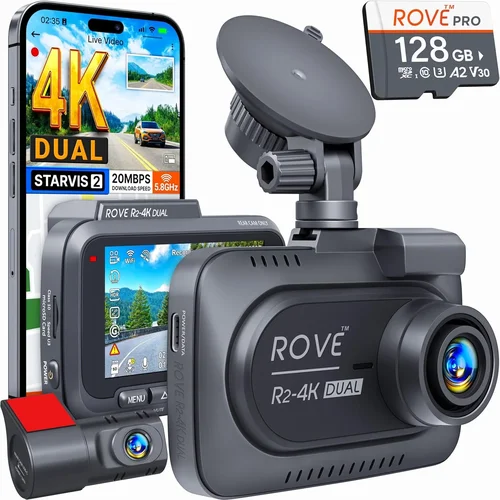
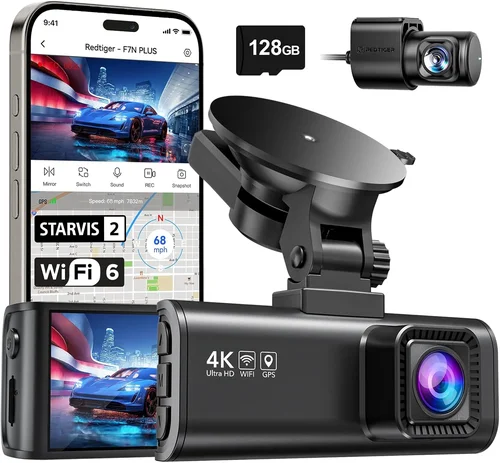
The primary function of any dash cam is to record clear, detailed video. For emergency vehicles, this means being able to capture license plates, facial details, and specific actions with absolute clarity. Look for a minimum resolution of 1080p Full HD. However, for serious law enforcement and high-risk situations, 4K UHD resolution is becoming the new standard. Higher resolutions provide more detail, which is crucial for identifying suspects or documenting complex scenes. Equally important is the frame rate; 60 frames per second (fps) is ideal, as it provides smoother motion and better detail during fast-moving incidents. Don’t forget the front-facing camera; a 140-degree or wider field of view is recommended to capture a broad area, while a rear camera (if applicable) should have a similar resolution to maintain consistency in your evidence archive.
2. Night Vision & Low-Light Performance
Emergency calls don’t follow office hours. Responding to an accident at 2 a.m. or navigating a dark alley after a call for service is a routine part of the job. Therefore, a dash cam’s ability to perform in low-light conditions is paramount. Modern dash cams use a combination of high-sensitivity CMOS sensors and advanced image signal processors (ISP) to deliver usable footage in near-total darkness. Look for features like wide dynamic range (WDR) technology, which balances bright headlights with darker shadows, and infrared (IR) LED illumination. IR LEDs can dramatically improve visibility in pitch-black conditions by illuminating the scene without creating a visible light source for potential suspects. A dash cam that struggles to produce grainy, unusable footage at night is a liability, not a tool.
3. Storage Capacity & Loop Recording
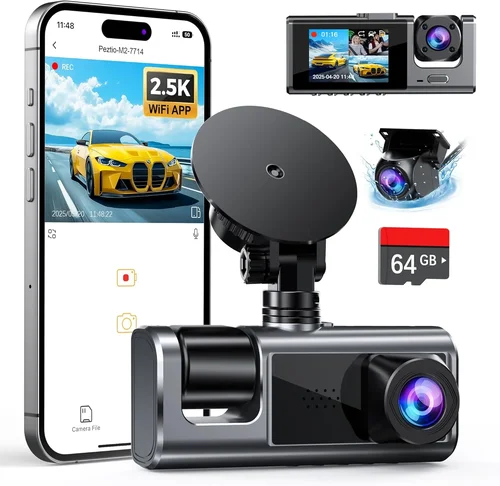
Dash cams continuously overwrite old footage, a feature known as loop recording. This is essential for managing storage space, but it also raises the question: how long do you want to keep your footage? The answer depends on your storage capacity. Most dash cams use microSD cards, which range from 32GB to 256GB or more. A higher capacity card means longer recording times before the oldest files are overwritten. For a single vehicle, a 64GB or 128GB card is often sufficient. However, if you have a fleet of vehicles, the cumulative data storage needs can become significant. Consider the cost of additional cards and the time required to manage them. Some professional-grade systems offer built-in cloud storage solutions, which automatically upload and back up footage, providing an off-site layer of protection against theft or loss.
4. Build Quality & Durability
An emergency vehicle’s dash cam is subjected to some of the harshest conditions imaginable: jarring impacts, extreme temperature fluctuations, constant vibration, and exposure to moisture and debris. Unlike consumer models designed for personal cars, a professional-grade dash cam must be built to military-grade standards. Look for devices with a ruggedized, shock-resistant casing, often made of polycarbonate or aluminum. They should be capable of operating in a wide temperature range, from freezing cold to scorching heat. Water resistance (typically IP65 or higher) is non-negotiable, protecting the internal components from splashes and rain. The lens itself should be scratch-resistant. A durable mount is also crucial; it must securely hold the device in place during high-speed pursuits or sudden stops, yet allow for easy installation and removal for maintenance.
5. Audio Recording & Sensitivity
In addition to visual evidence, audio can be incredibly valuable. It can capture radio communications, witness statements, and the sounds of an emergency scene. A good dash cam will have a sensitive microphone that picks up clear audio without amplifying background noise or wind hiss. For privacy and regulatory compliance, look for models that offer the option to mute the microphone when not needed. This is particularly important for agencies that may need to comply with strict laws regarding the recording of conversations. The audio quality should be clear enough to understand spoken words and discern important environmental sounds, such as sirens, crashes, or alarms.
6. Connectivity & Software Integration
Modern dash cams offer more than just local storage. Connectivity options like Wi-Fi and Bluetooth enable you to easily transfer videos to a smartphone or tablet using a dedicated app. This is incredibly convenient for quickly reviewing footage or downloading evidence. More importantly, for fleet management, look for dash cams that integrate with professional Video Management Systems (VMS). These software platforms allow dispatchers to remotely monitor live or recorded feeds from multiple vehicles simultaneously. This capability provides real-time situational awareness, allowing supervisors to assess a situation and provide guidance or assistance without delay. Integration with other systems, such as automatic license plate recognition (ALPR) software, can also automate the process of logging vehicle data, streamlining reporting and investigations.
7. Power Source & Installation Options
A dash cam must have a reliable power source to function correctly. Most models connect directly to the vehicle’s electrical system, drawing power from either the cigarette lighter socket or, more securely, a hardwired connection to the fuse box. Hardwiring is preferred because it ensures continuous power, even if the car is turned off, and prevents accidental disconnection. The installation process should be straightforward, but for complex setups, professional installation is highly recommended. This ensures the wiring is neat, secure, and doesn’t interfere with other vehicle systems. Additionally, consider the physical size of the unit. A compact design minimizes its presence on the dashboard, reducing driver distraction and making it less likely to be damaged in a collision.
8. Brand Reputation & Warranty
When your life and the lives of others depend on a piece of technology, brand reputation matters. Choose manufacturers with a proven track record of producing reliable, high-quality products specifically for professional and commercial applications. Research the company’s history, read reviews from other first responders, and check their customer service policies. A reputable brand is more likely to stand behind its product with a comprehensive warranty, which can cover both hardware defects and, in some cases, accidental damage. A solid warranty is a sign of confidence in the product’s durability and a commitment to customer satisfaction. Avoid unknown brands or those that seem to prioritize low price over quality and support.
Different Types of Dash Cams

Common Buying Mistakes to Avoid
❌ Mistake: Prioritizing Price Over Performance
Why it’s bad: Choosing the cheapest dash cam on the market might save you a few hundred dollars upfront, but it can lead to catastrophic failures down the line. A low-cost unit may have poor video quality, fail to record during a critical incident, or break under the stress of a pursuit or impact. This not only fails to protect your agency legally but can also endanger the lives of your officers and the public. In emergency services, you get what you pay for.
What to do instead: Allocate your budget wisely. Spend on a reputable, professional-grade model that meets your minimum requirements for resolution, durability, and night vision. The initial investment will almost always pay for itself in avoided liabilities, improved officer safety, and peace of mind.
❌ Mistake: Ignoring the Importance of Night Vision
Why it’s bad: Many buyers focus solely on daytime recording capabilities and overlook the fact that most emergencies occur at night. A dash cam that produces fuzzy, grainy, or completely unusable footage in the dark is essentially useless. If you can’t see what happened, you can’t investigate it, prosecute it, or defend your actions in court.
What to do instead: Make night vision a primary criterion. Test the dash cam yourself if possible, or research reviews that specifically evaluate low-light performance. Look for cameras with IR LEDs, WDR, and high-quality sensors. Don’t assume all 1080p cameras will perform the same in the dark.
❌ Mistake: Forgetting About Audio Privacy Laws
Why it’s bad: Many agencies unknowingly violate privacy regulations by recording audio without consent. In many jurisdictions, it is illegal to record private conversations without the knowledge of all parties involved. Failing to mute the microphone or failing to inform the public that they are being recorded can result in lawsuits and significant reputational damage.
What to do instead: Understand and comply with the relevant laws in your area. Choose a dash cam that offers a reliable way to mute the microphone. Implement strict policies on when and how audio is used, and consider posting signage in your vehicles to inform the public that they may be recorded.
❌ Mistake: Neglecting Storage Management
Why it’s bad: Relying on a small 32GB microSD card is a recipe for disaster. It will fill up quickly, forcing the system to constantly overwrite the most recent and potentially most important footage. You could miss a crucial piece of evidence because the system was too busy deleting old clips to record a new one.
What to do instead: Plan for adequate storage from the start. A 64GB or 128GB card is a good starting point for a single vehicle. For larger fleets, consider implementing a cloud-based storage solution. Establish a clear policy for regularly downloading and backing up footage from your devices.
❌ Mistake: Choosing a Unit That Isn’t Built for the Job
Why it’s bad: Consumer-grade dash cams are not designed for the harsh environment of an emergency vehicle. They lack the ruggedized housing, wide operating temperature range, and impact resistance needed to survive. They may fail to turn on after a crash, become unresponsive in cold weather, or short-circuit from moisture. Using a consumer product in a professional setting is a dangerous shortcut.
What to do instead: Invest in a dash cam specifically marketed for law enforcement, fleet management, or commercial use. These products are built to military or industrial standards and are explicitly designed to meet the demands of first responders.
Budget Guidelines: How Much Should You Spend?
Understanding the different price tiers will help you align your spending with your operational needs and available funding.
Entry-Level ($100 – $250)
This range is suitable for very basic recording needs, often found in small-town police departments or volunteer fire departments with limited budgets. You can expect a 1080p front-facing camera, decent day and night recording, and a simple loop recording system. While these models are functional, they typically lack advanced features like dual-lens recording, robust build quality for high-impact scenarios, or professional software integration. This tier is best for agencies that need a foundational level of documentation and are willing to trade off some future-proofing for immediate affordability.
Mid-Range ($250 – $500)
The sweet spot for most emergency services. This category includes the majority of professional-grade dash cams. You’ll find excellent 1080p or even 4K video quality, superior night vision with IR LEDs, and durable construction. Features like GPS, Wi-Fi connectivity, and dual-lens (front and rear) recording are common here. This is where you’ll find the best value, offering a powerful combination of performance, reliability, and features that provide comprehensive protection without the premium price tag.
Premium ($500 – $1,200)
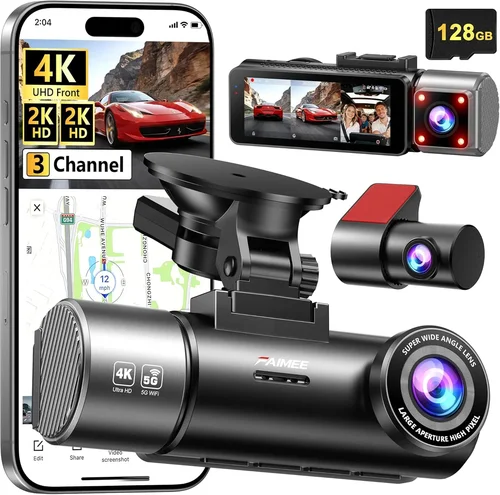
This range is for agencies that demand the highest levels of performance and are willing to invest in top-tier technology. Premium models often boast 4K resolution, advanced image stabilization, superior low-light sensors, and three-channel recording (front, rear, and interior). They are built with the most rugged materials, capable of handling the most punishing environments. The software ecosystem is also more advanced, offering features like intelligent event detection, automatic file tagging, and seamless integration with existing fleet management infrastructure.
Luxury ($1,200+)
The luxury tier represents the pinnacle of dash cam technology. These are not just cameras; they are sophisticated fleet management platforms. They often include multiple high-resolution cameras with 360-degree coverage, built-in cloud storage with automated backup, and deep integration with a full suite of VMS software. The hardware is meticulously engineered for ultimate durability and performance, and the software provides powerful analytics and reporting tools. This is the choice for large metropolitan police departments, state troopers, and specialized tactical units where every detail matters and budget is not a constraint.
Expert Tips for Getting the Best Deal
Navigating the purchase of dash cams for a fleet can be daunting. Here are expert-level strategies to ensure you get the best value and functionality.
1. Time Your Purchase Strategically
Like most technology, dash cams can be subject to seasonal sales. While there aren’t major Black Friday deals like consumer electronics, you might find better pricing at the beginning or end of the fiscal year for many government agencies. Also, consider purchasing in bulk. Many manufacturers offer significant discounts for large fleet orders, which can offset the higher per-unit cost of premium models.
2. Buy Direct from the Manufacturer
While retailers like Amazon or Best Buy offer convenience, buying directly from the manufacturer or an authorized dealer is almost always the better choice. You gain access to the latest firmware updates, direct technical support, and the full manufacturer’s warranty. Retailers sometimes bundle inferior accessories or sell refurbished units without clearly disclosing it.
3. Negotiate Volume Discounts
If you’re purchasing for an entire fleet, don’t be afraid to negotiate. Contact the manufacturer’s sales team directly and explain your volume requirement. Companies like Lytx, WatchGuard, and Garmin often have special pricing programs for public safety organizations. The more units you commit to, the better your per-unit price can become.
4. Factor in Total Cost of Ownership
Don’t just look at the sticker price. Calculate the total cost of ownership. This includes the price of replacement microSD cards, cloud storage subscriptions (if applicable), professional installation fees, and the cost of downtime if a unit fails. A slightly more expensive, more reliable model can save you money in the long run by avoiding frequent replacements and lost productivity.
5. Prioritize Professional Installation
While some dash cams claim to be “plug-and-play,” proper installation is critical. Improper wiring can lead to system failures, drain your battery, or create a fire hazard. Hire a certified technician who specializes in public safety electronics. This small upfront cost ensures your system works reliably and lasts for its intended lifespan.
6. Test Before You Deploy
If possible, test the dash cam in your actual vehicle before making a bulk purchase. Check for proper mounting, ensure the field of view is optimal, and verify that the wiring is neat and secure. Test the recording in various lighting conditions, including at night. This hands-on testing will reveal any compatibility issues or usability problems you wouldn’t catch from a website description.
7. Leverage Government and Public Safety Grants
Many government agencies and public safety organizations are eligible for grants that can help fund technology upgrades, including dash cams. Research programs offered by federal, state, or local governments, or through partnerships with technology companies. These grants can significantly reduce the financial burden of outfitting your entire fleet with the latest equipment.
8. Review and Update Policies
Before installing the new dash cams, review your department’s policies on data retention, access, and usage. Ensure that your staff understands the importance of the footage and how to properly handle it. Clear policies prevent misuse and ensure that the evidence is admissible in court.

Frequently Asked Questions
Q: What resolution is best for a dash cam in an emergency vehicle?
A: For emergency vehicles, we strongly recommend a minimum of 1080p Full HD resolution. However, 4K UHD resolution is the gold standard for law enforcement and high-risk situations. It provides significantly more detail, allowing you to clearly identify license plates, facial features, and specific actions, which is critical for investigations and court proceedings. The higher resolution also gives you the option to crop into a section of the video for a clearer close-up without losing quality.
Q: Can I record audio on a dash cam?
A: Yes, most modern dash cams have built-in microphones for audio recording. However, this is a critical feature to approach with caution due to privacy laws. In many places, it is illegal to record private conversations without the consent of all parties involved. We highly recommend choosing a dash cam that offers a reliable way to mute the microphone when you are not actively responding to an incident. Always consult with your legal advisor to ensure your audio recording practices are compliant with local regulations.
Q: How much storage do I need for my dash cam?
A: The amount of storage you need depends on how long you want to retain footage before it is automatically overwritten. A typical 64GB or 128GB microSD card is sufficient for most agencies, allowing for several hours of continuous recording. For larger fleets or agencies with strict data retention policies, consider a dash cam that supports cloud storage. This automatically backs up your footage to a secure server, freeing up local storage and protecting your evidence from being lost or tampered with if the device is damaged.
Q: Is it difficult to install a dash cam in an emergency vehicle?
A: Installation difficulty varies by model, but most modern dash cams are designed for relatively straightforward DIY installation. You’ll need to decide on a power source (cigarette lighter or hardwire kit) and a secure mounting location. For hardwiring, you may need to tap into your vehicle’s fuse box, which requires some basic electrical knowledge. For complex installations, especially in larger vehicles or with multiple cameras, it is highly recommended to hire a professional installer. This ensures the wiring is done safely and neatly, preventing issues down the road.
Q: How do I ensure my dash cam footage is admissible in court?
A: To ensure admissibility, your dash cam footage must be authentic, accurate, and unaltered. This means the camera must be securely mounted and functioning properly at the time of the incident. Maintaining a strict chain-of-custody for downloaded footage is essential. Use software that creates a digital hash of the video file to prove it hasn’t been tampered with. Finally, train your personnel on proper procedures for downloading, storing, and presenting the footage so it meets all legal standards.
Q: What is the difference between a single-lens and a dual-lens dash cam?
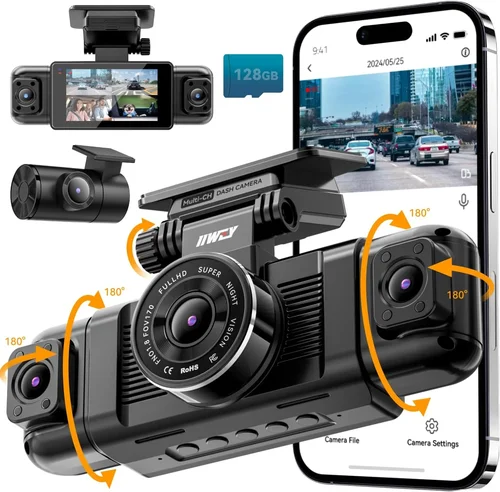
A: A single-lens dash cam records only the road in front of the vehicle. A dual-lens dash cam has two lenses: one facing forward and one facing backward. This provides a complete view of the vehicle’s surroundings, giving you a 360-degree picture of the scene. This is invaluable for documenting traffic behind you, interactions with other drivers, or the approach of another emergency vehicle. For emergency services, dual-lens systems offer a significant advantage in situational awareness.
Q: Do I need a separate rear-view camera, or does a dual-lens cam do the same thing?
A: A dual-lens dash cam has a built-in rear camera, so you do not need a separate unit. The main advantage of a dedicated rear-view camera is that it can be positioned independently of the dash cam, often in the rear window, giving you a clearer view of what’s behind you without obstruction. Some advanced dash cams allow you to add a third, separate camera for the rear, which can be a better solution for capturing a wider angle from the back of the vehicle.
Q: What are the benefits of a cloud-connected dash cam?
A: Cloud connectivity transforms a simple dash cam into a powerful fleet management tool. The primary benefit is automatic, secure, off-site backup of your video footage. This protects your evidence from being lost if the physical device is damaged, stolen, or tampered with. Cloud systems also allow for remote monitoring, where dispatchers can view live or recorded feeds from multiple vehicles. This provides real-time situational awareness, enabling supervisors to assist officers in the field and improve overall operational efficiency.
Our Final Recommendations
After extensive research and analysis, here are our top recommendations based on different needs and budgets:
Best for Budget-Conscious Buyers
The BlackVue DR900S-1CH is an excellent entry point into professional-grade recording. While not the cheapest on the market, it offers outstanding 1080p video quality, impressive night vision, and a durable build. Its most compelling feature for budget-conscious agencies is the BlackVue Cloud connectivity, which provides a secure off-site backup for a relatively low monthly fee. This ensures your footage is safe even if the camera is damaged, offering a level of protection that far exceeds the initial cost.
Best Overall Value
The Thinkware U1000 strikes the perfect balance between price and performance. It delivers stunning 4K UHD resolution with a 140-degree field of view, ensuring you capture every detail. It boasts top-tier night vision capabilities and a robust, water-resistant housing. With built-in Wi-Fi and a user-friendly app, it’s incredibly easy to manage footage. For an agency looking to outfit a fleet with professional-grade technology without breaking the bank, the Thinkware U1000 is a top contender.
Best Premium Option
For those seeking the absolute best, the Lytx DriveCam represents the pinnacle of dash cam technology. It’s not just a camera; it’s a comprehensive fleet safety and management platform. It offers 360-degree coverage with multiple high-resolution cameras and advanced AI-powered analytics that can detect events like hard braking, collisions, and distracted driving. The real game-changer is its cloud-based system, which provides centralized control, remote monitoring, and powerful data insights that go far beyond simple video recording, revolutionizing how you manage your fleet and ensure officer safety.
Best for Beginners
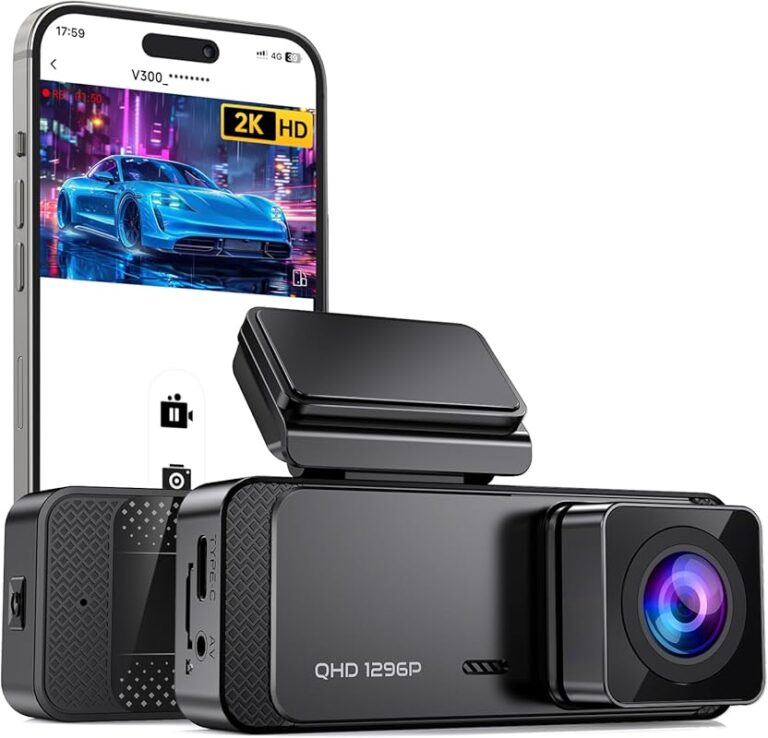
New to dash cams or looking for a simple, effective solution? The Viofo A11 Pro Max is a fantastic choice. It’s incredibly user-friendly, featuring a sleek design and intuitive mobile app. It provides excellent 2K QHD recording and has a great night vision mode. It’s a reliable performer that offers all the essential features without overwhelming complexity, making it ideal for smaller agencies or those transitioning from a basic system to something more professional.
Best for Advanced Users
Agencies requiring the highest level of detail and control will appreciate the Garmin Dash Cam 76. It offers 2K HDR recording with a wide-angle lens, ensuring crisp, clear footage in all conditions. It’s equipped with advanced driver assistance systems (ADAS) like lane departure warnings and forward collision alerts, which can be crucial for preventing accidents. Its built-in GPS is highly accurate, and the included voice commands allow for hands-free operation, making it a powerful tool for experienced users who want maximum functionality and safety integration.
Conclusion: Making the Right Choice
Selecting the best dash cam for your emergency vehicle is a decision that extends far beyond a simple purchase. It’s an investment in the safety of your personnel, the integrity of your operations, and the legal protection of your agency. By now, you should have a clear understanding of the critical factors to consider: video quality, night vision, durability, storage, and the importance of professional-grade technology. You’ve also learned about the different types of systems available, the common pitfalls to avoid, and how to navigate the various price points to find the best fit.
Remember that the cheapest option is rarely the best value. A dash cam is a vital piece of safety equipment, and its performance in a high-stakes, high-risk environment cannot be compromised. Prioritize features that align with your specific operational needs, whether that’s a simple front-facing camera for a budget-conscious department or a sophisticated fleet management system for a large metropolitan police force.
We encourage you to take the knowledge you’ve gained from this guide and apply it to your specific situation. Evaluate your current needs, consider your budget, and don’t hesitate to reach out to manufacturers or authorized dealers for further advice. Outfitting your fleet with the right dash cam is a step toward a safer, more accountable, and more efficient operation. Make the right choice, and you’ll have peace of mind knowing you’re protected on and off the road.