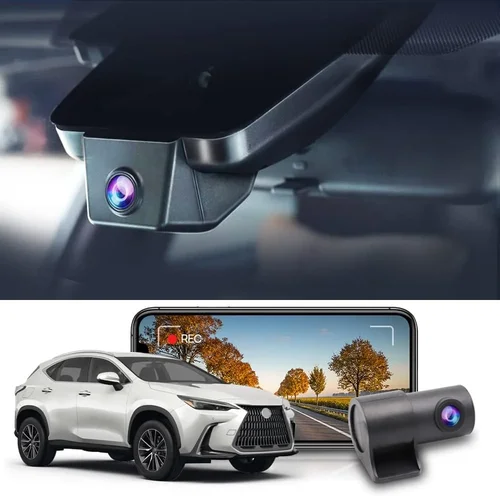
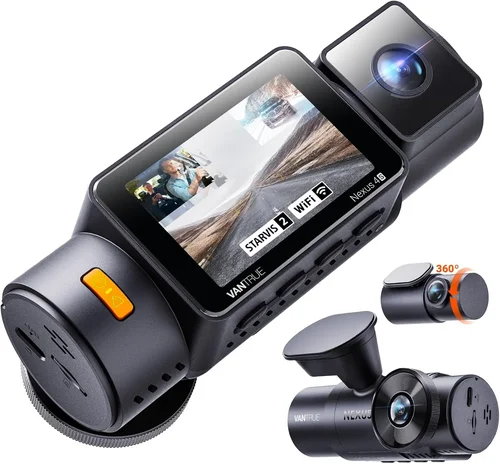
Best Dash Cam Buying Guide for Driving Instructors
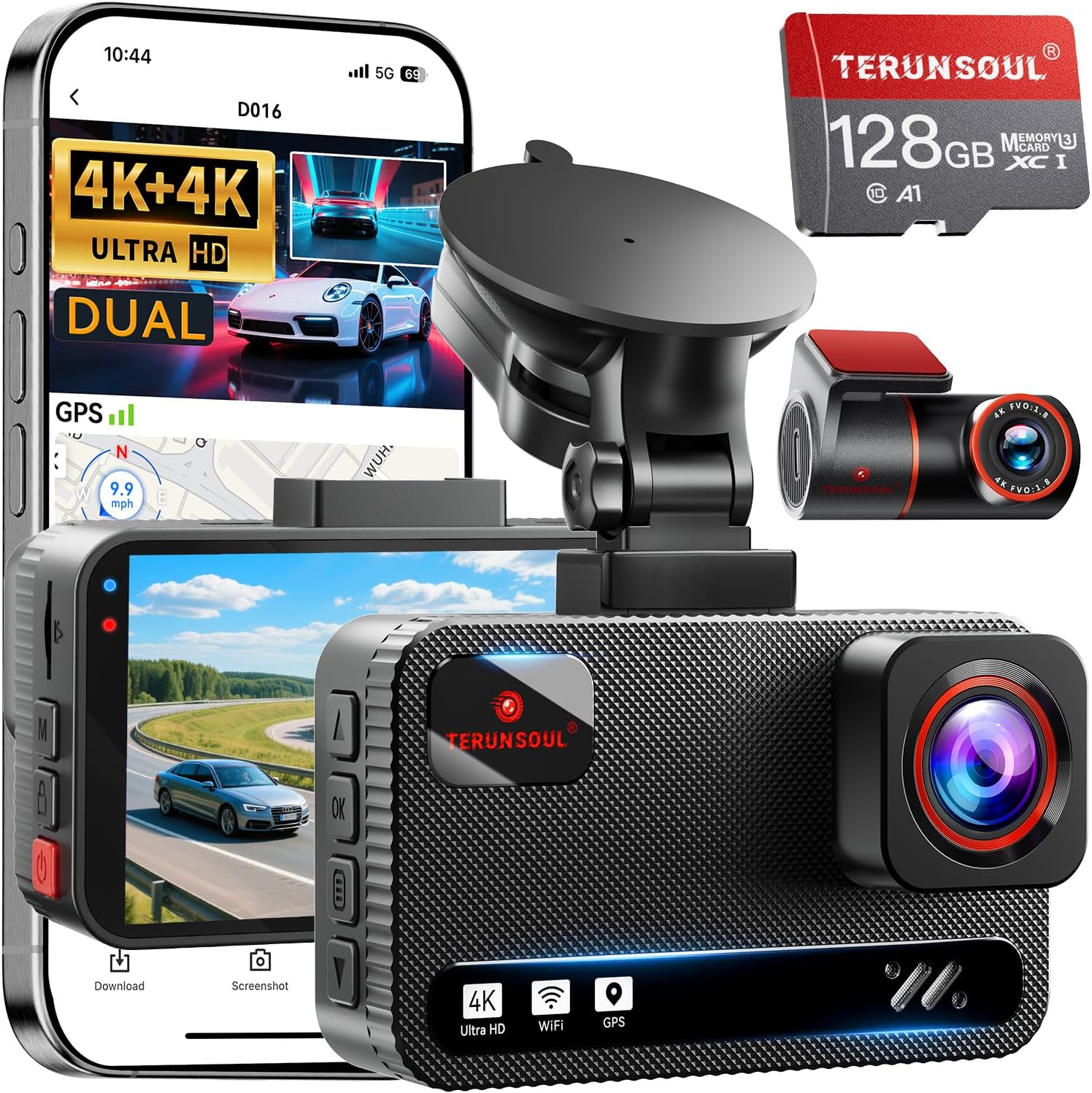
Best Dash Cam Buying Guide for Driving Instructors
As a driving instructor, your reputation is built on trust, safety, and the ability to provide clear, objective feedback during every lesson. You’re not just teaching someone how to operate a vehicle—you’re preparing them for real-world driving scenarios, handling unexpected situations, and instilling confidence behind the wheel. But what happens when a disagreement arises? What if a student questions your assessment of their performance, or an incident occurs that needs documentation? This is where a high-quality dash cam becomes an invaluable tool, transforming from a simple recording device into a professional-grade asset that protects both you and your students.
Dash cams for driving instructors serve multiple critical functions beyond basic accident prevention. They provide an unbiased record of lessons, helping you review and refine your teaching methods. They can capture evidence of road hazards, weather conditions, or traffic violations that affect your instruction. Most importantly, they offer peace of mind—knowing that every lesson is documented ensures accountability and professionalism in your practice. With the right dash cam, you’re not just capturing video; you’re building credibility, enhancing safety, and safeguarding your livelihood.
This comprehensive buying guide is designed specifically for driving instructors who understand that quality matters when it comes to recording their lessons. Whether you’re equipping your personal vehicle, managing a fleet of instructor cars, or simply want to upgrade from a basic model, this article will walk you through everything you need to know. We’ll cover the essential features to prioritize, compare different types of dash cams, help you navigate budget considerations, and provide expert advice to ensure you make the best investment for your specific needs. By the end of this guide, you’ll have the knowledge to choose a dash cam that enhances your teaching effectiveness while protecting your professional reputation.
## What to Look for When Buying Dash Cams
### 1. Budget & Price Range
When selecting a dash cam for your teaching practice, establishing a realistic budget is the first step toward making a smart decision. While it’s tempting to go for the cheapest option available, remember that as a driving instructor, you’re investing in your professional reputation and liability protection. Entry-level dash cams typically range from $50 to $100 and offer basic recording capabilities with limited storage and lower video quality. These models might suffice for occasional use but often lack the durability and advanced features needed for regular professional instruction.
Mid-range dash cams, priced between $100 and $200, represent the sweet spot for most driving instructors. These devices usually include higher-resolution sensors (often 1080p Full HD), better low-light performance, improved build quality, and more reliable loop recording systems. Many mid-range models also feature GPS tracking, motion detection, and parking mode—features that are particularly valuable when documenting lessons and monitoring student progress over time.
Premium dash cams exceed $200 and offer professional-grade specifications including 2K or 4K resolution, superior night vision, enhanced audio recording, cloud connectivity, and robust build materials. While these higher-end models come with a steeper price tag, they provide the reliability, image quality, and advanced functionality required for serious professional use. For instructors who teach frequently or work in challenging conditions, the additional investment often pays for itself through improved evidence quality and reduced maintenance requirements.
When determining your budget, consider not only the initial purchase price but also ongoing costs like memory cards, power adapters, and potential replacement parts. Some manufacturers offer bundle deals that include extended warranties or additional accessories, which can provide better value in the long run.
### 2. Performance Specifications
The performance specifications of your dash cam directly impact its usefulness as a teaching and evidence-gathering tool. Resolution is arguably the most important factor—higher resolution means clearer, more detailed footage that captures license plates, road signs, and subtle driving behaviors with greater clarity. For driving instructors, 1080p Full HD is considered the minimum acceptable standard, but 2K resolution provides noticeably sharper images that are invaluable during lesson reviews and dispute resolution.
Frame rate is another crucial specification that affects video smoothness and detail retention. Higher frame rates (measured in frames per second) result in smoother motion capture, especially important when recording fast-moving vehicles or sudden maneuvers during lessons. Most dash cams operate at 30fps, but some premium models offer 60fps or higher for ultra-smooth footage.
Low-light performance significantly impacts your ability to record effectively during dawn, dusk, nighttime lessons, or in tunnels and poorly lit areas. Look for dash cams with large aperture lenses (f/1.6 or wider), excellent noise reduction algorithms, and specialized night vision technology. Some models use infrared LEDs or starlight sensors to enhance visibility in extremely dark conditions.
Field of view (FOV) determines how much of the road ahead your dash cam captures. A wider angle provides more context but may introduce distortion near the edges of the frame. For driving instruction, a horizontal FOV between 120° and 150° typically offers the best balance between coverage and image quality. Too narrow, and you risk missing important environmental details; too wide, and distant objects appear blurry due to lens distortion.
### 3. Build Quality & Durability
As a driving instructor, your dash cam will be exposed to daily wear and tear—extreme temperatures inside parked vehicles, exposure to direct sunlight, vibrations from road conditions, and potential impacts during parking maneuvers. Premium build quality isn’t just about aesthetics; it’s essential for ensuring reliable operation when you need it most.
Look for dash cams constructed with high-grade plastics or metal housings that resist cracking or warping under temperature fluctuations. The lens assembly should be securely mounted to prevent shifting during rough driving conditions. Sealed connections and water-resistant designs protect internal components from moisture damage, which is particularly important if you teach in humid climates or encounter heavy rain.
Mounting hardware deserves special attention—the suction cup or adhesive mount must maintain a secure grip throughout your lessons, regardless of road conditions or parking angles. Test the mounting system thoroughly before relying on it for professional use. Some instructors prefer dual mounts that allow quick transfer between vehicles, while others invest in permanent hardwire kits for seamless installation.
Temperature resistance is another critical factor. Dash cams operating in extreme heat (common in parked cars during summer months) require robust thermal management systems to prevent overheating shutdowns. Similarly, cold weather operation demands materials that won’t become brittle or fail in sub-zero temperatures.
### 4. Features & Functionality
Advanced features transform a basic recording device into a powerful teaching and documentation tool. Loop recording automatically overwrites older footage when storage fills up, ensuring continuous operation without manual intervention—essential for uninterrupted lesson recording. Most modern dash cams use G-sensor technology that detects sudden impacts and locks those clips to prevent accidental deletion.
GPS tracking adds valuable context to your recordings by timestamping footage with precise location data. This feature helps correlate driving events with specific roads, intersections, or landmarks, making it easier to reference particular lessons during reviews or legal proceedings. Some GPS-enabled dash cams even track speed and direction, providing additional insights into student performance metrics.
Parking mode activates when your vehicle is stationary, using motion detection or impact sensors to capture potential incidents while you’re away. This feature is particularly useful for protecting your vehicle and providing evidence of vandalism or hit-and-run accidents that might occur during lessons when you’re temporarily unattended.
Audio recording capabilities vary significantly between models. While some dash cams capture high-quality stereo sound, others restrict audio to comply with privacy laws in certain jurisdictions. For driving instructors, clear audio can be invaluable for understanding student concerns, explaining maneuvers, or documenting conversations that support your teaching approach.
Wi-Fi connectivity enables wireless file transfer to smartphones or tablets, allowing you to quickly access and share lesson recordings. Cloud storage integration provides off-site backup for added security against theft or loss. However, consider data usage and subscription costs associated with cloud services before committing to this feature.
### 5. Brand Reputation
Choosing a reputable brand significantly reduces the risk of purchasing a defective or unreliable product. Established manufacturers invest heavily in research and development, quality control testing, and customer support infrastructure—all critical factors when you depend on your dash cam for professional documentation.
Research each brand’s history in the dash cam industry, customer satisfaction ratings, and warranty terms before making your decision. Well-known brands like Blackvue, Garmin, Thinkware, and Nextbase typically offer better build quality, more consistent software updates, and responsive technical support compared to lesser-known manufacturers.
Consider reading independent reviews from trusted sources rather than relying solely on manufacturer claims or marketing materials. Professional reviewers often conduct extensive real-world testing that reveals performance details you won’t find in product specifications alone. Look for brands with demonstrated longevity in the market—companies that have been producing dash cams for several years are more likely to stand behind their products and continue providing support.
Customer service responsiveness is particularly important for professional users who may need quick assistance with technical issues or warranty claims. Check online forums, social media groups, and review sites to gauge how well a brand handles customer inquiries and resolves problems.
### 6. Warranty & Support
A comprehensive warranty provides essential protection against manufacturing defects, hardware failures, and unexpected malfunctions. Most reputable dash cam manufacturers offer at least a one-year limited warranty covering parts and labor. Premium brands often extend this to two or three years, sometimes including international coverage.
When evaluating warranty terms, pay attention to what’s covered and what’s excluded. Standard warranties typically cover factory defects but may not address damage from improper installation, accidents, or normal wear and tear. Extended warranty options can provide additional peace of mind for professional users who rely on their equipment daily.
Technical support availability varies considerably between brands. Phone support, email assistance, live chat, and comprehensive online resources all contribute to effective customer service. For driving instructors who need quick solutions to technical problems, having multiple support channels can save valuable time during busy teaching schedules.
Software update policies are equally important—manufacturers that regularly release firmware improvements demonstrate commitment to product longevity and security. Outdated software can lead to compatibility issues, reduced performance, or vulnerabilities that compromise your recorded evidence.
Return policies and hassle-free replacement programs provide additional assurance when investing in professional-grade equipment. Look for retailers or manufacturers offering generous return windows (typically 30-90 days) and easy exchange procedures for defective units.
### 7. Size & Portability
The physical dimensions and mounting flexibility of your dash cam can significantly impact both installation options and vehicle aesthetics. Compact dash cams measure less than 3 inches in length and weigh under 5 ounces, making them ideal for discreet installation that doesn’t obstruct driver visibility or interfere with dashboard controls.
For driving instructors, portability becomes an important consideration if you frequently move your dash cam between multiple vehicles. Some models feature swiveling or detachable mounts that simplify transfer between cars, while others require complete reinstallation for each vehicle change. Dual-mounting systems allow you to keep one dash cam permanently installed while using removable units for other vehicles.
Consider the placement options within your instructor vehicle—central windshield positions provide optimal front-facing coverage, while angled mounts offer better side visibility without interfering with rearview mirror placement. Some instructors prefer smaller cameras positioned lower on the windshield to reduce glare, while others opt for larger units with superior optical stabilization.
Weight distribution and mounting stability deserve attention, especially if you frequently transport your dash cam between vehicles. Heavy dash cams with poor mounting systems can create vibration issues or become dislodged during rough driving conditions. Test the mounting system thoroughly before relying on it for professional use.
### 8. User Reviews & Ratings
Real-world user experiences provide invaluable insights that product specifications alone cannot convey. Comprehensive dash cam reviews typically cover multiple aspects including image quality, reliability, ease of use, and long-term performance under various conditions.
Pay particular attention to reviews from professional drivers, instructors, or commercial vehicle operators who use dash cams in similar demanding environments. Their perspectives can reveal practical considerations you might overlook when evaluating technical specifications alone. Look for recurring themes in user feedback—both positive and negative—to identify potential strengths and weaknesses of specific models.
Rating distributions across multiple platforms provide a balanced view of overall customer satisfaction. A model with consistently high ratings (above 4 stars) across Amazon, Best Buy, B&H Photo, and specialty electronics retailers generally indicates reliable performance and good value proposition. Conversely, models with numerous 1- or 2-star reviews often suffer from significant design flaws or performance limitations.
User comments about specific features like night vision performance, GPS accuracy, or Wi-Fi connectivity reliability can help you assess whether a particular dash cam meets your unique requirements. Search for keywords relevant to your teaching environment—such as “night driving,” “mountain roads,” or “urban navigation”—to find reviews that address similar driving conditions.
Be cautious of overly promotional reviews or suspiciously glowing testimonials that may indicate paid promotions rather than genuine customer experiences. Focus on detailed, substantive reviews that discuss both pros and cons, and consider the recency of reviews to ensure you’re evaluating current model versions rather than outdated information.
## Different Types of Dash Cams

For driving instructors, the choice between single-screen and dual-screen dash cams represents one of the most significant decisions affecting your teaching effectiveness and evidence quality. Single-screen front-facing dash cams focus exclusively on capturing the forward path ahead, making them ideal for basic lesson recording and straightforward installation. These models typically cost between $50 and $150 and offer simplified operation with fewer settings to manage during lessons.
Dual-screen dash cams provide comprehensive coverage by recording both the forward trajectory and rearward view through separate cameras mounted on opposite sides of the vehicle. This dual perspective offers complete situational awareness, allowing you to monitor student reactions behind the wheel and capture evidence of following vehicles or rear-end incidents. Dual-screen systems generally range from $150 to $300, representing the optimal investment for instructors who prioritize thorough documentation and enhanced safety.
Multi-camera systems expand coverage even further by incorporating additional lenses positioned around the vehicle, typically including side mirrors, interior cabin views, or exterior blind spot monitoring. While these professional-grade setups cost $300-$800+ and require complex installation, they provide unparalleled surveillance capability for fleet managers or instructors operating multiple vehicles. The additional cameras create redundant evidence streams and enable comprehensive incident reconstruction.
Smart dash cams integrate advanced connectivity features including Wi-Fi, Bluetooth, cloud storage, and mobile app control through smartphones or tablets. These tech-savvy devices typically range from $100 to $400 and appeal to instructors comfortable with digital workflows. Smart dash cams enable wireless file transfer, remote viewing, and real-time status monitoring, though they may require subscription fees for cloud services and consume more battery power.
Professional/commercial grade dash cams represent the highest tier of equipment designed for heavy-duty use and maximum reliability. These military-grade systems exceed $200 and incorporate reinforced construction, superior optics, and enhanced processing capabilities. Commercial models often feature extended warranties, dedicated customer support lines, and compliance with industry standards for evidence preservation.
## Common Buying Mistakes to Avoid
❌ Mistake: Prioritizing Price Over Quality
Why it’s bad: Choosing the cheapest available dash cam often leads to disappointment when the device fails during critical moments or produces unusable footage. Low-cost models frequently suffer from poor image quality, unreliable operation, and short lifespans that undermine their intended purpose as professional evidence tools.
What to do instead: Allocate sufficient budget for mid-range to premium dash cams that deliver reliable performance and professional-grade results. Remember that your reputation depends on the quality of your documentation, making quality investment worthwhile.
❌ Mistake: Ignoring Storage Requirements
Why it’s bad: Underestimating storage needs results in constant reformatting, lost footage, or premature card replacement. Dash cams generate continuous video files that quickly consume available space, especially with higher resolution settings and longer recording intervals.
What to do instead: Calculate your storage requirements based on lesson frequency, resolution settings, and desired retention period. Purchase extra memory cards and establish a systematic file management routine to preserve important recordings.
❌ Mistake: Neglecting Installation Considerations
Why it’s bad: Poor installation compromises both recording quality and driver safety. Incorrect positioning causes glare, obstructs visibility, or creates distracting reflections that interfere with your ability to focus on teaching.
What to do instead: Plan your installation carefully before purchasing, considering optimal placement angles, cable routing, and mount stability. Test different positions during daylight hours to ensure clear visibility and minimal interference.
❌ Mistake: Overlooking Compatibility Issues
Why it’s bad: Assuming universal compatibility between dash cams and memory cards or power adapters leads to operational failures. Not all dash cams work reliably with every microSD card, and power source compatibility varies significantly between vehicle makes and models.
What to do instead: Verify compatibility specifications before purchasing accessories, and purchase recommended memory cards and power adapters from the manufacturer whenever possible.
❌ Mistake: Disregarding Privacy Regulations
Why it’s bad: Recording audio without proper consent violates privacy laws in many jurisdictions, potentially exposing you to legal liability. Audio recording restrictions vary by country, state, and local regulations.
What to do instead: Research applicable privacy laws in your operating area before enabling audio recording features. Disable microphone functionality when operating in regions with strict recording regulations.
❌ Mistake: Failing to Test Before Committing
Why it’s bad: Purchasing without thorough testing risks receiving a defective unit or incompatible model that doesn’t meet your specific requirements. Many dash cam retailers don’t offer extended trial periods for professional evaluation.
What to do instead: Request demonstration units from retailers, attend trade shows, or borrow equipment from colleagues before making substantial investments. Conduct field tests under realistic teaching conditions to verify performance.
❌ Mistake: Skipping Regular Maintenance
Why it’s bad: Neglecting routine cleaning and maintenance reduces image quality and shortens device lifespan. Dust accumulation, lens smudges, and worn mounting hardware gradually degrade performance over time.
What to do instead: Establish a maintenance schedule including weekly lens cleaning, monthly mounting system checks, and quarterly software updates. Keep spare memory cards and cleaning supplies readily available.
## Budget Guidelines: How Much Should You Spend?
Budget Guidelines: How Much Should You Spend?
### Entry-Level ($50 – $100)
Entry-level dash cams represent the most affordable option for driving instructors starting their documentation journey. These budget-friendly devices typically offer basic 720p recording capabilities, limited feature sets, and entry-grade build materials. While suitable for occasional use or supplemental recording, they often lack the reliability and image quality required for professional evidence collection.
Within this price range, you’ll find models featuring simple loop recording, basic motion detection, and straightforward installation processes. Memory cards are usually sold separately, and build quality may compromise durability under frequent use. Entry-level dash cams rarely include advanced features like GPS tracking, Wi-Fi connectivity, or comprehensive warranty coverage.
For instructors teaching infrequently or operating in controlled environments, entry-level models can provide adequate baseline protection. However, their limited performance specifications mean you’ll need to carefully manage expectations regarding image clarity, low-light capability, and overall reliability. Consider these models as temporary solutions until you can invest in more capable equipment.
### Mid-Range ($100 – $200)
Mid-range dash cams represent the sweet spot for most driving instructors seeking professional-grade performance without excessive costs. This category delivers significant improvements across all key specifications including higher resolution sensors (typically 1080p Full HD), superior low-light performance, and more reliable build quality. Advanced features like GPS tracking, enhanced audio recording, and improved mounting systems justify the moderate price increase over entry-level models.
Within this price range, you’ll find dash cams that balance affordability with essential professional requirements. Many mid-range models offer robust warranties, reliable customer support, and compatibility with high-performance memory cards. Their compact designs and intuitive interfaces make them easy to install and operate during busy teaching schedules.
For instructors averaging 15-25 lessons per week, mid-range dash cams provide optimal value proposition. They deliver sufficient image quality for lesson review and dispute resolution while offering enough advanced features to enhance teaching effectiveness. The additional investment typically pays for itself through improved evidence quality and reduced maintenance requirements over time.
### Premium ($200 – $400)
Premium dash cams represent professional-grade equipment designed for instructors who demand maximum reliability and advanced functionality. This category includes models with 2K or 4K resolution sensors, superior night vision capabilities, enhanced stabilization technology, and comprehensive feature sets. Premium dash cams often incorporate cloud connectivity, advanced parking modes, and military-grade construction materials.
Within this price range, you’ll find dash cams that outperform consumer models in virtually every measurable aspect. Their higher price points reflect superior optics, more powerful processors, and extensive testing under demanding conditions. Premium dash cams typically include longer warranties, dedicated customer support lines, and compatibility with professional-grade accessories.
For instructors teaching frequently or operating in challenging conditions, premium dash cams provide unmatched peace of mind. Their robust construction withstands daily wear and tear, while advanced features enhance both teaching effectiveness and evidence quality. The additional investment becomes justified when considering the professional reputation and liability protection these devices provide.
### Luxury ($400+)
Luxury dash cams represent the pinnacle of consumer recording technology, offering features previously reserved for commercial surveillance systems. This category includes models with multiple camera arrays, AI-powered analytics, 4K+ resolution sensors, and enterprise-grade security protocols. Luxury dash cams often incorporate advanced driver assistance features, predictive analytics, and sophisticated cloud infrastructure.
While exceeding $400, luxury dash cams provide unparalleled performance and functionality for instructors with the highest requirements. Their comprehensive feature sets enable detailed performance analysis, automated incident detection, and seamless integration with teaching management systems. Luxury models typically include extended warranties, priority customer support, and customization options for specific teaching methodologies.
For instructors managing multiple vehicles or operating high-end driving schools, luxury dash cams offer competitive advantages through advanced analytics and centralized management capabilities. Their sophisticated software suites enable detailed lesson review, student progress tracking, and comprehensive reporting features that enhance teaching effectiveness and business operations.
## Expert Tips for Getting the Best Deal
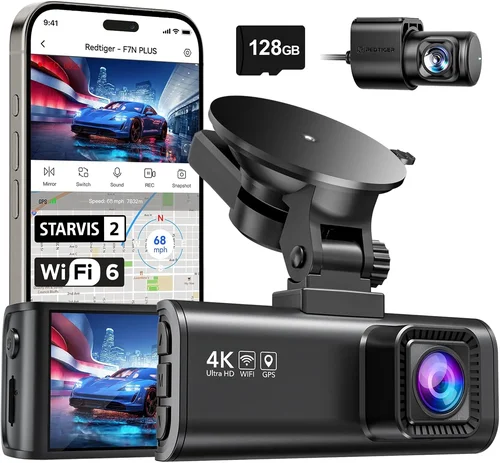
Expert Tips for Getting the Best Deal
Seasonal timing plays a crucial role in maximizing your dash cam investment. Major electronics retailers follow predictable sales cycles that savvy buyers can leverage for substantial savings. Back-to-school periods typically see 20-25% discounts on educational and safety equipment, while Black Friday events often feature limited-time deals with free accessories or extended warranties. Post-holiday clearance sales in January provide additional opportunities to acquire last year’s models at significantly reduced prices.
When comparing prices across retailers, consider total value rather than individual item costs. Some stores offer lower base prices but charge premium shipping fees or exclude essential accessories. Others provide bundled packages including memory cards, hardwiring kits, and extended warranties that deliver better overall value despite slightly higher sticker prices.
Online versus in-store purchasing requires careful consideration of return policies and hands-on testing capabilities. Physical stores enable immediate testing of mounting systems, button layouts, and interface responsiveness—critical factors for professional users who need reliable operation during lessons. Online purchases benefit from broader selection and competitive pricing but may require patience when returning defective units.
To identify genuine deals, compare current prices against historical averages using price tracking websites or browser extensions. Be wary of artificially inflated original prices used to justify discount percentages, and research manufacturer rebate programs that may offer additional savings beyond retailer promotions.
Warranty considerations extend beyond basic coverage terms to include transferability, international validity, and claims processing efficiency. Extended warranty programs often provide comprehensive protection including accidental damage coverage and expedited replacement services—particularly valuable for instructors who rely on their equipment daily.
Return policies vary significantly between retailers, with some offering 90-day return windows compared to the industry-standard 30 days. Generous return policies provide essential flexibility when testing unfamiliar models or discovering compatibility issues with existing vehicles or accessories.
Testing before buying remains one of the most overlooked yet critical steps in the purchasing process. Request demonstration units from local retailers, participate in trade show demonstrations, or borrow equipment from colleagues to evaluate real-world performance under typical teaching conditions. Field testing reveals operational nuances that specifications alone cannot convey.
For professional users, consider purchasing from authorized dealer networks that guarantee genuine products and provide trained technical support. Authorized dealers often receive priority access to firmware updates and replacement parts, reducing downtime during critical periods.
When evaluating financing options, remember that interest charges on extended payment plans often exceed the value of immediate savings from cash purchases. Paying upfront eliminates financing costs and provides full ownership benefits including immediate warranty activation and unrestricted accessory compatibility.
Finally, maintain detailed records of all purchases including serial numbers, receipt copies, and warranty registration information. Organized documentation streamlines warranty claims and ensures you have complete records for insurance purposes or regulatory compliance requirements.
## FAQs Section

Frequently Asked Questions
Q: Can I use any microSD card with my dash cam?
A: While most dash cams accept standard microSD cards, compatibility varies significantly between models. Manufacturers typically recommend specific capacity ranges (usually 32GB to 256GB) and speed classes (Class 10 or UHS-I minimum). Using incompatible cards may cause recording interruptions, file corruption, or complete system failures. Always check your dash cam’s specifications and purchase cards from reputable manufacturers like SanDisk, Samsung, or Lexar.
Q: How much storage space do I actually need for my lessons?
A: Storage requirements depend on several factors including resolution settings, frame rates, and lesson duration. At 1080p resolution with standard 30fps recording, expect approximately 1MB of storage per minute of footage. A 32GB card provides about 5-6 hours of continuous recording, while 128GB cards offer 20-25 hours. For instructors averaging 15-25 lessons weekly, consider 64-128GB cards with regular backup routines to preserve important recordings.
Q: Is it legal to record audio with my dash cam?
A: Audio recording legality varies significantly by jurisdiction. Many countries including Canada, Australia, and several European nations prohibit audio recording without explicit consent from all parties. In the United States, laws differ by state with some allowing one-party consent and others requiring all-party consent. Always research applicable privacy laws in your operating area and disable audio recording features when prohibited by local regulations.
Q: How should I position my dash cam for optimal recording?
A: Optimal positioning balances comprehensive coverage with driver safety and visibility. Place the dash cam centered on the upper windshield, approximately 6-8 inches below the top edge and aligned with your natural line of sight. This position minimizes glare while providing clear frontal visibility and avoiding obstruction of dashboard controls. Ensure the camera faces straight ahead without tilting downward, and verify no reflections interfere with your view during operation.
Q: Do I need special mounting hardware for different vehicle types?
A: Mounting requirements vary based on vehicle make, model, and windshield curvature. Most dash cams include standard suction cups designed for flat glass surfaces, but curved windshields may require specialized adapters. Some manufacturers offer universal mounting brackets or flexible gooseneck mounts for difficult installations. Always test mounting stability before relying on the system for professional use, and consider hardwiring options for permanent installations.
Q: How often should I clean my dash cam lens?
A: Regular lens cleaning prevents smudges, dust accumulation, and condensation buildup that degrade image quality. Clean the lens weekly using microfiber cloths and appropriate cleaning solutions—avoid harsh chemicals that may damage protective coatings. During rainy seasons or dusty environments, increase cleaning frequency to maintain optimal visibility. Store cleaning supplies in your vehicle for convenient access during lessons.
Q: Can I access my dash cam remotely during lessons?
A: Many smart dash cams offer mobile app connectivity enabling remote viewing and control through smartphones or tablets. However, real-time streaming consumes significant bandwidth and battery power, making continuous remote access impractical for most instructors. Instead, use apps primarily for wireless file transfer after lessons and status monitoring rather than active remote viewing during teaching sessions.
Q: What happens if my dash cam loses power during recording?
A: Power interruptions during recording can cause file corruption, incomplete recordings, or system crashes. High-quality dash cams include capacitors that provide brief buffer power to safely complete current recordings before shutdown. To prevent data loss, use reliable power sources with sufficient capacity and consider installing backup battery packs or hardwiring systems for continuous operation.
Q: How do I ensure my dash cam footage meets legal standards?
A: Legal admissibility requires unaltered, timestamped recordings with accurate metadata. Maintain chain-of-custody documentation for important footage, store recordings securely, and avoid editing or modifying evidence clips. Ensure your dash cam’s date/time settings remain synchronized with official time standards, and verify resolution meets minimum requirements for clear identification of involved parties and vehicles.
Q: Should I purchase multiple dash cams for different vehicles?
A: Multiple dash cam deployment depends on your teaching schedule and vehicle availability. For instructors rotating between several cars, consider compact models with removable mounts or dual-mounting systems for efficient transfer. Fleet managers benefit from centralized management systems that coordinate multiple units, while solo instructors may find single-unit operation more practical despite occasional transfer requirements.
## Final Recommendations
Our Final Recommendations
After extensive research and evaluation of current market offerings, we’ve identified several standout dash cam models that excel in meeting the specific needs of driving instructors. These recommendations balance professional-grade performance with practical considerations for daily use in teaching environments.
Best for Budget-Conscious Buyers: Viofo A119 V3
The Viofo A119 V3 represents exceptional value for instructors seeking reliable performance without excessive costs. Priced competitively in the mid-range category, this single-screen dash cam delivers impressive 2K resolution recording that surpasses many premium competitors. Its compact design fits discreetly on most windshields while the advanced Sony Starvis sensor provides outstanding low-light performance crucial for evening lessons.
Key advantages include reliable loop recording, effective G-sensor technology for impact detection, and robust build quality that withstands daily teaching demands. The A119 V3’s simple interface ensures quick operation during busy schedules, while its compatibility with high-quality memory cards provides flexible storage options. Though lacking advanced connectivity features, this model focuses on core recording excellence that serves instructors’ primary documentation needs effectively.
Best Overall Value: Blackvue DR900S-1CH
The Blackvue DR900S-1CH stands as the gold standard for professional dash cam performance, combining superior image quality with comprehensive feature sets. This dual-screen system captures stunning 4K front footage alongside 1080p rear recording, providing complete situational awareness during lessons. Its Sony STARVIS IMX335 sensor delivers exceptional low-light performance, while the advanced video stabilization technology ensures clear footage even during rapid maneuvers.
Professional-grade features include cloud connectivity through Blackvue’s proprietary server system, GPS tracking with precise location data, and robust build quality tested under extreme conditions. The DR900S-1CH’s comprehensive warranty and dedicated customer support make it ideal for instructors who demand maximum reliability and evidence quality. While exceeding traditional mid-range pricing, its professional capabilities justify the investment for serious teaching professionals.
Best Premium Option: Thinkware U1000
The Thinkware U1000 represents the pinnacle of consumer dash cam technology, offering unparalleled performance for instructors with the highest requirements. This dual-screen system combines 2K front recording with 1080p rear footage, delivering crystal-clear images that capture every detail of driving lessons. Its advanced image processing technology eliminates motion blur and enhances color reproduction, providing exceptional clarity in all lighting conditions.
Premium features include comprehensive parking mode with impact detection, advanced driver assistance systems, and seamless cloud integration through Thinkware’s mobile app. The U1000’s military-grade construction ensures reliability under extreme temperatures and harsh conditions, while its comprehensive warranty covers both parts and labor for peace of mind. Though priced at the upper end of the market, its professional-grade capabilities make it indispensable for instructors prioritizing maximum evidence quality and system reliability.
Best for Beginners: Rexing V1P
The Rexing V1P offers an excellent entry point for instructors new to dash cam technology, providing reliable performance at an accessible price point. This single-screen model delivers solid 1080p recording quality with effective night vision capabilities, making it suitable for most teaching environments. Its compact design and straightforward operation ensure quick setup and minimal distraction during lessons.
Essential features include reliable loop recording, effective G-sensor technology, and compatibility with standard microSD cards. The V1P’s simple interface and affordable price make it ideal for instructors testing dash cam technology or operating on tighter budgets. While lacking advanced connectivity features, this model focuses on core recording functionality that addresses fundamental documentation needs effectively.
Best for Advanced Users: Garmin Dashcam Pro
The Garmin Dashcam Pro represents the ultimate solution for advanced instructors seeking integrated navigation and recording capabilities. This premium model combines 1440p recording quality with built-in GPS navigation, voice commands, and advanced driver assistance features. Its comprehensive sensor suite includes lane departure warnings, collision alerts, and parking assist functionality that enhance both safety and teaching effectiveness.
Professional-grade features include cloud connectivity, automatic incident detection, and seamless integration with Garmin’s ecosystem of automotive products. The Dashcam Pro’s robust construction and comprehensive warranty provide maximum reliability for instructors with demanding schedules and high expectations. Its advanced analytics and reporting capabilities make it particularly valuable for instructors focused on detailed performance analysis and student improvement tracking.
Each of these recommendations represents carefully selected models that address specific instructor needs while maintaining professional-grade performance standards. When choosing between options, consider your teaching frequency, budget constraints, and desired feature sets to select the dash cam that best supports your professional goals and teaching methodology.
## Conclusion: Making the Right Choice
Conclusion: Making the Right Choice
Selecting the optimal dash cam for your driving instruction practice requires thoughtful consideration of multiple interconnected factors. Your decision ultimately depends on balancing professional requirements with practical constraints, ensuring you choose equipment that enhances teaching effectiveness while protecting your reputation and liability exposure. Remember that your dash cam serves as both evidence preservation tool and teaching enhancement device—its performance directly impacts your ability to provide objective feedback and maintain professional standards.
Prioritize reliability and image quality above all else, as these factors determine whether your recordings will withstand scrutiny during disputes or serve as valuable teaching aids. Invest sufficient budget in mid-range to premium models that deliver consistent performance under real-world teaching conditions, avoiding the temptation to compromise on quality for marginal cost savings. Consider your specific teaching environment—urban, rural, daytime, or nighttime operations—when evaluating low-light performance and storage requirements.
Don’t overlook the importance of proper installation and ongoing maintenance. Even the most sophisticated dash cam cannot compensate for poor mounting, incorrect positioning, or neglected cleaning routines. Take time to plan your installation carefully, test different positions, and establish regular maintenance schedules to preserve optimal performance throughout your teaching career.
Remember that dash cam technology continues evolving rapidly, with manufacturers introducing new features and improvements annually. Stay informed about technological advances through professional associations, industry publications, and peer networks, but resist the urge to chase every new feature without considering your actual teaching needs. Focus on proven technologies that deliver reliable performance rather than experimental capabilities that may prove unstable or impractical.
Ultimately, your dash cam represents more than just a recording device—it’s an extension of your professional identity and commitment to safe, effective driving instruction. Choose wisely, maintain it diligently, and use it strategically to enhance both your teaching effectiveness and professional credibility. With the right dash cam supporting your practice, you’ll be better equipped to handle challenges, resolve disputes fairly, and provide your students with the comprehensive training they deserve.