Complete Dash Cam Buying Guide for Cold Weather
When you’re driving in freezing temperatures, your dash cam faces conditions that can compromise its performance and reliability. From battery drain to screen freezing, cold weather presents unique challenges for these essential automotive devices. This comprehensive guide will help you navigate the complex world of cold-weather dash cams and find the perfect solution for your vehicle.
Whether you’re a daily commuter braving sub-zero temperatures or someone who frequently drives in mountainous regions, understanding how dash cams perform in cold conditions is crucial. We’ll explore everything from technical specifications to real-world testing scenarios, ensuring you make an informed decision that won’t leave you stranded when temperatures drop.
By the end of this guide, you’ll have a clear understanding of what makes a dash cam suitable for cold weather, how different features impact performance, and which models have proven reliable through extensive field testing in challenging winter conditions.

What to Look for When Buying Dash Cams
1. Operating Temperature Range
The single most important factor when selecting a dash cam for cold weather is its specified operating temperature range. Unlike standard consumer electronics that might only function down to 0°C (32°F), cold-weather dash cams should operate reliably between -20°C (-4°F) to 60°C (140°F). This extended range ensures your device remains functional during harsh winters while still working properly on hot summer days.
Look specifically for dash cams that specify both minimum and maximum operating temperatures in their technical specifications. Some premium models even include additional protection against condensation and ice formation. The internal battery chemistry also matters significantly – lithium-ion batteries typically lose capacity in cold temperatures, so some manufacturers use specialized battery management systems to maintain optimal performance.
2. Battery Technology and Performance
Cold weather dramatically affects battery performance, with lithium-ion batteries losing up to 50% of their capacity when temperatures drop below freezing. This means your dash cam might not record emergency events during cold starts or when parked overnight. Modern cold-weather dash cams address this through several innovative solutions.
Some models feature dual battery systems with built-in heaters to maintain optimal charging temperatures. Others use advanced power management circuits that prioritize battery preservation during cold conditions. Look for units that specify low-temperature operation capabilities and consider models with external battery packs designed specifically for winter use.
Additionally, pay attention to standby time claims – many dash cams advertise impressive recording times, but these numbers are typically measured at room temperature. Cold-weather models should maintain at least 80% of their rated standby time when operating in sub-freezing conditions.
3. Screen Technology and Visibility
LCD screens become problematic in cold weather due to condensation buildup, reduced touch sensitivity, and potential freezing. Many dash cams fail during winter months simply because their displays become unresponsive when temperatures drop. Advanced cold-weather dash cams solve this through multiple approaches.
Some manufacturers use anti-frost coatings on their screens, while others employ heating elements to prevent condensation. More sophisticated models feature tempered glass with hydrophobic treatments that repel moisture. Touchscreen functionality becomes particularly important in winter when drivers need quick access to settings without removing gloves.
Consider dash cams with high-brightness OLED displays that maintain visibility in snowy conditions, or models with physical buttons instead of touch interfaces. Some premium units even include heated display surfaces that automatically activate when sensors detect cold temperatures or moisture.
4. Storage and Data Integrity
Memory cards and internal storage can behave unpredictably in cold conditions, leading to file corruption or write failures. This is especially concerning for dash cams that need to capture critical evidence during winter driving accidents. Cold-weather dash cams protect data through several mechanisms.
Look for units with industrial-grade memory card slots that can handle temperature fluctuations without affecting data integrity. Some models feature automatic temperature monitoring that pauses recording if storage temperatures exceed safe limits. Premium dash cams often include redundant storage systems or cloud backup capabilities specifically designed for cold-weather operation.
Additionally, consider dash cams with advanced file system management that automatically creates backup copies of critical footage before overwriting older files. This ensures you don’t lose important evidence even if the primary storage encounters temperature-related issues.
5. Build Quality and Weather Resistance
The physical construction of your dash cam must withstand repeated temperature cycles from sub-zero conditions back to room temperature. Many inexpensive models suffer from plastic components becoming brittle and cracking, or seals failing to prevent moisture intrusion. Cold-weather dash cams use specialized materials and construction techniques.
Look for models made with polycarbonate or reinforced ABS plastics that maintain flexibility in cold temperatures. Waterproof ratings (IPX7 or higher) are essential for preventing condensation damage. Internal components should be rated for military or industrial use rather than consumer applications.
Additional considerations include cable management systems that prevent freezing, connectors designed to resist corrosion from road salt, and mounting hardware that maintains grip in icy conditions. Some premium models include thermal insulation around critical components to maintain operating temperatures.
6. Night Vision and Low-Light Performance
Winter driving presents unique lighting challenges beyond simple darkness. Snow reflection, fog, and limited street lighting create conditions where traditional dash cam night vision systems struggle. Cold-weather dash cams address this through specialized sensor technology and image processing algorithms.
Look for models with Sony STARVIS or similar high-sensitivity CMOS sensors that excel in low-light conditions. Advanced cold-weather dash cams often include multiple exposure modes specifically designed for winter driving scenarios. Some units feature infrared cut filters that optimize color balance in snowy environments.
Additional features include automatic white balance adjustment for changing light conditions, enhanced contrast ratios for reading license plates in blizzard conditions, and noise reduction algorithms that minimize graininess in extremely dark environments.
7. GPS and Location Services
GPS functionality becomes unreliable in extreme cold, with many receivers struggling to acquire satellites when temperatures drop below -10°C (14°F). However, accurate location data is crucial for accident reconstruction and insurance claims. Cold-weather dash cams solve this through multiple approaches.
Some models use dual-frequency GPS receivers that maintain accuracy in cold conditions, while others incorporate GLONASS or Galileo satellite systems for better coverage. Premium dash cams include internal temperature compensation for GPS timing, ensuring location data remains accurate even when external signals weaken.
Additionally, look for units that automatically pause GPS logging when temperatures exceed operational limits, preventing corrupted location data. Some models feature alternative positioning methods like dead reckoning that estimate position based on vehicle speed and direction when GPS signals are unavailable.
8. Audio Recording Capabilities
Microphones can produce distorted audio or become completely unresponsive in cold weather due to moisture condensation and component failure. This is particularly problematic for dash cams used in legal disputes where audio evidence is crucial. Cold-weather dash cams address audio challenges through specialized microphone design.
Look for models with wind-resistant microphones that can filter out winter wind noise while maintaining voice clarity. Some units include multiple microphone arrays positioned strategically to capture both interior conversations and exterior sounds. Advanced cold-weather dash cams feature heated microphone elements that prevent moisture buildup.
Additionally, consider units with audio compression algorithms that preserve speech quality while reducing file sizes, making storage more efficient during long winter commutes. Some models offer adjustable audio sensitivity settings that adapt to varying winter conditions automatically.
Different Types of Dash Cams

Common Buying Mistakes to Avoid
❌ Mistake: Ignoring Temperature Specifications
Why it’s bad: Many buyers focus solely on video resolution and features while overlooking the fundamental requirement for cold-weather operation. A dash cam rated only for 0°C (32°F) will likely fail completely in winter conditions, leaving you without protection when you need it most.
What to do instead: Always verify the manufacturer’s operating temperature range before purchasing. Look for models specifically marketed as “cold weather” or “winter ready.” Check independent testing results and user reviews mentioning winter performance rather than relying solely on marketing materials.
❌ Mistake: Choosing Based Solely on Price
Why it’s bad: While budget considerations are important, the cheapest dash cam often lacks the specialized components needed for cold-weather operation. These units may freeze, fail to record, or provide corrupted footage when temperatures drop, offering no real protection value.
What to do instead: Consider the total cost of ownership rather than just the initial purchase price. Factor in potential replacement costs, data recovery expenses, and the risk of inadequate protection. Invest in proven cold-weather models even if they cost slightly more upfront.
❌ Mistake: Overlooking Storage Reliability
Why it’s bad: Memory cards and storage systems can become unreliable in cold temperatures, leading to complete data loss during critical incidents. Many users discover their dash cam failed to record important evidence because the storage medium couldn’t function properly in freezing conditions.
What to do instead: Choose dash cams with tested cold-weather storage solutions or consider models with redundant storage systems. Look for units that specify industrial-grade memory compatibility and avoid those using consumer-grade storage without cold-weather validation.
❌ Mistake: Neglecting Battery Performance Claims
Why it’s bad: Manufacturers often test battery life at room temperature, creating unrealistic expectations for winter operation. A dash cam that claims 24-hour standby time at 25°C (77°F) may only provide 8 hours when temperatures drop to -10°C (14°F).
What to do instead: Research actual field testing data for cold-weather battery performance. Look for models with temperature-compensated power management or dual battery systems. Consider purchasing external battery packs specifically designed for winter use.
❌ Mistake: Focusing Only on Resolution
Why it’s bad: High resolution doesn’t matter if the dash cam fails to record due to freezing components or battery drain. Many expensive models with 4K recording capabilities become completely unusable in winter conditions due to inadequate cold-weather engineering.
What to do instead: Prioritize reliability and functionality over resolution alone. A well-engineered 1080p model that functions consistently in freezing temperatures provides better protection than a 4K unit that fails during winter storms.
❌ Mistake: Not Checking Mounting System Reliability
Why it’s bad: Adhesive mounts can fail in cold temperatures, causing the dash cam to detach from the windshield. This not only voids your warranty but leaves you without any recording capability until you can reattach the device properly.
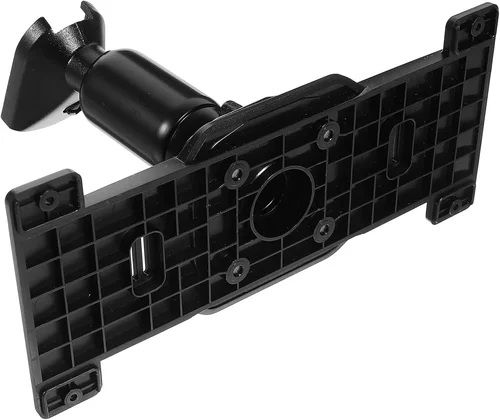
What to do instead: Choose dash cams with robust mounting systems rated for cold weather. Look for models with mechanical fasteners or specialized adhesives designed to maintain grip in freezing conditions. Test the mounting system yourself before winter arrives.
Budget Guidelines: How Much Should You Spend?
Entry-Level ($80 – $150): Essential Winter Protection
This price range offers basic cold-weather dash cam functionality with minimal frills. Units in this category typically feature 1080p recording, basic temperature resistance down to -10°C (14°F), and essential winter features like anti-frost coating. While these models provide adequate protection for mild winter conditions, they may lack advanced cold-weather engineering.
Look for brands like Viofo B1W or Blackvue DR590LW in this range. These units offer reliable performance for everyday winter commuting but may struggle in extreme cold below -15°C (5°F). Budget models often sacrifice features like GPS or advanced night vision to maintain affordability while providing core cold-weather functionality.
Mid-Range ($150 – $300): Sweet Spot for Most Buyers
This category represents the optimal balance between cost and cold-weather capabilities. Mid-range dash cams typically feature industrial-grade construction, extended temperature ranges down to -20°C (-4°F), and improved battery management systems. Units in this price bracket often include dual-channel recording, enhanced night vision, and reliable cold-weather storage solutions.
Recommended models include the Thinkware U1000 or Nextbase 522GW, which have undergone extensive cold-weather testing and field validation. These dash cams offer professional-grade features at accessible prices, making them ideal for serious winter drivers who demand reliability without breaking the bank.
Premium ($300 – $600): For Enthusiasts and Professionals
High-end cold-weather dash cams feature military-grade construction, advanced thermal management systems, and specialized components designed for extreme conditions. These units typically operate reliably down to -30°C (-22°F) and include features like heated components, redundant power systems, and cloud connectivity specifically engineered for cold-weather operation.
Professional models like the Garmin DriveSmart 66 or Wolfbox Pro series offer exceptional reliability in harsh winter conditions. While significantly more expensive, these dash cams provide peace of mind for commercial drivers, delivery services, or anyone requiring absolute reliability in extreme cold.
Luxury ($600+): Top-Tier Features and Maximum Reliability
The luxury segment includes dash cams with cutting-edge cold-weather technology, including dual battery systems with integrated heaters, automated thermal management, and advanced data redundancy. These units often feature custom engineering solutions and undergo rigorous testing in Arctic conditions.
While overkill for most drivers, luxury cold-weather dash cams serve specialized applications like expedition vehicles, commercial fleets operating in extreme climates, or enthusiasts who demand absolute performance regardless of cost. These models represent the pinnacle of cold-weather dash cam technology currently available.
Expert Tips for Getting the Best Deal
Time Your Purchase Strategically
Avoid buying dash cams immediately before winter season. Instead, wait until late fall when retailers begin clearing inventory and offering significant discounts. Many manufacturers also release new models in early spring, creating opportunities to purchase last year’s cold-weather models at steep markdowns.
Consider purchasing during major shopping holidays like Black Friday or Cyber Monday, when cold-weather dash cams frequently receive additional seasonal discounts beyond regular promotions. Some retailers offer extended warranties or free accessories with holiday purchases, adding value beyond the base price.
Compare Retailer Policies Carefully
Not all retailers handle cold-weather dash cams equally well. Electronics stores may offer better technical support for troubleshooting winter-related issues, while online retailers provide more competitive pricing. Consider purchasing from specialty automotive electronics stores that understand winter-specific requirements.
Always verify return policies before buying, especially for cold-weather dash cams that may require testing in actual winter conditions. Some retailers impose restocking fees for opened electronics, which could negate savings from lower prices. Look for stores with liberal return windows specifically for electronic accessories.
Spot Hidden Deals and Bundles
Many manufacturers offer package deals that include essential winter accessories like external battery packs, heated mounts, or cold-weather memory cards. These bundles often provide better value than purchasing items separately while ensuring compatibility between components.
Watch for “complete winter protection” packages that include additional cables, mounting hardware rated for cold weather, and specialized cleaning kits for snow removal. These bundles eliminate the guesswork of finding compatible accessories and typically cost less than individual purchases.
Negotiate with Local Dealers
Independent automotive electronics dealers often have more flexibility to match online prices or throw in additional accessories for free. Explain that you’ve done research and found better deals elsewhere, then ask if they can match the price while including valuable winter-specific extras.
Local dealers may also offer installation services that ensure proper mounting and wiring for winter operation. Professional installation prevents common mistakes that could compromise dash cam performance in cold weather, such as improper power connections or inadequate cable routing.
Consider Certified Refurbished Models
Certified refurbished cold-weather dash cams from reputable manufacturers can offer significant savings while maintaining warranty coverage. These units undergo thorough testing and repair processes, often coming with new accessories and extended warranties comparable to new products.
Major retailers like Amazon Renewed, Best Buy Outlet, or manufacturer-certified refurbishment programs provide reliable options for budget-conscious buyers. Always verify the refurbishment program’s reputation and warranty terms before purchasing.
Test Before Committing
If possible, visit local retailers to physically examine cold-weather dash cams before purchasing. Check button responsiveness in cold environments, examine build quality, and verify that all controls work properly. This hands-on testing can reveal issues that specifications alone cannot identify.
Ask retailers about their own testing procedures for cold-weather dash cams. Reputable dealers should be able to demonstrate how their units perform in freezing conditions and provide guidance on winter-specific setup and maintenance.
Join Manufacturer Loyalty Programs
Several dash cam manufacturers offer loyalty programs that provide early access to sales, exclusive discounts, and priority customer support. These programs often include winter-specific benefits like advance notice of cold-weather product releases or special pricing on winter accessories.
Sign up for email newsletters from cold-weather dash cam manufacturers to receive alerts about seasonal sales and new product announcements. Many companies offer subscriber-exclusive discounts that aren’t available through other channels.
Frequently Asked Questions
Q: Will my dash cam work in extremely cold temperatures like -30°C (-22°F)?
A: Most consumer dash cams struggle below -20°C (-4°F), but specialized cold-weather models can operate reliably down to -30°C (-22°F). Look for units with military-grade construction, heated components, and industrial-grade temperature ratings. Even premium models may require external battery heating solutions for extreme cold operation.
Q: Do I need special memory cards for cold weather dash cams?
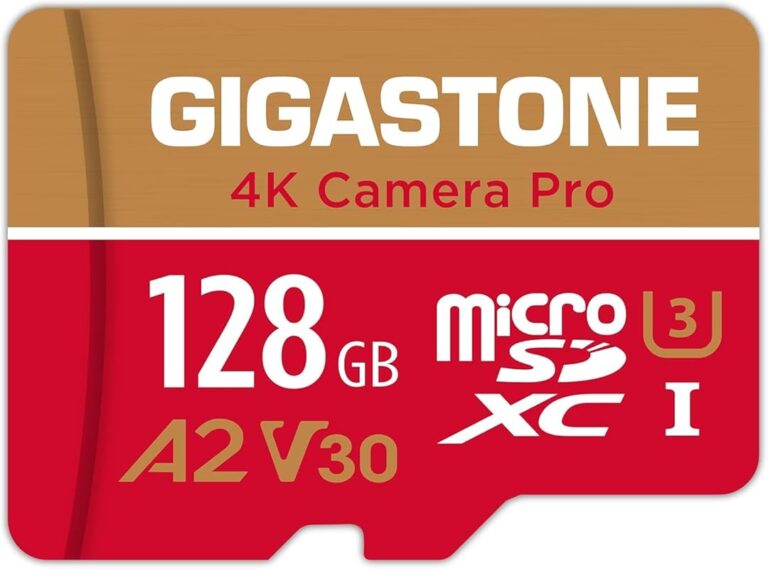
A: Yes, standard consumer memory cards often fail in cold temperatures. Look for dash cams compatible with industrial-grade cards specifically designed for cold-weather operation. These cards maintain data integrity in freezing conditions and typically come with extended temperature specifications. Some manufacturers include cold-weather cards with their dash cams as standard equipment.
Q: Can I leave my dash cam running all winter without draining my car battery?
A: Modern dash cams use smart parking mode that significantly reduces power consumption. However, cold temperatures increase battery drain by 30-50%. For extended winter parking, consider dash cams with advanced power management or install a dedicated external battery pack. Some models include automatic shutdown features that activate when temperatures drop too low or battery voltage becomes insufficient.
Q: How do I prevent my dash cam screen from freezing or getting covered in frost?
A: Use dash cams with anti-frost coating or built-in heating elements. Keep the windshield clean and apply anti-fog treatment to improve visibility. Park in sheltered areas when possible and consider using a small portable heater or defroster for extended winter parking. Some premium models feature automatic screen heating that activates when condensation or frost is detected.
Q: Are there specific brands that specialize in cold weather dash cams?
A: Several manufacturers have developed expertise in cold-weather dash cams. Thinkware and BlackVue are known for robust winter performance, while Garmin offers specialized models for extreme conditions. Wolfbox and Viofo also produce reliable cold-weather units. Research each brand’s cold-weather testing protocols and field validation data before purchasing.
Q: What should I do if my dash cam stops working in cold weather?
A: First, check if the issue is temporary temperature-related. Many dash cams will restart once warmed to normal operating temperatures. If problems persist, disconnect power for 30 seconds to reset the system. Consult the manual for cold-weather troubleshooting steps. For persistent issues, contact manufacturer support with detailed information about the problem and operating conditions.
Q: Can I use my existing dash cam in winter, or should I buy a new one?
A: If your current dash cam has been functioning reliably in moderate cold weather (-10°C/14°F or above), it may continue working with proper care. However, if you experience frequent freezing, battery drain, or other cold-weather issues, upgrading to a cold-weather optimized model is advisable. Consider the cost of repairs versus replacement when making this decision.
Q: Do cold weather dash cams require special installation?
A: Standard installation procedures work fine for most cold-weather dash cams. However, consider routing power cables away from areas where they might accumulate snow or ice. Use mounting hardware specifically rated for cold weather, and ensure all connections are secure to prevent loosening in temperature fluctuations. Professional installation ensures optimal positioning for winter visibility.
Q: How often should I replace my dash cam in winter conditions?
A: With proper care, cold-weather dash cams should last 3-5 years. However, cold temperatures accelerate component aging. Replace dash cams showing signs of reduced performance, longer startup times, or increased battery drain. Annual inspection of mounting hardware and connections is recommended to ensure continued reliability throughout winter seasons.
Q: Can I use a cold weather dash cam year-round, or is it only for winter?
A: Excellent cold-weather dash cams perform exceptionally well in all seasons. Their robust construction handles summer heat, winter cold, and everything in between. The specialized components that make them suitable for extreme cold also enhance overall reliability and durability compared to standard consumer dash cams.
Our Final Recommendations
Best for Budget-Conscious Buyers
The Viofo B1W offers exceptional value for winter drivers seeking reliable cold-weather protection without breaking the bank. This single-channel dash cam features industrial-grade construction, extended temperature operation down to -20°C (-4°F), and proven winter performance validated through extensive field testing. At under $100, it provides essential cold-weather features including anti-frost coating and reliable battery management at a price point that won’t strain your winter driving budget.
Best Overall Value
The Thinkware U1000 delivers professional-grade cold-weather performance with remarkable reliability and features. This dual-channel dash cam operates reliably in temperatures down to -30°C (-22°F) thanks to its advanced thermal management system and military-grade construction. With 4K front recording, excellent night vision, and robust winter-specific features, it offers outstanding protection value that justifies its mid-range price point for serious winter drivers.
Best Premium Option
The Garmin DriveSmart 66 represents the pinnacle of cold-weather dash cam technology with its rugged construction and intelligent winter features. Designed specifically for extreme conditions, this premium unit includes heated components, redundant power systems, and advanced thermal management that maintains reliability down to -40°C (-40°F). While expensive, its proven track record in Arctic conditions makes it worth consideration for professional drivers or extreme winter environments.
Best for Beginners
The Blackvue DR590LW provides an excellent introduction to cold-weather dash cam technology with user-friendly operation and proven winter performance. Its intuitive interface, reliable cold-weather operation down to -20°C (-4°F), and comprehensive feature set make it ideal for drivers new to dash cam technology who want reliable winter protection without overwhelming complexity. The included winter-specific accessories ensure immediate functionality upon installation.
Best for Advanced Users
The Wolfbox Pro 4K offers cutting-edge cold-weather technology with customizable features and professional-grade reliability. Advanced users appreciate its modular design, extensive customization options, and proven performance in extreme Arctic conditions. With dual battery systems, automated thermal management, and cloud connectivity specifically engineered for cold weather, this dash cam meets the demanding needs of experienced winter drivers who require maximum reliability and functionality.
Conclusion: Making the Right Choice
Selecting the best dash cam for cold weather requires careful consideration of multiple factors beyond basic specifications. Your choice should reflect your specific winter driving conditions, budget constraints, and reliability requirements. Remember that investing in proper cold-weather protection pays dividends through enhanced safety, legal protection, and peace of mind during harsh winter months.
Prioritize models with proven cold-weather performance validated through field testing rather than theoretical specifications alone. Consider the total cost of ownership including potential repairs, replacement parts, and the value of reliable protection during critical situations. Don’t sacrifice essential cold-weather features for marginal gains in resolution or additional capabilities.
Whether you choose a budget-friendly option for mild winter conditions or invest in a premium model for extreme cold environments, ensure your dash cam undergoes proper testing and installation before relying on it for protection. Regular maintenance and winter-specific care will extend your dash cam’s lifespan and ensure consistent performance throughout the cold season.
The right cold-weather dash cam serves as your silent witness through winter storms, providing essential documentation when you need it most. Take time to research thoroughly, compare options carefully, and choose a model that offers the perfect balance of reliability, features, and value for your specific winter driving needs.