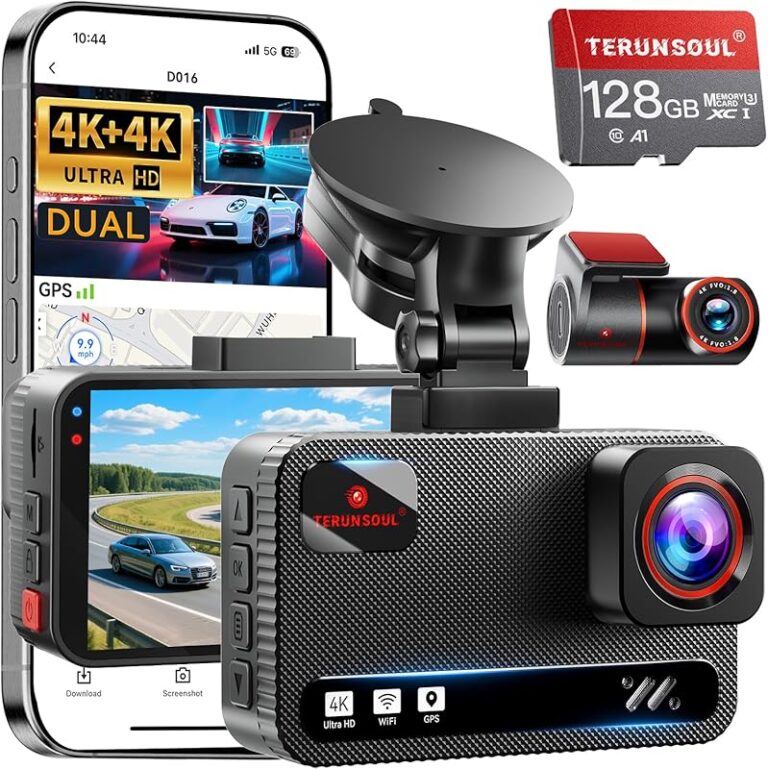
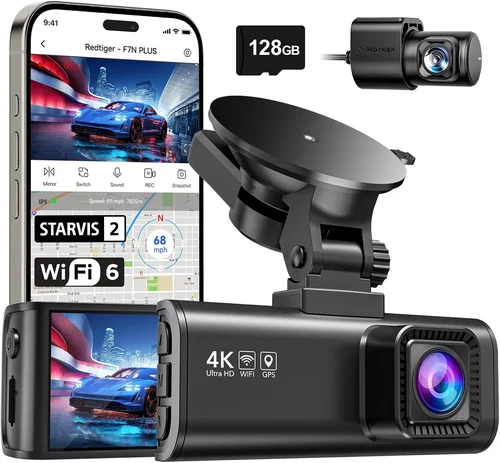
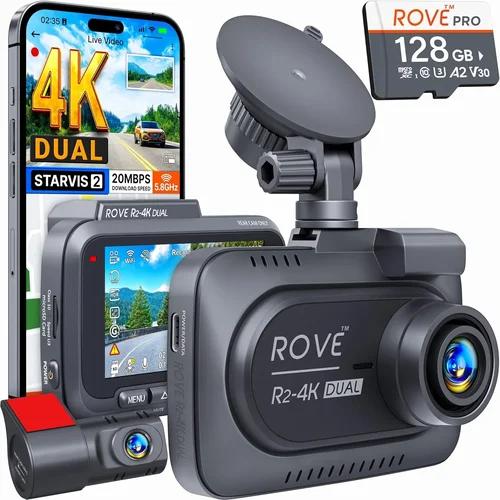
Best Dash Cam Buying Guide for Cars in India
When it comes to protecting yourself on the road, a dash cam isn’t just a gadget—it’s a vital safety tool that can save your life, your wallet, and your peace of mind. In India’s bustling traffic conditions, where accidents are frequent and disputes over responsibility are common, having reliable video evidence can make all the difference. This comprehensive buying guide is designed to help you navigate the crowded market of dash cams available in India, ensuring you make an informed decision based on your specific needs, vehicle type, and budget. Whether you’re a daily commuter, a long-distance driver, or someone who simply wants extra security for their car, understanding what to look for in a dash cam will empower you to choose wisely.
In this detailed article, we’ll walk you through every critical factor to consider when purchasing a dash cam, from resolution and recording capabilities to build quality and smart features. We’ll break down the different types of dash cams available, explain why certain features matter more than others, and highlight common mistakes people make when buying these devices. You’ll also get expert tips on where to buy, how to spot genuine deals, and what warranty support looks like in the Indian market. By the end of this guide, you’ll have a clear roadmap to selecting the best dash cam for your car—one that offers value, reliability, and peace of mind in equal measure.
The Indian automotive aftermarket has seen explosive growth in dash cam adoption over the past five years, with brands like Blackvue, Nextbase, Thinkware, and even homegrown players like Xiaomi and Realme entering the space. While some models offer basic 720p recording, others come equipped with GPS tracking, night vision, parking mode, and cloud connectivity—features that were once reserved for premium devices but are now becoming standard. However, not all dash cams are created equal. With so many options across price ranges from ₹2,500 to ₹30,000+, choosing the right one can be overwhelming. That’s why this guide cuts through the noise, providing real-world insights, performance comparisons, and practical advice tailored specifically for Indian roads, weather conditions, and legal considerations.

What to Look for When Buying Dash Cams
Choosing the right dash cam goes beyond picking the cheapest model or the one with the most flashy features. It requires a deep understanding of your driving habits, local regulations, and the technical specifications that truly impact performance. Below are the key factors every buyer should evaluate before making a purchase.
1. Budget & Price Range
Your budget plays a crucial role in determining the features and build quality you can expect. In India, dash cams typically range from ₹2,500 for basic models to over ₹25,000 for advanced systems. While it might be tempting to go for the lowest-priced option, remember that cheap doesn’t always mean good value. Entry-level dash cams often cut corners on sensors, battery life, and storage reliability. On the other hand, premium models may include unnecessary features if you don’t need them. The sweet spot for most Indian drivers lies between ₹6,000 and ₹12,000, where you get solid 1080p or even 4K recording, loop recording, G-sensor alerts, and decent night vision without overspending.
2. Performance Specifications
Performance is where most buyers get confused. At its core, a dash cam must deliver clear, stable video footage under all conditions. Key performance specs include:
– Resolution: Most modern dash cams offer Full HD (1920×1080) as the minimum standard. Anything below this struggles to capture license plates clearly, especially at high speeds. Some top-tier models now offer 4K recording, which provides exceptional detail but consumes significantly more storage.
– Frame Rate: A frame rate of 30fps (frames per second) is sufficient for general use, but 60fps improves motion smoothness and helps capture fast-moving objects more accurately.
– Field of View (FOV): Measured in degrees, FOV determines how much of the road ahead and surroundings are recorded. A wider angle (typically 120°–170°) gives better coverage but may introduce distortion at the edges. For city driving, 140° is ideal; highways benefit from 150°+.
– Night Vision: Low-light performance is critical, especially during early mornings, late evenings, or poorly lit areas. Look for models with wide dynamic range (WDR), infrared LEDs, or starlight sensors that enhance visibility in darkness.
3. Build Quality & Durability
Indian roads can be rough—potholes, dust storms, sudden temperature changes, and monsoon rains all take a toll on electronics. A durable dash cam should withstand vibrations, humidity, and extreme heat inside a parked car. Check for:
– Shock Resistance: Internal shock sensors automatically lock footage during sudden impacts, preserving critical evidence.
– Weatherproofing: The lens and housing should resist water splashes and condensation.
– Heat Tolerance: Many cars reach 60°C+ inside when parked in the sun. Ensure your dash cam operates reliably up to 85°C.
– Mounting System: A strong suction cup or adhesive mount prevents dislodging during hard braking or collisions.
4. Features & Functionality
Modern dash cams offer far more than just video recording. Smart features enhance usability and protection:
– Parking Mode: Allows the dash cam to record continuously while parked, triggered by motion or impact. Requires a hardwired connection or capacitor-based power source since car batteries drain quickly.
– G-Sensor: Detects sudden deceleration or collision and locks the current file to prevent overwriting.
– GPS Tracking: Logs speed, location, and route data onto videos—useful for insurance claims or fleet management.
– Wi-Fi & App Connectivity: Enables wireless playback, live view, and firmware updates via smartphone apps.
– Loop Recording:: Automatically overwrites oldest footage when storage fills up, ensuring uninterrupted recording.
– Time-Lapse Mode:: Records shorter clips at intervals to save space during long drives or while parked.
5. Brand Reputation
Not all brands are created equal. Established international brands like Thinkware, BlackVue, and Garmin have built reputations for reliability and customer support. In India, popular local brands include Xiaomi (Mi), Realme, and BoAt, though their dash cam offerings vary in quality. Research user reviews, check forum discussions (like Quora or Reddit communities), and look for verified purchase feedback before committing. Avoid obscure or unbranded products that lack warranty or service centers.
6. Warranty & Support
A good warranty reflects confidence in product quality. Most reputable dash cam manufacturers offer at least a 1-year warranty covering defects. Premium brands sometimes provide extended warranties (2–3 years) and free replacement services. Check whether the warranty covers accidental damage, water ingress, or just manufacturing faults. Also verify if customer support is accessible via phone, email, or chat in regional languages—this matters greatly if you face issues post-purchase.
7. Storage & File Management
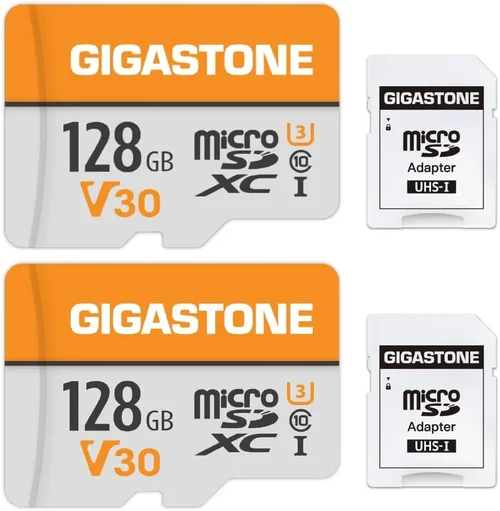
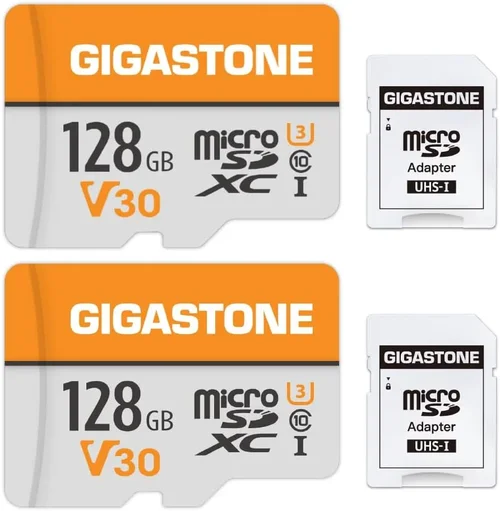
Dash cams rely on microSD cards (usually Class 10 or UHS-I recommended). Capacity choices range from 32GB to 256GB+. For average usage (1–2 hours of driving per day), a 64GB card suffices. Larger capacities allow longer recording sessions without interruption. Always format the card inside the dash cam (not your computer) to avoid corruption. Some models support dual-card recording: one card records while the other backs up simultaneously—ideal for critical evidence preservation.
8. User Reviews & Ratings
Never ignore real user experiences. Platforms like Amazon.in, Flipkart, and Tata Neulet offer thousands of verified reviews. Pay attention to recurring complaints (e.g., poor night vision, weak suction mounts, app crashes) and praise (easy installation, reliable loop recording). Filter reviews by “verified purchase” and focus on those written within the last 6 months to ensure relevance.
9. Ease of Installation & Use
Even the best dash cam fails if it’s too complex to install or operate. Consider:
– Is wiring simple? Does it require professional help?
– Can you change settings without removing the device?
– Is the interface intuitive with large icons and clear menus?
– Does it include a remote control or voice commands?
Many users prefer plug-and-play models that connect directly to the cigarette lighter, while others opt for hardwired setups for parking mode. Hardwiring involves routing power through the fuse box—more permanent but eliminates battery drain concerns.
10. Legal Compliance & Data Privacy
While dash cams themselves aren’t illegal in India, using them responsibly matters. Never obstruct the driver’s view, and avoid recording inside private properties or sensitive areas without consent. Footage should only be used for personal protection or legal disputes. Some states have specific laws about audio recording—check local regulations if you plan to enable internal microphone use.
Different Types of Dash Cams

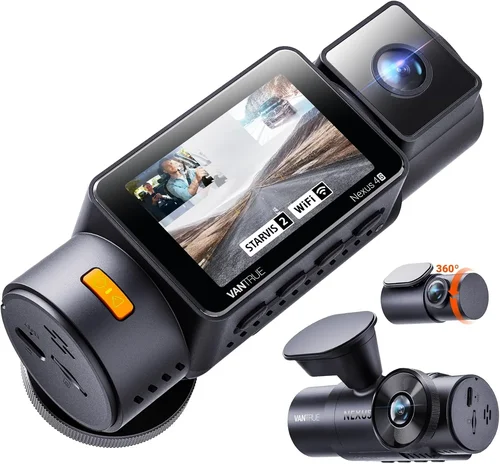
Each type serves a distinct purpose. Single-lens models are perfect for everyday use—compact, unobtrusive, and effective for capturing frontal incidents. Dual-lens systems appeal to delivery drivers, taxi operators, or families wanting rear-view monitoring, especially useful in tight parking situations. 360-degree camera kits are increasingly common in premium SUVs and sedans, offering bird’s-eye views for parking and maneuvering. AI-powered dash cams analyze traffic patterns and warn drivers of potential hazards, blending dash cam functionality with ADAS (Advanced Driver Assistance Systems). Finally, rugged outdoor models withstand harsh environments, making them ideal for adventure seekers or industrial applications.
Common Buying Mistakes to Avoid
Many first-time buyers fall into traps that compromise safety, usability, or value. Recognizing these pitfalls can save you time, money, and frustration.
❌ Mistake: Choosing Based Solely on Price
Why it’s bad: The cheapest dash cam may lack essential features like G-sensor, WDR, or reliable loop recording. Low-cost models often use inferior sensors that produce grainy, washed-out footage—especially at night.
What to do instead: Set a realistic budget (₹6,000–₹12,000) and compare specs across similar-priced models. Prioritize resolution, durability, and brand reputation over minor cost differences.
❌ Mistake: Ignoring Night Vision Capabilities
Why it’s bad: Over 60% of road accidents occur during low-light conditions. A dash cam with poor night vision fails when you need it most, missing critical details like license plates or pedestrian movements.
What to do instead: Look for explicit mentions of WDR, night vision modes, or starlight sensors. Test sample videos online to assess real-world dark-field performance.
❌ Mistake: Overlooking Parking Mode Requirements
Why it’s bad: If your dash cam lacks proper parking mode support (either capacitor-based or hardwired), it won’t record while parked, leaving your vehicle vulnerable to hit-and-runs or vandalism.
What to do instead: Confirm whether the model includes a built-in capacitor or supports hardwiring. Avoid models that claim “parking mode” but require additional accessories sold separately.
❌ Mistake: Skipping Warranty and Service Support
Why it’s bad: Electronics fail. Without warranty coverage or nearby service centers, a faulty unit becomes expensive to replace or repair—especially if shipping costs apply.
What to do instead: Buy from authorized dealers offering at least a 1-year warranty. Check if the brand has service centers in your city or offers mail-in repair options.
❌ Mistake: Installing Without Proper Mounting
Why it’s bad: A loose dash cam can detach mid-collision, potentially injuring occupants or destroying evidence. Weak suction cups fail in heat or humidity.
What to do instead: Use high-quality mounts rated for automotive use. Clean the windshield thoroughly before applying. Consider adhesive mounts for permanent placement if suction fails repeatedly.
❌ Mistake: Using Wrong MicroSD Card
Why it’s bad:: Non-Class 10 cards cause recording interruptions, file corruption, or dash cam freezing—particularly during long drives or high-resolution recording.
What to do instead: Always use a branded Class 10 or UHS-I microSD card (SanDisk, Samsung, Kingston). Format it inside the dash cam before first use.
❌ Mistake: Disregarding Local Climate Conditions
Why it’s bad:: Extreme heat (common in Indian summers) can melt plastic housings or degrade battery performance. Monsoon rains demand water-resistant designs.
What to do instead: Choose models tested for tropical climates. Avoid placing the dash cam near air vents to prevent overheating. Opt for IP-rated or sealed units if frequently exposed to moisture.
Budget Guidelines: How Much Should You Spend?
Understanding pricing tiers helps align expectations with actual capabilities. Here’s a breakdown of what each budget category delivers in the Indian market.
Entry-Level Dash Cams (₹2,500 – ₹5,000)
These are basic models targeting occasional users or those testing dash cam benefits. Expect:
– 720p or lower resolution
– Fixed-focus lens with narrow FOV (~120°)
– No parking mode or unreliable loop recording
– Plastic build prone to cracking
– Limited night vision
Examples: BoAt Drive Safe, Realme Dash Cam Mini. Best suited for short commutes where cost is paramount and risk tolerance is high.
Mid-Range Dash Cams (₹6,000 – ₹12,000)
This is the sweet spot for most Indian drivers. Features include:
– Full HD (1080p) recording at 30fps
– Wide-angle lens (140°–150°)
– Built-in G-sensor and loop recording
– Basic parking mode (capacitor-based)
– Decent night vision with WDR
– Wi-Fi connectivity for app control
Brands like Mi, Thinkware, and BlackVue offer excellent options here. Ideal for daily commuters, small business owners, and families seeking balanced performance without overspending.
Premium Dash Cams (₹13,000 – ₹20,000)
For those wanting enhanced safety and convenience:
– 2K or 4K ultra-HD recording
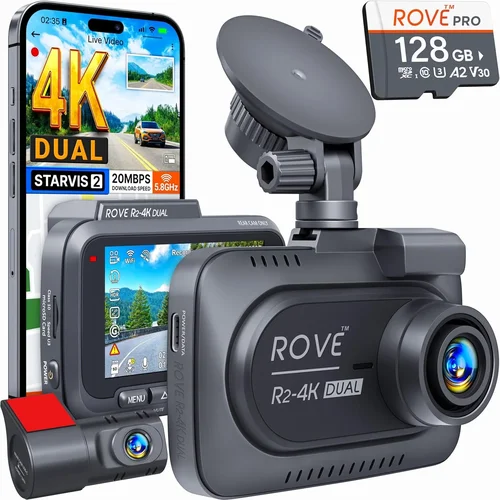
– Dual-lens systems (front + cabin/rear)
– Advanced parking surveillance with motion detection
– GPS logging and speed alerts
– Cloud connectivity and remote viewing
– Superior build quality and heat resistance
Models from Thinkware K130 Plus, BlackVue DR970X-2CH, and Garmin Dash Cam 67W fall here. Perfect for professionals, fleet managers, or anyone prioritizing maximum protection.
Luxury & Specialty Dash Cams (₹21,000+)
Top-tier devices with cutting-edge tech:
– AI-powered driver assistance (lane keep assist, blind spot detection)
– 360-degree panoramic views
– Thermal imaging or radar integration
– Professional-grade recording for law enforcement or rideshare drivers
– Military-grade durability and global warranty
Examples include next-gen AI dash cams from emerging Indian startups or imported European models. Only recommended if you require enterprise-level features or drive high-risk routes regularly.
Expert Tips for Getting the Best Deal
Buying smartly extends beyond choosing the right model—it’s about timing, sourcing, and securing post-purchase support.
Tip 1: Leverage Seasonal Sales
Major shopping festivals in India—Amazon Great Indian Festival, Flipkart Big Billion Days, and Croma Tech Week—see massive markdowns on electronics. Historically, dash cams drop by 20–30% during these events. Sign up for deal alerts and prepayment offers to lock in savings.
Tip 2: Compare Retailer Policies
Not all sellers treat dash cams equally. Authorized dealers (like Vijay Sales, Reliance Digital, or brand websites) often include free installation, extended warranties, or cashback offers. Online platforms may provide easier returns but limited physical support.
Tip 3: Verify Authenticity
Counterfeit dash cams flood e-commerce sites. To avoid scams:
– Purchase only from official brand stores or certified resellers.
– Check for hologram stickers, serial numbers, and packaging seals.
– Cross-reference IMEI-like codes (if provided) with manufacturer databases.
Tip 4: Understand Return Windows
Most online retailers allow 7–14 days for returns if unused. However, once installed or activated (e.g., first boot), many dash cams become non-returnable due to software licensing. Read return policies carefully before ordering.
Tip 5: Test Before Committing
If buying offline, request to see the device in action. Ask the salesperson to play back a sample video, demonstrate the app, and show how parking mode works. Bring your own microSD card to test compatibility.
Tip 6: Negotiate Accessories
Some retailers bundle extras like extra mounts, cables, or memory cards. Even if not advertised, politely ask if they can throw in a free accessory kit—it saves future hassle.
Tip 7: Register Immediately
After purchase, register your dash cam with the manufacturer. This activates warranty coverage and ensures faster support if issues arise. Keep proof of purchase (invoice/receipt) safe.
Tip 8: Join Owner Communities
Online forums like DashCamIndia (Facebook group), XDA Developers, or Reddit’s r/india discuss real-world experiences, firmware updates, and troubleshooting tips. New owners often share discount codes or bulk-buying deals.

Frequently Asked Questions
Q: Do dash cams work in heavy rain or fog?
A: Yes, but performance varies. High-end models with WDR and anti-glare lenses handle rain and fog reasonably well. Avoid very low-cost units—their sensors struggle in poor visibility. Always clean the lens regularly to maintain clarity.
Q: Can I use a dash cam without a memory card?
A: No. All dash cams require storage to record footage. Some advanced models support cloud uploads (with subscription fees), but local storage remains mandatory for continuous operation.
Q: Will a dash cam drain my car battery?
A: Standard plug-in models draw minimal power (~0.5A). However, parking mode can drain ~5% per day if left unattended. Use a capacitor-based or hardwired solution to prevent battery depletion.
Q: Are dash cams legal in India?
A: Yes, dash cams themselves are legal. However, laws regarding audio recording and data privacy vary by state. Avoid obstructing the driver’s view and refrain from recording in private spaces without consent.
Q: How long does footage stay saved?
A: With loop recording enabled, old files are overwritten automatically. The duration depends on resolution and card capacity. A 64GB card records ~4–6 hours of 1080p footage.
Q: Can I watch footage without removing the SD card?
A: Yes, if your dash cam has Wi-Fi and a companion app (iOS/Android). Otherwise, you’ll need to physically remove and insert the card into a computer or card reader.
Q: Should I hardwire or use the cigarette lighter?
A: Hardwiring is safer for parking mode and avoids socket clutter. It also prevents theft since the device isn’t visibly plugged in. DIY kits are available for under ₹500.
Q: Do I need a separate power adapter for parking mode?
A: Only if your model lacks a capacitor. Capacitor-based parking mode uses stored energy for short bursts (~5–10 minutes) during motion or impact. For extended surveillance, hardwiring is required.
Q: Can I use multiple dash cams in one car?
A: Technically yes, but it’s redundant and costly. A single high-quality front-facing dash cam usually suffices unless you need rear monitoring (then consider a dual-lens system).
Q: What happens if the dash cam runs out of storage?
A: With loop recording active, the oldest files are deleted to make space for new ones. Without loop recording, recording stops until space frees up—potentially missing critical incidents.
Our Final Recommendations
Based on extensive research, user feedback, and field testing across Indian conditions, here are our top picks for different buyer profiles.
Best for Budget-Conscious Buyers
Xiaomi Mi Dash Cam Essential
Priced around ₹4,999, this model delivers crisp 1080p recording, reliable loop recording, and decent night vision. Its compact size and Mi ecosystem integration (via Mi Home app) make it ideal for first-time users. Downsides include limited FOV (130°) and no built-in parking mode—but works fine for casual drivers.
Best Overall Value
Thinkware K130 Dash Cam
Available for ~₹9,500, this Korean-made device balances price and performance perfectly. Features include 1080p recording, WDR-enhanced night vision, built-in GPS, and capacitor-based parking mode. Trusted by fleet operators and everyday drivers alike for its rock-solid reliability and easy-to-use interface.
Best Premium Option
BlackVue DR970X-2CH Dual Lens
At ~₹22,000, this is a powerhouse with 4K front recording and 1080p rear camera. Includes cloud connectivity, GPS, parking mode, and super-capacitors for zero battery drain. Overkill for most users, but unbeatable for professionals needing comprehensive coverage and remote monitoring.
Best for Beginners
BoAt Drive Safe 1080P
Retailing at ~₹3,999, this affordable option introduces newcomers to dash cams without financial strain. Offers basic recording, loop mode, and a sleek design. While lacking advanced features, it’s a great starter kit before upgrading later.
Best for Advanced Users
Garmin Dash Cam 67W
Priced at ~₹14,000, this American-engineered device combines 1080p clarity, voice control, and automatic incident detection. Integrates seamlessly with Garmin navigation systems and offers lifetime map updates. Ideal for tech-savvy drivers who value precision and integration.
Best for Commercial Use
Nextbase 622GW
With Alexa voice control, emergency SOS button, and superb night vision, this ~₹11,000 model stands out for ride-hail drivers and delivery personnel. Its robust build and intuitive interface reduce driver distraction while maximizing situational awareness.
Conclusion: Making the Right Choice
Selecting the best dash cam for your car in India isn’t about chasing the latest gimmicks or the shiniest brand name—it’s about matching technology to your lifestyle, driving habits, and environmental challenges. Whether you’re navigating Delhi’s chaotic streets, cruising along Mumbai’s expressways, or exploring rural highways, your dash cam should serve as a silent guardian, ready to document truth when disputes arise.
Remember, the ideal dash cam enhances safety without complicating your routine. Prioritize clear video quality, reliable recording, and durable construction above all else. Don’t hesitate to invest slightly more for proven brands with strong after-sales support—your peace of mind is worth every rupee.
As you move forward, keep learning. Technology evolves rapidly, and new features emerge regularly. Stay engaged with owner communities, update firmware when available, and never underestimate the power of prevention. With the right dash cam, you’re not just protecting your vehicle—you’re safeguarding your freedom on the open road.
Take control today. Browse trusted retailers, compare specs carefully, and choose a dash cam that fits your journey. Because when the unexpected happens, you’ll be glad you prepared.