Best Dash Cam for Cars India Selection Guide
In today’s fast-paced automotive landscape, where road accidents and traffic incidents are unfortunately common, having a reliable dash cam has become more than just a convenience—it’s a necessity. With insurance claims often turning into lengthy legal battles and disputes over fault, having undeniable video evidence can make all the difference in protecting your rights and ensuring fair compensation. This comprehensive buying guide is designed specifically for Indian consumers who want to make an informed decision when purchasing a dash cam for their vehicles. You’ll learn about the critical features that matter most, understand how different models perform under real-world conditions, and discover which options offer the best value for money in the current market.
The Indian dash cam market has experienced explosive growth over the past few years, with consumers increasingly recognizing the importance of having visual proof of events on the road. However, with dozens of brands and models flooding the market, from budget-friendly options to feature-rich premium devices, choosing the right dash cam can be overwhelming. Our expert analysis covers everything from basic recording quality and storage capacity to advanced features like GPS tracking, parking mode, and night vision capabilities. Whether you’re a daily commuter, a long-distance traveler, or someone who simply wants peace of mind while driving, this guide will help you navigate the complex world of dash cams and find the perfect solution for your specific needs.
What makes this guide particularly valuable is its focus on practical considerations that matter most to Indian drivers. We’ve examined how different models perform in India’s unique driving conditions—from heavy monsoon rains and dust storms to chaotic urban traffic and poorly maintained roads. The guide addresses common misconceptions about dash cams, explains technical specifications in simple terms, and provides realistic expectations about what each price point can deliver. By the end of this article, you’ll have a clear understanding of how to evaluate dash cam features, compare different models objectively, and ultimately select a device that offers maximum protection and functionality for your vehicle.

What to Look for When Buying Dash Cams
1. Budget & Price Range
When considering a dash cam purchase, it’s essential to establish a realistic budget based on your specific needs and financial situation. The Indian dash cam market offers products across various price segments, from affordable entry-level options starting around ₹2,000 to premium devices exceeding ₹15,000. Entry-level models typically provide basic 720p recording and essential safety features but may lack advanced functionalities like GPS tracking or superior night vision. Mid-range options (₹4,000-₹8,000) often strike the perfect balance between cost and performance, offering Full HD or even 2K resolution, better build quality, and additional features such as loop recording and motion detection. Premium dash cams (₹8,000-₹15,000+) usually come with 4K recording capabilities, superior image stabilization, built-in GPS, and advanced parking monitoring systems. It’s crucial to remember that while budget is important, investing slightly more in a higher-quality model can provide significantly better reliability and longer service life, making it a smarter long-term investment.
2. Performance Specifications
The heart of any dash cam lies in its performance capabilities, primarily determined by resolution, frame rate, and sensor technology. Resolution refers to the number of pixels captured per frame, with Full HD (1920×1080) being the minimum recommended standard for clear license plate recognition and incident documentation. Higher resolutions like 2K (2560×1440) or 4K (3840×2160) provide exceptional detail but require more storage space and processing power. Frame rate, measured in frames per second (fps), affects motion smoothness and clarity during fast-moving scenarios; 30fps is standard, while 60fps is ideal for capturing detailed action sequences. Equally important is the camera sensor type—CMOS sensors are most common and offer good performance at reasonable costs, while Starvis sensors excel in low-light conditions and provide superior night vision capabilities. Additionally, consider the field of view (FOV), typically ranging from 120° to 170°, with wider angles providing broader coverage but potentially distorting images at the edges. Understanding these technical specifications helps ensure you select a dash cam that delivers clear, reliable footage under various driving conditions.
3. Build Quality & Durability
Given the harsh environmental conditions Indian roads often present, build quality and durability should never be overlooked when selecting a dash cam. A robust construction ensures the device withstands extreme temperatures, heavy monsoon rains, intense sunlight, and the constant vibrations encountered during daily driving. Look for dash cams made from high-grade materials with reinforced casing that can resist impacts and accidental drops. The lens should feature scratch-resistant glass to maintain optical clarity over time, while the internal components must be well-sealed against moisture and dust ingress. Temperature tolerance is another critical factor—devices capable of operating in both scorching summer heat (up to 60°C+) and freezing winter conditions provide consistent performance year-round. Additionally, consider the mounting system’s stability; a secure adhesive mount or robust suction cup should remain firmly attached through sudden braking, potholes, or rough road surfaces. Investing in a durable dash cam means fewer maintenance issues and longer device lifespan, ultimately providing better value for money and peace of mind during critical situations.
4. Features & Functionality
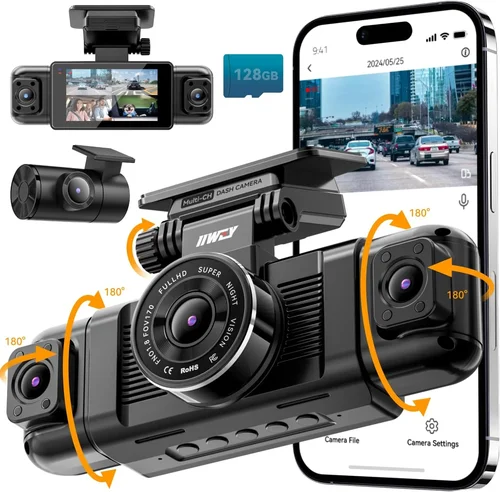
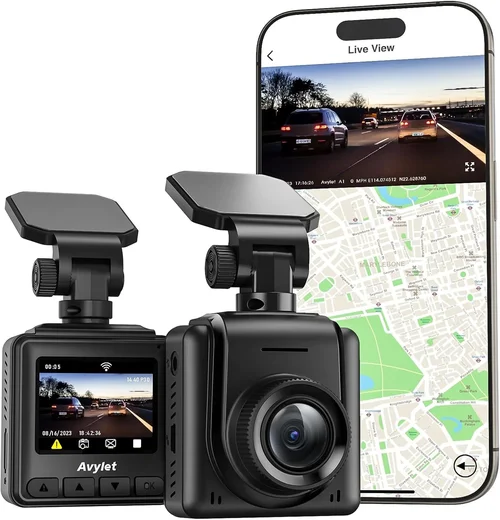
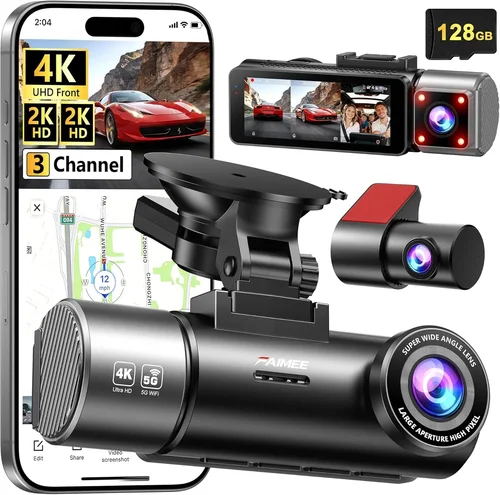
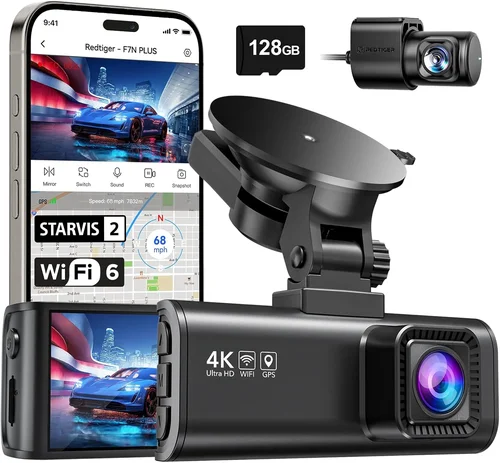
Modern dash cams offer numerous features that enhance their utility beyond basic recording capabilities. One of the most valuable additions is GPS tracking, which records location data and speed alongside video footage, creating comprehensive incident reports. Built-in Wi-Fi enables wireless file transfer to smartphones for quick review and sharing, while cloud connectivity allows remote access and backup of important recordings. Advanced models include G-sensor technology that automatically detects collisions and locks relevant footage to prevent accidental deletion, plus parking mode that continues monitoring when the vehicle is turned off using battery backup. Other noteworthy features include voice commands for hands-free operation, driver assistance functions like lane departure warnings, and intelligent emergency recording that captures moments before impact. Some premium dash cams also offer dual-camera setups with separate front and rear units for complete coverage of your vehicle’s surroundings. When evaluating features, prioritize those that align with your specific driving patterns and safety requirements, as excessive functionality can sometimes complicate operation or increase costs unnecessarily.
5. Brand Reputation
The brand behind your dash cam plays a significant role in determining product reliability, customer support quality, and overall user experience. Established brands with a strong presence in the Indian market typically offer better after-sales service, genuine spare parts availability, and responsive technical support. Research manufacturer reputation by examining customer reviews, checking warranty terms, and verifying authorized service center networks across major cities. Well-known international brands like Garmin, Blackvue, and Nextbase often have proven track records in producing reliable electronics, though they may come with premium pricing. Indian brands such as Redtiger, Viofo, and Rexing have gained popularity for offering excellent value propositions with competitive pricing and localized support. Consider factors like product return policies, online community forums, and user testimonials when assessing brand credibility. A reputable manufacturer is more likely to honor warranties, provide timely software updates, and address technical issues efficiently, all contributing to a smoother ownership experience.
6. Warranty & Support
A comprehensive warranty and accessible customer support system can save considerable headaches and expenses in case of malfunctions or defects. Most reliable dash cam manufacturers offer at least a one-year warranty covering manufacturing defects, with some extending coverage up to three years for premium models. Check whether the warranty includes both hardware and software components, and verify if it’s transferable in case you sell your vehicle. Customer support quality varies significantly between brands—some offer 24/7 helplines, while others rely solely on email support with delayed responses. Online resources like user manuals, troubleshooting guides, and video tutorials can greatly enhance the ownership experience. Additionally, consider the availability of firmware updates, as regular software improvements often enhance functionality and fix known issues. For Indian buyers, having local service centers or authorized repair points within reasonable travel distance is invaluable for quick repairs and maintenance. Always read the fine print regarding warranty exclusions, especially for damage caused by improper installation or environmental factors beyond normal use.
7. Size & Portability
While dash cams are primarily designed for permanent installation, size and portability considerations can influence your choice depending on usage patterns and vehicle type. Compact models measuring around 10cm x 5cm x 2cm are ideal for discreet installation and easy concealment, while larger devices might be necessary for accommodating additional features like dual cameras or bigger screens. Portability matters if you plan to transfer the dash cam between vehicles or need to remove it frequently for security reasons. Slim designs generally cause less distraction to drivers and take up minimal dashboard space, reducing visual clutter. However, smaller units may have limitations in cooling capacity due to reduced internal volume, potentially affecting long-term performance during extended hot weather conditions. Consider the mounting mechanism as well—some compact models use strong adhesive mounts that create permanent installations, while others employ removable suction cups allowing flexible repositioning. Balance between discreetness, feature richness, and ease of removal based on your specific requirements and driving habits.
8. User Reviews & Ratings
Real-world user experiences provide invaluable insights that specifications alone cannot convey about a dash cam’s performance under actual driving conditions. Online platforms like Amazon India, Flipkart, and dedicated tech forums host thousands of customer reviews that highlight pros, cons, and potential issues not always apparent from marketing materials. Pay attention to recent reviews rather than relying solely on initial impressions, as later feedback often reveals long-term reliability concerns or durability problems. Look for patterns in complaints—recurring issues about overheating, poor night vision, or connectivity problems suggest systemic quality control issues. Positive reviews emphasizing consistent performance, ease of use, and effective customer support indicate reliable products worth considering. Cross-reference multiple sources including YouTube reviews from trusted tech reviewers who conduct thorough testing procedures. Be cautious of fake reviews or overly promotional content that lacks balanced perspective. Ultimately, user feedback serves as a reality check against manufacturer claims and helps identify models that genuinely deliver on their promises in everyday use.
Different Types of Dash Cams

Common Buying Mistakes to Avoid
❌ Mistake: Choosing Based Solely on Lowest Price
Why it’s bad: Opting for the cheapest available dash cam often results in disappointment due to subpar build quality, poor image resolution, unreliable performance, and frequent malfunctions. Low-priced models frequently compromise on essential components like sensor quality, lens coating, and internal circuitry, leading to blurry footage, overheating issues, or complete failure within months.
What to do instead: Instead of focusing exclusively on price, evaluate the overall value proposition by comparing features, build quality, and brand reputation across similar-priced alternatives. Look for models that balance affordability with essential performance specifications and positive user feedback. Remember that investing slightly more upfront in a reliable device saves money in the long run by avoiding replacements and providing better protection.
❌ Mistake: Ignoring Storage Requirements
Why it’s bad: Many buyers overlook the importance of adequate storage capacity, assuming that dash cams automatically manage files efficiently. In reality, insufficient storage leads to continuous overwrite of recent footage before critical incidents occur, defeating the primary purpose of having a dash cam. Additionally, improper storage management can result in lost evidence during insurance claims or legal proceedings.
What to do instead: Calculate your required storage based on recording resolution, desired retention period, and typical driving frequency. For example, a Full HD dash cam recording continuously might fill a 64GB card in approximately 2-3 days. Consider using high-quality microSD cards from reputable brands (SanDisk, Samsung, Kingston) with Class 10 speed ratings. Implement regular backup routines to external drives or cloud storage for important clips, and familiarize yourself with loop recording settings to optimize card usage.
❌ Mistake: Overlooking Installation Complexity
Why it’s bad: Assuming all dash cams install easily without considering wiring requirements can lead to messy installations, improper connections, or damage to vehicle electronics. Complex wiring setups involving hardwiring to the fuse box require technical knowledge and special tools, while incorrect installation can void warranties or create fire hazards.
What to do instead: Assess your comfort level with automotive electrical systems before purchasing. For beginners, opt for models with simple plug-and-play installations using existing cigarette lighter ports or magnetic mounts. If planning hardwire installations, choose dash cams with clear instructions and consider professional assistance. Always disconnect the vehicle battery before beginning electrical work and follow manufacturer guidelines precisely.
❌ Mistake: Neglecting Night Vision Capabilities
Why it’s bad: Daytime recording quality is relatively straightforward to assess, but many buyers fail to consider how well their chosen dash cam performs in low-light conditions. Poor night vision results in grainy, unusable footage during evening commutes, accident investigations at dawn or dusk, or incidents occurring after dark—times when visual evidence is most crucial.
What to do instead: Prioritize dash cams with specialized low-light sensors like Sony Starvis or Exmor R CMOS technology, which significantly improve image clarity in dark environments. Look for features such as HDR (High Dynamic Range) processing that balances bright headlights with darker road surfaces, and consider models with manual exposure controls for optimal nighttime adjustment.
❌ Mistake: Underestimating Parking Mode Limitations
Why it’s bad: While parking mode sounds beneficial for monitoring parked vehicles, many budget dash cams either don’t include this feature or implement it poorly. Inadequate battery management can drain car batteries excessively during extended periods away from home, leaving you stranded when needed most.
What to do instead: Verify that parking mode implementations include smart battery cutoff systems that automatically shut down recording when battery levels reach critical thresholds. Consider dash cams with capacitor-based power supplies instead of lithium batteries for better temperature resilience and longer operational life during parking surveillance.
❌ Mistake: Failing to Test Before Committing
Why it’s bad: Purchasing dash cams based solely on online descriptions without hands-on testing risks receiving devices that don’t meet expectations regarding usability, interface intuitiveness, or actual performance under Indian driving conditions including monsoon rains and dusty roads.
What to do instead: Whenever possible, test dash cam interfaces and basic functions before finalizing purchases. Visit physical stores to examine button layouts, menu navigation, and screen visibility in different lighting conditions. Watch unboxing videos and user experience demonstrations on platforms like YouTube to assess real-world handling and operation ease before committing to expensive investments.
Budget Guidelines: How Much Should You Spend?
Entry-Level Options (₹2,000 – ₹4,000)
For budget-conscious buyers seeking essential protection without breaking the bank, entry-level dash cams offer basic functionality at affordable prices. These models typically provide 720p or early Full HD recording sufficient for license plate identification in most daylight conditions. While lacking advanced features like GPS tracking or superior night vision, entry-level options deliver reliable performance for daily commuting and short-distance travels. Key characteristics include compact designs, simple single-camera setups, and straightforward operation suitable for beginners. Popular choices in this range often feature loop recording, motion detection, and G-sensor collision alerts. However, be prepared for compromises regarding build quality, image stabilization, and long-term reliability. These dash cams serve best for occasional drivers or those testing dash cam functionality before upgrading to higher-tier models. Remember that while cost savings are appealing initially, investing slightly more in mid-range alternatives often provides significantly better value through improved durability and enhanced features that justify the incremental expense.
Mid-Range Options (₹4,000 – ₹8,000)
The sweet spot for most Indian drivers, mid-range dash cams combine affordability with substantial improvements in performance and functionality. This category represents the optimal balance between cost and capability, offering Full HD recording at smooth frame rates, better low-light sensitivity, and more robust construction materials. Models in this price segment typically include essential safety features like GPS logging, Wi-Fi connectivity for smartphone integration, and improved parking mode implementations with smart battery management. Build quality noticeably improves compared to budget options, with better sealing against moisture and dust ingress suitable for India’s varied weather conditions. Dual-camera setups become more accessible in this range, providing front and rear coverage for comprehensive vehicle monitoring. User interfaces become more intuitive with larger displays and clearer menus, while advanced features like voice commands and cloud backup options start appearing. For regular commuters, business travelers, and families seeking reliable protection without overspending, mid-range dash cams deliver exceptional value with minimal trade-offs. This tier represents where most discerning buyers find their ideal match between price, performance, and feature richness.
Premium Options (₹8,000 – ₹15,000)
For enthusiasts and professionals requiring top-tier performance and cutting-edge technology, premium dash cams deliver exceptional recording quality and advanced functionality. These high-end models typically feature 2K or even 4K resolution recording with superior image stabilization and HDR processing for crystal-clear footage in challenging lighting conditions. Advanced sensor technologies like Sony Starvis provide outstanding night vision capabilities far surpassing conventional CMOS sensors, making them indispensable for evening commutes and accident investigations. Premium dash cams often include sophisticated parking surveillance systems with impact detection, extended battery life management, and comprehensive cloud connectivity for remote monitoring and file backup. Additional features may encompass driver assistance systems, AI-powered object recognition, and multi-camera synchronization for complete vehicle coverage. Build quality reaches industrial standards with military-grade materials, extensive temperature tolerances, and rigorous testing protocols ensuring reliability under extreme conditions. While representing a significant investment, premium dash cams offer peace of mind through unmatched protection capabilities and future-proof technology that justifies their higher price points for serious users who demand excellence.
Luxury Options (₹15,000+)
At the highest end of the spectrum, luxury dash cams represent the pinnacle of automotive recording technology with ultra-premium features and professional-grade capabilities. These exclusive devices often incorporate 360-degree panoramic recording, AI-enhanced analytics, and sophisticated driver monitoring systems that go beyond traditional dash cam functions. Luxury models may feature multiple synchronized cameras with overlapping fields of view, providing complete environmental awareness around the vehicle. Advanced processing algorithms enable real-time incident detection, automatic emergency response notifications, and predictive safety analytics that could potentially prevent accidents. Materials and craftsmanship reach artisanal levels with hand-selected components, custom-designed housings, and bespoke finishing touches that transform these devices into statement pieces as much as functional safety equipment. While primarily targeting luxury vehicle owners, professional drivers, and safety-conscious individuals, luxury dash cams offer unparalleled protection and technological sophistication. The steep price points reflect not only advanced hardware but also exclusive software ecosystems, priority customer support, and limited-edition designs that combine cutting-edge technology with premium aesthetics for those who refuse to compromise on quality or innovation.
Expert Tips for Getting the Best Deal
Frequently Asked Questions
Q: Do I really need a dash cam in India?
A: Yes, dash cams have become increasingly important in India for several compelling reasons. They provide irrefutable evidence during insurance claim disputes, protect against false accusations in hit-and-run incidents, document evidence of poor road conditions or pothole damage, and serve as deterrents against fraudulent claims. Given the complexity of traffic laws and the prevalence of road rage incidents, having visual documentation significantly strengthens your position in any vehicular dispute or legal proceeding.
Q: What resolution should I choose for my dash cam?
A: For most Indian drivers, Full HD (1920×1080) resolution strikes the perfect balance between clarity and storage efficiency. This resolution provides excellent license plate recognition and sufficient detail for accident documentation while managing file sizes reasonably well. If budget allows, consider 2K recording for enhanced detail, but recognize that 4K models consume significantly more storage and may not offer proportional benefits for typical driving scenarios in India.
Q: How much storage space do I actually need?
A: Storage requirements depend heavily on your recording settings and usage patterns. A conservative estimate suggests 32-64GB microSD cards for most users, providing 1-2 days of continuous Full HD recording. However, consider your specific needs: urban commuters with frequent stops might benefit from shorter retention periods, while long-distance travelers or commercial vehicle operators may require larger capacities. Always pair dash cams with high-quality cards from reputable brands (SanDisk, Samsung) rated for continuous write operations.
Q: Can dash cams drain my car battery?
A: Modern dash cams are designed with intelligent power management systems that minimize battery drain. However, parking mode functionality—especially when enabled for extended periods—can contribute to battery depletion if not properly configured. Most quality dash cams include automatic shutdown features that activate when battery voltage drops below safe thresholds, preventing excessive drainage while maintaining essential protection during short absences.
Q: Are dash cams legal to use in India?
A: Yes, dash cams are completely legal throughout India as they serve as recording devices rather than surveillance equipment. The Ministry of Road Transport and Highways permits dash cam usage for personal protection and evidence collection purposes. However, drivers should avoid obstructing their view of the road or distracting themselves with excessive monitoring of recorded footage while driving.
Q: How should I install my dash cam?
A: Installation difficulty varies by model complexity. Simple magnetic or suction mount options can be installed within minutes using basic tools, while hardwire installations require automotive electrical knowledge or professional assistance. Always ensure the mounting position doesn’t interfere with airbag deployment zones, and secure all cables neatly to prevent interference with vehicle controls or create trip hazards.
Q: Will my dash cam record in rain or foggy conditions?
A: Quality dash cams equipped with proper lens coatings and image processing algorithms perform remarkably well in adverse weather conditions including light rain and moderate fog. However, extremely heavy rainfall or dense fog may temporarily reduce visibility. Most modern dash cams include features like HDR processing that help balance bright reflections from wet roads with darker areas, maintaining usable footage even during challenging meteorological conditions.
Q: Can I transfer recordings to my smartphone?
A: Many contemporary dash cams offer wireless connectivity through built-in Wi-Fi or Bluetooth pairing with companion mobile applications. This feature enables effortless transfer of footage to smartphones for immediate sharing, backup purposes, or quick review without removing memory cards. Ensure your chosen model supports the latest Wi-Fi standards (802.11ac or newer) for faster transfer speeds and more stable connections.
Our Final Recommendations
For budget-conscious buyers seeking essential protection without overspending, the Redtiger F70 stands out as an excellent choice within the ₹3,000-₹4,000 price range. This compact dash cam delivers reliable Full HD recording with impressive night vision capabilities thanks to its Sony Starvis sensor technology. Its slim profile ensures discreet installation while the intuitive interface makes operation straightforward for first-time users. The F70 includes essential safety features like G-sensor collision detection and loop recording, providing solid protection for daily commuters who want reliable evidence capture without complicated setup processes.
If you’re looking for the best overall value proposition combining performance, features, and build quality, the Viofo A119 V3 deserves serious consideration within the ₹6,000-₹8,000 range. This premium dash cam features 2K resolution recording with exceptional image stabilization and HDR processing that maintains clarity in challenging lighting conditions. Its dual-band Wi-Fi connectivity enables seamless smartphone integration, while the robust aluminum alloy housing ensures durability against India’s demanding road conditions. Advanced features include parking mode with impact detection, built-in GPS logging, and intelligent emergency recording that automatically captures moments before collisions occur, making it ideal for discerning drivers who demand comprehensive protection.
For those willing to invest in top-tier technology and uncompromising performance, the Blackvue DR900X-2CH represents the pinnacle of dash cam engineering within the ₹12,000-₹15,000 premium segment. This dual-channel system delivers simultaneous 2K front and Full HD rear recording with superior low-light sensitivity and advanced noise reduction algorithms. Its cloud connectivity features allow remote monitoring and file management through the Blackvue app, while the built-in LTE module provides cellular backup when Wi-Fi isn’t available. Professional-grade build quality includes military-standard materials, extensive temperature tolerance, and sophisticated driver assistance functions that make this model perfect for commercial fleet operators and safety-conscious luxury vehicle owners seeking ultimate protection.
Beginners entering the dash cam ecosystem should consider the Nextbase 522GW, which offers an exceptional introduction to advanced features within the ₹7,000-₹9,000 range. Its intuitive interface, responsive touchscreen display, and voice control capabilities simplify operation for newcomers while delivering impressive 1080p recording quality with emergency event detection. The inclusion of Alexa voice assistant integration adds modern convenience, while the robust build quality and reliable performance ensure satisfaction throughout the learning curve. This model strikes an ideal balance between approachability and capability for first-time dash cam purchasers transitioning from traditional automotive accessories.
Advanced users requiring specialized functionality and maximum flexibility will appreciate the Garmin Dashcam Mini within the ₹10,000-₹12,000 range. This ultra-compact device packs surprising power into a minimal footprint, featuring 1440p recording with advanced image stabilization and intelligent incident detection algorithms. Its compact design ensures unobtrusive installation while the built-in GPS provides accurate location tracking and speed logging for comprehensive trip documentation. The Garmin ecosystem integration allows seamless connection with compatible smartphones and other Garmin devices, creating a unified safety network that appeals to tech-savvy drivers who value both performance and discretion.
Conclusion: Making the Right Choice
Selecting the ideal dash cam for your vehicle involves careful consideration of multiple interconnected factors including your budget constraints, driving patterns, technical requirements, and long-term expectations. Rather than focusing exclusively on price points or flashy features, successful dash cam selection prioritizes reliable performance, practical functionality, and sustainable value over time. Remember that your chosen device will serve as your primary defense during potentially stressful traffic incidents, making quality and dependability paramount considerations.
The Indian market offers diverse options spanning every conceivable need and budget range, from essential protection for casual drivers to professional-grade systems for commercial operations. By understanding how different specifications translate into real-world benefits—such as improved night vision capabilities enhancing safety during evening commutes or GPS tracking providing comprehensive trip documentation—you can make informed decisions aligned with your specific circumstances rather than being swayed by marketing hype or superficial specifications.
Ultimately, the best dash cam for you combines appropriate technology levels with practical usability, reliable build quality, and accessible support systems. Whether you choose a budget-friendly option that meets basic requirements or invest in premium features for enhanced protection, ensure your selection reflects genuine needs rather than perceived necessities. Regular maintenance practices including periodic file backups, memory card checks, and software updates will maximize your dash cam’s effectiveness and longevity, ensuring continued protection throughout its service life.
As road safety remains a pressing concern in India’s rapidly expanding transportation infrastructure, dash cams represent valuable investments that offer tangible benefits beyond mere convenience. They provide peace of mind during daily commutes, strengthen your position in insurance disputes, and contribute to safer driving behaviors through increased awareness of surrounding traffic dynamics. By approaching your selection process thoughtfully and prioritizing features that genuinely enhance your driving experience, you’ll find a dash cam that serves as both practical safety equipment and reassuring companion on your journeys across the diverse landscapes of India.