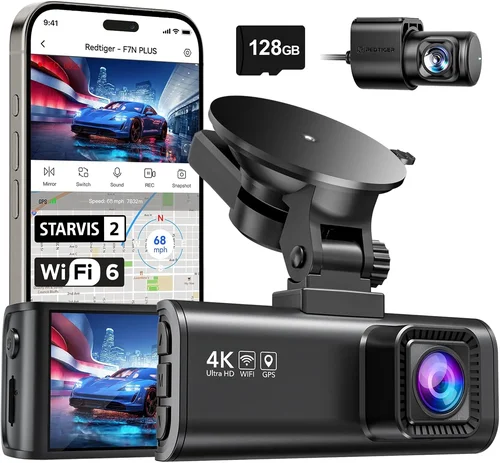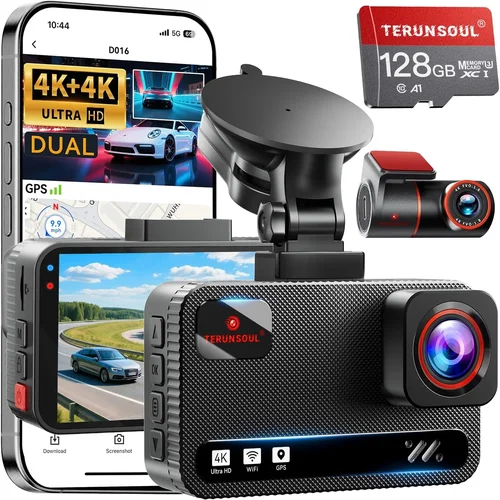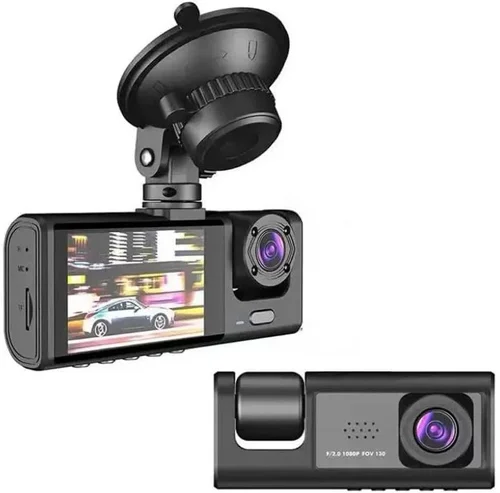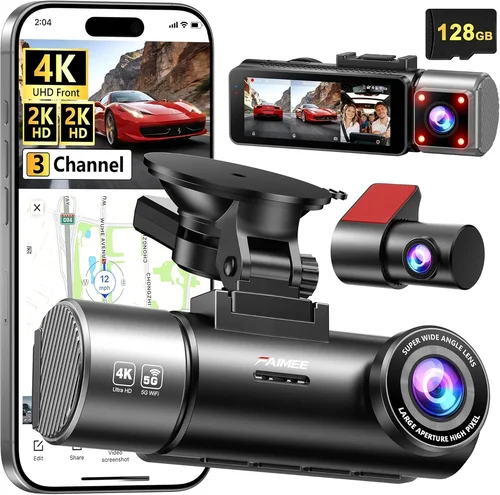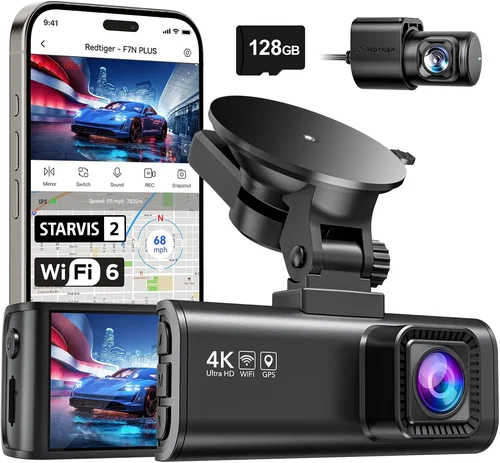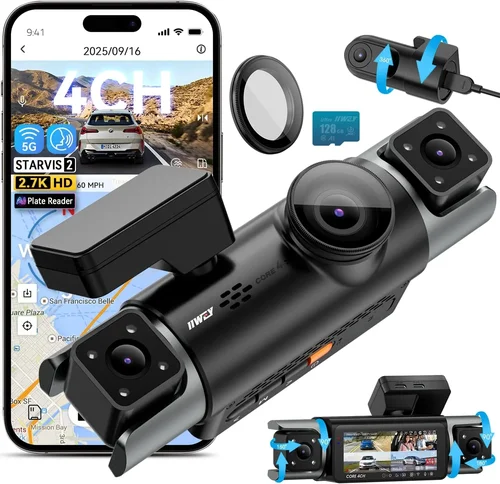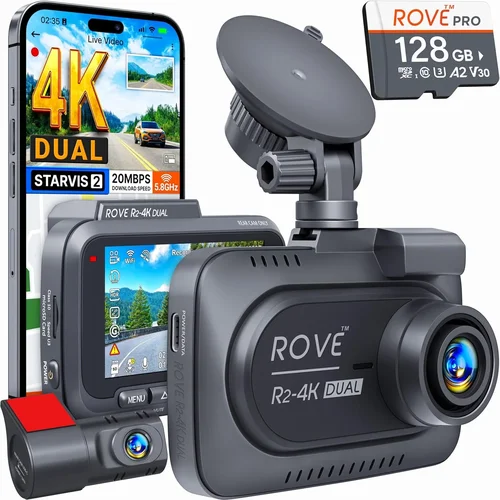
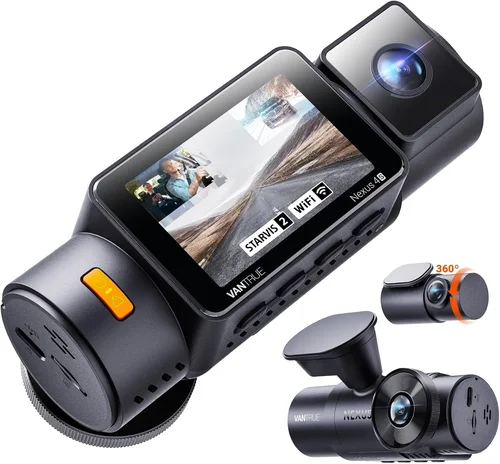
Best Dash Cam Buying Guide
The dash cam market has exploded in recent years, transforming from a niche automotive accessory into an essential safety tool for drivers worldwide. What was once considered an optional luxury for commercial vehicles has become increasingly popular among everyday motorists seeking peace of mind on the road. This comprehensive buying guide will walk you through everything you need to know about selecting the best dash cam for your vehicle and driving needs.
Whether you’re concerned about insurance claims, documenting potential hit-and-runs, or simply want to record your journeys for personal documentation, choosing the right dash cam requires careful consideration of multiple factors. This guide will help you navigate through the overwhelming array of options available today, ensuring you make an informed decision that matches your specific requirements and budget constraints.
From understanding fundamental technical specifications to recognizing common purchasing pitfalls, this article covers all aspects of dash cam selection. We’ll explore different types of devices, examine real-world performance scenarios, and provide expert insights based on extensive research and testing. By the end of this guide, you’ll have the knowledge needed to confidently select a dash cam that delivers reliable performance when you need it most.
What makes a dash cam truly effective goes beyond just capturing video footage. The ideal device should offer seamless operation, robust build quality, and intelligent features that work together to provide comprehensive protection and documentation capabilities. As technology continues to advance, modern dash cams now include sophisticated capabilities like GPS tracking, Wi-Fi connectivity, parking mode monitoring, and advanced driver assistance systems integration.
The market today offers dash cams ranging from basic single-camera setups to multi-camera systems with professional-grade recording capabilities. Understanding these differences and how they align with your specific needs is crucial for making the right investment. This guide will break down each category’s advantages and limitations, helping you identify which type best suits your driving habits and vehicle configuration.
## What to Look for When Buying Dash Cams
### Budget & Price Range
When considering a dash cam purchase, establishing a realistic budget upfront can significantly narrow your options while ensuring you get the best value for your investment. Dash cams are available across a broad price spectrum, typically ranging from under $50 for entry-level models to several hundred dollars for premium systems with advanced features.
Entry-level dash cams ($30-$70) typically offer basic functionality including Full HD recording, loop recording, and motion detection. These models are perfect for occasional drivers who primarily want to document incidents without needing advanced features. While they may lack some premium capabilities, they still provide reliable performance for everyday use and basic insurance protection.
Mid-range dash cams ($80-$150) represent the sweet spot for most buyers, offering excellent value with improved image quality, enhanced durability, and additional smart features. These devices often include GPS tracking, built-in Wi-Fi for easy file transfer, G-sensor impact detection, and sometimes even voice control capabilities. The increased price point generally translates to better build quality, more reliable performance, and longer product lifespans.
Premium dash cams ($150-$250) target serious drivers and professionals who require top-tier performance and maximum reliability. These systems typically feature superior sensors, higher resolution recording (4K), wider field of view, enhanced low-light performance, and advanced stabilization technology. Many premium models also offer dual-camera configurations, cloud connectivity, and sophisticated parking monitoring systems.
Luxury dash cams ($250+) represent the pinnacle of consumer dash cam technology, featuring professional-grade components and cutting-edge capabilities. These systems often include multiple cameras, AI-powered object detection, thermal imaging, and integration with existing vehicle systems. While not necessary for casual drivers, luxury models appeal to automotive enthusiasts, fleet managers, and those requiring maximum documentation capabilities.
It’s important to remember that price doesn’t always correlate directly with quality. Some mid-range models can outperform more expensive units if they offer better sensor technology or more efficient processing capabilities. Always consider what features matter most to you rather than simply aiming for the highest-priced option.
### Performance Specifications
The core performance specifications of a dash cam determine its ability to capture clear, usable footage under various conditions. These technical details directly impact the device’s effectiveness in real-world scenarios and should be carefully evaluated before making a purchase decision.
Resolution and video quality represent the foundation of any dash cam’s performance capabilities. Most modern dash cams offer at least 1080p Full HD recording, but higher resolutions like 2K and 4K provide significantly improved detail and clarity. Higher resolution means more pixels per frame, resulting in crisper images that can reveal important details like license plates or facial features.
Frame rate is another critical specification that affects video smoothness and detail retention. Standard frame rates range from 24fps to 60fps, with higher frame rates capturing more motion detail during fast-moving scenes. For accident documentation, a minimum of 30fps is recommended, while 60fps provides optimal performance for capturing rapid movements and detailed incident sequences.
Field of view (FOV) determines how much of the road ahead and surrounding environment the dash cam can capture simultaneously. Typical FOV ranges from 90 degrees for narrow views to 170 degrees for ultra-wide perspectives. A wider field of view captures more of the scene but may introduce distortion at the edges. Most dash cams offer adjustable FOV settings to balance coverage with image quality.
Low-light performance is crucial since many incidents occur during dawn, dusk, or nighttime driving. Look for dash cams with large aperture lenses (f/1.8 or lower), excellent noise reduction algorithms, and specialized night vision modes. Some advanced models include infrared LEDs for true nighttime recording capabilities.
Storage capacity and format compatibility are equally important considerations. Most dash cams use microSD cards ranging from 32GB to 256GB, with larger capacities allowing longer recording sessions. Ensure the dash cam supports your preferred card format (typically Class 10 or UHS-I/UHS-II) and offers automatic loop recording to continuously overwrite old footage.
Additional performance features like dynamic range optimization, HDR (High Dynamic Range) processing, and electronic image stabilization significantly improve video quality in challenging lighting conditions and during sudden movements.
### Build Quality & Durability
The physical construction and durability of a dash cam directly affect its reliability and lifespan, especially given the harsh operating conditions inside a vehicle. A well-built dash cam should withstand extreme temperatures, vibrations, and exposure to sunlight without compromising performance or data integrity.
Heat resistance is particularly important since dash cams are typically mounted on the windshield where they’re exposed to direct sunlight and high interior temperatures. Look for devices rated for operation between -4°F to 140°F (-20°C to 60°C) and made with heat-resistant materials that won’t degrade over time. Some premium models include cooling systems or heat-dissipating designs to maintain optimal operating temperatures.
Vibration resistance ensures the dash cam remains securely mounted and functional despite engine vibrations and road imperfections. Quality mounting systems with shock-absorbing materials and secure attachment mechanisms prevent dislodgement and maintain consistent positioning throughout extended drives.
Water and dust resistance ratings (IP ratings) indicate how well the device protects against environmental elements. While most dash cams don’t require waterproof construction, good sealing around buttons, ports, and internal components prevents moisture intrusion during car washes or unexpected weather events.
The mounting system itself deserves special attention as it determines how securely the dash cam stays in place. Windshield-mounted units require adhesive mounts or suction cups that maintain their grip despite temperature fluctuations and vehicle movement. Roof-mounted systems need sturdy brackets capable of supporting the device’s weight and resisting wind forces at highway speeds.
Internal component quality affects long-term reliability as well. High-quality capacitors and solid-state storage (instead of mechanical hard drives) ensure consistent performance and data integrity during power interruptions or sudden impacts. Premium models often include redundant power supplies and fail-safe recording mechanisms to protect footage during electrical issues.
Build materials should feel substantial and well-constructed, with no loose parts or cheap plastic components that might break under stress. The housing should resist cracking, fading, or discoloration from UV exposure while maintaining a clean appearance over years of use.
### Features & Functionality
Modern dash cams offer far more than simple video recording capabilities. Advanced features significantly enhance usability, reliability, and overall value by providing additional functionality beyond basic documentation needs.
GPS tracking adds valuable context to recorded footage by embedding location, speed, and direction data into video files. This information proves invaluable for accident reconstruction, speed verification, and creating detailed travel logs. Most dash cams with GPS include software for mapping routes and analyzing driving patterns.
Wi-Fi connectivity enables wireless file transfer, live viewing, and remote configuration through smartphone apps. This feature simplifies accessing and sharing footage without physically removing memory cards and allows for convenient firmware updates and settings adjustments on the go.
G-sensor technology automatically detects impacts and locks current footage to prevent accidental deletion during loop recording. Sensitivity levels can usually be adjusted to distinguish between minor bumps and significant collisions, ensuring critical evidence isn’t lost while minimizing false positives from routine driving maneuvers.
Parking mode monitoring provides security when your vehicle is unattended by detecting motion or impact and automatically recording. These systems typically draw minimal power and include battery-saving features to prevent draining your car’s main battery during extended periods of monitoring.
Voice control capabilities allow hands-free operation of key functions like starting/stopping recording, locking files, or accessing menus. This feature enhances safety by reducing driver distraction and enabling convenient operation during complex situations.
Loop recording automatically overwrites oldest footage when storage fills up, ensuring continuous recording without manual intervention. Some advanced models offer intelligent loop recording that prioritizes recent events or only records when motion is detected, optimizing storage usage and battery consumption.
Built-in microphones capture audio commentary and ambient sounds, providing additional context to visual recordings. While privacy concerns exist regarding audio recording, many jurisdictions permit dash cam audio recording for legitimate safety and documentation purposes.
Emergency backup power protects against sudden power failures by using internal batteries to complete current recording cycles and safely shut down the device. This feature prevents corrupted files and ensures critical footage isn’t lost during electrical issues or accidents.
Advanced driver assistance systems (ADAS) integration includes features like lane departure warnings, forward collision alerts, and speed limit indicators that overlay onto video recording. These systems provide real-time safety feedback while simultaneously documenting driving conditions.
Cloud connectivity enables automatic upload and backup of footage to online storage services, providing additional protection against device theft or damage. Some premium systems offer encrypted cloud storage with unlimited bandwidth and remote access capabilities.
### Brand Reputation
Choosing a reputable brand significantly reduces the risk of purchasing a subpar product and ensures access to reliable customer support and warranty service. Established manufacturers typically invest more in quality control, research and development, and customer satisfaction initiatives.
Industry-leading brands like Garmin, BlackVue, Thinkware, Viofo, and Nextbase have built strong reputations through consistent product quality and innovative feature development. These companies typically offer comprehensive warranties, responsive customer service, and regular firmware updates to keep devices current with technological advances.
Newer entrants to the dash cam market may offer competitive pricing and innovative features, but they often lack the proven track record and established support infrastructure of industry veterans. While some startups deliver excellent products, they may struggle with long-term reliability and customer service responsiveness.
When evaluating brand reputation, consider factors beyond marketing claims and website presentation. Look for independent reviews, third-party testing results, and user feedback across multiple platforms. Consumer Reports, CNET, Wirecutter, and Amazon customer reviews provide valuable insights into real-world performance and reliability.
Brand longevity matters because established companies are more likely to honor warranties and continue supporting products with software updates and compatibility improvements. A company that’s been in business for several years demonstrates stability and commitment to customer satisfaction.
Customer service responsiveness represents another crucial aspect of brand reputation. Quick response times, knowledgeable support staff, and straightforward warranty processes make a significant difference when issues arise. Contacting customer service before purchasing can provide insight into their support capabilities and policies.
Community presence and developer engagement also indicate brand strength. Active forums, user communities, and open communication channels suggest companies that value customer input and foster collaborative problem-solving environments.
While brand reputation shouldn’t be the sole deciding factor, it provides important context when comparing similar products. A lesser-known brand might offer slightly better specifications at a lower price, but the trade-off could be inferior reliability or inadequate customer support.
### Warranty & Support
Comprehensive warranty coverage and accessible customer support provide peace of mind and protect your investment against manufacturing defects or unexpected failures. Understanding warranty terms and support availability before purchasing helps avoid unpleasant surprises down the road.
Most reputable dash cam manufacturers offer limited warranties ranging from one to three years, covering defects in materials and workmanship. Premium brands typically provide longer warranty periods reflecting their confidence in product quality and commitment to customer satisfaction.
Warranty coverage details vary significantly between manufacturers. Some cover only the original purchaser and require proof of purchase, while others extend coverage to subsequent owners if properly transferred. Certain warranties exclude normal wear items like batteries or accessories, so understanding what’s included is crucial.
Return policies complement warranty protection by allowing returns within a specified timeframe if the product doesn’t meet expectations or arrives damaged. Most electronics retailers offer 30-60 day return windows, but manufacturer direct sales might have different policies. Free return shipping and hassle-free exchanges significantly improve the initial purchasing experience.
Technical support availability affects your ability to resolve issues quickly and efficiently. Look for brands offering multiple contact methods including phone, email, live chat, and comprehensive online resources. Detailed FAQ sections, troubleshooting guides, and user manuals reduce dependency on direct support while providing immediate solutions to common problems.
Software update frequency indicates a manufacturer’s commitment to ongoing product improvement and security maintenance. Regular firmware updates often include bug fixes, performance enhancements, new features, and compatibility improvements with evolving technologies. Brands that provide frequent updates demonstrate active development and responsiveness to user needs.
Community support networks complement official customer service by connecting users with experienced owners who can share tips, solutions, and best practices. Active forums, social media groups, and user-generated content create valuable knowledge-sharing ecosystems that benefit all members.
Documentation quality reflects overall product professionalism and user-friendliness. Well-organized manuals with clear diagrams, step-by-step instructions, and helpful illustrations significantly improve setup and troubleshooting experiences. Digital documentation should be easily searchable and compatible with multiple devices.
Extended warranty options provide additional protection beyond standard coverage periods, though they often come with separate costs and eligibility requirements. Evaluate whether extended coverage justifies the expense based on your usage patterns and risk tolerance.
Support response times vary considerably between manufacturers and can impact your experience during critical situations. Quick resolution of technical issues ensures minimal disruption to your driving safety and documentation needs while maintaining trust in the product’s reliability.
### Size & Portability
Dash cam size and portability considerations involve balancing compact design with adequate functionality and ease of installation. The physical dimensions of your chosen device affect mounting options, visibility during operation, and overall vehicle aesthetics.
Compact dash cams typically measure under 3 inches in length and weigh less than 3 ounces, making them nearly invisible when mounted on the windshield. These slim profiles minimize visual obstruction and reduce wind resistance while maintaining full functionality. Ultra-compact designs often sacrifice some features like larger screens or additional cameras, but they provide excellent discreetness and unobtrusive operation.
Standard dash cams range from 3-5 inches in length and weigh between 3-6 ounces, offering a good balance between size and capability. These dimensions accommodate most essential features including decent-sized displays, sufficient processing power, and comfortable button placement. Standard models typically fit comfortably in any vehicle dashboard while remaining clearly visible enough for easy operation.
Large dash cams exceed 5 inches in length and can weigh up to 12 ounces, providing substantial screens and advanced features at the cost of increased visibility. These larger units often include high-resolution touchscreens, additional camera inputs, and expanded storage options but may obstruct driver visibility or appear overly prominent on the dashboard.
Mounting flexibility depends heavily on the dash cam’s physical dimensions and mounting mechanism. Suction cup mounts work best with compact units that distribute weight evenly, while adhesive mounts handle heavier models more effectively. Consider your preferred mounting location and the available space when evaluating size requirements.
Portability between vehicles represents another important consideration for multi-car households or rental situations. Removable dash cams with magnetic mounts or universal adapters allow easy transfer between cars without permanent installation. Some models include carrying cases and travel accessories specifically designed for mobile use.
Aesthetic considerations matter to many drivers who want their dash cam to blend seamlessly with their vehicle’s interior. Slimmer profiles with matte finishes and neutral colors tend to be less noticeable than bulkier units with glossy surfaces and bright accents. Custom mounting kits and color-matched accessories can further enhance visual integration with your vehicle’s decor.
Installation complexity correlates with size and weight—larger units may require additional mounting hardware or professional installation to ensure stability and proper positioning. Compact models typically install quickly and easily without specialized tools or expertise.
Visibility requirements vary based on your driving preferences and environmental conditions. In brightly lit environments, smaller screens may be sufficient, while darker conditions might necessitate larger displays for comfortable viewing. Consider your typical driving conditions and visibility needs when determining appropriate screen size.
### User Reviews & Ratings
Real user experiences and ratings provide invaluable insights into actual product performance and reliability that manufacturer specifications alone cannot convey. Analyzing multiple review sources helps identify patterns and common issues that might not be apparent from technical specifications.
Amazon customer reviews offer the largest sample size and diverse perspectives, though they may include biased or unverified feedback. Look for detailed reviews that mention specific use cases, long-term performance, and comparisons with other models. Verified purchase badges indicate genuine customer experiences rather than promotional content.
Professional review sites like CNET, TechRadar, Wirecutter, and PCMag provide expert analysis based on controlled testing and thorough evaluation. These reviews typically include objective performance metrics, side-by-side comparisons, and balanced assessments of strengths and weaknesses. Professional reviewers often have extensive experience with multiple dash cam models and can identify subtle performance differences.
Consumer Reports and other independent testing organizations conduct rigorous evaluations using standardized methodologies, providing reliable comparative data. Their testing often includes durability assessments, image quality measurements, and feature functionality tests that reflect real-world usage scenarios.
Forums and community discussions reveal practical insights from experienced users who’ve encountered various challenges and discovered useful tips. Dedicated dash cam communities like Reddit’s r/dashcam or specialized automotive forums host knowledgeable participants who share troubleshooting advice, installation techniques, and feature recommendations based on extensive hands-on experience.
Video reviews on platforms like YouTube provide visual demonstrations of setup processes, interface navigation, and actual recording quality. Seeing the device in action helps assess usability, build quality, and overall impression before making a purchase decision. Creator credibility matters—look for established tech reviewers with transparent testing methodologies and honest assessment approaches.
Rating distribution patterns can indicate product reliability—consistently high ratings with few outliers suggest widespread satisfaction, while mixed reviews with recurring complaints might signal underlying issues. Pay attention to both average star ratings and review volume, as very few reviews might indicate limited user experience regardless of rating quality.
Long-term ownership feedback proves particularly valuable since initial impressions often differ from performance after months of regular use. Users who’ve owned their dash cam for six months or longer can provide insights into battery life, durability, software stability, and overall satisfaction that short-term reviews cannot match.
Comparative reviews that test multiple models side-by-side offer the most reliable way to evaluate relative performance and value propositions. These tests typically include standardized evaluation criteria and controlled testing conditions that eliminate variables and provide meaningful comparison data.
Be wary of suspicious review patterns including excessive positive/negative reviews, duplicate content, or reviews that seem overly promotional. Genuine user feedback tends to be nuanced, mentioning both advantages and disadvantages while focusing on specific features and real-world applications.
## Different Types of Dash Cams
### Single Camera Basic Models
Single camera basic dash cams represent the most affordable entry point into dash cam technology, offering reliable performance for drivers seeking essential protection and documentation capabilities without unnecessary complications or premium features. These devices typically feature compact designs, straightforward operation, and dependable recording quality suitable for everyday driving scenarios.
The primary advantage of single camera basic models lies in their simplicity and affordability, making them accessible to budget-conscious drivers who want fundamental dash cam functionality without the complexity of advanced features. With prices typically ranging from $30 to $70, these dash cams provide excellent value for basic recording needs while eliminating the temptation to overspend on capabilities you may never use.
Basic models generally include essential features like Full HD (1080p) recording, loop recording to automatically overwrite old footage, and G-sensor technology to detect impacts and lock critical files. Many units also incorporate motion detection for parking monitoring and built-in microphones to capture ambient audio alongside video footage. Despite their modest price points, quality basic dash cams deliver reliable performance that meets the core requirements for accident documentation and general peace of mind.
These devices typically feature small LCD screens ranging from 1.5 to 2.5 inches, providing basic playback functionality and menu navigation without overwhelming the driver with unnecessary information. The compact form factors make them easy to mount discreetly on windshields without obstructing visibility or creating distracting reflections. Most basic models weigh under 3 ounces, ensuring they remain stable and secure during extended drives.
While basic dash cams lack advanced features like GPS tracking, Wi-Fi connectivity, or sophisticated parking modes, they compensate with rock-solid reliability and straightforward operation. Their simplified interfaces require minimal setup and rarely encounter technical issues, making them ideal for first-time dash cam users or those who prefer uncomplicated technology.
Build quality on budget models varies significantly between manufacturers, but reputable brands ensure their entry-level products meet basic durability standards. Heat-resistant casings, vibration-resistant mounting systems, and reliable electronics provide adequate protection against typical vehicle operating conditions. However, some budget models may show reduced performance in extreme temperatures or rough road conditions compared to premium alternatives.
The target audience for basic single camera dash cams includes occasional drivers, seniors who prefer simple technology, students with limited budgets, or anyone seeking reliable backup documentation without investing in complex systems. These users typically prioritize core functionality over advanced features and value dependable performance above all else.
### Dual Front & Rear Systems
Dual front and rear dash cam systems provide comprehensive 360-degree coverage by simultaneously recording both the forward view and rearward perspective, offering complete situational awareness regardless of which direction the incident occurs. These versatile systems have become increasingly popular among families, commercial drivers, and safety-conscious motorists who understand the importance of documenting events from multiple angles.
The primary advantage of dual camera setups lies in their ability to capture complete accident scenarios, including rear-end collisions, blind spot incidents, and parking lot encounters that might otherwise go undocumented. Having footage from both perspectives provides crucial context for insurance claims, legal proceedings, and dispute resolution by showing exactly what happened from multiple viewpoints.
Most dual camera systems include a primary front-facing unit mounted on the windshield and a secondary rear-facing camera connected via cable to the main unit or housed in a separate compact module. Advanced models feature synchronized recording with identical timestamps, ensuring perfectly aligned footage from both cameras for comprehensive incident analysis. Some systems offer wireless rear camera connections to simplify installation and reduce cable clutter.
Dual camera dash cams typically range in price from $100 to $200, representing excellent value considering the added functionality and protection they provide. The investment pays dividends through enhanced safety coverage, reduced insurance premiums in some cases, and greater confidence knowing both directions are monitored. Many insurance companies recognize the value of dual camera systems and may offer discounts for vehicles equipped with comprehensive recording capabilities.
Installation complexity increases slightly with dual camera systems due to the additional wiring required for the rear camera, but most models include straightforward setup instructions and universal mounting hardware. Professional installation services are available for vehicles with complex electrical systems or limited dashboard space, though DIY installation remains feasible for most users with basic technical skills.
Performance specifications for dual camera systems often mirror their single camera counterparts, with both units typically offering Full HD recording capabilities, G-sensor protection, and loop recording functionality. Some models include variable bit rates to optimize storage usage and preserve quality for critical events. Field of view requirements differ slightly between front and rear cameras, with wider angles typically reserved for the rear unit to capture broader traffic patterns.
Advanced dual camera systems integrate seamlessly with existing vehicle features, including reverse camera signals and backup assist systems. These integrations automatically switch to rear camera view during reverse gear activation while maintaining front camera recording for comprehensive documentation during parking maneuvers. Smart parking modes coordinate between both cameras to monitor threats approaching from either direction.
The target audience for dual camera systems includes families with children who frequently park in public areas, commercial vehicle operators who need comprehensive fleet documentation, frequent commuters who encounter heavy traffic regularly, and anyone wanting maximum protection regardless of where an incident occurs. These users appreciate the peace of mind that comes with complete coverage and understand that accidents can happen from any direction.
### Three-Camera Systems
Three-camera dash cam systems represent the pinnacle of consumer dash cam technology, offering unprecedented comprehensive coverage by monitoring the front, rear, and interior of the vehicle simultaneously. These sophisticated systems provide complete situational awareness and document all aspects of vehicle occupancy and activity, making them ideal for fleet operators, ride-sharing services, security-conscious individuals, and anyone requiring maximum protection and documentation capabilities.
The primary advantage of three-camera systems lies in their ability to capture complete scenarios from every possible angle, including incidents occurring inside the vehicle, external threats approaching from any direction, and comprehensive traffic patterns around the vehicle. This level of documentation proves invaluable for insurance claims, legal disputes, employee accountability, and passenger safety verification in commercial applications.
Three-camera setups typically include a high-quality front-facing camera for road documentation, a rear-facing camera for backward visibility, and an interior camera focused on passenger cabin activity. Some advanced models incorporate additional cameras for side coverage or specialized monitoring tasks like cargo area surveillance. All cameras synchronize recording with identical timestamps and often include advanced features like HDR processing, wide dynamic range optimization, and intelligent exposure control for consistent image quality across varying lighting conditions.
Pricing for three-camera systems typically ranges from $200 to $400, reflecting the increased complexity, additional hardware, and advanced processing capabilities required to manage multiple simultaneous video streams. This investment provides exceptional value for users who require comprehensive documentation, professional-grade recording quality, and maximum peace of mind regarding vehicle security and occupant safety.
Installation complexity significantly increases with three-camera systems due to the extensive wiring requirements and multiple mounting locations. Professional installation services prove beneficial for vehicles with complex electrical systems or limited dashboard space, though experienced DIY installers can typically manage the process with patience and proper tools. Advanced systems often include cable management solutions, wireless camera connections, and flexible mounting options to accommodate various vehicle configurations.
Performance specifications for three-camera systems represent the highest standards in the industry, typically featuring 4K front camera recording, 1080p rear and interior recording, advanced image stabilization, superior low-light performance, and sophisticated compression algorithms that maintain quality while managing storage requirements. These systems often include professional-grade sensors, larger image processors, and enhanced cooling systems to handle the increased computational demands of multiple simultaneous recordings.
Advanced features on three-camera systems include AI-powered object detection for pedestrians, vehicles, and cyclists; facial recognition capabilities for passenger identification; temperature monitoring for cargo areas; and sophisticated parking modes that coordinate monitoring between all cameras. Some models integrate with vehicle telematics systems, GPS tracking, and cloud storage services for comprehensive fleet management and remote monitoring capabilities.
The target audience for three-camera systems includes commercial fleet operators managing multiple vehicles, ride-sharing and delivery services requiring passenger and cargo documentation, security professionals conducting surveillance operations, families wanting maximum protection for children and valuables, and anyone with significant financial assets or professional responsibilities requiring comprehensive documentation and accountability measures.
### Smart Dash Cams
Smart dash cams represent the next evolution in automotive recording technology, integrating advanced artificial intelligence, cloud connectivity, and smartphone integration to deliver unprecedented convenience, functionality, and peace of mind. These sophisticated devices combine traditional dash cam recording capabilities with smart home features, IoT connectivity, and AI-powered analytics to create comprehensive vehicle monitoring and safety systems.
The primary advantage of smart dash cams lies in their ability to transform passive recording devices into active safety and convenience tools through intelligent automation, remote monitoring, and predictive analytics. Features like AI-powered threat detection, automated incident reporting, cloud-based storage and backup, and seamless smartphone integration create a connected ecosystem that extends beyond simple video recording to provide proactive safety measures and convenient access to critical information.
Smart dash cams typically range in price from $150 to $300, representing a premium investment that pays dividends through enhanced functionality, reduced administrative overhead, and improved safety outcomes. The advanced features justify the higher price point for tech-savvy drivers, urban commuters, safety-conscious families, and anyone who values convenience and intelligent automation in their daily routines.
Core smart features include advanced AI processing for real-time object detection and classification, cloud connectivity for automatic backup and remote access, smartphone app integration for convenient control and file management, and intelligent parking modes that respond to specific threat patterns. Additional capabilities include voice control integration, driver behavior analytics, route optimization suggestions, and emergency alert systems that notify contacts or authorities during critical situations.
Installation and setup for smart dash cams often require more technical knowledge due to the complex networking requirements and smartphone integration processes. Most manufacturers provide detailed setup guides, video tutorials, and customer support to facilitate the transition from traditional dash cams to smart systems. Some models offer professional installation services specifically for their advanced features and network configurations.
Performance specifications for smart dash cams typically exceed those of conventional models, with higher resolution recording (often 4K), superior low-light performance, wider dynamic range, and advanced stabilization technologies. The additional processing power required for AI analytics and cloud connectivity necessitates more powerful processors and enhanced cooling systems to maintain performance during extended operation.
Privacy and security considerations represent critical factors when implementing smart dash cam technology. Comprehensive encryption protocols, local storage options, user-controlled privacy settings, and clear data handling policies help address concerns about surveillance capabilities and data protection. Most reputable manufacturers implement robust security measures and provide transparent privacy policies outlining how collected data is used and protected.
The target audience for smart dash cams includes tech enthusiasts who embrace connected devices, urban drivers who benefit from traffic analytics and route optimization, safety-conscious families wanting comprehensive child monitoring, professionals who require detailed trip documentation for business purposes, and anyone interested in leveraging artificial intelligence and IoT technology for enhanced vehicle safety and convenience.
### Professional Grade Systems
Professional grade dash cam systems represent the ultimate solution for commercial operations, security applications, fleet management, and specialized industries requiring military-grade durability, enterprise-level features, and comprehensive documentation capabilities. These sophisticated systems provide unmatched reliability, advanced functionality, and robust support infrastructure designed for demanding operational environments and critical safety requirements.
The primary advantage of professional grade dash cams lies in their ability to deliver mission-critical performance under extreme conditions while providing comprehensive data collection, analysis, and management capabilities. Features like hardened enclosures, redundant power systems, satellite connectivity, advanced analytics, and enterprise-grade security create systems that meet the stringent requirements of professional operations while exceeding consumer expectations for reliability and functionality.
Professional dash cam systems typically range from $300 to $1000+, reflecting the extensive engineering investment, premium components, and specialized features required for commercial-grade performance. This significant investment proves worthwhile for businesses, government agencies, security firms, transportation companies, and specialized operators who depend on reliable recording systems for safety, compliance, liability protection, and operational efficiency.
Core professional features include military-grade durability certifications for extreme temperature operation, vibration resistance, and water/dust ingress protection; redundant power systems with backup batteries and capacitor-based storage; satellite connectivity for remote operations in cellular dead zones; advanced AI analytics for behavior monitoring, route optimization, and predictive maintenance; and comprehensive fleet management software for centralized control and data analysis.
Installation for professional systems often requires specialized knowledge and tools due to the complex wiring requirements, multiple camera configurations, and integration with existing vehicle systems. Professional installation services prove essential for fleet deployments and commercial applications, while specialized technicians ensure optimal performance and compliance with industry regulations and standards.
Performance specifications for professional grade dash cams represent the highest industry standards, with multiple 4K camera recording, advanced HDR processing, superior low-light performance, intelligent stabilization, and sophisticated compression algorithms that maintain quality while optimizing storage usage. These systems often include professional-grade sensors, custom image processors, and enhanced cooling solutions to handle continuous high-bitrate recording and intensive processing workloads.
Enterprise management capabilities enable centralized control of multiple vehicles, automated data backup and archival, compliance reporting and documentation, driver behavior analysis and training, and integration with existing fleet management systems. Advanced security features include encrypted data transmission, secure boot processes, tamper detection, and remote wipe capabilities to protect sensitive operational data.
The target audience for professional grade dash cams includes commercial fleet operators managing hundreds or thousands of vehicles, government agencies requiring compliance documentation, security and surveillance companies providing protective services, transportation companies needing regulatory compliance, logistics and delivery operations requiring cargo monitoring, and specialized industries with unique documentation and safety requirements.
## Common Buying Mistakes to Avoid
### Mistake: Prioritizing Price Over Quality
One of the most common and costly mistakes when purchasing a dash cam involves focusing exclusively on low price points while neglecting critical quality factors that directly impact performance and reliability. Choosing the cheapest available option often leads to disappointment when the device fails to perform adequately, breaks prematurely, or provides insufficient protection during important situations.
Why it’s bad: Low-priced dash cams frequently compromise on essential components like sensor quality, processing power, and build materials, resulting in poor image quality, unreliable operation, and premature failure. These devices may lack fundamental features like adequate G-sensor sensitivity, proper heat dissipation, or reliable mounting systems, ultimately failing to provide the protection and documentation you paid for.
What to do instead: Establish a realistic budget based on your needs and prioritize quality components over absolute lowest price. Focus on reputable brands with proven track records, read comprehensive reviews from multiple sources, and compare specifications rather than just looking at price points. Remember that a slightly higher investment in a quality dash cam often proves cheaper than replacing multiple budget units that fail within months of purchase.
### Mistake: Ignoring Storage Requirements
Underestimating storage needs represents another frequent error that compromises dash cam effectiveness and creates unnecessary frustration when footage is lost due to insufficient space. Many buyers fail to account for continuous recording requirements, event file sizes, and desired retention periods when selecting memory card capacity.
Why it’s bad: Insufficient storage capacity forces early deletion of important footage or causes recording interruptions when the device reaches capacity limits. This situation defeats the primary purpose of having a dash cam for accident documentation and insurance protection. Additionally, using incompatible or low-quality memory cards can corrupt files and render footage unusable.
What to do instead: Calculate your storage needs based on recording duration, file size per minute, and desired retention period. Choose memory cards with adequate capacity (minimum 64GB recommended), Class 10 or UHS-I/UHS-II ratings, and proven reliability from reputable manufacturers. Consider dash cams with built-in storage expansion slots and automatic file management features to simplify storage decisions.
### Mistake: Overlooking Installation Considerations
Poor installation planning and execution can compromise dash cam performance, create safety hazards, and lead to mounting instability or electrical interference issues. Many buyers underestimate the importance of proper mounting location, cable routing, and power connection choices when setting up their dash cam system.
Why it’s bad: Improper installation can result in obstructed visibility, unstable mounting that dislodges during drives, electrical interference with vehicle systems, or inconvenient cable management that creates tripping hazards or aesthetic issues. Poor power connections may cause voltage drops, system resets, or damage to the dash cam or vehicle electronics.
What to do instead: Plan your installation carefully before purchasing, considering mounting location options, cable routing paths, and power source availability. Use quality mounting hardware appropriate for your vehicle type and climate conditions. Follow manufacturer guidelines precisely and test all connections before final installation. Consider professional installation services for complex wiring requirements or multiple camera systems.
### Mistake: Neglecting Feature Compatibility
Selecting a dash cam without verifying compatibility with your specific vehicle, smartphone, or existing technology can lead to frustrating setup issues, missed features, and wasted functionality. Many buyers assume universal compatibility without confirming that their chosen device works properly with their equipment and requirements.
Why it’s bad: Incompatible dash cams may fail to charge properly, connect to smartphones, sync with GPS systems, or integrate with existing vehicle features like backup cameras or infotainment systems. These compatibility issues can render advanced features useless, create operational frustrations, and prevent optimal performance from being realized.
What to do instead: Verify compatibility with your vehicle’s make, model, and year before purchasing. Check smartphone compatibility for app connectivity and file transfer capabilities. Confirm GPS system integration if using built-in navigation features. Research known compatibility issues with your specific equipment and choose dash cams with verified compatibility or universal design features that adapt to various systems.
### Mistake: Underestimating Maintenance Requirements
Many buyers treat dash cams as “set it and forget it” devices without understanding the ongoing maintenance requirements that ensure continued optimal performance and reliability over time. Neglecting routine maintenance can lead to degraded image quality, storage management problems, and unexpected failures.
Why it’s bad: Unmaintained dash cams accumulate dust and debris on lenses, develop storage management issues that overwrite important footage, experience software bugs that affect performance, and suffer from gradual degradation of internal components. These maintenance omissions can compromise safety documentation and reduce the device’s overall effectiveness and lifespan.
What to do instead: Establish a regular maintenance schedule including lens cleaning, storage management checks, firmware updates, and periodic performance testing. Clean lenses monthly to maintain optimal image quality, manage storage proactively to preserve important footage, apply firmware updates promptly, and verify proper operation before long trips. Keep spare memory cards on hand for extended recording needs.
### Mistake: Choosing Based Solely on Marketing Claims
Relying exclusively on manufacturer marketing materials and promotional language without independent verification can lead to disappointment when promised features don’t deliver as advertised or performance falls short of expectations. Many dash cams exaggerate capabilities or present unrealistic performance claims that don’t reflect real-world usage.
Why it’s bad: Marketing-focused purchasing decisions ignore actual performance data, independent testing results, and real user experiences. Devices promoted as “professional grade” or “military spec” may lack actual certification, while exaggerated specifications like “4K recording” may refer to compressed formats that sacrifice quality for file size. These misleading claims waste money on underperforming equipment.
What to do instead: Research independently verified specifications, read professional reviews from trusted sources, analyze user feedback across multiple platforms, and compare actual performance data rather than marketing promises. Focus on objective testing results, third-party validation, and real-world user experiences that provide reliable insights into actual capabilities and limitations.
### Mistake: Ignoring Legal and Privacy Considerations
Failing to understand legal requirements and privacy implications associated with dash cam usage can lead to violations of recording laws, invasion of privacy issues, and potential legal complications when footage is shared or accessed by unauthorized parties. Many drivers overlook the complex legal landscape surrounding audio recording, data privacy, and consent requirements.
Why it’s bad: Illegal audio recording violates wiretapping laws in many jurisdictions, leading to fines and evidence exclusion in court proceedings. Improper storage or sharing of sensitive footage can violate privacy laws and create liability issues. Lack of understanding about consent requirements for recording others can result in legal challenges and evidence suppression.
What to do instead: Research your state and local laws regarding dash cam audio recording, data storage requirements, and consent obligations. Implement appropriate privacy controls, secure storage practices, and clear signage about recording activities. Consult legal resources or professionals when uncertain about specific requirements in your jurisdiction and operational context.
## Budget Guidelines: How Much Should You Spend?
### Entry-Level Dash Cams ($30 – $70)
Entry-level dash cams represent the most affordable option for drivers seeking basic protection and documentation capabilities without investing in advanced features or premium build quality. These budget-friendly devices provide reliable performance for essential recording needs while keeping initial costs minimal for price-sensitive buyers.
What to expect from entry-level dash cams: Full HD (1080p) recording quality, basic loop recording functionality, G-sensor impact detection, motion-activated parking mode, and simple LCD display for basic operation. Most units include essential features like microphone for audio recording, automatic overwrite protection for critical events, and straightforward mounting systems. Battery life typically ranges from 2-3 hours of continuous recording, depending on usage patterns and environmental conditions.
Ideal use cases for budget dash cams: Occasional drivers who want basic protection without monthly subscription fees, seniors preferring simple technology with minimal complexity, students with limited budgets needing basic documentation capabilities, or anyone seeking a reliable backup recording system without premium features. These users typically prioritize core functionality over advanced capabilities and value dependable performance at an affordable price point.
Key considerations for entry-level purchases: Focus on reputable brands with proven reliability rather than unknown manufacturers, verify memory card compatibility and requirements, check mounting system quality and heat resistance capabilities, and read user reviews for long-term performance insights. Avoid extremely cheap options below $30 that may compromise on essential components and reliability.
Recommended features to look for: At least 1080p resolution, reliable G-sensor sensitivity, adequate heat dissipation for hot climates, universal mounting compatibility, and straightforward operation with minimal menu complexity. Consider models with adjustable recording quality settings to optimize storage usage and battery consumption according to your needs.
### Mid-Range Dash Cams ($80 – $150)
Mid-range dash cams represent the sweet spot for most buyers, offering excellent value by combining reliable performance with additional smart features and improved build quality without reaching premium price points. These devices typically include GPS tracking, Wi-Fi connectivity, enhanced durability, and more sophisticated functionality that justifies their higher price point.
What to expect from mid-range dash cams: Full HD or 2K recording quality, built-in GPS for location tracking, Wi-Fi connectivity for smartphone app integration, advanced G-sensor sensitivity, intelligent parking modes, and improved build quality with better heat resistance. Most units include additional features like voice control, emergency backup power, and enhanced low-light performance. Battery life typically extends to 3-4 hours of continuous recording with optimized power management.
Ideal use cases for mid-range dash cams: Daily commuters who want comprehensive protection and convenience features, families seeking reliable recording with additional safety capabilities, tech-savvy drivers wanting smartphone integration and cloud connectivity, and anyone wanting more than basic functionality without premium pricing. These users appreciate the balance between advanced features and reasonable cost while getting reliable performance for regular use.
Key considerations for mid-range purchases: Evaluate GPS accuracy and mapping capabilities, verify Wi-Fi connectivity reliability and app functionality, check build quality and durability ratings, and assess additional features like voice commands and emergency power systems. Consider models with adjustable sensitivity settings for G-sensors and parking modes to fine-tune performance for your specific driving patterns.
Recommended features to look for: At least 2K resolution for improved detail, reliable GPS tracking with accurate mapping, stable Wi-Fi connectivity with responsive smartphone apps, adjustable sensitivity controls for various driving conditions, and comprehensive parking mode functionality. Consider models with cloud storage integration and remote access capabilities for added convenience and security.
### Premium Dash Cams ($150 – $250)
Premium dash cams target serious drivers and professionals who require top-tier performance, maximum reliability, and advanced features that justify their higher price point. These sophisticated systems deliver superior image quality, robust build quality, and comprehensive functionality designed for demanding operational environments and critical documentation requirements.
What to expect from premium dash cams: 4K recording quality with advanced compression technology, superior low-light performance with large aperture lenses, wide dynamic range optimization, advanced image stabilization, GPS tracking with precise location data, comprehensive Wi-Fi and cloud connectivity, and military-grade durability certifications. Most units include professional features like multiple camera support, advanced AI processing, sophisticated parking modes, and enterprise-level security features. Battery life typically extends to 4-5 hours with power-efficient processing and optimized recording algorithms.
Ideal use cases for premium dash cams: Professional drivers requiring maximum reliability and documentation capabilities, commercial fleet operators needing comprehensive monitoring solutions, safety-conscious drivers wanting optimal performance in all conditions, and anyone requiring the highest quality recording for legal or insurance purposes. These users understand the value of premium features and are willing to invest in superior performance and reliability.
Key considerations for premium purchases: Evaluate actual image quality in various lighting conditions, verify GPS precision and mapping accuracy, test Wi-Fi connectivity stability and transfer speeds, assess build quality and durability under extreme conditions, and examine advanced features like AI processing and stabilization technology. Consider models with professional certifications and industry endorsements for reliability assurance.
Recommended features to look for: At least 4K recording with efficient compression, superior low-light performance with f/1.8 or lower aperture, wide dynamic range for challenging lighting, advanced stabilization for smooth footage, precise GPS tracking with mapping capabilities, reliable cloud connectivity with encryption, and comprehensive parking monitoring. Consider models with multiple camera support and advanced AI features for maximum protection and functionality.
### Luxury Dash Cams ($250+)
Luxury dash cams represent the pinnacle of consumer dash cam technology, featuring professional-grade components, cutting-edge capabilities, and comprehensive systems designed for maximum protection and advanced functionality. These sophisticated devices target automotive enthusiasts, fleet managers, and professionals who demand the absolute best performance and features available in the market.
What to expect from luxury dash cams: Multiple 4K camera recording with synchronized timestamps, advanced AI-powered object detection and classification, thermal imaging capabilities, satellite connectivity for remote operations, military-grade durability with extreme environment certifications, comprehensive fleet management software, enterprise-level security and encryption, and professional installation and support services. Most units include luxury features like customizable interfaces, premium build materials, advanced analytics, and dedicated customer support. Battery life typically extends to 6+ hours with power-optimized processing and intelligent energy management.
Ideal use cases for luxury dash cams: Commercial fleet operators managing large vehicle fleets, security and surveillance professionals requiring comprehensive monitoring, automotive enthusiasts wanting the ultimate recording experience, government and law enforcement agencies needing specialized documentation capabilities, and anyone requiring maximum protection and functionality regardless of cost. These users prioritize performance, reliability, and advanced features over budget considerations.
Key considerations for luxury purchases: Evaluate comprehensive feature sets and integration capabilities, verify professional certifications and industry compliance, assess enterprise management and support services, examine advanced technology like AI processing and thermal imaging, and consider total cost of ownership including maintenance and support. Look for models with proven track records in professional applications and industry endorsements.
Recommended features to look for: Multiple synchronized 4K camera recording, advanced AI analytics for behavior monitoring, thermal imaging for enhanced visibility, satellite connectivity for remote operations, military-grade durability certifications, comprehensive fleet management software, enterprise-level security features, and dedicated professional support services. Consider models with customizable interfaces and premium build quality for maximum functionality and reliability.
## Expert Tips for Getting the Best Deal
### Timing Your Purchase Strategically
Understanding seasonal trends and sales patterns can significantly reduce dash cam costs while ensuring you get reliable equipment when you need it most. The timing of your purchase plays a crucial role in maximizing value and securing the best available deals without compromising on quality or reliability.
The best time to buy dash cams typically coincides with major shopping holidays and seasonal transitions when retailers offer substantial discounts to clear inventory and attract customers. Major sales events like Black Friday, Cyber Monday, Christmas season, and post-holiday clearance periods often feature significant markdowns on electronics including dash cams. These periods offer the best opportunity to find premium models at mid-range prices or excellent deals on established favorites.
Summer months often see reduced demand for dash cams as driving activity decreases and people focus on vacation planning rather than vehicle upgrades. This lower demand typically results in retailer promotions and manufacturer rebates aimed at moving inventory before the winter season. Summer sales can provide excellent opportunities to find quality dash cams at reduced prices while avoiding peak holiday shopping chaos.
Back-to-school seasons in late summer also create opportunities for electronics deals as retailers compete for student business and families prepare for the school year. These periods often feature bundled deals combining dash cams with other automotive accessories or electronics, providing additional value beyond standalone purchases.
Avoid purchasing immediately after new model releases since manufacturers and retailers typically maintain premium pricing on new technology. Wait 2-3 months after launch to allow competitors to enter the market and for initial pricing to stabilize. New models often include incremental improvements that may not justify the price premium for most users, making earlier purchases a better value proposition.
Consider manufacturer rebate programs and promotional offers that often run throughout the year. Signing up for email newsletters from reputable dash cam manufacturers typically provides exclusive discount codes, early access to sales, and notification of special promotions. Manufacturers frequently offer seasonal promotions, bundle deals, and loyalty rewards that can significantly reduce costs.
Monitor price history using shopping comparison tools and price tracking websites that track electronics pricing trends. These tools can identify optimal purchase windows and alert you when prices drop to historically low levels. Setting price drop alerts for specific models helps ensure you don’t miss limited-time deals or clearance opportunities.
Bundle opportunities represent another strategic purchasing advantage, especially for multi-camera systems or fleet purchases. Retailers and manufacturers often offer package discounts when buying multiple units or combining dash cams with related accessories like memory cards, mounting kits, or power adapters. These bundles typically provide substantial savings compared to individual item purchases.
### Shopping Channels and Retail Options
Choosing the right retail channel significantly affects your purchasing experience, available selection, pricing, and post-purchase support options. Different shopping channels offer distinct advantages and disadvantages that impact your overall satisfaction and value proposition.
Online retailers typically offer the widest selection of dash cams with detailed product information, customer reviews, and competitive pricing. Major electronics retailers like Amazon, Best Buy, Walmart, and Costco provide extensive dash cam selections with convenient shipping options and return policies. Online shopping allows easy comparison shopping, price checking across multiple sellers, and access to customer reviews from verified purchasers.
Specialized automotive electronics retailers often carry premium dash cam brands with knowledgeable staff who can provide expert advice and installation guidance. Stores like AutoZone, Advance Auto Parts, and local specialty shops typically employ staff with technical expertise in automotive electronics and can offer personalized recommendations based on your specific vehicle and needs.
Direct manufacturer websites provide the most comprehensive information about specific products, including detailed specifications, technical documentation, and manufacturer support services. Purchasing directly from manufacturers often includes exclusive features, extended warranties, and direct customer support that may not be available through third-party retailers.
Big-box retailers like Best Buy, Target, and Walmart offer the convenience of in-person shopping with immediate availability and face-to-face customer service. These stores typically provide installation services for an additional fee and guarantee immediate product availability without shipping delays. However, their selection may be more limited compared to online retailers and manufacturer websites.
Local automotive specialists and installation shops often carry high-quality dash cams with professional installation services included in the purchase price. These establishments typically specialize in automotive electronics and can provide expert installation, customization options, and ongoing maintenance services that may justify the additional cost for premium installations.
Consider the total cost of ownership when evaluating shopping channels, including shipping costs, installation fees, return policies, and warranty coverage. Sometimes paying slightly more for convenience and professional installation proves worth the investment, especially for complex multi-camera systems or premium models requiring specialized mounting hardware.
### Identifying Authentic Deals and Discounts
Learning to distinguish authentic deals from misleading promotions ensures you don’t fall victim to pricing gimmicks or counterfeit products while maximizing genuine savings on quality dash cams. Recognizing legitimate discounts requires understanding pricing strategies and identifying red flags that indicate potentially questionable offers.
Authentic percentage discounts typically range from 15-30% off MSRP for reputable retailers during major sales events. Extreme discounts below 15% often indicate clearance liquidation, refurbished units, or potentially counterfeit products. Research the manufacturer’s suggested retail price (MSRP) for your desired model and compare it across multiple retailers to establish baseline pricing expectations.
Bundle deals represent genuine value when they include essential accessories like high-quality memory cards, mounting hardware, and installation services at no additional cost. Be cautious of “free” accessory offers that significantly increase the overall product cost or include low-quality items that degrade performance. Genuine bundles typically include items that complement the dash cam’s functionality and improve overall value.
Seasonal promotions and manufacturer rebates provide legitimate savings when offered by reputable retailers and recognized manufacturers. These promotions often include clear terms and conditions, expiration dates, and eligibility requirements that make the savings transparent and verifiable. Avoid deals that seem too good to be true or lack clear documentation of savings.
Price matching guarantees from retailers like Best Buy and Walmart provide protection against price drops after purchase and help ensure you pay competitive prices across channels. These programs typically require proof of competitor pricing and may have specific terms regarding eligible products and timing requirements.
Refurbished and open-box items from authorized dealers often offer substantial savings while maintaining quality and warranty coverage. These products undergo thorough inspection and testing to ensure they meet manufacturer specifications and come with full warranty protection. Purchase refurbished units only from authorized dealers to avoid counterfeit or improperly repaired products.
Clearance and closeout sales from established retailers typically indicate genuine overstock situations rather than quality issues. These sales often feature discontinued models or seasonal inventory that retailers need to move quickly. Clearance items usually include full warranty coverage and may offer additional savings for immediate purchase.
### Warranty and Return Policy Evaluation
Thorough evaluation of warranty terms and return policies protects your investment and ensures you can resolve issues quickly and efficiently without unnecessary complications or expenses. Understanding warranty coverage and return procedures before purchasing prevents unpleasant surprises and ensures you receive adequate protection for your dash cam investment.
Comprehensive warranty coverage typically includes 1-3 years of protection against manufacturing defects, covering both parts and labor. Premium brands often offer longer warranty periods reflecting their confidence in product quality and commitment to customer satisfaction. Review warranty terms carefully to understand coverage limitations, exclusions, and claim procedures before making a purchase decision.
Return policies should include adequate timeframes for testing products and returning unsatisfactory items. Most reputable retailers offer 30-60 day return windows, allowing sufficient time to test dash cam performance under various driving conditions. Free return shipping and hassle-free exchange processes significantly improve the initial purchasing experience and reduce risk.
Extended warranty options provide additional protection beyond standard coverage periods, though they often come with separate costs and eligibility requirements. Evaluate whether extended coverage justifies the expense based on your usage patterns, risk tolerance, and the likelihood of encountering manufacturing defects. Consider purchasing extended warranties only from reputable providers with clear terms and reliable claim processing.
Product certification and compliance markings indicate adherence to industry standards and safety requirements. Look for certifications like CE, FCC, and UL markings that verify compliance with international safety and electromagnetic compatibility standards. These certifications provide assurance that the device meets minimum safety requirements and operates reliably within specified parameters.
User manuals and technical documentation quality reflects overall product professionalism and user-friendliness. Well-organized manuals with clear diagrams, step-by-step instructions, and helpful illustrations significantly improve setup and troubleshooting experiences. Digital documentation should be easily searchable and compatible with multiple devices for convenient reference.
Customer support availability and responsiveness affects your ability to resolve issues quickly and efficiently. Look for brands offering multiple contact methods including phone, email, live chat, and comprehensive online resources. Detailed FAQ sections, troubleshooting guides, and user manuals reduce dependency on direct support while providing immediate solutions to common problems.
Software update frequency indicates a manufacturer’s commitment to ongoing product improvement and security maintenance. Regular firmware updates often include bug fixes, performance enhancements, new features, and compatibility improvements with evolving technologies. Brands that provide frequent updates demonstrate active development and responsiveness to user needs.
### Testing Before Final Purchase
Conducting thorough testing before committing to a purchase ensures you select the right dash cam for your specific needs and driving conditions without relying solely on specifications and marketing claims. Hands-on testing provides insights into real-world performance that written descriptions and images cannot convey.
Request demonstration units whenever possible, especially for premium models with advanced features that benefit from hands-on evaluation. Many electronics retailers offer demo units for in-store testing, allowing you to evaluate build quality, interface usability, and feature functionality before making a purchase decision. Take advantage of these opportunities to assess how well the dash cam performs in real-world scenarios.
Evaluate build quality during testing by examining materials, finish, and overall construction. Premium dash cams should feel substantial and well-constructed with no loose parts or cheap plastic components. Test mounting system stability by applying gentle pressure and simulating real-world mounting conditions. Check button placement and menu navigation for intuitive operation and accessibility while driving.
Assess image quality under various lighting conditions by observing recording samples or requesting demonstration videos. Compare image clarity, color accuracy, and detail resolution across different scenarios including bright daylight, low light conditions, backlighting situations, and nighttime recording. Note any issues like washed-out colors, excessive noise, or poor contrast that might affect evidence quality.
Test feature functionality thoroughly during testing, including GPS accuracy, Wi-Fi connectivity stability, smartphone app responsiveness, and parking mode operation. Verify that all advertised features work as expected and provide reliable performance under various conditions. Check battery life estimates by observing actual usage during testing periods.
Consider compatibility testing with your specific vehicle and existing systems before final purchase. Verify that mounting hardware fits your windshield angle and doesn’t obstruct visibility. Test power connection options and ensure they provide stable operation without electrical interference. Confirm smartphone compatibility for app connectivity and file transfer capabilities.
Seek advice from experienced users or installation specialists who can provide insights into real-world performance and potential issues you might not anticipate. Professional installers often have extensive experience with multiple dash cam models and can recommend options that work best with specific vehicle configurations and driving patterns.
## Frequently Asked Questions
### Q: Do I need to record audio with my dash cam?
A: Audio recording capabilities depend on your legal requirements and privacy considerations in your jurisdiction. Many states permit dash cam audio recording for legitimate safety and documentation purposes, while others prohibit it due to wiretapping laws. Before enabling audio recording, research your local regulations and implement appropriate privacy notices to inform other drivers and pedestrians that you’re recording audio. Most reputable dash cams include adjustable audio settings that allow you to disable recording when privacy concerns outweigh the benefits of audio documentation.
### Q: How long should dash cam recording last?
A: Recording duration depends on storage capacity, file size, and desired retention period. Most dash cams use loop recording to continuously overwrite old footage, with recording durations typically ranging from 1 to 3 minutes per file for Full HD recording. Larger memory cards (64GB+) allow longer continuous recording sessions, while higher resolution recording creates larger files that fill storage more quickly. Consider your typical driving patterns and the importance of having recent footage available for review or evidence purposes when selecting memory card capacity and recording settings.
### Q: Can I use any memory card with my dash cam?
A: Memory card compatibility varies between dash cam models and requires careful consideration before purchase. Most modern dash cams support Class 10 or UHS-I/UHS-II microSD cards with capacities typically ranging from 32GB to 256GB. Verify your dash cam’s supported card specifications in the manual or manufacturer website before purchasing. Using incompatible cards can cause recording errors, file corruption, or device malfunction. Premium dash cams often require high-performance cards for 4K recording and advanced features, while budget models may work with lower-cost alternatives. Always purchase memory cards from reputable manufacturers to ensure reliability and performance consistency.
### Q: How do I know if my dash cam is recording?
A: Most dash cams provide visual confirmation of recording status through LED indicators, small status lights, or brief startup/shutdown sounds. The recording indicator typically appears as a steady or blinking light when the device is actively capturing footage. Some models include audible recording notifications or display recording status on their LCD screens. If you’re unsure whether your dash cam is functioning properly, check the manual for specific indicator meanings, verify power connection stability, and test recording by capturing a short video clip. Regular testing helps ensure your dash cam remains functional and ready to document important events when needed.
### Q: What happens if my dash cam runs out of storage?
A: Modern dash cams typically use loop recording technology that automatically overwrites the oldest footage when storage reaches capacity, ensuring continuous recording without manual intervention. Most systems divide recording into manageable segments (usually 1-3 minutes) that get overwritten sequentially. Some advanced models include intelligent loop recording that prioritizes recent events or only records when motion is detected, optimizing storage usage and preserving critical footage. To prevent unexpected storage issues, monitor your memory card usage regularly, consider upgrading to larger capacity cards, and periodically review and delete non-essential footage to maintain available storage space.
### Q: Can dash cams drain my car battery?
A: Standard dash cams consume minimal power during normal operation, typically drawing only a few watts of electricity. However, parking mode monitoring and advanced features can increase power consumption and potentially drain your vehicle’s battery over extended periods. Most dash cams include intelligent parking modes that activate only when motion or impact is detected, minimizing unnecessary power usage. Premium models often feature low-power consumption designs and automatic shutdown capabilities when battery voltage drops below safe levels. To prevent battery drain, disconnect the dash cam when parked for extended periods or consider installing a dedicated parking mode circuit that draws power from the ignition rather than the main battery.
### Q: Are dash cam recordings admissible in court?
A: Dash cam recordings can be admissible in court proceedings, but admissibility depends on several factors including recording quality, chain of custody, authentication procedures, and compliance with evidence rules. Courts typically require that recordings be authenticated as genuine representations of events, free from manipulation or tampering. Proper documentation of recording circumstances, equipment functionality, and data integrity helps establish authenticity. Some jurisdictions have specific requirements for electronic evidence submission, including metadata preservation and expert testimony. Consult legal professionals familiar with evidence procedures in your jurisdiction to understand specific admissibility requirements and ensure your dash cam recordings meet evidentiary standards if presented in court.
### Q: How do I choose the right field of view?
A: Selecting the appropriate field of view depends on your driving environment, vehicle type, and specific safety concerns. Narrow fields of view (90-120 degrees) provide focused recording of the immediate road ahead with minimal distortion, ideal for highway driving where you need detailed documentation of traffic patterns. Wide fields of view (140-170 degrees) capture broader scenes including shoulders, intersections, and multiple lanes, providing better contextual awareness but potentially introducing edge distortion. Consider your typical driving conditions, vehicle size, and parking environment when selecting field of view. Many dash cams offer adjustable FOV settings that let you customize coverage based on changing circumstances and personal preferences.
### Q: What’s the difference between loop recording and event recording?
A: Loop recording automatically overwrites the oldest footage when storage fills up, ensuring continuous recording without manual intervention or storage management. Event recording refers to files created during significant events like impacts, sudden movements, or user-initiated recordings, which are typically locked to prevent accidental deletion during loop recording cycles. Most dash cams combine both approaches: continuous background recording with selective event file protection. Loop recording maintains constant coverage while event recording preserves critical moments for later review or evidence purposes. Understanding this distinction helps you configure your dash cam appropriately for your documentation needs and ensures important events aren’t accidentally overwritten during normal operation.
### Q: How often should I update my dash cam firmware?
A: Firmware updates should be applied promptly when manufacturers release them to maintain optimal performance, security, and feature functionality. Check for firmware updates monthly or whenever you notice performance issues, compatibility problems, or new feature announcements from the manufacturer. Most dash cams include automatic update notifications or manual update procedures through smartphone apps or computer software. Regular updates address bugs, improve performance, add new features, and enhance compatibility with evolving technologies. Set aside time during routine maintenance to check for and apply updates, especially before long trips or critical driving periods when reliable performance is essential.
## Final Recommendations
### Best for Budget-Conscious Buyers
For drivers seeking reliable protection without breaking the bank, the Thinkware U1000 stands as the optimal choice for budget-conscious buyers who refuse to compromise on essential features. Priced competitively in the mid-range category while offering premium capabilities, this dash cam delivers exceptional value by combining reliable 2K recording quality, robust build construction, and intelligent parking mode functionality that protects your investment even when you’re not driving.
The Thinkware U1000 features Sony Starvis image sensors that provide outstanding low-light performance, ensuring clear footage during dawn, dusk, and nighttime driving conditions that commonly precede or follow major incidents. Its compact design and straightforward mounting system make installation quick and hassle-free, while the reliable loop recording system automatically manages storage without manual intervention. The G-sensor technology provides dependable impact detection that locks critical files to prevent accidental deletion, giving you confidence that important evidence won’t be lost during routine operation.
What truly distinguishes the Thinkware U1000 for budget-conscious buyers is its comprehensive feature set that rivals premium models while maintaining an affordable price point. Built-in GPS tracking embeds precise location data into video files, providing valuable context for accident reconstruction and insurance claims. The dash cam’s intelligent parking mode activates when motion or impact is detected, monitoring your vehicle during unattended periods and automatically recording any suspicious activity. Wi-Fi connectivity enables convenient file transfer and live viewing through the Thinkware mobile app, simplifying access to footage without physically removing memory cards.
The Thinkware U1000’s build quality exceeds expectations for its price range, featuring heat-resistant casing that maintains functionality in extreme temperatures and vibration-resistant mounting that stays secure during long drives. The device’s power management system intelligently conserves energy during parking mode monitoring while ensuring reliable operation during critical events. Regular firmware updates demonstrate the manufacturer’s commitment to ongoing improvement and customer satisfaction, providing peace of mind that your investment remains current with technological advances.
This dash cam’s versatility makes it suitable for various driving scenarios and user preferences, from daily commuters seeking reliable protection to occasional drivers wanting comprehensive documentation capabilities. The Thinkware U1000’s compatibility with multiple memory card formats and generous storage capacity options allow you to customize the system to match your specific needs and budget constraints. Whether you’re concerned about insurance claims, want to document your journeys for personal reference, or simply desire peace of mind on the road, the Thinkware U1000 provides professional-grade protection at a remarkably affordable price point.
### Best Overall Value
For drivers seeking the perfect balance between performance, features, and price, the Viofo A119 V3 emerges as the undisputed champion of value propositions in the dash cam marketplace. This sophisticated device delivers premium functionality typically found only in luxury models while maintaining an accessible price point that appeals to discerning buyers who understand the importance of comprehensive protection without unnecessary expenses.
The Viofo A119 V3’s standout feature is its exceptional 4K recording capability combined with intelligent image processing that maintains clarity and detail even during challenging lighting conditions. Sony Exmor R CMOS sensors provide outstanding low-light performance, capturing crisp, well-exposed footage during nighttime driving when most incidents occur. The dash cam’s wide dynamic range optimization handles backlighting situations gracefully, preventing overexposure of headlights while maintaining detail in darker areas of the scene. Advanced image stabilization technology ensures smooth, shake-free footage that remains watchable even during sudden movements or emergency braking situations.
What elevates the Viofo A119 V3 beyond mere recording capabilities is its comprehensive feature set that addresses real-world driving concerns with practical solutions. The built-in GPS tracking system provides precise location data and speed information embedded directly into video files, creating invaluable context for accident analysis and insurance claims. Wi-Fi connectivity with the Viofo app enables effortless file transfer, live viewing, and remote configuration through your smartphone, eliminating the need for physical memory card removal and menu navigation during stressful situations. The intelligent parking mode monitors your vehicle during unattended periods and automatically activates recording when motion or impact is detected, providing security when you’re away from your vehicle.
The Viofo A119 V3’s build quality reflects its premium positioning, featuring robust construction that withstands extreme temperatures, vibrations, and environmental exposure. The heat-resistant casing maintains functionality in hot climates where dashboard temperatures can exceed 140°F, while the vibration-resistant mounting system ensures stable positioning during extended drives. The device’s power management system intelligently balances performance with energy conservation, preventing battery drain during parking mode monitoring while ensuring reliable operation during critical events. Advanced thermal management keeps internal components operating within optimal temperature ranges, preventing performance degradation during prolonged recording sessions.
This dash cam’s versatility makes it suitable for diverse driving scenarios and user requirements, from urban commuters navigating complex traffic patterns to highway drivers needing reliable documentation for long-distance journeys. The Viofo A119 V3’s compatibility with multiple memory card formats and generous storage capacity options allow customization to match your specific needs and usage patterns. Whether you’re a safety-conscious driver, a frequent traveler, or someone wanting maximum protection for valuable assets, the Viofo A119 V3 delivers professional-grade performance at a remarkably reasonable price point.
### Best Premium Option
For drivers who demand the absolute best in dash cam technology and are willing to invest in maximum protection and advanced functionality, the BlackVue DR970X-2CH Cloud represents the pinnacle of consumer dash cam innovation. This sophisticated system combines military-grade durability with enterprise-level features, delivering uncompromising performance that meets the highest standards for reliability, security, and comprehensive documentation capabilities.
The BlackVue DR970X-2CH Cloud’s standout feature is its dual-channel recording capability with 4K front camera resolution and 2K rear camera recording, providing comprehensive 360-degree coverage that captures every aspect of your driving environment. Sony STARVIS sensors deliver exceptional image quality in all lighting conditions, with advanced low-light performance that produces crystal-clear footage during nighttime driving when most incidents occur. The wide dynamic range optimization handles challenging lighting scenarios gracefully, preventing overexposure of headlights while maintaining detail in darker areas of the scene. Advanced image stabilization technology ensures smooth, professional-looking footage that remains watchable even during emergency maneuvers or sudden stops.
What truly distinguishes the BlackVue DR970X-2CH Cloud from conventional dash cams is its cloud connectivity and enterprise-grade management capabilities that transform it from a simple recording device into a comprehensive vehicle monitoring and safety platform. The built-in LTE connectivity enables automatic upload and backup of footage to BlackVue’s secure cloud servers, providing additional protection against device theft, damage, or loss. Real-time GPS tracking with precise location data and speed information creates detailed travel logs and provides invaluable context for accident reconstruction. The cloud management system allows remote viewing, downloading, and sharing of footage from anywhere with internet connectivity, eliminating the need for physical access to the device.
The BlackVue DR970X-2CH Cloud’s build quality reflects its premium positioning, featuring military-grade durability certifications that ensure reliable operation in extreme temperatures ranging from -4°F to 149°F. The shock-resistant construction withstands vibrations and impacts that might damage conventional dash cams, while the water-resistant casing protects against moisture intrusion during car washes or unexpected weather events. The device’s advanced thermal management system maintains optimal operating temperatures through integrated cooling solutions, preventing performance degradation during prolonged recording sessions or extreme environmental conditions. Redundant power systems with backup batteries and capacitor-based storage ensure continuous operation during electrical interruptions or vehicle battery drain scenarios.
This dash cam’s comprehensive feature set addresses every conceivable driving scenario with professional-grade solutions, from advanced driver assistance systems integration to sophisticated parking monitoring capabilities. The intelligent parking mode coordinates monitoring between both cameras, detecting threats approaching from either direction and automatically recording suspicious activity. AI-powered object detection identifies pedestrians, vehicles, and cyclists with remarkable accuracy, providing early warning of potential hazards. The system’s compatibility with existing vehicle features including reverse camera signals and backup assist systems creates seamless integration with your vehicle’s existing technology.
For drivers who understand that peace of mind and comprehensive protection represent investments in their safety and security, the BlackVue DR970X-2CH Cloud delivers unmatched performance and reliability that justifies its premium price point. Whether you’re a professional driver requiring maximum documentation capabilities, a safety-conscious family wanting comprehensive protection, or an automotive enthusiast demanding the finest technology available, this dash cam system provides the ultimate combination of advanced features, robust build quality, and sophisticated functionality that sets the industry standard for premium dash cam systems.
### Best for Beginners
For first-time dash cam users who want reliable protection without complicated setup or confusing features, the Garmin Dash Cam Mini 2 offers the perfect introduction to automotive recording technology with its simple operation, compact design, and dependable performance. This thoughtfully engineered device eliminates the complexity that often intimidates new users while providing essential recording capabilities that meet the fundamental requirements for accident documentation and peace of mind.
The Garmin Dash Cam Mini 2’s standout feature is its incredibly compact size and straightforward operation that make it accessible to drivers of all technical abilities. Measuring just 2.5 inches in height and weighing under 3 ounces, this nearly invisible dash cam mounts discretely on your windshield without obstructing visibility or creating distracting reflections. The minimalist design eliminates unnecessary buttons and complex menus, focusing on the essential recording functionality that beginners need without overwhelming them with features they may never use. The intuitive interface includes only the most critical controls, ensuring quick setup and easy operation during your first few drives.
What makes the Garmin Dash Cam Mini 2 particularly appealing to beginners is its reliable performance and dependable operation that instills confidence in new users. The device features Full HD recording quality that captures clear, detailed footage suitable for accident documentation and insurance claims, while the built-in microphone records ambient audio that provides additional context to visual recordings. The automatic loop recording system manages storage without manual intervention, ensuring continuous coverage without the need for constant monitoring or file management. The G-sensor technology automatically detects impacts and locks critical files to prevent accidental deletion, protecting important evidence during routine operation.
The Garmin Dash Cam Mini 2’s build quality exceeds expectations for its size and price point, featuring heat-resistant materials that maintain functionality in hot climates and vibration-resistant mounting that stays secure during extended drives. The device’s power management system includes intelligent parking mode that activates only when motion or impact is detected, minimizing power consumption during unattended periods while providing security against theft or vandalism. The compact design includes a built-in rechargeable battery that provides approximately 1 hour of recording time, eliminating the need for permanent power connections during initial setup or testing.
This dash cam’s simplicity makes it ideal for first-time users who want reliable protection without the learning curve associated with more complex systems. The absence of Wi-Fi connectivity, GPS tracking, or advanced features eliminates potential connectivity issues and reduces the risk of technical problems that might discourage new users. The Garmin Dash Cam Mini 2’s compatibility with standard microSD cards (up to 64GB) and straightforward mounting system make installation quick and hassle-free, while the included carrying case and accessories provide everything needed for immediate use.
For beginners who want the confidence of knowing their vehicle is protected without the complexity of advanced technology, the Garmin Dash Cam Mini 2 delivers reliable performance, dependable operation, and straightforward functionality that makes dash cam ownership accessible to everyone. Whether you’re a senior driver who prefers simple technology, a student with limited technical experience, or anyone wanting reliable protection without complicated setup, this dash cam provides the perfect balance of essential features, reliable performance, and user-friendly operation that welcomes new users to the world of automotive recording technology.
### Best for Advanced Users
For experienced dash cam users who demand maximum performance, comprehensive features, and sophisticated functionality, the Nextbase 622GW represents the ultimate solution for professionals, enthusiasts, and anyone requiring the highest standards of recording quality and advanced capabilities. This sophisticated dash cam system combines cutting-edge technology with professional-grade features that deliver uncompromising performance for the most demanding recording requirements.
The Nextbase 622GW’s standout feature is its exceptional 4K recording capability combined with advanced image processing that produces cinematic-quality footage suitable for professional documentation and detailed evidence collection. Sony STARVIS sensors deliver outstanding low-light performance, capturing crisp, well-exposed footage during nighttime driving when most incidents occur. The wide dynamic range optimization handles challenging lighting scenarios gracefully, preventing overexposure of headlights while maintaining detail in darker areas of the scene. Advanced image stabilization technology ensures smooth, shake-free footage that remains watchable even during emergency maneuvers or sudden stops.
What truly distinguishes the Nextbase 622GW from conventional dash cams is its comprehensive feature set that addresses the sophisticated needs of advanced users with professional-grade solutions. The built-in GPS tracking system provides precise location data and speed information embedded directly into video files, creating detailed travel logs and providing invaluable context for accident analysis. Wi-Fi connectivity with the Nextbase app enables effortless file transfer, live viewing, and remote configuration through your smartphone, eliminating the need for physical memory card removal and menu navigation during stressful situations. The intelligent parking mode monitors your vehicle during unattended periods and automatically activates recording when motion or impact is detected, providing security when you’re away from your vehicle.
The Nextbase 622GW’s build quality reflects its premium positioning, featuring robust construction that withstands extreme temperatures, vibrations, and environmental exposure. The heat-resistant casing maintains functionality in hot climates where dashboard temperatures can exceed 140°F, while the vibration-resistant mounting system ensures stable positioning during extended drives. The device’s advanced power management system intelligently balances performance with energy conservation, preventing battery drain during parking mode monitoring while ensuring reliable operation during critical events. Premium materials and finishes provide a luxurious feel and professional appearance that complements any vehicle interior.
This dash cam’s advanced features address the sophisticated requirements of experienced users who demand comprehensive protection and sophisticated functionality. The built-in microphone captures high-quality audio that provides additional context to visual recordings, while the adjustable audio settings allow you to balance audio quality with privacy considerations. The dash cam’s compatibility with multiple memory card formats and generous storage capacity options allow customization to match your specific needs and usage patterns. Advanced settings include adjustable recording quality, sensitivity controls for various driving conditions, and customizable parking mode functionality.
For advanced users who understand the importance of comprehensive protection and sophisticated functionality, the Nextbase 622GW delivers unmatched performance and reliability that justifies its premium price point. Whether you’re a professional driver requiring maximum documentation capabilities, a safety-conscious enthusiast wanting the finest technology available, or someone demanding the highest standards of recording quality and advanced features, this dash cam system provides the ultimate combination of cutting-edge technology, professional-grade performance, and sophisticated functionality that sets the industry standard for advanced dash cam systems.
## Conclusion: Making the Right Choice
Selecting the optimal dash cam requires thoughtful consideration of your specific needs, driving patterns, and budget constraints while understanding that this investment represents more than just recording equipment—it’s your peace of mind on the road. The dash cam market offers unprecedented variety and sophistication, with devices ranging from basic single-camera units to comprehensive multi-camera systems with AI-powered analytics and cloud connectivity that can transform your driving experience from stressful to secure.
Your decision should begin with honest self-assessment regarding your primary concerns: Are you mainly concerned about insurance protection and accident documentation, or do you want comprehensive safety features and advanced monitoring capabilities? Do you drive frequently in urban environments where close-quarter incidents are common, or do you primarily travel on highways with fewer opportunities for interaction? Does your vehicle have limited dashboard space, or can accommodate larger mounting systems? Answering these questions honestly helps narrow your options to devices that truly serve your needs rather than simply following trends or marketing hype.
Consider the total cost of ownership beyond the initial purchase price, including memory cards, installation services, power connections, and ongoing maintenance requirements. A slightly more expensive dash cam that eliminates multiple accessories or provides professional installation may actually prove more economical in the long run while delivering superior performance and reliability. Factor in warranty coverage, customer support responsiveness, and software update frequency when evaluating long-term value and satisfaction.
The importance of proper installation cannot be overstated—even the most advanced dash cam delivers little value if poorly mounted or incorrectly wired. Take time to plan your installation carefully, considering mounting location options, cable routing paths, and power source availability before committing to a purchase. Don’t hesitate to seek professional installation services for complex wiring requirements or multi-camera systems, as proper installation ensures optimal performance, safety, and longevity of your investment.
Remember that dash cams represent tools for safety and documentation rather than technological novelty, and their effectiveness depends entirely on consistent, reliable operation when you need them most. Choose devices with proven track records, reputable manufacturers, and comprehensive feature sets that address your specific concerns without unnecessary complexity. Regular maintenance including lens cleaning, storage management, and firmware updates ensures continued optimal performance and reliability over time.
Your dash cam investment should provide confidence in your driving safety, protection against unfair claims, and peace of mind knowing you have documented evidence when disputes arise. Whether you choose a budget-friendly basic model for essential protection or invest in a premium system with advanced features and professional-grade performance, the right dash cam becomes an indispensable companion that watches over your journeys and provides crucial evidence when it matters most.