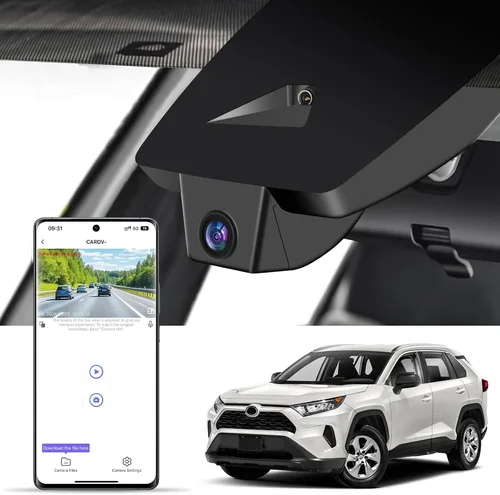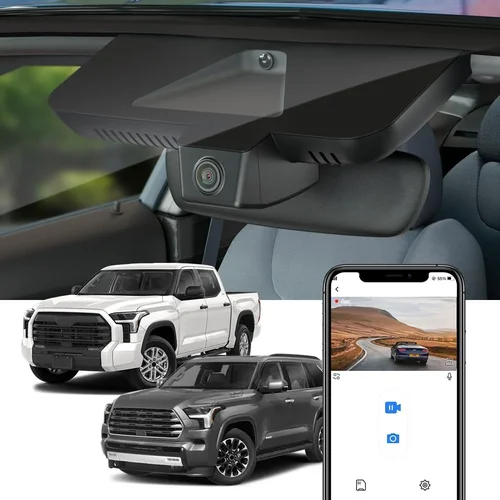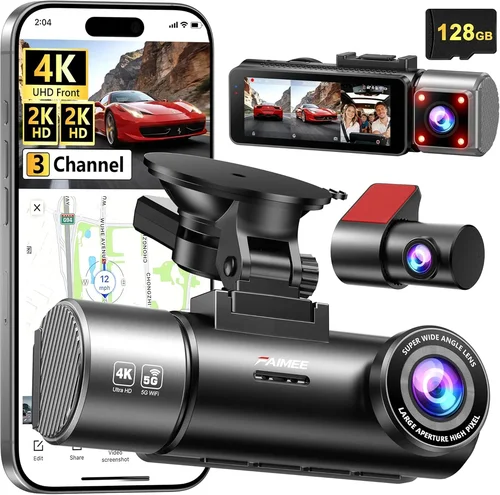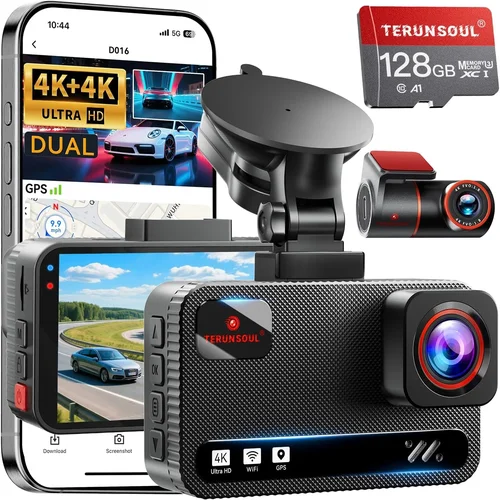
Best Dash Cam for Car Security Buyer’s Guide
## Introduction
In an era where vehicle-related incidents are increasingly common on the road, car security has become a top priority for drivers across the globe. Whether you’re commuting daily through busy city streets or embarking on long highway journeys, having reliable protection is essential. A dash cam serves as your 24/7 digital guardian, capturing critical footage that can safeguard against false accusations, document accidents, deter theft, and even assist with insurance claims. For many drivers, this small device offers one of the most cost-effective investments in personal safety.
This comprehensive buyer’s guide is designed to walk you through every aspect of selecting the best dash cam for car security—no matter your budget, driving habits, or technical comfort level. By the end of this article, you’ll understand exactly what to look for in a dash cam, how different models compare, and which options deliver the highest value without compromising quality. We’ll also highlight common pitfalls to avoid, explain why certain features matter more than others, and provide expert recommendations tailored to various user profiles.
The market today offers everything from ultra-compact entry-level models under $50 to feature-rich systems exceeding $300 with GPS tracking, night vision, and cloud connectivity. With so many choices available online and in stores, it can be overwhelming to determine which dash cam truly delivers on security promises. That’s why we’ve broken down the decision-making process into clear, actionable sections—ensuring you make an informed choice based on real-world performance rather than marketing hype.
Whether you’re a new driver seeking basic protection, a frequent traveler wanting advanced recording capabilities, or someone who simply wants peace of mind behind the wheel, this guide equips you with the knowledge to select a dash cam that enhances your car’s security effectively and efficiently.
—
## What to Look for When Buying Dash Cams
Choosing the right dash cam isn’t just about picking the cheapest option or the shiniest model. It involves evaluating multiple factors that directly impact functionality, reliability, and overall usefulness. Below are the key elements every serious buyer should consider before making a purchase.
### 1. Video Resolution & Quality
Video resolution determines how clearly your dash cam captures events—especially important during accidents or disputes. Most modern dash cams offer at least 1080p Full HD recording, but higher resolutions like 2K (1440p), 4K Ultra HD, or even 8K provide significantly sharper detail.
Higher resolution means better clarity when zooming in on license plates or facial expressions, crucial for identifying suspects or confirming fault in collisions. However, keep in mind that higher resolutions require more storage space and processing power, potentially draining battery life faster or reducing recording time per loop cycle.
When assessing video quality, also consider frame rate (measured in fps). Standard is 30fps, but 60fps delivers smoother motion capture—ideal for fast-moving vehicles or sudden braking scenarios. Look for cameras with HDR (High Dynamic Range) support, which balances bright headlights with dark shadows for clearer nighttime footage.
### 2. Field of View (FOV)
The field of view refers to the width of the scene your dash cam records. A wider angle captures more of the road ahead and surroundings, reducing blind spots and increasing context during incidents.
Most dash cams range between 100° and 170° FOV. While wider angles seem beneficial, extremely wide lenses (over 150°) can introduce distortion near edges—making objects appear stretched or warped. Optimal FOV typically falls between 120°–150°, offering a balanced perspective without compromising image integrity.
Consider dual-camera setups if you need rear or interior monitoring. Front-only cams may miss what happens behind your vehicle during backing maneuvers or side impacts.
### 3. Night Vision Capabilities
Driving at night presents unique challenges—low light conditions, glare from streetlights, and limited visibility increase accident risks. Your dash cam must perform reliably in these situations.
Look for models equipped with low-light sensors, infrared LEDs, or enhanced CMOS image processors that improve sensitivity in dim environments. Some premium units use starlight-level imaging technology, allowing clear recording even in near-total darkness.
Additionally, check whether the camera supports automatic exposure adjustment and noise reduction algorithms. These features ensure consistent image quality regardless of changing lighting conditions.
### 4. Storage Options & Loop Recording
Dash cams rely on microSD cards (usually Class 10 or UHS-I/UHS-II) for storing recorded footage. The card capacity affects how long you can record before overwriting old files (loop recording).
Standard capacities range from 32GB to 256GB+. Smaller cards save money but limit recording duration—especially at high resolutions. A 32GB card might hold only 2–3 hours of 1080p video, whereas 128GB+ cards offer several days of continuous coverage.
Ensure your dash cam supports loop recording, which automatically overwrites the oldest footage when storage fills up. This prevents accidental loss of critical events due to full memory cards.
Some advanced models include cloud storage options via Wi-Fi or cellular connectivity, though these often come with subscription fees.
### 5. Parking Mode & Battery Backup
Parking mode activates your dash cam when your car is turned off, using motion detection or impact sensors to record potential tampering, vandalism, or hit-and-runs. This feature is invaluable for protecting parked vehicles overnight or while shopping.
However, most dash cams lack sufficient battery life to operate independently once the car powers down. Solutions include hardwiring kits that draw power directly from your vehicle’s electrical system (via fuse box or cigarette lighter adapter), ensuring uninterrupted recording.
When evaluating parking mode compatibility, confirm whether the dash cam includes built-in capacitors or supercapacitors for stable operation, as lithium batteries degrade quickly under constant charge/discharge cycles.
### 6. Build Quality & Weather Resistance
Your dash cam faces harsh conditions—extreme heat inside parked cars, freezing cold in winter, rain, snow, and vibrations from rough roads. Robust construction ensures longevity and reliable performance year-round.
Look for devices made with shockproof casing, anti-glare screens, and IP-rated seals (if applicable) against dust and moisture ingress. Mounting systems should be secure yet adjustable, resisting wind resistance at highway speeds.
Aluminum or polycarbonate housings tend to outperform plastic alternatives in durability tests. Also verify that buttons and ports remain functional after prolonged sun exposure.
—
## Different Types of Dash Cams
Understanding the distinctions between dash cam categories helps match your needs with the right product. Below is a detailed comparison table highlighting popular types, their ideal use cases, price ranges, and standout advantages.
Each category caters to different priorities. Beginners often start with single-lens models, while experienced users upgrade to dual-cam or smart systems as needs evolve.
—
## Common Buying Mistakes to Avoid
Even seasoned shoppers sometimes overlook critical details that affect dash cam performance. Here are five frequent errors and how to sidestep them:
### ❌ Mistake: Ignoring Low-Light Performance
Many buyers focus solely on resolution specs while neglecting how well the camera handles nighttime conditions. A 4K sensor with poor low-light sensitivity will produce grainy, unusable footage after sunset.
Why it’s bad: During dusk-to-dawn driving, inadequate night vision renders your dash cam useless when most needed.
What to do instead: Prioritize cameras with dedicated night vision modes, large aperture lenses (f/1.6 or lower), and image stabilization. Read reviews mentioning “nighttime clarity” rather than just megapixel counts.
### ❌ Mistake: Choosing Based Solely on Price
Cheaper dash cams may seem attractive, but they often compromise on build quality, software stability, or essential features like G-sensor alerts.
Why it’s bad: Budget models frequently suffer from firmware bugs, short lifespans, or unreliable loop recording—leading to lost evidence.
What to do instead: Set a realistic budget based on intended usage. Invest slightly more in reputable brands known for customer service and regular firmware updates.
### ❌ Mistake: Overlooking Storage Management
Assuming all microSD cards work equally well is a common oversight. Not every card is optimized for dash cam workloads involving constant write cycles.
Why it’s bad: Slow or low-quality cards cause recording interruptions, corruption, or premature failure—especially during high-bitrate 4K sessions.
What to do instead: Purchase high-endurance cards from trusted brands (SanDisk High Endurance, Samsung PRO Endur