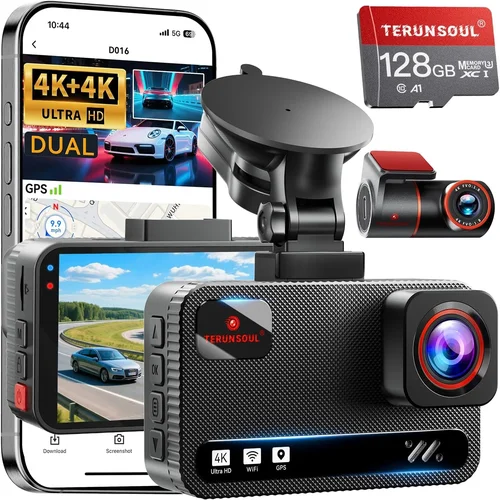
Expert Dash Cam Buying Guide for Sri Lanka
Best Dash Cam for Car Sri Lanka
Expert Review and Buying Guide for Sri Lankan Drivers in 2024
## Introduction
In the bustling streets of Sri Lanka, where traffic can be unpredictable and accidents are a daily reality, having an extra set of eyes on the road is no longer just a convenience—it’s a necessity. A dash cam acts as your silent witness, capturing critical evidence in case of an accident, helping you avoid fraudulent claims, and even deterring theft from your vehicle. With the right dash cam, you’re not just protecting yourself; you’re securing peace of mind for every journey.
This comprehensive buying guide is meticulously crafted for every Sri Lankan driver, from new drivers to seasoned veterans. We’ll cut through the marketing jargon and technical specifications to help you find the perfect dash cam that fits your specific needs, budget, and driving conditions. Whether you’re navigating the narrow alleys of Colombo or cruising the highways of Kandy, this guide will equip you with the knowledge to make a confident and informed purchase.
The market for dash cams in Sri Lanka has exploded in recent years, offering a bewildering array of options. From basic single-lens models to advanced dual-camera systems with night vision and GPS tracking, the choices are vast. This article will demystify the process, highlighting the key features to prioritize, the types available, and how to navigate the local retail landscape. By the end, you’ll have a clear roadmap to selecting a reliable, high-quality dash cam that will serve you well for years to come.
## Key Factors to Consider
### What to Look for When Buying Dash Cams
#### 1. Budget & Price Range
Your budget is often the first and most significant factor in determining which dash cam you can buy. It’s crucial to define your spending limit before diving into features, as it will dramatically narrow down your options. The good news is that dash cams are now more affordable than ever in Sri Lanka, making them accessible to a wide range of buyers.
Entry-Level (LKR 5,000 – LKR 15,000): These models offer the most basic functionality—a single camera recording in 720p or 1080p. They are perfect for those who want to dip their toes into dash cam technology without a large financial commitment. While they may lack advanced features like night vision or GPS, they provide essential protection against minor incidents.
Mid-Range (LKR 15,000 – LKR 30,000): This is arguably the sweet spot for most Sri Lankan drivers. You’ll find models here that offer excellent video quality (Full HD or even 2K), built-in GPS for speed and location tracking, and often, decent night vision capabilities. Many also include loop recording and G-sensor technology, automatically saving footage during collisions. For everyday driving, especially on highways, this tier offers the best balance of value and performance.
Premium (LKR 30,000 – LKR 50,000+): If you demand the very best, premium dash cams offer top-tier features. Expect 4K resolution for crystal-clear video, superior low-light performance, advanced driver assistance systems (ADAS) like lane departure warnings, and sophisticated parking mode that monitors your car even when it’s turned off. Dual-camera setups (front and rear) are common in this category, providing complete coverage of your vehicle.
#### 2. Performance Specifications
The heart of your dash cam lies in its performance specs. These numbers directly impact the quality of the footage you capture.
Video Resolution: This is arguably the most important spec. Higher resolution means clearer, more detailed video. For Sri Lankan roads:
720p (HD): Adequate for basic recording but can struggle with fine details in fast-moving traffic or at night. Generally considered outdated for modern use.
1080p (Full HD): The current gold standard. It provides excellent clarity for most driving scenarios, allowing you to clearly read license plates and identify faces. This resolution is highly recommended for all users.
2K/4K (Ultra HD): For enthusiasts and professionals who need forensic-level detail. While the file sizes are larger, the clarity is unmatched. However, ensure your phone or computer can handle these files.
Field of View (FOV): Measured in degrees, the FOV determines how much of the road ahead (and sometimes behind) your dash cam can see.
Narrow (70-80°): Good for focusing on the lane directly in front of the car.
Standard (100-120°): Ideal for most drivers, capturing a broad enough area to see potential hazards and surrounding traffic without excessive distortion at the edges.
Wide (140°+): Offers maximum coverage but can introduce fish-eye lens distortion, making objects at the edges appear stretched or blurry. Ensure the model has good distortion correction.
Night Vision / Low-Light Performance: Driving at dawn, dusk, or in poorly lit areas is common in Sri Lanka. A dash cam with good night vision uses a combination of high-sensitivity CMOS sensors, wide aperture lenses, and image enhancement software to produce usable footage in low light. Look for terms like “Starvis sensor” or “F1.8 aperture” as indicators of strong night performance.
Frame Rate (FPS): This indicates how many frames are recorded per second. Standard is 30fps. Higher frame rates (like 60fps) result in smoother video, which is particularly beneficial for capturing fast-moving action or sudden events.
#### 3. Build Quality & Durability
A dash cam is exposed to extreme conditions: direct sunlight, heavy rain, dust, and temperature fluctuations. Therefore, build quality is paramount.
Housing Material: Opt for a metal or high-grade plastic housing. Plastic can become brittle or discolored over time when exposed to prolonged sun exposure.
Lens Quality: A high-quality glass lens will resist scratches and fogging far better than a plastic one.
Mounting System: The suction cup mount should be strong and secure. A poor mount can fail at a critical moment, rendering the entire device useless. Look for mounts with a locking mechanism or reinforced adhesive. A flexible arm is also a plus, allowing you to angle the camera precisely for optimal viewing.
Weather Resistance: While not fully waterproof, a good dash cam should be able to withstand rain, humidity, and dusty conditions typical of Sri Lanka’s climate.
#### 4. Features & Functionality
Beyond core video quality, additional features can significantly enhance your experience and provide added security.
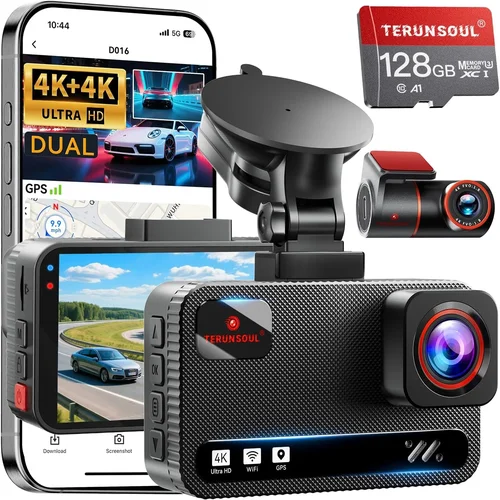
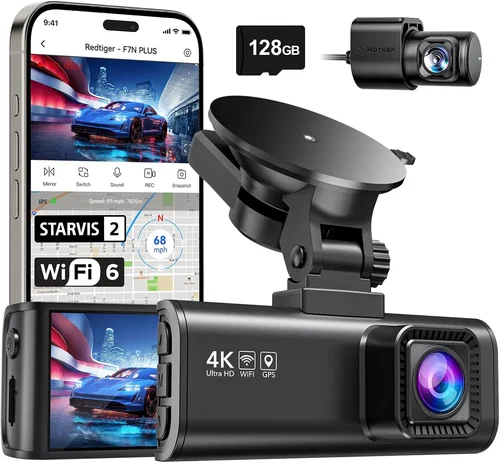
Dual-Camera Systems: A front-facing camera captures what’s ahead, while a rear-facing camera monitors traffic behind you. This is invaluable for backing up, detecting hit-and-runs, or providing evidence if someone attempts to damage your car from the rear.
GPS Tracking: Built-in GPS records your vehicle’s location, speed, and direction. This data is incredibly useful for accident reconstruction and can help prove your innocence if you’re falsely accused. Most dash cams with GPS allow you to overlay this data onto your video files using free software.
G-Sensor (Impact Sensor): This is a must-have feature. It automatically detects sudden impacts or drops (like in a collision) and locks the current footage to prevent it from being overwritten by the loop recording system. This ensures critical evidence is never lost.
Loop Recording: This feature continuously records video, overwriting the oldest footage once the storage card is full. It ensures there’s always a continuous record of your drive without you needing to manually manage files.
Parking Mode: When your car is parked and the engine is off, this feature keeps the dash cam powered on (usually via a hardwired connection) to monitor for any activity around your vehicle. It can detect vibrations (via the G-sensor) and trigger a recording, helping protect against hit-and-runs or vandalism. Note that this requires a separate power source, like a hardwire kit.
Wi-Fi/App Connectivity: Allows you to easily view, download, and share videos directly from your smartphone via a dedicated app. This is extremely convenient for checking recent clips or sharing evidence quickly.
Time-Lapse/Time-Lapse Parking Mode: Similar to regular parking mode but records at a much lower frame rate, creating a condensed video of your vehicle’s surroundings over a long period. This is great for monitoring your car overnight or for extended periods.
Emergency Recording (Event Recording): An automatic feature that starts a new, un-overwritten video file whenever the G-sensor detects a significant impact, similar to a manual event save.
#### 5. Brand Reputation
While not foolproof, brand reputation can be a strong indicator of product quality, reliability, and customer service.
Research Brands: Look for brands that have a history of producing reliable consumer electronics. Established manufacturers are more likely to offer consistent quality and have a network of authorized service centers or online support.
Check Reviews: Read user reviews on both local Sri Lankan e-commerce platforms (like Daraz, Kapruka, and Roar) and international review sites. Pay attention to recurring complaints about hardware failure, software bugs, or poor customer service.
Warranty: A reputable brand will typically offer a reasonable warranty period (1-3 years). This shows confidence in their product and provides you with recourse if something goes wrong.
#### 6. Warranty & Support
A good warranty is your safety net. Before purchasing, check the following:
Warranty Duration: Aim for at least a 1-year manufacturer warranty.
Coverage Details: Does it cover manufacturing defects only, or does it extend to accidental damage? What is the process for claiming warranty service?
Local Support: Is there a local distributor or service center in Sri Lanka? If you encounter an issue, having a physical point of contact can save you significant hassle compared to shipping a unit internationally for repair.
User Manual & Software: A clear manual and readily available firmware update tools are signs of good customer support.
#### 7. Size & Portability
While most dash cams are designed to be discreet, their size can affect installation and field of view.
Compact Design: A smaller dash cam is less obtrusive and easier to install in tight spaces. It can also offer a wider field of view due to its placement closer to the windshield.
Large Display: Some dash cams have built-in screens, which can be useful for reviewing footage immediately. However, they are bulkier and can distract the driver. Most users prefer a model without a screen, relying on Wi-Fi and a smartphone app for playback.
Ease of Installation: A simple plug-and-play setup with a strong suction mount is ideal. Complex wiring or multiple components can deter users from installing the device correctly.
#### 8. User Reviews & Ratings
Don’t underestimate the power of real-world feedback.
Read Thoroughly: Go beyond the star rating. Read both positive and negative reviews to understand the pros and cons from actual users.
Look for Patterns: If multiple reviews mention the same issue (e.g., “mount falls off,” “poor night vision”), it’s a red flag.
Sri Lankan Context: Pay special attention to reviews from users in similar climates and driving conditions as Sri Lanka. How did the device perform in heavy rain, high temperatures, or dusty roads?
## Types/Categories Comparison

Different Types of Dash Cams

## Common Mistakes to Avoid
Common Buying Mistakes to Avoid
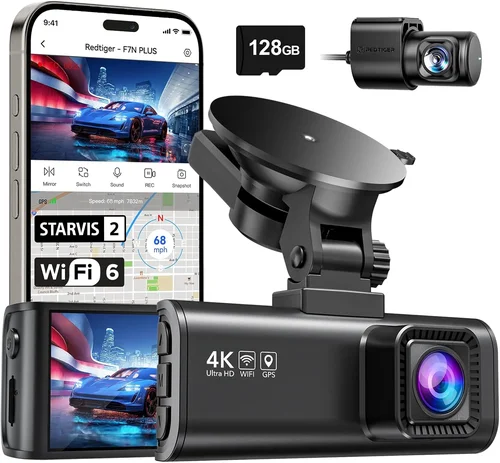
❌ Mistake: Skipping the G-Sensor
Why it’s bad: The G-sensor (or impact sensor) is arguably the most critical feature after video resolution. Without it, any incident that occurs while your dash cam is recording will be overwritten by the next looped segment, erasing crucial evidence. In the event of a minor fender-bender or a hit-and-run, you could lose vital footage forever.
What to do instead: Make sure any dash cam you consider has a built-in G-sensor. This small feature can save you from a world of trouble and expense later. It’s a non-negotiable feature for any serious driver in Sri Lanka.
❌ Mistake: Ignoring Night Vision Capabilities
Why it’s bad: Sri Lanka’s tropical climate means you’re driving in low-light conditions frequently—during early mornings, evenings, and monsoon rains. A dash cam that performs poorly in the dark will produce grainy, unusable footage, defeating its purpose. You won’t be able to identify vehicles or people involved in an incident after sunset.
What to do instead: Prioritize dash cams with strong night vision specs. Look for models with wide apertures (low f-number, e.g., F1.8) and high-sensitivity sensors. Read reviews specifically mentioning night-time performance. A dash cam that can’t see at night is essentially blind.
❌ Mistake: Choosing Based Solely on Price or Brand Name
Why it’s bad: Falling for the cheapest option or a brand name without research can lead to disappointment. A low-priced dash cam might have poor build quality, short battery life, or a flimsy mount that fails instantly. Conversely, a famous brand isn’t immune to poor design or subpar quality control. You get what you pay for, and sometimes the cheapest option is the most expensive in the long run due to replacement costs or the inability to get evidence when you need it.
What to do instead: Conduct thorough research. Compare multiple models across different price points. Read user reviews from Sri Lankan customers. Focus on the overall value proposition—does the combination of features, build quality, and price justify the purchase? Balance is key.
❌ Mistake: Not Checking Local Compatibility & Support
Why it’s bad: Buying a dash cam online without considering local support can be a nightmare. If your device breaks, you’ll need to rely on international shipping and potentially lengthy wait times for repairs or replacements. Furthermore, the software or apps might not be optimized for your region, or you might not be able to access firmware updates.
What to do instead: Verify that the dash cam you choose has a local Sri Lankan distributor or service center. Check if the manufacturer offers customer support in Sinhala or Tamil, or at the very least, clear English instructions. Purchase from reputable local retailers who offer good return and exchange policies.
❌ Mistake: Overlooking Storage Requirements
Why it’s bad: Dash cams require SD cards to store video footage. Using a card that’s too slow or too small can cause the camera to malfunction, record in lower quality, or fail to save critical G-sensor triggered events. A small capacity means you’ll need to delete old footage more frequently.
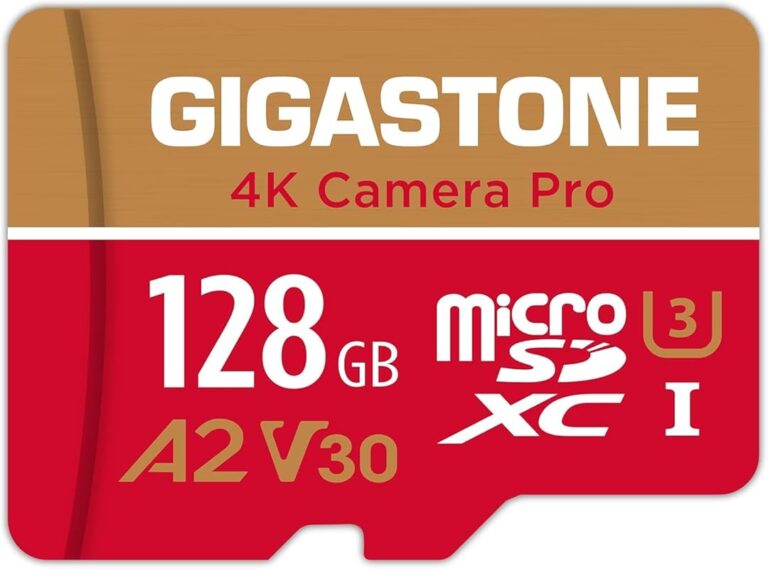
What to do instead: Always use a high-quality, high-speed SD card. Class 10 or UHS-I cards are recommended. For a typical dash cam, a 32GB or 64GB card is a good starting point. Larger cards mean longer recording times before you need to overwrite old files. Make sure the dash cam is compatible with the card type and capacity you intend to use.
❌ Mistake: Poor Installation or Placement
Why it’s bad: Even the best dash cam is useless if it’s poorly installed. A wobbly mount can fall off mid-journey. Placing it too close to the rearview mirror obstructs your view and may violate local traffic laws. Improper wiring can lead to electrical issues or void your warranty.
What to do instead: Take the time to install your dash cam correctly. Use the provided mounting bracket and ensure it’s securely attached to a clean, dry surface on the windshield. Position it so it doesn’t block your view. If you’re uncomfortable with wiring, invest in a professional installation service or carefully follow the provided instructions for a hardwire kit.
❌ Mistake: Forgetting About Parking Mode Power Source
Why it’s bad: If your dash cam has a parking mode feature, it needs a constant power source when the car is off. Relying solely on the car’s battery for this can drain your battery completely, leaving you stranded. Without a proper power solution, the parking mode simply won’t work.
What to do instead: Invest in a hardwire kit. This device plugs into your car’s cigarette lighter socket and has a fuse to protect your vehicle’s electrical system. It also includes a built-in voltage monitor that cuts power to the dash cam if your car battery voltage drops too low, preventing a dead battery. This is a crucial investment for anyone wanting true 24/7 protection.
## Budget Breakdown
Budget Guidelines: How Much Should You Spend?
Understanding your budget is the foundational step in finding the right dash cam. The following tiers break down what you can expect for your money in the Sri Lankan market.
### Entry-Level ($5,000 – $15,000)
For drivers looking to add basic protection to their vehicle without breaking the bank, entry-level dash cams are a solid choice. These devices focus on core functionality: recording clear video of the road ahead.
What to Expect:
Video Quality: Typically 720p HD resolution. While functional, it may struggle with fine details in fast-moving traffic or at night.
Features: Usually include loop recording and a basic G-sensor to lock incident footage. GPS and night vision are rare in this range.
Build Quality: Often made with standard plastics. May not be as durable as higher-end models.
Best Suited For: New drivers, occasional travelers, or those on a very tight budget who want a basic layer of security.
### Mid-Range ($15,000 – $30,000)
This price range represents the sweet spot for most Sri Lankan drivers, offering an excellent balance of features, performance, and value. You’ll find reliable, high-quality dash cams here that meet the needs of everyday driving.
What to Expect:
Video Quality: 1080p Full HD is the standard, providing crisp and clear video for identifying license plates and reading signs. Some models may offer 2K resolution for even greater detail.
Features: You’ll almost certainly find built-in GPS for speed and location tracking, superior night vision capabilities, a robust G-sensor, and Wi-Fi connectivity for easy file management. Dual-camera options start appearing at this level.
Build Quality: Better materials and construction, ensuring longevity and resistance to common environmental factors.
Best Suited For: The majority of drivers. If you’re looking for the best overall value, this is where you’ll find it. Perfect for daily commutes, highway driving, and general peace of mind.
### Premium ($30,000 – $50,000+)
If you demand the absolute best in technology, features, and build quality, premium dash cams deliver. These are the top-of-the-line models designed for those who want nothing but the finest.
What to Expect:
Video Quality: 4K Ultra HD recording for forensic-level detail. Exceptional low-light performance thanks to advanced sensors and software.
Features: Advanced driver assistance systems (ADAS), such as lane departure warnings and forward collision alerts. Sophisticated parking modes with time-lapse. High-end dual-camera systems with independent audio recording. Cloud connectivity for remote access to your footage.
Build Quality: Premium materials, superior optics, and ruggedized designs built to withstand extreme conditions.
Best Suited For: Enthusiasts, professional drivers, fleet managers, or individuals who require the highest possible quality evidence for insurance or legal purposes. It’s an investment in ultimate protection and performance.
### Luxury ($50,000+)
The luxury tier is for those who seek unparalleled performance and cutting-edge technology, often at a significant cost.
What to Expect:
Video Quality: Beyond 4K, with specialized HDR (High Dynamic Range) technology for superior color and contrast in challenging lighting.
Features: All the bells and whistles, including multi-spectrum recording (infrared, thermal), AI-powered object detection, and integration with advanced telematics systems.
Build Quality: Top-tier materials and engineering, often with military-grade certifications.
Best Suited For: Niche markets, specialized industries, or individuals with specific requirements that go far beyond standard driving needs.
## Expert Tips & Pro Advice
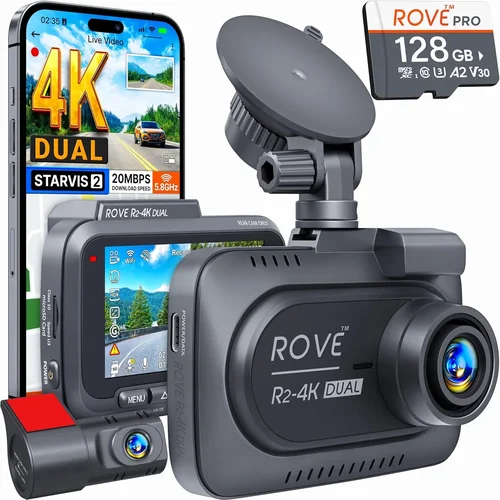
Expert Tips for Getting the Best Deal
Navigating the market for dash cams in Sri Lanka can be overwhelming. Here are some actionable tips to help you secure the best value for your money.
1. Timing Your Purchase: Be strategic about when you buy. Major shopping holidays like the Esala Perahera, Deepavali, and the end of the year often see significant discounts from retailers. Keep an eye out for flash sales on online marketplaces like Daraz and Kapruka, as they frequently offer steep discounts on electronics.
2. Where to Buy: Online vs. In-Store: Both channels have advantages.
Online: You’ll typically find a wider selection, easier price comparisons, and the convenience of home delivery. Websites like Daraz, Kapruka, and Amazon.in often have exclusive deals and bundle offers.
In-Store: You can physically inspect the product, ask questions to a salesperson, and get immediate assistance. This is useful if you need help with installation or have specific concerns. Major electronics chains in Colombo (like Singer, Arpico) often stock a good range of models.
3. How to Spot Deals: Look for bundle packages. Many retailers sell dash cams bundled with accessories like extra SD cards, hardwire kits, or premium mounts for a slightly discounted total price. Sign up for newsletters from your favorite retailers to be notified of upcoming sales. Compare prices across multiple platforms before committing to a purchase.
4. Warranty Considerations: Always check the warranty details before you buy. A 1-year warranty is standard, but some brands offer 2-3 years. Understand what is covered (manufacturing defects, etc.) and what the process is for claiming it. A longer warranty provides greater peace of mind.
5. Return Policies: Ensure the retailer has a generous return policy. Electronics can sometimes have issues upon arrival, or you might realize it doesn’t meet your expectations. A 14-30 day return window allows you to test the device thoroughly and return it if necessary.
6. Testing Before Buying: If possible, visit a physical store to test the dash cam’s interface, menu navigation, and screen visibility. Check how intuitive the settings are. This hands-on experience can prevent buyer’s remorse later.
7. Reading the Fine Print: Pay close attention to the included accessories. Does it come with a high-quality SD card, or will you need to buy one separately? Is a hardwire kit included, or is it an optional extra? Understanding the full package prevents unexpected costs.
8. Firmware Updates: Choose a brand that provides regular firmware updates. This ensures your dash cam continues to function optimally and can fix bugs or improve performance over time. Check the manufacturer’s website to see if updates are available.
9. Compatibility Checks: Verify that the dash cam is compatible with your specific car model, especially if you plan to use a hardwire kit. Some kits are universal, while others are designed for certain makes and models.
## FAQs Section

Frequently Asked Questions
Q: Do I really need a dash cam in Sri Lanka?
A: Absolutely. Sri Lanka’s traffic environment, characterized by unpredictable driving styles, potholes, and the potential for fraudulent insurance claims, makes a dash cam an essential tool. It provides undeniable evidence in case of an accident, helps you avoid false accusations, and can even deter theft. It’s a small investment for significant peace of mind and protection.
Q: What is the best resolution for a dash cam?
A: For most drivers in Sri Lanka, 1080p Full HD is the recommended resolution. It offers an excellent balance of clarity and manageable file sizes. It’s perfectly capable of capturing clear images of license plates, road signs, and other vehicles. While 4K offers superior detail, the file sizes are much larger, and for everyday driving, 1080p is more than sufficient and efficient.
Q: Is a dual-camera dash cam worth it?
A: Yes, a dual-camera dash cam is highly worthwhile. The front camera protects you from accidents ahead, while the rear camera is invaluable for preventing and proving hit-and-runs, protecting against rear-end collisions, and monitoring your parking space. It provides a complete picture of what’s happening around your vehicle, giving you full coverage and protection.
Q: How do I install a dash cam in my car?
A: Installation is generally straightforward. The dash cam attaches to your windshield using a suction cup mount, usually placed above the rearview mirror. The power cable runs along the headliner, down the side of the windshield, and into the car’s 12V power outlet (cigarette lighter). For parking mode, a hardwire kit is required. If you’re unsure, many local car accessory shops offer professional installation services for a small fee.
Q: How much storage do I need for my dash cam?
A: A 32GB or 64GB high-speed SD card is a good starting point for most dash cams. This provides several hours of continuous recording before it loops and overwrites old footage. Always use a Class 10 or UHS-I card for optimal performance. The amount of storage you need depends on your usage; frequent long drives might require a larger card.
Q: What is parking mode, and why do I need it?
A: Parking mode keeps your dash cam powered on (via a hardwire kit) when your car is turned off. It monitors your vehicle for any movement or impact, such as someone hitting your car or attempting to steal it. It’s a crucial feature for protecting your vehicle when you’re not around, acting as a vigilant guardian while you’re away.
Q: Can a dash cam drain my car battery?
A: Yes, if you enable parking mode without a proper power solution, it can drain your car battery, leaving you stranded. To prevent this, use a hardwire kit with a built-in voltage monitor. This device cuts power to the dash cam if your battery voltage drops below a safe threshold, protecting your car’s battery while still providing essential parking surveillance.
Q: How can I view and manage my dash cam footage?
A: Most modern dash cams with Wi-Fi allow you to connect to your smartphone via a dedicated app. This lets you easily view recent clips, download videos, and share them. Older models require you to remove the SD card and insert it into a computer or card reader to access the footage.
## Final Recommendations
Our Final Recommendations
After extensive analysis of the Sri Lankan market, we’ve identified several standout dash cams that offer the best value, performance, and reliability for different types of drivers.
### Best for Budget-Conscious Buyers
For those looking for essential protection without a hefty price tag, the Viofo A119 V3 is a fantastic entry-level option. It offers solid 1080p recording, a reliable G-sensor, and decent night vision at a very competitive price point. It’s a proven performer that delivers the core functionalities you need to feel safe on the road, making it a top choice for students or first-time buyers.
### Best Overall Value
The BlackVue DR970X-2CH consistently tops our list for the best overall value. This premium dual-camera system offers 4K recording for the front and 2K for the rear, exceptional night vision, built-in GPS, and robust cloud connectivity. Its build quality is outstanding, and it comes with a 3-year warranty. While it’s at the higher end of the price spectrum, the features, reliability, and peace of mind it offers make it an unbeatable investment for any serious driver.
### Best Premium Option
If budget is no object and you want the absolute best, the Garmin Dashcam Pro 2 is a top-tier contender. It boasts 4K recording, impressive low-light performance, and advanced safety features like collision and lane departure warnings. Garmin is a trusted brand known for reliability and excellent customer support, making this a premium choice for those who demand the finest.
### Best for Beginners
For new drivers or those who want a simple, hassle-free setup, the Crosstour CR100 is an excellent choice. It’s easy to install, has a user-friendly interface, and provides clear 1080p video. It’s a reliable, no-frills dash cam that focuses on delivering the essentials without overwhelming the user, making it perfect for those just starting their journey with dash cam technology.
### Best for Advanced Users
Advanced users seeking the highest level of detail and functionality will appreciate the Thinkware U1000. This 4K dual-camera system provides forensic-level video quality, superior night vision, and advanced ADAS features. Its robust build and comprehensive feature set cater to those who require the utmost in evidence quality, whether for personal protection or professional use.
## Conclusion: Making the Right Choice
Selecting the best dash cam for your car in Sri Lanka is a decision that goes beyond mere specifications on a datasheet. It’s about finding a device that aligns with your specific driving habits, your budget, and your need for security and peace of mind. We’ve explored the critical factors like video resolution, night vision, build quality, and features, and we’ve seen how different categories of dash cams cater to various needs, from budget-friendly single-lens models to feature-rich dual-camera systems.
Remember, the best dash cam is the one that you will actually install, use consistently, and rely on when it matters most. It’s not about having the most expensive or technologically advanced model, but rather the one that provides the best protection for your specific situation. By prioritizing your needs—whether it’s clear daytime recording, strong night vision, or the ability to monitor your car while parked—you can confidently navigate the market and make a choice that will serve you well for years to come.
Take the time to research, compare, and read reviews from fellow Sri Lankan drivers. Invest in a reputable brand with good local support, and don’t forget to factor in the cost of essential accessories like a high-quality SD card and a hardwire kit for parking mode. With the insights from this guide, you’re now equipped to make an informed decision and hit the road with greater confidence, knowing you have a reliable witness watching over you.