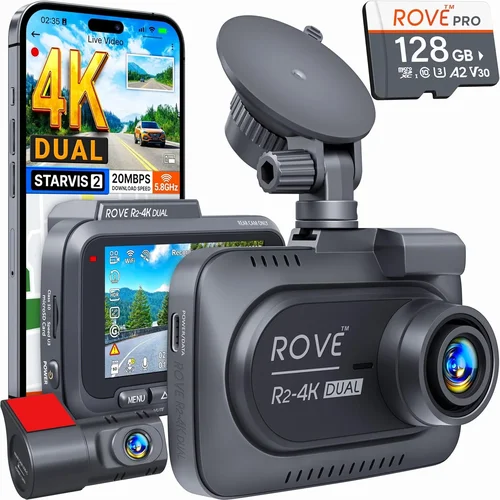
Expert Dash Cam Buying Guide Malaysia
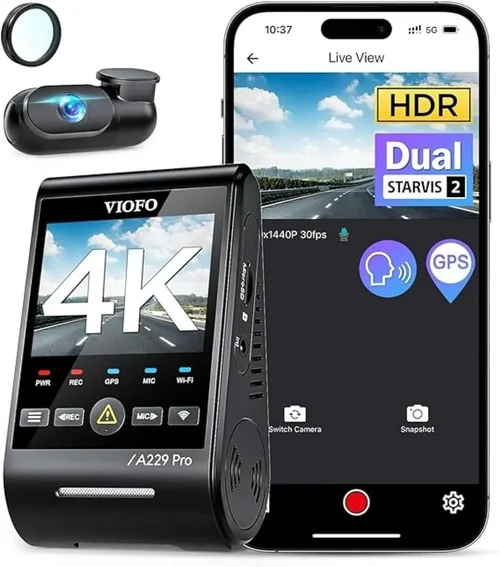
When you’re behind the wheel in Malaysia’s bustling cities and unpredictable roads, having a reliable dash cam isn’t just convenient—it’s essential. With rising insurance claims, increasing cases of road rage, and the growing need for evidence in accidents or disputes, a high-quality dash cam provides peace of mind, protection, and valuable documentation. This comprehensive buying guide is crafted specifically for Malaysian drivers, covering everything from performance specifications to local availability, ensuring you make an informed decision that suits your driving habits, budget, and lifestyle.
In this expert-level article, you’ll discover the key features to prioritize when shopping for a dash cam in Malaysia, learn how to compare models effectively, avoid common pitfalls, and find the best value for money. Whether you’re a daily commuter navigating Kuala Lumpur’s traffic jams, a long-distance driver heading up to Penang or Johor, or someone looking to safeguard your vehicle against false accusations, this guide will walk you through every critical factor. We’ll break down technical terms, explain why certain features matter more in the Malaysian context, and even share insider tips on where to buy, when to shop, and how to get the most out of your investment.
The Malaysian dash cam market has evolved rapidly over the past few years, with local brands like Xiaomi, EZIOO, and Viofo gaining popularity alongside international names such as BlackVue, Garmin, and Nextbase. Prices range from affordable entry-level options under RM200 to premium models exceeding RM1,500, each offering different levels of resolution, storage capacity, night vision, GPS tracking, and emergency features. But with so many choices available both online (Shopee, Lazada) and offline (electronics stores, car accessory shops), it’s easy to feel overwhelmed. That’s why this guide cuts through the noise—providing real-world insights, practical comparisons, and tailored recommendations based on actual usage conditions across Malaysia’s diverse road environments.

What to Look for When Buying Dash Cams
1. Budget & Price Range
Your budget is one of the first things to consider, and it should align with your expectations for features and durability. In Malaysia, dash cams typically fall into four main price tiers: entry-level (RM80–RM200), mid-range (RM200–RM500), premium (RM500–RM1,000), and luxury (RM1,000+). While it’s tempting to go for the cheapest option, remember that a low-cost dash cam may lack essential features like loop recording, G-sensor functionality, or reliable build quality. On the other hand, overspending on unnecessary extras can be wasteful if you don’t drive frequently or require advanced capabilities. Consider how often you drive, the types of roads you travel, and whether you need extra protection beyond basic recording.
2. Performance Specifications
The heart of any dash cam lies in its performance specs, which directly impact video clarity and reliability. Resolution is the most important—opt for at least 1080p Full HD; however, 2K or 4K models offer significantly sharper footage, especially useful for identifying license plates or facial details. Frame rate matters too: 30fps is standard, but 60fps captures smoother motion and better detail during fast-moving scenes. Equally crucial is the field of view (FOV); aim for between 120° and 170°, as narrower angles miss important context while overly wide lenses distort images. Additionally, check the bitrate—higher values mean better compression efficiency and clearer video without excessive file sizes.
3. Build Quality & Durability
A dash cam must withstand Malaysia’s climate—high humidity, sudden temperature changes, and dusty road conditions. Look for devices with sturdy casing, preferably made of polycarbonate or metal, and ensure they have IPX ratings indicating dust and water resistance. Adhesive mounts should be strong enough to stay intact through rough potholes or sudden braking. Many users overlook this initially, only to find their dash cam detaching after months of use. Investing in a well-reviewed mount system and securing the device properly can prevent costly reinstallation fees later. Also, consider whether the dash cam operates reliably in extreme heat—some cheaper models overheat and shut down during prolonged summer drives.
4. Features & Functionality
Modern dash cams come packed with smart features that enhance usability and safety. Loop recording ensures continuous operation by automatically overwriting old files when storage fills up, eliminating the need for constant manual cleanup. A built-in G-sensor detects collisions and locks footage to prevent accidental deletion—critical for accident documentation. Parking mode, available in many advanced models, keeps the dash cam powered and monitoring even when the car is off, using motion or impact detection to trigger recording. Other useful additions include Wi-Fi connectivity (for app-based playback), GPS logging (to track speed and location), voice commands, and cloud backup via services like BlackVue Cloud or Garmin Drive app.
5. Brand Reputation
Choosing a reputable brand reduces the risk of poor customer support, unreliable firmware updates, or discontinued software compatibility. In Malaysia, trusted brands such as BlackVue, Garmin, Nextbase, EZIOO, and Xiaomi consistently receive positive feedback for product reliability and service responsiveness. These companies often provide localized customer service centers, warranty fulfillment, and firmware updates tailored to regional needs. Avoid lesser-known brands that rely solely on third-party sellers on platforms like Shopee unless thoroughly vetted through user reviews and verified seller status. A good reputation also means better resale value and easier troubleshooting if issues arise.
6. Warranty & Support
Always check the warranty period—most reputable brands offer at least a one-year warranty covering defects in materials and workmanship. Some extend this to two or three years, particularly for hardware components like sensors or LCD screens. Ensure the warranty includes coverage for accidental damage (if applicable) and whether repairs can be done locally. Customer support channels (phone, email, live chat) should be responsive and knowledgeable. In Malaysia, some international brands partner with local service providers, making returns or exchanges faster and more convenient. Reading warranty terms carefully prevents surprises down the line, especially if you plan to keep the dash cam for several years.
7. Size & Portability
Compact dash cams are preferred because they sit flush against the windshield without obstructing the driver’s view. However, smaller size sometimes comes at the cost of reduced battery life or limited feature sets. If you frequently switch vehicles or rent cars, consider a portable model with a rechargeable battery and magnetic mounting system. These allow quick installation and removal, ideal for commuters who use multiple vehicles. Conversely, if you own one car permanently, a fixed mount with hardwiring might be more stable and discreet. Balance aesthetics with functionality—your dash cam shouldn’t distract from safe driving.
8. User Reviews & Ratings
Real-world feedback from other Malaysian drivers is invaluable. Platforms like Google Reviews, Facebook Groups (e.g., “Malaysia Dash Cam Community”), and e-commerce sites like Shopee and Lazada display authentic user experiences. Pay attention to recurring complaints about overheating, poor night vision, or unresponsive menus. Positive reviews highlighting ease of use, clear audio, and reliable performance during monsoon rains or night driving indicate a dependable product. Be cautious of fake reviews—look for detailed comments with timestamps and photos rather than generic praise. Joining online forums can also connect you with experienced users sharing setup tips and troubleshooting advice.
Different Types of Dash Cams

Common Buying Mistakes to Avoid
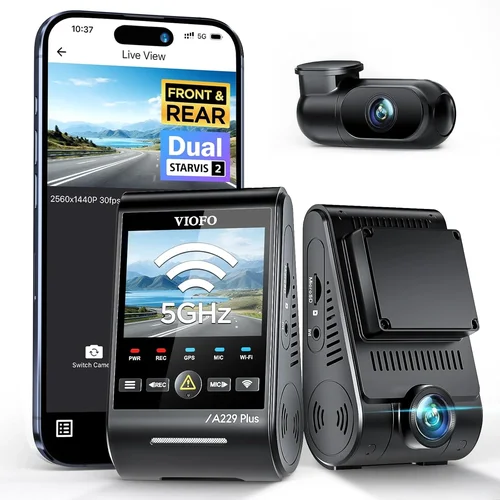
❌ Mistake: Ignoring Night Vision Capabilities
Why it’s bad: Many drivers assume all dash cams perform equally at night, but poor low-light sensitivity leads to grainy, unusable footage. In Malaysia, where street lighting varies widely and many accidents occur after dark, night vision is non-negotiable for legal evidence.
What to do instead: Choose a model with f/1.5 or lower aperture, wide dynamic range (WDR), and infrared or starlight sensor technology. Test sample videos from the manufacturer’s website or YouTube unboxing reviews to assess nighttime clarity before purchasing.
❌ Mistake: Overlooking Storage Requirements
Why it’s bad: Without sufficient internal storage or proper loop settings, your dash cam may stop recording unexpectedly. Most microSD cards included with cheap models are either low-capacity (under 32GB) or low-quality, leading to corruption or slow write speeds.
What to do instead: Always pair your dash cam with a Class 10 or U3-rated microSD card (minimum 64GB recommended). Format it regularly via the dash cam menu, and enable automatic overwrite (loop recording). Some advanced models support cloud storage or Wi-Fi uploads for added security.
❌ Mistake: Choosing Based Solely on Price
Why it’s bad: The cheapest dash cam often lacks critical safety features like G-sensor, parking mode, or reliable firmware. You might save RM50 upfront but end up replacing it within months due to overheating, crashes, or poor customer support.
What to do instead: Compare total cost of ownership—not just purchase price. Factor in potential repair costs, replacement frequency, and lost time from malfunctions. Spend slightly more on a proven brand that offers long-term reliability and software updates.
❌ Mistake: Failing to Check Compatibility
Why it’s bad: Not all dash cams work seamlessly with every car model, especially those with curved windshields or specific wiper systems. Poor mounting adhesion or interference with rearview mirror placement can compromise both safety and usability.
What to do instead: Read detailed compatibility notes from the seller or manufacturer. If possible, visit a physical store to test fitment. Some models come with adjustable brackets or suction cups designed for Malaysian car interiors.
❌ Mistake: Neglecting Firmware Updates
Why it’s bad: Outdated firmware can cause bugs, reduced performance, or even render features like GPS or Wi-Fi unusable. Manufacturers occasionally release patches to fix these issues, but only if users actively update their devices.
What to do instead: Enable automatic updates if available, or periodically check the official website for new releases. Subscribe to brand newsletters or join community groups to stay informed about updates and known issues.
❌ Mistake: Assuming All Brands Are Equal
Why it’s bad: Generic “no-name” brands sold exclusively on Shopee often copy designs without investing in R&D, resulting in inconsistent performance, short lifespans, and zero post-purchase support.
What to do instead: Prioritize established brands with dedicated websites, local service centers, and transparent return policies. Verify authenticity by checking serial numbers and authorized dealer listings.
Budget Guidelines: How Much Should You Spend?
Entry-Level ($80 – $200 / RM350 – RM900)
This tier suits occasional drivers or those testing dash cam benefits without heavy commitment. Expect 1080p resolution, basic loop recording, and a simple interface. Brands like Xiaomi Mi Auto Dash Cam Mini or EZIOO EZ DR900 offer decent value here. Avoid models below RM100—they rarely include essential protections like G-sensors or reliable night vision.
Mid-Range ($200 – $500 / RM900 – RM2,300)
The sweet spot for most Malaysian drivers. You’ll find 2K resolution, dual-channel support (front + rear), WDR, GPS, and robust build quality. Popular choices include Viofo A119 V3, BlackVue DR900S-1CH, and Nextbase 522GW. This range delivers excellent bang-for-your-buck performance with room to grow into advanced features.
Premium ($500 – $1,000 / RM2,300 – RM4,500)
Ideal for frequent drivers, families, or professionals needing courtroom-ready footage. Features include 4K recording, parking mode with impact detection, cloud connectivity, and superior audio clarity. BlackVue DR900S-2CH and Garmin Dash Cam 67W fall into this category. Investment pays off in reliability and forensic detail.
Luxury ($1,000+ / RM4,500+)
Reserved for tech enthusiasts or commercial fleets requiring maximum functionality. Examples include next-gen AI-powered models with driver fatigue alerts, 360° surround cameras, or integrated ADAS (Advanced Driver Assistance Systems). These justify their cost through specialized applications rather than everyday use.
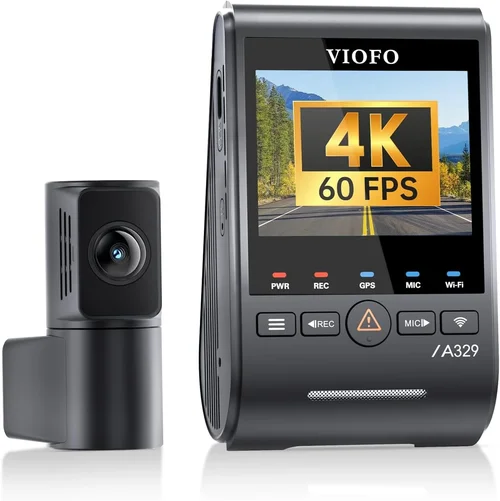
Expert Tips for Getting the Best Deal
- Timing Matters: Wait for major sales events like Hari Raya, Black Friday, or Singles’ Day (November 11) when retailers slash prices by 15–30%. Electronics chains like Senheng, Courts, and Harvey Norman often run bundle deals including memory cards or extended warranties.
- Compare Retailers: Online platforms (Lazada, Shopee) offer convenience and competitive pricing, but always verify seller ratings and return policies. Physical stores allow hands-on testing—crucial for assessing button layout, screen visibility, and mount stability.
- Look for Bundles: Many sellers package dash cams with accessories like hardwire kits, extra mounts, or premium SD cards. A RM10 add-on could save you RM50 in separate purchases later.
- Check Return Policies: Opt for sellers offering 7–14 day returns, especially for complex installations. Hardwired models require professional fitting—ensure the retailer covers installation or refunds if issues arise.
- Read Fine Print: Warranties vary—some cover only manufacturing defects, others include accidental drops. Clarify what’s excluded before buying.
- Test Before Committing: If possible, borrow a friend’s dash cam or visit a demo unit at a store. Observe how intuitive the interface feels, whether menus are cluttered, and if recording starts instantly.
- Subscribe to Newsletters: Brands like BlackVue and Garmin send exclusive promo codes or early access to sales. You’ll also receive firmware update notifications and safety tips.
- Leverage Loyalty Programs: Points earned from purchases at electronics retailers can offset future upgrades or accessories.

Frequently Asked Questions
Q: Do I really need a dash cam in Malaysia?
A: Absolutely. Malaysia sees thousands of traffic incidents annually, and dash cams provide irrefutable evidence in disputes, insurance claims, or criminal cases. They deter fraudulent claims (“staged accidents”) and protect against wrongful fines or road rage situations. Even if you never use it, the psychological benefit alone makes it worthwhile.
Q: Can I install a dash cam myself?
A: Yes, most single-lens models are plug-and-play via USB or cigarette lighter port. For hardwired setups (recommended for parking mode), basic electrical knowledge helps—but many users hire certified technicians for under RM50. Avoid DIY wiring if uncomfortable; improper connections risk damaging your car’s fuse box.
Q: What’s the difference between 1080p, 2K, and 4K?
A: Resolution defines image sharpness. 1080p (1920×1080) is sufficient for general use; 2K (2560×1440) captures finer details like license plates clearly; 4K (3840×2160) offers forensic-level clarity but requires larger storage and processing power. For most drivers, 2K strikes the perfect balance.
Q: How long does a dash cam battery last?
A: Built-in batteries typically last 1–3 hours on standby. Most recommend hardwiring for continuous operation. Portable models with removable batteries offer flexibility but limit parking mode duration. Always carry a spare if relying on battery power.
Q: Is GPS necessary?
A: Not essential, but helpful. GPS logs speed and location data, which adds credibility to your footage during accidents or speeding tickets. It also enables geofencing alerts (e.g., school zones). Disabling it saves battery if unused.
Q: Will a dash cam interfere with my car’s electronics?
A: Reputable brands undergo electromagnetic compatibility (EMC) testing to prevent interference. However, poorly shielded models may cause static in radios or glitches in touchscreens. Stick to certified products and avoid running cables near sensitive wiring.
Q: Can I use any microSD card?
A: No. Use only high-endurance cards rated for continuous write cycles—Class 10 or U3. Brands like SanDisk High Endurance, Samsung PRO Endurunce, or Lexar are reliable choices. Format regularly and replace every 2–3 years to avoid corruption.
Q: What if my dash cam gets stolen?
A: Unfortunately, theft is a risk. Mitigate it by choosing compact designs that blend with your interior, avoiding obvious branding, and removing visible wires. Some insurers offer coverage for stolen dash cams if listed as valuables—check your policy.
Our Final Recommendations
Best for Budget-Conscious Buyers
Xiaomi Mi Auto Dash Cam Mini – Priced around RM189, this compact 1080p camera offers solid daytime performance, loop recording, and a minimalist design. Ideal for city drivers seeking affordability without sacrificing core functionality.
Best Overall Value
Viofo A119 V3 – At approximately RM459, it delivers 2K resolution, excellent night vision, GPS, and reliable firmware. Widely praised in Malaysian forums for durability and consistent performance across varying weather conditions.
Best Premium Option
BlackVue DR900S-1CH – Priced at RM1,199, this top-tier model features 2K recording, cloud connectivity, parking mode, and military-grade build quality. Its BlackVue Over-the-Road (Bvovr) app enables remote viewing—perfect for busy professionals or families.
Best for Beginners
Nextbase 522GW – Around RM399, it boasts intuitive Alexa integration, 1440p resolution, and crisp audio. The large touchscreen and clear menus make it beginner-friendly, while still offering advanced features like emergency SOS alerts.
Best for Advanced Users
Garmin Dash Cam 67W – Priced near RM1,099, it combines 1080p clarity, voice control, incident detection, and seamless smartphone pairing. Its rugged design and global firmware support suit long-haul drivers or those traversing multiple countries.
Conclusion: Making the Right Choice
Choosing the best dash cam for your car in Malaysia hinges on balancing your unique needs against available features and local realities. While flashy specs like 4K resolution grab attention, prioritize practical elements: reliable night vision, robust build quality, and hassle-free installation. Remember, a dash cam is an investment in safety, security, and peace of mind—not just a gadget. By focusing on reputable brands, reading real user feedback, and aligning your choice with how you actually drive, you’ll avoid buyer’s remorse and enjoy years of trustworthy service.
Take time to assess your priorities: Do you need dual-lens coverage? Is parking mode indispensable? Will you rely on cloud backups? Once clarified, cross-reference our recommendations and budget guidelines to narrow down options. And don’t forget—many sellers offer free shipping or installation vouchers during promotions. Now equipped with expert insights, you’re ready to select a dash cam that protects your journeys, defends your rights, and enhances your driving experience across Malaysia’s dynamic roadways.