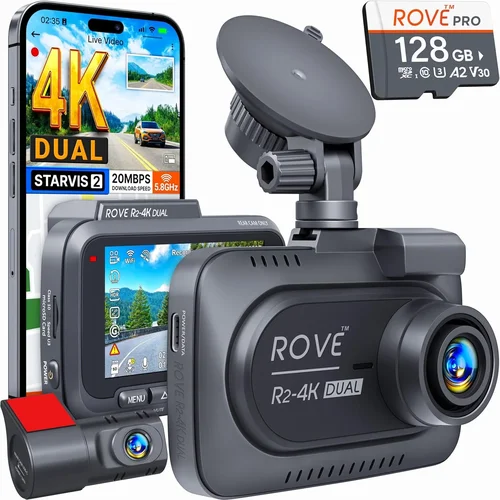
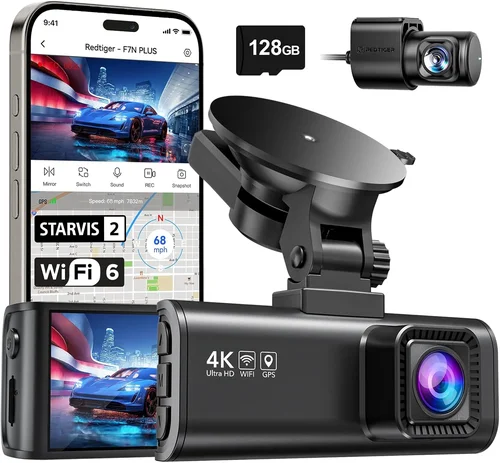
Smart Car Dash Cam Buying Guide
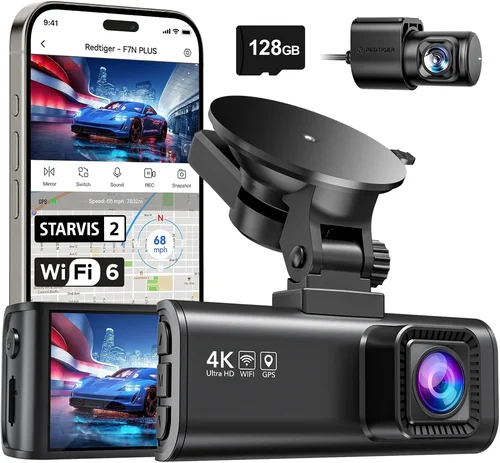
In an era where road safety concerns are on the rise and vehicle thefts continue to be a significant issue, having the right dash cam for your car has become more than just a luxury—it’s a smart investment in protection and peace of mind. Whether you’re commuting through chaotic Indian traffic, driving long highway stretches, or simply want documented proof in case of accidents, choosing the wrong dash cam can lead to disappointment, poor performance, or even legal complications. This comprehensive guide is designed specifically for Indian drivers who want to navigate the crowded market with confidence. You’ll learn exactly what features matter most, how to compare models effectively, and which dash cams offer the best value for your specific needs.
This article will walk you through everything you need to know about selecting the best dash cam for car in India, from understanding technical specifications to recognizing red flags in product descriptions. We’ll cover essential factors like video quality, storage capacity, GPS tracking, parking mode functionality, and brand reliability that are particularly important in India’s diverse driving conditions. You’ll also discover common mistakes many buyers make when purchasing dash cams in India and expert strategies for getting maximum value from your investment. By the end of this guide, you’ll have all the knowledge necessary to make an informed decision and select a dash cam that provides reliable protection regardless of whether you’re navigating Mumbai’s congested streets, traveling across Rajasthan’s highways, or parking in Delhi’s narrow alleys.
The Indian dash cam market has evolved dramatically over the past few years, with both international brands and local manufacturers offering increasingly sophisticated options at various price points. From basic entry-level models starting around ₹3,000 to premium systems exceeding ₹25,000, there’s a wide spectrum of choices available. However, not all dash cams perform equally well under India’s challenging conditions—extreme temperatures, heavy monsoon rains, dust storms, and inconsistent power supply can all affect performance. That’s why understanding the key differences between models, knowing which features actually deliver real-world benefits, and being aware of regional availability issues is crucial for making the right purchase decision.

What to Look for When Buying Dash Cams
1. Video Quality and Resolution Standards
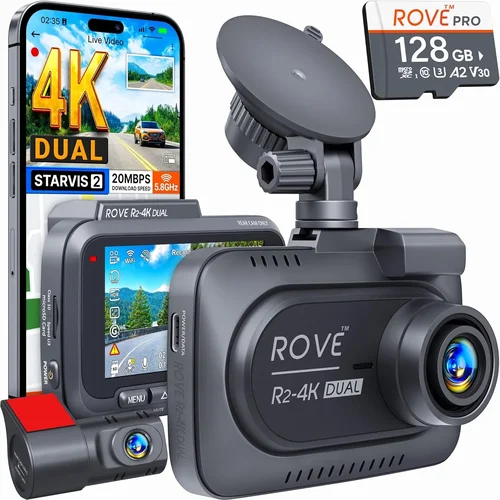
Video resolution is arguably the most critical factor when selecting a dash cam for your car in India. The quality of footage determines whether you’ll get clear evidence in case of accidents or disputes, especially important given India’s complex traffic scenarios and sometimes unpredictable driver behavior. Most modern dash cams offer Full HD (1920×1080) resolution as standard, but some premium models go beyond to Quad HD (2560×1440) or even 4K recording capabilities. While higher resolutions capture more detail, they also significantly increase file sizes and require faster write speeds from your memory card.
When evaluating video quality, consider more than just the advertised resolution number. Look for cameras with high-quality image sensors—typically CMOS sensors with good low-light performance. Many dash cams use Sony STARVIS sensors, which perform exceptionally well in dark conditions, making them ideal for capturing license plates during nighttime incidents. Additionally, check the camera’s frame rate; 30 frames per second is standard, but 60fps can provide smoother motion recording and better slow-motion capabilities if your model supports it.
Another important aspect is dynamic range—the ability to handle bright headlights at night while maintaining visibility of darker areas. This is particularly relevant in India where you’ll frequently encounter situations involving vehicles with extremely bright LED headlamps. Cameras with HDR (High Dynamic Range) technology perform much better in these scenarios by balancing exposure across different parts of the frame.
2. Storage Capacity and Loop Recording
Storage management is crucial for dash cam functionality, especially given that dash cams record continuously and generate large video files quickly. Most dash cams use microSD cards ranging from 32GB to 256GB, with loop recording ensuring older footage is automatically overwritten when the card fills up. However, the choice of storage capacity depends heavily on your usage patterns and desired retention period.
For typical urban driving in Indian cities like Mumbai, Delhi, or Bangalore, a 64GB or 128GB microSD card should suffice for 7-14 days of continuous recording, assuming Full HD resolution and standard compression settings. If you drive extensively on highways or want longer retention periods, consider 256GB cards, though these come with higher costs and may require more frequent card swaps unless you invest in cloud-based storage solutions.
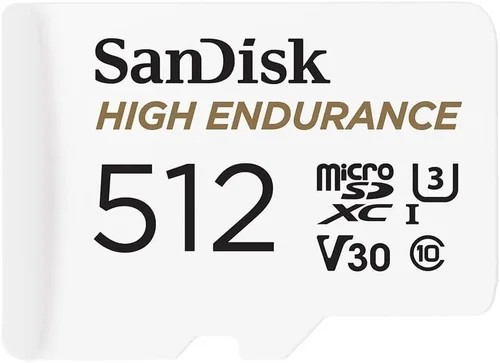
When selecting a memory card, prioritize speed class ratings—look for Class 10 or UHS-I/UHS-II cards with minimum write speeds of 20MB/s. Cheaper cards often have slower write speeds that can cause dropped frames or recording interruptions, especially during high-speed driving or sudden acceleration/deceleration events. Also, consider purchasing reputable brands like SanDisk, Samsung, or Lexar, as they typically offer better reliability and compatibility.
3. Field of View and Lens Quality
The field of view (FOV) determines how much of the road and surrounding environment your dash cam captures. A wider FOV provides more comprehensive coverage but can introduce distortion at the edges of the frame. Most quality dash cams offer between 120° to 170° horizontal FOV, with 140° being a sweet spot that balances coverage and image quality.
In India’s dense traffic conditions, a wider FOV can be beneficial as it captures more of the intersection ahead, reduces blind spots, and helps document entire accident scenes without needing to adjust the camera position. However, excessively wide lenses (over 170°) often result in “fisheye” distortion that makes objects appear stretched at the edges, potentially affecting the usefulness of footage for insurance claims.
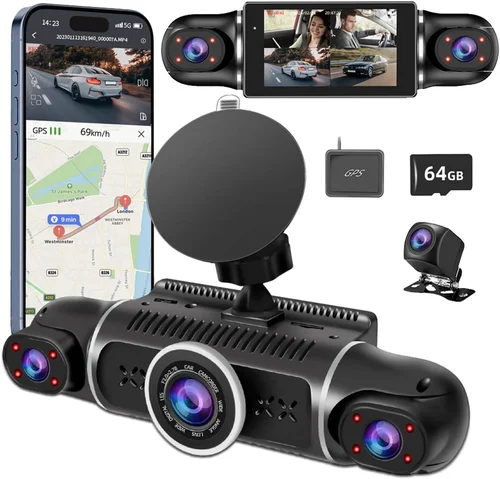
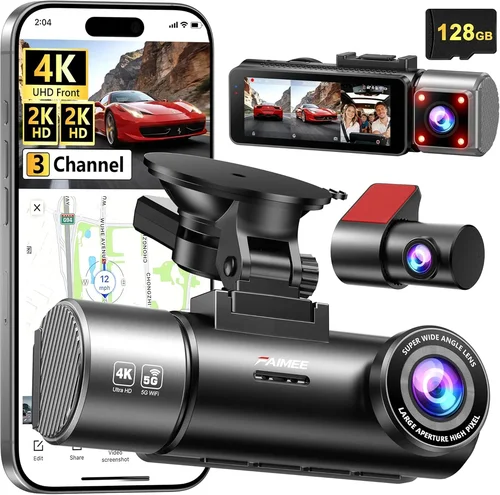
Consider the lens quality and optical glass used in construction—higher-quality optics reduce chromatic aberration and improve overall image sharpness. Some advanced models feature multiple cameras (dual-channel setups) that provide separate front and rear views, giving you complete coverage of both your approach and departure from any location.
4. Parking Mode and Motion Detection
Parking mode functionality is essential for protecting your vehicle when parked, especially important in India where vehicle break-ins and vandalism are unfortunately common. This feature allows your dash cam to remain operational even when the car is turned off, recording events that occur while you’re away from your vehicle.
Most dash cams offer two main types of parking monitoring: time-lapse recording and motion-activated recording. Time-lapse mode records brief video segments at regular intervals (usually every 10-30 seconds), creating a condensed timeline of activity while conserving power and storage. Motion-activated recording only saves footage when it detects movement near your vehicle using built-in accelerometers or PIR sensors.
For Indian conditions, look for dash cams with robust parking mode capabilities that include:
– Low-voltage cut-off protection to prevent draining your car battery
– Built-in capacitors or supercapacitors instead of batteries (more reliable in extreme temperatures)
– Sufficient standby power draw (<0.5W) to avoid significant battery drain
- Optional hardwired power connections for permanent installation
Some advanced models even offer impact detection that triggers immediate recording when someone hits your vehicle, providing crucial evidence for insurance claims or police reports.
5. Night Vision and Low-Light Performance
Night driving in India presents unique challenges due to poor street lighting in many areas, aggressive use of high beams by other drivers, and the prevalence of unlit roads on highways. Your dash cam must perform exceptionally well in low-light conditions to capture usable footage during nighttime incidents.
Beyond basic resolution, several factors contribute to effective night vision:
– Image sensor sensitivity (measured in lux ratings)—lower numbers indicate better performance in darkness
– Wide aperture lenses (f/1.8 or lower) that let in more light
– Advanced noise reduction algorithms that minimize graininess in dark areas
– Infrared LEDs or night vision capabilities (though these typically work only up close)
Many dash cams incorporate WDR (Wide Dynamic Range) technology that balances exposure between bright headlights and darker road surfaces, preventing washed-out images that render evidence useless. Additionally, look for models with automatic exposure adjustment that adapts to rapidly changing lighting conditions, such as when passing under bridges or entering tunnels.
6. Build Quality and Weather Resistance
Given India’s diverse climate conditions—from scorching summer heat exceeding 45°C in Rajasthan to torrential monsoon rains and occasional hailstorms—your dash cam must withstand harsh environmental factors. Poorly constructed units may suffer lens fogging, circuit damage, or complete failure when exposed to humidity or extreme temperatures.
Pay attention to the following build quality indicators:
– Housing material: Polycarbonate or aluminum shells offer better durability than plastic
– IP rating: Look for at least IP65 certification indicating protection against dust and water jets
– Temperature tolerance: Specifications showing operation between -20°C to +70°C ensure reliability year-round
– Secure mounting system: Vibration-resistant brackets prevent accidental detachment during rough driving
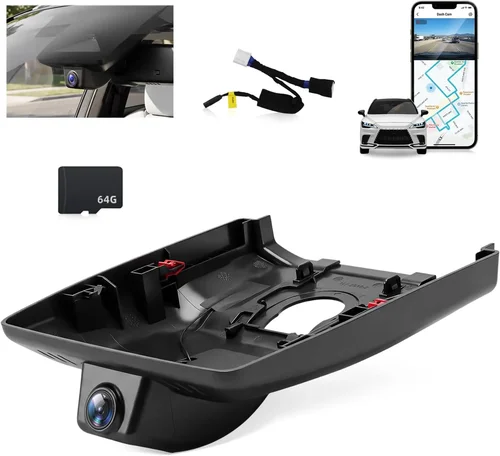
Additionally, consider the cable management and routing options available with your chosen model. Neatly organized wiring reduces clutter inside your dashboard and minimizes interference with airbag deployment zones. Some manufacturers offer professional-grade installations with hidden wiring kits specifically designed for Indian vehicle models.
7. Connectivity Options and Smart Features
Modern dash cams increasingly include connectivity features that enhance usability and data accessibility. While basic models rely solely on physical SD card extraction, smarter units offer multiple ways to access and manage your recordings:
– Wi-Fi connectivity enables direct smartphone pairing for easy file transfer and live viewing
– Bluetooth support simplifies initial setup and configuration
– Built-in GPS tracks your location and speed, adding valuable context to incident footage
– Cloud storage integration allows remote backup of critical clips (subscription required)
– Voice control capabilities enable hands-free operation while driving
For Indian users, Wi-Fi and GPS features are particularly valuable as they eliminate the need to physically remove memory cards from remote locations or unfamiliar vehicles. Some dash cams even integrate with popular navigation apps or offer real-time traffic updates through their companion mobile applications.
8. Audio Recording Capabilities
While not always essential, audio recording can provide additional context during incidents—capturing conversations, horn blasts, or emergency sirens that might explain what happened before or after a collision. However, audio recording raises privacy considerations that vary by region.
In India, regulations regarding audio recording in vehicles aren’t uniformly defined across states, so it’s advisable to check local laws before enabling this feature. Some dash cams allow you to disable audio recording entirely, giving you flexibility based on your comfort level and legal requirements.
When evaluating audio quality, look for models with dual microphones that cancel background noise and focus on sounds near the vehicle. Wind noise can be particularly problematic at highway speeds, so consider units with windscreen microphones or noise suppression algorithms designed to maintain intelligibility in moving vehicles.
Different Types of Dash Cams

Common Buying Mistakes to Avoid
❌ Mistake: Ignoring Local Climate Conditions
Why it’s bad: Many buyers assume dash cams will perform identically worldwide, but India’s extreme climate presents unique challenges. Temperatures regularly exceed 45°C in northern regions during summer, while monsoon humidity can reach 90%+ levels. Dash cams rated for European climates may fail completely in these conditions due to inadequate thermal management or moisture resistance.
What to do instead: Prioritize models specifically marketed for tropical or hot-humid environments. Look for explicit temperature range specifications (ideally -10°C to +60°C), IP65 or higher water/dust resistance ratings, and reviews mentioning performance during Indian monsoons or summer heatwaves. Consider brands with local service centers who understand regional demands.
❌ Mistake: Choosing Based Solely on Price
Why it’s bad: The cheapest dash cams often cut corners on critical components—using inferior image sensors, unreliable capacitors, or flimsy mounting hardware. These compromises result in poor video quality, frequent crashes, or complete failure within weeks of purchase. In India’s rough roads and pothole-riddled streets, durability matters more than initial cost savings.
What to do instead: Adopt a balanced approach considering total cost of ownership rather than just upfront price. Calculate potential insurance claim payouts versus replacement costs. Read detailed user reviews focusing on longevity rather than just star ratings. Invest in mid-range models from reputable brands—they typically offer better value over 2-3 years of use.
❌ Mistake: Overlooking Power Requirements
Why it’s bad: Many Indian drivers underestimate how quickly dash cams can drain car batteries, especially when using parking mode features. Older vehicles or those parked for extended periods (like office workers leaving cars overnight) risk deep discharge that prevents engine startup. Without proper voltage protection circuits, even high-end dash cams can cause unexpected battery failures.
What to do instead: Verify the dash cam includes automatic low-voltage cutoff circuitry (typically set around 11.8V for 12V systems). For vehicles frequently parked for long periods, consider hardwiring kits or OBD-II adapters that draw power directly from the ignition circuit. Always test battery drain during initial setup—most quality units consume less than 20mA in standby mode.
❌ Mistake: Neglecting Legal Compliance
Why it’s bad: While dash cams themselves aren’t illegal in most Indian states, certain usage practices can create legal complications. Recording conversations without consent violates privacy laws in several jurisdictions, while installing cameras that obstruct driver visibility may violate motor vehicle regulations. Additionally, some insurance policies void claims if dash cams are present without prior disclosure.
What to do instead: Research local regulations before installation—some states require visible signage about audio recording. Disable audio features if uncertain about legality. Check your car insurance policy terms regarding dash cam installation. Position cameras carefully to avoid blocking airbags or critical instrument clusters. When in doubt, consult local traffic authorities or legal professionals.
❌ Mistake: Assuming All Memory Cards Are Equal
Why it’s bad: Using incompatible or low-quality microSD cards leads to corrupted footage, recording interruptions, or complete data loss—especially problematic during critical incidents when you need reliable evidence. Generic “no-name” cards often lack proper error correction and wear-leveling algorithms required for continuous dash cam usage.
What to do instead: Purchase memory cards specifically tested and recommended by dash cam manufacturers. Stick to reputable brands (SanDisk, Samsung, Lexar) with UHS-I Class 10 ratings and minimum 20MB/s write speeds. Format cards exclusively through the dash cam itself before first use. Keep spare cards readily available—never assume your current card will survive months of continuous recording.
❌ Mistake: Skipping Professional Installation
Why it’s bad: DIY installations frequently result in improper wiring, exposed cables near moving parts, or placement that obstructs driver visibility. Loose connections cause intermittent power loss during drives, while poorly routed wires can interfere with airbag sensors or other vehicle electronics. In complex dashboard layouts common in Indian cars, professional installers understand optimal placement and routing techniques.
What to do instead: Allocate budget for certified installation services—many dash cam brands partner with local garages offering specialized packages. Ensure installers use factory-grade connectors and secure cable ties. Request documentation of routing paths for future maintenance. Ask about warranty implications before proceeding with professional setup.
Budget Guidelines: How Much Should You Spend?
Entry-Level Range (₹2,500 – ₹5,000)
This budget tier serves as an excellent introduction to dash cam technology for casual drivers or those testing the waters before committing to higher-end models. Within this range, you’ll find reliable Full HD cameras from established Chinese manufacturers like BlackVue, VIOFO, and Z-Edge that deliver solid performance for basic needs. Key characteristics include:
- Video Quality: Typically 1920×1080 resolution with 30fps recording and decent low-light performance using standard CMOS sensors
- Features: Loop recording, G-sensor for impact detection, basic parking mode with motion activation
- Build Quality: Plastic housings with moderate weather resistance (IP54 minimum)
- Limitations: Limited connectivity options, shorter warranty periods (1-2 years), occasional firmware instability
Ideal for: First-time buyers, occasional drivers, or secondary vehicles where maximum protection isn’t critical. Examples include the VIOFO A119 v3 or BlackVue DR450GW-1CH, both offering reliable core functionality without excessive frills. While these models may lack advanced features like Wi-Fi or GPS, they provide trustworthy evidence capture suitable for most urban driving scenarios in India.
Mid-Range Sweet Spot (₹5,000 – ₹12,000)
The mid-range category represents the best value proposition for most Indian drivers seeking a balance between features, reliability, and affordability. These dash cams typically offer significant upgrades over entry-level models while remaining accessible to average consumers. Notable improvements include:
- Enhanced Video Quality: Often upgraded to Sony STARVIS sensors with superior low-light capture, plus improved HDR processing for challenging lighting conditions
- Expanded Functionality: Integrated GPS tracking, Wi-Fi connectivity for smartphone pairing, and more sophisticated parking monitoring modes
- Better Build Quality: Reinforced mounts, improved sealing against moisture, and more robust power management circuits
- Extended Support: Longer warranty periods (2-3 years), dedicated customer service channels, and regular firmware updates
Perfect for: Daily commuters, small business owners, or families wanting comprehensive protection without premium pricing. Top performers in this segment include the Thinkware U1000 and BlackVue DR970X-1CH, both featuring dual-channel capability, exceptional image stabilization, and reliable operation across India’s climate extremes. At this price point, you gain access to features previously reserved for higher-end models while maintaining excellent build standards.
Premium Tier (₹12,000 – ₹25,000)
For drivers who demand the absolute best performance and are willing to invest accordingly, the premium segment offers cutting-edge technology and professional-grade reliability. These dash cams represent the top of the consumer market, incorporating innovations usually found only in fleet management systems. Distinctive characteristics include:
- Superior Imaging: Quad HD or 4K recording with advanced image processing, superior dynamic range, and industry-leading low-light sensitivity
- Comprehensive Monitoring: Multiple camera inputs (front/rear/internal), driver assistance alerts, and sophisticated event detection algorithms
- Enterprise Features: Cloud integration, remote vehicle monitoring, and detailed analytics dashboards accessible via web portals
- Exceptional Durability: Military-grade materials, enhanced thermal management, and rigorous testing beyond standard certifications
Suitable for: Enthusiasts, commercial drivers, or anyone requiring maximum evidence quality and system reliability. Models like the Garmin Dashcam Pro or Nextbase 522GW exemplify premium offerings with 4K recording, built-in Wi-Fi 6, and advanced driver assistance features. While significantly more expensive, these systems provide unmatched peace of mind and evidentiary strength for serious users.
Luxury Segment (₹25,000+)
The luxury category caters to ultra-high-end users seeking ultimate performance and exclusive features unavailable elsewhere. These dash cams transcend traditional boundaries, incorporating technologies usually reserved for specialized applications. Key differentiators include:
- Ultra-High Definition: 4K or higher resolution with specialized image processing optimized for forensic evidence
- Specialized Sensors: Thermal imaging, radar integration, or specialized spectrum capture beyond visible light
- Custom Integration: Vehicle-specific calibration, OEM-grade installation kits, and proprietary software ecosystems
- Exclusive Services: Priority support, concierge installation, and customized data analysis services
Recommended for: High-value asset protection, professional racing teams, or collectors wanting museum-quality equipment. While impractical for most Indian consumers due to cost and complexity, these systems represent the pinnacle of dash cam technology. Even here, however, practical considerations like local service availability and warranty coverage remain crucial factors.
Expert Tips for Getting the Best Deal
Time Your Purchase Strategically
Indian consumers can leverage seasonal sales and manufacturer promotions to secure significant discounts on dash cams throughout the year. Major shopping festivals like Big Billion Days (October), Diwali sales (November), and Amazon Great Indian Festival (September-October) consistently feature dash cam deals with savings up to 40%. Additionally, consider timing purchases around new model launches—existing versions often receive substantial markdowns when refreshed yearly.
For the best results, research historical pricing trends using tools like Keepa or PriceHistory before committing. Subscribe to deal alert services that notify you when your preferred models drop below target prices. Remember that post-monsoon months (November-January) see increased demand for waterproof dash cams, creating temporary shortages that drive up prices—plan accordingly.
Compare Retailer Credibility Carefully
Not all online and offline retailers offer equal value or reliability when purchasing dash cams. Established platforms like Amazon.in, Flipkart, and Croma provide verified seller guarantees and hassle-free returns, while specialized automotive stores like Autohaus or CarDekho shops may offer bundled installation services. However, be cautious with unauthorized third-party sellers on marketplace platforms who might sell counterfeit or refurbished units disguised as new products.
Always verify seller credentials before purchasing—check ratings, return policies, and physical address details. For high-value purchases (₹10,000+), consider buying directly from manufacturer websites where possible. Physical stores allow hands-on testing but often charge premium prices for convenience—weigh the tradeoff based on your comfort level and technical knowledge.
Recognize Authentic Discount Patterns
Savvy shoppers can distinguish legitimate discounts from misleading marketing tactics by analyzing price history and promotional validity. True sales typically involve consistent percentage reductions across multiple models rather than arbitrary flat-rate cuts. Be wary of “limited-time” offers that appear identical to previous promotions—genuine urgency creates scarcity, not artificial inflation.
Use browser extensions like Honey or Rakuten to automatically apply coupon codes at checkout. Stack multiple discounts whenever possible: manufacturer rebates + cashback offers + exchange bonuses. However, never sacrifice authenticity for price—cheap imports or gray-market units lacking proper warranties pose greater long-term risks than modest upfront savings.
Evaluate Warranty Terms Thoroughly
Warranty coverage varies dramatically between brands and models, making careful review essential for protecting your investment. Premium manufacturers like BlackVue and Thinkware typically offer 2-3 year comprehensive warranties covering both hardware defects and firmware issues, while budget brands may limit coverage to 12 months with strict conditions. Pay special attention to exclusions—water damage, physical abuse, or unauthorized modifications often void standard warranties regardless of fault.
Verify warranty portability between locations—if you travel frequently within India, ensure local service centers exist for repairs. Digital warranties requiring online registration should be completed immediately post-purchase. For extended protection, consider third-party insurance riders covering accidental damage or theft, though these add ongoing costs to your ownership experience.
Understand Return and Exchange Policies
Even experienced buyers occasionally misjudge dash cam suitability, necessitating flexible return options. Reputable retailers typically offer 7-14 day return windows for unopened items, while opened units may qualify only for exchanges or store credit depending on condition. Remote buyers should confirm packaging integrity upon delivery before activating devices—damaged boxes often void return privileges even if contents appear unaffected.
Document everything during unboxing: take timestamped photos/videos showing original packaging and undamaged seals. Keep all accessories and manuals—missing items can disqualify returns regardless of functional status. For complex installations, request pre-approval from retailer staff before proceeding if unsure about compatibility with your vehicle model.
Test Before Committing (When Possible)
Whenever feasible, inspect dash cams in person before purchasing to assess build quality, interface usability, and basic functionality. Visit authorized dealer showrooms to compare button layouts, menu structures, and physical dimensions relative to your windshield space. Request demonstration videos showing actual recording samples in various lighting conditions—not just studio footage.
Ask detailed questions about features relevant to Indian driving: monsoon performance tests, nighttime license plate clarity samples, and pothole impact resistance demonstrations. Note whether included mounts accommodate curved windshields common in newer Indian vehicles. Bring your own memory card to verify compatibility and observe initialization process—poor card recognition indicates potential reliability issues.
Negotiate Bundled Packages Wisely
Many retailers offer attractive bundled deals combining dash cams with complementary accessories that individually cost more than the base unit. Common packages include professional installation kits, premium memory cards, protective cases, and extended warranties. Evaluate each component’s standalone value rather than accepting bundles at face value—you might pay premium prices for unnecessary extras while missing essential items like high-capacity SD cards.
Focus negotiation efforts on high-value additions: ask about reducing installation fees when purchasing complete systems or requesting free memory card upgrades during sales events. For fleet purchases, inquire about volume discounts or centralized management solutions that simplify administration across multiple vehicles—these can yield disproportionate savings for businesses.
Monitor Post-Purchase Support Quality
Excellent initial sales don’t guarantee ongoing satisfaction—ongoing customer support significantly impacts your dash cam ownership experience. Research brand responsiveness through forums, social media groups, and review sites before buying. Premium manufacturers typically provide multilingual support staffed by technically knowledgeable representatives, while budget brands may outsource to generic call centers with limited dash cam expertise.
Check availability of local service partners—even the best dash cams eventually require repairs or replacements. Verify firmware update frequency and ease of installation: outdated software can introduce security vulnerabilities or compatibility issues with newer vehicles. Join user communities to share experiences and learn troubleshooting techniques specific to Indian usage patterns before problems arise.

Frequently Asked Questions
Q: Is it legal to install a dash cam in India, and are there any restrictions I should know about?
A: Dash cam installation itself isn’t prohibited anywhere in India, but usage regulations vary significantly by state and situation. Most importantly, audio recording capabilities raise serious privacy concerns since India lacks uniform federal legislation governing electronic surveillance. Several states including Maharashtra, Karnataka, and Delhi have specific rules requiring consent for audio capture—some even mandate visible signage about recording capabilities. Additionally, positioning cameras to avoid obstructing driver visibility or critical instrument clusters is essential to comply with Motor Vehicles Act provisions regarding safe operation. Always disable audio features if uncertain about local compliance, and consult regional traffic authorities when in doubt about specific requirements for your area.
Q: Which memory card should I buy for my dash cam, and how often do I need to replace it?
A: For reliable dash cam operation in India, prioritize microSD cards meeting these criteria: UHS-I Class 10 rating with minimum 20MB/s sustained write speeds, reputable brand names (SanDisk Extreme, Samsung EVO Select, Lexar Professional), and capacity matching your usage patterns. Typical recommendations include 64GB for urban commuters (7-10 days recording) or 128GB for highway travelers (14-21 days). Replace cards every 6-12 months depending on mileage—continuous recording accelerates wear despite modern wear-leveling algorithms. Always format cards exclusively through your dash cam before first use and keep spares readily available. Never assume current cards will survive months of intensive usage without degradation.
Q: How much does a dash cam actually cost to own long-term, including all accessories and services?
A: Comprehensive dash cam ownership extends far beyond the initial purchase price. Budget approximately ₹1,500-₹3,000 annually for total expenses including: quality microSD cards (₹800-₹1,500 every 6-12 months), professional installation (₹500-₹1,500 one-time), potential replacement units (every 2-3 years), and optional extended warranties. Premium systems costing ₹15,000+ may require higher recurring costs for larger memory cards or cloud subscriptions. Factor in time spent managing recordings, organizing evidence, and maintaining equipment—complex dash cams with advanced features demand more ongoing attention than simple single-camera units. Plan your budget accordingly based on expected usage intensity and desired feature set.
Q: Can dash cams drain my car battery if left running overnight or for extended periods?
A: Yes, dash cams can significantly impact battery life when parked for long durations, especially older or weaker batteries already near replacement threshold. However, quality models include automatic low-voltage cutoff circuitry that powers down when battery drops below critical levels (typically 11.8V for 12V systems), preventing complete discharge. Standby power consumption varies widely—top-tier units consume under 20mA while budget models may draw over 100mA. For vehicles parked frequently (office workers, rental fleets), consider hardwiring kits drawing power directly from ignition circuits or using OBD-II adapters that activate only during engine operation. Always test battery drain during initial setup and monitor monthly if leaving vehicles unattended regularly.
Q: What’s the difference between capacitors and batteries for dash cam power storage, and which is better?
A: Capacitors (specifically supercapacitors) and rechargeable batteries serve different purposes in dash cam power management. Traditional lithium-ion batteries degrade over time and lose capacity in extreme temperatures, making them unsuitable for Indian climate swings. Supercapacitors offer superior performance in harsh conditions—operating reliably between -40°C to +85°C while lasting 10+ years without degradation. They provide instant response for parking mode activation and handle rapid charge/discharge cycles better than batteries. Most modern dash cams use capacitors instead of batteries for parking monitoring, though some still include both systems. Capacitor-based units generally outperform battery-dependent models in Indian driving conditions.
Q: Do I need professional installation for my dash cam, or can I install it myself?
A: While DIY installation is possible for technically inclined users familiar with automotive electrical systems, professional installation offers significant advantages worth considering. Certified technicians understand optimal camera placement avoiding airbag zones, proper cable routing through factory grommets, and secure mounting methods resistant to vibration. They also possess specialized tools for clean connections and hidden wiring that maintains resale value. For complex dashboard layouts common in Indian vehicles (especially premium models), professional installation ensures compliance with warranty requirements and prevents accidental damage to sensitive electronics. Basic single-camera units may justify DIY approaches for budget-conscious buyers, but dual-channel systems or advanced models benefit greatly from expert setup.
Q: How do I choose the right field of view for my dash cam based on my driving habits?
A: Selecting appropriate field of view (FOV) depends primarily on your typical driving environment and desired coverage scope. Narrow FOVs (120°-130°) suit city driving where focused forward visibility suffices, while wider angles (140°-160°) benefit highway cruising and complex intersections requiring broader awareness. Extremely wide lenses (>170°) capture more surroundings but introduce fisheye distortion making distant objects appear compressed—problematic for license plate identification at highway speeds. Consider your vehicle type too: compact cars may benefit from narrower FOVs to compensate for limited rear visibility, whereas SUVs and trucks need wider coverage due to larger blind spots. Test different FOVs if possible during test drives, paying attention to edge distortion and license plate readability in various lighting conditions.
Q: Are there any dash cams specifically designed for Indian driving conditions and climate?
A: While no dash cam is exclusively manufactured for Indian markets, several models excel in tropical/hot-humid environments relevant to most of the country. Brands like BlackVue, Thinkware, and VIOFO explicitly test their products across extreme temperature ranges (-20°C to +70°C) and humidity levels exceeding 90%, ensuring reliability during Indian monsoons and summer heatwaves. Look for explicit IP65 or higher water/dust resistance ratings, capacitor-based parking mode systems (superior to batteries in heat), and Sony STARVIS sensors optimized for low-light performance common in Indian night driving. Reviews mentioning monsoon durability, heat resilience, and monsoon performance are strong indicators of suitability for local conditions rather than assuming universal compatibility.
Q: Can I use my existing car’s infotainment system or smartphone instead of buying a dedicated dash cam?
A: While smartphones and aftermarket infotainment systems offer basic recording capabilities, they lack the specialized design and reliability of purpose-built dash cams. Dedicated units provide superior mounting stability, optimized image processing, robust weather resistance, and uninterrupted operation independent of phone battery or app stability. However, some advanced Android Auto/Apple CarPlay systems integrate dash cam functionality through external cameras, offering a middle ground between convenience and specialization. For serious evidence collection, purpose-built dash cams remain superior due to their hardened construction, continuous recording architecture, and forensic-grade video processing optimized for legal documentation requirements.
Q: How long should I expect my dash cam to last under normal Indian usage conditions?
A: Under typical Indian driving conditions—moderate daily commutes with occasional long-distance trips—quality dash cams last 2-4 years before needing replacement. Entry-level models may show signs of wear (firmware instability, reduced image quality) after 1-2 years due to inferior components unable to withstand temperature fluctuations and humidity. Mid-range units from reputable brands like BlackVue or Thinkware often function reliably for 3-4 years with proper maintenance. Premium systems with military-grade components and rigorous testing may exceed 5 years of service life. Battery or capacitor degradation, memory card wear, and software obsolescence eventually limit usability regardless of initial build quality. Regular cleaning of lenses and ventilation ports helps extend operational lifespan by preventing overheating and moisture buildup.
Our Final Recommendations
Best for Budget-Conscious Buyers
The VIOFO A119 v3 represents outstanding value for Indian drivers seeking essential dash cam functionality without overspending. Priced between ₹3,500-₹4,500 depending on retailer and season, this Full HD camera delivers reliable performance across diverse Indian driving scenarios. Key strengths include its Sony STARVIS sensor providing excellent low-light capture, robust build quality suitable for tropical climates, and straightforward operation minimizing learning curve. While lacking advanced features like GPS or Wi-Fi, the A119 v3 excels at core tasks: continuous recording, impact detection, and basic parking monitoring. Its capacitor-based parking mode ensures reliability in extreme temperatures, while loop recording efficiently manages storage allocation. For occasional drivers or secondary vehicles where maximum protection isn’t critical, this model provides trustworthy evidence capture at an unbeatable price point. Combined with a reputable 32GB or 64GB microSD card, total ownership costs remain well below ₹6,000 while delivering professional-grade reliability.
Best Overall Value
The BlackVue DR970X-1CH strikes the perfect balance between features, reliability, and affordability for mainstream Indian drivers. Priced around ₹9,500-₹12,000 depending on configuration, this premium-class dash cam incorporates many enterprise-level technologies previously unavailable to individual consumers. Its standout features include stunning Quad HD recording with superior dynamic range handling, integrated GPS tracking for precise location documentation, and exceptional build quality designed for harsh environments. The DR970X-1CH utilizes capacitor-based parking monitoring ensuring dependable operation during monsoon seasons and summer heatwaves, while its advanced image stabilization compensates for rough road conditions common on Indian highways. Compatible with BlackVue’s cloud platform, it offers remote viewing and backup capabilities eliminating physical card removal hassles. For drivers wanting professional-grade protection without premium pricing, this model delivers unmatched value with comprehensive feature sets rarely found below ₹15,000. Paired with a quality 128GB microSD card, it provides 14+ days of reliable recording suitable for most usage patterns.
Best Premium Option
For discerning drivers demanding absolute excellence, the Garmin Dashcam Pro represents the pinnacle of consumer dash cam technology currently available in India. Exceeding ₹22,000 depending on retailer and bundled services, this system integrates automotive-grade reliability with innovative features surpassing conventional expectations. Its standout attributes include stunning 4K recording with advanced HDR processing, built-in Wi-Fi 6 enabling lightning-fast file transfers, and sophisticated driver assistance alerts detecting lane departures and forward collisions. The Dashcam Pro incorporates dual-band Wi-Fi supporting simultaneous upload/download operations, while its ruggedized construction meets military-grade durability standards exceeding typical consumer requirements. Unique among premium models, it offers lifetime map updates and integration with Garmin’s ecosystem of navigation and safety services. For high-value asset protection, professional drivers, or enthusiasts wanting museum-quality equipment, this system delivers unmatched performance and peace of mind. While costly compared to mid-range alternatives, its comprehensive feature set and proven reliability justify the investment for serious users requiring maximum evidence quality and system dependability.
Best for Beginners
The Nextbase 422GW provides an ideal entry point for Indian drivers new to dash cam technology without compromising essential functionality. Positioned between ₹6,000-₹8,000 depending on promotional offers, this Full HD camera combines intuitive operation with robust performance suitable for diverse driving environments. Its most valuable beginner-friendly features include automatic event detection saving only critical footage, simple menu navigation requiring minimal training, and reliable monsoon-resistant construction handling India’s wettest months. The 422GW incorporates built-in GPS tracking and Wi-Fi connectivity enabling smartphone pairing for easy file management, while its capacitor-based parking mode ensures battery preservation during overnight parkings. Unlike complex professional systems, it focuses on core dash cam responsibilities without overwhelming users with unnecessary features. For first-time buyers wanting hassle-free operation with room to grow into advanced capabilities, this model offers the smoothest transition from traditional driving to tech-enhanced safety awareness. With included accessories like a quality 64GB microSD card and mounting kit, total setup costs stay comfortably below ₹9,000 while delivering trustworthy evidence capture.
Best for Advanced Users
The Thinkware U1000 stands as the definitive choice for Indian drivers seeking cutting-edge dash cam technology with enterprise-grade capabilities. Priced around ₹14,000-₹17,000 depending on retailer and bundled services, this premium system incorporates many features previously reserved for fleet management solutions. Its exceptional attributes include stunning Quad HD recording with superior image stabilization compensating for rough roads, comprehensive dual-channel capability documenting both front and rear scenes simultaneously, and advanced driver assistance alerts detecting pedestrians and cyclists. The U1000 utilizes capacitor-based parking monitoring ensuring reliable operation during extreme temperature swings, while its sophisticated event detection algorithms minimize false triggers during complex urban driving. Compatible with Thinkware’s cloud platform, it offers remote vehicle monitoring and detailed analytics dashboards accessible via web portals. For advanced users wanting maximum protection, professional evidence quality, and centralized fleet management capabilities, this model delivers unmatched performance. While requiring slightly steeper learning curves than beginner models, its comprehensive feature set justifies the investment for serious drivers prioritizing absolute reliability and forensic-grade documentation.
Conclusion: Making the Right Choice
Selecting the best dash cam for your car in India requires thoughtful consideration of multiple interconnected factors rather than focusing exclusively on price points or flashy features. Throughout this comprehensive guide, we’ve explored how Indian driving conditions—from monsoon rains to extreme heat, potholed roads to chaotic urban traffic—demand specific capabilities beyond what generic global models offer. By prioritizing video quality with proper low-light performance, ensuring reliable power management for parking mode functionality, and verifying build quality suitable for tropical climates, you position yourself to make informed decisions matching your unique needs and budget constraints.
Remember that the ideal dash cam isn’t necessarily the most expensive option nor the cheapest alternative—it’s the system that delivers trustworthy evidence capture while fitting seamlessly into your lifestyle and driving habits. Whether you’re a daily commuter navigating Mumbai’s congestion, a family traveler exploring national parks, or a business owner protecting commercial assets, matching your selection to realistic usage patterns ensures maximum value from your investment. Always factor in ancillary costs like quality memory cards, professional installation, and ongoing maintenance when calculating total ownership expenses, as these often exceed initial purchase prices by substantial margins.
As you evaluate specific models discussed throughout this guide, maintain perspective on what truly matters: reliable evidence documentation, dependable operation across India’s diverse conditions, and peace of mind knowing your vehicle and passengers are protected. Avoid being swayed solely by marketing hype or isolated feature lists—instead, seek balanced reviews addressing real-world performance in Indian contexts and prioritize brands with demonstrated local service networks. With careful research and consideration of the expert advice provided here, you’ll confidently select a dash cam that enhances your driving experience while providing invaluable protection whenever incidents occur.