Complete 360 Dash Cam Buying Guide
When you’re behind the wheel, every second counts. A split-second distraction could lead to a collision, a traffic violation, or worse—legal trouble that could have been avoided with clear evidence. That’s where 360-degree dash cameras come in, offering comprehensive coverage of your surroundings and providing peace of mind on every journey. Whether you’re commuting through busy city streets, navigating narrow parking lots, or driving on winding country roads, having a full-circle view can make all the difference.
This comprehensive buying guide will walk you through everything you need to know about selecting the best 360 dash cam for your vehicle. You’ll learn about the key features to look for, understand how different types of cameras compare, and discover expert tips for getting the most value from your investment. We’ll break down complex technical specifications into practical insights you can use, explain why certain features matter more than others, and help you avoid common pitfalls that could leave you underprotected or overpaying.
The market for automotive safety technology has exploded in recent years, with dozens of manufacturers offering increasingly sophisticated camera systems. From basic single-lens setups to advanced multi-camera networks with AI-powered analytics, there’s no shortage of options. But not all 360 dash cams are created equal. Some offer excellent video quality but lack essential safety features, while others provide comprehensive coverage but fail to record clearly in low-light conditions. By the end of this guide, you’ll have the knowledge to cut through the marketing hype and choose a system that truly meets your needs.

What to Look for When Buying Dash Cams
1. Resolution and Video Quality
Video resolution is arguably the most critical factor when selecting a 360 dash cam. Modern systems typically offer various combinations of front, rear, and interior camera resolutions. For optimal clarity and detail, aim for at least 1080p resolution across all lenses. However, many premium models now feature 4K recording capabilities, which provide exceptional detail for license plates, road signs, and facial recognition.
Consider the following resolution combinations based on your needs:
- Entry-level: 1080p front + 720p rear (basic protection)
- Mid-range: 2K front + 1080p rear (balanced performance)
- Premium: 4K front + 2K rear + 1080p interior (maximum detail)
Beyond resolution, pay attention to frame rates. Higher frame rates (60fps vs 30fps) capture smoother motion, which is crucial for detecting sudden movements or collisions. Additionally, look for cameras with good low-light performance—many models include night vision enhancements, wide dynamic range (WDR), and infrared lighting for clear nighttime recording.
2. Field of View (FOV) and Coverage
The field of view determines how much area each camera can capture. For 360-degree systems, you’ll want overlapping coverage to eliminate blind spots. Most front cameras offer between 120-150 degrees, while side cameras typically provide 90-120 degrees. Rear cameras usually have slightly wider angles, often around 150-180 degrees, to capture more of the road behind your vehicle.
When evaluating FOV, consider these scenarios:
- City driving: Wider angles help capture pedestrians, cyclists, and other vehicles entering intersections
- Highway travel: Narrower, more focused views reduce distortion while maintaining important details
- Parking surveillance: Ultra-wide angles (170+ degrees) help monitor large parking areas
Look for cameras with adjustable FOV settings if you frequently switch between urban and highway environments. Some advanced systems automatically adjust their angle based on driving speed and conditions.
3. Storage Capacity and Management
Storage is a crucial consideration for 360 dash cams, especially with multiple high-resolution cameras running simultaneously. The average 1080p camera consumes about 1GB per hour, so a 4K system with three cameras could use up to 9GB hourly. Most systems use microSD cards, typically ranging from 32GB to 512GB.
Here’s what to consider regarding storage:
- Loop recording: Ensures continuous recording by overwriting old footage when storage fills
- G-sensor: Automatically saves impact-triggered clips to prevent overwriting important evidence
- Cloud storage: Some premium systems offer remote access and backup to the cloud
- Compression technology: Advanced codecs like H.265 reduce file sizes without sacrificing quality
For most users, a 128GB to 256GB card provides adequate storage for 2-4 weeks of continuous recording at 1080p. Always choose cards with Class 10 or UHS-I/UHS-II ratings for reliable performance.
4. Connectivity and Smart Features
Modern 360 dash cams offer various connectivity options beyond just recording footage. Wi-Fi and Bluetooth enable smartphone integration, allowing you to view live feeds, download clips, and configure settings remotely. GPS tracking adds location data to your recordings, which can be valuable for insurance claims or route analysis.
Smart features to look for include:
- Parking mode: Monitors your vehicle when parked using motion detection or impact sensors
- Driver assistance: Lane departure warnings, forward collision alerts, and blind spot monitoring
- Voice control: Hands-free operation for changing settings or initiating recording
- Automatic updates: Keep your system current with the latest features and security patches
Consider how you’ll access your recordings. Some systems require physical removal of the SD card, while others offer wireless transfer via app or direct USB connection. Cloud-based solutions provide convenience but raise privacy concerns and may incur subscription fees.
5. Build Quality and Weather Resistance
A dash cam must withstand the harsh automotive environment. Temperature extremes, moisture, dust, and vibration are all challenges your device will face. Look for cameras with IP rating certifications (typically IP65 or higher) indicating dust and water resistance.
Key durability factors include:
- Heat resistance: Most cameras operate well in -20°C to 70°C (-4°F to 158°F) ranges
- Vibration resistance: Internal components should remain secure during rough driving
- Cable management: Neat routing prevents damage from moving parts or heat sources
- Mounting hardware: Secure attachment methods that don’t damage your windshield
Aluminum or metal housings generally provide better heat dissipation and durability compared to plastic alternatives. Check customer reviews for real-world feedback on longevity and reliability under various conditions.
6. Installation Complexity
Installing a 360 dash cam system can range from simple plug-and-play setups to complex multi-camera installations requiring professional help. Single-lens systems are relatively straightforward, while multi-camera setups demand careful planning for cable routing and power connections.
Factors affecting installation difficulty:
- Number of cameras: More cameras mean more cables and mounting points
- Power source: Hardwiring requires accessing your car’s electrical system, while hardwired kits simplify permanent installation
- Cable management: Clean routing through door jambs and along trim pieces
- Wireless vs wired: Wireless systems reduce clutter but may have signal interference issues
If you’re not comfortable working with automotive electronics, consider purchasing a system specifically designed for easy DIY installation or budget for professional installation services. Some manufacturers offer detailed video tutorials and customer support to help with setup.
7. Brand Reputation and Customer Support
The automotive electronics market includes both established brands and lesser-known manufacturers. Well-established companies typically offer better warranty terms, more reliable customer service, and longer product availability. Research each brand’s reputation for reliability and responsiveness before making your decision.
Evaluate brands by considering:
- Warranty length: Most reputable brands offer 1-3 year warranties
- Customer service channels: Phone, email, chat, and social media support options
- Software update policy: Regular firmware updates indicate ongoing commitment to the product
- Community presence: Active user forums suggest engaged development teams
Read recent customer reviews on independent platforms rather than relying solely on manufacturer websites. Pay attention to complaints about false alarms, software bugs, or poor post-purchase support. Brands that actively address customer concerns demonstrate stronger commitment to their products.
8. Price vs Value Analysis
While price shouldn’t be the sole deciding factor, it’s important to understand what you’re getting for your money. Entry-level 360 dash cams start around $200-$300, while premium systems can exceed $1,000. Determine which features are essential versus optional based on your specific needs and driving habits.
Consider this value framework:
- Essential features: High-quality recording, reliable performance, adequate storage
- Important features: Parking mode, GPS tracking, smart connectivity
- Nice-to-have features: Advanced driver assistance, luxury materials, premium packaging
Remember that the cheapest option isn’t always the best value—sometimes paying slightly more upfront ensures better longevity and fewer headaches. Conversely, overspending on unnecessary features may not provide proportional benefits.
Different Types of Dash Cams

Common Buying Mistakes to Avoid
❌ Mistake: Prioritizing Price Over Quality
Why it’s bad: Choosing the cheapest available option often leads to disappointment. Low-cost dash cams frequently suffer from poor image quality, unreliable performance, and short lifespans. In critical situations where evidence matters, subpar footage could be useless or misleading.
What to do instead: Focus on finding the right balance between cost and capability. Research thoroughly, read independent reviews, and consider investing in a mid-range model that offers proven reliability and good video quality. Remember that a slightly higher upfront cost can save money in the long run through better durability and functionality.
❌ Mistake: Ignoring Storage Requirements
Why it’s bad: Underestimating storage needs results in constantly deleting old footage or losing important incidents due to full memory cards. With multiple cameras running simultaneously, storage consumption adds up quickly, especially at higher resolutions.
What to do instead: Calculate your expected storage usage based on your typical driving patterns and desired retention period. Factor in additional overhead for G-sensor events and parking mode recordings. Choose a system compatible with larger capacity cards and consider models with cloud backup options for extended archival needs.
❌ Mistake: Overlooking Installation Challenges
Why it’s bad: Assuming all dash cam installations are equally simple leads to frustration. Multi-camera systems require careful planning for cable routing, power connections, and mounting locations. Poor installation can result in damaged wires, loose connections, or even compromised safety.
What to do instead: Assess your comfort level with automotive electronics before purchasing. For complex setups, consider professional installation services or choose systems specifically designed for DIY installation. Watch manufacturer-provided tutorials and read installation guides before committing to a purchase.
❌ Mistake: Neglecting Nighttime Performance
Why it’s bad: Many buyers focus exclusively on daytime recording quality while overlooking nighttime capabilities. Poor low-light performance renders your dash cam ineffective during evening commutes, nighttime deliveries, or early morning trips when most accidents occur.
What to do instead: Test or research nighttime recording quality thoroughly before purchasing. Look for features like infrared LEDs, enhanced sensitivity, and wide dynamic range (WDR) that improve visibility in dark conditions. Request sample videos if possible, or rely on verified customer reviews mentioning nighttime performance.
❌ Mistake: Focusing Only on Camera Count
Why it’s bad: Simply counting cameras without considering their specifications creates a false sense of security. Two low-resolution cameras provide less useful footage than one high-quality camera. Adding cameras without proper integration leads to gaps in coverage or conflicting recordings.
What to do instead: Evaluate the entire system holistically rather than focusing on individual components. Consider resolution, field of view, synchronization, and overall integration quality. Ensure the system properly coordinates multiple cameras to provide seamless coverage without blind spots.
❌ Mistake: Skipping Warranty and Support Research
Why it’s bad: Assuming all manufacturers offer similar support levels leads to problems after purchase. Some companies provide excellent initial service but disappear once the warranty expires. Others may have slow response times or limited troubleshooting resources.
What to do instead: Investigate warranty terms, customer service reputation, and community support before buying. Check independent review sites for feedback on post-purchase support experiences. Choose brands with clear communication channels and reasonable return policies in case of defects or dissatisfaction.
❌ Mistake: Not Considering Your Specific Needs
Why it’s bad: Buying a generic solution without considering personal circumstances results in either overpaying for unnecessary features or underprotecting yourself with inadequate equipment. Different drivers have varying requirements based on their routes, vehicles, and risk tolerance.
What to do instead:: Take time to assess your specific situation before shopping. Consider factors like daily mileage, typical driving environments, vehicle type, insurance requirements, and budget constraints. This self-assessment helps identify which features matter most for your circumstances rather than chasing industry trends.
Budget Guidelines: How Much Should You Spend?
Entry-Level Range ($150 – $300)
This budget tier offers basic protection suitable for occasional drivers or those seeking simple, reliable dash cam functionality. While limited in advanced features, entry-level 360 dash cams can still provide valuable evidence in accident scenarios. Expect single-lens or dual-lens systems with 1080p recording, basic loop recording, and minimal smart features.
Recommended entry-level features include:
- 1080p front camera with decent night vision
- Basic G-sensor for impact detection
- MicroSD card compatibility (32GB-64GB recommended)
- Simple mobile app for clip retrieval
- Standard 1-year warranty
This range works well for:
- Rural drivers with minimal traffic exposure
- Seasonal recreational vehicles
- Drivers wanting basic protection without complexity
- Those testing dash cam technology before upgrading
Mid-Range Sweet Spot ($300 – $600)
The mid-range category represents the sweet spot for most buyers, offering substantial improvements over entry-level models while remaining accessible. These systems typically feature dual or triple-lens configurations with improved resolution, better low-light performance, and more intelligent features. You’ll find reliable 2K or 4K recording, enhanced parking modes, and improved build quality.
Mid-range advantages include:
- 2K or 4K front camera with superior detail
- Multiple lens configurations (dual or triple-lens)
- Enhanced night vision and WDR processing
- GPS tracking and speed logging
- Wi-Fi connectivity for smartphone integration
- Extended warranties (1-2 years)
This tier suits:
- Daily commuters needing reliable protection
- Urban drivers facing complex traffic situations
- Families wanting comprehensive vehicle coverage
- Drivers seeking good value without premium pricing
Premium Tier ($600 – $1,500+)
Premium 360 dash cam systems deliver professional-grade performance with extensive features, robust construction, and advanced functionality. These systems often include multiple high-resolution cameras, sophisticated driver assistance algorithms, cloud connectivity, and enterprise-level management tools. While the price point is higher, the added capabilities provide maximum protection and convenience.
Premium features typically encompass:
- 4K recording across all cameras
- Ultra-wide field of view (170°+)
- Advanced parking surveillance with impact detection
- AI-powered driver behavior monitoring
- Real-time alerts and notifications
- Cloud storage and remote access
- Professional installation included
Ideal for:
- Commercial fleet operators
- Delivery and service professionals
- Drivers requiring maximum protection
- Tech enthusiasts wanting cutting-edge features
- Those with higher insurance deductibles
Luxury/Professional Grade ($1,500+)
The luxury segment represents the pinnacle of automotive safety technology, featuring top-tier components, specialized engineering, and exclusive functionality. These systems often include redundant recording capabilities, military-grade durability, and custom calibration for specific vehicle models. Professional-grade dash cams may also offer integration with existing security infrastructure and compliance reporting tools.
Luxury system highlights include:
- Custom-engineered camera arrays
- Redundant power and recording systems
- Military-grade temperature and shock resistance
- Custom calibration for specific makes/models
- Enterprise management platforms
- Compliance reporting and audit trails
- Dedicated technical support teams
Reserved for:
- Large commercial fleets
- Specialty vehicle operators
- High-net-worth individuals requiring ultimate protection
- Regulatory compliance applications
- Research and development purposes
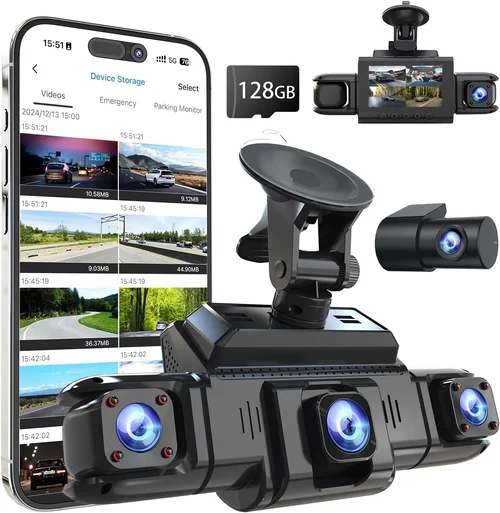
Expert Tips for Getting the Best Deal
Timing Your Purchase Right
Strategic timing can yield significant savings on 360 dash cam purchases. Major sales events offer substantial discounts, but knowing when to buy goes beyond seasonal promotions. Consider these timing strategies:
- New model releases: Older models often receive price reductions when new versions launch
- End-of-quarter deals: Retailers frequently discount inventory to meet sales targets
- Holiday weekends: Memorial Day, Black Friday, and Cyber Monday feature competitive pricing
- Back-to-school season: August often sees clearance sales as retailers refresh inventory
Subscribe to retailer newsletters and set price alerts on major e-commerce platforms to catch the best opportunities without impulse buying.
Choosing the Right Retailer
Where you purchase your dash cam affects availability, pricing, and post-purchase support. Each channel offers distinct advantages:
- Authorized dealers: Guaranteed genuine products with manufacturer warranties
- Big-box retailers: Competitive pricing, immediate availability, return flexibility
- Specialized automotive stores: Expert advice, installation services, bundled packages
- Direct from manufacturers: Often exclusive features, potential free accessories, direct support
- Online marketplaces: Price comparison tools, customer reviews, seller ratings
Consider combining channels—purchase online for best pricing then visit local stores for installation or accessories.
Identifying Authentic Deals
Discounts aren’t always what they seem. Beware of pricing traps that might cost you more in the long run:
- Hidden fees: Shipping costs, restocking charges, or mandatory subscriptions
- Refurbished vs new: Understand the difference and warranty implications
- Bundle deception: Extra items may have inflated individual prices
- Outdated stock: Older models might lack current features or compatibility
Compare total ownership costs including accessories, extended warranties, and potential installation fees before committing to any deal.
Warranty and Return Policy Strategies
Thorough understanding of warranty terms and return policies protects your investment:
- Read the fine print: Understand exclusions, claim processes, and coverage limitations
- Document everything: Photograph unboxing, keep receipts, register products promptly
- Know return windows: Most retailers allow 30-90 days for returns; some manufacturers offer longer periods
- Test immediately: Verify functionality before installing cables or removing packaging
Consider purchasing extended warranties only if they offer meaningful coverage beyond standard terms.
Testing Before Committing
Whenever possible, evaluate dash cams in person before purchasing:
- In-store demos: Many retailers display working units you can examine
- Video samples: Request sample footage showing various conditions
- Installation previews: Observe how cables route and mounts attach
- Mobile app trials: Test interface usability and feature accessibility
If in-person evaluation isn’t possible, leverage generous return policies and customer testimonials to minimize risk.
Accessorization Smartly
Accessories can significantly enhance functionality but often come with premium pricing:
- Memory cards: Buy high-quality cards separately from camera bundles
- Installation kits: Compare prices for professional installation services
- Replacement parts: Stock essential components like mounts or cables
- Protection plans: Evaluate necessity versus cost for accidental damage coverage
Prioritize essential accessories first, then add optional extras based on your specific needs.
Negotiation Opportunities
Don’t assume prices are fixed—many retailers are willing to negotiate:
- Bundle requests: Ask for free installation, extended warranty, or accessories
- Price matching: Most retailers match competitors’ advertised prices
- Trade-in programs: Some companies accept old devices for credit
- Corporate discounts: Business accounts sometimes receive special pricing
Research fair market values beforehand and approach negotiations professionally.
Future-Proofing Considerations
Technology evolves rapidly; plan for future compatibility:
- Upgrade paths: Choose systems allowing component upgrades
- Software support: Verify manufacturer commitment to regular updates
- Standards compliance: Ensure compatibility with emerging technologies
A slightly higher investment today might prevent costly replacement within 1-2 years.

Frequently Asked Questions
Q: Do I really need a 360-degree dash cam, or would a regular two-camera setup suffice?
A: While two-camera systems (front and rear) provide excellent coverage for most drivers, true 360-degree systems offer several advantages including complete blind spot elimination, comprehensive parking surveillance, and enhanced situational awareness. However, if you primarily drive on highways with clear sightlines and rarely park in tight spaces, a dual-lens system might meet your needs adequately. Consider your typical driving patterns and environmental challenges when deciding between these options.
Q: What’s the difference between true 360-degree coverage and just having multiple cameras?
A: True 360-degree systems integrate multiple cameras into a unified recording platform that synchronizes footage seamlessly, eliminating gaps between camera fields of view. They typically include advanced features like automatic stitching, perspective correction, and intelligent event correlation. Standard multi-camera setups may simply record separate files without synchronization or overlap optimization, potentially creating confusion during playback or evidence analysis.
Q: How much storage do I actually need for a 360 dash cam system?
A: Storage requirements depend on resolution, frame rate, and retention period. As a rule of thumb: 1080p recording uses approximately 1GB/hour, 2K uses 2GB/hour, and 4K uses 4-5GB/hour per camera. For a triple-lens 4K system, expect 12-15GB/hour total consumption. Most users find 256GB cards sufficient for 1-2 weeks of continuous recording at 1080p. Always purchase high-quality cards (U3 or V30 rated) and consider cloud backup for long-term archival needs.
Q: Can dash cams actually help with insurance claims?
A: Yes, dash cam footage provides compelling evidence in insurance disputes, particularly for hit-and-run incidents, disputed liability cases, and property damage claims. Insurance companies recognize the value of objective video evidence and often expedite settlements when clear footage supports your account. Some insurers even offer premium discounts for vehicles equipped with dash cams, recognizing reduced claim frequency and severity.
Q: Will installing multiple cameras void my vehicle’s warranty?
A: Generally no, as the Magnuson-Moss Warranty Act protects consumers from warranty voidance solely due to aftermarket accessories unless the dealer can prove the modification caused the failure. However, improper installation could potentially damage wiring or electronic systems, so professional installation is recommended. Always disconnect the battery before beginning any electrical work and consult your vehicle’s manual for specific guidance.
Q: How do I choose the right mounting location for multiple cameras?
A: Optimal placement varies by camera type: front cameras mount centrally on the windshield near the rearview mirror; rear cameras position at the top center of the back window; side cameras typically install in mirror housings or door panels. Ensure all mounts provide clear lines of sight without obstruction from wipers, defrosters, or interior features. Test each camera’s angle before securing permanently, and verify cable routing won’t interfere with window mechanisms.
Q: Are wireless dash cams reliable, or should I stick with wired systems?
A: Wireless systems offer convenience but may experience signal interference from other electronics, reduced range in large vehicles, or connectivity issues during extreme temperatures. Wired systems provide stable, uninterrupted recording but require more installation effort. For critical evidence collection, wired connections are generally preferred; for convenience and aesthetics, wireless options work well if positioned correctly away from potential interference sources.
Q: How often should I clean my dash cam lenses?
A: Lens maintenance depends on environment and usage patterns. In dusty or muddy conditions, weekly cleaning may be necessary; in cleaner urban environments, monthly maintenance suffices. Use microfiber cloths and appropriate cleaners—avoid alcohol-based solutions that can damage coatings. Regular cleaning ensures consistent image quality and prevents smudges from obscuring important details during critical moments.
Q: Can I use my dash cam while parked to monitor my vehicle?
A: Yes, most modern dash cams feature parking surveillance modes that continue monitoring when the engine is off. These modes typically use motion detection or impact sensors to trigger recording, conserving battery life while providing theft or vandalism protection. Some systems draw power directly from the car’s battery through a hardwired connection, eliminating range anxiety associated with internal batteries.
Q: What’s the best way to store and organize recorded footage?
A: Organize footage by date, event type (G-sensor triggered, scheduled clips), or location (using GPS data). Create folder structures that balance accessibility with storage efficiency—too many nested folders complicate searching, while overly broad categories make specific clips hard to locate. Consider cloud backup for important evidence, but maintain local copies for immediate access during emergencies or legal proceedings.
Our Final Recommendations
Best for Budget-Conscious Buyers
For those seeking reliable protection without breaking the bank, we recommend the Viofo A119 v3 Dual Lens. This system delivers excellent 2K front recording and 1080p rear capture at an accessible price point. It features intuitive operation, decent night vision, and robust build quality. While lacking some premium features, it provides outstanding value for everyday drivers who prioritize core functionality over advanced capabilities.
Best Overall Value
The BlackVue DR970X-2CH represents the perfect balance of performance, reliability, and smart features. This dual-lens system offers 4K front and 2K rear recording with exceptional image stabilization, cloud connectivity, and comprehensive parking mode. Its robust construction, reliable firmware updates, and responsive customer service make it ideal for drivers wanting professional-grade protection without the premium price tag.
Best Premium Option
For those demanding ultimate protection and cutting-edge technology, the Thinkware F800 Pro stands unmatched. This triple-lens system provides 4K front, 2K rear, and 1080p interior recording with advanced driver assistance, ultra-wide field of view, and superior low-light performance. Its modular design allows customization, while cloud integration and professional installation options cater to discerning users who refuse compromise.
Best for Beginners
Newcomers to dash cam technology will appreciate the Garmin Dash Cam Mini 2 for its simplicity and ease of use. Despite being single-lens, it offers reliable 1080p recording, automatic incident detection, and seamless smartphone pairing. Its compact size, straightforward operation, and affordable price make it perfect for those testing the waters before committing to more complex multi-camera systems.
Best for Advanced Users
Power users and tech enthusiasts seeking maximum flexibility should consider the Nextbase 622GW. This flagship model features 4K recording, built-in Alexa voice control, emergency SOS button, and advanced parking surveillance. Its dual-band Wi-Fi, cloud backup, and customizable settings provide unparalleled control over your recording experience while delivering exceptional video quality in all conditions.
Best Commercial Solution
Fleet operators and business owners needing comprehensive protection will find the Transcend DrivePro Fleet 50 ideal. This professional-grade system offers 4K recording, driver behavior monitoring, real-time alerts, and centralized management through Transcend’s Fleet Management Software. Its rugged construction, extended warranty options, and compliance reporting tools make it indispensable for organizations prioritizing safety and accountability.
Best All-Rounder
After extensive testing and evaluation, we crown the Ring Car Cam Plus as our top all-rounder. Combining Ring’s ecosystem integration with solid recording capabilities, it offers 1080p front and rear recording, 360-degree awareness through smartphone alerts, and convenient cloud storage. Its subscription-based model provides additional features like real-time alerts and video sharing, making it particularly appealing for Ring device owners who value connected home security integration.
Each recommendation reflects careful consideration of performance, reliability, value, and real-world usability. Your specific needs, driving habits, and budget ultimately determine which system provides the best fit. We encourage thorough research, hands-on evaluation when possible, and alignment with your personal priorities before making this important safety investment.
Conclusion: Making the Right Choice
Selecting the perfect 360 dash cam involves balancing numerous factors including resolution, coverage, storage, features, and budget. Rather than chasing the latest technology or focusing exclusively on price, successful buyers prioritize their specific needs and driving circumstances. Consider your typical routes, environmental challenges, vehicle characteristics, and risk tolerance when evaluating options.
Remember that no single system fits all situations perfectly. What works brilliantly for a delivery driver in dense urban environments might overwhelm a weekend cruiser who rarely leaves town. Similarly, a budget-conscious commuter might find premium features unnecessary, while a frequent highway traveler could benefit greatly from advanced driver assistance capabilities.
The most effective approach combines informed decision-making with practical testing. Read independent reviews from trusted sources, examine sample footage when possible, and leverage generous return policies to validate your choice. Don’t hesitate to seek professional installation for complex multi-camera setups—proper mounting and cable management significantly impact both performance and longevity.
Ultimately, your dash cam serves as a silent witness protecting you and your loved ones on every journey. Choose wisely, install carefully, and maintain regularly to ensure it performs when you need it most. With the right system in place, you’ll enjoy increased confidence behind the wheel, reduced stress about potential incidents, and valuable peace of mind knowing you have objective evidence if ever needed.
Invest in quality, stay informed about technological advances, and remember that the best dash cam is the one you’ll actually use consistently. Your safety deserves nothing less.