Best Dash Cam for Canadian Weather Purchase Guide
Why This Guide Matters for Canadian Drivers
If you’re a driver in Canada, you know that the country’s weather can be as unpredictable as it is beautiful. From freezing winter storms and black ice to sudden spring melt and summer downpours, Canadian roads present unique challenges that standard vehicles aren’t always equipped to handle. A dash cam isn’t just about catching traffic violations or documenting accidents—it’s a critical safety tool in the harsh Canadian climate. But not every dash cam performs well in extreme cold, snow-covered windshields, or freezing temperatures. That’s why finding the right dash cam for Canadian weather conditions isn’t just a preference; it’s a necessity.
This comprehensive buying guide will walk you through everything you need to know to choose a dash cam that can withstand Canada’s diverse and often brutal weather patterns. Whether you’re driving across icy highways in Ontario, navigating mountain passes in British Columbia during winter, or dealing with frequent fog in Atlantic provinces, you’ll learn how to identify features that matter most in cold climates. You’ll discover what technical specifications actually mean for real-world performance, how to avoid common pitfalls when shopping, and which brands have proven reliable in Canadian conditions. By the end of this guide, you’ll have the knowledge to make an informed decision that protects both your vehicle and your peace of mind.
The Canadian dash cam market has evolved significantly over the past decade, offering everything from basic single-camera systems to advanced multi-sensor setups with GPS tracking and cloud connectivity. However, many popular models available in the U.S. or globally don’t perform well in sub-zero temperatures or heavy snowfall. We’ll explore how Canadian-specific factors like temperature extremes, road salt exposure, and limited daylight hours affect dash cam functionality. You’ll also learn about important certifications like IP ratings for dust and moisture resistance, thermal shock testing standards, and how different storage technologies handle cold-weather performance.
What to Look for When Buying Dash Cams

What to Look for When Buying Dash Cams
1. Temperature Resistance & Cold Weather Performance
The most crucial factor for Canadian drivers is how well the dash cam functions in extreme cold. Most electronics struggle below -10°C (14°F), but Canadian winters regularly plunge well below that. Look for dash cams specifically rated for operation between -20°C to -30°C (-4°F to -22°F). The internal components, especially the battery and memory card, must maintain functionality in these temperatures.
Many cheaper models use lithium-ion batteries that lose capacity rapidly in cold weather. Some manufacturers now include built-in heaters or thermal management systems to keep components warm. For example, certain premium models have active heating elements that kick in when temperatures drop below freezing, ensuring reliable startup even after being parked overnight in a snowbank.
Storage technology matters too—some dash cams use eMMC chips that become sluggish or fail completely in extreme cold, while others employ industrial-grade flash memory designed for automotive applications. Always check the manufacturer’s stated operating temperature range rather than relying on vague marketing claims.
2. Lens Quality & Image Clarity in Low Light
Canada experiences long, dark winters, especially in northern regions and during winter months. Your dash cam needs excellent low-light performance to capture clear footage when visibility is poor. Look for cameras with high-quality lenses using materials like glass rather than plastic, which can fog up or distort in temperature changes.
Sensor size plays a major role—larger sensors (1/2.7″ or bigger) gather more light, resulting in clearer nighttime images. Consider cameras with wide dynamic range (WDR) technology that balances bright headlights with darker road surfaces, preventing washed-out or overly dark footage. Night vision capabilities should be evaluated based on real-world performance rather than just megapixel counts, which often mislead consumers.
3. Storage Capacity & Loop Recording Functionality
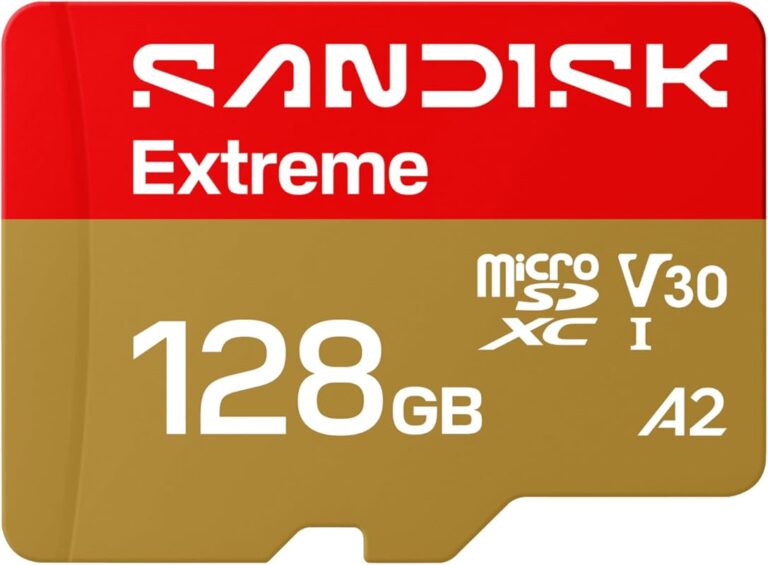
Canadian weather often leads to extended periods of poor visibility—snowstorms, blizzards, or heavy fog can last for days. You need sufficient storage to capture continuous footage without constant intervention. Most dash cams use microSD cards ranging from 32GB to 256GB or more. For Canadian conditions, aim for at least 64GB if you plan to leave the camera running unattended.
Loop recording is essential—this feature automatically overwrites older footage when storage fills up, ensuring you always have recent recordings available. Make sure your chosen model supports automatic overwrite and doesn’t require manual file deletion. Some advanced models offer cloud backup options, though cellular data costs may add up depending on your usage frequency.
4. Build Quality & Weatherproofing
Road salt, moisture, and temperature fluctuations take a toll on electronic devices. Your dash cam must resist corrosion from salt used on Canadian roads during winter. Look for models with IP-rated enclosures—IP65 means protection against dust and water jets, while IP67 offers complete dust protection plus immersion in water up to 1 meter for 30 minutes.
Materials matter: aluminum housings are more resistant to corrosion than plastic, and sealed connectors prevent moisture ingress. Thermal expansion and contraction can cause cracks in poorly designed casings, so choose models with robust construction tested for automotive environments. Some premium dash cams undergo military-grade testing (MIL-STD) for durability under extreme conditions.
5. Power Management & Battery Backup
In cold climates, car batteries drain faster due to increased electrical demands. Your dash cam shouldn’t exacerbate this problem by drawing excessive power. Look for efficient power consumption rates—most modern dash cams use less than 1A of current. Energy-saving modes that reduce recording quality slightly during parking mode help extend battery life.
Parking mode functionality is critical for Canadian drivers. This feature uses your car’s parking battery to record motion detection events or time-lapse footage while the engine is off. However, aggressive parking mode settings can drain your battery overnight. Choose models with adjustable sensitivity levels and automatic shutoff timers to prevent unexpected battery drain.
6. GPS & G-Sensor Integration
GPS tracking adds valuable context to your recordings, showing exact locations of incidents and recording speed data. In Canada’s vast distances, knowing your precise location can be crucial for insurance claims or legal situations. Ensure your dash cam has accurate GPS functionality that works reliably in remote areas where satellite signals might be weak.
G-sensors detect impacts and sudden movements, automatically saving footage when collisions occur. Adjustable sensitivity settings prevent false triggers from potholes or rough roads, while automatic locking ensures important clips aren’t overwritten. Some advanced models offer impact detection that sends alerts to your smartphone via Wi-Fi connectivity.
Different Types of Dash Cams
Different Types of Dash Cams

Common Buying Mistakes to Avoid
Common Buying Mistakes to Avoid
❌ Mistake: Ignoring Operating Temperature Specifications
Why it’s bad: Many buyers focus solely on resolution or price without checking whether the dash cam can function in Canadian winter conditions. A camera rated only for -10°C may shut down completely when temperatures drop to -20°C, leaving you with no evidence if an incident occurs.
What to do instead: Always verify the manufacturer’s stated operating temperature range. Look for models specifically marketed for cold climates or automotive use. Research user reviews from Canadian customers who’ve tested the device in winter conditions.
❌ Mistake: Choosing Based Solely on Megapixel Count
Why it’s bad: High megapixels don’t guarantee good footage quality, especially in low-light conditions common during Canadian winters. Some cameras boast 20MP but produce grainy, unusable video in dim lighting—completely inadequate for accident documentation.
What to do instead: Prioritize sensor quality, aperture size (look for f/1.8 or lower), and night vision capabilities over megapixel numbers. Real-world performance tests matter more than theoretical specs.
❌ Mistake: Overlooking Parking Mode Battery Drain Issues
Why it’s bad: Aggressive parking mode settings can drain your car battery overnight, especially problematic in cold weather when batteries already struggle to maintain charge. This leaves you stranded with a dead battery and no protection while parked.
What to do instead: Choose models with adjustable parking mode sensitivity and automatic shutoff features. Consider hardwiring kits that draw power directly from your fuse box instead of relying on the accessory circuit.
❌ Mistake: Neglecting Storage Card Compatibility
Why it’s bad: Using incompatible or low-quality microSD cards can lead to corruption, especially in cold temperatures where flash memory behaves unpredictably. You might lose important footage without realizing it until it’s too late.
What to do instead: Purchase high-endurance cards specifically rated for dash cams (not just general use). Brands like SanDisk High Endurance or Samsung PRO Endurance are recommended for Canadian conditions.
❌ Mistake: Skipping Warranty and Support Considerations
Why it’s bad: Electronics in harsh environments need reliable support when things go wrong. Cheap dash cams may offer limited warranties or poor customer service, leaving you without recourse if the device fails during winter storms.
What to do instead: Choose brands with established Canadian presence and responsive customer support. Look for warranties covering at least 1-2 years and check return policies before purchasing.
❌ Mistake: Assuming All Dash Cams Are Created Equal
Why it’s bad: Marketing claims can be misleading. Just because a camera has GPS and parking mode doesn’t mean it handles Canadian weather well. Generic “all-weather” claims often overlook specific temperature thresholds and environmental challenges.
What to do instead: Read independent reviews from automotive experts and Canadian consumer reports. Look for detailed technical specifications rather than vague marketing language.
❌ Mistake: Failing to Consider Installation Location
Why it’s bad: Placing the dash cam near air vents or heating elements might seem logical, but direct heat sources can damage sensitive components over time. Conversely, placing it too far from windshield center reduces field of view effectiveness.
What to do instead: Follow manufacturer guidelines for optimal placement. Use quality mounting hardware designed for automotive use and ensure proper cable routing away from moving parts or sharp edges.
Budget Guidelines: How Much Should You Spend?
Budget Guidelines: How Much Should You Spend?
Entry-Level Dash Cams ($50 – $120 CAD)
This category includes basic single-lens dash cams suitable for mild Canadian conditions or occasional winter driving. While these models offer decent daytime recording and essential features like loop recording, they often lack robust cold-weather performance. Expect limited night vision capabilities and shorter warranty periods. These are best for urban drivers in southern regions experiencing relatively moderate winters.
Examples in this range include budget-friendly brands like Viofo A119 v3 or BlackVue DR650GW-1CH, though always verify temperature specifications before purchase. Entry-level models typically sacrifice some build quality and advanced features to keep costs low, so consider whether the savings justify potential reliability issues during harsh weather events.
Mid-Range Dash Cams ($120 – $300 CAD)
The sweet spot for most Canadian drivers falls within this price bracket. Mid-range dash cams offer excellent balance between performance, features, and reliability. You’ll find dual-lens systems, superior low-light performance, better build quality, and improved cold-weather specifications here. Many models in this range include parking mode with intelligent battery management and enhanced GPS accuracy.
Brands like Nextbase, Garmin, and Thinkware dominate this segment with products specifically engineered for demanding conditions. These dash cams typically support higher storage capacities and offer more customization options. For average Canadian drivers facing typical winter challenges, this tier provides the best value proposition.
Premium Dash Cams ($300 – $600 CAD)
Premium dash cams deliver professional-grade performance with extensive feature sets. These devices often include three-camera systems, advanced AI-powered features like lane departure warnings, emergency SOS buttons, and superior image processing algorithms. Temperature resistance typically exceeds -30°C, making them ideal for northern Canadian regions or extreme winter conditions.
High-end models from BlackVue, Garmin, or Thinkware offer cloud connectivity, impact sensors with automatic alert notifications, and military-grade durability certifications. While expensive, these systems provide comprehensive protection for serious drivers or commercial vehicle operators needing maximum documentation capabilities.
Luxury Dash Cams ($600+ CAD)
Luxury dash cams represent the pinnacle of automotive recording technology. These systems combine multiple ultra-high-definition cameras with sophisticated software analytics, redundant storage solutions, and specialized cold-weather engineering. Features may include 4K recording, HDR imaging, facial recognition, and predictive collision avoidance.
While most personal drivers won’t need such extensive capabilities, luxury dash cams serve professionals in transportation, security, or research industries. They’re also ideal for collectors who demand perfection regardless of cost. Even within luxury segments, prioritize cold-weather performance and Canadian-specific certifications over flashy features.
Expert Tips for Getting the Best Deal
Expert Tips for Getting the Best Deal
Timing your dash cam purchase strategically can save you significant money while ensuring you get reliable equipment for the upcoming winter season. Retailers frequently offer discounts on previous year’s models as new versions launch, particularly around January when winter driving concerns peak.
Don’t assume online retailers always have the lowest prices—check local stores that may offer installation services included with purchase. Additionally, consider buying complete starter kits that include necessary cables, mounts, and storage cards rather than piecing together individual components.
Manufacturer-certified refurbished dash cams can offer substantial savings while maintaining quality standards. Check manufacturer websites directly for official refurbishment programs rather than third-party resellers who may cut corners on testing procedures.
Physical inspection reveals details invisible in product photos—check button responsiveness, screen visibility in sunlight, and overall construction quality. Ask about regional availability of replacement parts and whether the manufacturer maintains service centers in major Canadian cities.
Extended warranties can provide peace of mind for expensive dash cam purchases. Compare coverage terms carefully: some exclude water damage or extreme temperatures, so ensure your Canadian climate needs are adequately protected before paying extra.
A true cost analysis reveals hidden expenses that affect long-term value. Some dash cams require proprietary cables or specific mounting brackets sold separately, while others need specialized firmware updates requiring computer connections you might not own yet.
Online communities provide invaluable insights beyond manufacturer specifications. Users frequently report which models survive Canadian winters successfully versus those that fail prematurely, helping you avoid costly mistakes based on actual field testing.
Frequently Asked Questions

Frequently Asked Questions
Q: Can dash cams really work in extremely cold Canadian temperatures like -30°C?
A: Yes, but only if they’re specifically designed for automotive use and meet certain cold-weather specifications. Look for models with internal heaters or thermal management systems, and verify operating temperature ranges below -20°C. Many premium dash cams undergo rigorous testing for sub-zero performance, making them functional even in Arctic conditions.
Q: Will a dash cam drain my car battery during winter months?
A: It depends on the model and settings. Basic dash cams consume minimal power, but parking mode features can drain batteries if configured aggressively. Choose models with intelligent parking mode that adjusts sensitivity based on ambient temperature or includes automatic shutoff timers. Hardwiring kits that draw power from your fuse box eliminate this concern entirely.
Q: How do I clean my dash cam lens during winter when salt and grime accumulate?
A: Use microfiber cloths specifically designed for optical surfaces—never paper towels or rough fabrics that scratch lenses. Mild soap solutions work well for removing road salt residue, but always dry thoroughly afterward. Keep spare cleaning supplies accessible since winter buildup happens quickly. Avoid spraying liquids directly onto hot glass surfaces to prevent cracking.
Q: What’s the difference between parking mode and motion detection?
A: Parking mode records continuously while your car is turned off, using minimal power to monitor surroundings. Motion detection activates recording only when movement is detected nearby. Some advanced models combine both features with adjustable sensitivity settings to balance security against battery drain concerns.
Q: Do I need a specific type of microSD card for Canadian winter conditions?
A: Absolutely. Standard consumer-grade cards perform poorly in extreme cold and may corrupt files or stop working entirely. Invest in high-endurance cards like SanDisk High Endurance or Samsung PRO Endurance, which are engineered for continuous writing and temperature resilience. Always format cards in the dash cam itself rather than your computer for optimal compatibility.
Q: Can dash cams survive being left outside overnight in snow?
A: Modern dash cams are designed for interior mounting behind your windshield, not exterior exposure. However, their housings should withstand temporary snow accumulation and melting cycles. Ensure proper sealing around cables and mounting points to prevent water intrusion. Never attempt to mount dash cams externally—they’re not waterproof for outdoor use.
Q: How often should I replace my dash cam’s memory card?
A: Replace cards every 1-2 years or when you notice recording interruptions, corrupted files, or slow performance. Winter conditions accelerate wear due to temperature cycling and salt exposure. Keep spare cards on hand since failures can happen unexpectedly during critical moments.
Q: Are there any legal considerations for dash cam use in Canada?
A: Yes—you cannot record audio in public spaces without consent under Canadian wiretapping laws. Video-only recordings are generally permitted for personal use and insurance purposes. Store footage securely and delete unnecessary recordings promptly. Consult local regulations as provincial laws may vary slightly regarding privacy protections.
Q: What happens if my dash cam freezes solid in winter?
A: Modern dash cams have protective circuits that prevent permanent damage from temporary freezing. However, prolonged exposure below operating temperatures may cause shutdown until warmed up gradually. Avoid sudden temperature changes that could crack housings or damage internal components. Park in sheltered areas whenever possible.
Q: Can I install multiple dash cams myself or should I hire professionals?
A: Simple single-camera installations are DIY-friendly with basic tools and patience. Dual or triple-camera systems benefit from professional installation to ensure proper wiring, cable management, and calibration. Poor installation compromises image alignment and creates loose wires vulnerable to damage from road debris or weather elements.
Final Recommendations
Our Final Recommendations
Best for Budget-Conscious Buyers: Viofo A119 v3
The Viofo A119 v3 strikes an excellent balance between affordability and functionality for Canadian drivers watching their spending. This single-lens dash cam delivers reliable performance in temperatures down to -20°C, making it suitable for most southern Canadian regions. Its compact design fits discreetly on any windshield, while 1080p recording captures sufficient detail for insurance claims. The built-in GPS and G-sensor provide essential incident documentation, and the included parking mode prevents battery drain through intelligent sensitivity adjustments. While lacking advanced features like dual-lens capability, its proven reliability and reasonable price point make it ideal for everyday drivers seeking basic protection without overspending.
Best Overall Value: Nextbase 522GW
The Nextbase 522GW represents the perfect middle ground for Canadian drivers who want comprehensive features without breaking the bank. This dual-lens system offers both front and rear coverage, essential for understanding complete driving scenarios in winter conditions. With impressive low-light performance and temperature tolerance down to -20°C, it handles Canadian winters effectively. The inclusion of Alexa voice control, emergency SOS button, and cloud connectivity adds convenience and safety layers rarely found in this price range. Its sturdy build quality and intuitive interface simplify operation during stressful winter commutes. The 4K front camera captures crystal-clear detail while maintaining smooth rear recording, providing balanced performance across all requirements for serious Canadian drivers.
Best Premium Option: BlackVue DR970X-2CH
The BlackVue DR970X-2CH stands as the gold standard for Canadian drivers demanding top-tier performance and reliability. Engineered specifically for demanding conditions, this dual-lens system operates reliably down to -30°C with advanced thermal management protecting internal components. Its super-capacitor power supply eliminates battery drain concerns associated with traditional lithium batteries, while the military-grade housing resists corrosion from road salt and moisture. The 4K Ultra HD recording delivers exceptional detail for legal documentation, complemented by HDR technology that balances bright headlights with darker winter roads. Advanced cloud connectivity allows real-time alerts and remote viewing, while the built-in WiFi simplifies file downloads. For drivers facing extreme Canadian conditions or requiring maximum protection, this premium system justifies its higher investment with unmatched durability and functionality.
Best for Beginners: Garmin Dashcam Mini
The Garmin Dashcam Mini excels as the ideal entry point for new Canadian drivers entering the dash cam world. Its compact form factor and straightforward operation eliminate learning curves while providing dependable performance in temperatures down to -20°C. The circular design fits perfectly on curved windshields without blocking views, and the 1440p recording captures adequate detail for most situations. Garmin’s reputation for rugged electronics ensures reliable operation through winter storms, while the simple app integration makes managing recordings effortless. Though lacking advanced features like dual-lens capability, its ease of use, reliable performance, and trusted brand reputation make it perfect for beginners who prioritize simplicity and dependability over complex functionality.
Best for Advanced Users: Thinkware U1000
The Thinkware U1000 serves experienced Canadian drivers who demand professional-grade capabilities and maximum customization. This dual-lens system delivers true 4K recording with exceptional image stabilization, capturing every detail during challenging winter driving scenarios. Its intelligent parking mode includes battery care technology that prevents drain even during extended cold weather, while the built-in GPS and accelerometer provide precise incident documentation. Advanced features like lane departure warning, forward collision warning, and emergency SOS enhance safety beyond basic recording. The expandable storage supports large microSD cards for extended recording sessions during blizzards or extended road trips. With comprehensive customization options and robust build quality tested for automotive environments, this system meets the highest demands of discerning Canadian drivers seeking complete situational awareness.
Conclusion: Making the Right Choice
Conclusion: Making the Right Choice
Choosing the best dash cam for Canadian weather isn’t simply about picking the most expensive model or the one with the highest megapixels. It’s about understanding how specific Canadian climate challenges—extreme cold, road salt exposure, limited daylight hours, and unpredictable weather patterns—affect electronic performance and longevity. By prioritizing temperature resistance, build quality, and cold-weather functionality alongside essential recording capabilities, you’ll select a system that provides genuine protection when you need it most.
Remember that your dash cam serves as both a witness and a protector in potentially dangerous winter driving conditions. Whether you’re navigating icy highways in Alberta, battling blizzards in Ontario, or handling frequent fog in Newfoundland, having reliable evidence can make the difference between fair treatment and unfair blame. Take time to research thoroughly, compare specifications realistically, and choose based on proven performance rather than marketing hype.
The investment you make today could prevent significant headaches tomorrow—whether it’s proving fault in a winter collision, disputing unwarranted tickets during snow emergencies, or simply enjoying greater peace of mind knowing you’re protected. Don’t wait until the next storm hits to realize your dash cam failed to start. Equip yourself with knowledge, choose wisely, and drive with confidence knowing you’re prepared for whatever Canadian weather throws your way.