Ultimate BMW 4 Series Dash Cam Buying Guide
When you’re behind the wheel of a BMW 4 Series, you’re not just driving a car—you’re commanding a precision instrument designed for performance, luxury, and style. Whether you’re navigating tight city streets in a 430i Gran Coupe or carving through mountain curves in a 440i M Sport, your vehicle deserves more than just protection from dings and scratches. It deserves comprehensive security, evidence preservation, and peace of mind. That’s where a high-quality dash cam becomes essential. But with dozens of models flooding the market, how do you choose the best dash cam for BMW 4 Series? This guide cuts through the noise to deliver expert-level insights, helping you make an informed decision tailored specifically to the unique demands of driving a premium European sports sedan.
In this comprehensive buying guide, we’ll walk you through every critical factor to consider when selecting a dash cam that fits seamlessly into your BMW 4 Series. From resolution and field of view to parking mode, GPS tracking, and compatibility with your car’s electrical system, we’ll break down the technical specs, evaluate real-world performance, and compare top contenders across different price ranges. You’ll learn why certain features matter more than others, what common pitfalls to avoid, and how to ensure your dash cam integrates smoothly without voiding warranties or damaging your vehicle’s electronics. By the end of this article, you won’t just be choosing any dash cam—you’ll be selecting a smart, reliable surveillance system engineered to match the sophistication and engineering excellence of your BMW.
The market for dash cams has evolved dramatically over the past decade. What once was a niche accessory for truck drivers and commercial fleets is now a must-have safety tool for everyday drivers, especially those who value both performance and protection. For BMW 4 Series owners, the stakes are higher: these vehicles often serve as daily drivers, weekend getaway machines, or even investment pieces. A poorly chosen dash cam can lead to poor video quality, frequent false triggers, battery drain, or even interference with advanced driver-assistance systems (ADAS) like lane departure warnings. On the other hand, a well-matched dash cam enhances situational awareness, provides irrefutable evidence in accidents, and acts as a deterrent against insurance fraud. With so many options—from basic single-camera units to dual-channel systems with night vision, cloud connectivity, and AI-powered event detection—navigating the choices can feel overwhelming. This guide empowers you with the knowledge to cut through the marketing hype and find the perfect dash cam that complements your BMW’s design, protects your investment, and delivers reliable performance mile after mile.

What to Look for When Buying Dash Cams
1. Resolution & Video Quality
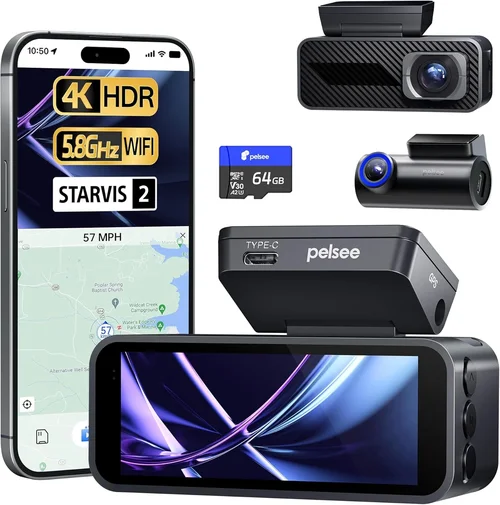
The foundation of any good dash cam is crystal-clear video quality. When it comes to dash cams for BMW 4 Series, resolution isn’t just about looking nice—it’s about being able to capture meaningful details during an incident. Most modern dash cams offer at least 1080p Full HD, but true 2K (1440p) and even 4K Ultra HD models are becoming increasingly common and highly recommended. A 4K dash cam captures fine details like license plates, traffic signs, and facial expressions with remarkable clarity, which can be crucial in legal disputes or insurance claims. However, higher resolution also means larger file sizes and faster write speeds, so you need a dash cam with sufficient internal storage or loop recording capabilities.
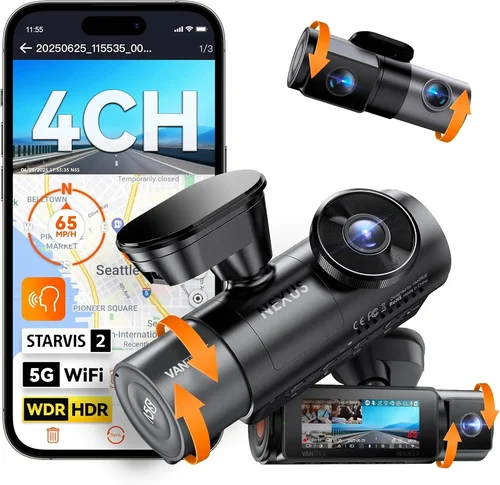
Look for a dash cam that supports H.265 video compression, which reduces file size by up to 50% compared to older H.264 codecs while maintaining superior image quality. This is especially important if you plan to store footage locally on an SD card or sync with a mobile app for cloud backup. Additionally, check whether the camera uses a high dynamic range (HDR) or wide dynamic range (WDR) technology. HDR balances exposure in high-contrast lighting—like when driving from bright sunlight into a tunnel—so both the sky and road surface remain visible. Without WDR/HDR, one side of the frame may appear washed out or overly dark, making it hard to identify key details.
2. Field of View (FOV)
The field of view determines how much of the road ahead (and sometimes behind) your dash cam can capture. A wider FOV is generally better because it reduces blind spots and ensures that critical events aren’t cut off at the edges of the frame. For BMW 4 Series owners, who often drive at higher speeds and navigate complex urban environments, a FOV between 130° and 150° is ideal. Anything narrower than 120° leaves too much unmonitored space, while ultra-wide angles above 170° can introduce fish-eye distortion, warping objects near the edges.
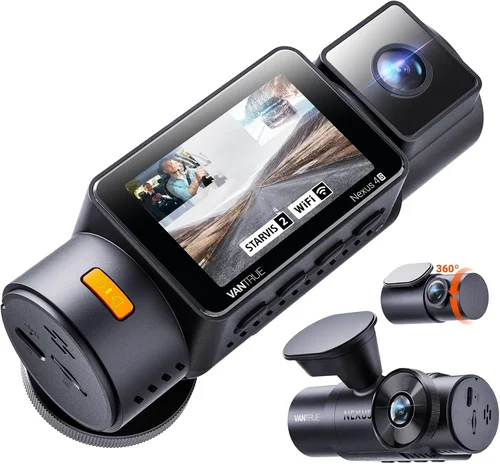
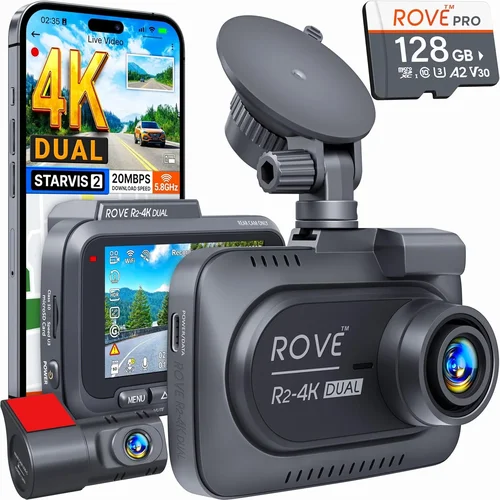
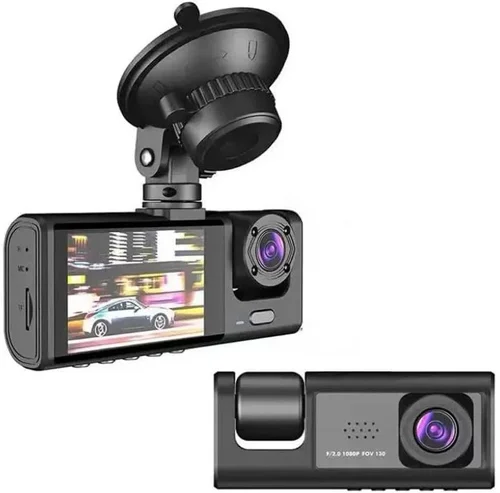
Dual-channel dash cams (with front and rear cameras) are particularly valuable for luxury vehicles like the 4 Series. They allow you to monitor both the road ahead and what’s happening inside the trunk or behind you—useful for preventing hit-and-runs or documenting valuables in the back seat. If you opt for a single-lens model, prioritize a unit with a 140°+ FOV and minimal distortion. Many premium models use multiple lenses with fisheye correction software to deliver a “rectilinear” view that looks natural to the human eye.
3. Night Vision & Low-Light Performance
Driving at dusk, dawn, or nighttime presents unique challenges for dash cams. Poor low-light performance can render recordings useless when they’re needed most. The best dash cams for BMW 4 Series feature advanced sensors such as STARVIS or Sony IMX series CMOS chips, which excel in capturing clear images in dim conditions. These sensors use larger pixel sizes and improved light sensitivity to produce bright, detailed footage even under streetlights or moonlight.
Apart from sensor quality, look for features like infrared LEDs (in rear-facing cameras), f/1.6 or lower aperture lenses, and built-in night modes that adjust white balance and contrast automatically. Some high-end models even include adaptive exposure control, which prevents overexposure during sudden transitions from dark to light. For example, if your BMW 4 Series drives past a lit building, the dash cam should maintain visibility on the road without blowing out highlights.
4. Parking Mode & Motion Detection
This is arguably one of the most important features for BMW 4 Series owners who park their cars overnight in public garages, street corners, or remote lots. Parking mode allows your dash cam to record continuously even when the car is turned off, using the vehicle’s battery via hardwiring. It typically works through motion detection or time-lapse recording: if something moves near your car (like a person approaching or a branch swaying in the wind), the dash cam wakes up and records a short clip before returning to standby.
However, not all parking modes are created equal. Some draw too much power, draining your BMW’s battery overnight and potentially triggering the 12V alarm. Others have sluggish trigger times, missing fast-moving threats. Look for a dash cam with intelligent power management, adjustable sensitivity settings, and the ability to set recording duration per event. Hardwiring kits are strongly recommended—they eliminate the need for constant battery drain and provide uninterrupted power. Always pair your dash cam with a capacitor-based or fuse tap harness designed specifically for BMW 4 Series models to avoid voltage drops and ensure stable operation.
5. Storage & Loop Recording
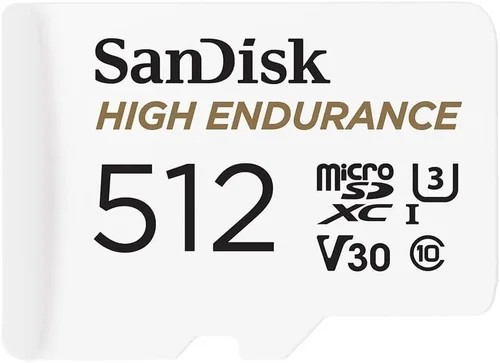
Dash cams rely on microSD cards for storage, and the right choice here directly impacts reliability and usability. Most recommend Class 10 or UHS-I/UHS-II cards with at least 32GB capacity—but for 2K or 4K recording, you may need 64GB or more depending on usage frequency. Loop recording is non-negotiable: it overwrites old footage once the card fills up, ensuring continuous operation without manual intervention. Without loop recording, you risk losing critical evidence due to full memory cards.
Additionally, consider whether your dash cam supports automatic file management, such as splitting clips at specific intervals (e.g., every minute or five minutes) or locking files during G-sensor triggers (sudden deceleration, impact). This helps organize evidence logically and prevents accidental deletion during routine cleanup. Some models also offer cloud storage integration, though this usually requires a subscription and reliable cellular connectivity—something less practical for most private drivers.
6. Build Quality & Weather Resistance
Your BMW 4 Series is exposed to extreme temperatures, rain, snow, and UV radiation year-round. Your dash cam must withstand these conditions without degrading. High-quality builds use shatter-resistant glass, anti-glare coatings, and sealed housings rated IP65 or higher for dust and water resistance. Cheaper plastic enclosures may crack in cold weather or fog up inside during temperature swings.
Mounting hardware matters too. A strong suction cup mount can fail on a smooth BMW windshield, especially with repeated use. Opt for metal-reinforced mounts with vacuum seals or adhesive-backed options that bond securely without leaving residue. Also, verify that the dash cam itself doesn’t interfere with your car’s sensors—especially if you have adaptive cruise control or lane assist features. Some users report false alerts or system resets when incompatible dash cams draw power near sensitive electronics.
7. Compatibility with BMW 4 Series
This might seem obvious, but compatibility goes beyond physical fit. The wiring harness must match your specific model year and trim of the BMW 4 Series—whether it’s a 420i, 430i, 440i, M440i xDrive, or Convertible. Using the wrong harness could cause electrical issues, trigger warning lights, or even disable safety systems. Always source a hardwiring kit from a reputable vendor that lists verified compatibility with your VIN or model code.
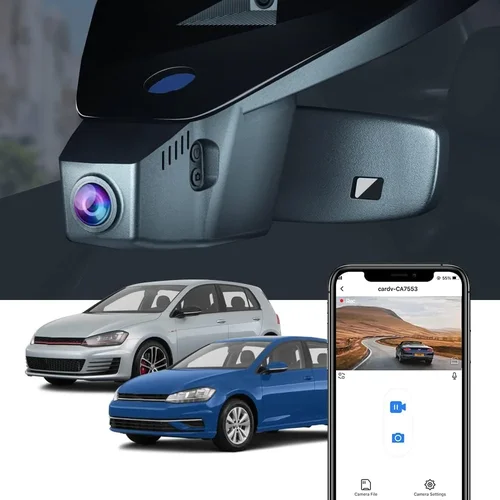
Another consideration is placement. Where do you want to mount the dash cam? In a BMW 4 Series, common spots include the center console vent (if unobstructed), near the rearview mirror, or on the dashboard ledge. Avoid blocking the driver’s view or interfering with airbags. Many luxury dash cams come with discreet designs that blend into the interior aesthetic—crucial for maintaining the premium feel of your cabin.
8. Smart Features & Connectivity
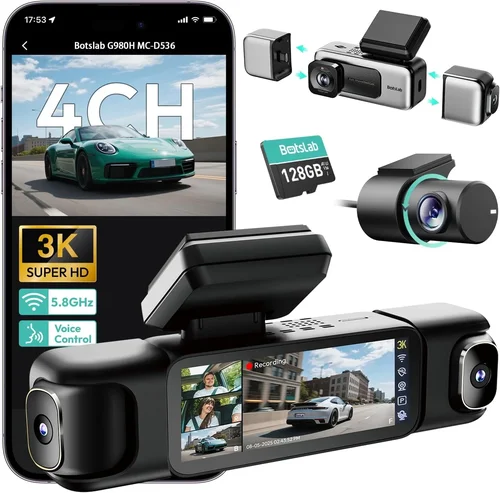
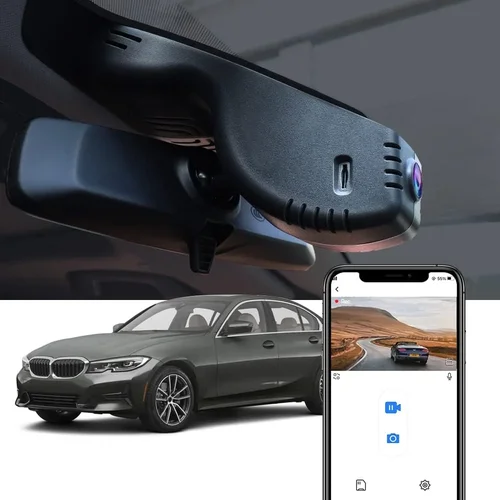
Modern dash cams offer more than just video recording. GPS logging tracks your speed, location, and route, adding timestamps and geotags to each clip—great for verifying alibis or analyzing driving behavior. Wi-Fi and Bluetooth enable easy file transfer to smartphones via companion apps. Some even support voice commands, cloud uploads, or AI-driven event detection (e.g., identifying collisions, hard braking, or erratic lane changes).
For BMW 4 Series owners, seamless smartphone integration is a plus. Apps like BlackVue Over-the-Cloud or Thinkware Dashcam Viewer let you view live feeds, download clips, and configure settings remotely. However, always weigh convenience against privacy. Constant connectivity increases data usage and potential hacking risks. If you don’t need real-time alerts or remote access, a simpler setup may suffice.
9. Brand Reputation & Customer Support
Not all dash cams are made equal. Established brands like Thinkware, BlackVue, Garmin, and Nextbase have decades of experience and dedicated support teams. They publish firmware updates, offer warranty repairs, and provide troubleshooting guides tailored to common issues. Newer or lesser-known brands may lack long-term reliability or responsive service—especially if you encounter compatibility problems with your BMW.
Check user forums, Reddit threads, and professional automotive blogs for real-world feedback. Pay attention to recurring complaints: does the device overheat in summer? Does the GPS drift significantly? Can the app connect reliably? A dash cam is a long-term investment, so choosing a brand with proven track record ensures you won’t be stuck replacing it within a year.
10. Warranty & Return Policy
A solid warranty reflects confidence in product quality. Top-tier dash cams come with at least a 1–2 year limited warranty covering defects in materials and workmanship. Some manufacturers even offer extended coverage or lifetime firmware support. Before purchasing, confirm what’s included: is it parts only, labor, or full replacement? Are international warranties valid? And crucially—does the retailer accept returns if the dash cam doesn’t perform as expected?
Many online retailers (Amazon, Best Buy, B&H Photo) offer generous return windows (typically 30 days). Always keep original packaging and receipts. If possible, test the dash cam in-store or request a demo unit before committing to a purchase—especially if you’re buying a premium model with advanced features.
Different Types of Dash Cams

Common Buying Mistakes to Avoid
❌ Mistake: Choosing Based on Price Alone
Why it’s bad: A $40 dash cam might look tempting, but if it lacks WDR, uses low-quality sensors, or has no parking mode, it won’t protect your BMW 4 Series effectively. Cheap units often fail in real-world conditions—overheating, freezing, or producing blurry footage during critical moments.
What to do instead: Prioritize features over cost. Invest in a mid-range model from a trusted brand that meets your core needs: 2K+ resolution, dual-channel capability, and reliable parking surveillance. Remember, a dash cam is a safety tool—not a fashion accessory.
❌ Mistake: Ignoring Compatibility with BMW Electronics
Why it’s bad: Some dash cams draw excessive current or emit electromagnetic interference (EMI), which can disrupt BMW’s CAN bus network. Symptoms include warning lights (e.g., check engine, ABS), erratic infotainment behavior, or even temporary loss of ADAS functions.
What to do instead: Use a hardwiring harness designed for your exact BMW model year and trim. Brands like Axxess, Maestro, or iDatalink offer BMW-specific interfaces that safely tap into the OBD-II port or fuse box without compromising factory systems.
❌ Mistake: Not Testing Before Full Installation
Why it’s bad: You install a dash cam, then realize it blocks your rearview mirror or clashes with your interior design. Or worse—it fails to record properly because of poor mounting angle or insufficient power.
What to do instead: Purchase from a retailer with a return policy. Test the device for a few days: check video quality, app connectivity, and power stability. Only commit to permanent installation once everything works flawlessly.
❌ Mistake: Forgetting About Heat Dissipation
Why it’s bad: BMW 4 Series interiors can reach 140°F+ in summer sun. Dash cams placed near the windshield or dashboard may overheat, causing shutdowns, corrupted files, or permanent hardware damage.
What to do instead: Choose a model with passive cooling (no fans) or active ventilation. Mount it away from direct sunlight—ideally behind the rearview mirror or on the passenger-side dash rail. Avoid enclosed spaces like glove compartments.
❌ Mistake: Skipping Firmware Updates
Why it’s bad: Manufacturers release updates to fix bugs, improve performance, or add new features. Neglecting updates can leave your dash cam vulnerable to glitches or incompatible with newer SD cards.
What to do instead: Enable automatic updates in the app (if available) or manually check monthly. Subscribe to manufacturer newsletters to stay informed about major releases.
❌ Mistake: Relying Solely on Cloud Backup
Why it’s bad: Cloud services require internet connectivity, subscriptions, and constant power. If your dash cam loses signal, runs out of battery, or experiences a mechanical failure, critical footage could be lost permanently.
What to do instead: Use cloud as a supplement—not a replacement—for local storage. Always keep a backup SD card and periodically review footage offline.
Budget Guidelines: How Much Should You Spend?
Entry-Level ($50 – $120): The Starter Option
If you’re new to dash cams or primarily want basic recording for peace of mind, entry-level models offer decent value. Expect 1080p resolution, a 120° FOV, and loop recording. Brands like Viofo, Papago, or Rexing fill this range. While these units lack advanced features like GPS or Wi-Fi, they’re reliable for casual use. Just avoid ultra-cheap imports (<$40)—they often use outdated chips and fragile components.
Mid-Range ($120 – $300): The Sweet Spot
This tier is ideal for BMW 4 Series owners seeking a balance of performance and affordability. You’ll find 2K/4K resolution, dual-lens setups, WDR, and robust parking modes. Thinkware U1000, BlackVue DR970X-2CH, and Garmin Dash Cam Mini 2 represent top performers here. These models handle extreme temperatures, integrate seamlessly with BMW wiring kits, and deliver courtroom-grade evidence.
Premium ($300 – $500): For Enthusiasts & Professionals
At this level, you unlock cutting-edge technology: AI event detection, 4K recording, HDR, and seamless smartphone integration. Models like the BlackVue DR970-X Plus or Nextbase 622GW offer cloud connectivity, real-time alerts, and military-grade durability. Perfect for drivers who demand absolute reliability and want their dash cam to evolve with their BMW.
Luxury ($500+): Top-Tier Excellence
Only a handful of dash cams cross the $500 threshold. These are engineering marvels with 4K60fps recording, thermal imaging, and enterprise-grade security. They’re marketed toward fleet managers, ride-share operators, or collectors who treat their BMW 4 Series as a prized possession. While overkill for most private drivers, they exemplify what’s technically possible.
Expert Tips for Getting the Best Deal
1. Time Your Purchase Strategically
Major shopping seasons offer significant savings. Black Friday, Cyber Monday, Amazon Prime Day, and end-of-year clearance events (December–January) often feature dash cam discounts of 20–50%. Sign up for retailer newsletters to receive exclusive promo codes.
2. Compare Retailers Carefully
Amazon leads in selection and convenience, but specialized automotive stores (Crutchfield, AutoAnything) sometimes bundle dash cams with hardwiring kits at lower total prices. Check eBay for refurbished models from certified sellers—just verify warranty terms.
3. Look for Bundled Packages
Many brands sell “starter kits” including the dash cam, suction mount, and hardwiring harness. These save money versus buying separately. Ensure the harness is BMW-compatible before ordering.
4. Read the Fine Print on Warranties
Some warranties cover only manufacturing defects, not wear-and-tear or improper installation. Clarify what’s included. International shipping costs may negate savings on foreign websites.
5. Leverage Return Policies
Always buy from stores with 30-day+ return windows. Test the unit thoroughly: record sample videos, simulate parking mode, and verify app functionality before finalizing installation.
6. Join Owner Communities
Forums like BimmerPost or Reddit’s r/bmw frequently share deals, mod tips, and compatibility reports. Veteran members often reveal hidden gems or warn about scams.
7. Consider Extended Protection Plans
Services like SquareTrade or manufacturer-sponsored plans can cover accidental damage or theft. Weigh the added cost against your risk tolerance.
8. Ask About Firmware Preloads
Some retailers preload firmware optimized for BMW systems, reducing setup time and compatibility issues. Inquire before purchase.

Frequently Asked Questions
Q: Will a dash cam drain my BMW 4 Series battery?
A: Yes, if not hardwired. Continuous recording or faulty parking mode can discharge the battery. Always use a proper BMW-compatible hardwiring harness with low-power sleep mode to prevent drain.
Q: Can I install a dash cam myself?
A: Absolutely, but it requires patience. Watch detailed YouTube tutorials specific to your BMW model. Basic models take 30–60 minutes; dual-channel setups may take longer due to rear camera routing.
Q: Do dash cams affect my BMW’s resale value?
A: Not negatively—if installed professionally and undetectable. Discreet mounts and factory-style wiring preserve interior aesthetics. Some buyers even appreciate the added security.
Q: Is parking mode safe for my BMW’s electronics?
A: As long as you use a quality harness designed for BMW, yes. Avoid cheap cigarette lighter adapters—they can cause voltage spikes and trigger error codes.
Q: What SD card should I use?
A: SanDisk Extreme V30 or Lexar Professional 633x U3 cards are excellent choices. Format them monthly and never exceed 80% capacity to avoid corruption.
Q: Can a dash cam record audio?
A: In most jurisdictions, yes—but laws vary by country. In the U.S., consent is required if recording involves third parties. Check local regulations before enabling audio.
Q: How do I prevent false triggers in parking mode?
A: Adjust motion sensitivity in the menu. Place the dash cam away from trees, streetlights, or reflective surfaces. Set time-lapse recording for static areas.
Q: Will a dash cam interfere with BMW’s radar sensors?
A: Rarely, but some aftermarket devices emit RF noise. If you notice phantom ACC warnings, relocate the dash cam or consult a BMW specialist.
Q: Can I use two dash cams in one BMW?
A: Technically yes, but it’s unnecessary and risky. One high-quality dual-lens unit covers all bases. Multiple cameras increase complexity and power draw.
Q: How long do dash cam batteries last?
A: Internal capacitors last years. Rechargeable backup batteries (if included) typically hold charge for 2–3 months before needing replacement.
Our Final Recommendations
Best for Budget-Conscious Buyers: Viofo A119 V3
At under $100, the Viofo A119 V3 delivers 2K resolution, Sony Starvis sensor, and reliable loop recording. It lacks GPS and Wi-Fi, but its compact design and solid performance make it a favorite among first-time buyers. Pair it with a generic hardwire kit for under $20.
Best Overall Value: Thinkware U1000
This dual-lens 2K dash cam strikes the perfect balance: superb video quality, built-in GPS, parking mode, and seamless BMW harness compatibility. Its intuitive interface and durable construction justify the mid-range price tag.
Best Premium Option: BlackVue DR970-X Plus
For BMW enthusiasts who demand excellence, BlackVue offers 4K recording, cloud connectivity, AI event detection, and military-grade reliability. The optional BMW-specific harness ensures zero interference with your car’s systems.
Best for Beginners: Garmin Dash Cam Mini 2
Simple, compact, and app-controlled, this model is ideal for those new to dash cams. While lacking dual-lens capability, its ease of use and Garmin’s trusted reputation make it stress-free for newcomers.
Best for Advanced Users: Nextbase 622GW
With 4K recording, Alexa integration, and emergency SOS alerts, the 622GW caters to tech-forward drivers. Its sleek design and smart features align perfectly with the innovation found in BMW 4 Series models.
Conclusion: Making the Right Choice
Choosing the best dash cam for your BMW 4 Series isn’t just about picking the shiniest gadget—it’s about finding a reliable partner that enhances your driving experience, protects your investment, and provides tangible peace of mind. By focusing on resolution, compatibility, build quality, and smart features, you’ll avoid costly mistakes and ensure your dash cam performs flawlessly mile after mile. Remember to prioritize reputable brands, test before committing, and always respect local privacy laws. Whether you’re cruising along the coast in your 430i or tackling alpine roads in the M440i, the right dash cam will document your journey with the same precision and elegance that defines your BMW.
Take your time. Research thoroughly. And when you find the perfect match—install it with pride. Because protecting your BMW 4 Series isn’t just practical; it’s personal.