Complete Biking Dash Cam Buying Guide
When it comes to cycling safety and security, having the right equipment can make all the difference. A quality biking dash cam isn’t just about recording your rides—it’s about protection, documentation, and peace of mind. Whether you’re commuting through city streets, hitting mountain trails, or exploring scenic routes, a reliable dash cam can capture crucial evidence in case of accidents, theft, or disputes with other road users.
This comprehensive buying guide will walk you through everything you need to know about selecting the best dash cam for biking. We’ll cover essential features, performance specifications, build quality considerations, and help you understand which type of device will work best for your specific needs and riding conditions. By the end of this article, you’ll have a clear understanding of what to look for and how to make an informed decision that matches your budget and requirements.
The market for biking dash cams has evolved significantly in recent years, offering cyclists more options than ever before. From compact action cameras designed specifically for bicycles to more robust devices with advanced GPS tracking and cloud connectivity, there’s a wide variety of products available. However, not all dash cams are created equal, and choosing the wrong one could leave you without proper coverage when you need it most.

What to Look for When Buying Dash Cams
1. Budget & Price Range
Before diving into specific features, it’s important to establish your budget. Biking dash cams vary dramatically in price, from under $50 to over $300. Your budget should reflect both your cycling habits and the level of protection you need. Entry-level models offer basic recording capabilities at an affordable price point, while premium devices come with advanced features like GPS tracking, cloud storage, and enhanced durability. Consider how often you ride, where you ride, and whether you’re carrying expensive gear that might need additional protection.
2. Performance Specifications
Performance is arguably the most critical factor when selecting a biking dash cam. The camera’s ability to capture clear, detailed footage in various lighting conditions directly impacts its effectiveness as a protective tool. Look for devices with high resolution sensors (at least 1080p Full HD, with 4K being ideal for maximum detail), wide-angle lenses (typically 130-170 degrees), and good low-light performance. Frame rate matters too—30fps is standard, but 60fps provides smoother video, especially during fast-moving scenarios. Additionally, consider the bitrate, which affects video quality and file sizes; higher bitrates mean better quality but larger storage requirements.
3. Build Quality & Durability
Since you’ll be mounting your dash cam on your bicycle, it must withstand the rigors of outdoor use. Waterproofing is non-negotiable—your device should handle rain, mud, and splashes without failing. Shock resistance is equally important, as bikes experience constant vibrations and impacts. Look for ruggedized housing with IP ratings (Ingress Protection) that indicate water and dust resistance. The mounting system itself should be secure enough to stay attached during high-speed descents or off-road adventures. Materials matter too—aluminum or polycarbonate shells tend to be more durable than plastic alternatives.
4. Features & Functionality
Modern biking dash cams offer numerous features beyond basic video recording. GPS tracking allows you to map your routes and verify your location during incidents. Built-in Wi-Fi enables easy file transfer to your smartphone or tablet. Cloud connectivity lets you store footage remotely, protecting against theft or accidental deletion. Some models include automatic incident detection, which starts recording when sudden movements or impacts are detected. Other useful features include voice control, night vision enhancement, loop recording, and emergency backup power. Consider which features align with your primary use case—commuting, recreational riding, or competitive racing.
5. Brand Reputation
While new brands may offer attractive pricing, established manufacturers often provide better reliability and customer support. Research brands with proven track records in the action camera or security device markets. Read professional reviews, check consumer reports, and look for consistent positive feedback regarding product longevity and service quality. Well-known brands typically invest more in quality control and have dedicated support teams ready to assist with technical issues or warranty claims. However, don’t dismiss innovative startups entirely—some offer excellent value and cutting-edge technology at competitive prices.
6. Warranty & Support
A solid warranty demonstrates manufacturer confidence in their product’s quality. Most reputable biking dash cam brands offer at least a one-year warranty, with some extending coverage up to three years for certain components. Check what’s covered—does it include both hardware and software? What about accessories like mounts or cables? Customer support responsiveness is equally important; responsive support teams can save you significant time and frustration when troubleshooting issues. Before purchasing, review the company’s return policy and ensure they offer reasonable timeframes for exchanges or refunds if the product doesn’t meet your expectations.
7. Size & Portability
The physical dimensions of your dash cam affect both its discreetness and ease of use. Compact devices are less obtrusive and easier to conceal, making them ideal for urban commuters concerned about theft. However, smaller cameras may sacrifice image quality or battery life. Consider the trade-off between size and functionality based on your priorities. Mounting flexibility is also crucial—can you position the camera at different angles depending on your bike setup? Does it require specialized tools for installation? Some riders prefer modular systems that allow quick attachment and detachment, facilitating transfers between bikes or storing the device when not in use.
8. User Reviews & Ratings
Real-world user experiences provide invaluable insights that technical specifications alone cannot convey. Pay attention to recurring themes in customer feedback, particularly regarding reliability, battery life, and ease of use. Be cautious of overly positive reviews that seem generic or suspiciously uniform. Instead, focus on detailed accounts from verified purchasers who describe specific scenarios relevant to your own riding habits. Look for patterns—do multiple users report similar issues, or do most praise particular aspects of the device? Online forums and cycling communities can also offer peer recommendations based on shared experiences and local conditions.
Different Types of Dash Cams
Common Buying Mistakes to Avoid
❌ Mistake: Prioritizing Price Over Quality
Why it’s bad: Choosing the cheapest option available might seem cost-effective initially, but low-quality dash cams often fail when you need them most. Cheap devices may have poor image quality, unreliable batteries, or fragile construction that can’t withstand outdoor conditions. In accident situations, blurry or incomplete footage renders the entire investment useless.
What to do instead: Set a realistic budget based on your cycling frequency and risk assessment. Invest in a mid-range model that offers reliable performance rather than skimping on essential features. Remember that a dash cam is essentially your personal witness—you wouldn’t choose the least credible one.
❌ Mistake: Ignoring Weather Resistance
Why it’s bad: Many riders assume their dash cam will only need to survive typical weather conditions. However, even short exposure to heavy rain, snow, or extreme temperatures can damage electronics. Without proper waterproofing and temperature tolerance, your device may malfunction during critical moments or suffer permanent damage.
What to do instead: Always check the IP rating (Ingress Protection) before purchasing. Aim for at least IPX4 (splash resistant) and ideally IPX7 (waterproof up to 1 meter for 30 minutes). Consider additional protective measures like waterproof cases for extreme conditions.
❌ Mistake: Overlooking Battery Life Requirements
Why it’s bad: Insufficient battery life means your dash cam won’t record the full duration of your ride. If you’re commuting across town or taking long recreational trips, a short battery life leaves you vulnerable during the most important parts of your journey. Some riders mistakenly assume they can charge the device after each ride, but this defeats the purpose of continuous monitoring.
What to do instead: Calculate your average ride length plus buffer time for unexpected delays. Choose a device with sufficient battery capacity or consider models featuring external battery packs, solar charging compatibility, or vehicle power connections if applicable.
❌ Mistake: Neglecting Storage Capacity Planning
Why it’s bad: Limited internal storage forces frequent file deletions, potentially removing crucial footage before you’ve had a chance to review it. Loop recording helps manage space, but if your device automatically overwrites older files too quickly, you might lose valuable evidence. This is particularly problematic for riders who don’t frequently transfer files to external storage.
What to do instead: Determine how many hours of footage you want to retain between transfers. Factor in file sizes based on resolution and compression settings. Consider devices with expandable microSD card slots or cloud storage options for automated backups.
❌ Mistake: Focusing Only on Video Quality
Why it’s bad: While high-resolution video is important, other factors significantly impact overall effectiveness. Poor audio quality means missing critical details like traffic sounds or verbal interactions. Weak GPS signals prevent accurate location verification. Unreliable motion detection fails to capture incidents automatically. These shortcomings undermine even the highest-resolution footage.
What to do instead: Evaluate the complete feature set holistically. Ensure adequate audio recording capabilities, reliable GPS functionality, and intelligent event detection. Balance video quality with other essential performance metrics based on your specific needs.
❌ Mistake: Assuming Universal Compatibility
Why it’s bad: Mounting systems vary widely between devices and bike types. A mount that works perfectly on a road bike might not fit your mountain bike’s handlebars or stem. Software compatibility issues arise when trying to view files on different operating systems or mobile devices. These mismatches create frustration and may render the device unusable.
What to do instead: Verify compatibility with your specific bike model before purchasing. Check mounting system specifications carefully. Ensure the companion app supports your preferred platforms. Consider universal mounting solutions if switching between multiple bicycles.
Budget Guidelines: How Much Should You Spend?
Entry-Level ($50 – $100)
At this price point, you’ll find basic dash cams suitable for occasional riders or those testing the waters before committing to more expensive options. These devices typically offer 720p or 1080p recording, limited battery life (usually 1-2 hours), and minimal additional features. They’re ideal for casual commuters who want basic protection without breaking the bank. Look for waterproof ratings and reliable loop recording functionality. While image quality may not be exceptional, these entry-level models can still provide valuable evidence in straightforward scenarios.
Mid-Range ($100 – $200)
This sweet spot represents the majority of serious cyclists’ budgets. Mid-range dash cams deliver significantly improved performance across multiple areas—higher resolution (often 4K capable), extended battery life (3-6 hours), better low-light performance, and more robust build quality. You’ll likely find GPS tracking, Wi-Fi connectivity, and enhanced durability features in this range. These devices strike an excellent balance between capability and affordability, making them suitable for daily commuters, fitness enthusiasts, and recreational riders who demand reliable performance without premium pricing.
Premium ($200 – $350)
For cyclists who prioritize top-tier performance and advanced functionality, premium dash cams offer comprehensive protection packages. At this level, expect professional-grade image sensors, superior audio recording, intelligent incident detection, cloud storage integration, and military-grade durability. Many premium models feature dual-lens systems for simultaneous front and rear recording, making them ideal for safety-conscious riders and those seeking maximum evidentiary value. Additional perks include extended warranties, dedicated customer support, and compatibility with accessory ecosystems that enhance versatility.
Luxury ($350+)
Ultra-premium dash cams represent the pinnacle of biking technology, combining cutting-edge features with uncompromising build quality. These devices often incorporate AI-powered object recognition, real-time streaming capabilities, multi-spectrum sensors (including thermal imaging), and sophisticated analytics dashboards. Luxury models typically target competitive cyclists, delivery professionals, and individuals requiring maximum security and documentation. While the price tag reflects advanced engineering and materials, these devices offer unmatched peace of mind for high-stakes environments where every detail matters.
Expert Tips for Getting the Best Deal
Timing Your Purchase Strategically
Consider seasonal sales patterns when shopping for biking dash cams. Major sporting goods retailers typically offer substantial discounts during spring preparation months (March-May) and back-to-school periods (August). Black Friday and Cyber Monday events present another opportunity for significant savings, though availability may be limited due to high demand. Avoid peak summer months when retailers focus on immediate inventory clearance rather than new product launches. Signing up for brand newsletters ensures early access to promotional codes and exclusive deals for subscribers.
Comparing Retailer Options
Online marketplaces like Amazon, REI, Backcountry, and specialty cycling shops each offer distinct advantages. Amazon provides convenience and fast shipping but may lack expert advice. Specialty retailers offer knowledgeable staff and hands-on demonstrations but typically carry narrower selections. Consider visiting physical stores to test mounting systems and interface usability before committing to online purchases. Some brands maintain direct-to-consumer websites with bundle deals unavailable elsewhere, so always check manufacturer portals alongside third-party sellers.
Identifying Authentic Deals vs. Scams
Be wary of prices that seem too good to be true—they usually are. Counterfeit products flood discount sites, featuring fake logos and substandard components. Verify seller ratings thoroughly, checking both star ratings and detailed feedback comments. Authentic brands rarely appear on obscure websites or social media marketplace groups. When in doubt, contact the manufacturer directly to confirm authorized reseller status. Legitimate discounts should align with known pricing structures; dramatic markdowns often signal compromised quality or authenticity.
Understanding Warranty Coverage
Read warranty terms carefully before purchasing. Most reputable brands offer limited warranties covering manufacturing defects but excluding accidental damage or normal wear. Some companies provide extended warranty programs for additional costs. Understand what constitutes “accidental damage” versus “manufacturing defects.” International warranties vary significantly by region—ensure your purchase includes coverage where you actually ride. Register your product promptly to activate warranty benefits and facilitate faster claims processing.
Evaluating Return Policies
Flexible return policies provide essential consumer protection, especially for complex electronic devices. Ideally, aim for retailers offering at least 30-day returns with original packaging. Some brands guarantee satisfaction with longer trial periods or money-back guarantees. Check restocking fees, which can erode potential savings. For online purchases, verify return shipping procedures—some retailers require customers to cover return postage unless the item is defective. Understanding these policies prevents unpleasant surprises if the device doesn’t meet expectations.
Testing Before Committing
Whenever possible, test dash cams in person before buying. Visit local bike shops that demonstrate compatible models or attend cycling expos where manufacturers showcase products. Hands-on experience reveals ergonomics, interface intuitiveness, and build quality firsthand. Pay attention to button placement, menu navigation, and overall feel during simulated mounting scenarios. If testing isn’t feasible, watch detailed video reviews demonstrating real-world usage rather than relying solely on static product images.
Leveraging Loyalty Programs
Many cycling retailers participate in loyalty programs offering points redeemable for future purchases. Accumulated points can offset the cost of accessories or next-generation upgrades. Some credit cards provide additional rewards when used at specific sporting goods chains. While not always substantial, these programs compound over time and occasionally unlock exclusive member-only promotions unavailable to regular shoppers.
Considering Trade-In Opportunities
Some manufacturers and retailers accept trade-ins of older dash cam models toward new purchases. Though values may be modest, trade-in programs reduce net costs and ensure responsible disposal of outdated electronics. Environmental initiatives increasingly incentivize recycling old devices, sometimes offering tax deductions or charitable donation credits instead of monetary compensation.

Frequently Asked Questions
Q: Do I really need a dash cam for my bike, or are mirrors sufficient?
A: While mirrors provide awareness of vehicles behind you, they don’t document incidents or provide evidence. A dash cam captures objective footage regardless of visibility conditions, making it invaluable for insurance claims, legal disputes, or simply verifying your account of events. Mirrors complement rather than replace dash cam functionality—they address different aspects of cyclist safety.
Q: How much storage space do I actually need for my cycling footage?
A: This depends on your recording resolution, desired retention period, and whether you use loop recording. As a general rule: 1080p at 30fps requires approximately 1GB per hour of footage. For daily commuters wanting to keep 3 days of recordings, aim for at least 32GB internal storage or a 32GB microSD card. Advanced users might prefer 64GB+ for extended trip documentation or higher bitrate settings.
Q: Can dash cams work effectively in low-light conditions?
A: Yes, but effectiveness varies significantly between models. Look for devices with large sensor sizes (1/2.3″ or larger), high aperture values (lower f-numbers like f/1.8 indicate better light gathering), and noise reduction algorithms. Night vision capabilities depend more on sensor technology than infrared illumination, which is uncommon in cycling dash cams. Test low-light performance reviews specifically addressing nighttime cycling scenarios rather than general dark environment tests.
Q: Are there privacy concerns with dash cam footage?
A: Privacy considerations depend on how you store and share footage. Most modern dash cams encrypt stored files locally, preventing unauthorized access if your device is stolen. Cloud-connected models may raise additional concerns about data transmission and server security. Avoid sharing sensitive footage publicly, and consider blurring faces or license plates when posting online. Always comply with local laws regarding recording conversations or private property.
Q: How do I mount a dash cam securely on different bike types?
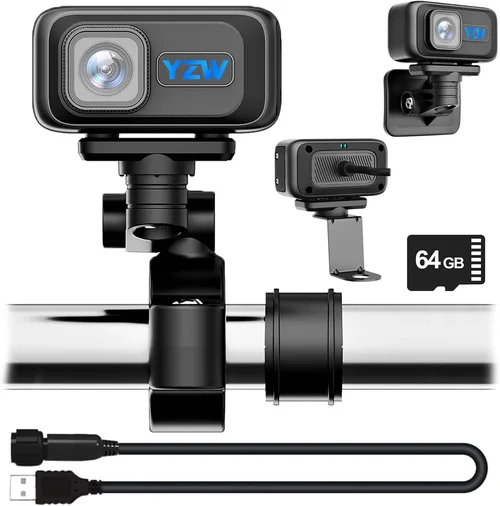
A: Mounting systems vary by device and bike geometry. Handlebar mounts suit most road and hybrid bikes, while stem or seatpost mounts work better for aggressive mountain biking positions. Ensure mounts distribute pressure evenly and don’t interfere with controls or cables. Test mounting stability by simulating real riding conditions—check for movement during turns, accelerations, and rough terrain. Universal mounting brackets adapt to various frame shapes but may require additional adapters.
Q: Can I use my existing action camera as a bike dash cam?
A: Yes, many action cameras like GoPro or DJI models serve excellently as biking dash cams. Their compact size, waterproof housings, and robust mounts make them ideal for cycling applications. However, ensure your specific model offers adequate battery life and GPS functionality if needed. Action cameras may lack bicycle-specific features like optimized mounting angles or weather sealing, so verify compatibility with your riding environment before relying on them exclusively.
Q: What happens if my dash cam runs out of battery during a ride?
A: Modern dash cams typically enter sleep mode or shut down completely when power drops below operational thresholds. To prevent this, calculate your average ride duration plus buffer time and choose accordingly. Some models feature low-battery alerts or automatic parking mode that conserves energy. For extended trips, consider external battery packs, solar chargers, or connecting to your bike’s headlight circuit if compatible—but always verify voltage requirements to avoid damaging the device.
Q: How do I protect my dash cam from theft while mounted on my bike?
A: Physical security measures are essential since dash cams remain visible and accessible on public bikes. Use cable locks through the device itself or nearby frame components, position the camera where it’s less conspicuous, and remove it when leaving your bike unattended in high-risk areas. Some riders combine visible deterrents (like bright stickers) with subtle protection methods. Cloud-connected models offer remote locking features, allowing you to disable the device if stolen.
Q: Are there legal restrictions on using dash cams while cycling?
A: Legal regulations vary by jurisdiction but generally permit dash cam use for personal protection purposes. However, recording in restricted areas like private property or government buildings may violate trespassing or surveillance laws. Some regions prohibit recording audio without consent due to wiretapping statutes. Always research local ordinances before deploying your dash cam, and err on the side of caution regarding where and how you record.
Q: How often should I clean and maintain my biking dash cam?
A: Regular maintenance extends device lifespan and ensures optimal performance. Clean the lens weekly with microfiber cloths to remove dirt, fingerprints, and moisture. Inspect mounts monthly for loose fittings or corrosion. Update firmware according to manufacturer recommendations, typically available through companion apps. Store the device in a dry place when not in use, and replace worn components like rubber gaskets or mounting straps as needed. Proper care prevents premature failure during critical moments.
Final Recommendations
Best for Budget-Conscious Buyers
For riders seeking essential protection without significant investment, the Viofo A119 V3 stands out as an excellent entry-level option. Priced around $70, it delivers reliable 1080p recording, decent low-light performance, and solid build quality. Its compact form factor fits easily on most handlebars, and the included suction cup mount provides flexibility for different bike setups. While lacking advanced features like GPS or cloud connectivity, this model offers trustworthy performance for casual commuters and weekend riders who prioritize core functionality over extras.
Best Overall Value
The Garmin VIRB XE represents the perfect balance between capability and affordability for serious cyclists. Priced between $180-$220, it combines 4K video recording with built-in GPS tracking, voice control, and advanced stabilization. The device’s rugged design withstands harsh weather conditions, while its intuitive interface simplifies operation during rides. With 3-hour battery life and expandable storage via microSD cards, it handles extended adventures reliably. Its ecosystem integration with Garmin Connect enables seamless route analysis and community sharing, making it ideal for fitness-focused riders seeking comprehensive documentation.
Best Premium Option
Cyclists demanding professional-grade performance should consider the DJI Osmo Action 3. Priced above $300, this action camera delivers stunning 4K/120fps footage with superior image stabilization and excellent color reproduction. Its magnetic mount system allows creative positioning options, while the dual screens facilitate easy operation. Enhanced low-light capabilities, waterproof housing (up to 11 meters), and 2-hour battery life make it suitable for extreme conditions. Though primarily an action camera, its versatility and durability translate well to demanding cycling applications where reliability outweighs specialization.
Best for Beginners
New cyclists looking for straightforward setup and operation will appreciate the Campark ACT74. Available for under $100, it features automatic recording, loop recording, and simple playback controls accessible through a dedicated mobile app. The included flexible tripod mount adapts to various handlebar diameters, while the IP67 waterproof rating protects against rain and splashes. Though lacking GPS or advanced features, its user-friendly interface and reliable performance make it an excellent introduction to dash cam technology without overwhelming complexity.
Best for Advanced Users
Experienced riders needing comprehensive protection should explore the Nextbase 522GW Bike Edition. Priced around $250, it offers dual-lens recording (front and rear simultaneously), GPS tracking, and emergency SOS functionality. Its cloud-connected design enables automatic incident uploads and real-time location sharing with designated contacts. The device’s intelligent parking mode activates when stationary, capturing potential threats while conserving battery. With military-grade shock resistance and extended warranty coverage, it provides peace of mind for commuters navigating challenging urban environments or long-distance touring cyclists facing diverse hazards.
Conclusion: Making the Right Choice
Selecting the best dash cam for biking ultimately depends on aligning your specific needs with available features within your budget constraints. Rather than chasing every technological advancement, focus on core requirements that match your riding patterns—whether that’s basic accident documentation, detailed route mapping, or comprehensive security coverage. Remember that a reliable dash cam serves as your silent witness, providing objective evidence when subjective accounts fail.
Take time to assess your cycling habits honestly: How frequently do you ride? What environments do you encounter? What level of protection feels necessary versus optional? These questions guide appropriate feature selection without overspending on unnecessary capabilities. Test potential models whenever possible, read verified user experiences, and don’t hesitate to seek advice from experienced cyclists or retail specialists.
The investment in a quality dash cam pays dividends far beyond mere footage collection. It enhances personal safety, deters malicious behavior, facilitates insurance claims, and preserves cherished memories of your cycling journeys. By prioritizing durability, image quality, and usability over flashy extras, you’ll find a device that becomes an indispensable part of your riding routine rather than just another gadget gathering dust.
As cycling technology continues evolving, staying informed about emerging innovations ensures you’ll upgrade wisely when ready. For now, choose confidently knowing you’ve equipped yourself with the tools needed to ride safely, document responsibly, and enjoy every mile with greater assurance. Your bike deserves nothing less than reliable protection, and your peace of mind begins with making the right dash cam choice today.