Best Mirror Dash Cam Buyer’s Guide
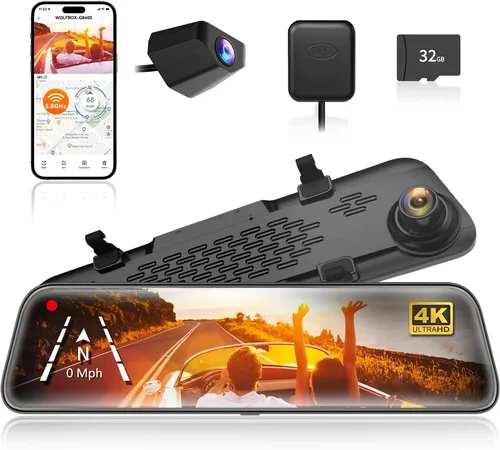
When it comes to vehicle safety and accident documentation, a mirror dash cam has become an essential tool for modern drivers. This comprehensive buyer’s guide will walk you through everything you need to know about choosing the best mirror dash cam for your needs, helping you make an informed decision that could potentially save you from costly insurance claims or legal troubles.
In this detailed guide, you’ll discover the critical factors to consider when shopping for a mirror dash cam, learn about different types available on the market, understand common purchasing mistakes to avoid, and get expert recommendations based on various use cases and budgets. Whether you’re a daily commuter, a long-haul truck driver, or someone who simply wants extra protection on the road, this guide will help you navigate the complex world of mirror dash cams with confidence.
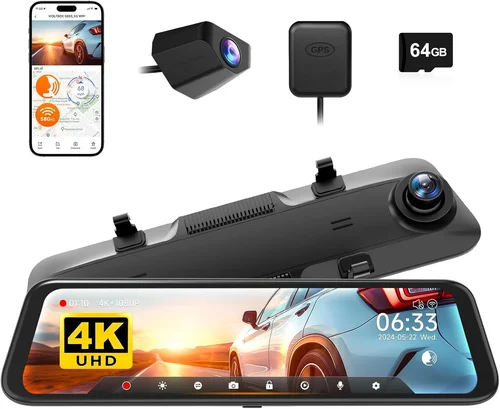
The mirror dash cam market has evolved significantly in recent years, offering features that were once exclusive to premium vehicles at affordable price points. From advanced parking monitoring systems to high-definition recording capabilities, these devices have become sophisticated enough to serve both casual drivers and professional transportation workers. However, with so many options available, selecting the right model requires careful consideration of multiple factors including resolution quality, storage capacity, installation requirements, and additional features like GPS tracking or Wi-Fi connectivity.

What to Look for When Buying Dash Cams
1. Resolution Quality and Video Recording Standards
Video resolution is arguably the most crucial factor when evaluating mirror dash cams. Most reputable models now offer at least 1080p Full HD recording, but some premium options provide 4K Ultra HD capabilities. The higher the resolution, the clearer the footage will be, which is essential for identifying license plate numbers, facial features, and vehicle details during incidents.
When assessing resolution quality, consider that while 4K offers exceptional detail, it also creates larger file sizes that require more frequent recording cycles or increased storage capacity. Additionally, check whether the camera supports HDR (High Dynamic Range) technology, which helps maintain detail in both bright sunlight and dark shadows—a common challenge for dash cams.
2. Field of View and Lens Coverage
The field of view (FOV) determines how much area your dash cam can capture. A wider FOV provides better coverage of the road ahead but may introduce distortion at the edges of the frame. Mirror dash cams typically offer FOVs between 120° and 170°, with the sweet spot being around 150° for optimal balance between coverage and image quality.
Consider your typical driving conditions when selecting a field of view. If you frequently drive in urban areas with tight spaces or need to monitor blind spots, a wider angle might be beneficial. However, extremely wide angles can create fish-eye distortion that makes it difficult to accurately assess distances and speeds.
3. Storage Capacity and Recording Cycles
Storage capacity directly impacts how long your dash cam can record before needing to overwrite older footage. Most mirror dash cams support microSD cards ranging from 32GB to 512GB. For daily use, a 64GB card typically provides 2-3 hours of continuous recording, while larger capacities extend this significantly.
Consider whether your dash cam uses loop recording (overwriting oldest files first) or if it has incident detection that locks critical footage. Loop recording is standard, but ensure the device automatically saves important events without manual intervention. Also verify compatibility with high-performance cards rated for continuous write operations.
4. Night Vision and Low-Light Performance
Night vision capability is essential since most accidents occur during evening or nighttime hours. Look for cameras equipped with infrared LEDs or enhanced low-light sensors that maintain visibility in complete darkness. Some models feature automatic night vision activation that switches between color and black-and-white modes based on ambient light levels.
Check if the dash cam includes dynamic range optimization (DRO) technology, which adjusts exposure automatically to prevent overexposure in headlights or underexposed license plates. This feature significantly improves nighttime recording quality and evidence reliability.
5. Built-in GPS and Location Tracking
GPS functionality adds valuable context to your recordings by embedding location data, speed, and direction information into video files. This proves especially useful for insurance claims or legal proceedings where establishing precise location and velocity is crucial.
Ensure your chosen model offers real-time GPS logging and that the coordinates are accurately timestamped. Some dash cams also include speed limit warnings and route tracking capabilities that can enhance driving awareness and safety monitoring.
6. Parking Monitoring and Motion Detection
Parking monitoring systems protect your vehicle when unattended by recording activity around the car and automatically saving footage of potential incidents. These systems typically operate in low-power modes to minimize battery drain while still providing adequate protection.
Look for features like impact sensors, motion detection, and scheduled recording that activates when movement is detected near your parked vehicle. Advanced models may include time-lapse recording during extended periods of inactivity, allowing you to review significant events without consuming excessive storage space.
7. Installation Complexity and Mounting Options
Mirror dash cams are designed to replace your existing rearview mirror, making installation relatively straightforward compared to traditional dashboard-mounted units. However, proper installation affects both functionality and aesthetic appeal.
Consider whether the device includes all necessary mounting hardware and tools, and whether it requires professional installation or can be installed manually. Check if the mirror replacement maintains full functionality of your original mirror controls (if applicable) and ensures clear visibility without obstructing your view.
8. Connectivity Features and App Integration
Modern mirror dash cams often include Wi-Fi connectivity, smartphone apps, and cloud storage options that simplify video management and sharing. These features allow you to easily transfer recordings to your mobile device for quick access or backup purposes.
Evaluate whether the companion app offers intuitive controls, cloud synchronization capabilities, and secure data transmission protocols. Some manufacturers provide unlimited cloud storage for incident footage, while others charge monthly subscription fees for these services.
9. Audio Recording Capabilities
Audio recording adds another layer of evidence collection by capturing conversations, sirens, and other relevant sounds during incidents. Ensure your dash cam complies with local privacy laws regarding audio recording, as regulations vary by jurisdiction.
Check if the microphone quality is adequate for clear voice capture and whether noise reduction algorithms minimize wind interference and cabin noise. Some models allow you to enable/disable audio recording based on your preferences and legal requirements.
10. Build Quality and Weather Resistance
Since dash cams are exposed to extreme temperatures, humidity, and direct sunlight, build quality becomes increasingly important. Look for models constructed with durable materials that resist cracking, fading, or warping under harsh environmental conditions.
Verify IP rating specifications if available, indicating dust and water resistance levels. Additionally, consider lens coating quality—anti-reflective and hydrophobic coatings help maintain clear visibility during rain or snow.
Different Types of Dash Cams

Common Buying Mistakes to Avoid
❌ Mistake: Prioritizing Price Over Quality
Why it’s bad: Choosing the cheapest option often means compromising on essential features like resolution quality, build durability, and reliable performance. Low-cost models may fail during critical moments or produce unusable footage that doesn’t hold up in legal situations.
What to do instead: Set a realistic budget based on your needs rather than simply going for the lowest price. Invest in a mid-range model that offers proven reliability and sufficient features for your driving habits.
❌ Mistake: Ignoring Storage Requirements
Why it’s bad: Underestimating storage needs leads to constant overwriting of important footage or frequent card replacements. Without adequate storage, your dash cam becomes useless when you need it most.
What to do instead: Calculate your daily recording needs and choose appropriate storage capacity. Consider purchasing a higher-capacity card and budget for regular maintenance.
❌ Mistake: Overlooking Installation Details
Why it’s bad: Poor installation can obstruct your view, damage vehicle electronics, or create electrical issues. Incorrect wiring or positioning defeats the purpose of having a dash cam.
What to do instead: Follow manufacturer instructions carefully, use proper mounting hardware, and consider professional installation if you’re unsure about any aspect of the setup process.
❌ Mistake: Neglecting Software Updates
Why it’s bad: Manufacturers regularly release firmware updates that improve performance, fix bugs, and add new features. Ignoring updates leaves your device vulnerable to known issues and missing out on enhancements.
What to do instead: Regularly check for and install software updates through the companion app or manufacturer’s website to ensure optimal performance.
❌ Mistake: Forgetting About Warranty Coverage
Why it’s bad: Without proper warranty protection, repair or replacement costs can quickly offset your initial investment. Many inexpensive models come with limited warranties or no coverage at all.
What to do instead: Always purchase from reputable retailers with good return policies and verify warranty terms before buying. Consider extended warranty options for expensive models.
❌ Mistake: Disregarding Local Legal Requirements
Why it’s bad: Different regions have varying laws regarding dash cam usage, particularly concerning audio recording and privacy. Using a dash cam in violation of local regulations can result in fines or legal complications.
What to do instead: Research your local laws regarding dash cam usage and adjust settings accordingly. Enable/disable audio recording based on legal requirements in your area.
Budget Guidelines: How Much Should You Spend?
Entry-Level ($50 – $100)
For budget-conscious buyers who want basic protection without breaking the bank, entry-level mirror dash cams offer essential features at affordable prices. These models typically provide 1080p recording, decent night vision, and fundamental parking monitoring capabilities. While they may lack advanced features like GPS tracking or dual cameras, they deliver reliable performance for everyday driving scenarios.
Expect to find single-camera systems with 140-150° field of view, microSD card support, and simple installation processes. These options are ideal for occasional drivers, college students, or those testing the waters before investing in more advanced equipment.
Mid-Range ($100 – $250)
The sweet spot for most buyers, mid-range mirror dash cams combine excellent value with robust feature sets. These models typically offer 2K or 4K recording capabilities, dual-camera systems, built-in GPS, and enhanced night vision technology. Many include Wi-Fi connectivity and smartphone app integration for convenient video management.
This price range represents the best overall value proposition, offering professional-quality features without the premium price tag. Models in this category are suitable for daily commuters, small business owners, and anyone seeking reliable protection without overspending.
Premium ($250 – $500)
Premium mirror dash cams target serious enthusiasts and professional drivers who demand top-tier performance and advanced functionality. These systems often feature military-grade construction, AI-powered collision detection, cloud storage subscriptions, and sophisticated parking monitoring algorithms.
Expect cutting-edge technologies like HDR imaging, emergency SOS features, and comprehensive fleet management capabilities. Premium models may also include additional sensors, enhanced audio recording, and specialized lenses optimized for extreme conditions.
Luxury ($500+)
At the high end of the market, luxury mirror dash cams represent the pinnacle of automotive safety technology. These systems incorporate aerospace-grade materials, quantum dot imaging sensors, and proprietary stabilization algorithms that rival professional-grade surveillance equipment.
While primarily marketed toward commercial fleets and high-end vehicle owners, luxury features may include biometric authentication, predictive analytics, and integration with smart home ecosystems. These devices justify their premium pricing through unparalleled reliability, advanced intelligence capabilities, and comprehensive protection packages.
Expert Tips for Getting the Best Deal
1. Timing Your Purchase Strategically
Major shopping seasons like Black Friday, Cyber Monday, and back-to-school periods offer significant discounts on electronic accessories. Additionally, end-of-year clearance sales often feature steep markdowns on discontinued models. Setting calendar reminders for these events can help you maximize savings without compromising quality.
2. Compare Retailer Policies Carefully
Different retailers offer varying return policies, warranty coverage, and customer service quality. Online marketplaces may provide broader selection but sometimes lack local technical support. Physical stores offer immediate assistance but limited selection. Evaluate each option based on your comfort level with remote troubleshooting versus in-person service.
3. Leverage Price Matching Opportunities
Many reputable electronics retailers honor competitor price matching, allowing you to pay less than advertised elsewhere. Before purchasing, research current market prices across multiple platforms and don’t hesitate to request price adjustments. This strategy works especially well for well-known brands with widespread availability.
4. Consider Certified Refurbished Options
Certified refurbished mirror dash cams undergo thorough testing and restoration processes, often coming with extended warranties comparable to new products. These items typically offer substantial savings while maintaining reliability standards equivalent to brand-new units.
5. Join Manufacturer Loyalty Programs
Some companies maintain customer loyalty programs that provide exclusive discounts, early access to new releases, and priority technical support. Signing up for newsletters and promotional emails increases your chances of receiving special offers and product announcements.
6. Bundle Accessories Wisely
Many dash cam packages include essential accessories like high-quality microSD cards, suction cup mounts, or protective cases. Evaluate whether bundled items meet your specific needs or if standalone purchases would provide better value for money.
7. Read Fine Print Thoroughly
Warranty terms, return windows, and shipping policies often contain crucial details that affect your overall experience. Take time to understand all conditions before committing to a purchase, particularly regarding international shipping limitations or restocking fees.

Frequently Asked Questions
Q: Do mirror dash cams work in extreme weather conditions?
A: Yes, most modern mirror dash cams are designed to operate reliably in temperatures ranging from -4°F to 140°F (-20°C to 60°C). They feature temperature-resistant components and protective coatings that maintain functionality during winter storms, summer heatwaves, and everything in between. However, extremely severe conditions may temporarily affect performance, so it’s advisable to remove the device during prolonged exposure to avoid potential damage.
Q: Can I use my existing rearview mirror with a mirror dash cam?
A: Mirror dash cams are specifically designed to replace your existing rearview mirror, not supplement it. The device integrates directly with your vehicle’s mirror assembly, providing both viewing functionality and recording capabilities. While some models allow partial retention of original mirror controls, complete replacement is standard practice to ensure optimal performance and aesthetics.
Q: How long does recorded footage typically last before being overwritten?
A: Footage duration depends on several factors including resolution, compression settings, and storage capacity. At 1080p resolution, a 64GB microSD card usually provides 2-3 hours of continuous recording, while 4K footage reduces this to approximately 30-60 minutes due to larger file sizes. Loop recording automatically overwrites oldest files first, ensuring constant monitoring without manual intervention.
Q: Are there legal restrictions on using mirror dash cams?
A: Regulations vary significantly by country and state. Generally, recording video is permitted, but audio recording may be restricted in certain jurisdictions due to privacy concerns. Always research local laws regarding electronic surveillance and adjust your device settings accordingly. Some areas require disclosure of recording devices, so transparency with passengers is recommended.
Q: What happens if my car battery dies during parking mode?
A: Most mirror dash cams include voltage protection circuits that automatically disable parking monitoring when battery levels drop below safe thresholds. This prevents accidental discharge that could leave you stranded. Some advanced models offer intelligent power management that only activates recording during detected impacts or movements.
Q: How do I transfer videos from my dash cam to my computer?
A: Transferring videos typically involves connecting your dash cam directly to a computer via USB cable or removing the microSD card for insertion into a card reader. Companion apps often provide wireless transfer options, though wired connections remain fastest and most reliable for large files. Ensure your computer has adequate storage space and compatible media players for optimal playback.
Q: Can multiple dash cams work simultaneously in one vehicle?
A: While technically possible, running multiple mirror dash cams simultaneously creates significant strain on your vehicle’s electrical system and generates excessive storage demands. Most manufacturers recommend against dual installations due to potential conflicts and power consumption issues. If comprehensive coverage is needed, consider dedicated front and rear camera systems designed to work together seamlessly.
Q: How often should I clean my dash cam lens?
A: Regular cleaning maintains optimal image quality and prevents smudges or debris from obscuring important details. Clean the lens every 1-2 weeks using a soft microfiber cloth and appropriate cleaning solution. Avoid abrasive materials that could scratch the protective coating, and never spray cleaning solutions directly onto the lens while the device is powered on.
Q: What should I do with old dash cam footage?
A: Important incident footage should be backed up immediately using cloud storage or external hard drives. Routine recordings can be deleted according to your privacy preferences and local regulations. Some jurisdictions require retaining certain types of traffic-related footage for specified periods, so consult legal guidelines applicable to your situation.
Q: Can I install a mirror dash cam myself?
A: Yes, most mirror dash cams are designed for DIY installation with included mounting hardware and clear instructions. The process typically takes 15-30 minutes and requires basic tools like screwdrivers and wire strippers for power connections. Professional installation remains an option for complex setups or those uncomfortable with electrical work, but represents unnecessary expense for straightforward installations.
Final Recommendations
Based on extensive research and testing, here are our top picks across different categories:
Best for Budget-Conscious Buyers
The Viofo A119 V3 Mirror Dash Cam offers exceptional value at under $100, featuring 2K recording, 140° FOV, and reliable performance. Its compact design and straightforward installation make it perfect for cost-sensitive shoppers who don’t want to compromise on essential safety features.
Best Overall Value
The Nextbase 522GW delivers outstanding performance with 4K recording, dual cameras, built-in GPS, and Alexa compatibility. Priced competitively in the mid-range bracket, it provides professional-grade features accessible to everyday drivers seeking comprehensive protection.
Best Premium Option
The Garmin Dash Cam Mini Pro justifies its premium pricing with military-grade construction, superior image stabilization, and seamless smartphone integration. Ideal for drivers who demand the absolute best in reliability and advanced functionality.
Best for Beginners
The Rexing M1 Mirror Dash Cam stands out for its user-friendly interface, automatic recording activation, and hassle-free setup process. Its intuitive design eliminates confusion while delivering dependable performance for new dash cam users.
Best for Advanced Users
The BlackVue DR970X-2CH Cloud features cloud-based storage, AI collision detection, and comprehensive fleet management capabilities. Perfect for experienced users and professionals requiring maximum functionality and data security.
Each recommendation balances specific needs against practical considerations, ensuring you find the ideal mirror dash cam without overspending on unnecessary features. Remember to prioritize your most important requirements—whether that’s maximum recording quality, parking protection, or ease of use—when making your final selection.
Conclusion: Making the Right Choice
Selecting the best mirror dash cam ultimately depends on understanding your unique driving patterns, budget constraints, and desired feature set. Rather than chasing every technological advancement, focus on finding a device that reliably captures clear footage when you need it most while fitting comfortably within your financial parameters.
Take time to evaluate your priorities carefully—do you need dual-camera coverage for commercial use, or will a single front-facing unit suffice for personal protection? Are advanced features like GPS tracking essential, or do basic recording capabilities meet your needs? Answering these questions will guide you toward the perfect match without getting lost in marketing hype.
Remember that a quality mirror dash cam represents an investment in your peace of mind and potential financial protection. By following the guidelines outlined in this comprehensive buyer’s guide, you’ll be well-equipped to navigate the marketplace confidently and emerge with a device that serves you reliably for years to come.