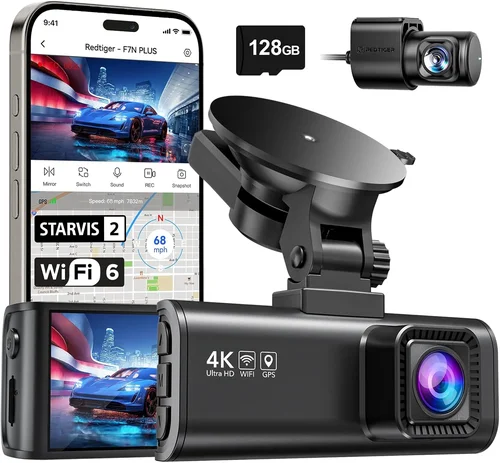
How to Choose the Best Dash Cam for Bike
How to Choose the Best Dash Cam for Bike
In today’s increasingly connected world, cyclists face unique challenges when it comes to safety and security on the road. With rising incidents of bike theft, vandalism, and traffic accidents involving cyclists, having reliable video evidence can make all the difference in insurance claims, legal disputes, or simply documenting your journey. A dash cam for your bike isn’t just a luxury—it’s becoming an essential piece of gear for serious riders, commuters, and urban explorers alike.
This comprehensive guide will walk you through everything you need to know about selecting the perfect bike dash cam for your specific needs. Whether you’re looking to protect yourself in case of an accident, deter thieves, or simply capture stunning footage of scenic routes, understanding the key features, types, and considerations will help you make an informed decision that matches your budget and riding style.
The market for bike dash cams has exploded in recent years, with options ranging from basic single-camera setups to advanced systems with GPS tracking, night vision, and cloud storage capabilities. However, not all dash cams are created equal, and choosing the wrong one could mean missing critical footage or spending money on unnecessary features. This article will cut through the noise and provide expert insights to help you navigate the complex landscape of bike dash cams.

What to Look for When Buying Dash Cams
1. Budget & Price Range
Before diving into technical specifications, consider how much you’re willing to spend. Bike dash cams range dramatically in price, and your budget should be the first filter in your decision-making process. Entry-level models typically start around $50, while high-end systems with advanced features can exceed $300.
When setting your budget, remember that a dash cam is an investment in your safety and peace of mind. While you don’t need to overspend on every feature, cutting corners on essential components like image quality or durability could compromise the entire purpose of the device. Consider how often you ride, the value of what you might want to capture (including your bike itself), and the potential costs of being involved in an incident without proper documentation.
A good rule of thumb is to allocate at least 70% of your budget toward core performance features like camera quality, battery life, and mounting system, while reserving the remaining 30% for additional features that enhance convenience and functionality.
2. Performance Specifications
The heart of any dash cam lies in its ability to capture clear, usable footage under various conditions. The most critical performance metrics include resolution, frame rate, low-light capability, and recording quality.
Resolution: Most modern bike dash cams offer at least 1080p Full HD resolution, which provides sufficient detail for identifying vehicles, license plates, and road signs. However, 2K and even 4K resolution cameras are becoming more common, offering significantly improved clarity that can be crucial for identifying small details in footage.
Frame Rate: Recording at 30 frames per second (fps) is standard, but 60 fps provides smoother motion capture, especially important for fast-moving subjects or capturing detailed bike handling maneuvers. Higher frame rates also help reduce motion blur during rapid movements.
Low-Light Performance: Night riding is where many dash cams struggle. Look for models with excellent low-light sensitivity, wide dynamic range (WDR), and infrared LEDs if you’ll be riding after sunset. Some advanced cameras use starlight sensors or f/1.6 aperture lenses to capture clearer images in near-darkness.
Storage Capacity: Built-in memory cards typically range from 8GB to 64GB, but some premium models support expandable storage up to 256GB or more. Consider how long you want continuous recording and whether loop recording will overwrite older files when storage fills up.
3. Build Quality & Durability
Bike dash cams face harsher conditions than car dash cams—exposure to rain, dust, extreme temperatures, and physical vibrations from rough roads. The housing material, lens protection, and overall construction quality directly impact reliability and longevity.
Weather Resistance: Look for IPX-rated protection against water and dust. IPX4 or higher rating means the device can handle splashing water and light rain—essential for year-round riding. Some models go further with full waterproofing (IP67 or IP68).
Vibration Resistance: Bicycles create different vibration patterns than cars—more frequent and varied frequencies. High-quality mounts and shock-absorbing designs help prevent false triggers and ensure stable recording during bumpy rides.
Temperature Tolerance: Extreme heat from summer sun or cold winter conditions can damage electronics. Premium models operate reliably in ranges from -20°C to +70°C (-4°F to +158°F). Check specifications carefully if you live in areas with harsh seasonal changes.
Lens Protection: Scratches and impacts are inevitable on the road. Tempered glass lenses with anti-reflective coatings provide better protection than plastic alternatives. Some manufacturers include protective films that can be replaced easily when scratched.
4. Features & Functionality
Beyond basic recording, modern bike dash cams offer numerous features that enhance usability and provide added value. The right combination depends on your specific riding habits and requirements.
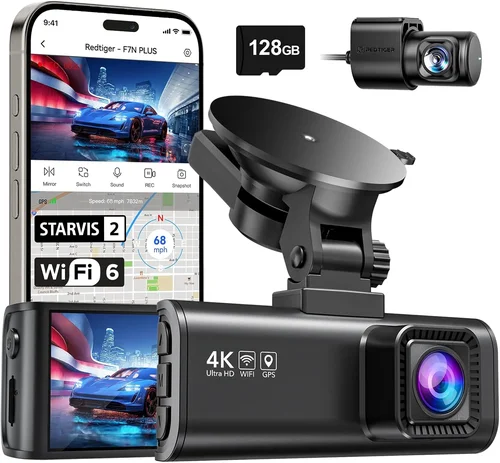
GPS Tracking: Built-in GPS logs your speed, location, and route data alongside video footage. This is invaluable for documenting ride statistics, proving you weren’t speeding during an incident, or sharing your adventures with friends. Some models sync with cycling apps like Strava for automatic uploads.
Wi-Fi Connectivity: Wireless connectivity allows you to transfer videos directly to your smartphone or tablet using companion apps. This eliminates the hassle of removing memory cards and enables quick sharing of clips on social media or with authorities.
Motion Detection & Parking Mode: These features automatically start recording when movement is detected, conserving battery and storage while still capturing potential incidents when your bike is parked. Advanced versions include impact detection that activates emergency recording.
Audio Recording: Built-in microphones capture environmental sounds and conversations, providing additional context to visual footage. However, audio privacy laws vary by region, so check local regulations before enabling this feature.
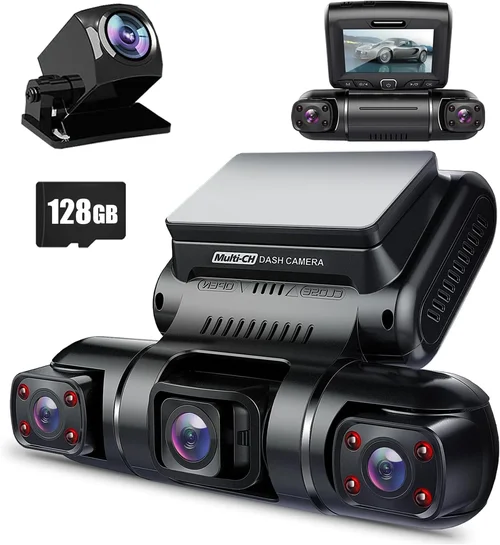
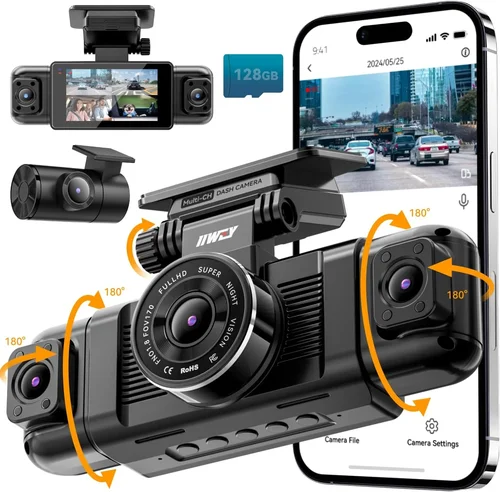
Dual Camera Systems: Front and rear cameras provide complete coverage of your surroundings and what’s happening behind you. This is particularly useful for group rides or situations where rear collisions might occur without warning.
5. Brand Reputation
While brand loyalty shouldn’t override technical requirements, established manufacturers often bring significant advantages in terms of reliability, customer support, and software updates.
Well-known brands like Garmin, BlackVue, Viofo, and Papago have built reputations through consistent product quality and responsive customer service. These companies typically invest heavily in research and development, resulting in more innovative features and robust software ecosystems.
However, don’t dismiss newer or lesser-known brands entirely. Some smaller manufacturers specialize specifically in bike dash cams and may offer better value or more targeted features for cyclists. Always research user reviews and independent testing results rather than relying solely on brand recognition.
Consider factors like warranty length, update frequency, community support forums, and availability of replacement parts when evaluating brand reputation. A longer warranty period (typically 1-3 years) often indicates confidence in product durability.
6. Warranty & Support
Technical products inevitably encounter issues, and having reliable support can save you time, frustration, and potentially expensive repairs. Warranty terms and customer service quality vary significantly between manufacturers.
Look for warranties covering at least one year, with extended options available for purchase. Check whether coverage includes both hardware defects and accidental damage (often sold separately as “accidental damage protection”).
Customer support responsiveness is equally important. Read reviews about response times, technical knowledge of support staff, and ease of getting replacements or repairs. Online communities and forums can provide valuable insights into real-world support experiences.
Also consider the availability of firmware updates, which can improve performance, add new features, or fix bugs over time. Manufacturers committed to ongoing support will regularly release updates throughout the product’s lifespan.
7. Size & Portability
Bike dash cams come in various sizes, each with trade-offs between discretion and capability. Smaller cameras are harder to spot and less likely to be tampered with, while larger models often house better sensors and additional features.
Compact Designs: Ultra-small cameras (under 2 inches) mount discreetly and reduce wind resistance. They’re ideal for commuters who want minimal visibility but may sacrifice some image quality or battery life.
Standard Size: Most dash cams measure between 2-3 inches diagonally. These offer the best balance of features and form factor, suitable for most riding scenarios including commuting, touring, and recreational cycling.
Larger Form Factors: Big-screen cameras (3+ inches) typically include touchscreens for easy operation and larger batteries for extended recording. They’re excellent for mountain biking or adventure cycling where you need longer recording times and more control over settings.
Consider your mounting preferences too—some riders prefer completely hidden installations while others opt for visible mounts for quick access or theft deterrence. The camera’s size should complement your overall bike aesthetics and riding style.
8. User Reviews & Ratings
Real-world user experiences provide invaluable insights beyond manufacturer specifications. Pay close attention to reviews from cyclists with similar riding conditions and requirements to your own.
Consistency Across Platforms: Compare reviews from Amazon, specialty cycling retailers, manufacturer websites, and dedicated cycling forums. Discrepancies in ratings or recurring complaints across multiple sources warrant closer investigation.
Long-Term Usage Reports: Look for reviews mentioning usage over several months or years. Short-term positive experiences don’t necessarily predict long-term reliability or performance degradation.
Common Complaints: Identify patterns in negative feedback—frequent issues with battery life, mounting problems, or poor customer service indicate potential red flags regardless of overall rating scores.
Satisfaction Trends: Notice whether satisfaction levels change over time. Products that start strong but develop problems after initial use are particularly concerning compared to those that maintain consistent performance.
Different Types of Dash Cams

Common Buying Mistakes to Avoid
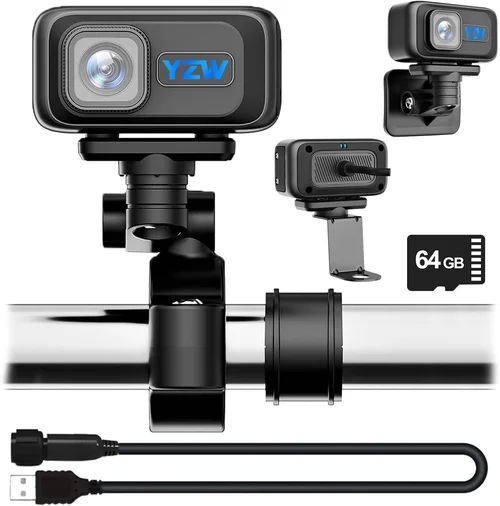
❌ Mistake: Prioritizing Price Over Performance
Why it’s bad: Choosing the cheapest option often means compromising on critical features like image quality, battery life, or durability. A $50 dash cam might seem attractive initially, but if it produces grainy footage or fails in rainy conditions, it essentially serves no practical purpose for safety or evidence purposes.
What to do instead: Focus on the total cost of ownership rather than just the upfront price. Consider how much you’ll save in the long run by avoiding replacements, legal complications, or inadequate protection. Spend enough to get reliable performance that meets your core requirements.
❌ Mistake: Ignoring Weather and Environmental Conditions
Why it’s bad: Many buyers assume their dash cam will work equally well in all conditions, but weather resistance varies dramatically between models. Riding in heavy rain, snow, or extreme heat without adequate protection can render your dash cam useless when you need it most.
What to do instead: Research your typical riding conditions thoroughly. If you commute year-round in variable weather, prioritize IPX-rated waterproofing and temperature tolerance. Check real-world reviews mentioning performance in rain, snow, or extreme temperatures relevant to your area.
❌ Mistake: Overlooking Mounting and Installation Requirements
Why it’s bad: Poor mounting solutions lead to shaky footage, accidental dislodging, or damage to your bike. Generic mounts designed for cars often fail on bicycles due to different vibration patterns and mounting surfaces. Inadequate installation compromises both footage quality and equipment security.
What to do instead: Test mounting solutions before committing to a purchase. Look for bikes-specific mounts that account for handlebar geometry, stem placement, and vibration dampening. Consider professional installation services if DIY mounting seems challenging.
❌ Mistake: Not Considering Battery Life Adequately
Why it’s bad: Insufficient battery life means your dash cam can’t record entire rides or remain active during parking mode. Many buyers assume they can charge the device frequently, but extended commutes or weekend trips require longer autonomy than short daily rides.
What to do instead: Calculate your maximum expected ride duration and add buffer time for unexpected delays. Look for models with removable batteries or external power options for extended recording sessions. Consider solar charging accessories if you plan long-distance touring.
❌ Mistake: Neglecting Storage Management
Why it’s bad: Without proper storage management, your dash cam will either stop recording when the memory card fills up or waste space on unimportant footage. Loop recording helps, but aggressive compression or inadequate card capacity can cause you to miss critical events.
What to do instead: Use high-quality memory cards with sufficient capacity for your longest expected recording session. Set appropriate file size limits and consider cloud backup options for important footage. Regular maintenance ensures optimal performance throughout the season.
❌ Mistake: Focusing Only on Visual Features
Why it’s bad: While video quality is important, overlooking audio recording, GPS data, or smart features can limit your dash cam’s usefulness. Audio provides crucial context for incidents, while GPS tracks prove your location and speed during disputes.
What to do instead: Evaluate the complete feature set based on your specific needs. Even if you don’t plan to use certain features immediately, they might prove valuable later. Consider future-proofing by choosing models with expandable capabilities.
Budget Guidelines: How Much Should You Spend?
Entry-Level ($50 – $100): What to Expect
This price range offers basic dash cam functionality suitable for occasional riders or those on tight budgets. You’ll find models with 1080p resolution, simple mounting systems, and limited additional features. While these devices provide fundamental protection, expect compromises in build quality, battery life, and weather resistance.
At this level, focus on essential requirements: decent image quality, reliable mounting, and basic waterproofing. Brands like EKEN, Z-Edge, and other budget manufacturers offer functional options, but read reviews carefully as quality control can vary significantly. These dash cams work well for short daily commutes in mild weather conditions but may struggle with extended use or harsh environments.
Recommended allocation: 70% of budget toward core recording capability, 20% for mounting system quality, and 10% for any additional accessories like extra batteries or memory cards.
Mid-Range ($100 – $200): The Sweet Spot for Most Buyers
This represents the optimal balance of features, quality, and value for the majority of cyclists. Mid-range models typically offer 1080p or 2K resolution, dual-camera systems, better build materials, improved battery life, and enhanced weather resistance. You’ll also find more reliable mounts and mounting solutions.
Popular brands like Viofo, Papago, and Thinkware enter this category with robust offerings featuring GPS tracking, Wi-Fi connectivity, and advanced motion detection. These dash cams handle most riding scenarios comfortably and provide room for growth as your needs evolve. The sweet spot includes everything most cyclists need without overwhelming complexity.
Recommended allocation: 50% for camera performance and features, 30% for durability and mounting, 15% for smart connectivity options, and 5% for accessories and extras.
Premium ($200 – $350): For Enthusiasts and Professionals
Premium dash cams deliver top-tier performance with advanced features, superior build quality, and extensive customization options. You’ll find 4K recording capability, exceptional low-light performance, sophisticated GPS systems, cloud connectivity, and professional-grade mounting solutions. These devices often include multiple camera angles, advanced driver assistance features, and integration with cycling ecosystems.
Brands like Garmin, BlackVue, and Sony dominate this segment with products designed for serious cyclists, tour operators, and professionals who demand maximum reliability and feature richness. Premium models excel in extreme conditions, offer extensive data logging, and provide superior user interfaces for managing large amounts of footage efficiently.
Recommended allocation: 40% for imaging technology and processing power, 30% for build quality and durability, 20% for connectivity and software features, and 10% for professional-grade accessories.
Luxury ($350+): Top-Tier Features for Specialized Needs
Ultra-premium dash cams represent the pinnacle of cycling safety technology, incorporating cutting-edge sensors, AI-powered features, and comprehensive security systems. These devices often include multiple high-resolution cameras, thermal imaging, satellite connectivity, automated incident detection, and integration with home security systems.
Target users include high-value bike owners, competitive racers, adventure cyclists, and professionals who require maximum protection and data collection capabilities. Luxury models justify their cost through specialized applications, superior build standards, and exclusive features unavailable elsewhere.
Recommended allocation: 50% for specialized sensors and processing, 25% for build quality and materials, 15% for connectivity and network infrastructure, and 10% for specialized mounting and security accessories.
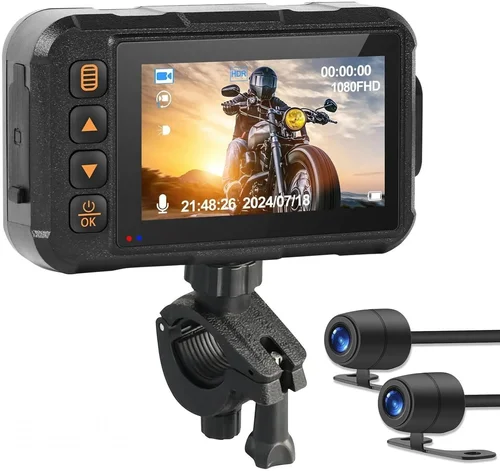
Expert Tips for Getting the Best Deal
Finding the right bike dash cam doesn’t always mean paying full retail price. Strategic shopping and timing can help you maximize value while ensuring you get a quality product that meets your needs.
Timing Your Purchase
The best deals often appear during seasonal transitions and major sales events. Late summer and early fall typically see discounts as retailers prepare for holiday seasons, while end-of-season clearance sales in spring and winter offer significant markdowns on last year’s models.
Black Friday, Cyber Monday, Prime Day, and Memorial Day weekends consistently feature substantial discounts on cycling electronics. Sign up for retailer newsletters and follow major brands on social media to catch flash sales and exclusive promotions. Remember that online prices often differ from in-store pricing, so compare carefully across platforms.
Where to Buy
Specialty cycling shops provide personalized advice and immediate availability but usually carry higher margins. Online retailers like Amazon, REI, Backcountry, and direct manufacturer websites offer broader selection, competitive pricing, and detailed product information but require patience for shipping times.
Consider checking outlet stores, refurbished sections of major retailers, and international marketplaces for additional savings. Always verify return policies before purchasing, especially when buying online, to ensure you can return items if they don’t meet expectations.
Spotting Hidden Deals
Manufacturer rebates, bundle deals, and student discounts often fly under the radar. Sign up for brand loyalty programs and email lists to receive exclusive offers. Follow cycling influencers and YouTubers who occasionally partner with brands for special discount codes.
Compare prices across multiple retailers using comparison tools, but also check individual seller ratings and return policies. Sometimes a slightly higher-priced item from a more reputable seller offers better long-term value through superior support and reliability.
Warranty Considerations
Extended warranties can provide peace of mind but aren’t always worth the cost. Evaluate whether the additional coverage justifies the expense based on your riding frequency, environmental exposure, and willingness to handle repairs yourself.
If purchasing an extended warranty, read the fine print carefully. Some policies exclude water damage or normal wear and tear, while others have complicated claim processes. Consider manufacturer direct warranties versus third-party providers, as direct coverage often involves fewer complications.
Return Policies
Always check return windows and restocking fees before purchasing. Many electronics retailers offer 30-day return periods, but some specialty stores have shorter windows. Free returns simplify the buying process, allowing you to test products without financial risk.
Keep original packaging and accessories until you’re certain the product works as expected. Some retailers charge restocking fees for opened items, making it difficult to return products after initial testing.
Testing Before Buying
If possible, test dash cams in-store or through rental programs before committing to a purchase. Many specialty bike shops allow customers to try products on their own bikes, providing realistic assessment of mounting compatibility, weight distribution, and usability.
For online purchases, consider starting with a less expensive model to test functionality before investing in premium systems. This approach minimizes risk while helping you understand your specific needs and preferences.
Future-Proofing Your Investment
Choose products with upgrade paths rather than buying the absolute latest model. Technology evolves quickly, and overpaying for features you won’t use wastes money. Instead, select systems that can grow with your needs through firmware updates, accessory additions, or software enhancements.
Consider ecosystem compatibility—choose dash cams that integrate well with your existing cycling apps, smartphones, and other devices. This ensures seamless data flow and reduces friction when managing your footage and ride statistics.

Frequently Asked Questions
Q: Do I really need a dash cam for my bike, or will regular phone footage suffice?
A: While smartphones can record video, dedicated bike dash cams offer significant advantages for safety and evidence purposes. Dash cams provide higher-quality stabilization, wider field of view, better low-light performance, dedicated mounts that don’t block handlebars, and automatic recording that starts immediately when powered on. Unlike phones, dash cams continue recording during rides without draining your battery or requiring manual activation, ensuring you never miss critical moments.
Q: How long can bike dash cams record continuously before needing to recharge?
A: Battery life varies dramatically between models, typically ranging from 1.5 hours to over 8 hours of continuous recording. Smaller compact models often last 1-2 hours, while larger systems with external batteries can record 4-8 hours. Factors affecting battery life include resolution settings, GPS usage, Wi-Fi connectivity, and environmental temperatures. For extended rides, look for models with external battery packs, USB charging options, or solar panel accessories to extend recording time indefinitely.
Q: Are bike dash cams legal in my state/country? Do they record audio legally?
A: Legality varies significantly by jurisdiction. In most countries including the United States, recording video of public spaces is generally legal, but audio recording laws are much stricter. Twenty-three U.S. states require two-party consent for audio recording, meaning you must inform all parties they’re being recorded. Many European countries have similar restrictions on unauthorized audio recording. Always check local laws before enabling audio recording features and consider disabling microphone functions in sensitive areas or when riding through private properties.
Q: Can dash cams survive crashes or impacts during falls?
A: Most quality bike dash cams are designed to withstand moderate impacts and falls, but survival depends on the severity of the crash and the camera’s build quality. Look for models with rubberized casings, reinforced mounting systems, and internal shock absorption. Some premium models include impact detection that automatically saves footage before shutdown. However, extremely violent crashes can damage even the most rugged devices. Regularly check mounting security and consider carrying important footage backups separately from the main unit.
Q: What’s the best way to install and position the dash cam on my bike?
A: Optimal positioning depends on your bike type and riding style. For road bikes, mount the camera on the stem or head tube facing forward at eye level. Mountain bikes benefit from handlebar mounts positioned slightly below eye level for better downhill visibility. Position the camera to avoid blocking controls, mirrors, or lights while ensuring it captures clear views of the road ahead. Use vibration-dampening mounts specifically designed for bicycles, and secure cables neatly to prevent interference with controls or comfort.
Q: How do I manage and organize all the footage my dash cam produces?
A: Effective footage management requires a systematic approach. Use high-capacity memory cards (32GB minimum, 64GB+ recommended) and establish a regular download schedule. Organize videos by date, ride type, or location using consistent naming conventions. Consider cloud backup services for important footage, but be mindful of data usage charges. Create a digital filing system with folders for incidents, scenic rides, training sessions, and general recordings. Regularly delete old footage to free up storage space and prevent accidental overwrites.
Q: Will a dash cam actually help prevent bike theft or assist in recovery?
A: Yes, dash cams serve as powerful deterrents and investigative tools for bike theft. Visible dash cams discourage opportunistic thieves who target unattended bikes. During theft incidents, video evidence can identify suspects, document serial numbers, and provide police with valuable leads. Some advanced systems include GPS tracking, motion alerts, and remote locking features that significantly improve recovery chances. Even without advanced features, the mere presence of recording equipment often prevents theft attempts altogether.
Q: How does weatherproofing actually work on bike dash cams?
A: Weatherproofing relies on multiple layers of protection working together. IPX ratings indicate water resistance levels—IPX4 handles splashing water and light rain, while IPX7 or IPX8 means the device can withstand submersion. Waterproof seals around buttons and ports prevent moisture intrusion, while corrosion-resistant materials protect internal components. Heated elements in extreme cold prevent condensation buildup, and UV-resistant housings prevent sun damage. Always check specific weather ratings for your intended riding conditions and replace seals or protective films as needed.
Q: Can I use the same dash cam for both my car and bike?
A: While technically possible, dedicated bike dash cams offer better features for cycling-specific needs. Bike dash cams prioritize vibration resistance, compact size, and weatherproofing over car-oriented features like parking mode or vehicle power connections. However, many mid-range models work well for both applications, especially if you primarily ride in fair weather. Consider your usage patterns—if you need parking mode or car-specific features, choose a car dash cam; if cycling is your primary concern, invest in a bike-specific model.
Q: How do I choose between front-only, dual-camera, and multi-angle systems?
A: Your choice depends on riding style, safety priorities, and budget constraints. Front-only systems suit casual riders focused on basic protection and scenic recording. Dual-camera systems (front and rear) provide complete coverage ideal for urban commuting and group rides. Multi-angle systems (front, rear, side cameras) offer maximum situational awareness for mountain biking, adventure cycling, or professional racing. Consider your riding environment—urban areas benefit from rear cameras for detecting following traffic, while off-road riding prioritizes front and side visibility for technical terrain.
Our Final Recommendations
Best for Budget-Conscious Buyers
The EKEN D180 Pro offers exceptional value at under $80, delivering 1080p recording with surprisingly good low-light performance. Its compact design fits discreetly on handlebars, while the included suction cup mount provides flexibility across different bike types. Though lacking advanced features like GPS or Wi-Fi, it excels at core recording tasks with reliable build quality and adequate weather resistance for mild conditions.
This model stands out for commuters seeking affordable protection without sacrificing essential functionality. The included 32GB memory card provides sufficient storage for daily rides, and the 3-hour battery life covers most standard commuting distances. While not suitable for extreme weather or extended touring, it represents the best balance of price and performance for casual riders.
Best Overall Value
The Viofo A119 V3 strikes the perfect balance between features, quality, and price at around $120. This dual-camera system delivers crisp 1080p footage from both front and rear perspectives, with impressive low-light sensitivity thanks to its Sony Starvis sensor. The built-in GPS tracks your route and speed data, while Wi-Fi connectivity enables easy file transfers to smartphones.
What makes this dash cam exceptional is its robust build quality combined with thoughtful features. The metal casing withstands rough handling better than plastic competitors, while the flexible mounting system adapts to various handlebar sizes. Advanced parking mode with impact detection provides security when you’re away from your bike, and the 3-hour battery life supports extended recording sessions.
Best Premium Option
Garmin VIRB XE represents the gold standard in bike dash cam technology, priced at approximately $280. This 4K action camera combines professional-grade video quality with comprehensive cycling metrics tracking. The built-in GPS, accelerometer, barometer, and heart rate monitoring create detailed ride analysis unmatched by other dash cams.
Advanced features include voice control, live streaming capability, and seamless integration with Garmin Connect ecosystem. The waterproof design handles extreme weather conditions, while the high-capacity battery supports up to 2 hours of 4K recording. For serious cyclists, adventure riders, or content creators, the VIRB XE justifies its premium price through superior performance and data richness.
Best for Beginners
The Papago GO A300 offers an intuitive entry point into bike dash cam technology at around $90. Its simple interface makes navigation effortless for new users, while the 140-degree field of view captures plenty of surrounding context. The included suction mount provides quick installation without damaging your bike.
Beginners appreciate the automatic loop recording feature that manages storage efficiently, and the motion-activated parking mode adds security without complex setup. Though lacking advanced features, the GO A300 delivers reliable performance for basic protection and casual recording needs. The included 32GB memory card and 2-hour battery provide everything needed to get started confidently.
Best for Advanced Users
The BlackVue DR970X-2CH Cloud features enterprise-grade technology designed for demanding cycling applications, priced at $350. This dual-channel system records stunning 4K footage from both cameras simultaneously, with advanced parking surveillance and cloud connectivity for real-time monitoring.
Advanced users value the built-in Wi-Fi hotspot functionality, which enables remote viewing and downloading of footage from anywhere. The GPS tracking provides precise location data, while the built-in microphone captures environmental audio for complete scene documentation. Professional-grade build quality and comprehensive mobile app control make this ideal for serious cyclists, tour operators, or anyone needing maximum protection and data management capabilities.
Conclusion: Making the Right Choice
Choosing the best dash cam for your bike ultimately comes down to understanding your specific needs, riding conditions, and budget constraints. No single device perfectly suits everyone, but by carefully considering the factors outlined in this guide, you can make an informed decision that enhances your safety, provides peace of mind, and delivers value over time.
Remember that a quality dash cam represents more than just a piece of technology—it’s an investment in your freedom to ride without constant worry about theft, accidents, or unfair treatment. Whether you’re commuting through busy city streets, exploring scenic mountain trails, or simply enjoying leisurely weekend rides, having reliable video documentation transforms ordinary cycling into protected exploration.
Don’t rush into purchasing without thorough research. Take time to evaluate different models based on your riding style, environmental conditions, and feature priorities. Consider borrowing or renting equipment before committing significant funds, and prioritize reliability and performance over flashy extras that might not serve your actual needs.
Most importantly, remember that any dash cam is better than none when it comes to protecting yourself and your bike. Start with a solution that meets your current requirements, then upgrade as your needs evolve. The goal isn’t perfection—it’s creating a safer, more confident cycling experience that allows you to enjoy the freedom and joy of riding without unnecessary fear or anxiety.
By making thoughtful choices based on comprehensive research and honest self-assessment, you’ll find the perfect dash cam that becomes an indispensable companion on every ride, providing not just evidence when needed, but the confidence to explore new routes and push your boundaries safely and securely.